Compact Powered Bookshelf Speakers
Compact Powered Bookshelf Speakers offer a smart solution for enjoying high-quality audio in any space, from home offices to cozy living rooms. These versatile speakers are designed to deliver impressive sound while fitting seamlessly onto shelves or desks. Whether you're upgrading your entertainment setup or looking for an easy way to enhance your music experience, Compact Powered Bookshelf Speakers combine style and performance in a space-saving design. Explore options that match your needs and elevate your listening environment with ease.
Sort
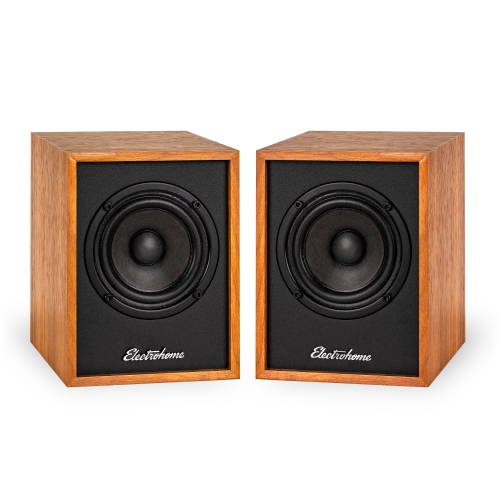
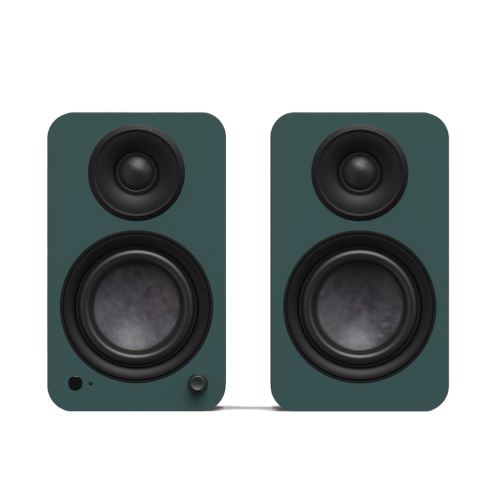
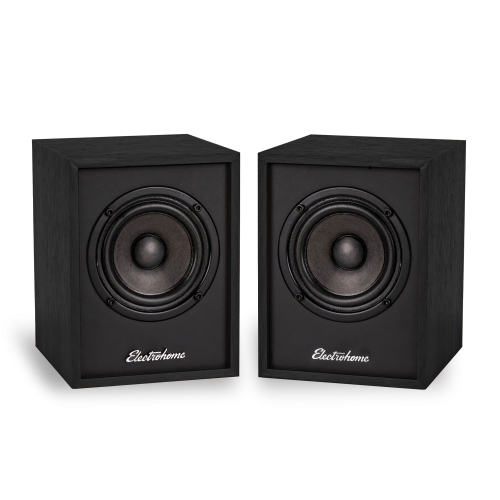
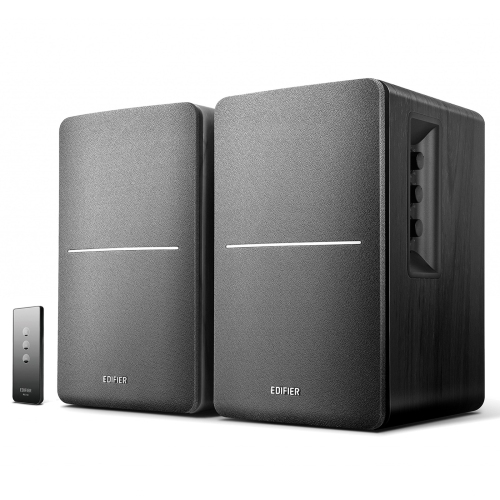

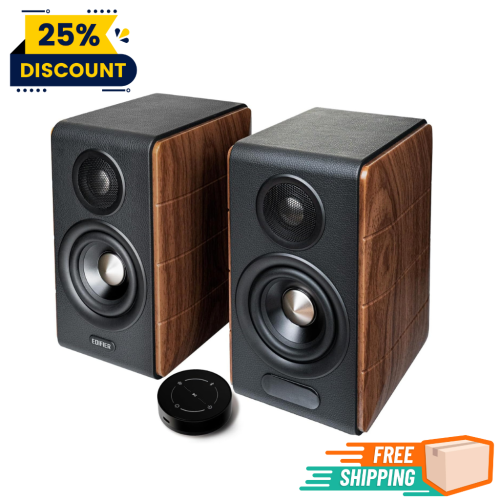
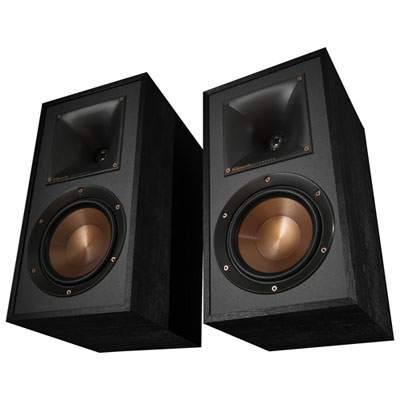

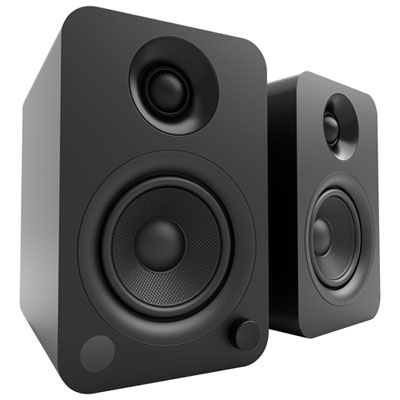
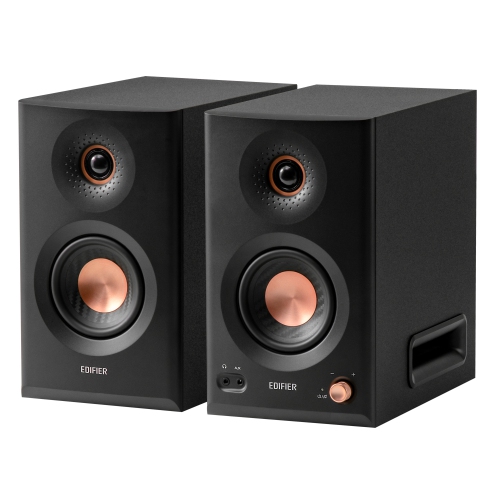


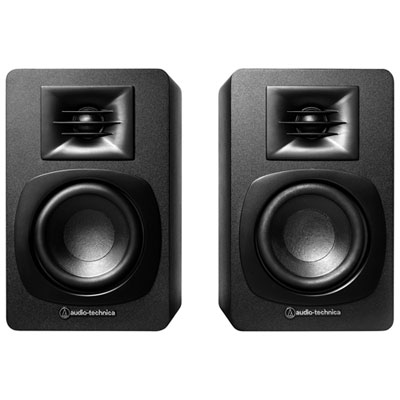
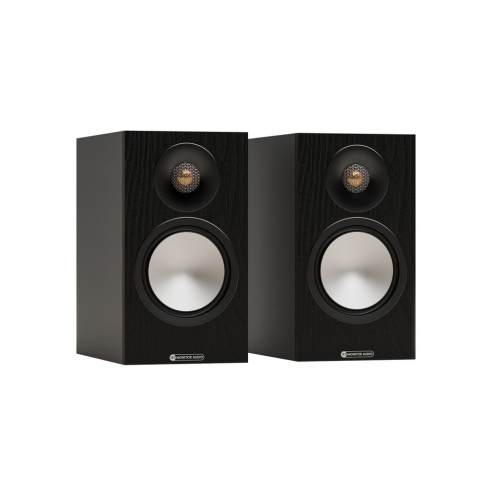
Fuller stereo sound without a separate amplifier
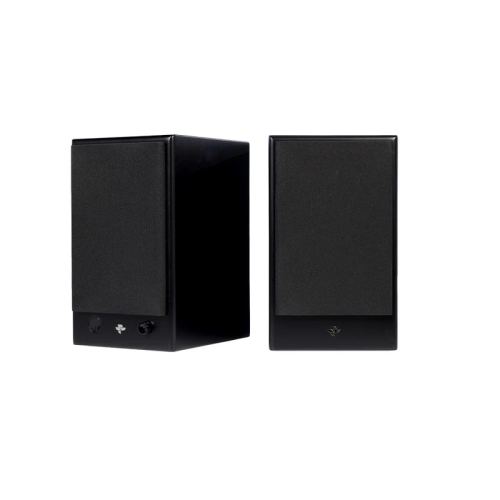
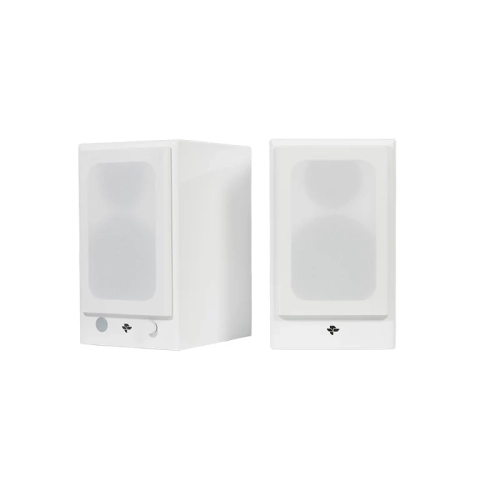
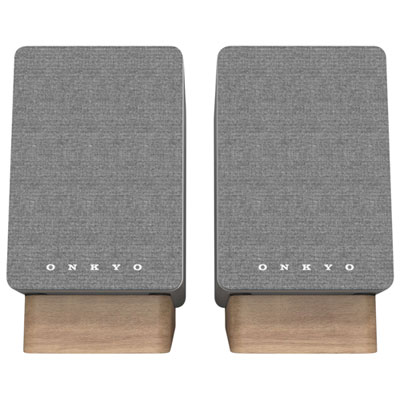
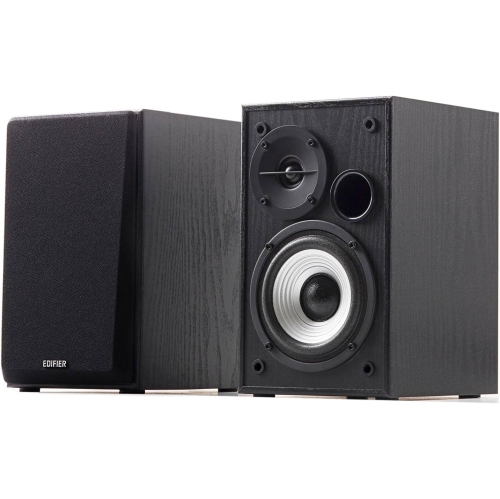
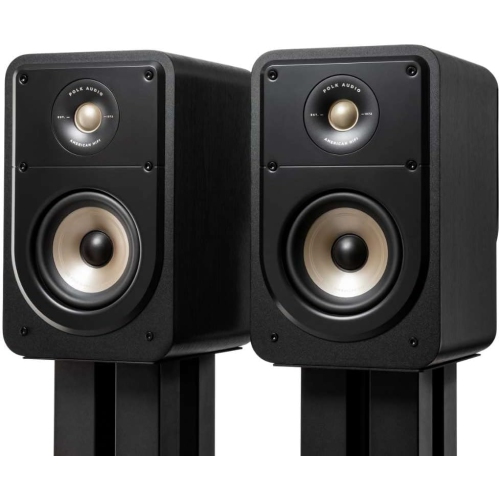
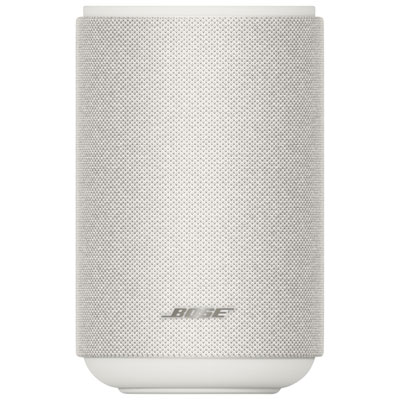
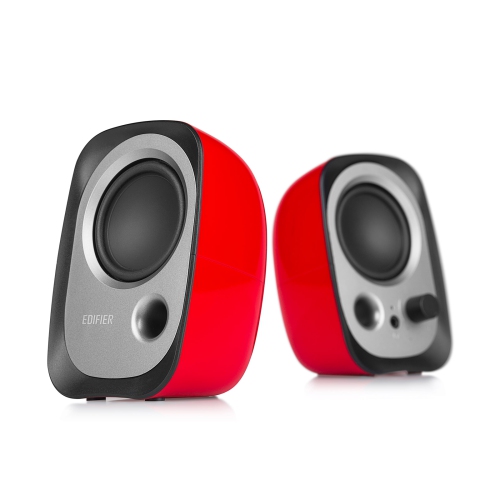
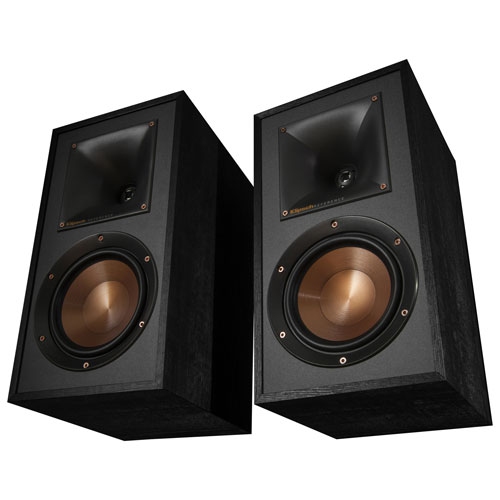
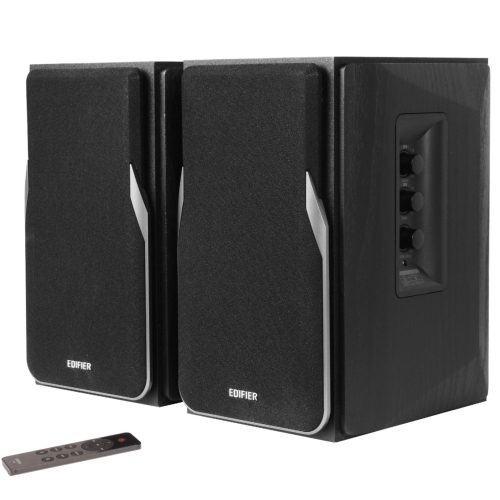
Compact powered bookshelf speakers combine stereo sound with built-in amplification in cabinets sized for desks, shelves, and smaller living spaces. They connect to compatible audio sources without requiring a separate stereo amplifier or receiver, making them a practical fit for a computer workstation, bedroom music setup, or modest living room. In many pairs, one speaker contains the amplifier and controls, while a speaker cable carries the amplified signal to the second cabinet; other designs give each speaker its own amplification. That distinction affects cable routing and power connections, especially when the speakers sit on opposite sides of a monitor. Bluetooth connectivity can remove the audio cable between a phone and the speakers, but it does not necessarily remove the cable between the two speakers or the need for a power outlet. Their appeal is straightforward: a compact stereo pair can give vocals a clear central position, spread instruments across a wider soundstage, and bring more body to everyday listening than small built-in computer speakers. Performance still depends on cabinet size, driver design, placement, and listening distance. Smaller drivers can work well at a desk, where the listener sits nearby, while larger cabinets may offer fuller bass and greater output for listening across a room. Compact dimensions do not automatically mean thin sound, but very deep bass at high volume generally calls for more cabinet space or a separate subwoofer. Published wattage is only part of the picture; continuous power ratings, speaker sensitivity, and distortion also affect usable output. For everyday use, clear dialogue and balanced sound at a comfortable volume can matter more than a high peak-power figure. Cabinet construction varies, with moulded materials, MDF, and other wood-based panels appearing in compact designs. A wood-look finish may be a surface covering rather than solid timber, so the material description is more informative than the appearance alone.
Connections determine how easily compact powered bookshelf speakers fit into an existing setup. Analogue inputs, commonly provided through RCA sockets or a 3.5 mm connection, accept audio from compatible computers, music players, and other sources with a suitable output. A turntable needs particular attention because its cartridge signal must pass through a phono preamp before reaching a standard line-level input. That preamp may be built into the turntable, included in the speakers as a dedicated phono input, or supplied by a separate component. A turntable with a switchable built-in preamp should be set to match the input being used. For a desktop computer, a USB audio input can provide a direct digital connection, although a USB socket intended only for charging or servicing does not offer the same function. Optical inputs can be useful for compatible televisions and other digital sources; support for stereo PCM should be checked because a speaker pair may not decode surround-sound formats. Television volume control also deserves attention, since some optical outputs send a fixed-level signal and leave volume adjustment to the speakers or their remote. Bluetooth makes casual listening from a phone or tablet convenient, particularly when several people share a room, but wired connections can be preferable for gaming, video editing, or other tasks where audio delay is distracting. Bluetooth reception is not the same as built-in Wi-Fi streaming, and neither feature should be assumed from the word “wireless” alone. Beyond the main inputs, a headphone output can make private listening easier, while a dedicated subwoofer output provides a possible path to deeper bass. Subwoofer compatibility and crossover controls vary between designs. Accessible volume controls, input selection, bass and treble adjustment, and a remote can have a noticeable effect on daily use. At a desk, a front-mounted dial is easy to reach; across a living room, a remote can be more convenient than controls tucked behind a cabinet.
Physical fit involves more than finding enough shelf space for the speaker cabinets. Width, height, and depth all matter, along with room for plugs, cable bends, ventilation, and any clearance specified for a bass port. A pair that fits neatly beside a laptop may feel crowded next to a large monitor, while deeper cabinets can project beyond a narrow bookcase. Stable stands or isolation pads can help position the tweeters closer to ear level and reduce vibration transferred into a desktop. For close listening, placing the speakers at similar distances from the listener, with some space between them, helps preserve the stereo image. Slight inward angling may sharpen the central position of a voice, though the best angle depends on the design and seating arrangement. Tucking either speaker into a corner or tight against a wall can make bass heavier and less distinct; a little repositioning often makes a meaningful difference. A rear-facing port may need additional breathing room, but even front-ported or sealed cabinets can sound different near walls. Listeners who divide their time between music playback and audio editing may also explore Compact Monitor Speakers, particularly for close-range desktop use. For everyday ownership, removable grilles can help shield drivers from accidental contact, although they are not a substitute for careful placement around children or pets. Cabinets should rest on a stable surface, with cables routed where they are unlikely to be pulled. A soft, dry cloth is usually suitable for routine dusting, while driver cones and tweeters are best left untouched; cleaning products and moisture can damage delicate surfaces or finishes. Following the maker’s care directions helps protect both the cabinet and its components. These speakers can make a thoughtful gift for a student setting up a study space, a music enthusiast building a simple turntable system, or someone furnishing a first apartment. The most useful match combines suitable connections, manageable dimensions, and sound that remains enjoyable through a favourite album, a film, or an afternoon at the desk.
Top selling and popular products
-
 Your price for this item is $449.99
-
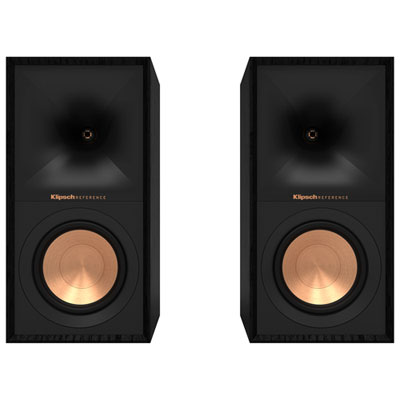 Your price for this item is $549.99
-
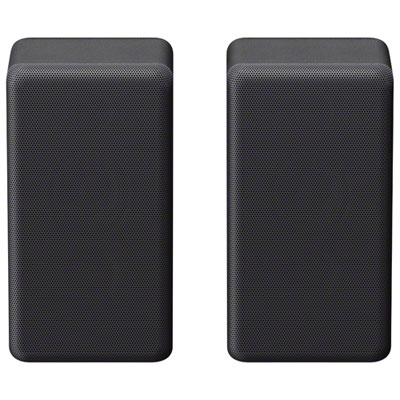 Your price for this item is $449.95
-
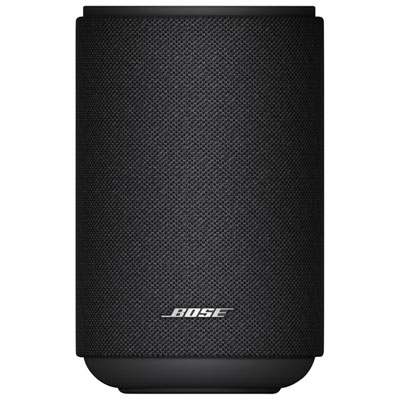 Your price for this item is $449.99
-
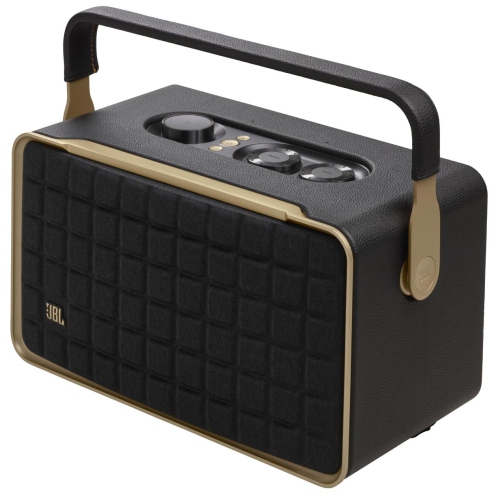 Your price for this item is $399.99
-
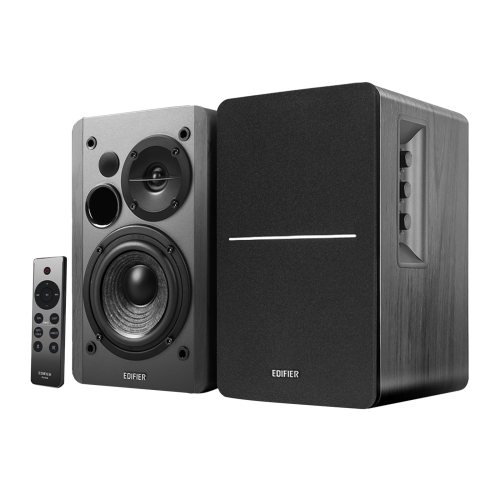 Your price for this item is $229.99
-
 Your price for this item is $699.99
-
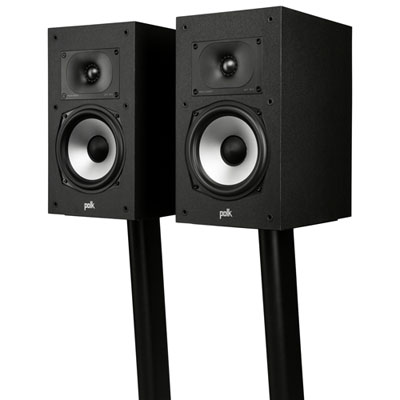 Your price for this item is $349.99
Discover more categories related to Compact Powered Bookshelf Speakers


Top Collections:
Best Black Friday Deals This Year, Best Black Friday Deals On Electronics, Kindle Devices, Pokemon Centers, Best Black Friday Deals On Apple Products, Best Cameras for Sports Photography, Dyson Airwrap, Pokémon 30th Celebration Cards, Apple iPhone 17 Pro, Canon G7X Cameras
Some products may be subject to Environmental Handling Fees
(EHF) depending on your province.
Learn more about EHFs.