Large Bookshelf Speakers
Large Bookshelf Speakers deliver impressive audio performance and make a stylish addition to any room. Perfect for music enthusiasts and home theater setups, these speakers provide rich, room-filling sound while fitting comfortably on shelves or stands. Explore a range of options designed to enhance your listening experience, whether you're enjoying your favorite albums or immersing yourself in movie nights. With their versatile design and powerful output, Large Bookshelf Speakers are an excellent choice for elevating your home audio system.
Sort

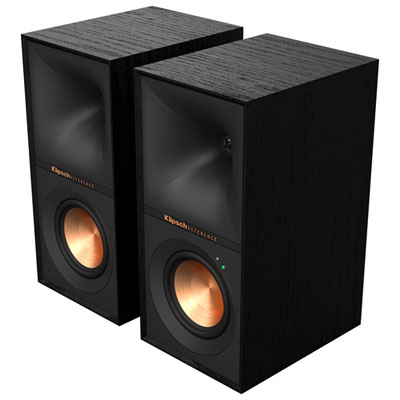
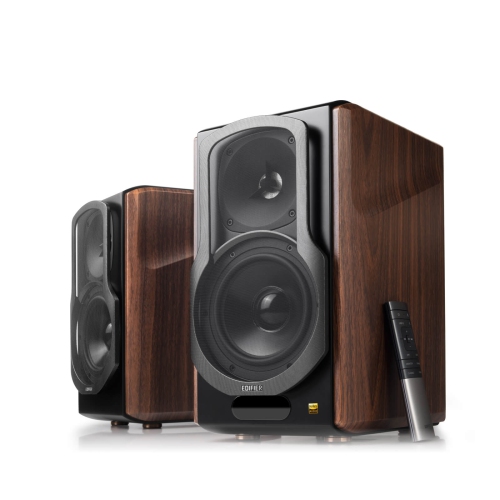
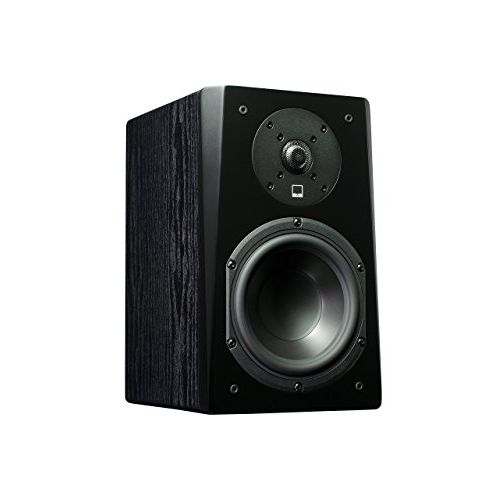

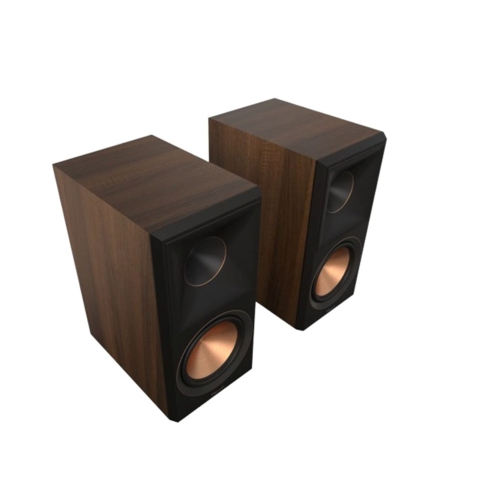
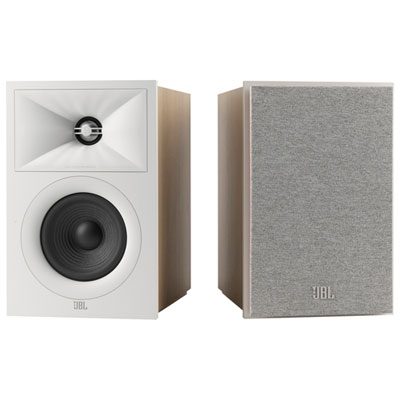

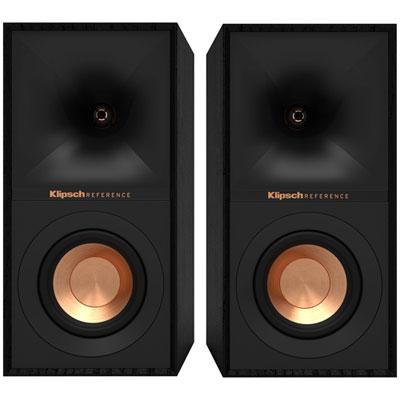
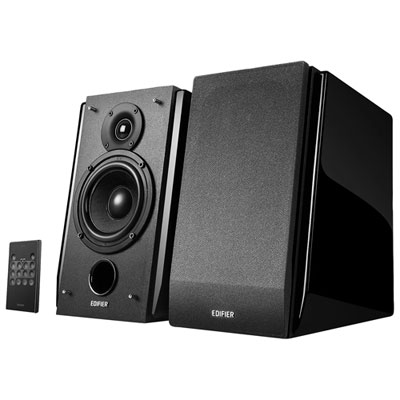
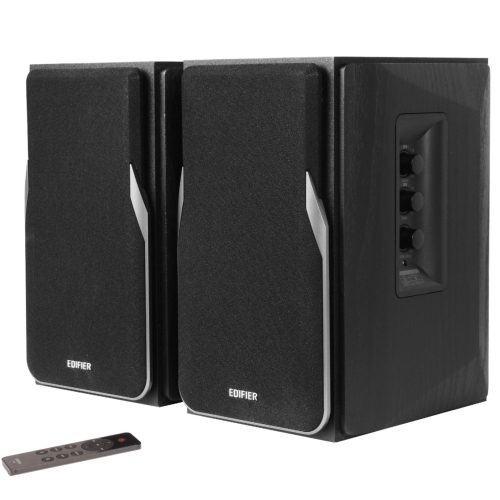
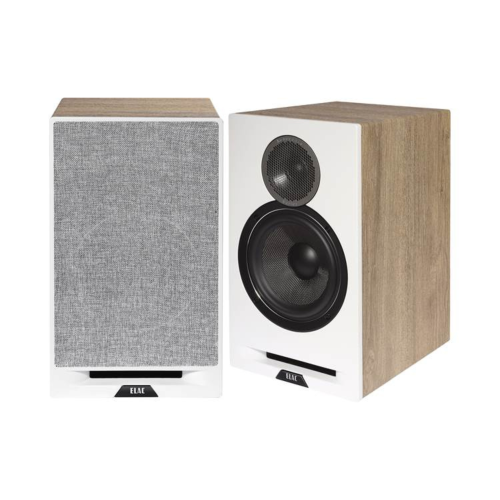
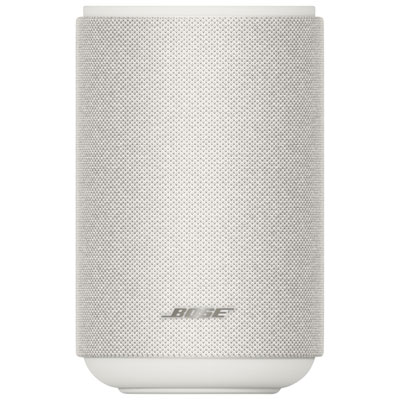
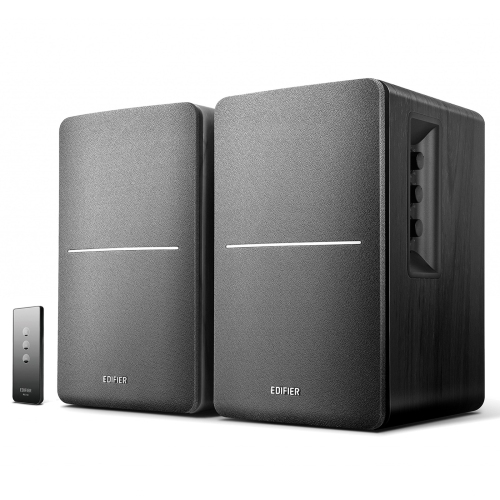
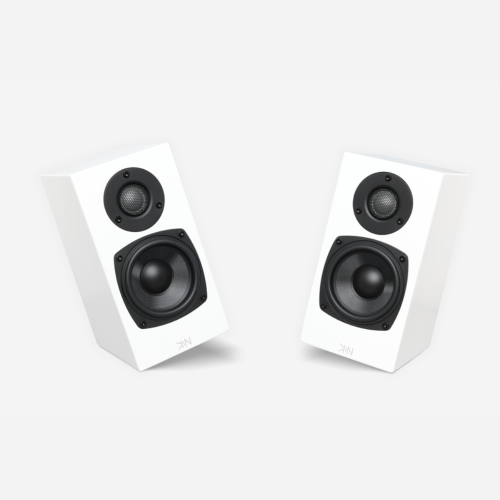
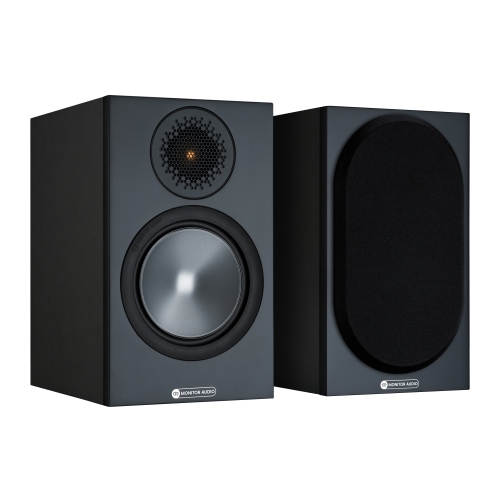
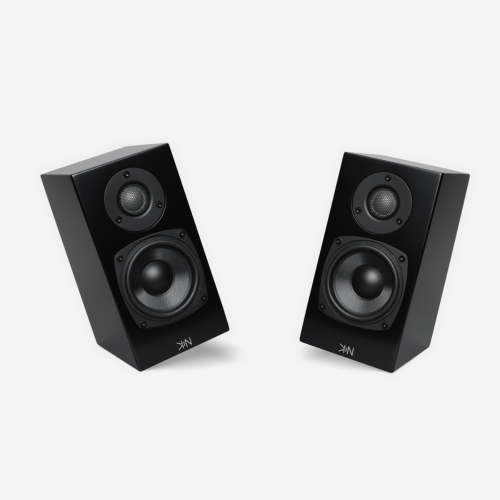
Fuller sound without the footprint of tower speakers
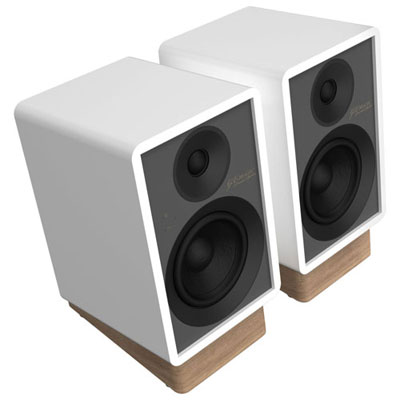
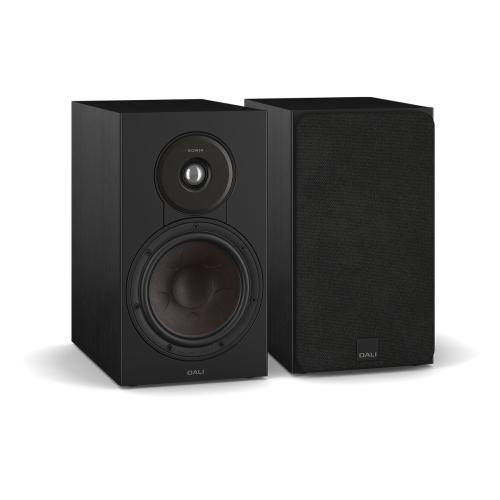
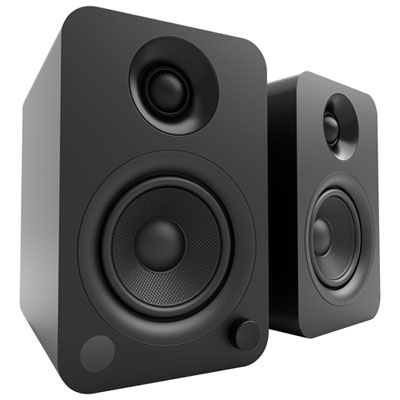
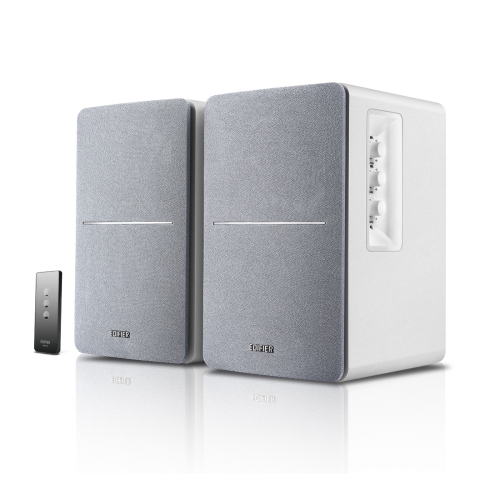
Large bookshelf speakers are stand-mounted or shelf-sized speakers with larger cabinets and drivers than compact desktop models, designed to deliver a fuller sound with more bass weight. Many use woofers around 6.5 to 8 inches in diameter, although there is no single size that defines the category. The larger enclosure can support a stronger low-frequency response, giving bass guitar, piano and percussion more body without requiring the floor space of tower speakers. Driver size alone does not determine sound quality or bass extension; cabinet design, tuning, placement and amplification all contribute. For a living room music system, a pair can make vocals sound centred between the speakers while spreading instruments across a convincing stereo image. They also suit dedicated listening spaces, larger desktop setups and home theatre systems where clear dialogue matters as much as musical detail. A two-way design typically divides playback between a woofer and a tweeter, while a three-way design adds a separate driver to handle the midrange. Neither arrangement automatically sounds better; how smoothly the drivers work together matters more than the number of components. Cabinet materials often include MDF or other engineered wood, sometimes finished with wood veneer, vinyl wrap or paint. A well-braced enclosure helps limit unwanted vibration, while a securely fitted grille offers some protection from accidental contact with the drivers. Finish and proportions also affect how comfortably a pair fits into a room. A wood-look cabinet can sit naturally beside bookcases, while a simple painted finish may blend into a media unit. Before choosing a location, account for the full cabinet depth, cable connections and any clearance needed behind the speaker. Despite the name, large bookshelf speakers are not always best placed inside a bookcase. They often perform more consistently on suitable stands, with enough room around the cabinet to avoid a boxed-in sound. Their appeal is the balance: substantial sound from a manageable pair of enclosures, with flexibility to move between a music-focused setup and a broader entertainment system.
The distinction between passive and powered speakers is especially important when matching a pair to existing equipment. Passive bookshelf speakers need a separate amplifier or receiver, connected with speaker wire. Powered designs have amplification built in, although the connection between the left and right speakers varies by design, and access to a power outlet is necessary. For a passive setup, amplifier compatibility involves more than choosing a high wattage figure. The speaker’s nominal impedance, recommended amplifier power range and sensitivity help indicate whether a particular pairing is suitable. Sensitivity describes how much sound a speaker produces under stated test conditions; comparisons are most useful when those conditions match. A larger cabinet does not necessarily mean a speaker will play louder or require less power. Clean playback at the intended listening level is more useful than a single impressive specification. For listeners who want stronger output across a bigger seating area, Loud Bookshelf Speakers offers a related selection where output capability is a more specific focus. Connection choices should follow the sources used most often. A turntable needs a phono preamp somewhere in the signal path, whether built into the turntable, an amplifier or a separate component. A television may connect through an optical input or HDMI ARC when the equipment supports it, while a computer may use USB or an analogue audio connection. Bluetooth can simplify playback from a phone, and Wi-Fi streaming can support a shared home listening setup on compatible systems. Those features are not standard across all powered speakers, so the available inputs deserve close attention. For a home theatre arrangement, passive bookshelf speakers can serve as front or surround channels when paired with a suitable receiver. A subwoofer can add the lowest bass notes and film effects that even a substantial bookshelf cabinet may not reproduce with authority. For a music enthusiast receiving speakers as a gift, compatibility with an existing amplifier, turntable or television is usually more valuable than an extra feature that will rarely be used.
Placement determines how much of that capability reaches the listening seat. Start with the speakers at similar distances from the main seat, with the tweeters near seated ear level where practical. A stable pair of stands can make this easier than a high shelf, especially when the shelf would place the sound well above the listener. Leave clearance around rear ports according to the speaker’s documentation; pushing a cabinet tightly against a wall can make bass sound heavy or uneven. Corners can exaggerate that effect. Small adjustments to distance from the wall and the inward angle of each speaker can change vocal focus, bass balance and the width of the stereo image. A familiar recording with a clear lead vocal and an acoustic bass line can make those changes easier to hear than an unfamiliar track. In a room with bare floors and large windows, rugs, curtains and upholstered furniture may help soften excessive reflections without requiring dedicated acoustic treatment. On a desktop, isolation pads or appropriately sized stands can reduce vibration transferred to the work surface and raise the drivers closer to ear level. Weight and cabinet dimensions matter here: a deep speaker should sit fully supported, not overhang a narrow shelf. Route cables away from walkways and leave enough slack to avoid pulling on the terminals. For everyday care, use a soft, dry cloth on cabinet surfaces and follow the manufacturer’s cleaning directions for the finish. Avoid pressing on tweeter domes or touching exposed cones, and keep drinks away from the cabinets and electronics. Grilles are useful in shared rooms but are not a substitute for a secure location away from curious hands or pets. With appropriate support, compatible equipment and thoughtful positioning, large bookshelf speakers can make everyday listening more engaging, whether the focus is a singer’s phrasing, the texture of a string section or clear dialogue during a favourite film.
Top selling and popular products
-
 Your price for this item is $449.99
-
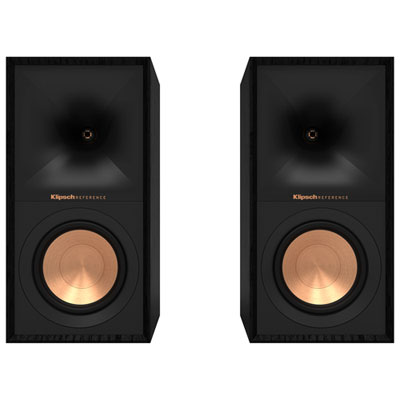 Your price for this item is $549.99
-
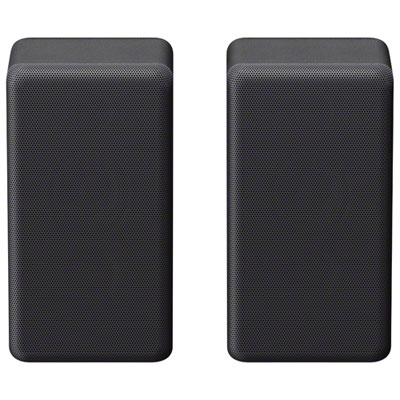 Your price for this item is $449.95
-
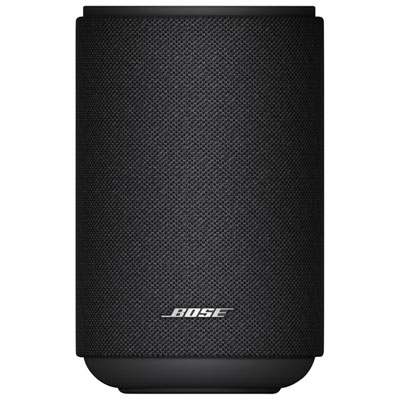 Your price for this item is $449.99
-
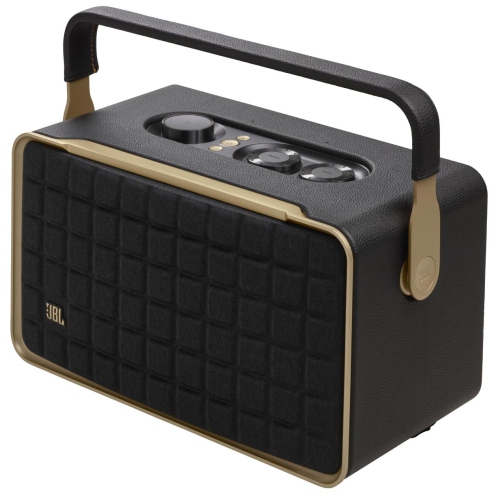 Your price for this item is $399.99
-
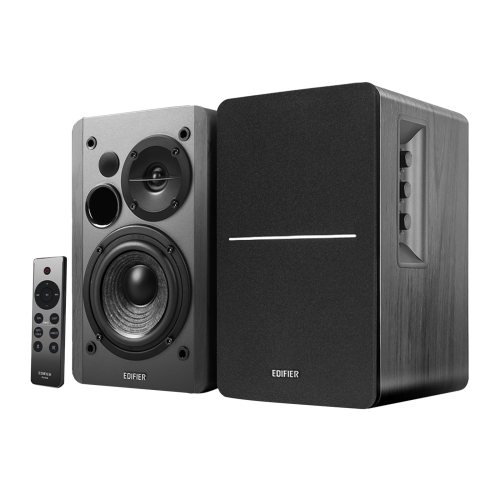 Your price for this item is $229.99
-
 Your price for this item is $699.99
-
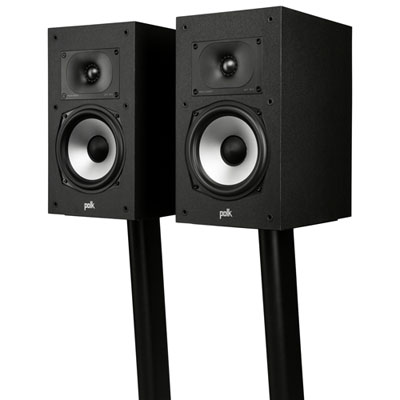 Your price for this item is $349.99
Discover more categories related to Large Bookshelf Speakers
Top Collections:
Best Black Friday Deals This Year, Best Black Friday Deals On Electronics, Kindle Devices, Pokemon Centers, Best Black Friday Deals On Apple Products, Best Cameras for Sports Photography, Dyson Airwrap, Pokémon 30th Celebration Cards, Apple iPhone 17 Pro, Canon G7X Cameras
Some products may be subject to Environmental Handling Fees
(EHF) depending on your province.
Learn more about EHFs.