Edifier R1700BT
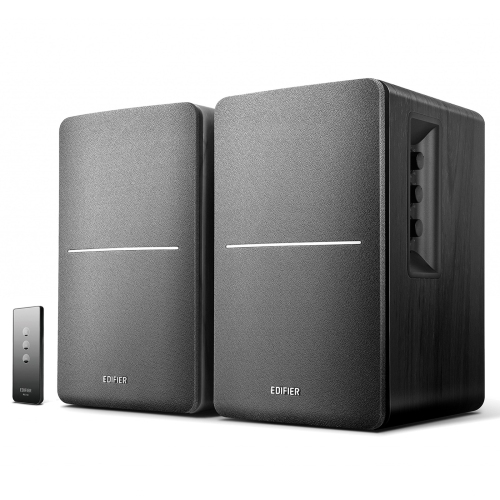
Enhance your audio experience with the Edifier R1700BT, a popular choice for those seeking impressive sound quality for music, movies, and gaming. Designed to complement any space, these speakers offer both style and performance, making them ideal for home or office use. Explore options that deliver clear audio and reliable connectivity, ensuring you get the most out of your entertainment setup. Discover how the Edifier R1700BT can elevate your listening experience today.
Sort
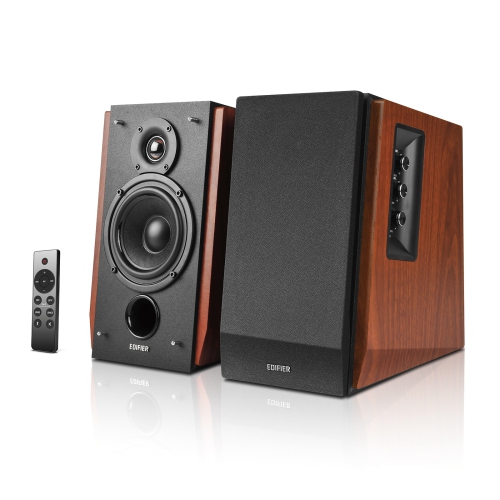
Spacious stereo sound without a separate amplifier
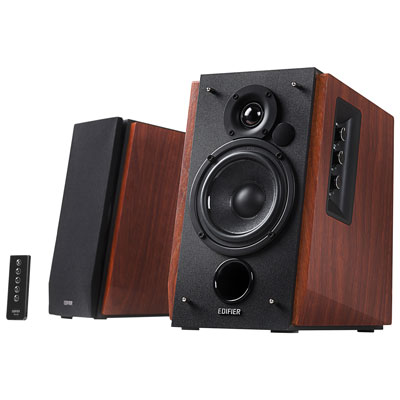
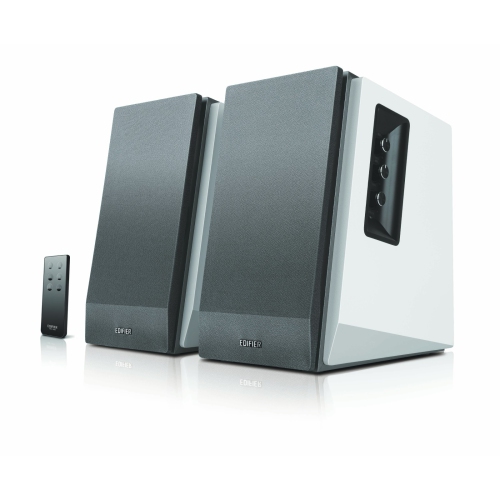
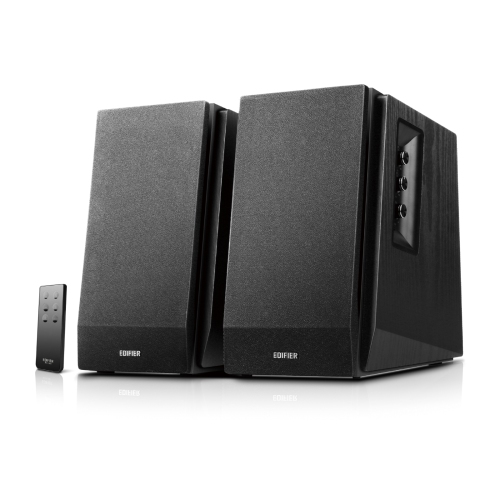
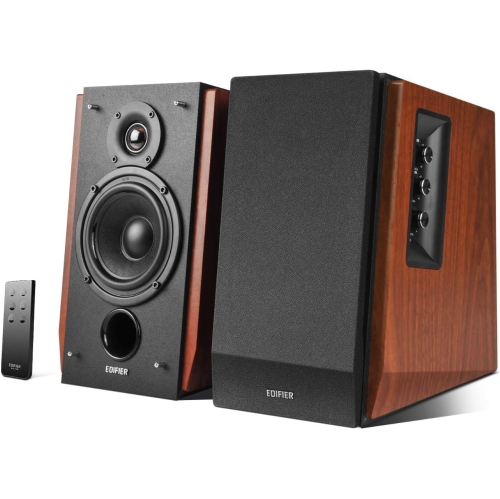
Active Bluetooth bookshelf speakers bring two-channel sound to a desk, media console, or dedicated listening space without requiring a separate amplifier. Their appeal lies in combining the separation of a traditional stereo pair with convenient playback from a phone, tablet, or computer. With one speaker on either side of a monitor or listening position, instruments and voices can occupy distinct places across the soundstage rather than seeming to come from a single point. That separation can make a familiar album feel more spacious and help reveal backing vocals, room ambience, or the movement of sound within a game. A typical two-way design uses a tweeter for higher frequencies and a larger driver for the midrange and bass, although the balance and extension depend on the particular design. Compact cabinets suit rooms where full-size floor-standing speakers would take up too much space, while the built-in amplification keeps the overall system relatively straightforward. Many bookshelf designs use medium-density fibreboard cabinets with a wood-look finish, creating a more furniture-like appearance beside a desk, bookcase, or television stand. Cabinet construction, internal bracing, and driver mounting all contribute to how the enclosure handles vibration; appearance alone does not establish sound quality. An angled front baffle, where fitted, can direct sound upward towards someone seated at a desk, while removable fabric grilles can offer a choice between a softer appearance and exposed drivers. Neither detail replaces suitable positioning. These speakers are especially relevant to listeners who want a permanent home setup for music, podcasts, films, and everyday computer audio rather than a portable speaker carried between rooms. They can also suit someone building a first stereo system, returning to a collection of records, or replacing thin monitor speakers. The result is a listening arrangement that can stay connected and ready for regular use, with enough flexibility to move between focused listening and background music while working, reading, or spending time at home. For shared spaces, accessible volume controls and a cabinet finish that complements nearby furniture can matter just as much as technical specifications.
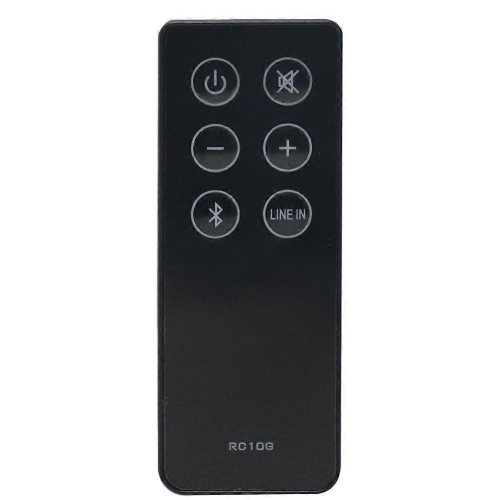
Connection options shape how comfortably a powered stereo pair fits into an existing setup. Bluetooth offers convenient wireless audio from a compatible phone or laptop, but it does not remove the need for electrical power or, in many designs, the cable connecting the two speakers. A common arrangement places the amplifier and inputs in one cabinet, which then powers the partner speaker through a supplied cable. Its length affects how far apart the cabinets can sit, while the location of the powered cabinet influences access to an outlet and source equipment. Analogue RCA inputs provide another useful route for compatible audio sources, including equipment connected through an appropriate audio cable. A turntable needs a phono preamplifier somewhere in the signal path, either built into the turntable or supplied separately, before connecting to a standard line-level input. A television or computer with only a digital audio output may require a suitable digital-to-analogue converter; a connector that looks convenient is not necessarily compatible with the speaker inputs. For anyone considering the wider category, Edifier Bluetooth Speakers provide a related selection in which connection layouts, cabinet sizes, and control arrangements may differ. Bluetooth is particularly useful when several household members take turns playing music, while a wired connection can provide a predictable signal path for a desktop workstation. Video viewing and gaming also make audio timing important, since Bluetooth delay varies with the source device and supported connection technology. Where fitted, separate bass and treble controls allow modest adjustments for the room, recording, or listening preference. Those adjustments are most useful after placement is settled: extra bass cannot fully compensate for an awkward corner location, and added treble may make an already bright recording tiring. Source volume, speaker volume, and any equalizer settings work together, so a clear signal without excessive boosting generally leaves more room for clean playback. A remote control, when included, can be useful across a room, whereas reachable cabinet controls may be more practical beside a keyboard.
Physical fit matters as much as connectivity, especially on a desk already occupied by a screen, keyboard, and work materials. Cabinet width, depth, and height determine whether a pair can sit comfortably without crowding the work surface, and space behind the speakers is needed for plugs and cable bends. Despite the category name, a tightly enclosed bookshelf is not always the best location. Nearby walls and corners can reinforce bass, sometimes making lower notes sound heavier or less distinct, and rear-facing ports benefit from clearance appropriate to the design. A pair positioned at roughly equal distances from the listener usually supports a more stable stereo image than speakers crowded together on one side of a room. On a desktop, isolation pads or suitable stands can help limit vibration passing into the surface and bring the tweeters closer to seated ear height. In a living room, stable stands may offer more placement freedom than a deep cabinet beneath the television. Compact bookshelf speakers are often a comfortable match for close listening and smaller rooms, but maximum volume and low-bass reach remain dependent on cabinet size, driver capability, and amplification. Someone seeking the physical impact of very deep bass should not assume a small stereo pair will reproduce every low-frequency effect at high volume. Everyday care is straightforward: a soft, dry cloth suits routine cabinet dusting, while liquids, abrasive cleaners, and pressure against exposed drivers can damage finishes or delicate parts. Secure cable routing and a stable surface are particularly useful in homes with children or pets. For a gift recipient, the most thoughtful match considers the equipment already owned, the available space, and whether controls need to be within reach. A music enthusiast with a compact desk, a student setting up a study area, or a record collector with a compatible turntable may each value a powered stereo pair for different reasons. Matching those practical details helps create a system that feels easy to use long after the initial setup.
Top selling and popular products
-
 Your price for this item is $449.99
-
 Your price for this item is $549.99
-
 Your price for this item is $449.95
-
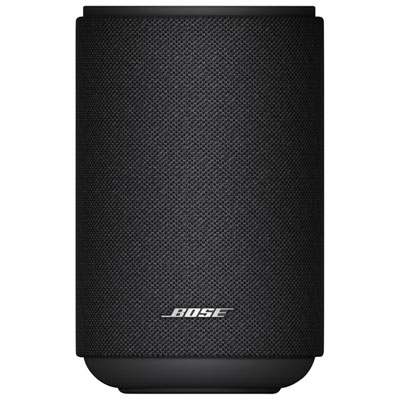 Your price for this item is $449.99
-
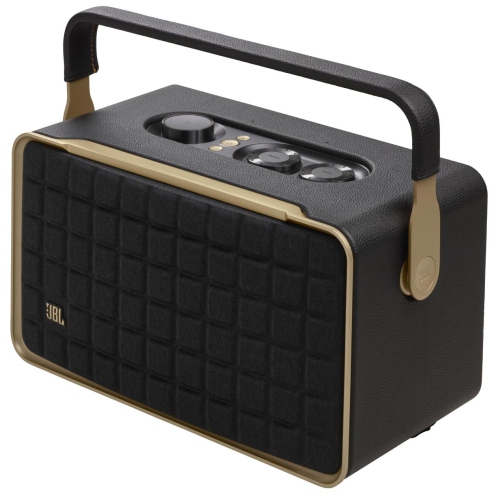 Your price for this item is $399.99
-
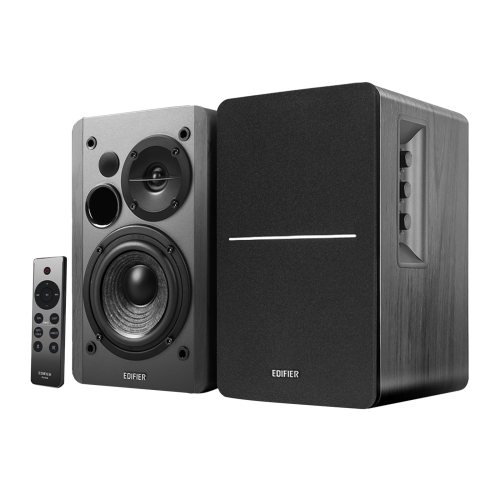 Your price for this item is $229.99
-
 Your price for this item is $699.99
-
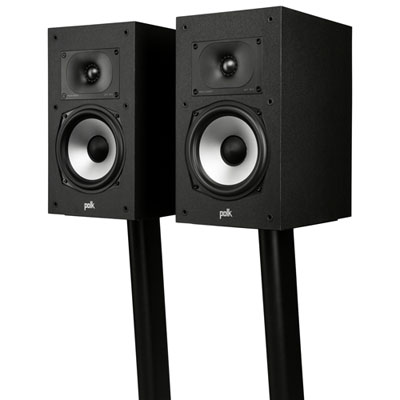 Your price for this item is $349.99
Discover more categories related to Edifier R1700BT
Top Collections:
Best Black Friday Deals This Year, Best Black Friday Deals On Electronics, Kindle Devices, Pokemon Centers, Best Black Friday Deals On Apple Products, Best Cameras for Sports Photography, Dyson Airwrap, Pokémon 30th Celebration Cards, Apple iPhone 17 Pro, Canon G7X Cameras
Some products may be subject to Environmental Handling Fees
(EHF) depending on your province.
Learn more about EHFs.