Headphones for Phones
Headphones for phones offer a seamless way to enjoy your favorite music, podcasts, and calls wherever you go. Whether you're looking for a compact option for travel or a stylish accessory for daily use, there are plenty of choices to suit your needs. Explore a wide selection of headphones for phones designed to deliver comfort and convenience with every use. Find the perfect pair to match your lifestyle and elevate your listening experience.
Sort
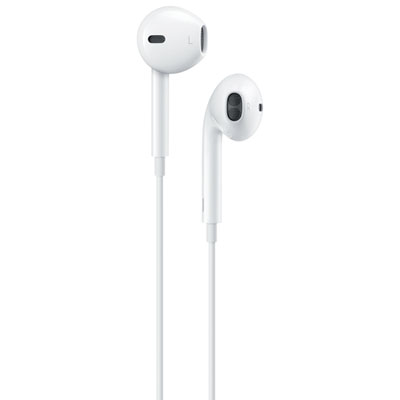
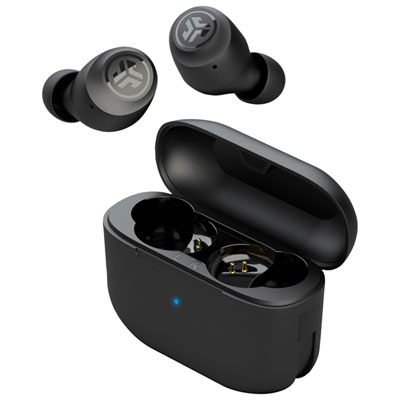
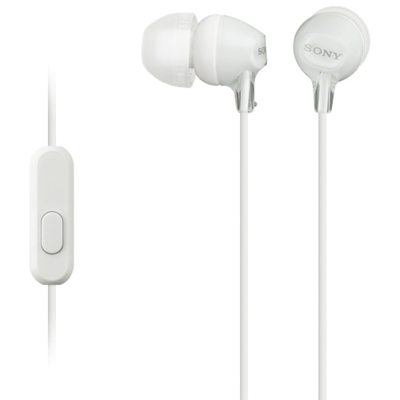
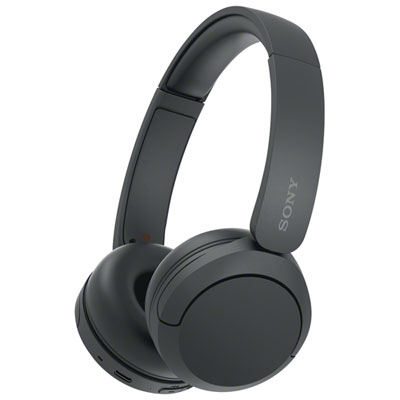
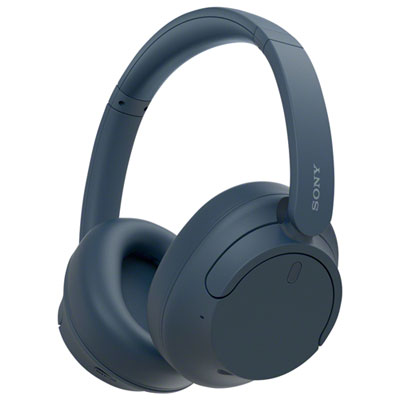


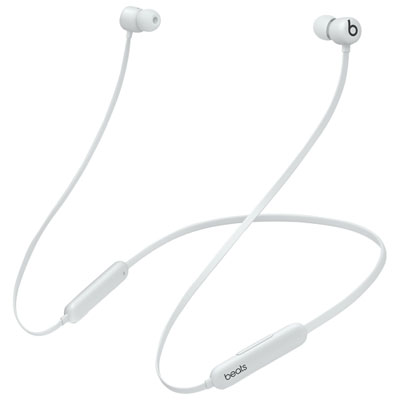
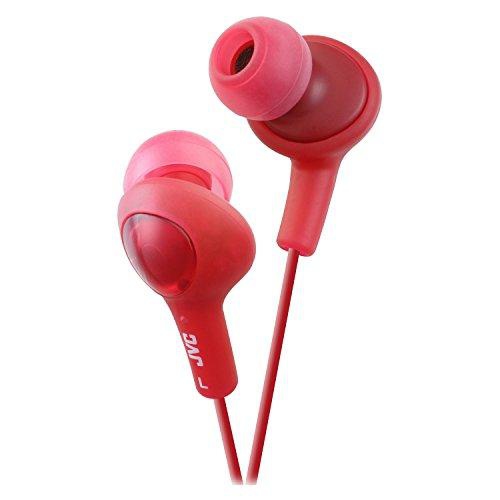


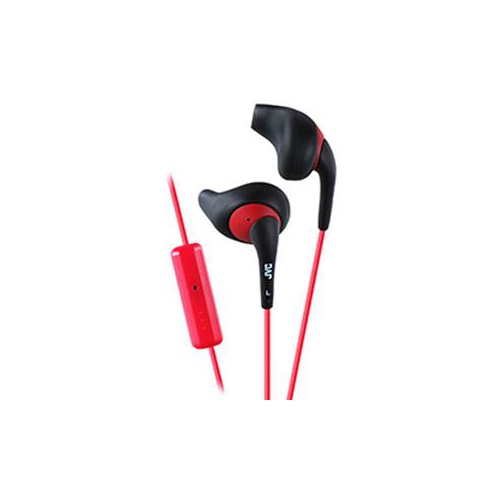

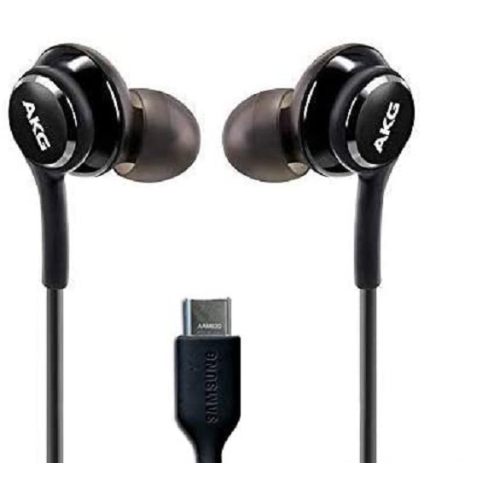
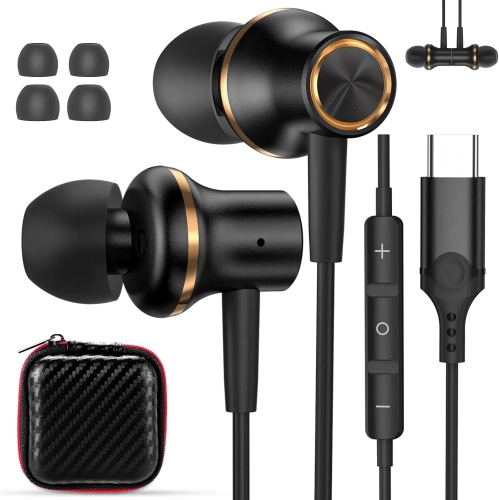
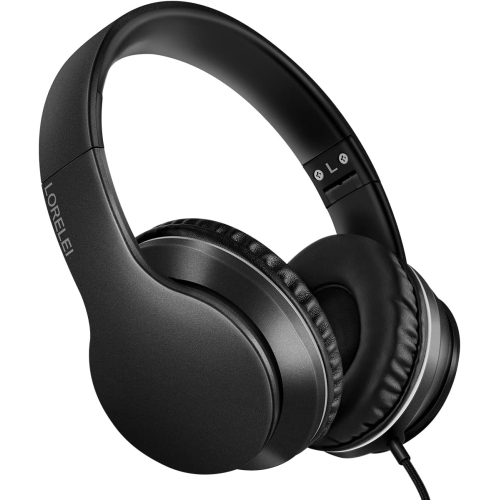
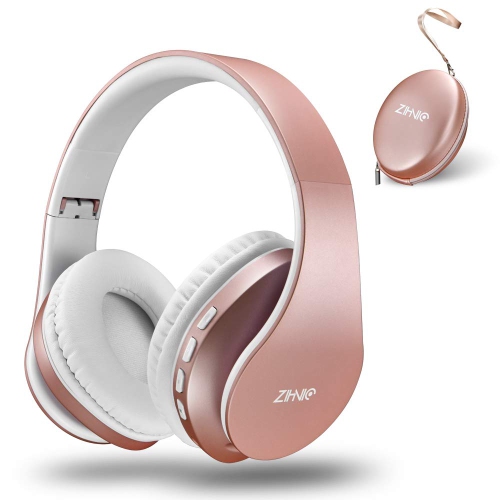

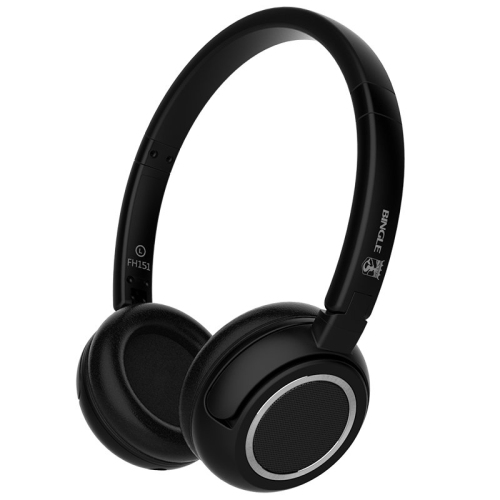

Why phone compatibility matters as much as sound
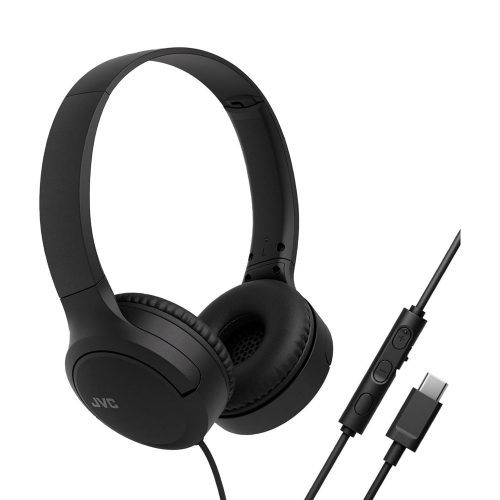
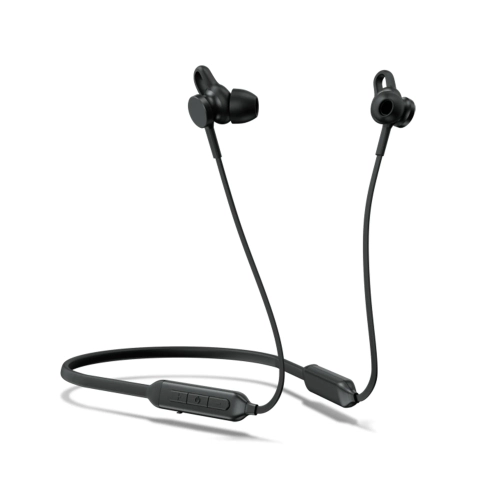
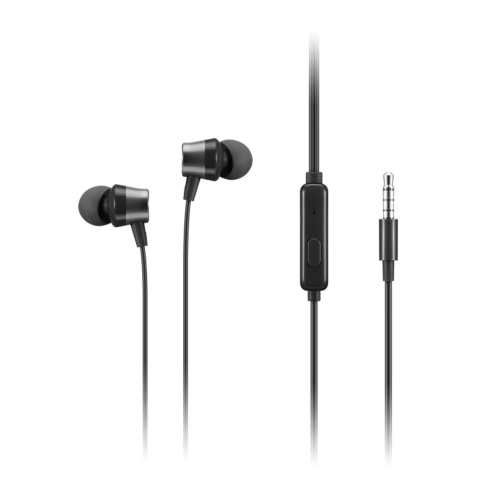
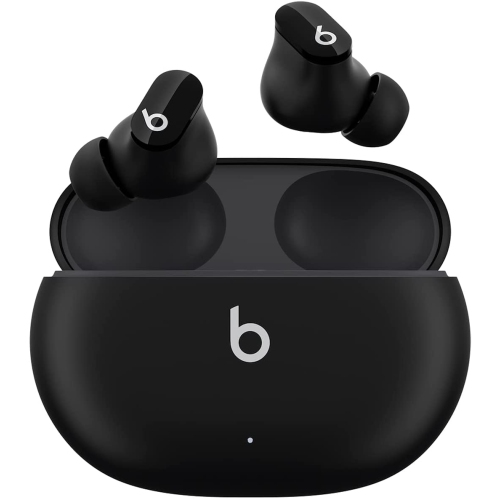
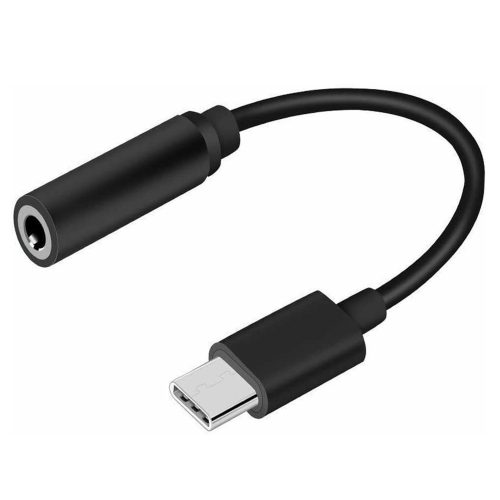
Headphones for phones make it easier to keep music, podcasts, video, and conversations close without playing audio through a phone’s speaker. The main differences come down to connection type, wearing style, and the balance between listening comfort and portability. Wired headphones connect through a compatible audio port, while wireless headphones use Bluetooth to pair with a phone. A wired connection offers consistent audio without relying on a wireless headphone battery, making it useful for long calls, mobile gaming, or listening throughout a study session. Compatibility depends on more than having a cable: a 3.5 mm plug needs a matching headphone jack or a suitable adaptor, and USB-C headphones need support from the phone’s audio connection. Some adaptors include a digital-to-analogue converter, and microphone or inline control support can vary. Bluetooth headphones leave the phone free of a cable, which is convenient when it is tucked into a bag during a commute or resting on a kitchen counter while dinner is being prepared. Their practical features include battery life, charging time, connection stability, and how easily they reconnect after being put away. With true wireless earbuds, the listening time from the earbuds alone is different from the total listening time provided by additional charges in the case. Multipoint connectivity, where supported, allows compatible headphones to stay connected to two devices, such as a phone and a laptop, although switching behaviour varies. Sound quality depends on the headphones, their fit, and the source audio, not simply whether the connection is wired or wireless. Wireless audio formats also need support from both the headphones and the phone to work as intended. For mobile games or other activities where sound must closely follow an action, connection delay can matter more than it does during casual music listening. Across these designs, convenient controls and reliable compatibility often have as much influence on everyday satisfaction as the sound itself.
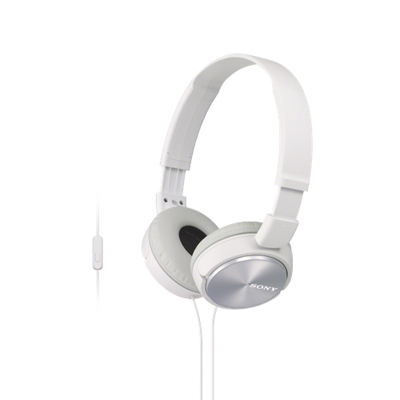
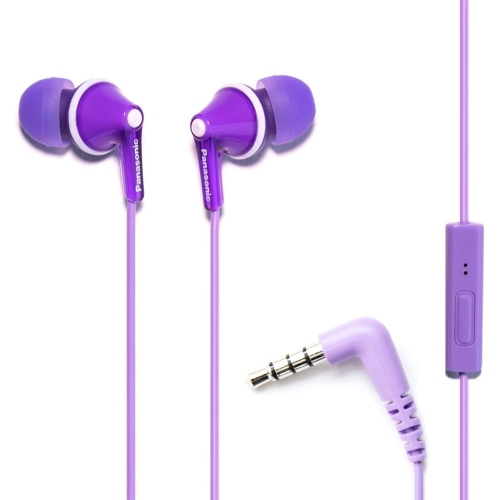
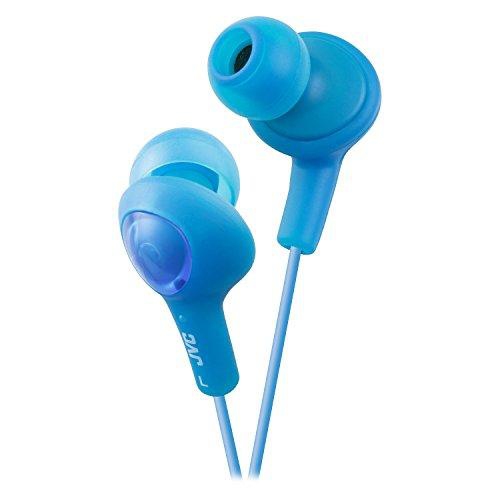
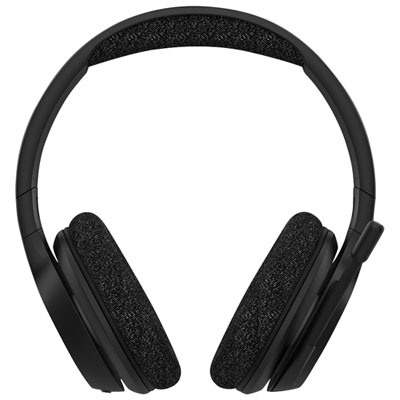
Wearing style shapes how headphones for phones fit into an ordinary day. In-ear earbuds are compact enough for a small bag or pocket, and models with silicone or foam tips can create a seal that helps reduce outside sound. That seal also affects bass response: an earbud that sits loosely may sound thin even when its speaker is working properly. Different tip sizes can accommodate differences between ears, and a secure fit should not require uncomfortable pressure. Open-fit earbuds sit without sealing the ear canal, which some listeners prefer for comfort, though outside noise can compete more directly with quieter audio. On-ear headphones rest against the ears and tend to have smaller earcups, while over-ear headphones surround them with cushions. Larger cushions can spread pressure more broadly, but overall weight, headband tension, and earcup depth still affect comfort during a lengthy audiobook or video call. Glasses can change how a cushion sits against the head, making soft padding and an accommodating fit especially useful. Materials influence both feel and upkeep: fabric coverings have a different texture from smooth synthetic cushions, while metal reinforcement can add strength to a headband or hinge without making every part of the headphones rigid. Folding joints, cable entry points, and replaceable cushions are worth considering for headphones that will travel daily. Closed-back designs help contain sound and provide passive isolation, while active noise cancellation uses microphones and signal processing to reduce certain outside sounds. It is generally more effective against steady, low-frequency noise, such as the hum of a bus, than sudden nearby conversation. Transparency or ambient listening modes can make announcements and surrounding sounds easier to hear, but they do not replace attention when crossing streets or moving through busy spaces. A comfortable fit and moderate listening level support longer sessions without making volume the answer to every distraction.
For phone use, a good listening experience also includes being heard clearly. Microphone positioning, voice processing, and the distance between the microphone and the mouth can influence how speech reaches the person at the other end. Noise cancellation for listening is separate from microphone noise reduction, so quieter sound inside the earcups does not automatically mean clearer calls. Clear voice pickup is a particular priority when comparing Headphones for Calls, especially for conversations taken from a shared workspace or while walking beside a busy road. Physical buttons can be easier to identify by touch, while touch controls reduce the need for protruding switches; either approach benefits from commands that are easy to remember. Phone compatibility determines whether features such as voice assistant access, volume adjustment, and call answering work as expected. For workouts, a secure fit and an appropriate water-resistance rating matter more than appearance alone. Water resistance is not the same as waterproofing, and a rating should be read alongside the manufacturer’s care instructions rather than treated as permission to rinse or submerge the headphones. Everyday care helps protect both comfort and performance. A soft, dry cloth can remove surface marks, removable tips need cleaning according to their material, and moisture should be allowed to dry fully before charging. Mesh openings are delicate, so sharp tools and excess liquid can cause damage. A case protects earcups and earbuds from loose keys, while gently coiling a cable and avoiding tight bends near the plug helps reduce strain. These practical details also matter when headphones are a gift. A frequent caller may value easy controls and speech clarity, a student may appreciate a comfortable fit for concentrated listening, and someone who travels light may prefer compact earbuds. Matching the connection, fit, and everyday routine to the recipient makes headphones for phones a more personal and useful choice.
Top selling and popular products
-
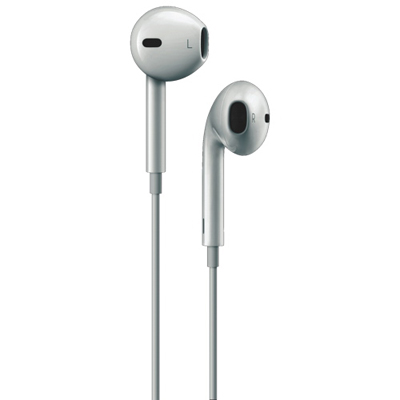 Your price for this item is $25.99
-
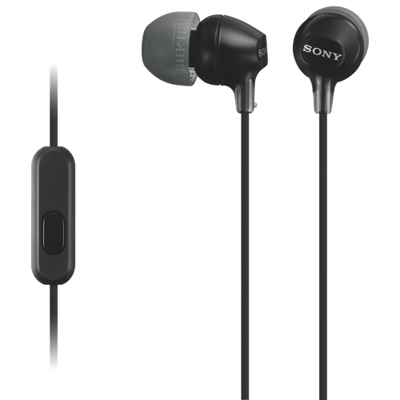 Your price for this item is $15.98
-
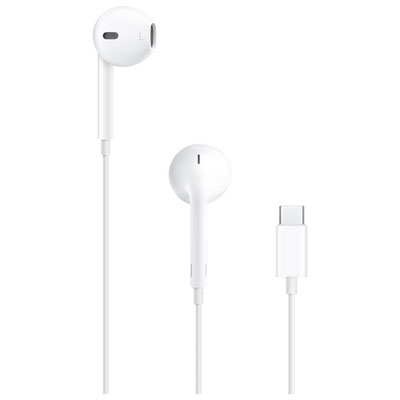 Your price for this item is $25.99
-
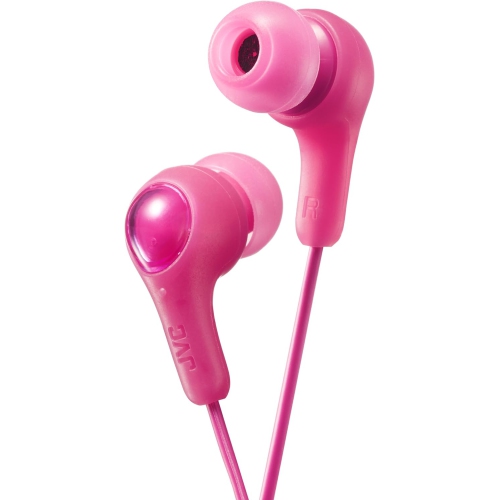 Your price for this item is $25.98
-
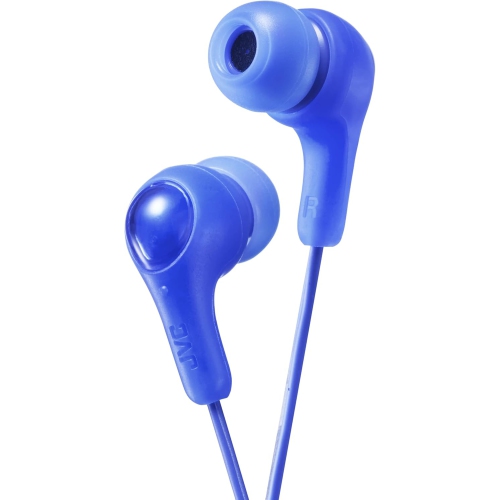 Your price for this item is $25.98
-
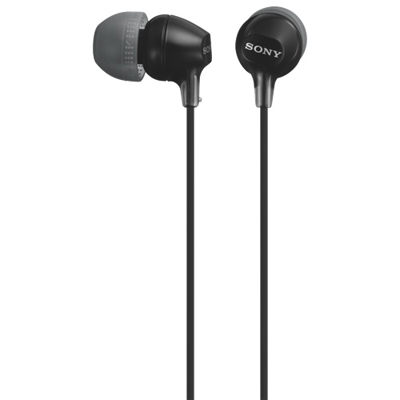 Your price for this item is $12.99
-
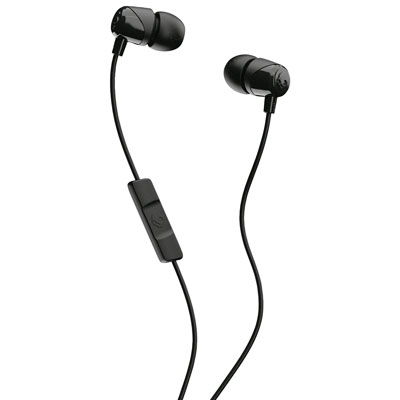 Your price for this item is $14.99
-
 Your price for this item is $19.99
Discover more categories related to Headphones for Phones
Top Collections:
Best Black Friday Deals This Year, Best Black Friday Deals On Electronics, Kindle Devices, Pokemon Centers, Best Black Friday Deals On Apple Products, Best Cameras for Sports Photography, Dyson Airwrap, Pokémon 30th Celebration Cards, Apple iPhone 17 Pro, Canon G7X Cameras
Some products may be subject to Environmental Handling Fees
(EHF) depending on your province.
Learn more about EHFs.