Lightweight Over Ear Headphones
Lightweight Over Ear Headphones offer a comfortable listening experience for music lovers, gamers, and professionals alike. Designed to provide extended wear without added bulk, these headphones are perfect for enjoying your favorite playlists, podcasts, or calls at home or on the go. Explore a wide selection of Lightweight Over Ear Headphones to find the ideal fit for your lifestyle and audio preferences.
Sort
![JVC AMERICA Jvc Ha-S36Wb Bluetooth 5.2 Headphones Lightweight Over Ear (Black) [Headphones] Great product great sound quality and best betters life](https://multimedia.bbycastatic.ca/multimedia/products/500x500/174/17452/17452841.jpeg)

Longer listening comfort depends on more than weight
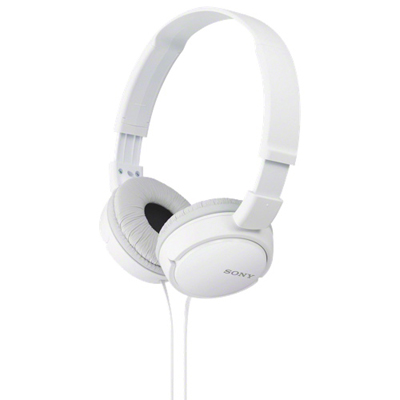
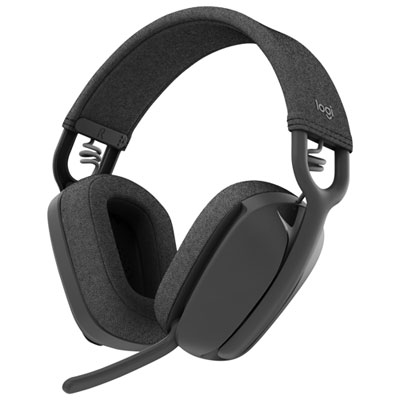
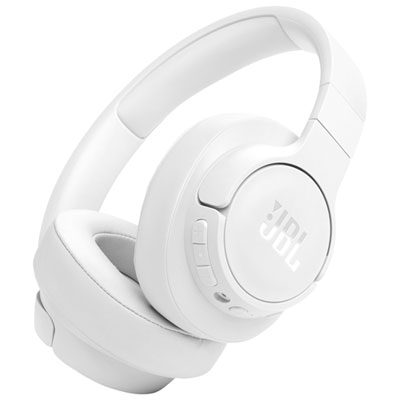
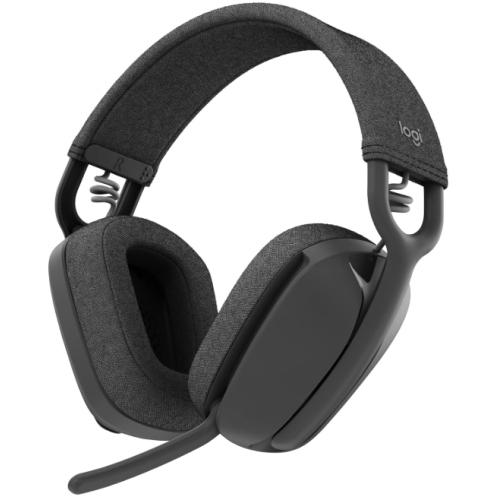
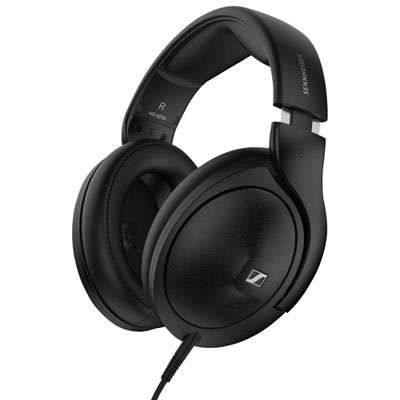
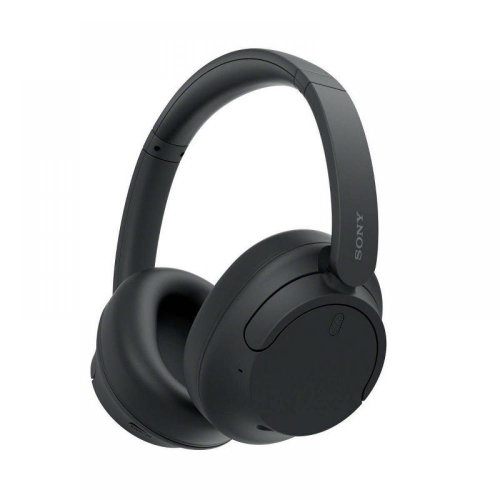
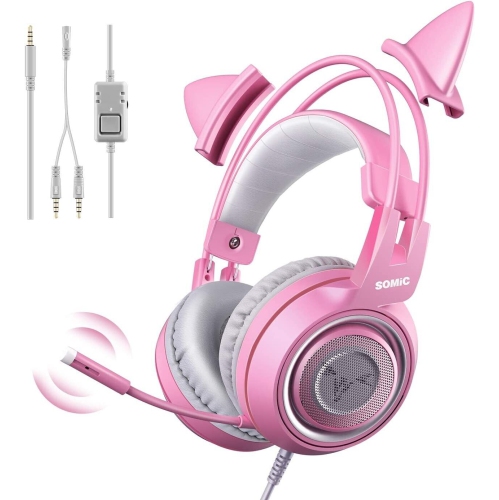
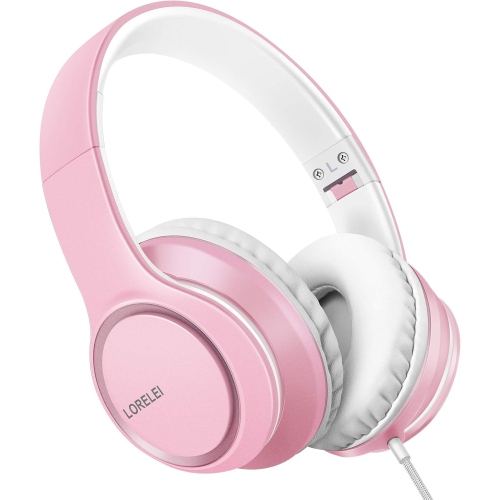
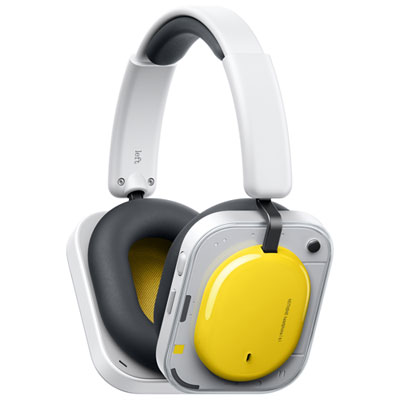
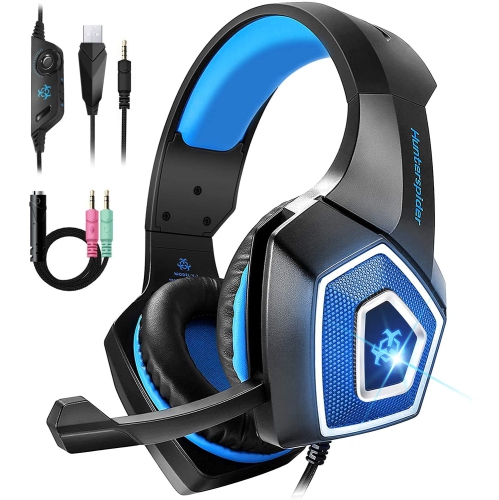
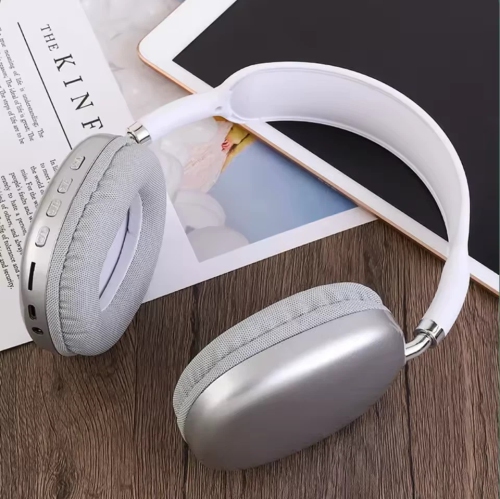
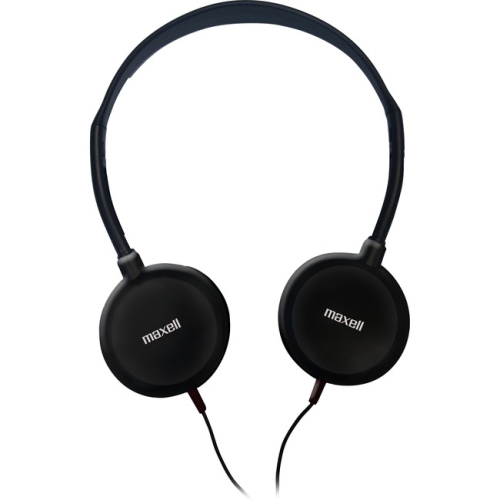
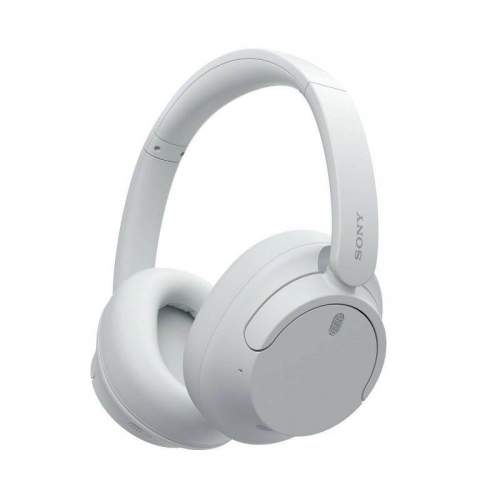
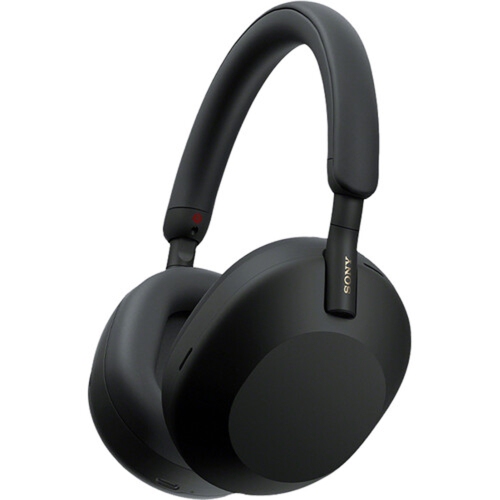
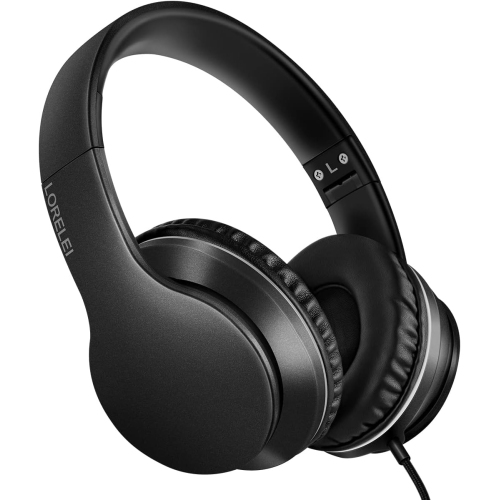
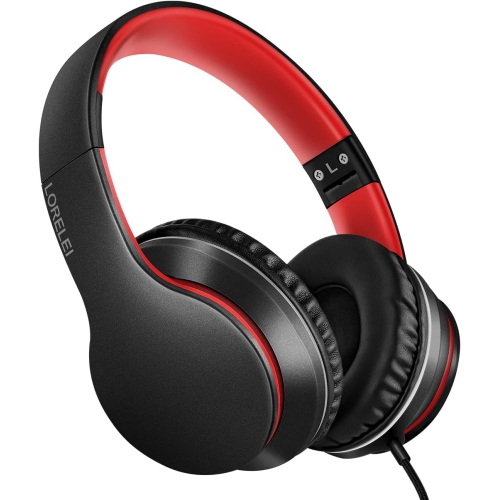
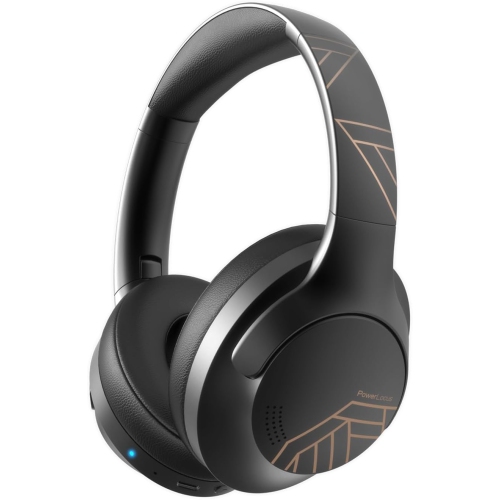
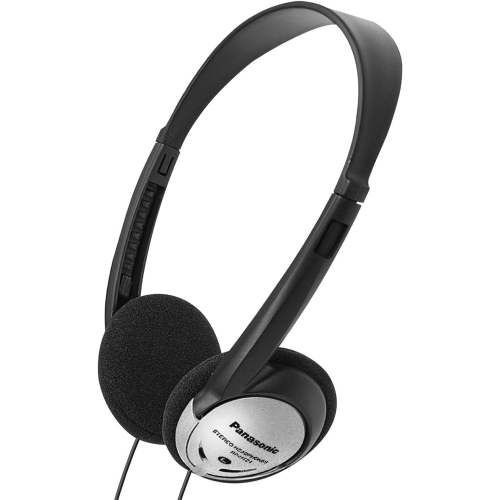
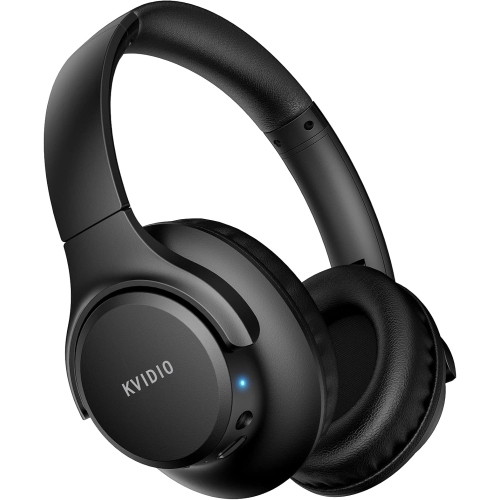
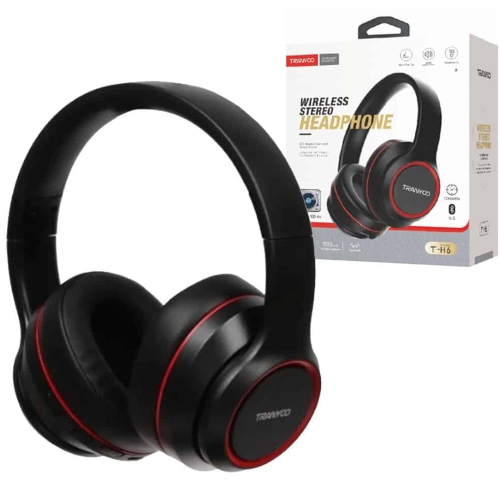
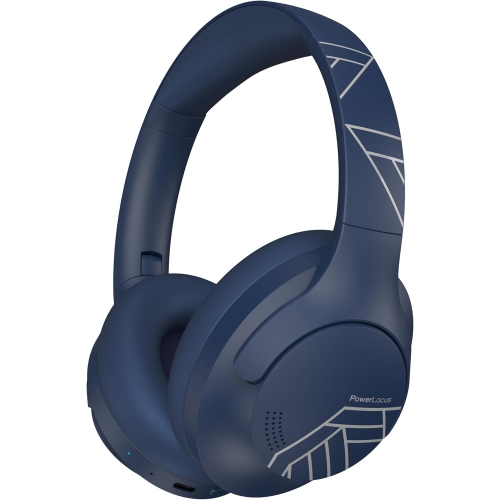
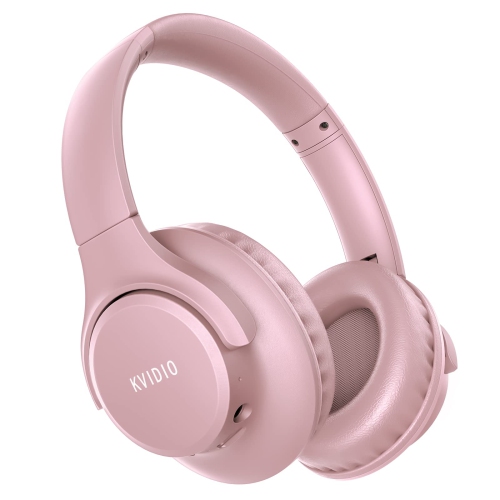
Lightweight over-ear headphones combine ear-surrounding cushions with a lower-weight design that can make longer listening sessions more comfortable. Unlike on-ear styles, which rest directly against the ears, over-ear headphones are designed to create space around them, with padding that sits against the head. That fit appeals to people who listen to albums while working, follow lectures at a desk, or settle into a film without wanting a heavy headband overhead. There is no universal weight threshold that makes headphones lightweight, and weight alone does not determine comfort. The way the headband distributes pressure, the depth of the ear cups, and the firmness of the clamping force all contribute to how a pair feels after an hour or two. A broad, padded headband can spread the load, while swivelling cups help the cushions follow the shape of the head rather than press unevenly at the jaw. For glasses wearers, softer padding may reduce pressure around the arms of their frames, although comfort depends on the combination of frame shape and cushion design. Ear openings also matter: larger or deeper openings give ears more room, while shallow cushions can allow them to touch the material covering the drivers. Lightweight construction often uses moulded plastic, sometimes reinforced with metal at adjustment points or hinges. Plastic can keep overall weight down without necessarily making the headphones fragile; assembly quality and the strength of moving parts matter just as much. Cushion materials bring their own differences. Fabric coverings can feel breathable, while smooth leatherette is usually easier to wipe clean and may form a closer seal. Memory foam can help padding conform to the contours of the head, but its firmness varies. For listeners comparing over-ear designs with other low-weight formats, Lightweight Headphones brings the broader category into view. Within over-ear styles, the most useful balance is enough cushioning and structure to feel secure without unnecessary bulk.
Everyday use helps distinguish the features that matter most in lightweight over-ear headphones. Wireless connectivity allows freedom to move between a desk, a kitchen counter, and a favourite chair without managing a cable, while a wired connection avoids battery dependence on models that support passive listening. Some wireless headphones include an optional audio cable, but wired operation, microphone support, and access to sound-processing features vary by design. Bluetooth multipoint, when supported, can keep headphones connected to two devices, making it easier to move from laptop audio to a phone call. It does not necessarily mean both devices can play audio together, and switching behaviour differs between models. For remote work and study, microphone clarity deserves attention alongside playback quality. Microphone placement and voice-processing features affect how clearly speech comes through when a fan is running nearby or another conversation is taking place in the room. Active noise cancellation serves a different purpose: it reduces certain external sounds for the listener, generally working best on steady background noise rather than making every voice disappear. A well-fitting cushion seal also provides passive isolation and helps the headphones deliver their intended bass response. Transparency or ambient listening modes, where included, let more outside sound through for brief conversations or announcements. These modes are convenient, but they do not replace awareness near traffic or other hazards. Sound preferences are equally personal. Clear midrange reproduction helps dialogue and vocals remain intelligible, while controlled bass can give music depth without masking quieter details. Adjustable equalization can offer flexibility for listeners who move between podcasts, orchestral recordings, and bass-heavy playlists. For films and games, connection delay is another consideration, since ordinary Bluetooth connections may introduce noticeable lag with some devices. Battery-life figures also depend on listening volume, noise cancellation, calls, and other enabled features. Charging time, connector compatibility, and easy-to-find physical controls can make a greater everyday difference than a long feature list, particularly when headphones are used throughout a busy day.
Durability and care play a large part in keeping lightweight over-ear headphones comfortable over time. Hinges, headband sliders, cable sockets, and charging ports are frequent contact points, so smooth adjustment and a secure fit are useful qualities in a pair that travels between home, work, and school. Folding designs take up less space in a bag, while cups that rotate flat can fit neatly into a slim case; neither design automatically guarantees greater durability. A protective case helps prevent cushions from being crushed by a laptop or caught against keys, and storing cables without sharp bends reduces strain at their connectors. After regular use, a soft cloth can remove surface oils from the headband and cushions. Cleaning methods should follow the manufacturer's directions, since soaking padding or applying harsh cleaners can damage coverings, foam, or internal components. Headphones should be fully dry before being stored or charged. Removable, replaceable ear pads are a practical feature for frequent listeners because compressed or worn cushions can change both comfort and the acoustic seal. A detachable cable can also simplify replacement if a connector or cable becomes damaged. Low weight does not imply water resistance, so over-ear headphones intended for desk listening are not automatically suitable for workouts; suitability for exercise depends on the stated resistance rating, fit, and care requirements. For commuters and travellers, manageable size, reliable adjustments, and a case that fits into a daily bag can matter as much as the weight itself. Students may appreciate a comfortable fit for recorded lessons and library sessions, while frequent callers may place greater value on accessible mute controls and consistent voice pickup. As a gift, lightweight over-ear headphones can suit music lovers, podcast listeners, or someone who spends long stretches at a computer, provided their device connections and listening habits are considered. Even a softly padded pair benefits from occasional listening breaks and moderate volume. The appeal is straightforward: room around the ears, less weight on the head, and features that fit naturally into daily routines.
Everyday use helps distinguish the features that matter most in lightweight over-ear headphones. Wireless connectivity allows freedom to move between a desk, a kitchen counter, and a favourite chair without managing a cable, while a wired connection avoids battery dependence on models that support passive listening. Some wireless headphones include an optional audio cable, but wired operation, microphone support, and access to sound-processing features vary by design. Bluetooth multipoint, when supported, can keep headphones connected to two devices, making it easier to move from laptop audio to a phone call. It does not necessarily mean both devices can play audio together, and switching behaviour differs between models. For remote work and study, microphone clarity deserves attention alongside playback quality. Microphone placement and voice-processing features affect how clearly speech comes through when a fan is running nearby or another conversation is taking place in the room. Active noise cancellation serves a different purpose: it reduces certain external sounds for the listener, generally working best on steady background noise rather than making every voice disappear. A well-fitting cushion seal also provides passive isolation and helps the headphones deliver their intended bass response. Transparency or ambient listening modes, where included, let more outside sound through for brief conversations or announcements. These modes are convenient, but they do not replace awareness near traffic or other hazards. Sound preferences are equally personal. Clear midrange reproduction helps dialogue and vocals remain intelligible, while controlled bass can give music depth without masking quieter details. Adjustable equalization can offer flexibility for listeners who move between podcasts, orchestral recordings, and bass-heavy playlists. For films and games, connection delay is another consideration, since ordinary Bluetooth connections may introduce noticeable lag with some devices. Battery-life figures also depend on listening volume, noise cancellation, calls, and other enabled features. Charging time, connector compatibility, and easy-to-find physical controls can make a greater everyday difference than a long feature list, particularly when headphones are used throughout a busy day.
Durability and care play a large part in keeping lightweight over-ear headphones comfortable over time. Hinges, headband sliders, cable sockets, and charging ports are frequent contact points, so smooth adjustment and a secure fit are useful qualities in a pair that travels between home, work, and school. Folding designs take up less space in a bag, while cups that rotate flat can fit neatly into a slim case; neither design automatically guarantees greater durability. A protective case helps prevent cushions from being crushed by a laptop or caught against keys, and storing cables without sharp bends reduces strain at their connectors. After regular use, a soft cloth can remove surface oils from the headband and cushions. Cleaning methods should follow the manufacturer's directions, since soaking padding or applying harsh cleaners can damage coverings, foam, or internal components. Headphones should be fully dry before being stored or charged. Removable, replaceable ear pads are a practical feature for frequent listeners because compressed or worn cushions can change both comfort and the acoustic seal. A detachable cable can also simplify replacement if a connector or cable becomes damaged. Low weight does not imply water resistance, so over-ear headphones intended for desk listening are not automatically suitable for workouts; suitability for exercise depends on the stated resistance rating, fit, and care requirements. For commuters and travellers, manageable size, reliable adjustments, and a case that fits into a daily bag can matter as much as the weight itself. Students may appreciate a comfortable fit for recorded lessons and library sessions, while frequent callers may place greater value on accessible mute controls and consistent voice pickup. As a gift, lightweight over-ear headphones can suit music lovers, podcast listeners, or someone who spends long stretches at a computer, provided their device connections and listening habits are considered. Even a softly padded pair benefits from occasional listening breaks and moderate volume. The appeal is straightforward: room around the ears, less weight on the head, and features that fit naturally into daily routines.
Top selling and popular products
-
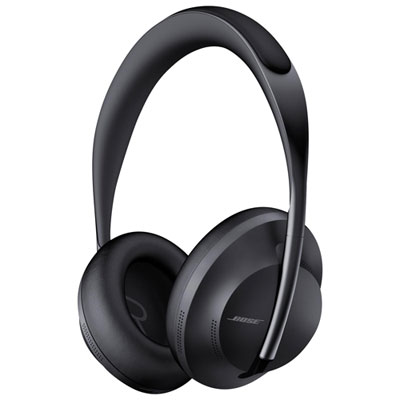 Your price for this item is $479.97
 -
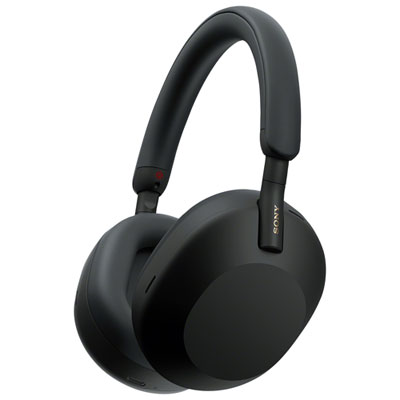 Your price for this item is $348
 -
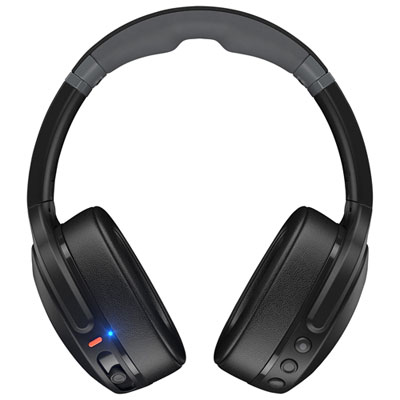 Your price for this item is $199.99
 -
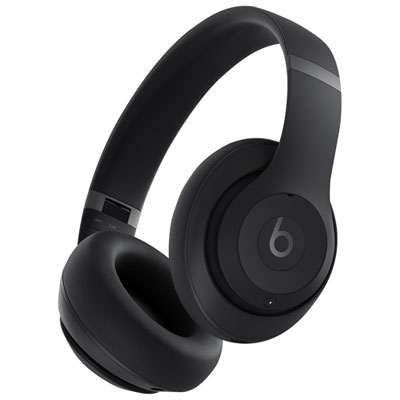 Your price for this item is $229.99
 -
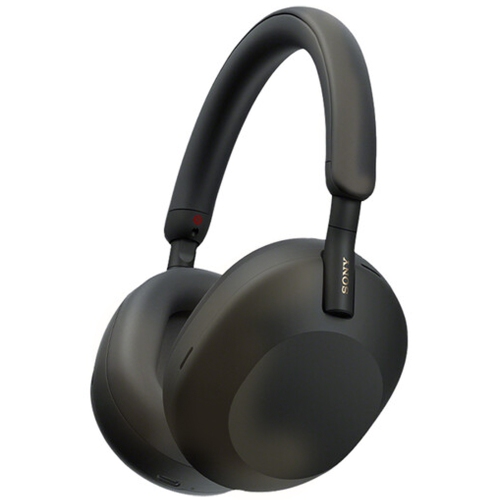 Your price for this item is $438
 -
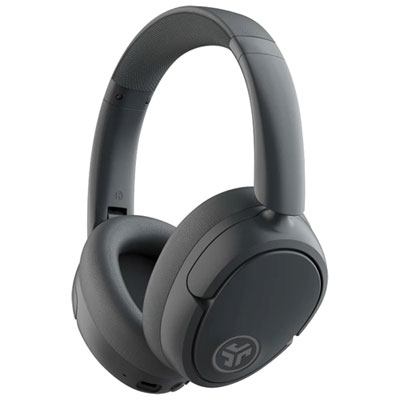 Your price for this item is $79.99
 -
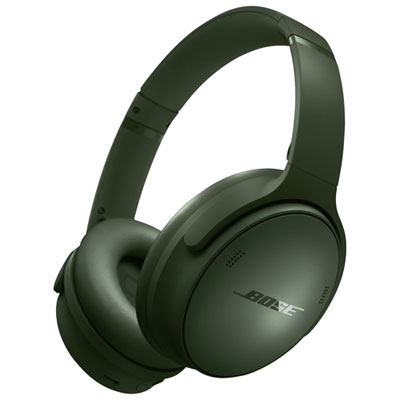 Your price for this item is $479.99
 -
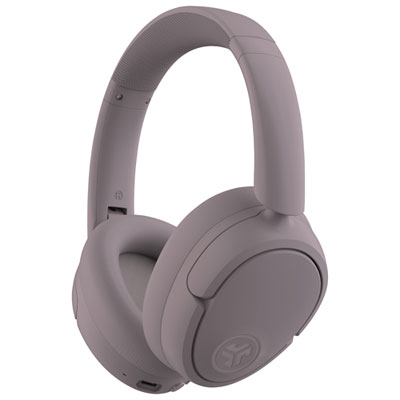 Your price for this item is $79.99
Discover more categories related to Lightweight Over Ear Headphones
Top Collections:
Pokemon Centers, Kindle Devices, Best Budget Office Chairs, Apple iPhones 16, Best Laptops for Writers, iPhone 15 Apple, Canon G7X Cameras, Refurbished Apple Laptops, Alarm Clock, Motorola Razr Phones
Some products may be subject to Environmental Handling Fees
(EHF) depending on your province.
Learn more about EHFs.