Lightweight In Ear Headphones
Lightweight In Ear Headphones offer a comfortable and convenient way to enjoy your favorite music, podcasts, and calls on the go. Designed for easy portability and all-day wear, these headphones fit securely in your ears without weighing you down. Whether you're commuting, working out, or relaxing at home, Lightweight In Ear Headphones deliver a seamless audio experience wherever life takes you. Explore a wide variety of styles and features to find the perfect match for your listening needs.
Sort

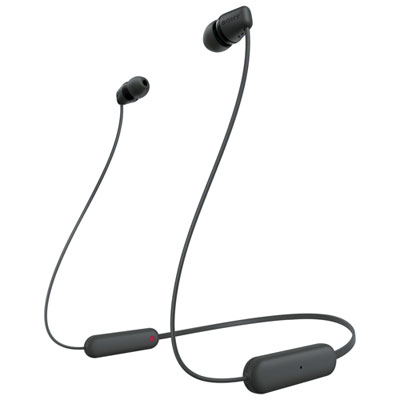

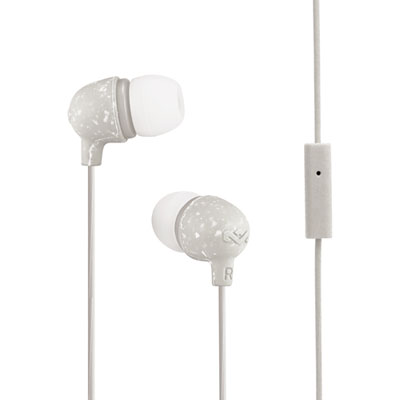


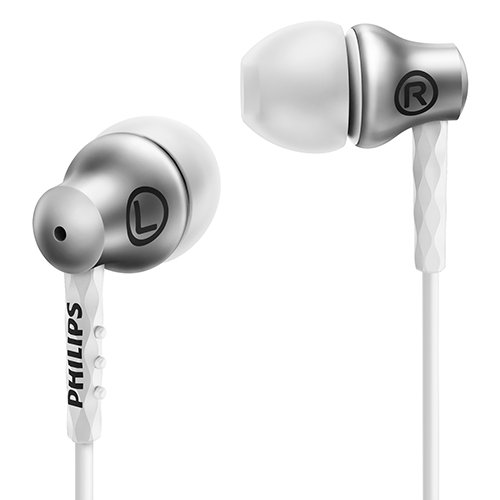


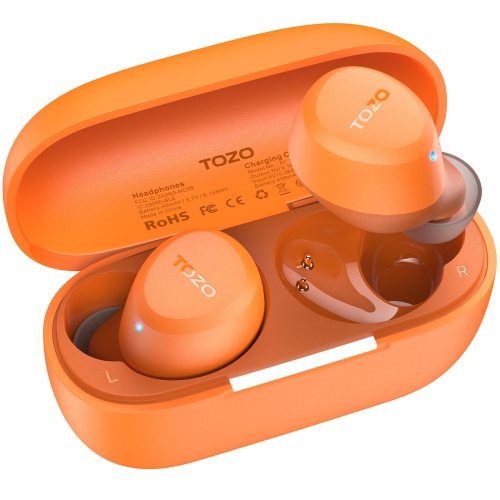


Comfortable listening takes more than a lightweight design
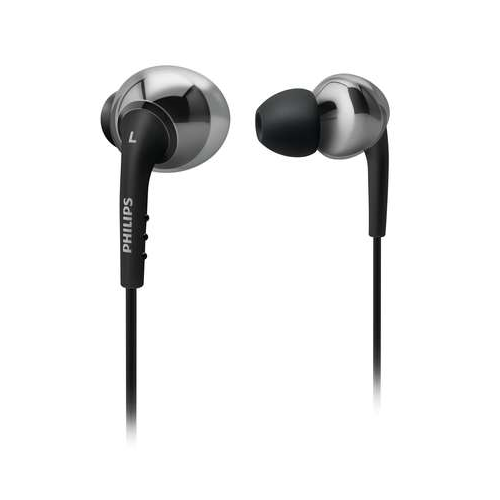
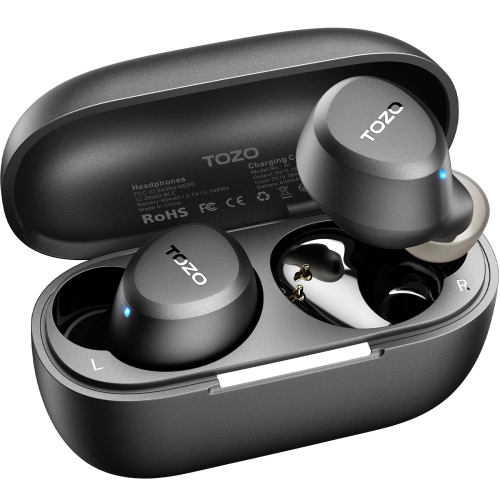
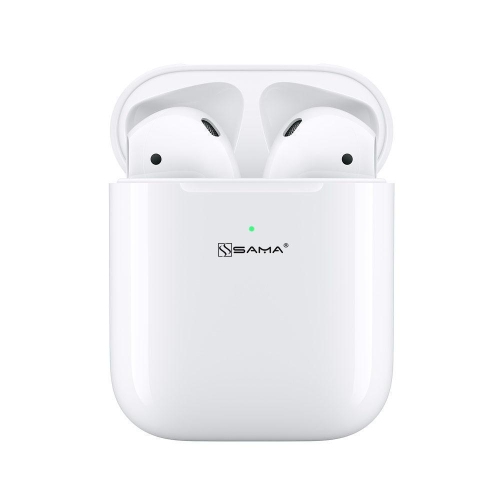
Lightweight in-ear headphones offer personal audio in a compact form that slips easily into a pocket, work bag, or small carrying case. Their appeal goes beyond low weight: a comfortable shape, a stable seal, and controls that are easy to reach all contribute to how unobtrusive they feel during everyday listening. These headphones sit at the entrance to the ear canal or fit inside it with replaceable tips, keeping the earpieces much smaller than over-ear designs. Wired versions connect directly to a compatible audio port or adapter, while wireless versions use Bluetooth to keep the listening device separate from the earpieces. True wireless designs remove the cable between the ears as well, usually pairing the earbuds with a charging case. For long podcasts, desk work, or a commute, the most comfortable fit depends on both the shape of the housing and the tips that touch the ear. Soft silicone tips are common because they are flexible and easy to wipe clean; foam tips can conform more closely to the ear canal, although they require care appropriate to their material. Several tip sizes make it easier to find a secure seal without pushing the earpieces too deeply. It is also normal for each ear to need a different size. A good seal helps preserve bass and limit outside noise, so turning up the volume is not a substitute for getting the fit right. Lightweight plastic housings can reduce bulk, while metal components may add a different feel and finish; neither material alone determines comfort or durability. The angle of the sound outlet, the position of any pressure vents, and how far the housing projects from the ear can matter just as much. For people who wear glasses, an in-ear design also avoids a headband or large ear cushions pressing against the arms of the frames. Compact earpieces can be especially appealing when larger headphones feel cumbersome, though even a very light pair should feel secure rather than tightly wedged in place.
Everyday use helps distinguish which features are genuinely useful. At a desk, wireless in-ear headphones with multipoint connectivity can make it easier to move between compatible devices, such as a laptop for meetings and a phone for calls. The exact switching behaviour depends on the headphones, connected devices, and software, so Bluetooth support alone does not mean every function will work identically across devices. Built-in microphones support conversations without holding a phone, but microphone placement, background noise, and voice-processing features all affect how clearly speech comes through. Touch controls offer a smooth outer surface, while physical buttons provide a more distinct press; either design can feel different when adjusting a small earpiece. Active noise cancellation can reduce some steady background sounds, such as ventilation or the low rumble of transit, while passive isolation comes from the physical seal of the ear tips. Neither blocks every sound. Ambient or transparency modes allow some outside sound through the microphones, which can be convenient for brief conversations, but they should not be treated as a guarantee of awareness near traffic. For walks and exercise, stability may matter more than the smallest possible housing. Optional fins or ear hooks can help keep earpieces in place, and a stated water-resistance rating provides more useful information than a general claim that headphones are suitable for workouts. Resistance to sweat or splashes does not automatically make a pair suitable for swimming. Wireless battery specifications also deserve context: listening time per charge is different from the combined total that includes recharging in the case, and features such as noise cancellation can affect actual runtime. Wired in-ear headphones avoid battery charging for basic listening and can suit people who prefer a straightforward connection. Connector compatibility still matters, particularly with devices that require a USB-C connection or a separate adapter. For video calls, films, or games, audio delay and microphone support depend on the full connection, not simply on whether the headphones are light. Sound preferences vary too; clear speech, balanced music playback, and stronger bass each place different demands on tuning and fit.
Small headphones spend plenty of time being handled, packed away, and taken out again, making everyday care an important part of their useful life. A fitted case keeps the earpieces from rubbing against keys and helps prevent cables or charging contacts from collecting debris. For wired designs, a loose coil is gentler on the cable than wrapping it tightly around a phone, and removing the plug by its housing rather than pulling the cord reduces strain at the connection. Wireless earbuds benefit from clean, dry charging contacts and careful placement in their case. After exercise, allowing the earpieces to dry according to the manufacturer's directions before charging helps avoid trapping moisture. Removable silicone tips can often be cleaned separately, but the recommended method varies; foam tips, speaker mesh, and electronic housings may need different treatment. Liquids and sharp tools should stay away from openings unless the care instructions specifically allow a cleaning method. Earwax or lint on the sound outlet can make one side seem quieter, so gentle, regular attention is more useful than waiting until the blockage becomes noticeable. Replaceable tips are also practical when a pair is used frequently, since worn or damaged tips can change both comfort and sound. For students, commuters, frequent callers, and people who enjoy listening while doing household tasks, a lightweight design offers a convenient way to keep audio close without carrying a larger headset. As a gift, in-ear headphones are most useful when the recipient's device connections, preferred listening style, and comfort needs are known; multiple tip sizes can offer flexibility, but no single shape suits every ear. Anyone comparing compact in-ear designs with other low-bulk options can explore Lightweight Headphones for a broader range of wearing styles. Across those choices, manageable weight, dependable fit, suitable connections, and straightforward care are the qualities that make headphones easier to enjoy day after day. Comfortable listening also means keeping the volume moderate and taking breaks, even when the earpieces feel barely noticeable.
Top selling and popular products
-
 Your price for this item is $25.99
-
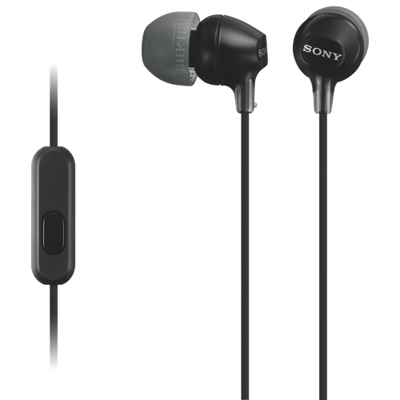 Your price for this item is $15.98
-
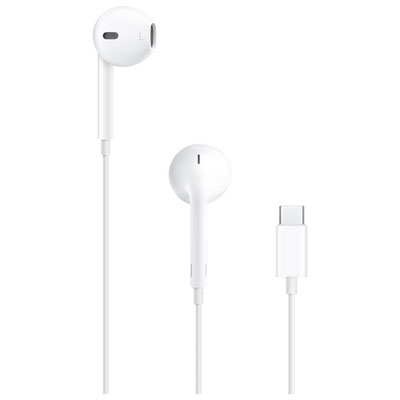 Your price for this item is $25.99
-
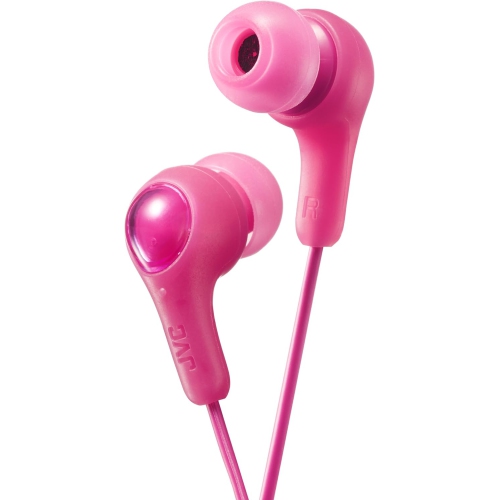 Your price for this item is $25.98
-
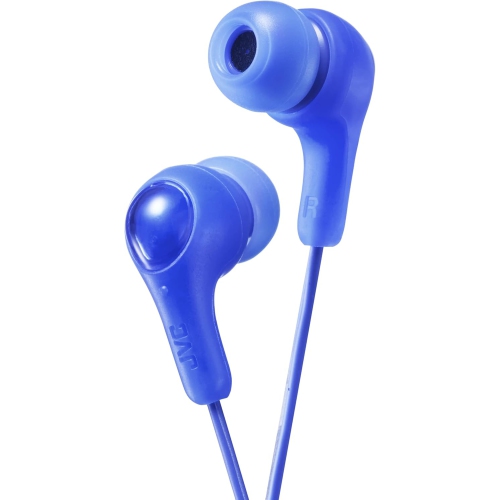 Your price for this item is $25.98
-
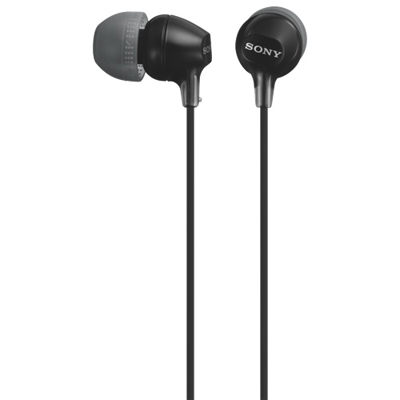 Your price for this item is $12.99
-
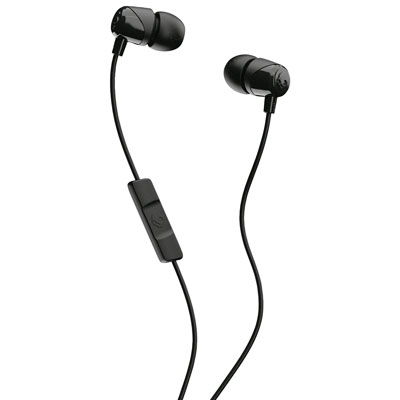 Your price for this item is $14.99
-
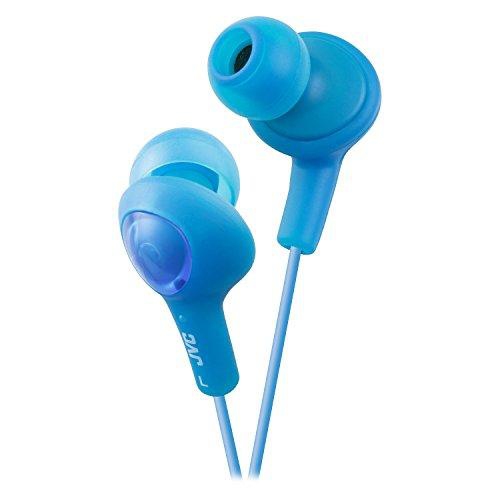 Your price for this item is $19.99
Discover more categories related to Lightweight In Ear Headphones

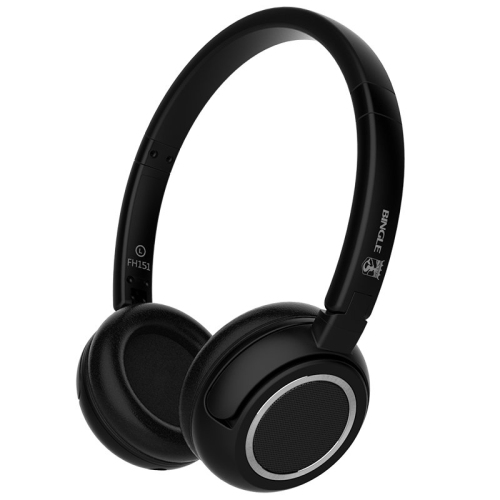

Top Collections:
Best Black Friday Deals This Year, Best Black Friday Deals On Electronics, Kindle Devices, Pokemon Centers, Best Black Friday Deals On Apple Products, Best Cameras for Sports Photography, Dyson Airwrap, Pokémon 30th Celebration Cards, Apple iPhone 17 Pro, Canon G7X Cameras
Some products may be subject to Environmental Handling Fees
(EHF) depending on your province.
Learn more about EHFs.