Lightweight Headphones for Students
Lightweight headphones for students offer a comfortable and convenient solution for study sessions, online classes, and daily commutes. Designed to be easy to carry and wear throughout the day, these headphones make it simple for students to stay focused on lectures, assignments, or their favorite playlists. With a range of styles and features available, finding the right pair of lightweight headphones for students can help enhance productivity and provide clear audio wherever learning happens.
Sort
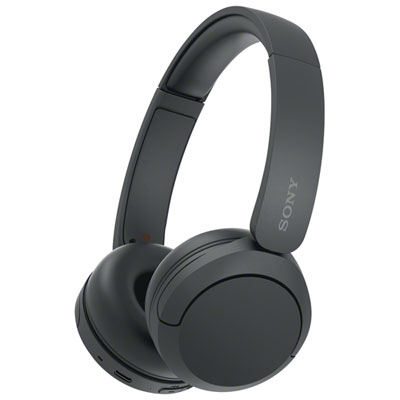
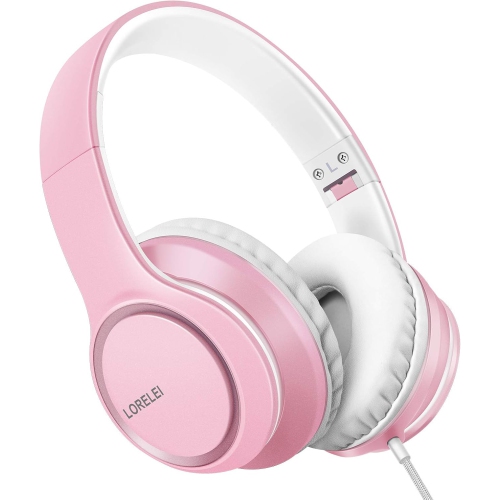
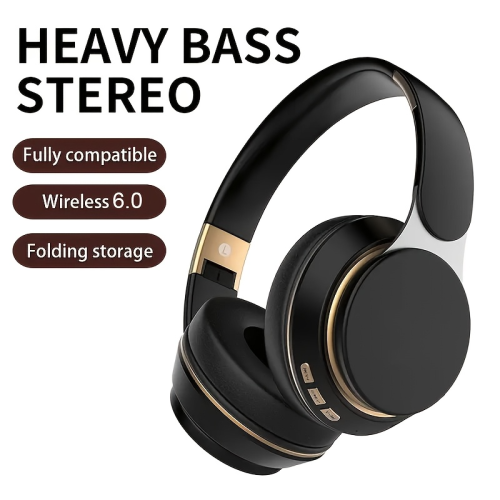
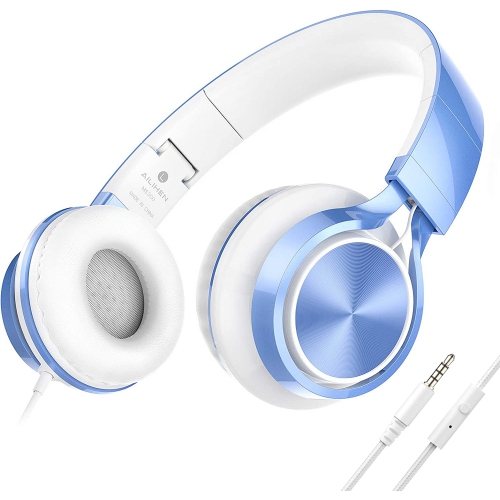




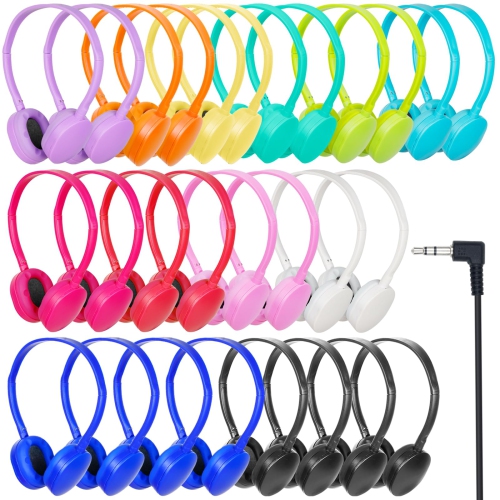
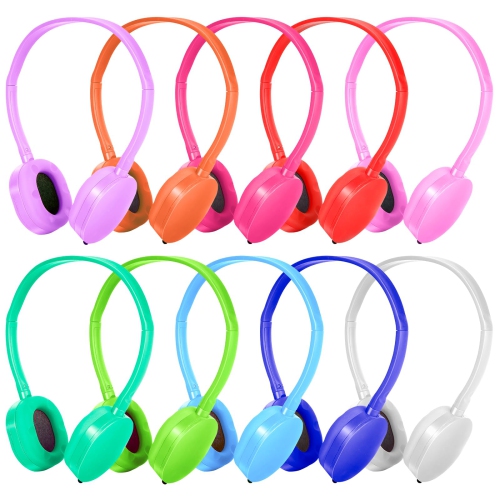
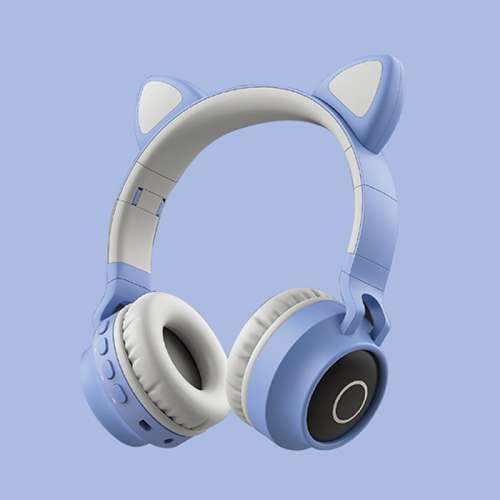
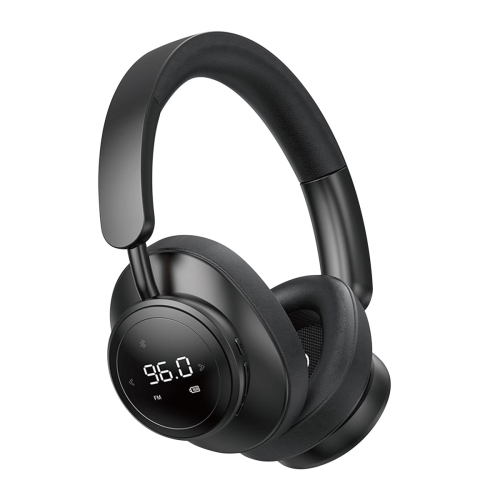
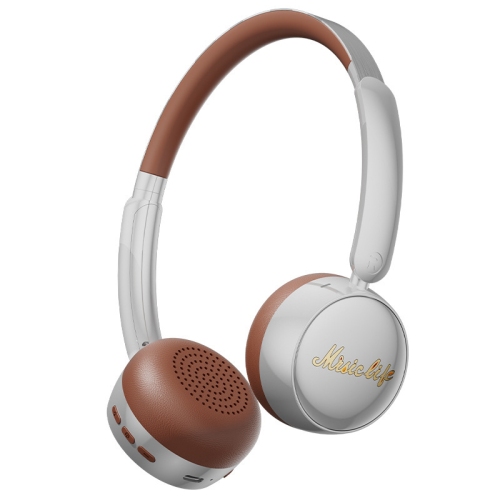
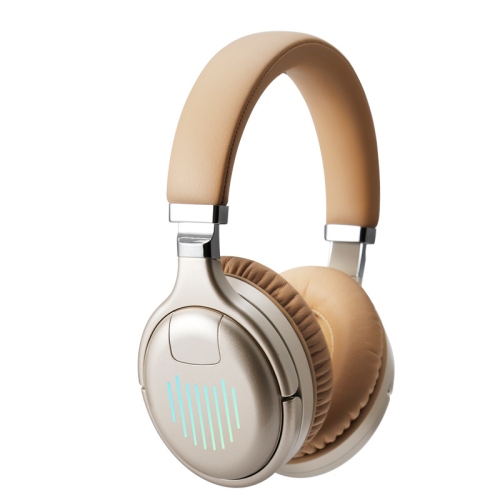
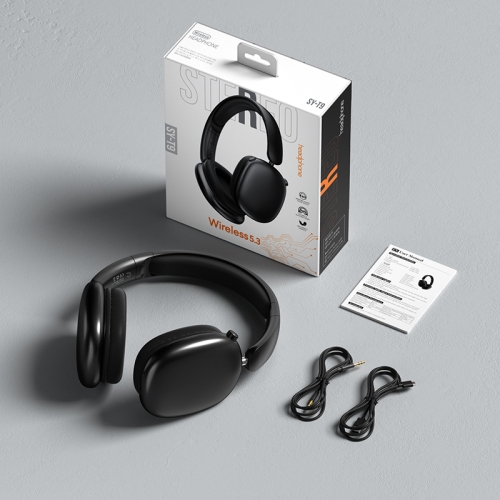
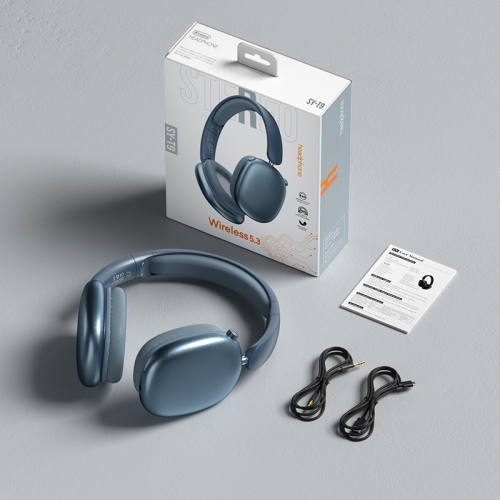
Comfort for long lectures goes beyond headphone weight
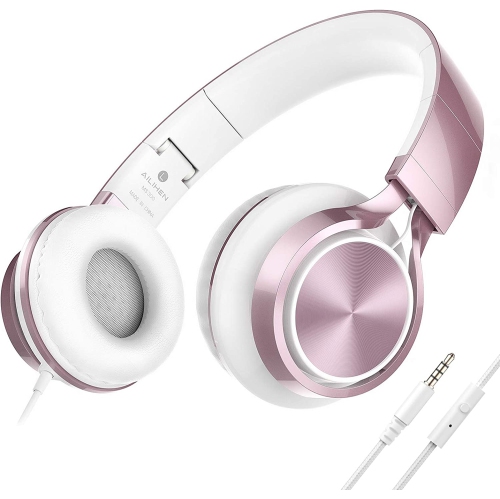
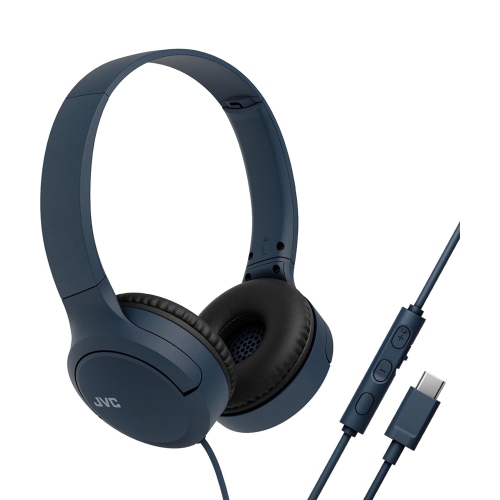
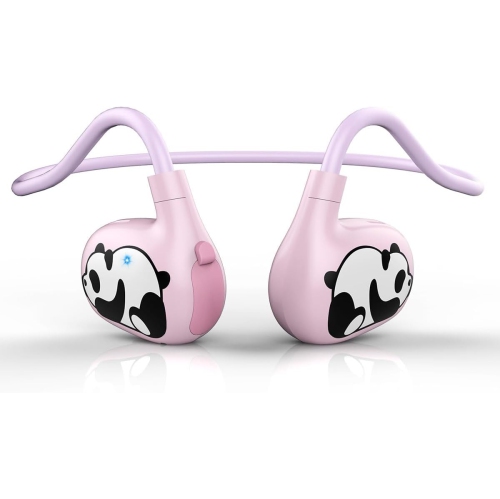
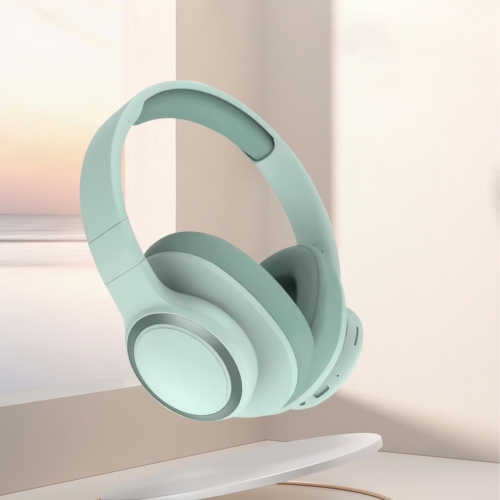
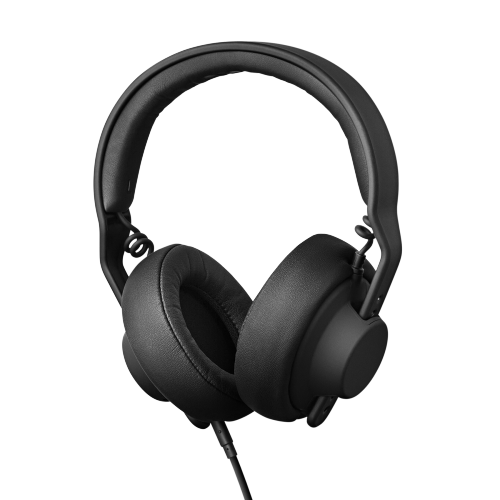
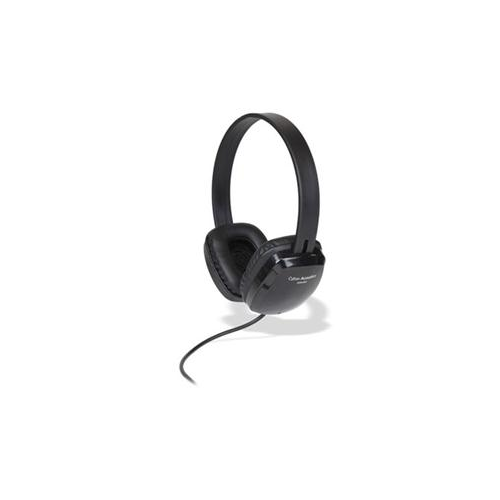
Lightweight headphones for students combine a manageable fit with the portability needed for classes, independent study, and everyday listening. A lighter design can feel less cumbersome during a recorded lecture or a long reading assignment, especially when headphones are worn alongside glasses. Weight alone does not determine comfort, though: headband shape, cushioning, earcup size, and how firmly the headphones grip all affect the experience. A well-balanced pair spreads pressure across the head rather than concentrating it at the crown or behind the ears. On-ear headphones rest against the ears and often have a compact profile that slips easily into a backpack pocket. Over-ear headphones surround the ears, leaving more room around them, although the earcups generally take up more space in a bag. Students who prefer that roomier fit can explore Comfortable Over-Ear Headphones for Students for designs suited to longer listening sessions. With either style, adjustable headbands and swivelling earcups help accommodate different head shapes and sitting positions, from a desk chair to a seat on the bus. Soft foam cushioning can reduce pressure, while fabric coverings and smooth synthetic finishes offer different textures against the skin. Fabric may feel more breathable, while smooth coverings can be easier to wipe clean when maintained as directed. Lightweight plastic construction helps keep bulk down, and metal reinforcement at selected stress points can add support without requiring a heavy frame. Folding hinges or flat-folding earcups also make a difference when a backpack already holds a laptop, textbooks, and a lunch container. For younger students, an appropriately sized headband matters more than simply choosing the smallest-looking design. For older students moving between lecture halls, shared study spaces, and home, a secure fit that stays comfortable while walking can be just as useful as a compact folded shape. The most practical combination depends on where the headphones will be worn and how often they need to travel.
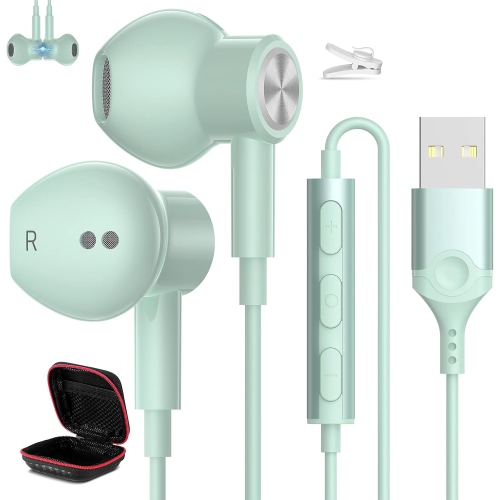
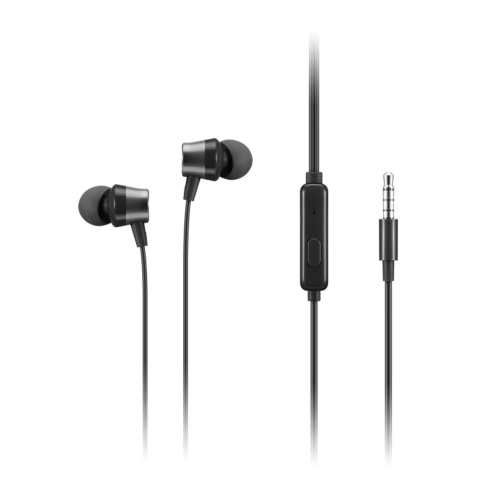
Connection type shapes how easily student headphones fit into a daily routine. Wired headphones do not need their own battery for basic playback and can be convenient for a desktop computer, a school listening station, or a laptop with a compatible audio jack. Cable length matters in these settings: enough reach allows comfortable movement at a work surface, while excess cable can catch on chair arms or become tangled in a bag. A detachable cable, where supported, can simplify packing and make cable replacement possible without replacing the headphones. Wireless headphones reduce cable clutter when moving between a desk and a nearby shelf, listening on public transit, or reviewing notes on a tablet. Battery life, charging connection, and the ability to use the headphones while charging vary by design. Some wireless headphones also support wired playback, but that capability is not universal. Device compatibility deserves particular attention when headphones will move between school equipment and personal devices. A matching connector does not always guarantee that microphone controls or volume buttons will work, and some devices require a compatible adapter. For online classes, group projects, and language practice, microphone clarity can matter as much as music playback. An integrated microphone keeps the design compact, while a boom microphone places the pickup closer to the mouth. Neither arrangement guarantees that nearby conversations will disappear from a call. Passive sound isolation comes from the fit and materials around the ears; active noise cancelling uses microphones and electronic processing to reduce certain outside sounds, with results that vary by sound and fit. These features can make a steady background hum less distracting, but they do not create complete silence. Awareness modes, when included, can help students hear an announcement or a brief conversation without fully removing the headphones. Listening at a moderate level, taking breaks, and keeping attention on nearby activity remain important, particularly while walking through busy corridors or travelling between classes.
Everyday durability is especially relevant for headphones that share a bag with notebooks, charging cables, and pencil cases. Hinges should move smoothly, headband adjustments should hold their position, and earcup connections should tolerate ordinary handling without feeling loose. Reinforced cable entry points can help protect wired designs from repeated bending, although carrying headphones by the cable still puts unnecessary strain on the connection. A fitted case offers more protection against pressure than a soft pouch, while a pouch can help keep the ear cushions away from loose objects when space is limited. Allowing folding sections to close naturally, rather than forcing them around other belongings, helps protect the moving parts. Care also affects how comfortable headphones remain over time. A soft cloth can remove surface marks, and ear cushions should be cleaned only with methods suitable for their materials. Excess moisture, harsh cleaners, and soaking can damage coverings or internal components. Headphones should be dry before being packed away, and charging ports should be kept free of debris without inserting sharp objects. Replaceable ear cushions are useful for frequently worn designs because padding and surface coverings can wear before the rest of the headphones does. For wireless models, following the maker’s charging and storage recommendations helps maintain dependable daily use. Practical controls matter, too: clearly separated buttons or straightforward touch controls can make it easier to pause a lesson, mute a microphone, or adjust playback without repeatedly reaching for a device. Students taking language courses may value clear speech reproduction, while those editing video or practising an instrument may need a connection with minimal audio delay. Music listeners may prefer a balanced sound that keeps vocals and instruments distinct without relying on high volume. As a gift for a student, lightweight headphones are most useful when the fit, connector, microphone, and carrying size suit the recipient’s actual routine. Colour and styling add a personal touch, but lasting usefulness comes from comfortable wear and dependable operation throughout an ordinary study day.
Top selling and popular products
-
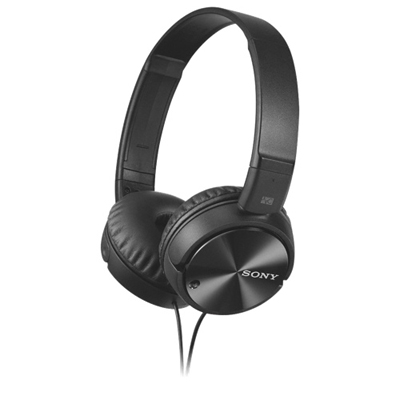 Your price for this item is $59.99
-
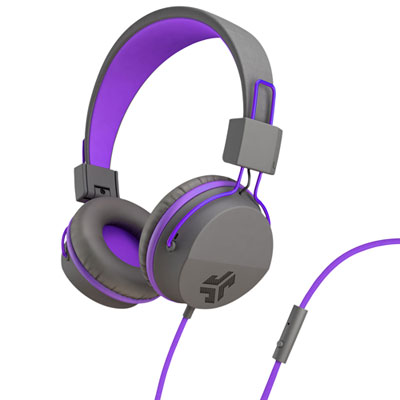 Your price for this item is $19.99
-
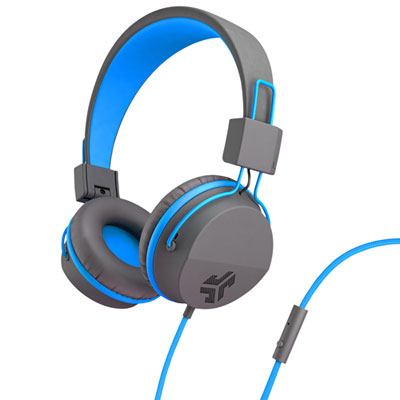 Your price for this item is $19.99
-
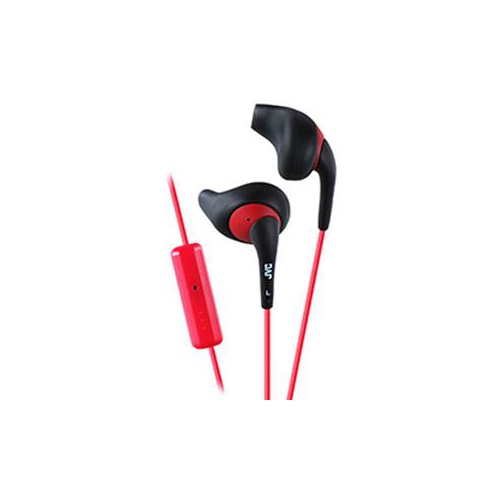 Your price for this item is $41.98
-
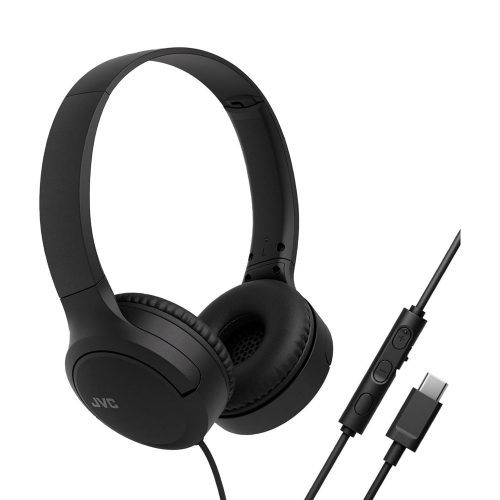 Your price for this item is $47.77
-
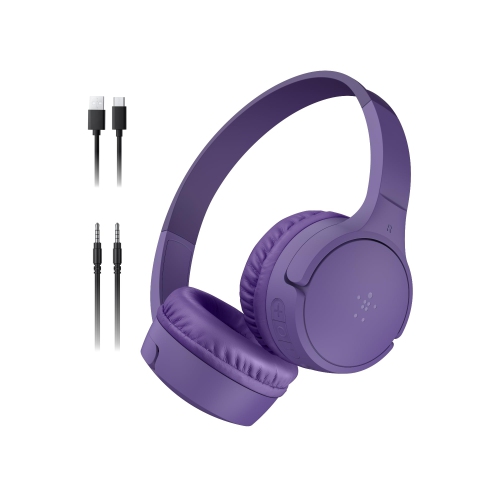 Your price for this item is $68.99
-
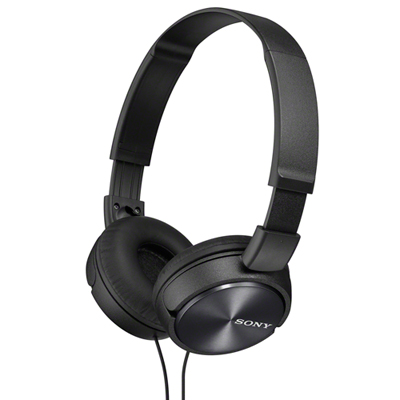 Your price for this item is $29.98
-
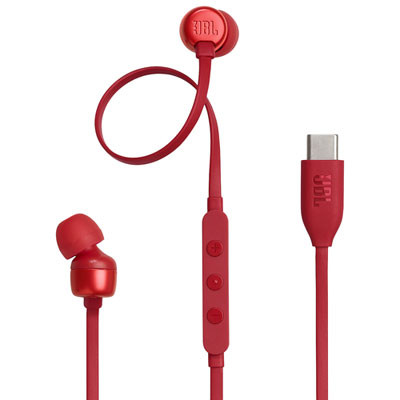 Your price for this item is $19.99
Discover more categories related to Lightweight Headphones for Students
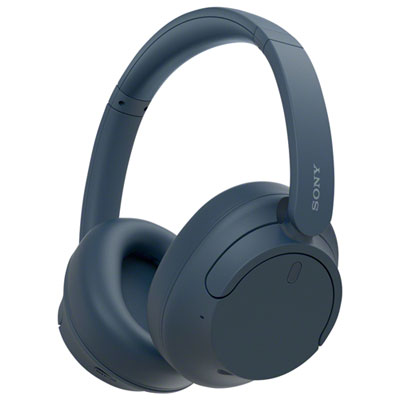
Top Collections:
Best Black Friday Deals This Year, Best Black Friday Deals On Electronics, Kindle Devices, Pokemon Centers, Best Black Friday Deals On Apple Products, Best Cameras for Sports Photography, Dyson Airwrap, Pokémon 30th Celebration Cards, Apple iPhone 17 Pro, Canon G7X Cameras
Some products may be subject to Environmental Handling Fees
(EHF) depending on your province.
Learn more about EHFs.