Comfortable Over-Ear Headphones for Students
Comfortable Over-Ear Headphones For Students offer a practical solution for those seeking immersive audio during study sessions, online classes, or relaxation time. With a variety of designs and price points available, students can find options that suit their needs whether they're at home, in the library, or on the go. Explore choices that prioritize comfort for long listening sessions and help support focus and productivity.
Sort
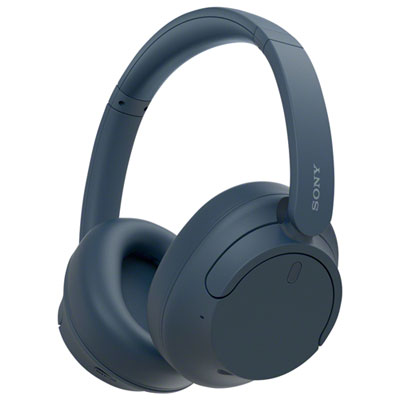
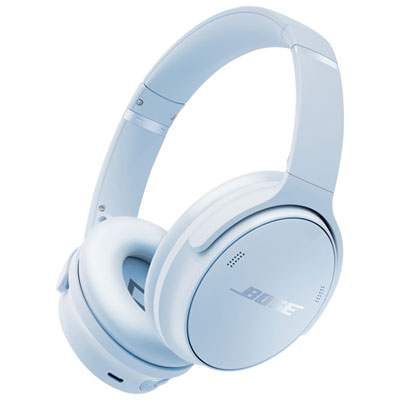
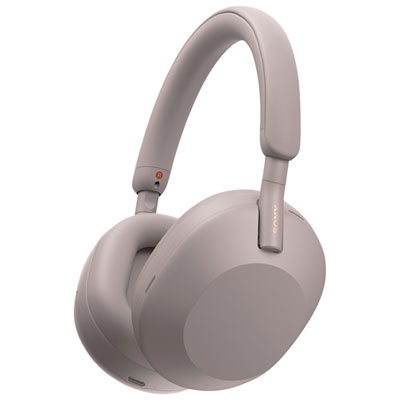
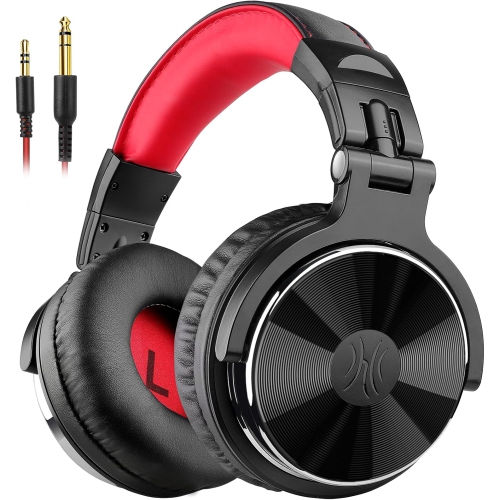
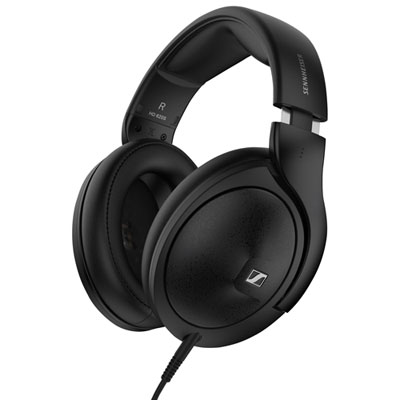
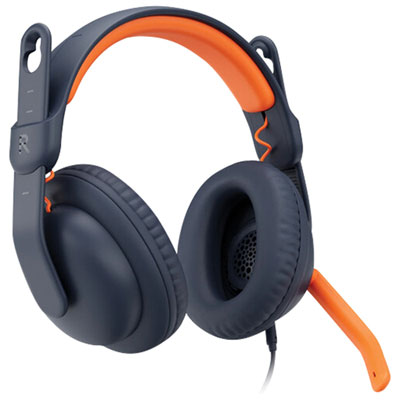
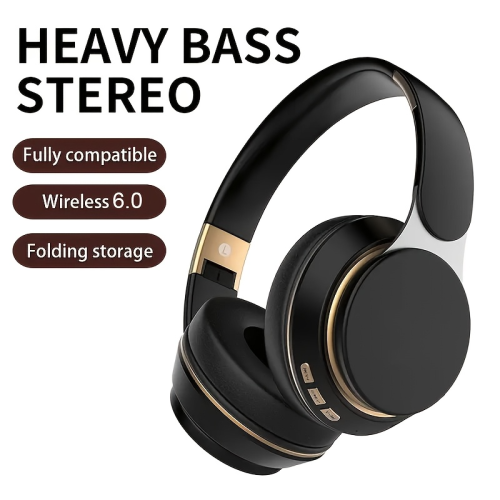
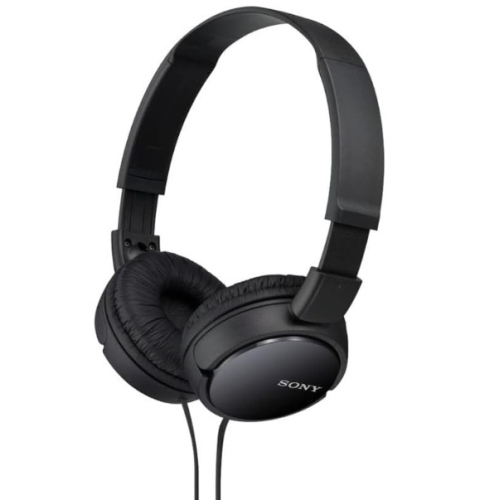

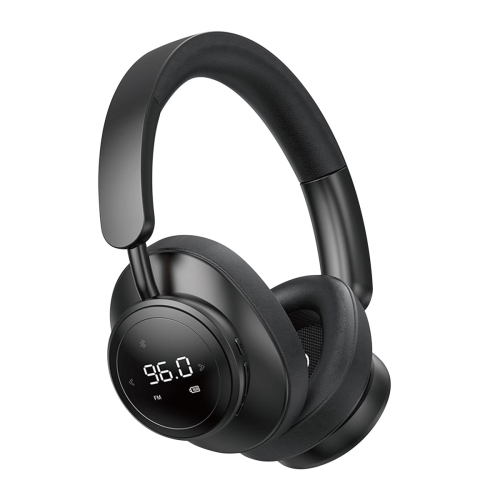
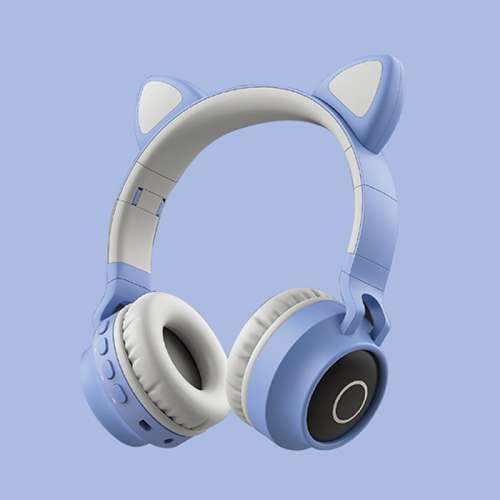
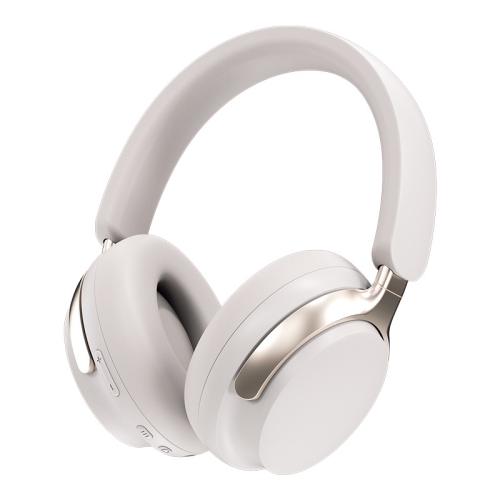
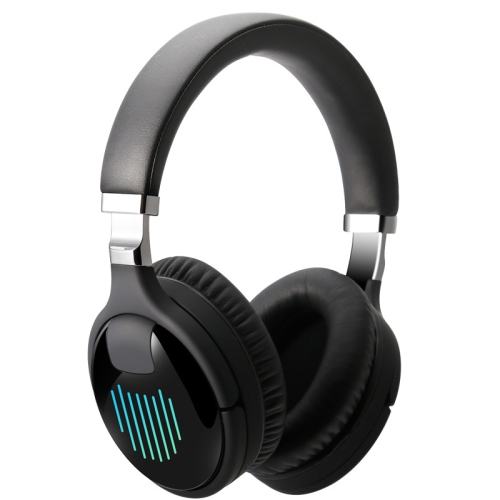
Why headphone comfort goes beyond soft ear cushions
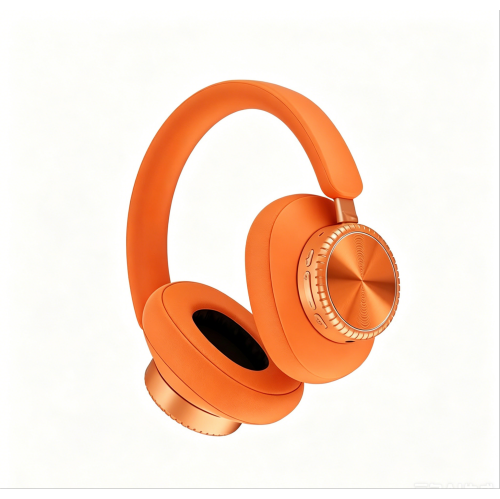
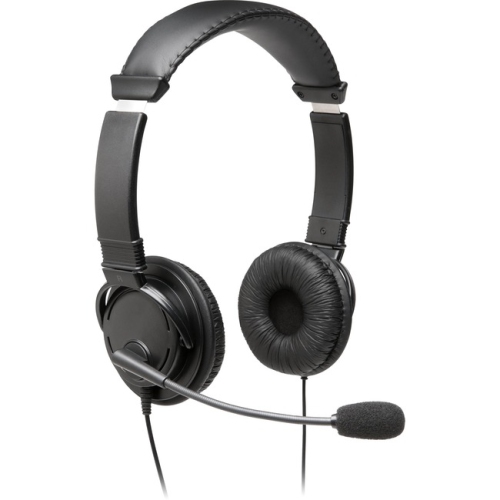
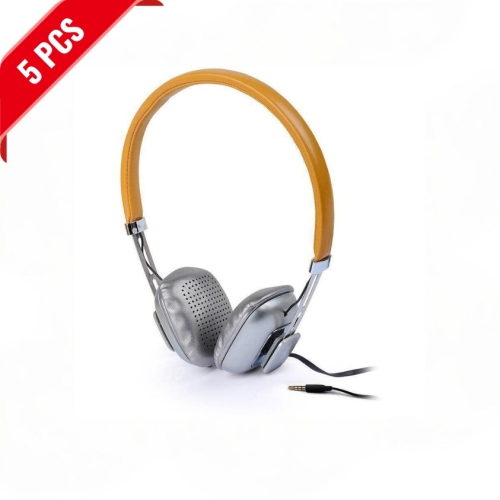
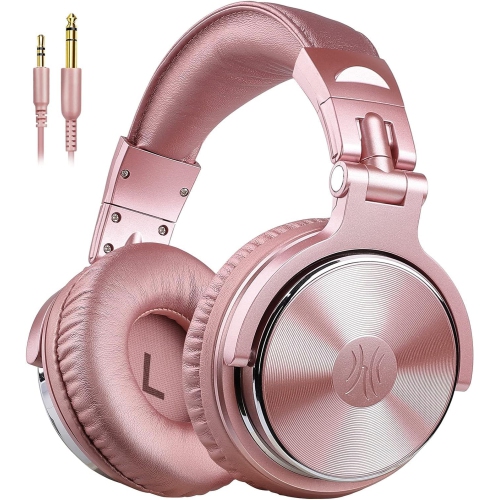
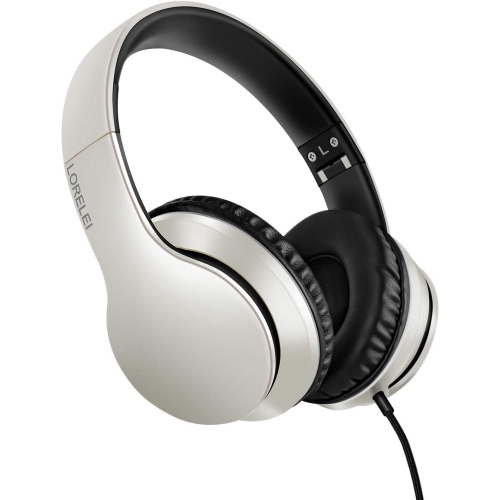
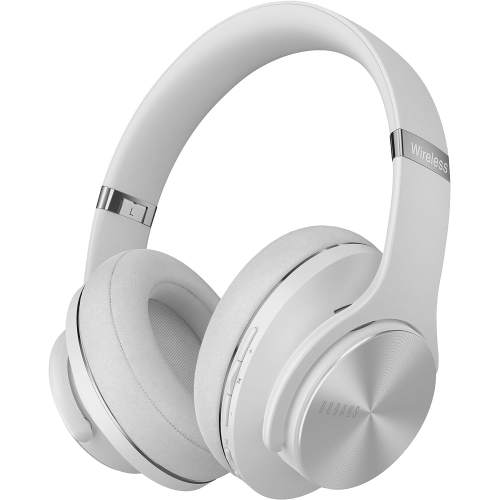
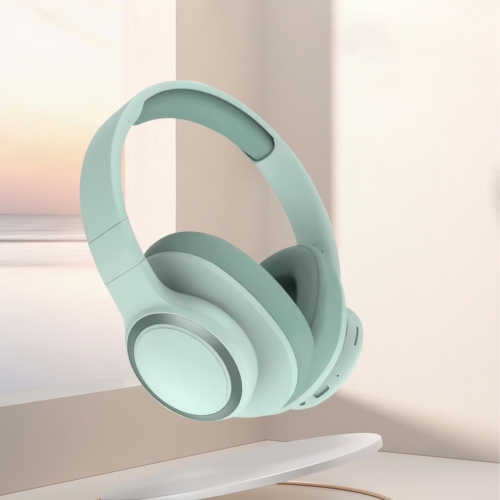
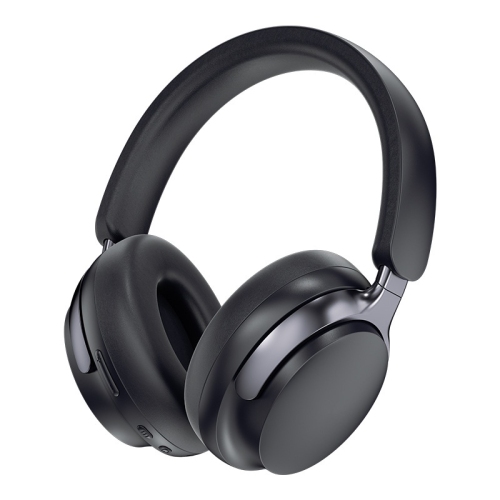
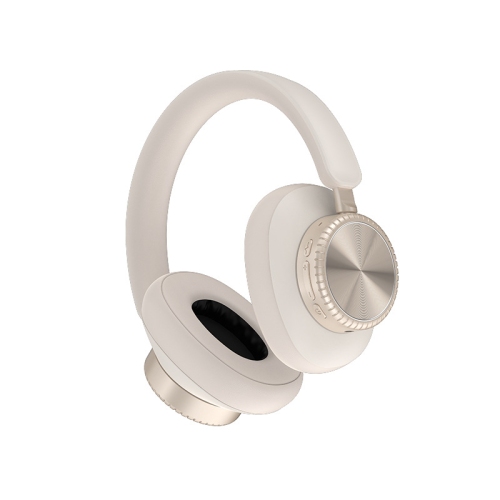
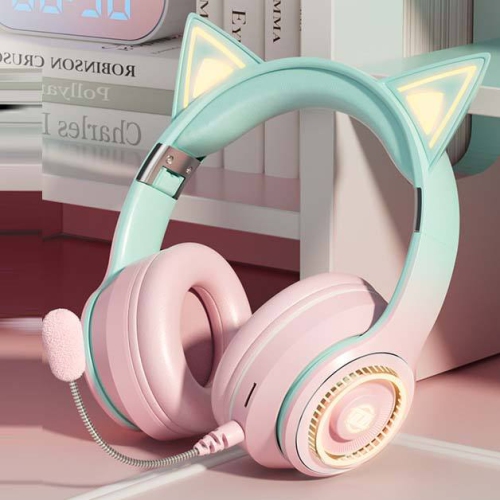
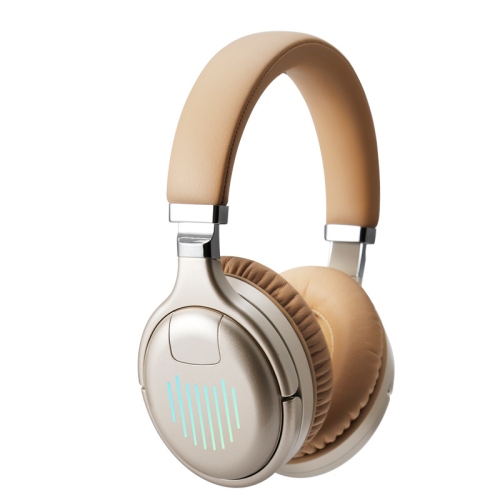
Comfortable over-ear headphones for students combine a well-balanced fit, cushioned ear cups and practical features for studying, online classes and everyday listening. Their ear cups sit around the ears rather than directly on them, creating room for the outer ear while helping separate lecture audio or music from nearby distractions. For a student moving between a library desk, a shared apartment and a campus bus ride, comfort depends on more than soft padding. Headphone weight, headband adjustment, ear-cup depth and clamping pressure all affect how the fit feels over time. A padded headband helps distribute weight across the top of the head, while swivelling ear cups can sit more evenly against different head shapes. Cushions should surround the ears without folding them or pressing them against the speaker covering inside. Students who wear glasses may prefer padding that gives gently around the arms of their frames, since a tight seal can otherwise create pressure near the temples. A secure fit matters when walking between classes, but excessive clamping can become distracting during a long reading assignment. Materials also influence the experience. Memory-foam padding can conform to the shape of the head, smooth synthetic coverings are generally straightforward to wipe clean, and fabric-covered cushions may feel more breathable against the skin. Each has trade-offs: fabric can collect dust, while coated surfaces need gentle care to avoid cracking or peeling. Replaceable ear cushions are useful for headphones expected to handle several academic years, although replacement compatibility varies by design. Adjustable sizing is especially helpful when buying headphones as a gift, since appearance alone cannot establish whether a pair will fit comfortably. Lightweight construction can make carrying and wearing headphones easier, but balance and padding placement matter just as much as the weight on a specification sheet. The most useful fit is one that stays comfortable while the student reads, types, looks down at notes or turns towards another person.
Noise control is another important distinction among student over-ear headphones. Passive isolation comes from the physical barrier formed by the ear cups and their seal, while active noise cancellation uses microphones and signal processing to reduce certain sounds reaching the listener. Active noise cancellation is typically most effective against steady background noise, such as ventilation or the low rumble of a bus; nearby conversations and sudden sounds may still be audible. It can make recorded lectures easier to follow without relying on higher playback volume, but it does not create complete silence. A good seal remains important, and gaps around glasses or loosely seated cushions can change both isolation and bass response. Closed-back ear cups are often a practical match for shared study spaces because they help contain sound, although leakage still depends on the design, fit and listening level. A transparency or ambient listening mode, where included, lets some outside sound through for brief conversations or announcements. It should not replace paying attention when crossing streets or moving through busy areas. For coursework, clear speech reproduction can be more useful than strongly boosted bass: spoken explanations, pronunciation exercises and recorded seminar discussions should remain easy to distinguish. Adjustable sound settings can help personalize listening, with app support and available controls varying between headphones. Microphone quality deserves separate attention for students attending virtual tutorials or contributing to group projects. Noise cancellation for the listener is not the same feature as background-noise reduction for a microphone, and clear incoming audio does not guarantee equally clear outgoing speech. Physical mute controls, accessible volume buttons and a microphone that captures speech clearly can make calls less awkward in a shared room. Wireless connections offer freedom from a cable stretched across a desktop, while multipoint Bluetooth, when supported, can maintain connections to compatible devices such as a laptop and phone. Device switching behaviour varies, so compatibility with the student's usual hardware and learning apps matters more than a long feature list.
Everyday practicality helps comfortable student headphones earn their place in a backpack. Battery life should cover the intended routine, whether that means a few recorded lectures or listening between several classes, but advertised figures depend on test conditions. Noise cancellation, playback volume, calls and other settings can affect how long wireless headphones run between charges. Quick charging can be useful before leaving for campus, while a clear battery indicator makes it easier to plan ahead. A wired listening option can provide flexibility for compatible devices, though some headphones still need battery power for certain functions. A USB-C charging port does not automatically mean that audio can travel through that connection, and an analogue cable may not carry microphone audio or button controls. These distinctions matter when one pair will be used with a laptop, phone and classroom equipment. Foldable hinges or ear cups that rotate flat can reduce the space needed for storage, while a protective case helps keep cushions from being crushed beneath textbooks. Moving parts should be handled gently rather than forced into an unfamiliar position. For care, follow the manufacturer's cleaning directions, disconnect cables and use only the recommended cloths or cleaning methods. Avoid soaking cushions, spraying liquid into openings or leaving headphones loose beside a drink bottle. Allow ear pads to dry fully after cleaning before putting the headphones away, and keep charging ports clear of lint. Detachable cables and replaceable cushions can make routine wear easier to manage when compatible parts are supported. For younger students, suitable sizing and age-appropriate listening controls deserve attention, while students sharing living space may place greater value on low sound leakage and reliable call controls. Moderate listening levels and regular breaks remain worthwhile habits, even with a comfortable fit. As a gift for a student starting a program or setting up a study space, over-ear headphones are most useful when matched to the recipient's devices, daily travel and preferred way of learning. Students comparing wearing styles can also explore back-to-school comfortable headphones for students for a broader range of study-focused options.
Top selling and popular products
-
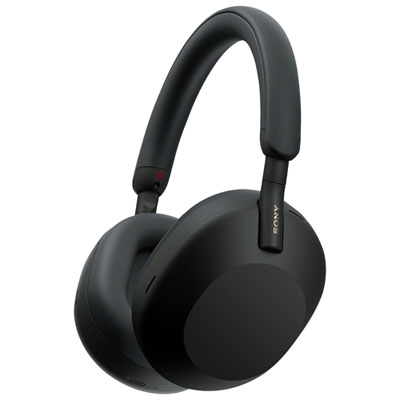 Your price for this item is $499.99
-
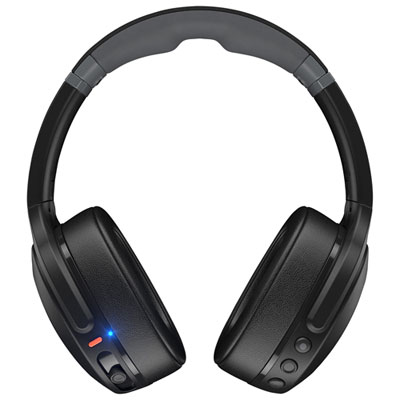 Your price for this item is $159.98
-
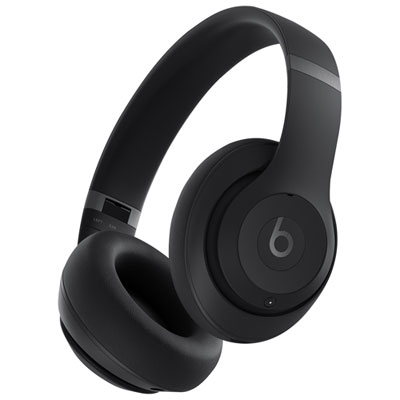 Your price for this item is $399.99
-
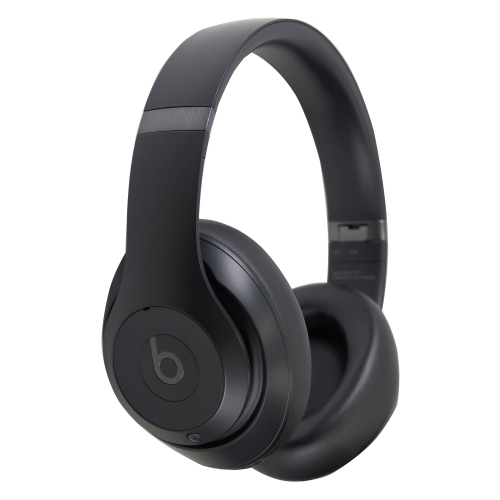 Your price for this item is $359
-
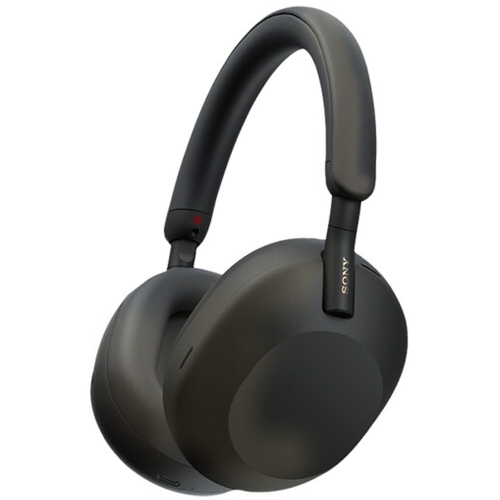 Your price for this item is $349
-
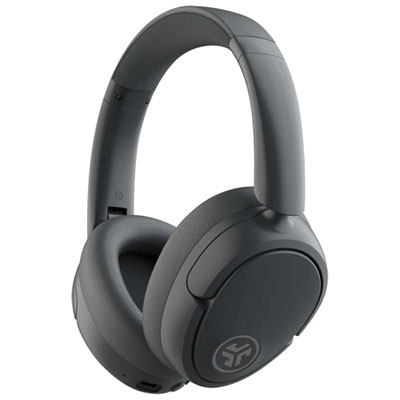 Your price for this item is $59.99
-
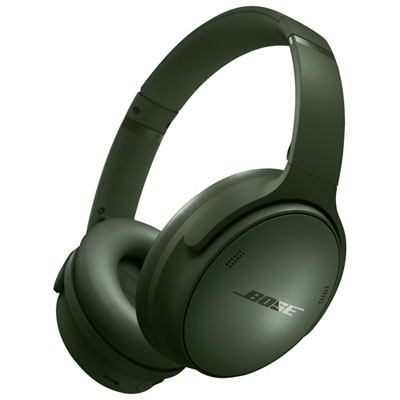 Your price for this item is $249
-
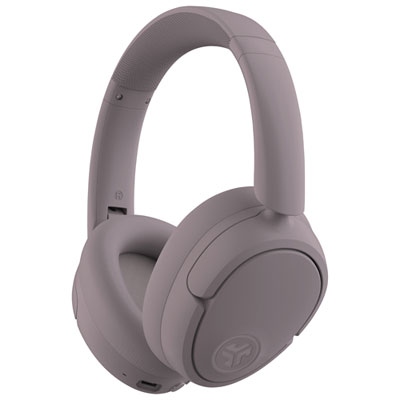 Your price for this item is $59.99
Discover more categories related to Comfortable Over-Ear Headphones for Students
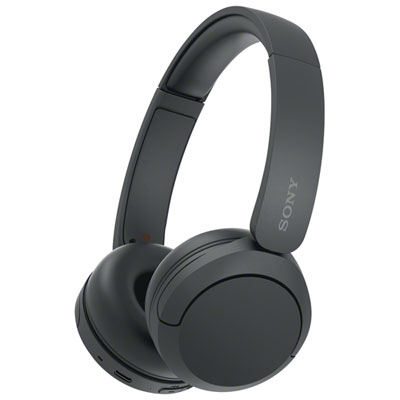
Top Collections:
Best Black Friday Deals This Year, Best Black Friday Deals On Electronics, Kindle Devices, Pokemon Centers, Best Black Friday Deals On Apple Products, Best Cameras for Sports Photography, Dyson Airwrap, Pokémon 30th Celebration Cards, Apple iPhone 17 Pro, Canon G7X Cameras
Some products may be subject to Environmental Handling Fees
(EHF) depending on your province.
Learn more about EHFs.