Loud Bookshelf Speakers
Loud Bookshelf Speakers deliver impressive audio performance in a compact design, making them a popular choice for music lovers and home theater enthusiasts alike. Whether you're looking to enhance your living room setup or bring powerful sound to your workspace, these speakers offer a dynamic listening experience without taking up too much space. Explore a range of options designed to fill your room with rich, clear sound and elevate your entertainment. Find the perfect pair of Loud Bookshelf Speakers to match your style and audio preferences.
Sort

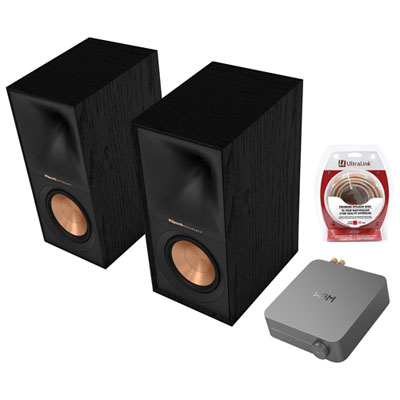
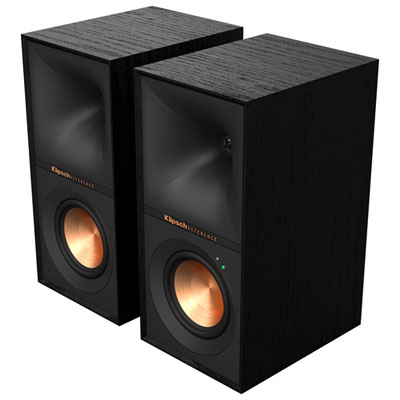
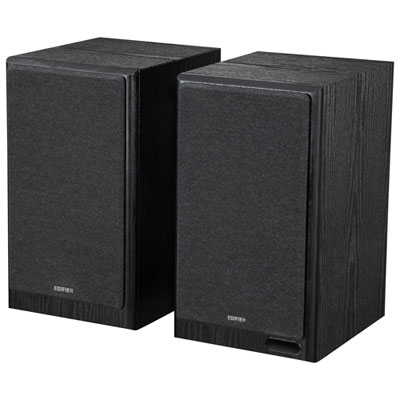
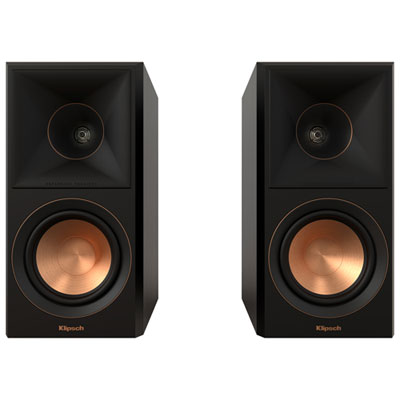

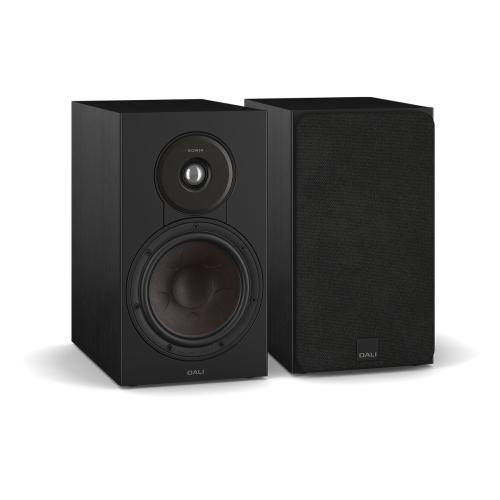
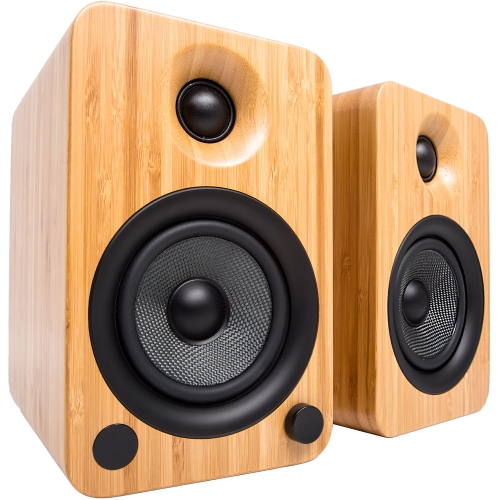
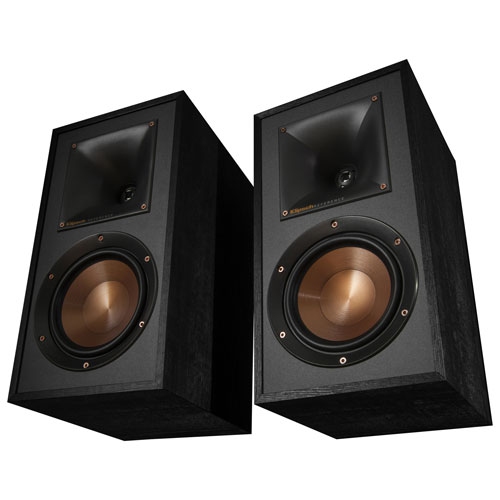
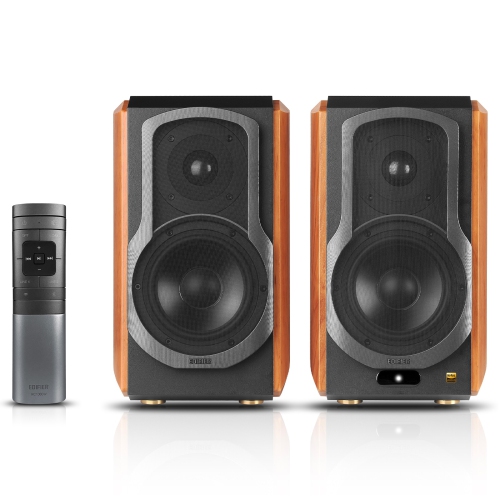
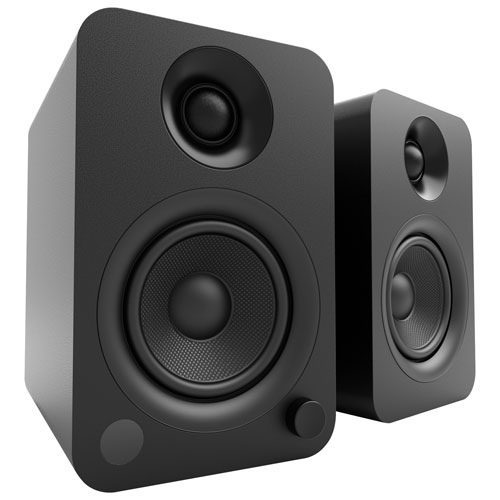
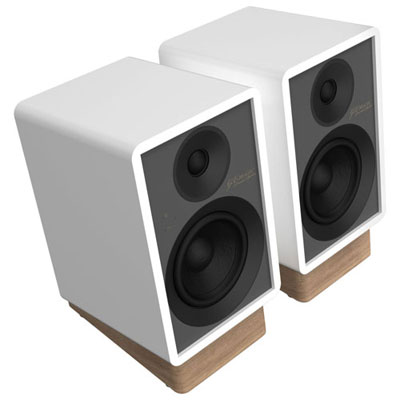
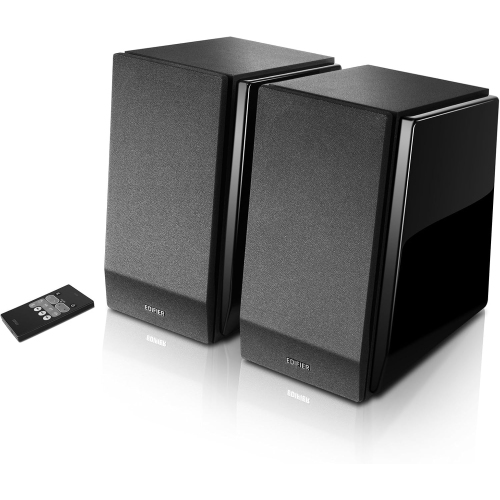
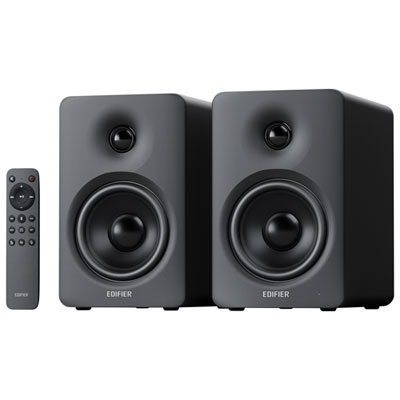
Room-filling sound takes more than a wattage rating
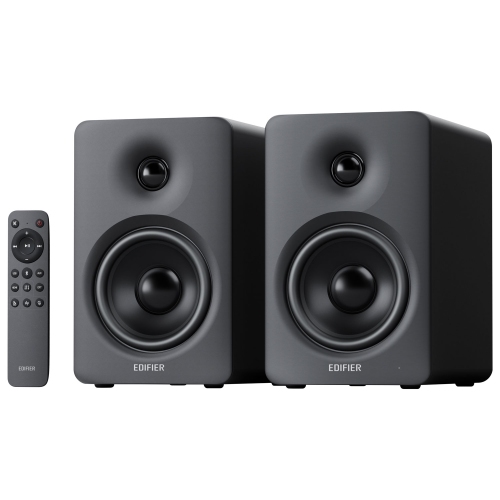
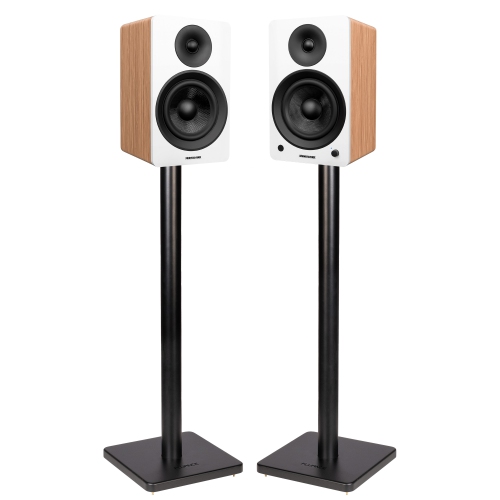
Loud bookshelf speakers bring energetic, room-filling sound to a stereo or home theatre setup without requiring the floor space of tower speakers. Their appeal goes beyond sheer volume: a capable pair can preserve the snap of a snare drum, the texture of a guitar and the separation between voices as listening levels rise. High-output performance comes from a combination of sensitivity, usable power handling, driver design and cabinet construction, rather than a wattage figure alone. Sensitivity describes how much sound a speaker produces for a specified input under stated test conditions. With comparable measurements, a speaker rated 3 dB higher in sensitivity can require roughly half the amplifier power to reach the same sound level. Maximum output still depends on the speaker’s limits, the amplifier and the demands of the recording, especially in the bass. Larger woofers, including common 6.5-inch designs, can offer greater air movement than smaller drivers, although size by itself does not guarantee louder or cleaner playback. Stiff, lightweight cones made from materials such as polypropylene, treated paper, woven fibres or metal help manage movement, while the suspension and motor influence how well that movement remains controlled. Tweeter design and sound dispersion also shape how clearly vocals and high-frequency details reach different seats. Horn-loaded designs can provide high sensitivity and controlled dispersion, while other tweeter designs may deliver a different balance of coverage and presentation. For listeners exploring bigger cabinets and drivers, Large Bookshelf Speakers overlap with this category, though physical size is only one part of high-output performance. Well-designed loud bookshelf speakers suit everything from lively rock recordings to orchestral crescendos, where brief musical peaks need room to breathe. That reserve, often called headroom, helps a system handle sudden changes without sounding strained. A pair that stays composed through a busy chorus can also make everyday listening more satisfying, with distinct instruments and clear vocals at moderate levels.
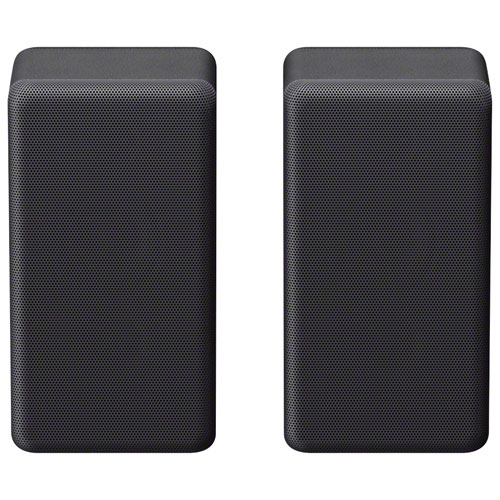
Powered and passive bookshelf speakers offer different ways to build that listening experience. Powered models include amplification, making them convenient for a desktop, television area or dedicated music corner where fewer separate components are preferred. Connections vary: analogue inputs can accommodate compatible source equipment, optical inputs can carry digital audio from a television, and USB inputs on some models support a direct computer connection. Bluetooth or Wi-Fi features, where included, add wireless listening options, but they do not necessarily provide the same source compatibility or multi-room functions. A turntable requires a suitable phono stage somewhere in the signal chain unless one is already built into the turntable or speaker system. Passive bookshelf speakers connect to an external amplifier or receiver, allowing the amplification and source components to be selected separately. Their impedance and recommended amplifier range matter alongside sensitivity; the amplifier needs to support the speaker load and deliver clean output at the intended listening level. Continuous power ratings are generally more useful than isolated peak figures, and ratings are most meaningful when their test conditions are clear. More amplifier power does not make every speaker suitable for unrestricted volume, and an amplifier pushed into clipping can introduce harsh distortion. Some powered designs use digital signal processing and output limiting to manage demanding passages, though protection systems cannot remove every physical limit. For action films, electronic music and recordings with deep bass, a compatible subwoofer can supply low-frequency weight that a compact cabinet may struggle to reproduce. Where proper bass management is available, redirecting the lowest frequencies to a subwoofer can also reduce the workload on the bookshelf speakers. Stereo pairs work well for focused music listening, while passive models can serve as front or surround channels in a compatible home theatre system. A remote control, accessible volume adjustment, subwoofer output or television-friendly connection can make a substantial difference to everyday use. These details help distinguish a simple music setup from one intended to handle films, games and several audio sources.
Placement and room size have a strong influence on how loud bookshelf speakers sound in practice. A pair beside a computer monitor needs less output to feel powerful than the same pair playing across an open living area. Despite the name, bookshelf speakers do not always perform best tucked into a shelf. Cabinets need a stable supporting surface, enough space for their connections and any ventilation specified by the manufacturer, plus appropriate clearance around ports. Rear-ported speakers placed too close to a wall can develop heavy or uneven bass, while an enclosed cubby may add unwanted resonance. Stands can position the tweeters near seated ear height and keep the cabinets clear of a crowded media unit; isolation pads can help reduce vibration transferred to a desktop or shelf. Spacing the left and right speakers apart creates a more convincing stereo image, allowing a singer to appear between them rather than seeming to come from one box. Rugs, upholstered furniture and curtains can soften strong reflections in a room with many hard surfaces, making detail easier to hear without simply turning up the volume. Cabinet materials and finishes also affect everyday suitability. Dense wood-based panels and internal bracing help limit unwanted cabinet vibration, while vinyl wraps, painted finishes and wood veneers offer different looks and care requirements. Removable grilles can provide some protection from accidental contact, but exposed cones and tweeters remain delicate. A soft, dry cloth is appropriate for routine cabinet dusting when consistent with the manufacturer’s instructions; liquids and pressure on the drivers should be avoided. Secure stands, tidy cables and placement away from an edge are especially useful in busy shared spaces. Loud bookshelf speakers can make a thoughtful gift for a music enthusiast, record collector or film fan when the recipient’s room, connections and existing equipment are understood. Their strongest appeal is controlled, engaging sound rather than maximum volume alone. Comfortable listening levels, sensible breaks and consideration for neighbouring rooms help keep that performance enjoyable over time.
Top selling and popular products
-
 Your price for this item is $449.99
-
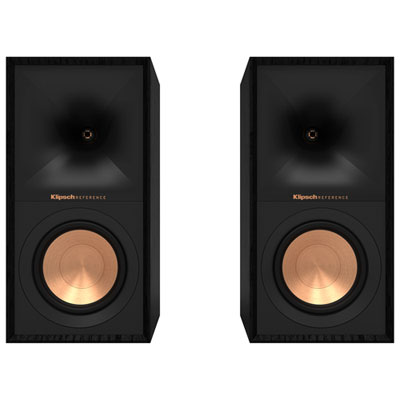 Your price for this item is $549.99
-
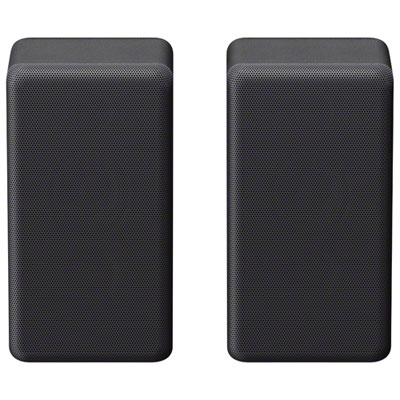 Your price for this item is $449.95
-
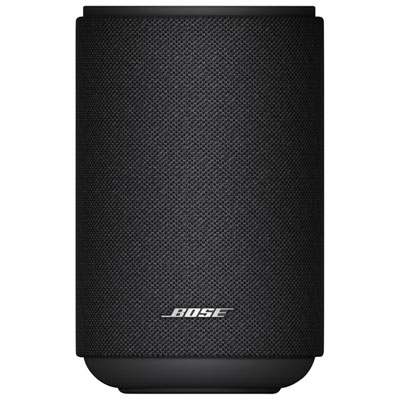 Your price for this item is $449.99
-
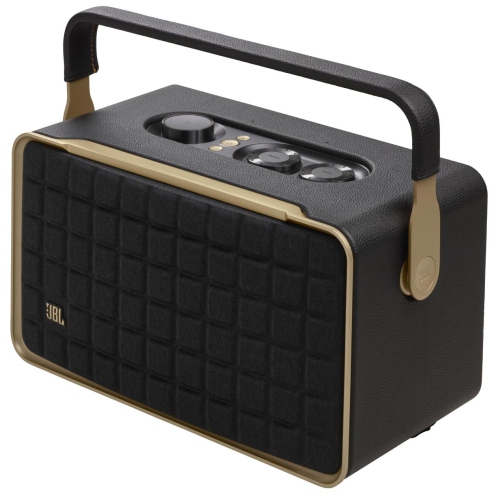 Your price for this item is $399.99
-
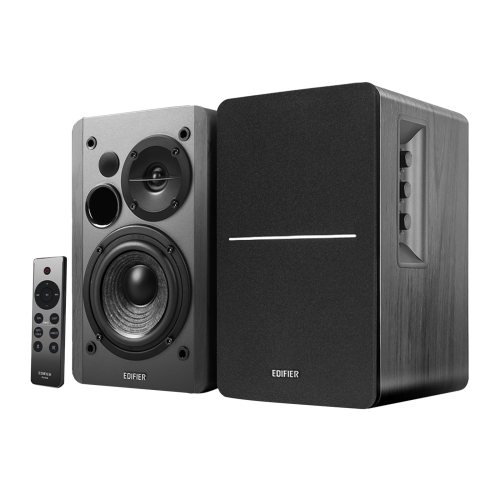 Your price for this item is $229.99
-
 Your price for this item is $699.99
-
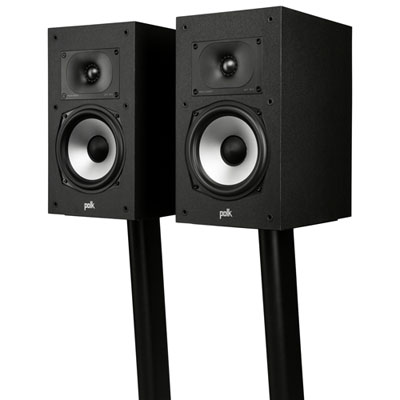 Your price for this item is $349.99
Discover more categories related to Loud Bookshelf Speakers


Top Collections:
Best Black Friday Deals This Year, Best Black Friday Deals On Electronics, Kindle Devices, Pokemon Centers, Best Black Friday Deals On Apple Products, Best Cameras for Sports Photography, Dyson Airwrap, Pokémon 30th Celebration Cards, Apple iPhone 17 Pro, Canon G7X Cameras
Some products may be subject to Environmental Handling Fees
(EHF) depending on your province.
Learn more about EHFs.