Midrange Speakers Pair
Elevate your audio experience with a Midrange Speakers Pair, designed to deliver impressive sound quality for music, movies, and gaming. Perfect for home theaters, living rooms, or dedicated listening spaces, these speakers offer balanced performance that brings clarity to every note. Whether you're upgrading your current setup or building a new system, explore a variety of options to find the ideal Midrange Speakers Pair that fits your preferences and enhances your entertainment space.
Sort
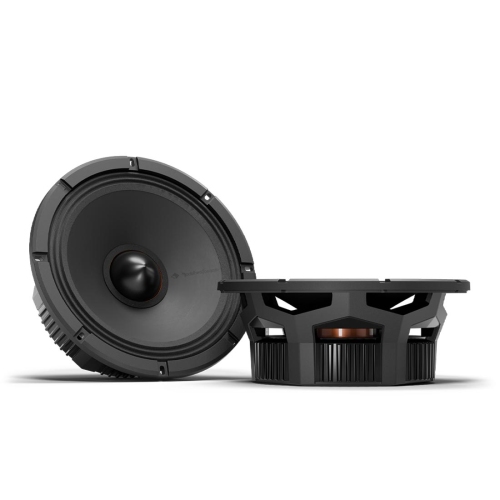
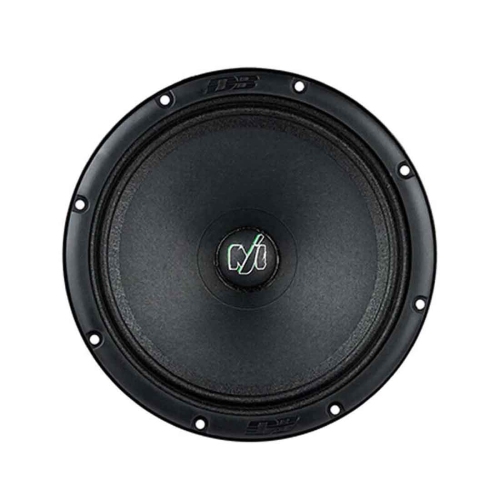
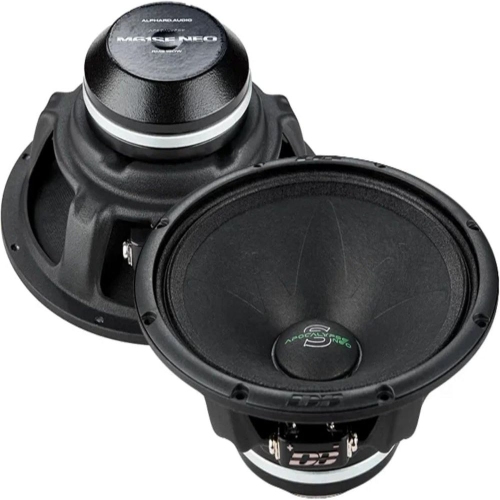

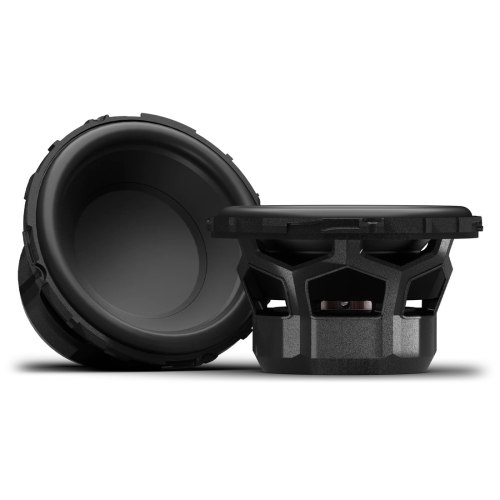
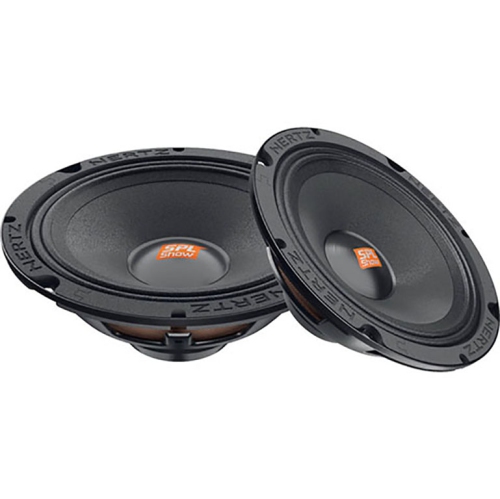



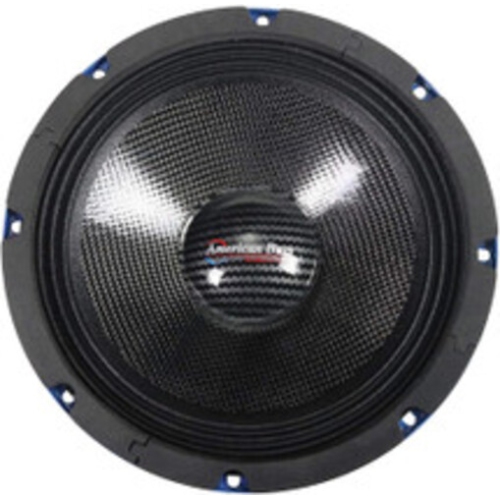
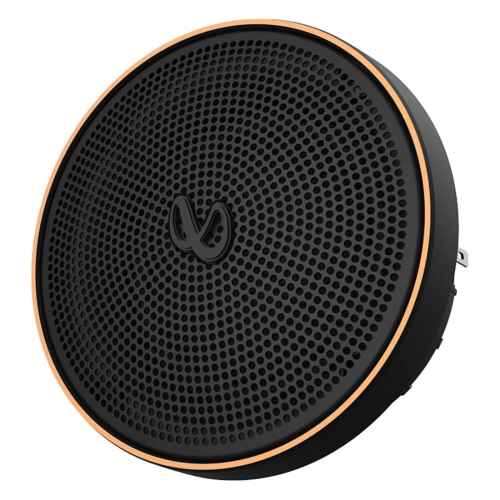
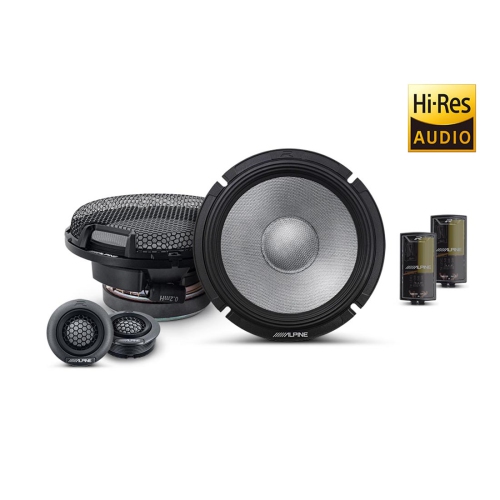
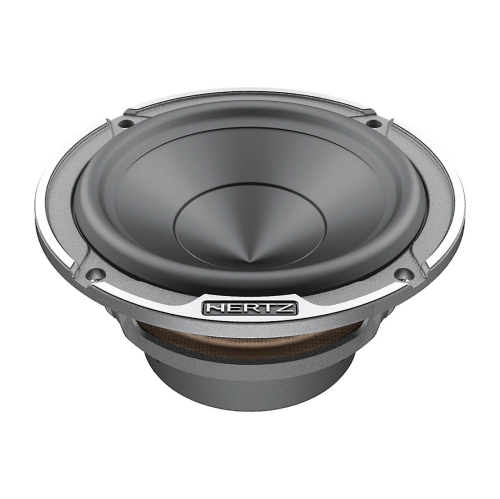
Clear vocals depend on more than speaker size
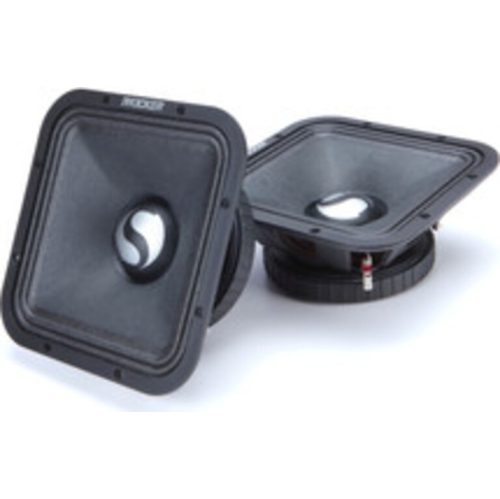
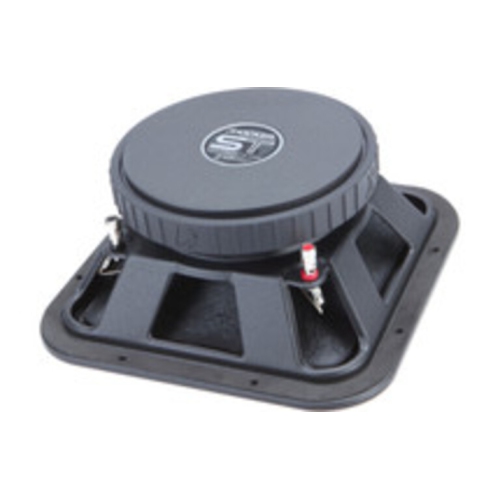
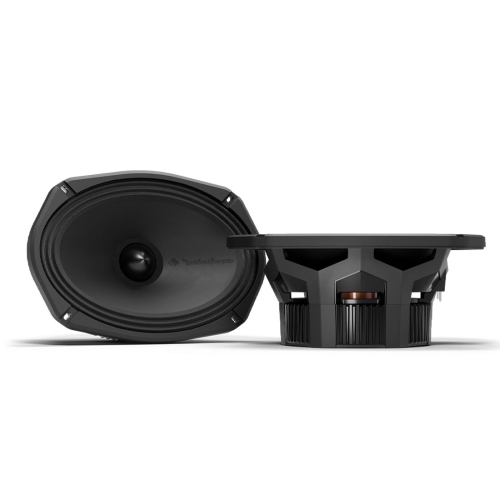
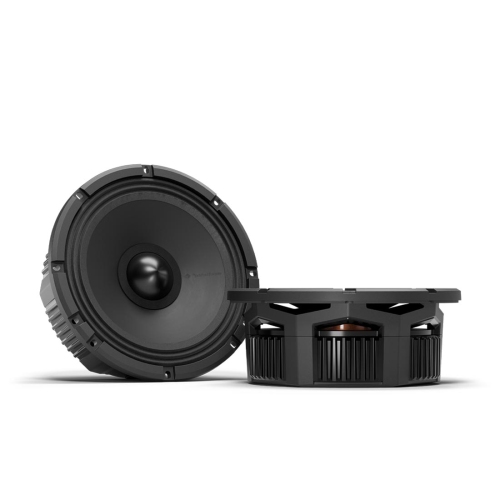
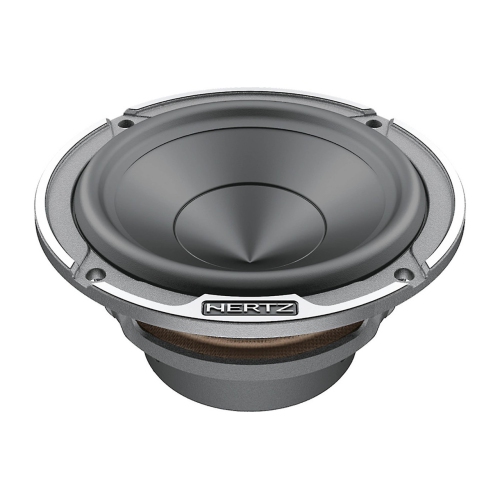
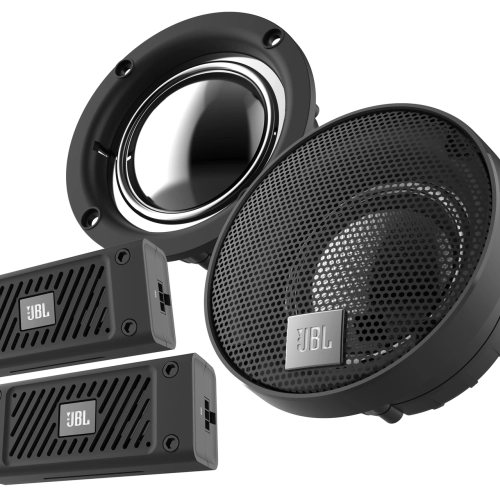
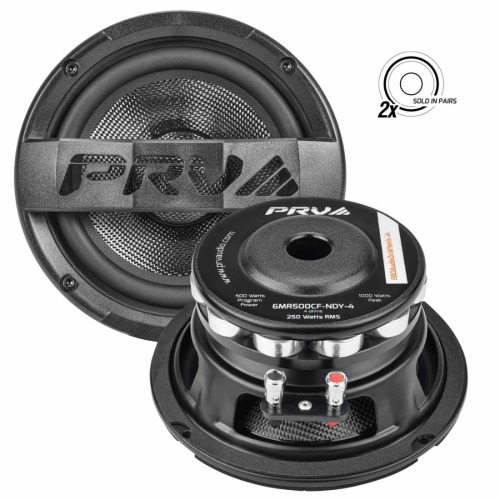
A pair of midrange speakers brings focus to the part of a recording where voices and many instruments have their strongest presence. In a multi-speaker audio system, these drivers handle a defined band of frequencies between the lower notes assigned to a woofer and the higher detail handled by a tweeter. That makes them different from speakers described as midrange simply because they sit between entry-level and premium equipment: here, midrange refers to the sound frequencies the drivers are designed to reproduce. A singer’s phrasing, the body of an acoustic guitar, and the texture of a piano can all depend on how clearly this part of the system performs. Midrange speaker pairs are commonly used in car audio installations and custom speaker builds, where two matching drivers can support balanced left and right channels. A pair can also replace compatible existing drivers, although matching the original electrical and acoustic requirements matters more than finding the same nominal diameter. These are generally components within a larger system, rather than complete speakers that connect directly to a phone or television. Their performance depends on suitable amplification, mounting, and crossover settings, which divide the audio signal among the drivers. Some designs reach further into the upper bass or treble than others, so the stated frequency response and recommended operating range are more useful than the midrange label alone. For listeners comparing different speaker layouts, Full Range Speakers offer another approach, with designs intended to cover a broader portion of the audio spectrum. A dedicated midrange pair makes particular sense when the rest of the system already provides the low and high frequencies, or when a custom installation gives each driver a clearly defined role. The goal is not simply more volume, but a coherent presentation in which dialogue remains intelligible and instruments retain their character without sounding disconnected from the bass or treble.
Physical fit is a central consideration for both vehicle installations and home speaker projects. A speaker’s nominal size does not describe every dimension needed for installation: the cutout diameter, mounting-hole pattern, basket width, and depth behind the mounting surface can all affect compatibility. In a car door, a driver may fit the visible opening yet interfere with a window mechanism or sit too close to interior trim. Adapter rings can help with some mounting arrangements, but they also change the speaker’s position and the clearance needed in front of the cone. A grille needs enough space to protect the driver without touching its moving parts. For custom cabinets, the baffle opening, cabinet construction, and any separate chamber required by the design are part of the acoustic fit, not merely finishing details. Drivers intended for a particular enclosure or mounting arrangement should be used according to those requirements. Materials also influence how a speaker is built to handle its task. Cones may use treated paper, polymers, metal, or composite materials, each offering different combinations of mass, stiffness, and damping. No single cone material guarantees clearer sound; the suspension, motor, crossover, and installation all contribute to the result. A rigid basket and secure mounting help keep the driver stable, while an appropriate gasket can reduce unwanted air leaks around the mounting edge. In vehicle applications, suitability for the installation location matters because door cavities can expose components to moisture and vibration. A moisture-resistant cone alone does not make the entire speaker waterproof. Protective grilles, properly routed wiring, and a firm mounting surface can help prevent accidental damage and distracting rattles. Colour and grille style may matter when the speakers remain visible, although clearance and protection deserve priority. A tidy installation should leave the cone unobstructed, keep wires away from moving parts, and allow trim panels or cabinet fittings to sit correctly without pressure on the driver.
Electrical compatibility helps a matched pair work as intended. Impedance must suit the amplifier and the complete wiring arrangement, especially when more than one driver shares a channel. The load seen by the amplifier depends on how those drivers and any crossover components are connected, not just the number printed on an individual speaker. Continuous power handling, often expressed as an RMS rating, is generally more useful for system matching than a peak figure, but it still needs to be considered alongside the intended frequency band and the manufacturer’s test conditions. Sensitivity describes output under specified measurement conditions; comparisons are most meaningful when those conditions are the same. A more sensitive midrange driver may need level adjustment to blend with a quieter tweeter or woofer rather than dominate the presentation. Crossovers are especially important because a dedicated midrange driver is not meant to receive every frequency at unrestricted level. An appropriate lower cutoff limits demanding bass content, while the upper crossover helps the midrange hand over smoothly to the tweeter. The crossover frequencies, slopes, and level settings need to suit the actual drivers and their placement. In a vehicle, left and right speakers can sit at different distances from the listener, so positioning and careful adjustment can influence whether a voice sounds centred or pulled toward one door. In a custom home system, symmetrical placement and consistent construction help the pair behave alike. Routine care is straightforward: keep grilles free of loose dust, avoid pressing on cones or dust caps, and follow the manufacturer’s cleaning directions rather than applying household sprays. New buzzing or rattling deserves investigation, since loose trim, fasteners, or wiring may be responsible rather than the driver itself. A midrange speaker pair can be a thoughtful gift for a car audio enthusiast or speaker-building hobbyist, provided the intended system’s dimensions and electrical requirements are known. Those details turn a promising component into a useful addition that fits the project and supports clear, well-balanced listening.
Top selling and popular products
-
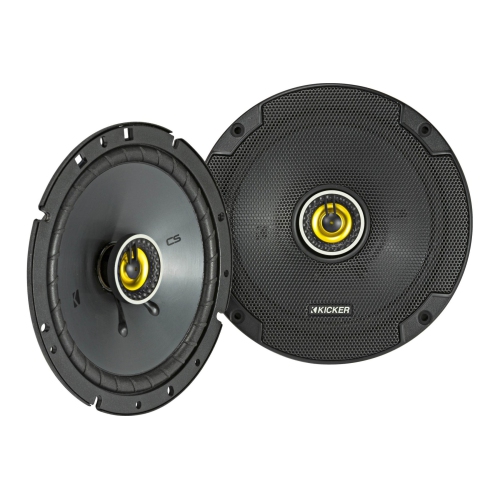 Your price for this item is $139.95
-
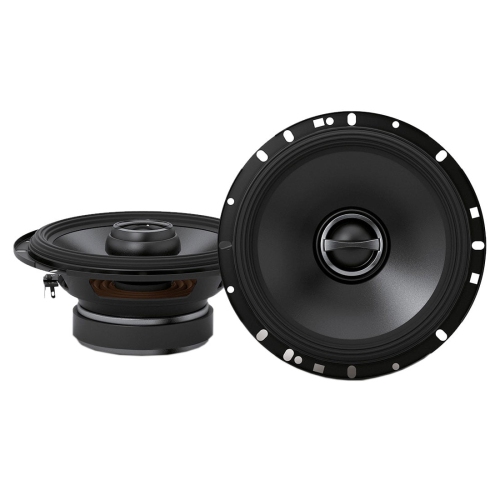 Your price for this item is $168.88
-
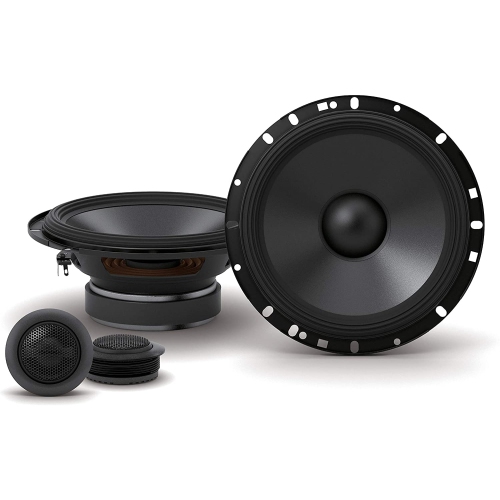 Your price for this item is $188.88
-
 Your price for this item is $189.95
-
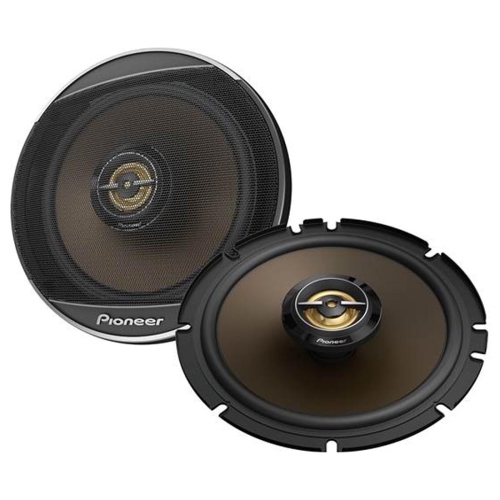 Your price for this item is $138.99
-
 Your price for this item is $198
-
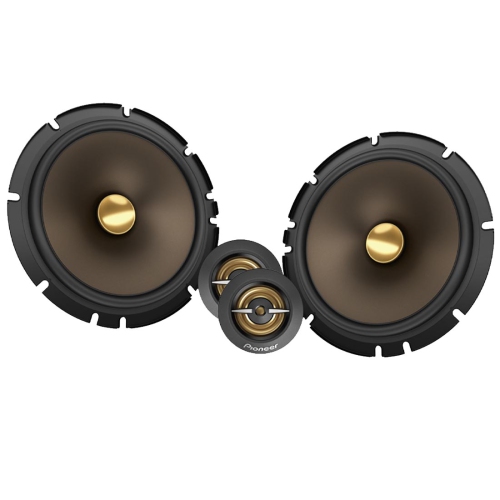 Your price for this item is $228.99
-
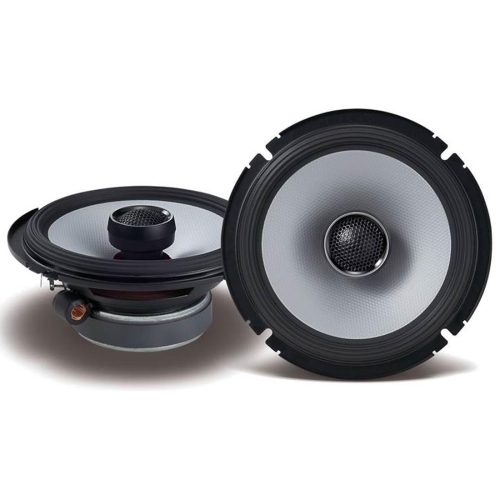 Your price for this item is $178
Discover more categories related to Midrange Speakers Pair

Top Collections:
Best Black Friday Deals This Year, Best Black Friday Deals On Electronics, Kindle Devices, Pokemon Centers, Best Black Friday Deals On Apple Products, Best Cameras for Sports Photography, Dyson Airwrap, Pokémon 30th Celebration Cards, Apple iPhone 17 Pro, Canon G7X Cameras
Some products may be subject to Environmental Handling Fees
(EHF) depending on your province.
Learn more about EHFs.