Mid Range Speakers
Looking to enhance your audio experience without breaking the bank? Our selection of mid-range speakers offers a perfect balance of quality sound and affordability. Whether you're a music enthusiast, movie buff, or avid gamer, these speakers deliver crisp highs, rich mids, and deep lows to elevate your listening experience. With a variety of sizes, styles, and features to choose from, finding the perfect mid-range speaker to suit your needs has never been easier. Explore our collection today and take your audio setup to the next level.
Sort
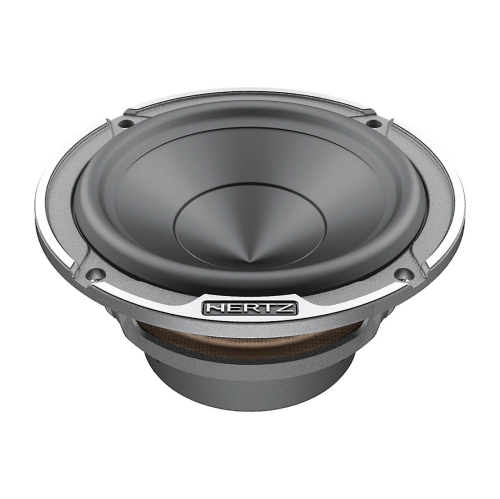
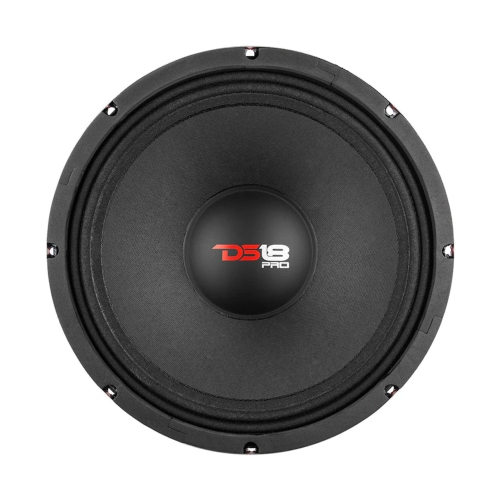
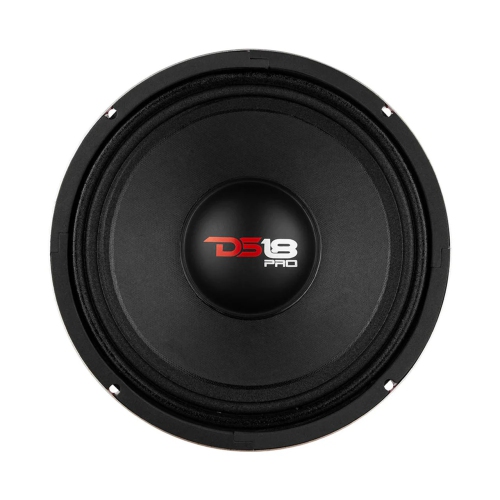
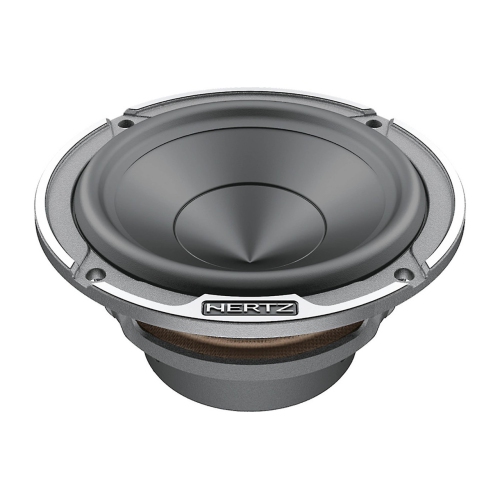
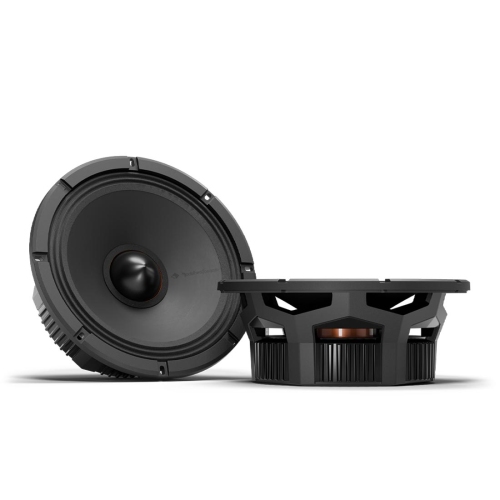
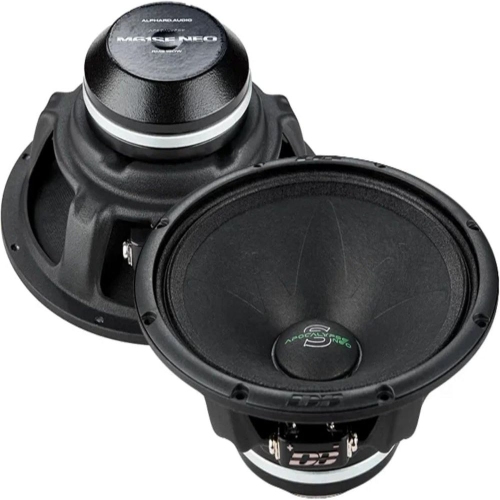
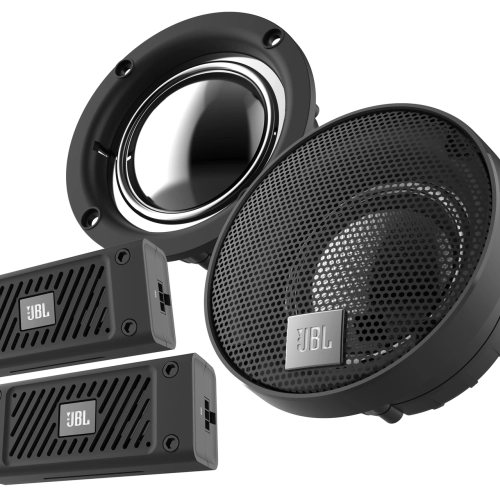
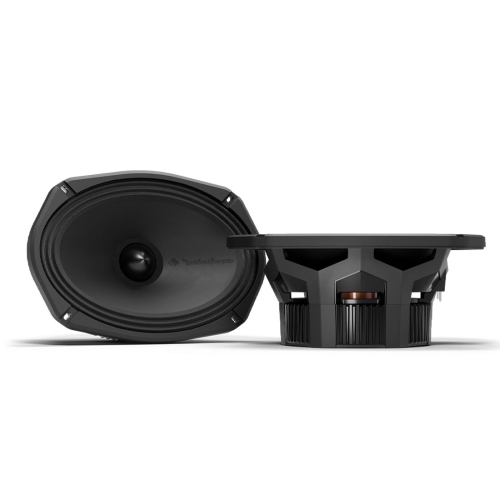
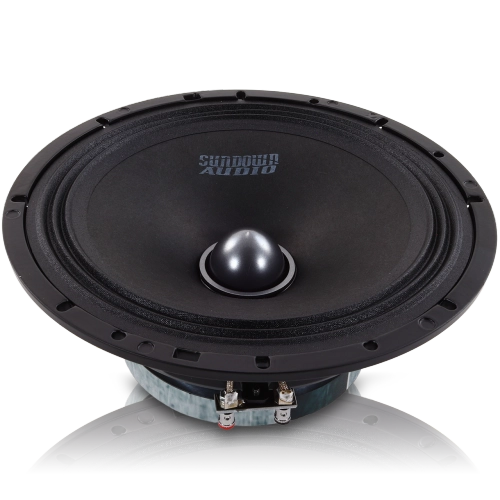
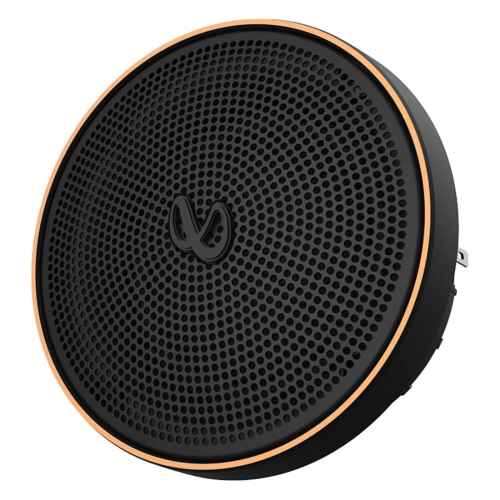
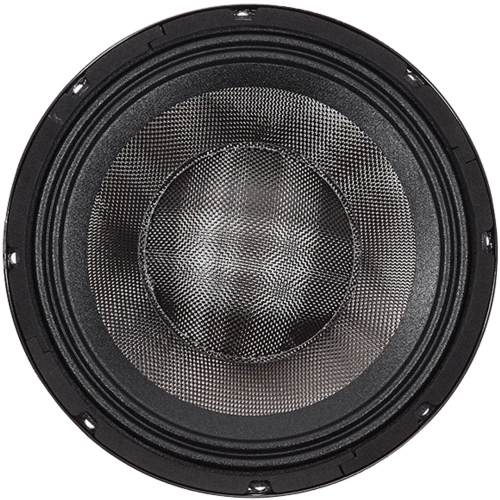

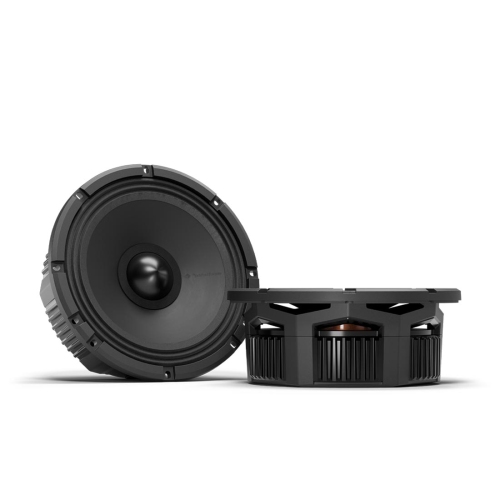
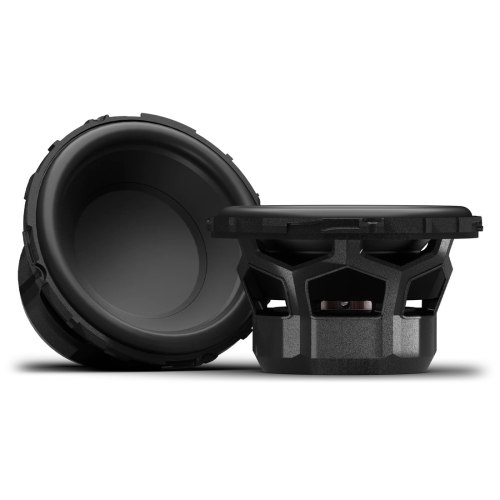
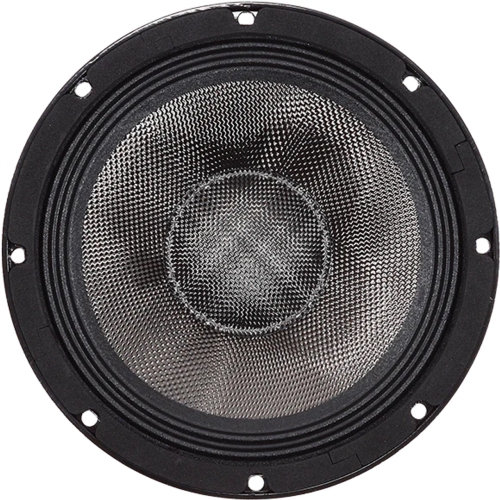


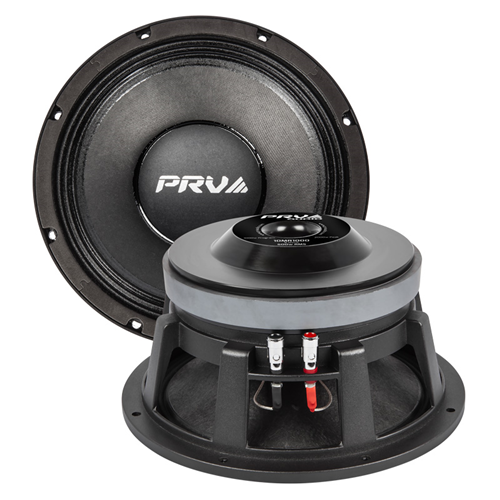
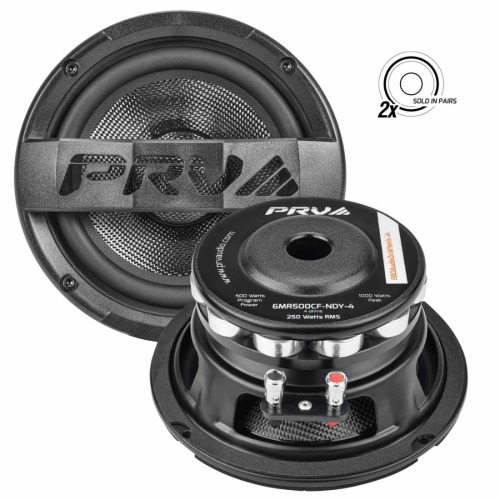
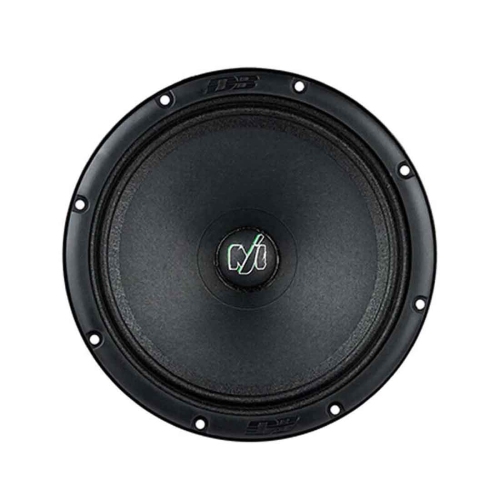
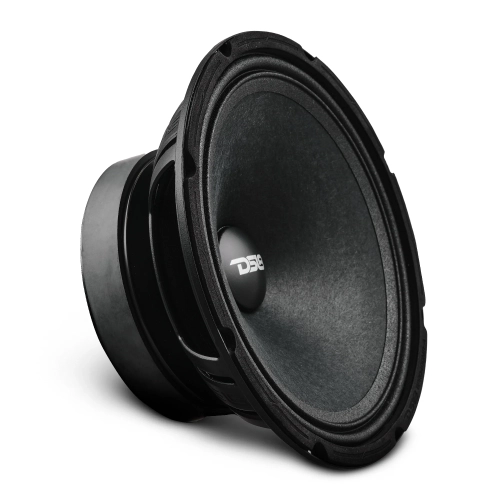
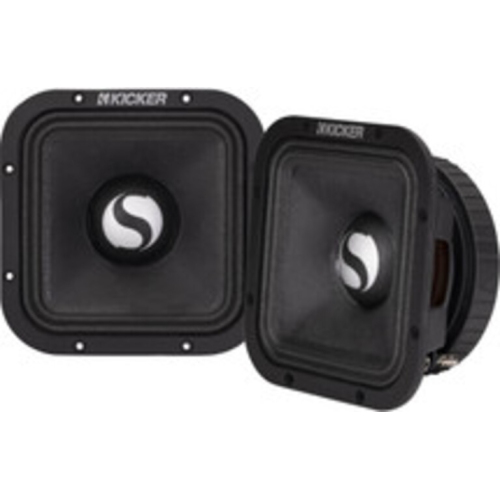

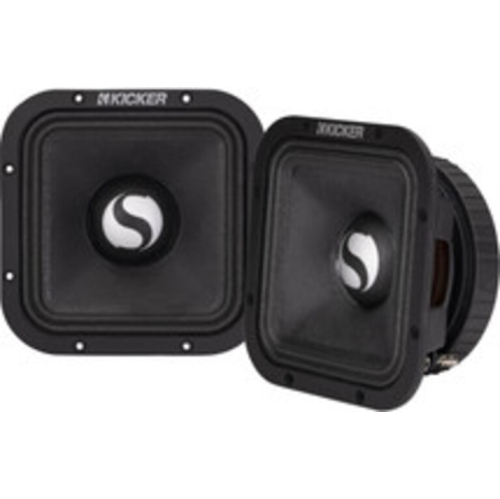
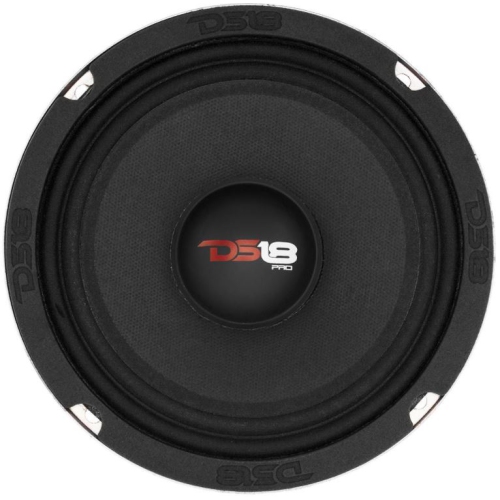
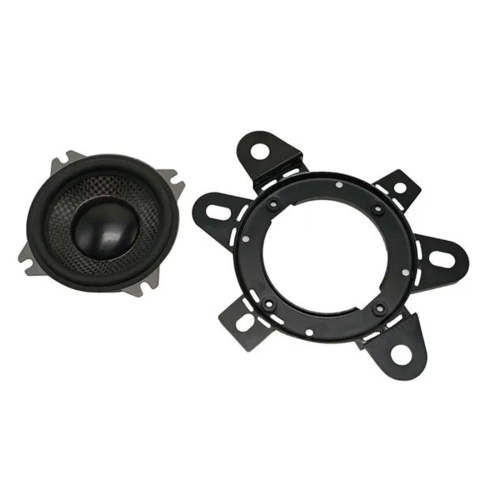
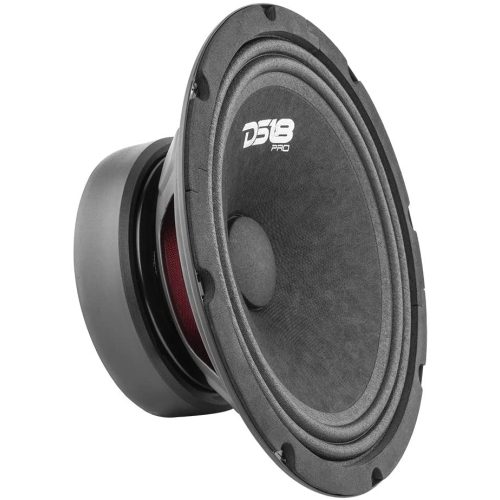


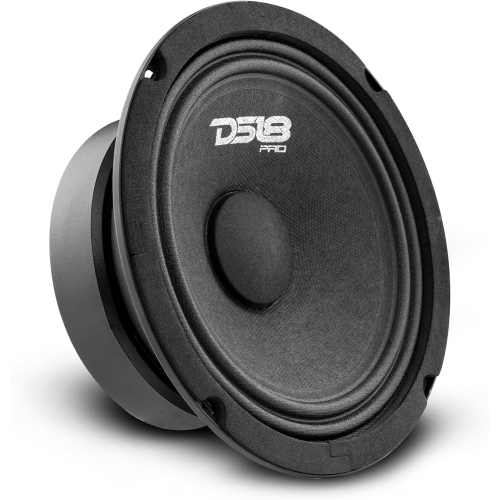

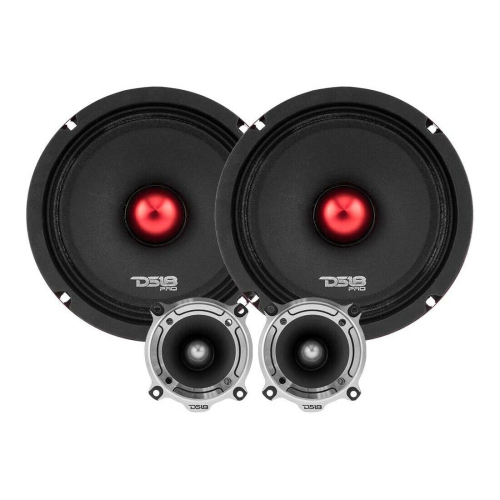
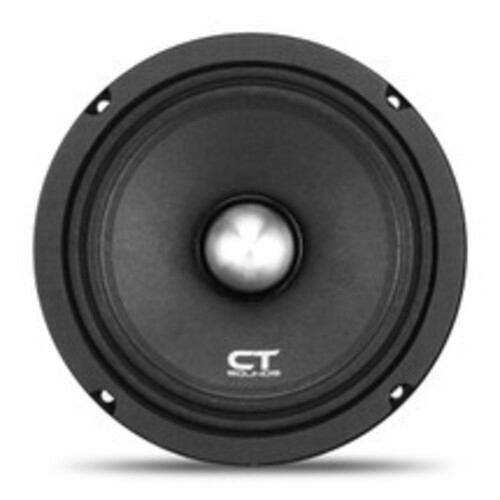

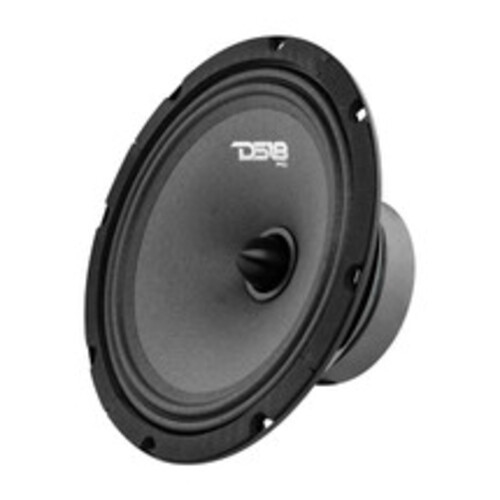


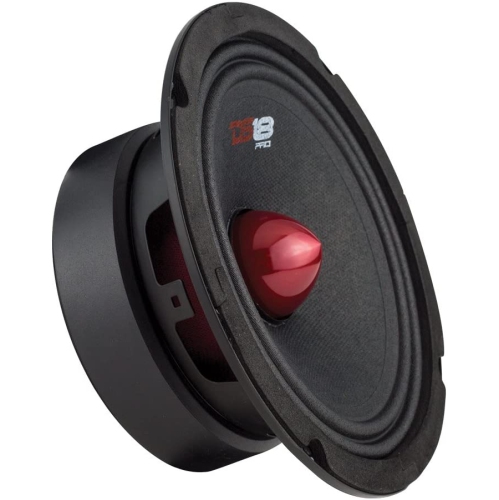
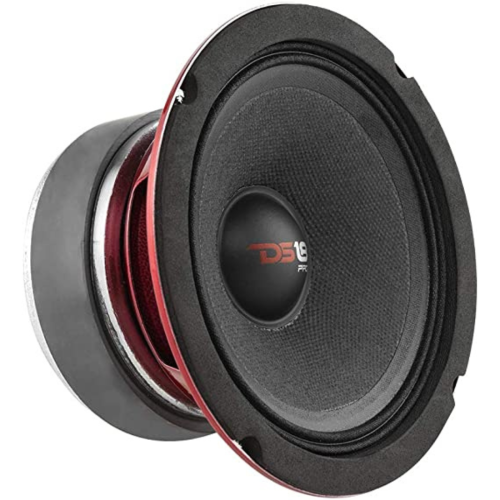






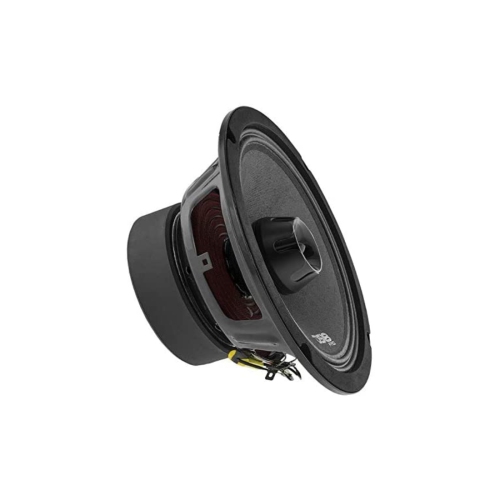

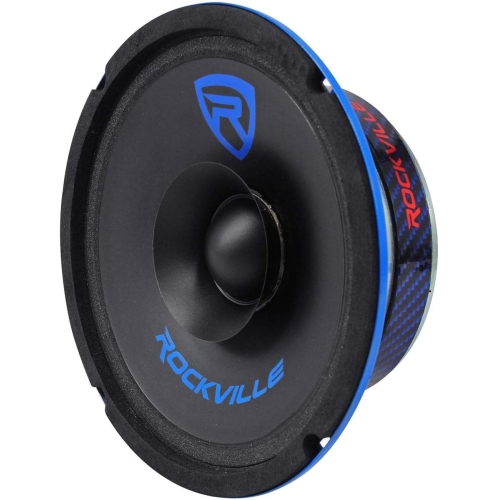
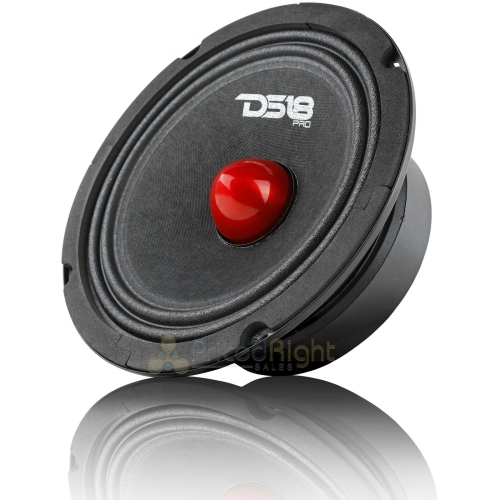

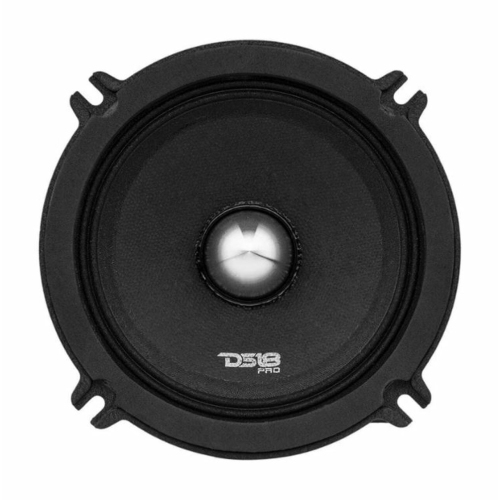

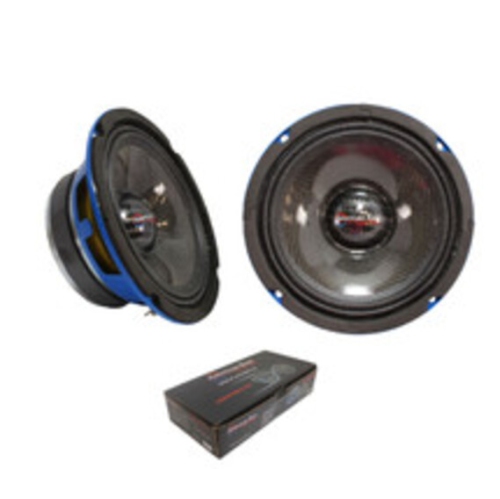
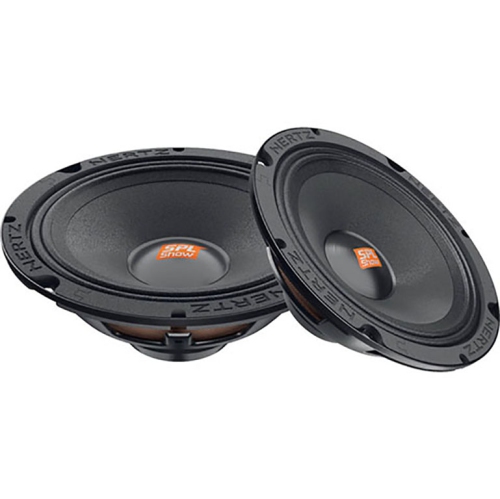
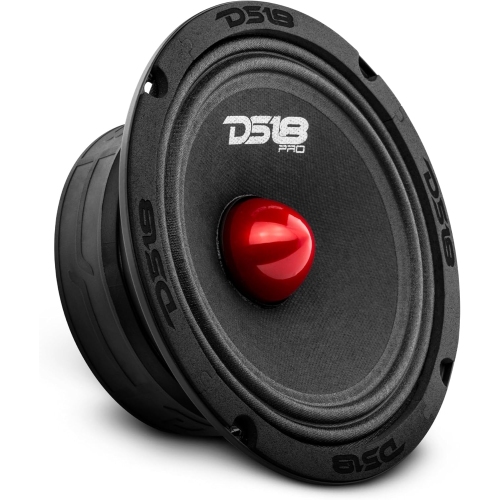
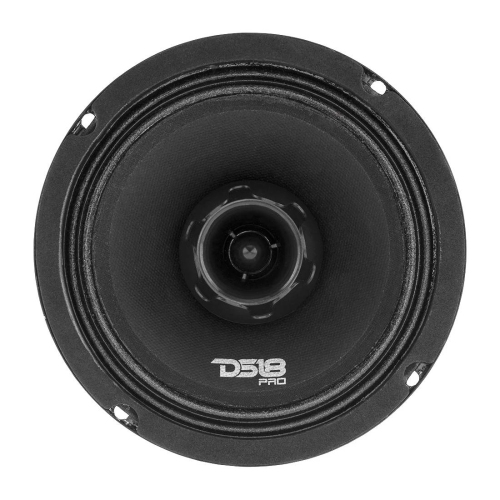
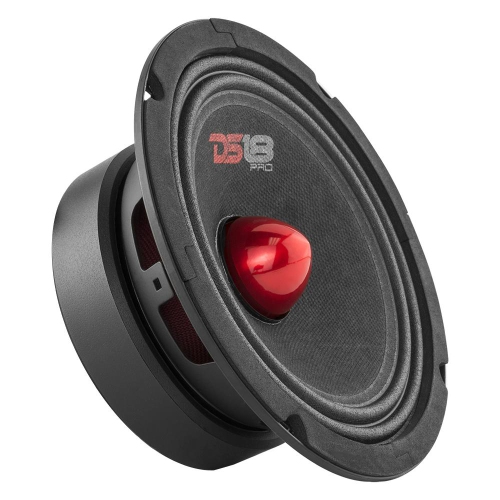
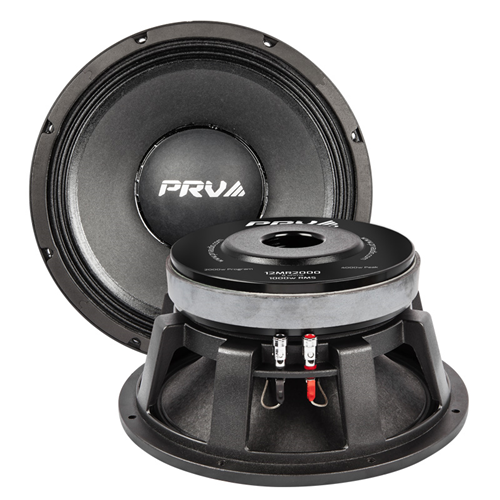
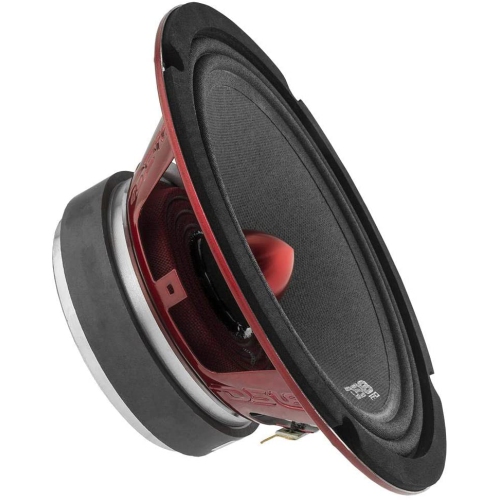
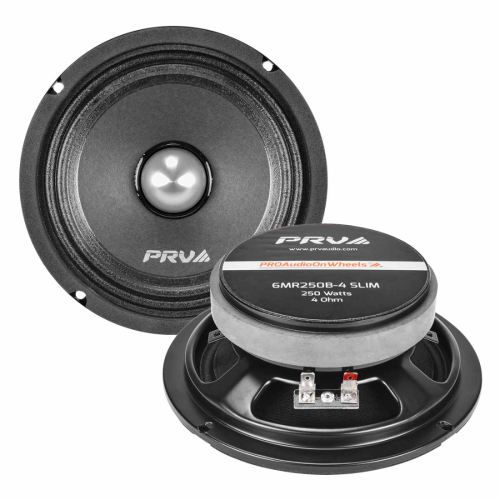


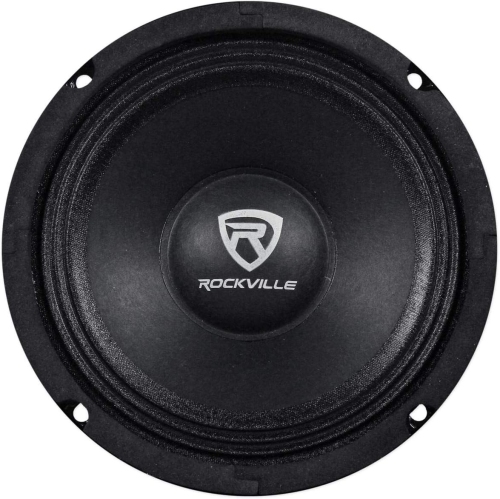
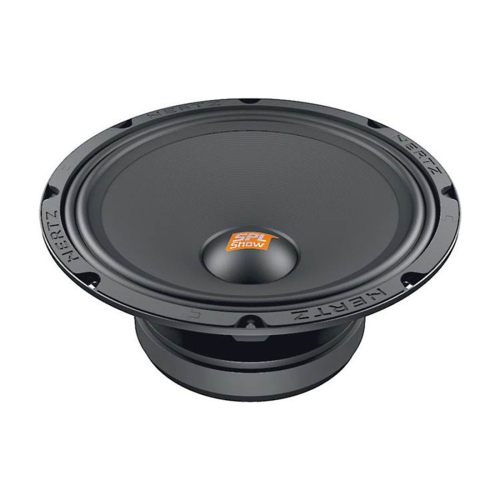


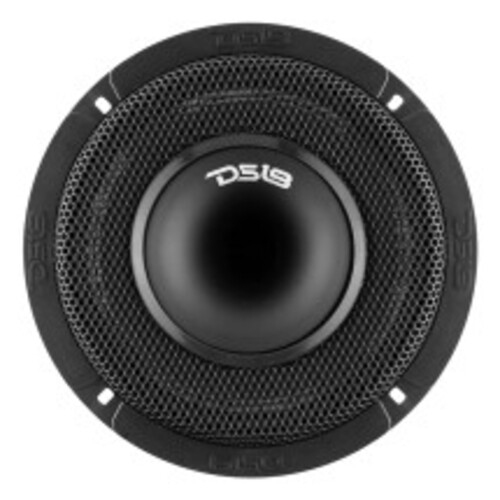
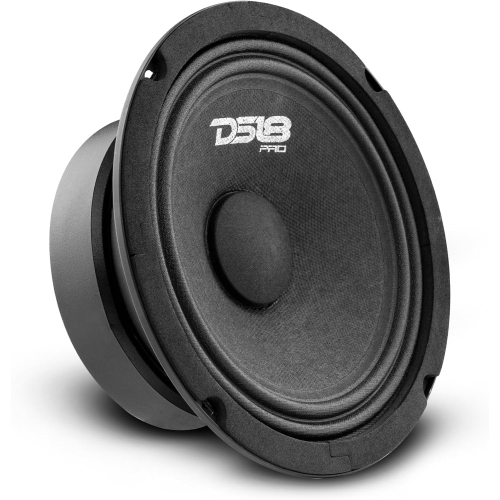

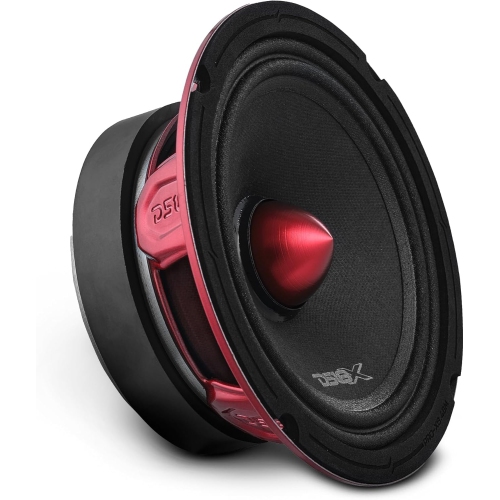
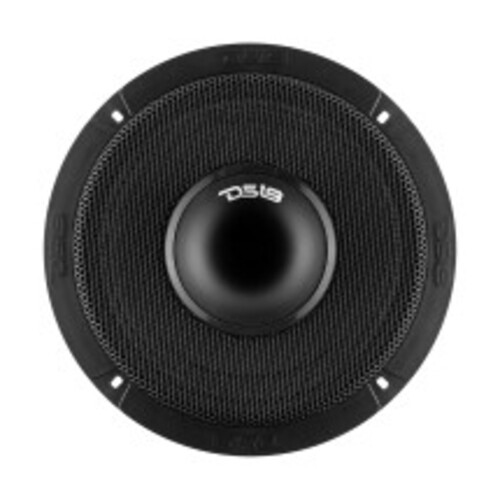
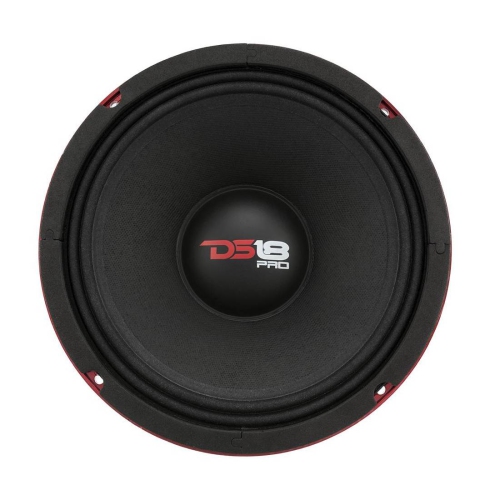
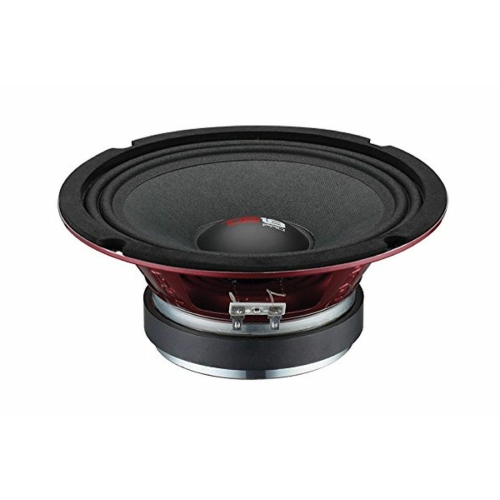
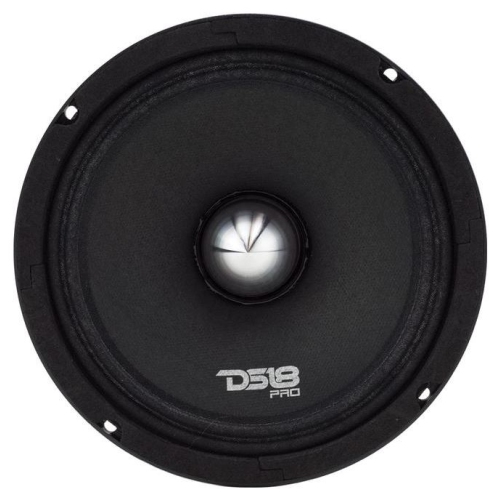
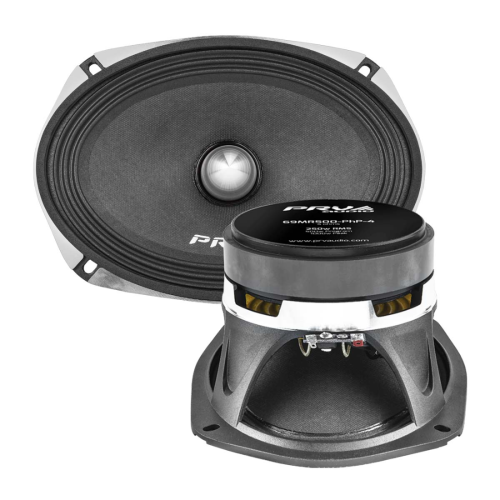

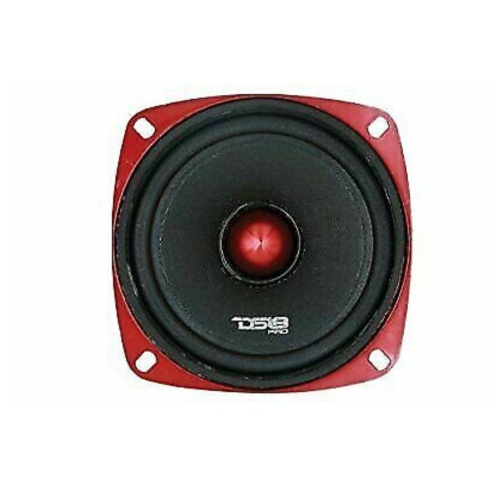
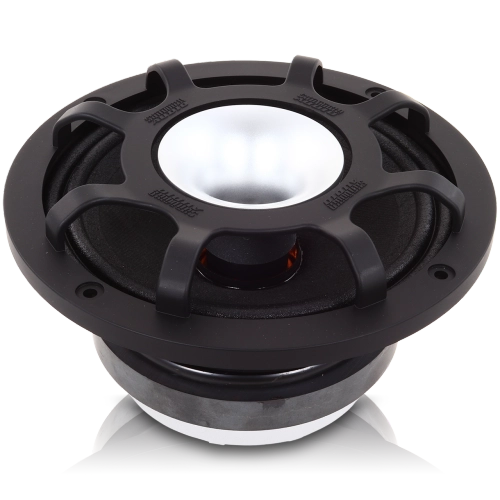
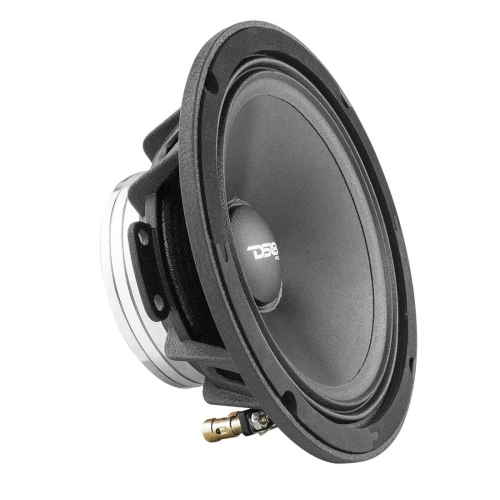
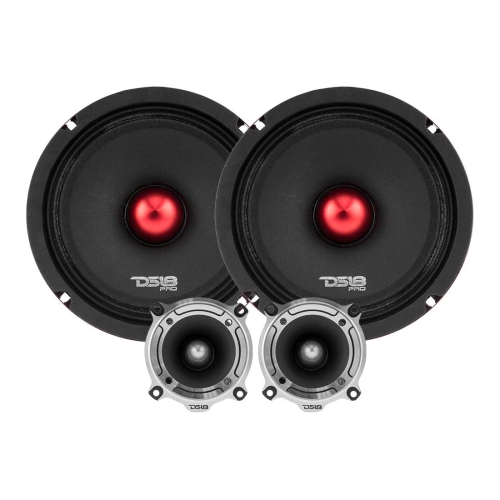


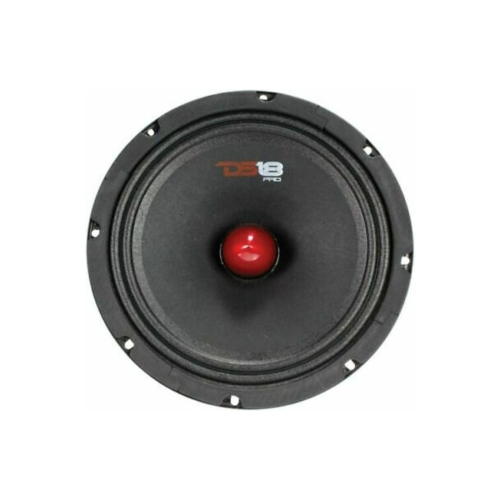
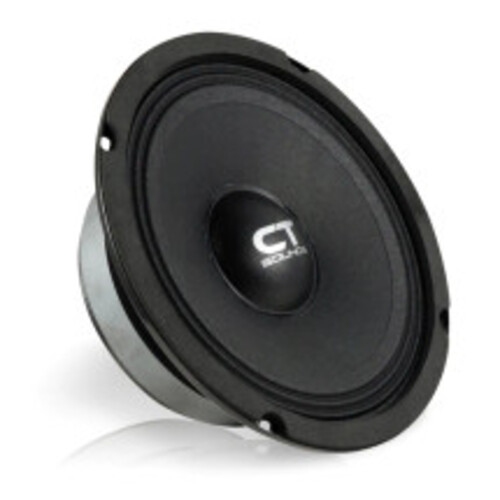
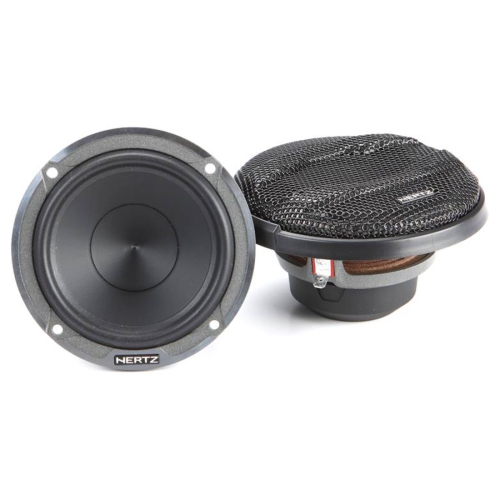
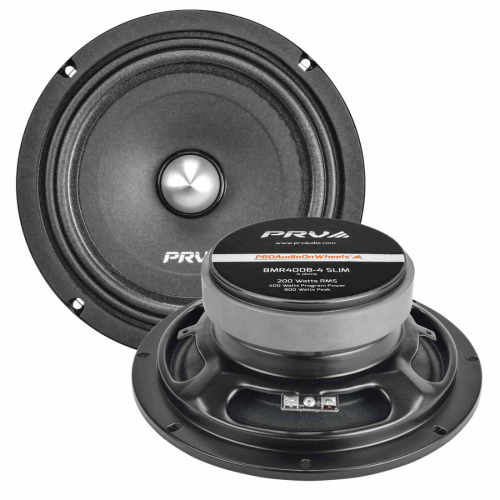


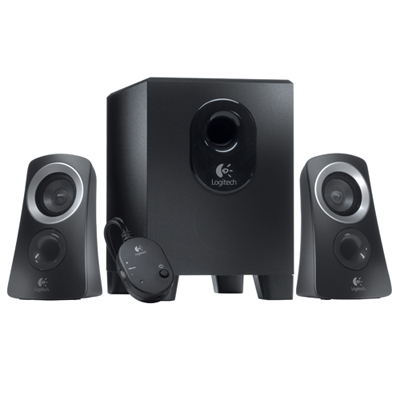
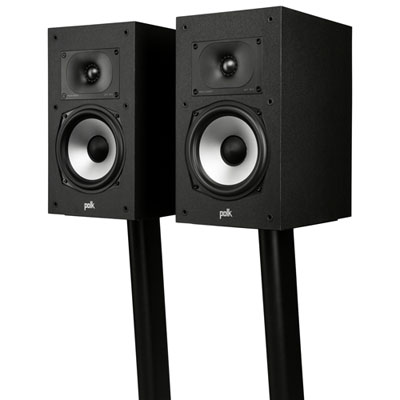
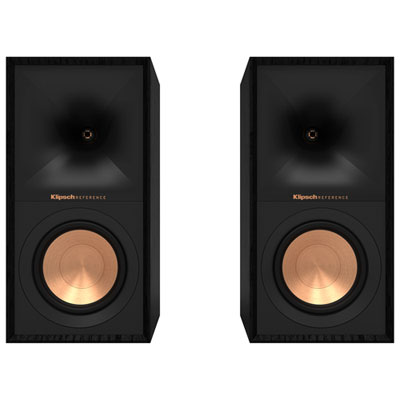
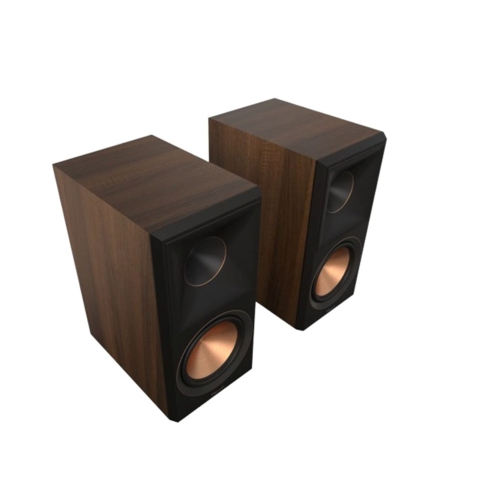


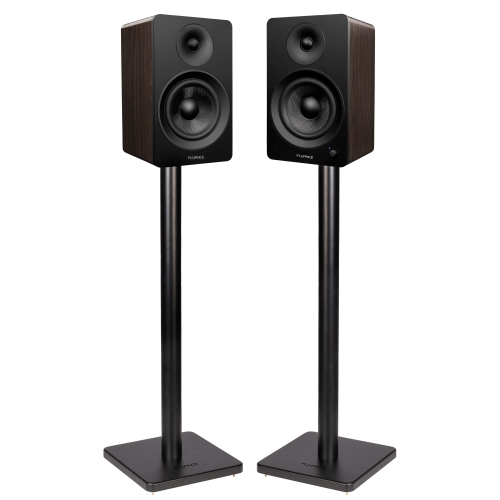
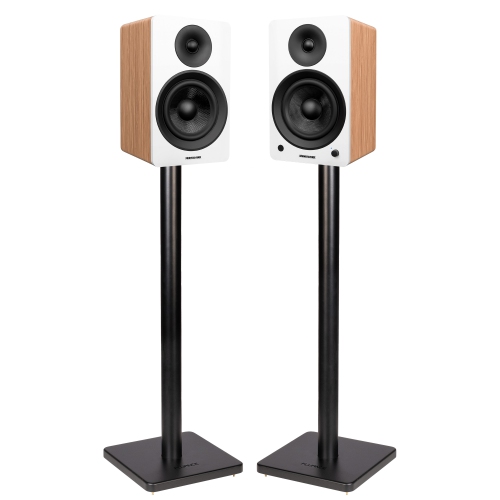
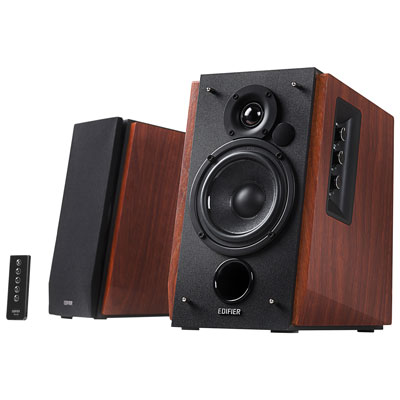
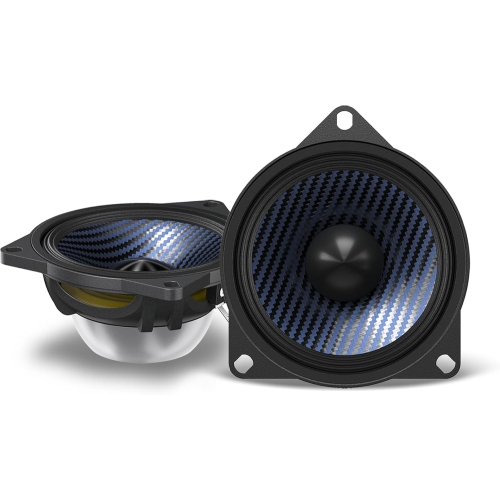
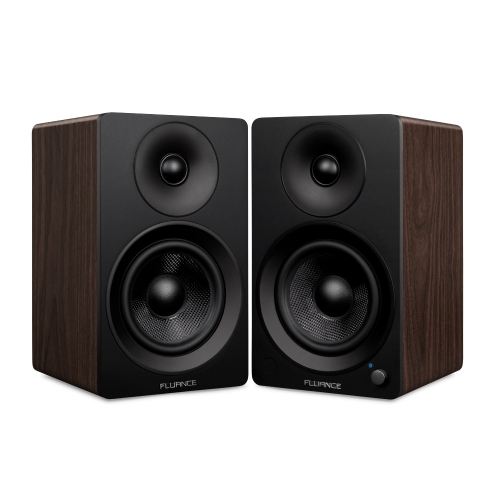
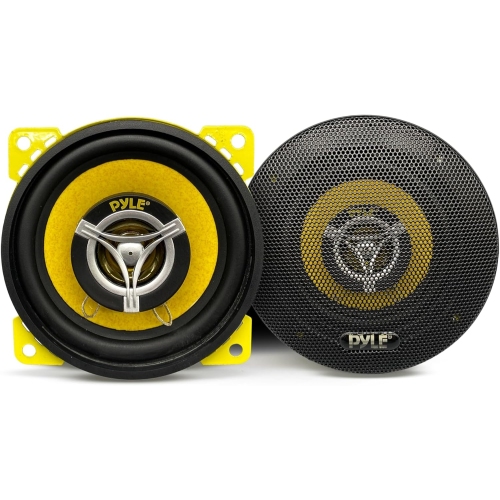

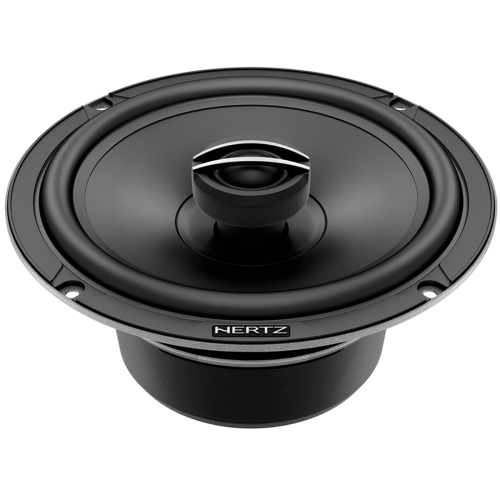
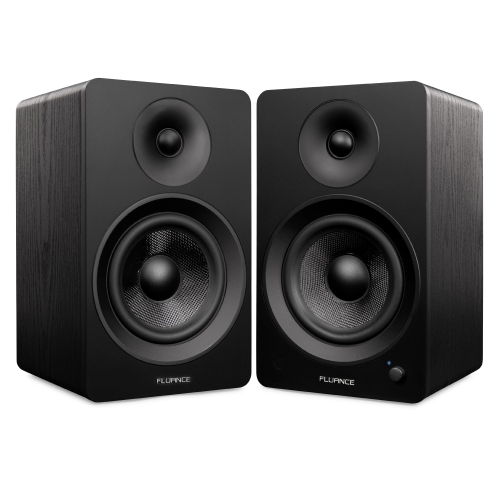
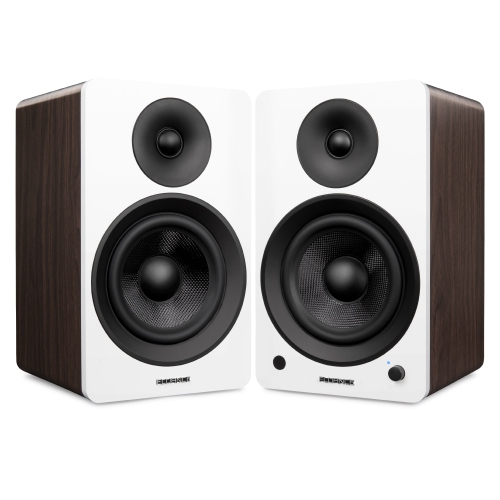
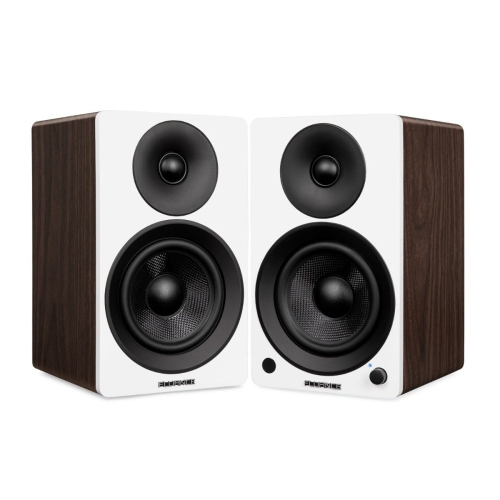
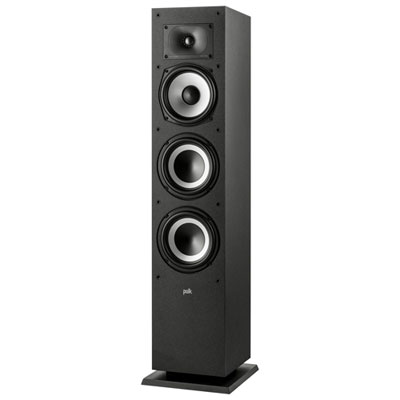
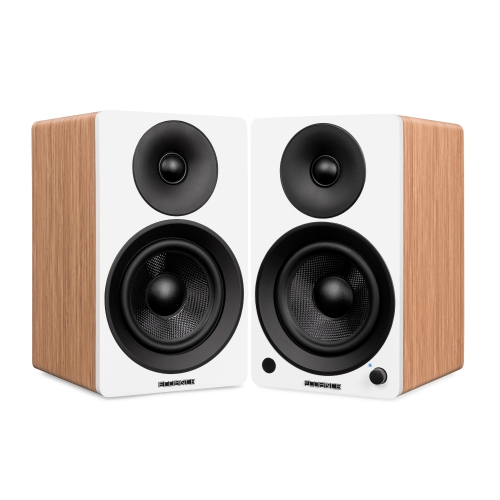

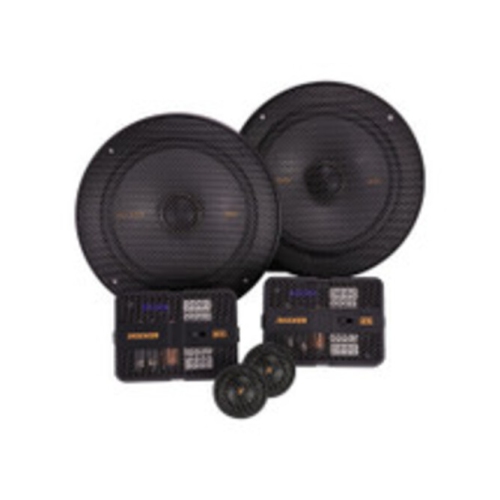
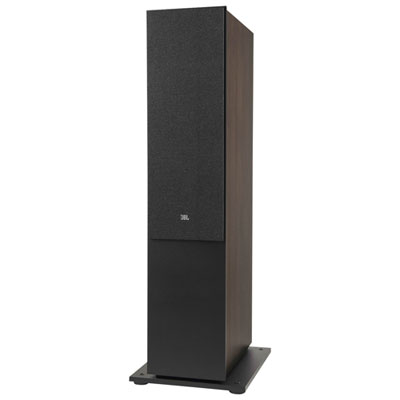

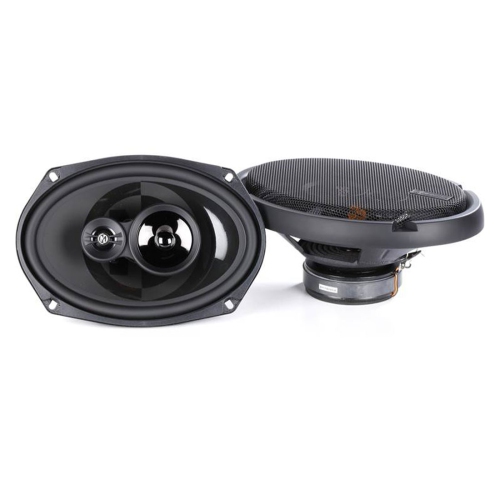

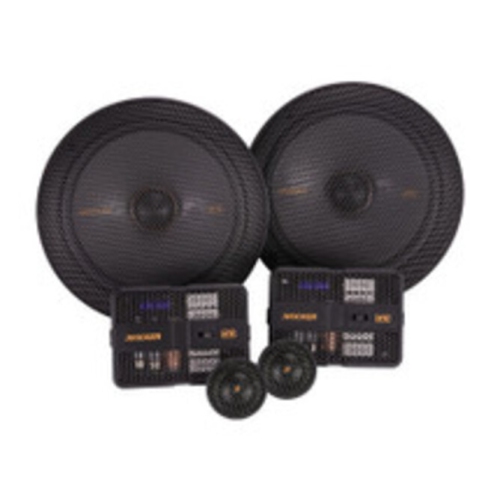
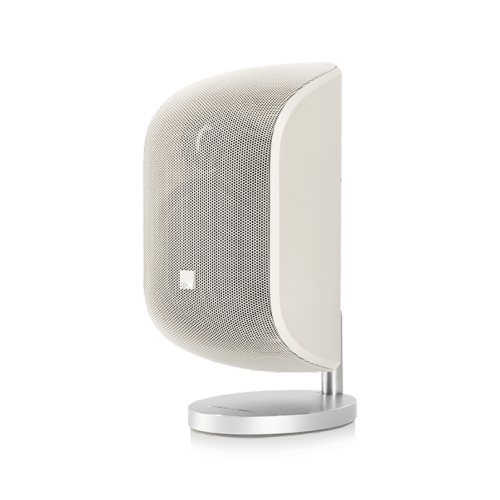
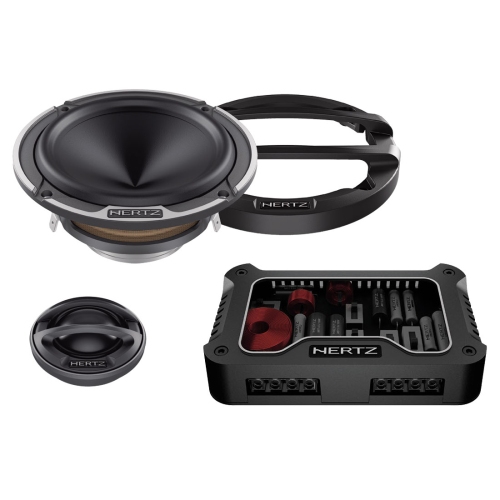
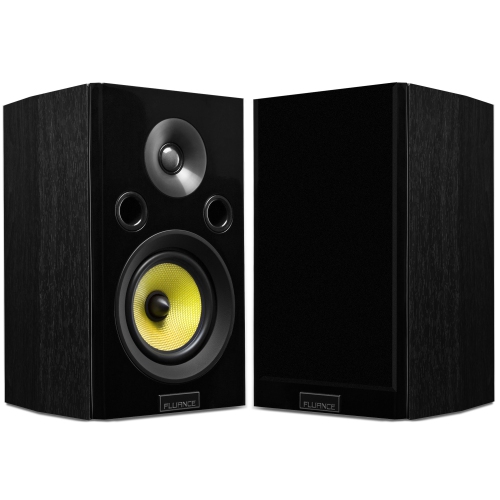
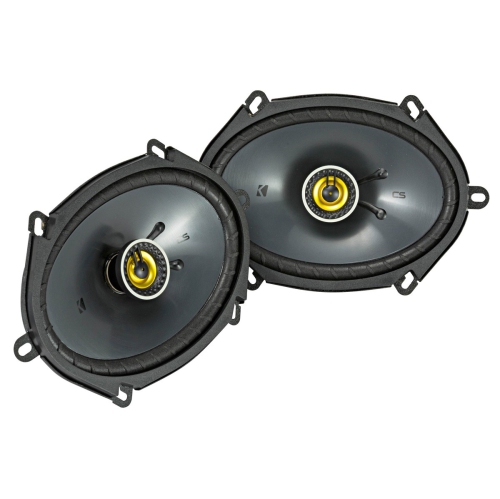
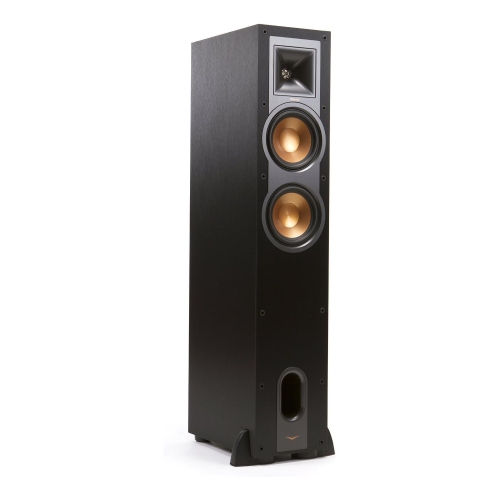
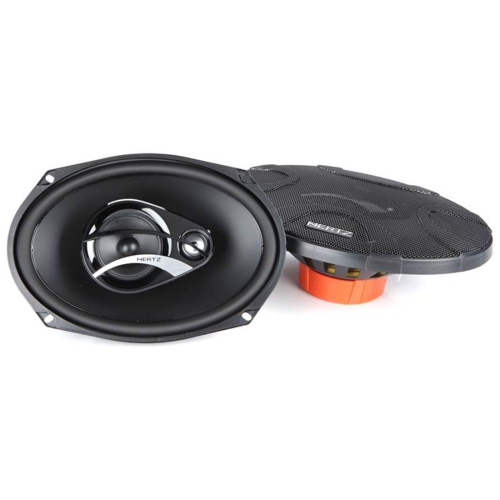
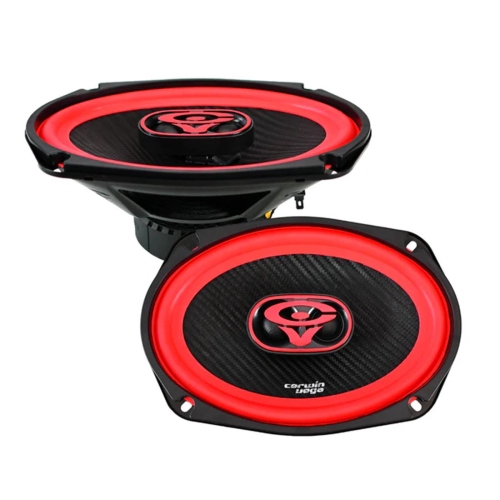
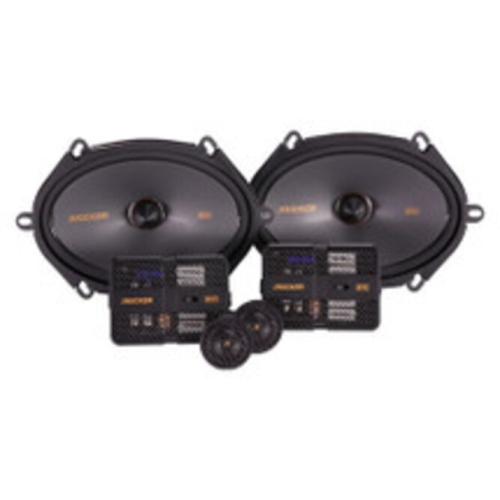
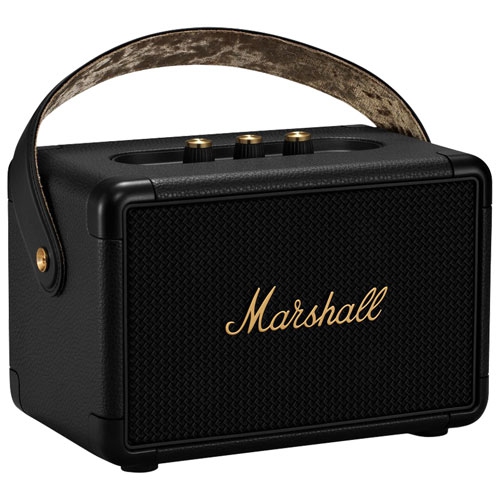
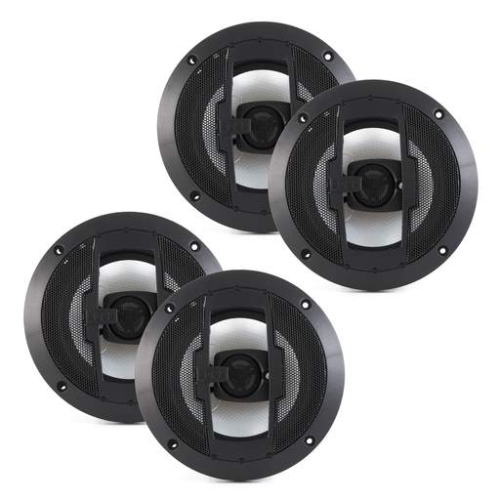
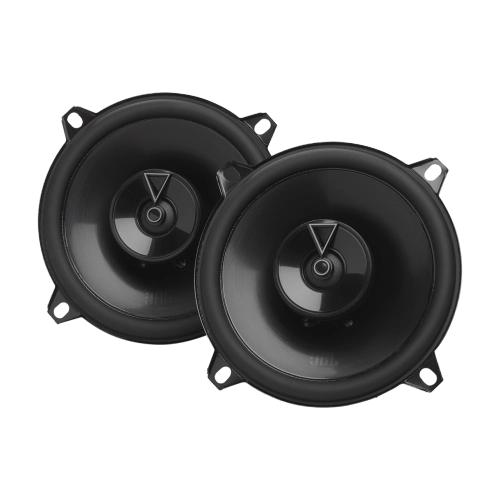
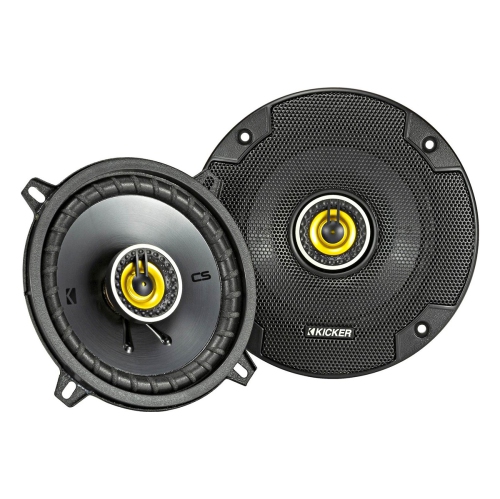
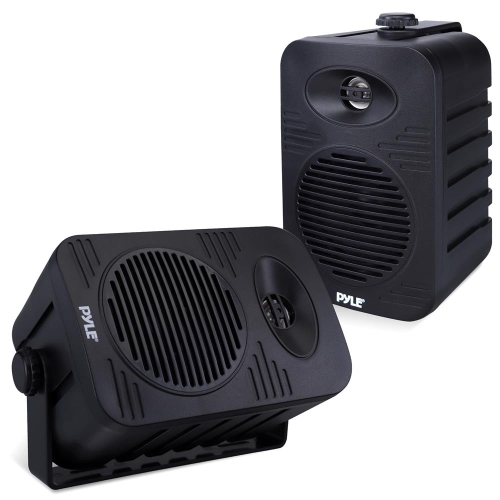
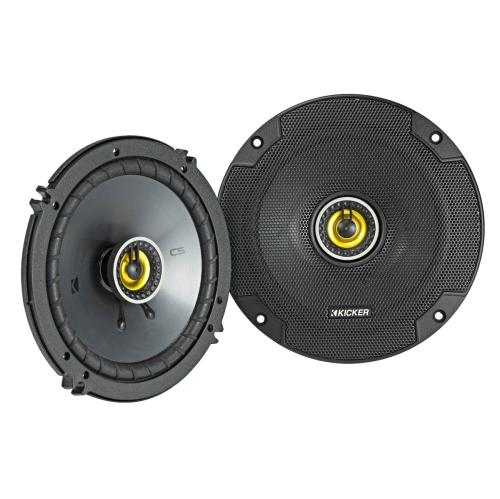
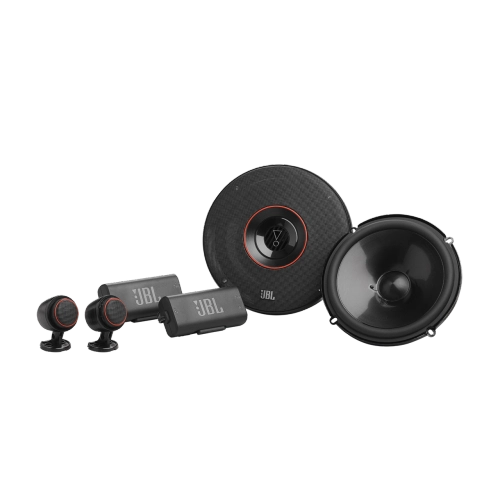
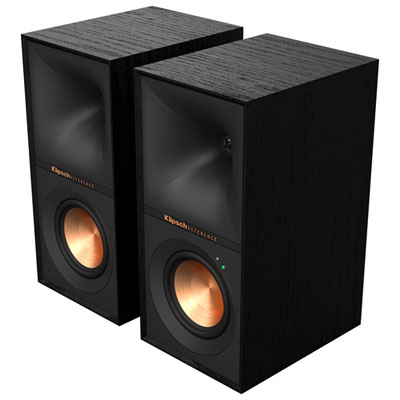
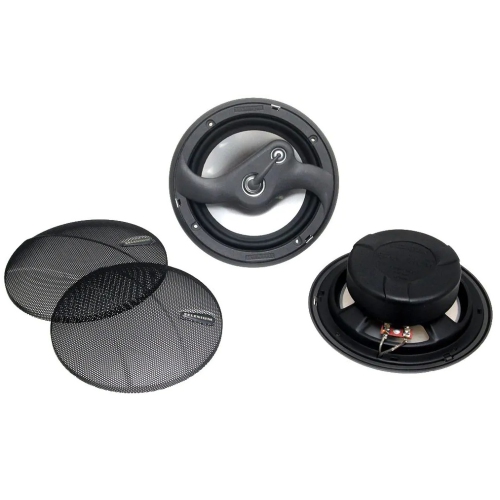
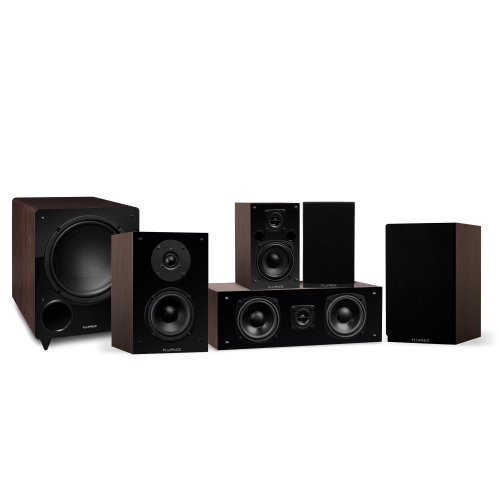
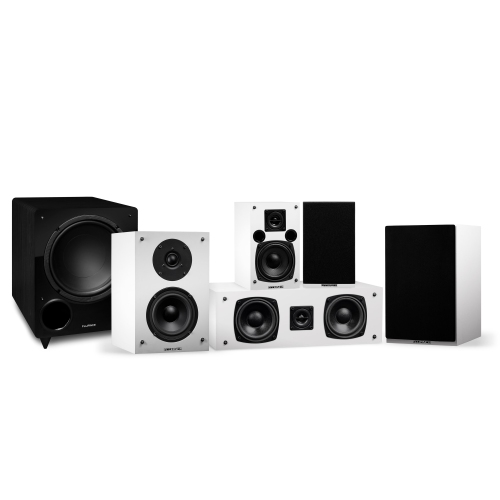
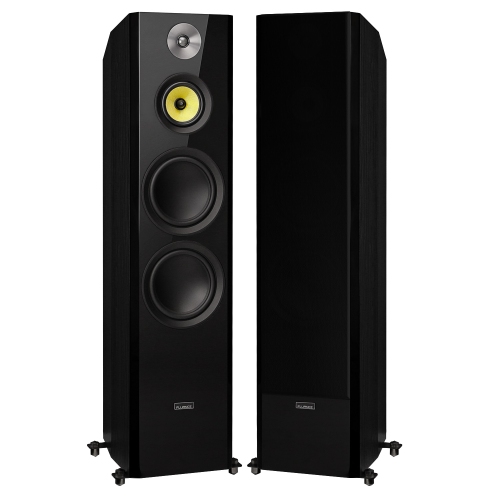
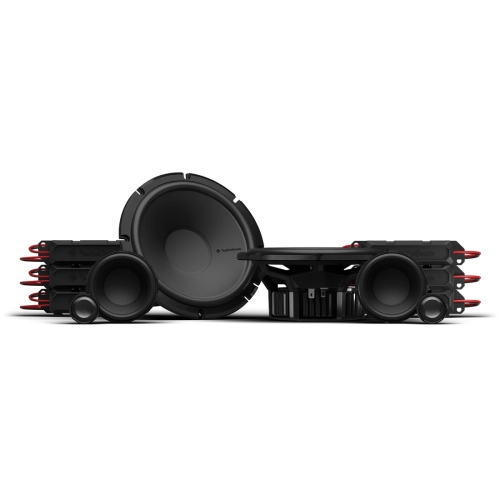
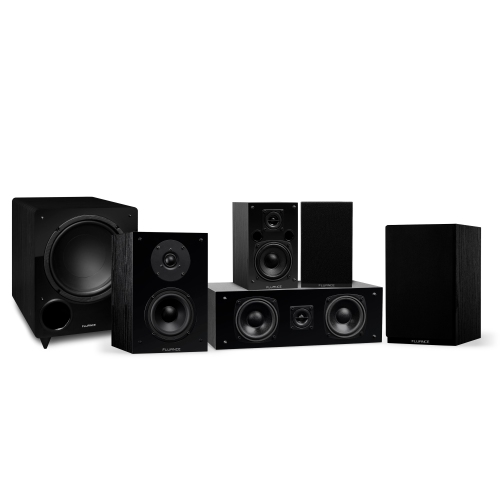
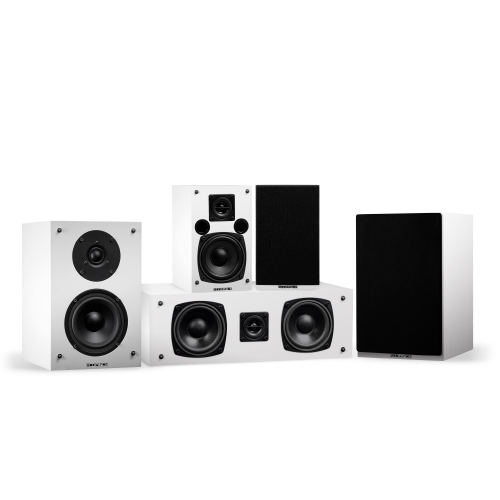
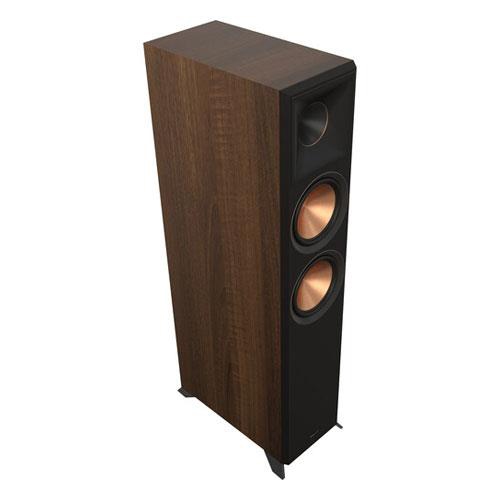
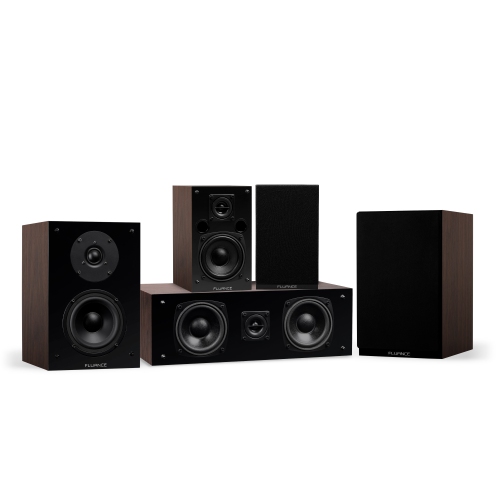
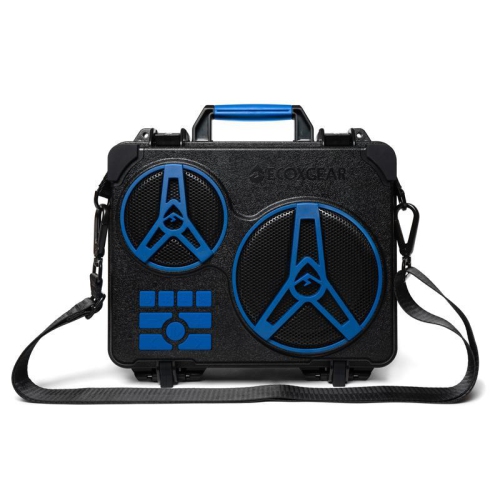

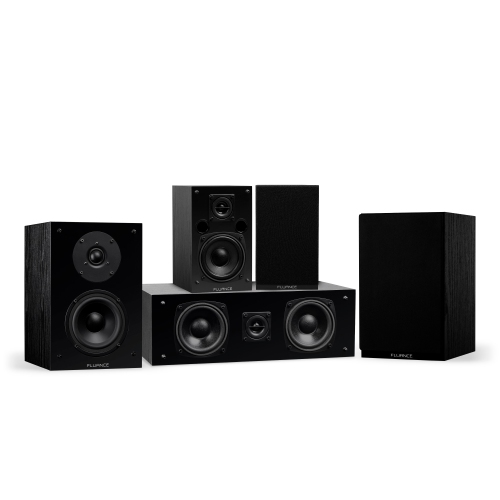

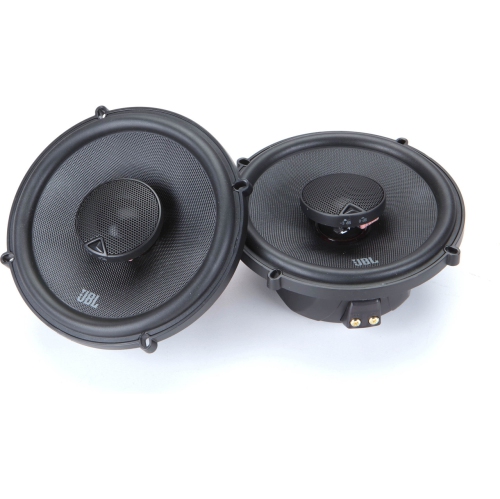
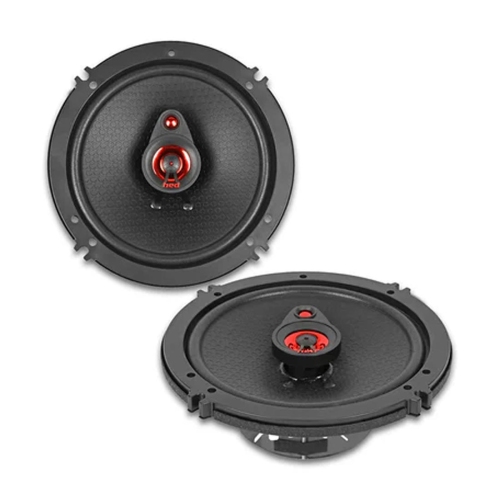
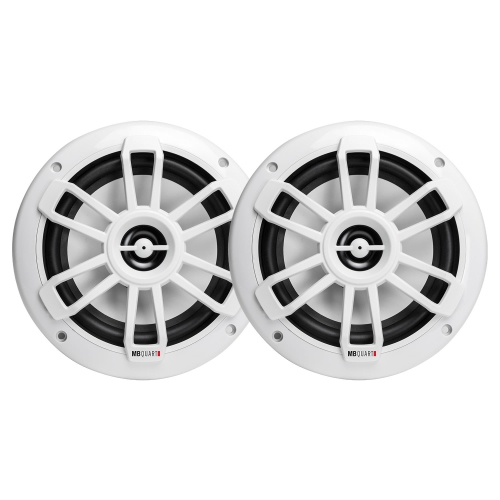
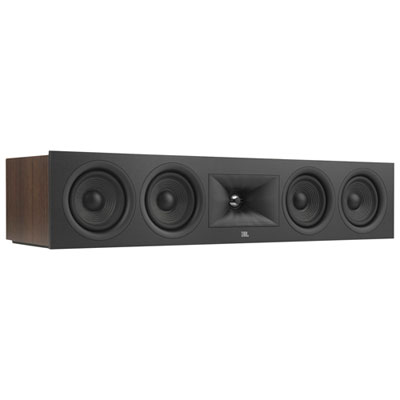
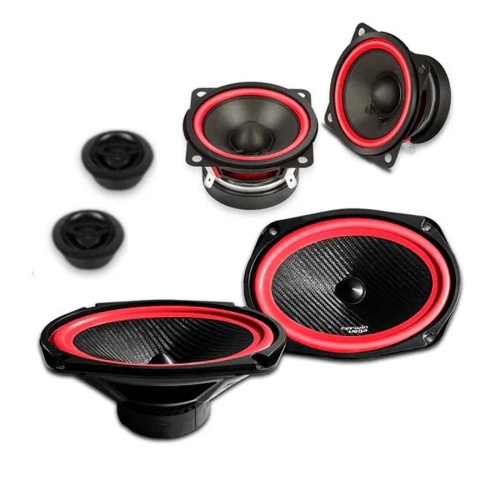
The frequencies that give voices and instruments definition
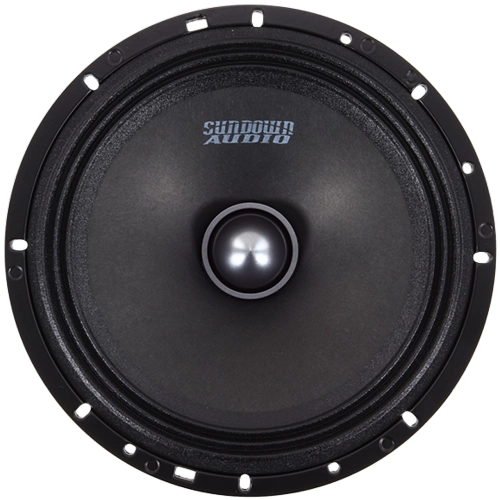
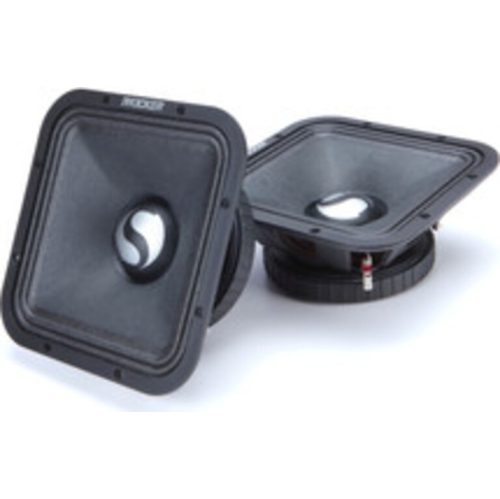
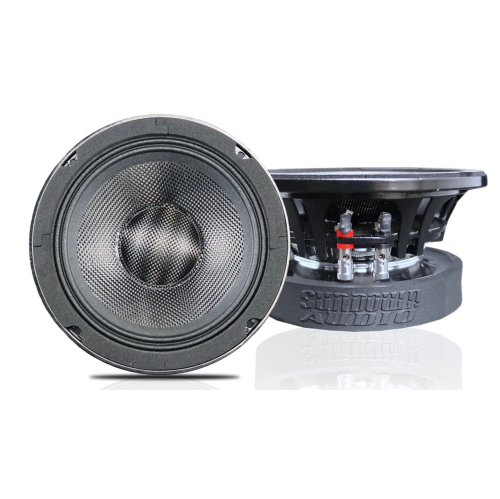
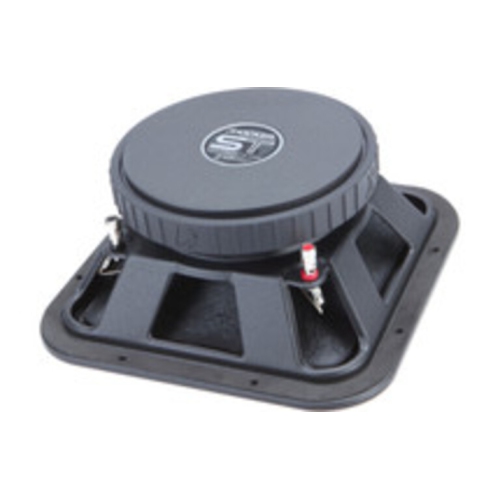
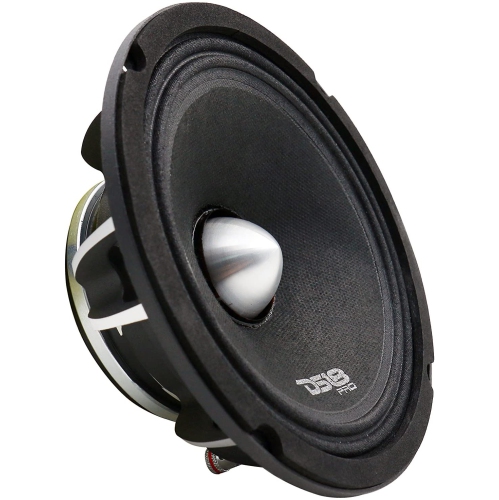
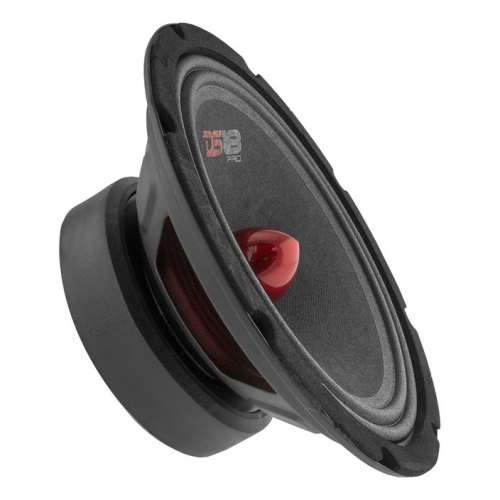
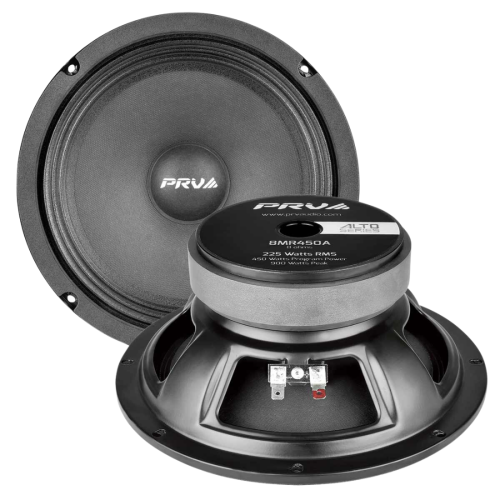
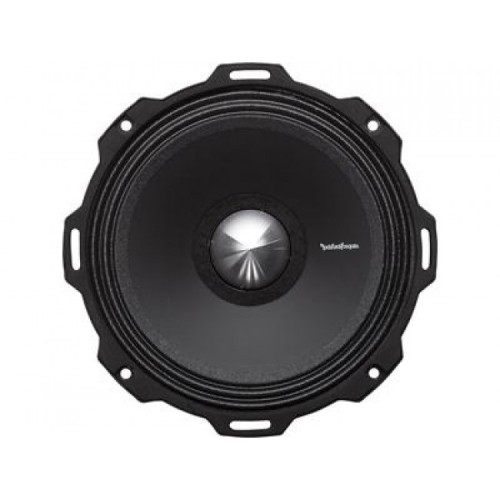
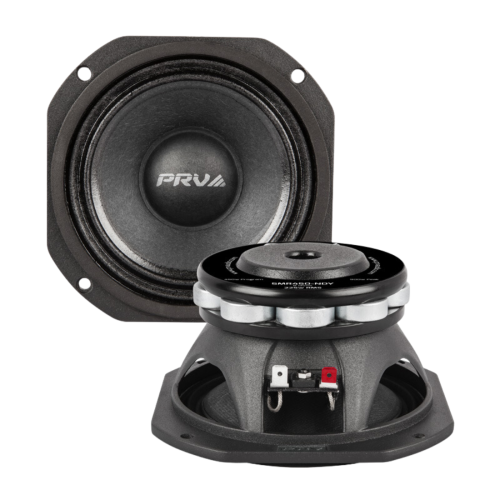
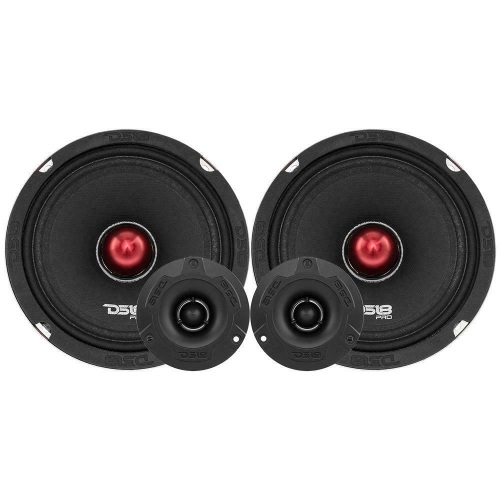
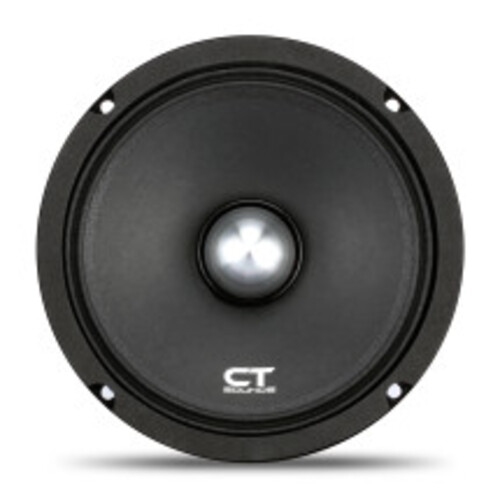
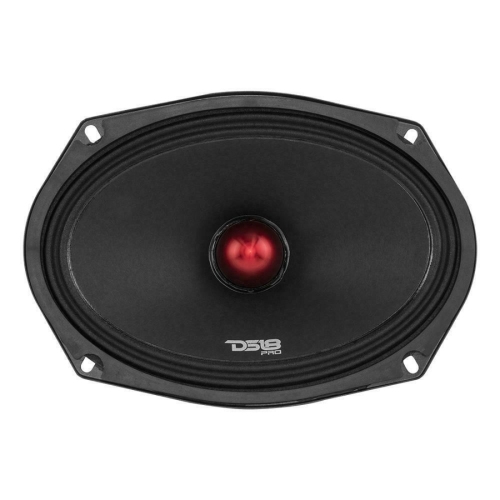
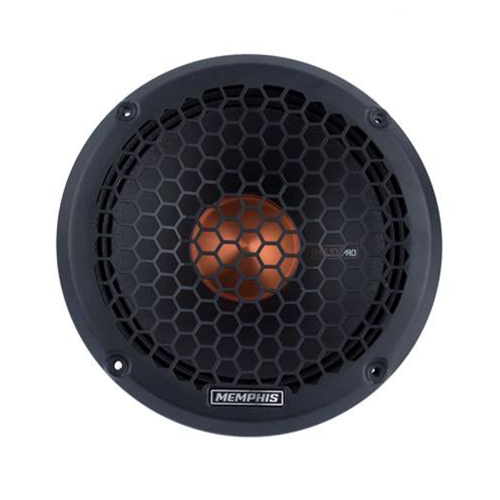
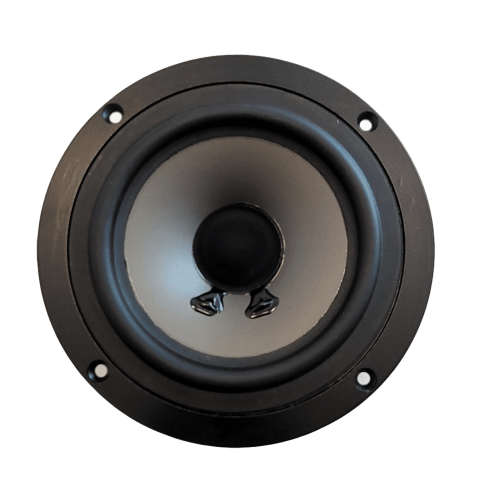
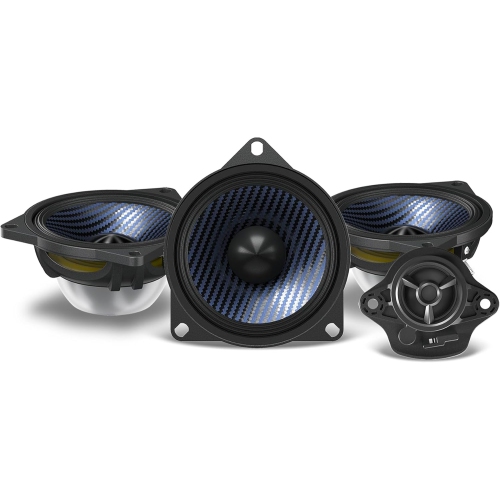
Midrange speakers reproduce the middle portion of the audible frequency spectrum, where much of the character of voices and musical instruments is heard. Their working range is often around 200 Hz to 5 kHz, although the exact limits depend on the driver, its enclosure, and the crossover settings. This is the part of a recording that gives a singer’s words definition, brings a guitar melody forward, and helps piano notes sound distinct rather than blurred together. In a multi-way speaker system, a midrange driver works alongside a woofer for lower frequencies and a tweeter for higher frequencies; a subwoofer may extend the deepest bass further. A midrange speaker is not designed to reproduce powerful low bass or the highest treble on its own. Its purpose is to handle a more focused band cleanly, allowing the other drivers to cover the frequencies suited to them. The term refers to frequency coverage, not the overall size or loudness of the speaker. These drivers are used in car audio systems, home loudspeakers, and custom audio installations where clear vocals and well-defined instruments matter. During a conversation-heavy film, that clarity can make dialogue easier to follow without turning every sound effect up along with it. With music, it can help separate a lead vocal from backing instruments, making a familiar recording feel less crowded. The final result still depends on the complete system, the recording, and the listening space: a midrange driver cannot correct every source of muffled sound by itself. For listeners comparing speaker types, Full Range Speakers are designed to cover a broader frequency span from a single driver, while dedicated midrange speakers divide the work with other drivers. That distinction matters when replacing an existing component or planning how several speakers will work together.
Fit and electrical compatibility are central considerations because a midrange driver usually becomes part of a larger system rather than operating as a standalone speaker. A nominal diameter gives a useful starting point, but the mounting cutout, screw-hole pattern, overall frame dimensions, and installation depth determine whether the driver will physically fit. In a vehicle door, clearance behind the mounting surface matters just as much as space in front of it, especially near a moving window or an existing grille. Within a home speaker cabinet, the original mounting position and internal chamber can limit suitable replacements. Matching the visible diameter alone does not guarantee matching performance. Impedance, expressed in ohms, affects the electrical load presented to the amplifier and the behaviour of a passive crossover. A replacement with a different impedance can change how frequencies are divided, even if it fits neatly into the opening. Continuous power handling, often described using an RMS rating, is more useful for understanding sustained operation than a peak figure alone, but the rating also depends on the manufacturer’s test conditions and intended frequency range. More power handling does not automatically mean greater volume or better sound. Sensitivity helps indicate how much output a speaker produces from a stated input, provided the measurements being compared use the same method. The crossover is equally important: it directs the appropriate band to the midrange driver and limits frequencies outside its intended operating range. Sending strong bass into a driver designed for the middle frequencies can cause excessive cone movement, distortion, or damage. Driver placement and crossover design also influence how smoothly voices and instruments carry across the transition between the woofer, midrange, and tweeter. In practical terms, a compatible midrange should sound like part of one coherent system, not a separate source calling attention to itself. Correct polarity, secure mounting, and suitable sealing around the frame support that integration. For custom installations or replacements without clear matching specifications, a qualified installer can help assess the amplifier, crossover, and mounting requirements together.
Materials and construction influence how a midrange speaker behaves and how well it stands up to its intended use. Cone designs may use treated paper, polypropylene, or fibre-based composites, while some midrange drivers use a dome-shaped diaphragm. Each approach involves trade-offs in weight, stiffness, damping, and manufacturing consistency; no single material guarantees the most natural sound in every system. The suspension supports the diaphragm as it moves, and a rigid basket helps hold the moving parts in alignment. A protective grille is valuable where a speaker could be brushed by a bag, touched by a child, or exposed to loose objects inside a vehicle. Installation location also affects durability, since a driver intended for a protected indoor cabinet may not have the protection needed for a more exposed application. Care is generally straightforward once the speaker is properly installed. Dust can be removed from an accessible grille with a soft, dry cloth, while exposed cones and domes need a gentler approach that avoids pressure, liquids, and strong suction. Persistent buzzing, scraping, or harshness can point to a loose mounting point, a damaged component, or a signal being pushed beyond the system’s limits; continuing to raise the volume is unlikely to solve it. For everyday listening, the appeal of a well-integrated midrange is often most noticeable in small details: the texture of a spoken voice, the body of an acoustic guitar, or the way separate harmonies remain intelligible in a busy chorus. Music enthusiasts, car audio hobbyists, and people restoring existing loudspeakers may all have a use for dedicated midrange drivers. They can also be a thoughtful gift for someone with a clearly defined audio project, though the required dimensions and electrical specifications make compatibility especially important. A suitable match supports clear, balanced listening without asking one driver to do a job it was never designed to handle.
Top selling and popular products
-
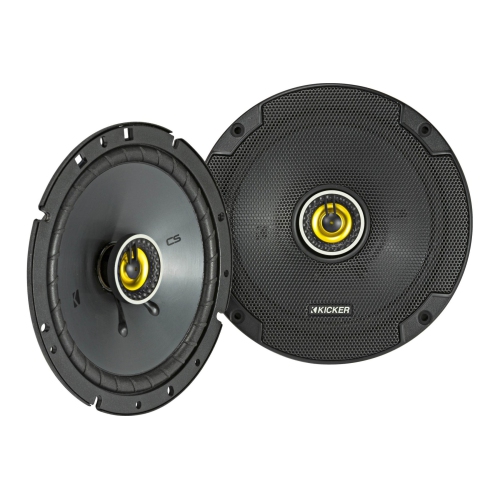 Your price for this item is $139.95
-
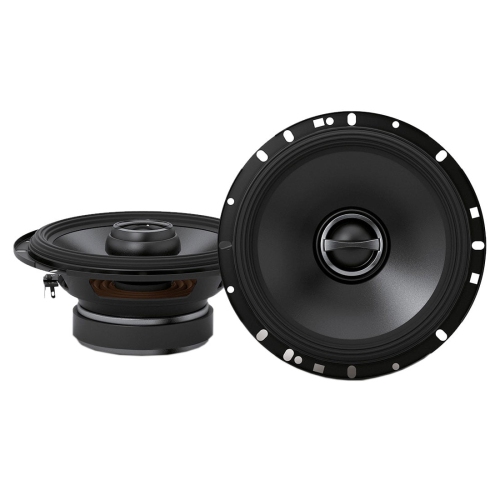 Your price for this item is $168.88
-
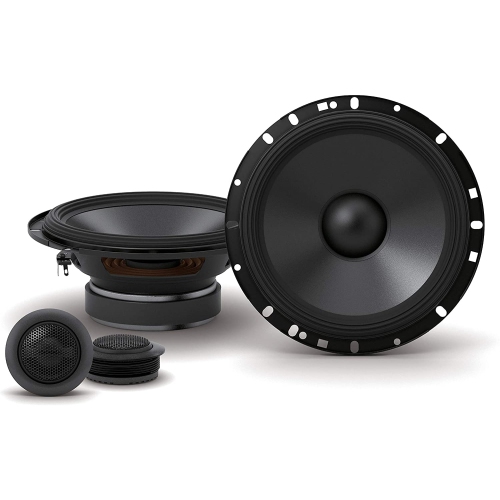 Your price for this item is $188.88
-
 Your price for this item is $189.95
-
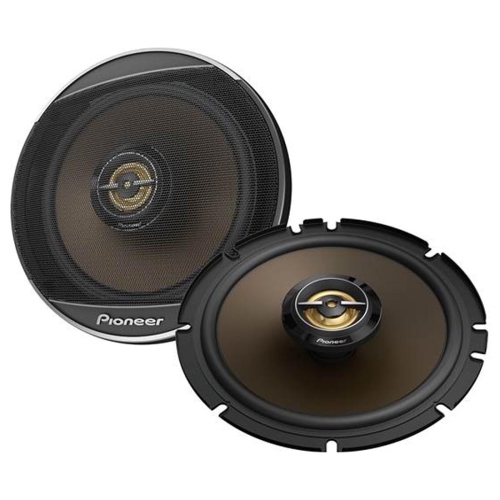 Your price for this item is $138.99
-
 Your price for this item is $198
-
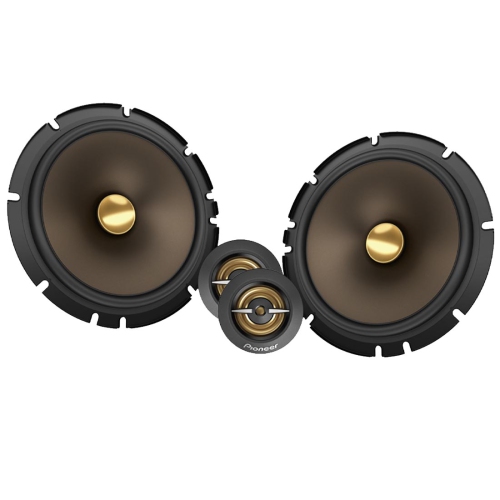 Your price for this item is $228.99
-
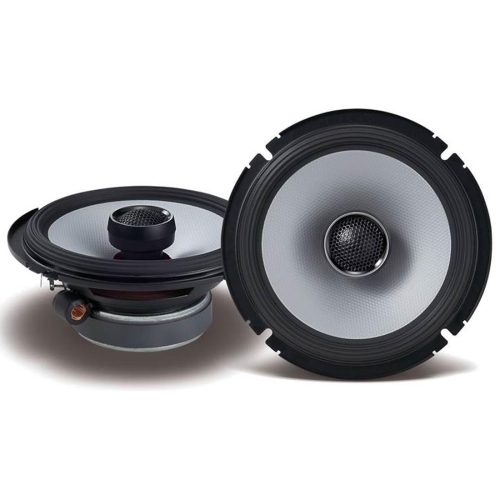 Your price for this item is $178
Discover more categories related to Mid Range Speakers

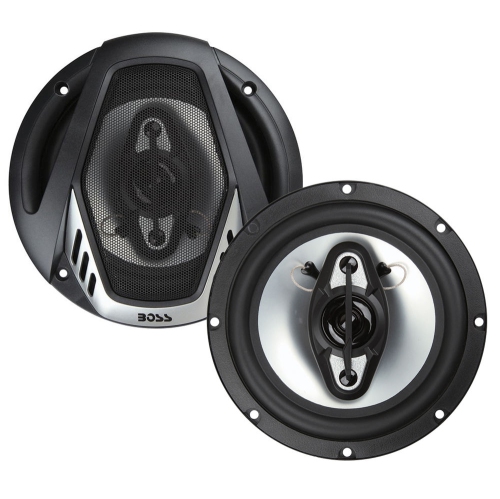
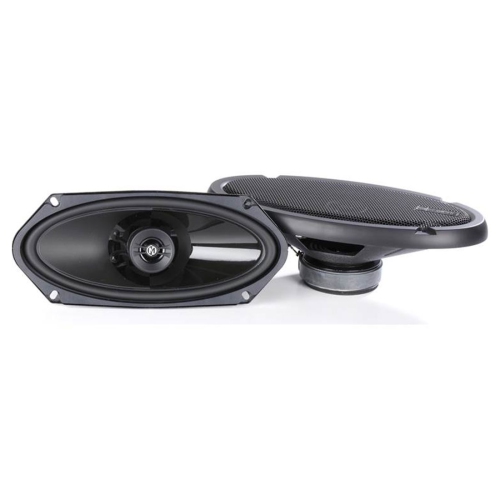
Top Collections:
Best Black Friday Deals This Year, Best Black Friday Deals On Electronics, Kindle Devices, Pokemon Centers, Best Black Friday Deals On Apple Products, Best Cameras for Sports Photography, Dyson Airwrap, Pokémon 30th Celebration Cards, Apple iPhone 17 Pro, Canon G7X Cameras
Some products may be subject to Environmental Handling Fees
(EHF) depending on your province.
Learn more about EHFs.