Noise Cancelling Over Ear Headphones
Experience immersive sound and enhanced focus with noise cancelling over ear headphones. Designed for comfort and clarity, these headphones help you enjoy your favorite music, podcasts, or calls without distractions. Whether you’re relaxing at home, working in a busy office, or traveling, noise cancelling over ear headphones deliver a premium listening experience. Explore a wide selection to find the perfect fit for your audio needs.
Sort
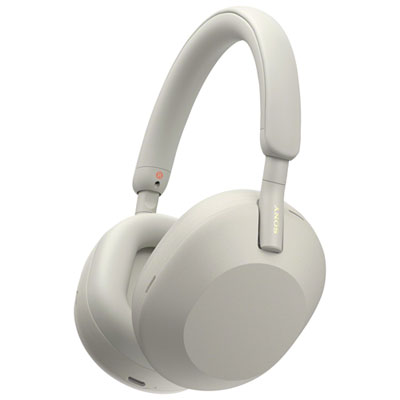

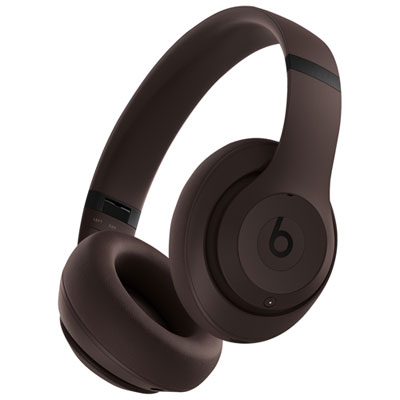
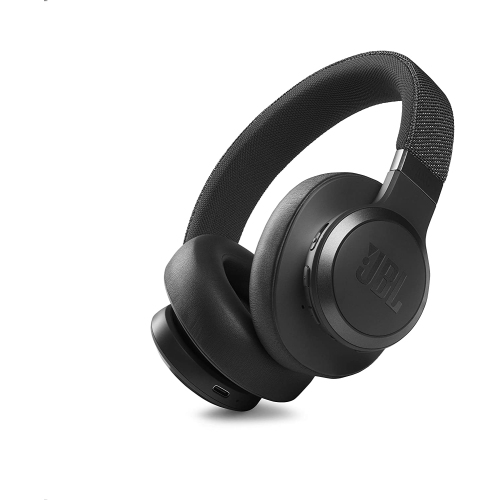
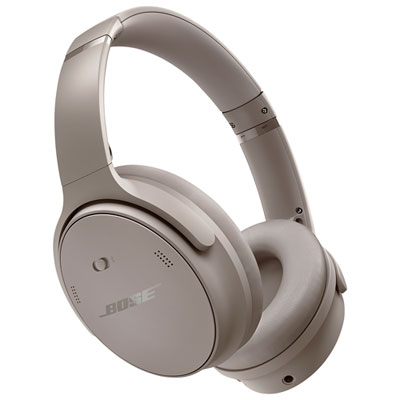
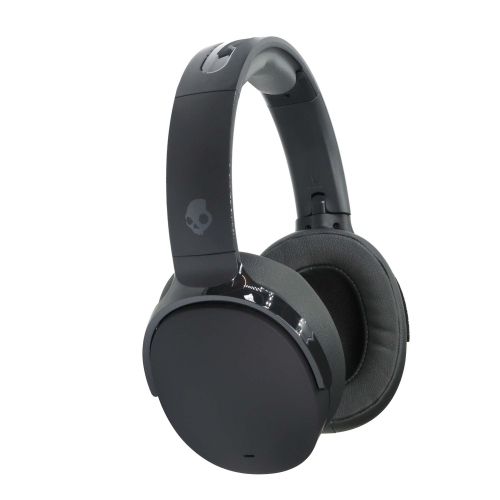
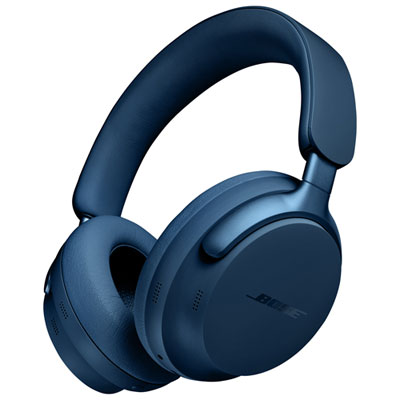

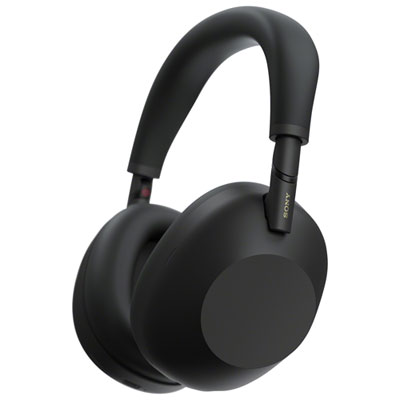

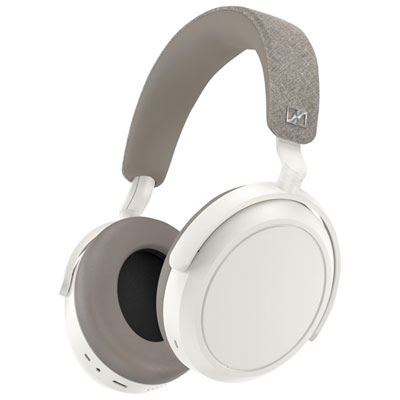

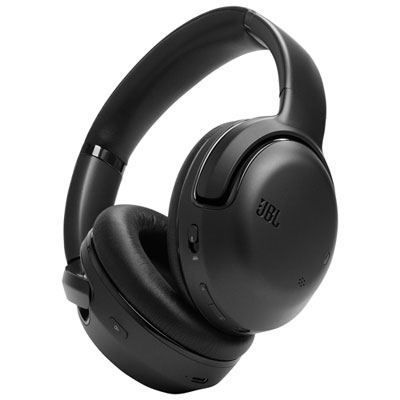
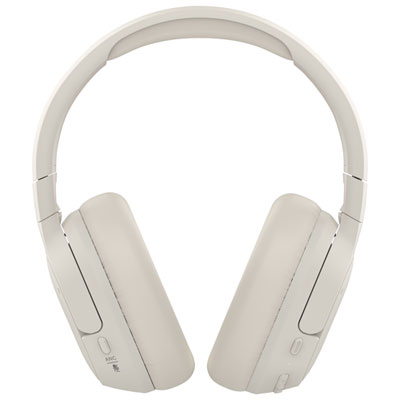
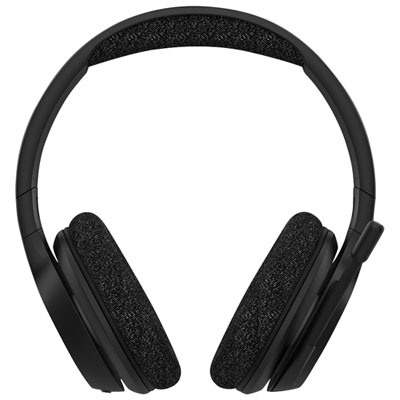
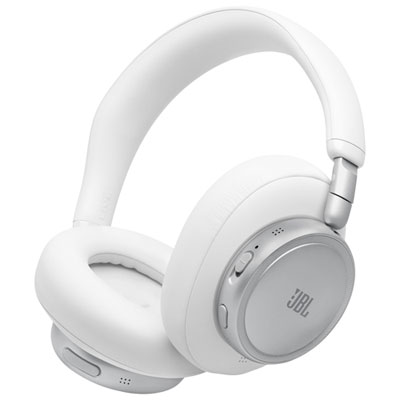
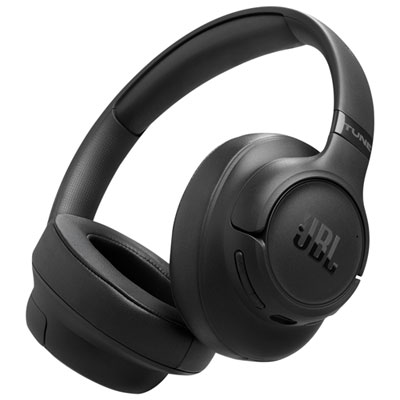
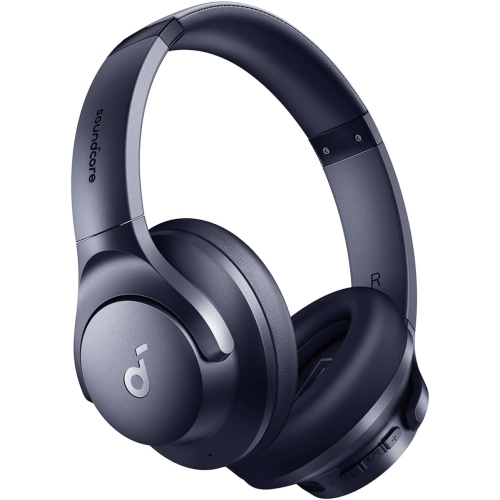
Less background noise without turning up the volume
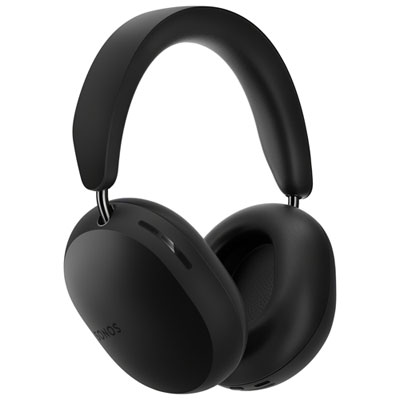
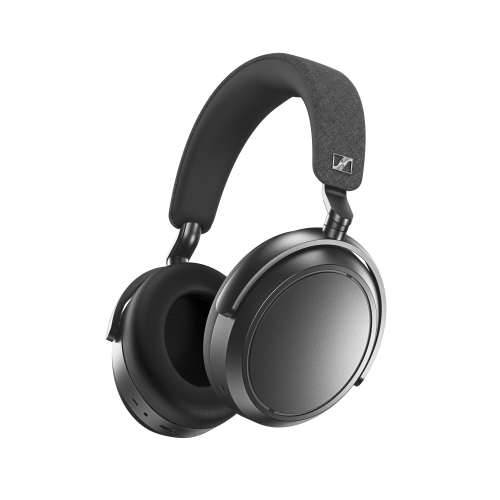
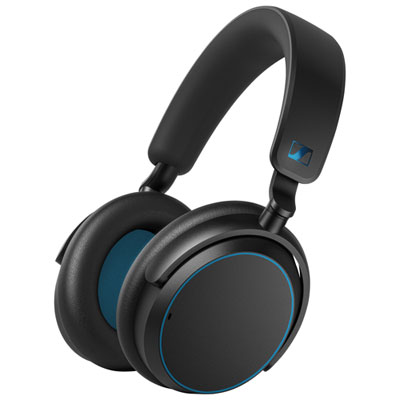
Noise-cancelling over-ear headphones combine ear-enclosing cushions with technology that reduces unwanted background sound, making music, podcasts, films, and calls easier to hear without turning up the volume to compete with every distraction. Active noise cancellation, often called ANC, uses microphones to detect outside noise and generates an opposing sound signal to reduce what reaches the listener. It is generally most effective against steady, low-frequency sounds such as an aircraft cabin’s rumble or the hum of ventilation. Sudden voices, clattering dishes, and other changing sounds may remain audible, so noise cancellation should not be mistaken for complete silence. The ear cups also provide passive isolation: their shape, padding, and seal physically reduce some outside sound, particularly at higher frequencies. Together, these features suit everyday situations such as listening on public transit, concentrating at a shared desk, or enjoying an audiobook while someone watches television nearby. Sound quality remains a separate consideration from noise-cancelling strength. Clear midrange helps speech and vocals stand out, controlled bass gives music weight without overwhelming detail, and balanced treble keeps instruments distinct without sounding overly sharp. Some headphones include adjustable equalizer settings, allowing listeners to change the sound to suit spoken-word recordings, acoustic music, or bass-heavy tracks. Adjustable ANC can also make the experience more flexible, offering stronger reduction for travel and a gentler setting when less isolation is needed. Transparency or ambient listening modes use microphones to bring outside sound into the ear cups, which can help with a brief conversation or an announcement. These modes do not replace paying attention to traffic and other hazards, and consumer noise-cancelling headphones are not a substitute for certified hearing protection. For everyday listening, the appeal is less about blocking out everything and more about creating a quieter space around the sound that matters, whether that is a familiar playlist on a train ride or dialogue in a film.
Comfort is especially important with over-ear headphones because the cushions sit around the ears rather than directly on them. Ear-cup depth, the size of the openings, headband adjustment, and clamping pressure all affect how a pair feels during a full album, an extended study session, or a long flight. A secure fit helps maintain the acoustic seal, but excessive pressure can become distracting around the jaw or temples. Glasses, earrings, and thick hair can change that seal, making cushion shape and flexibility worth considering alongside overall weight. Padded headbands distribute pressure across the top of the head, while swivelling ear cups can follow its shape more naturally. Smooth synthetic leather cushions are easy to wipe clean and often form a close seal; woven fabric surfaces have a different feel and may allow more airflow, although isolation varies with the design. Neither material alone guarantees comfort or durability. Stitching, hinge construction, headband flexibility, and the availability of compatible replacement cushions can all influence how well headphones hold up to regular use. Everyday convenience also depends on how the headphones connect and how their controls work. Wireless connectivity keeps a cable away from a laptop keyboard or a bag strap, while a wired option can be useful with compatible audio equipment or in-flight entertainment systems. Connector type and any required adapter matter, and a cable does not necessarily allow active noise cancellation to work without battery power. Bluetooth multipoint, where supported, lets headphones stay connected to more than one device, making it easier to move between a computer and a phone. That convenience is distinct from mixing audio from both sources at once. For remote work and classes, microphone performance deserves its own attention: strong noise cancellation for the listener does not automatically mean a clear voice for the person on the other end of a call. Accessible buttons, reliable touch controls, and adjustable microphone settings can make frequent calls and playback changes feel less fiddly.
Battery life, storage, and care shape the ownership experience as much as the first listening session. Published battery estimates depend on test conditions, and actual listening time can change with volume, ANC settings, calls, and other features. Quick charging can be useful before a commute, but the listening time gained from a short charge varies by design and charging equipment. A battery indicator makes it easier to plan around a day away from a charger, while an automatic power-off setting can help prevent an accidentally depleted battery. For headphones that travel in a backpack or work bag, a well-fitting protective case helps shield the ear cups and hinges from pressure, loose keys, and spills. Folding designs can take up less space, though the way they fold and the size of the case are worth considering together. Routine care is straightforward: a soft cloth removes fingerprints and surface dust, and cushions should be cleaned only with methods suitable for their material. Excess moisture, harsh cleaners, and pulling on the cushions can damage finishes or seams. Headphones should be dry before charging or being enclosed in a case, and cables are better disconnected by the plug rather than tugged from the cord. Replaceable ear pads can refresh the fit when the original cushions flatten or crack, provided the replacements are made for the correct model. Appearance can matter alongside these practical details, especially for headphones worn between home, work, and travel. White Noise Cancelling Headphones suit a lighter colour palette and can coordinate with a desk setup or personal accessories, though pale surfaces may show marks more readily. As gifts, over-ear noise-cancelling headphones can suit students, frequent travellers, music lovers, and people who share a workspace. The most useful match depends on the recipient’s listening habits, preferred fit, connected devices, and willingness to use app-based controls—not simply the longest feature list.
Top selling and popular products
-
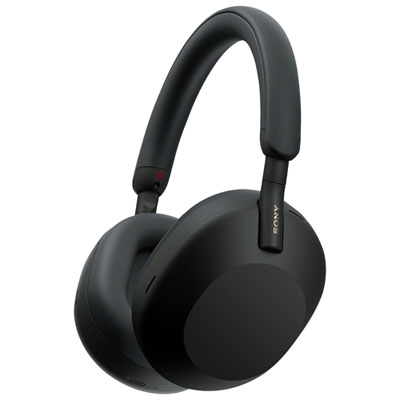 Your price for this item is $499.99
-
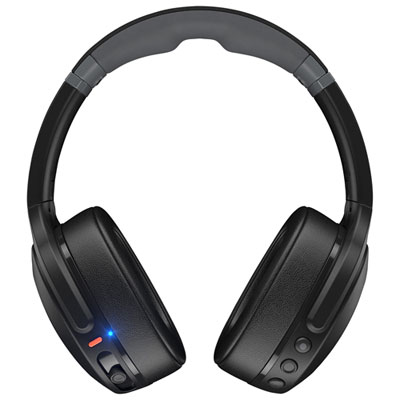 Your price for this item is $159.98
-
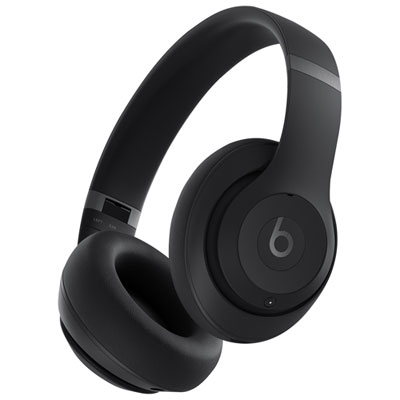 Your price for this item is $399.99
-
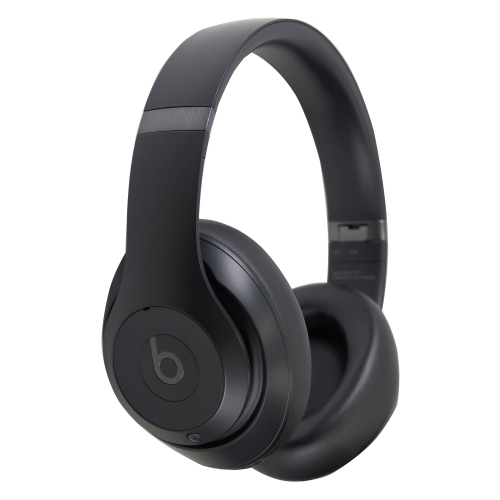 Your price for this item is $359
-
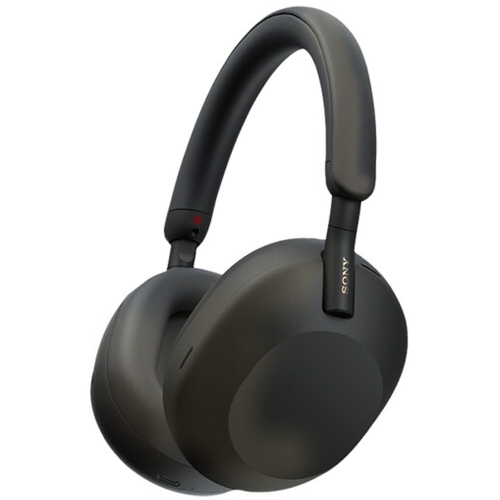 Your price for this item is $349
-
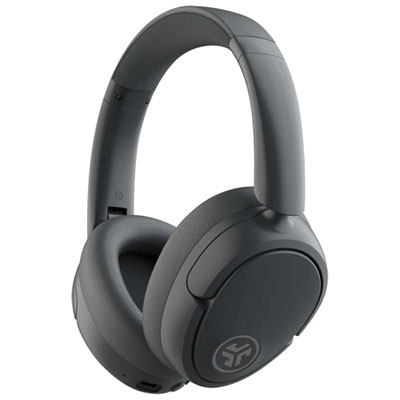 Your price for this item is $59.99
-
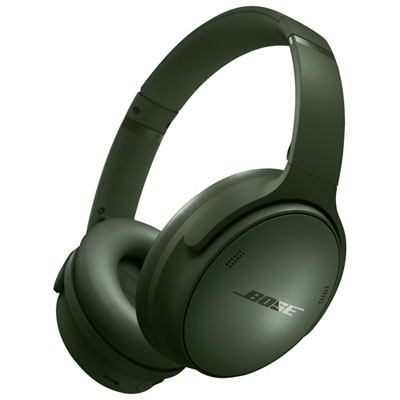 Your price for this item is $249
-
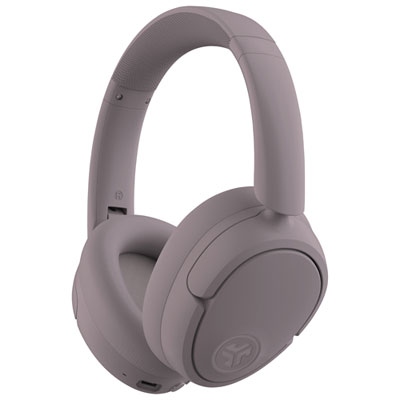 Your price for this item is $59.99
Discover more categories related to Noise Cancelling Over Ear Headphones
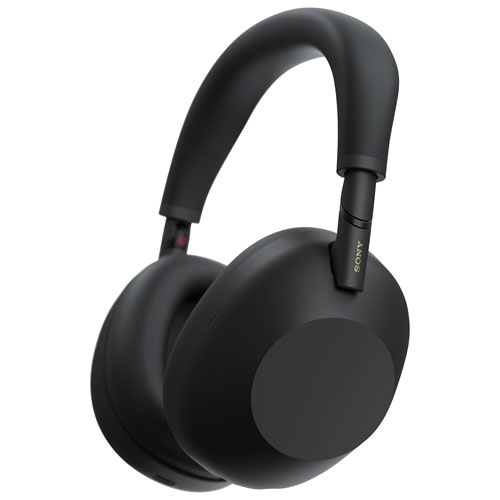

Top Collections:
Best Black Friday Deals This Year, Best Black Friday Deals On Electronics, Kindle Devices, Pokemon Centers, Best Black Friday Deals On Apple Products, Best Cameras for Sports Photography, Dyson Airwrap, Pokémon 30th Celebration Cards, Apple iPhone 17 Pro, Canon G7X Cameras
Some products may be subject to Environmental Handling Fees
(EHF) depending on your province.
Learn more about EHFs.