Over Ear Noise Cancelling Bluetooth Headphones
Experience your favourite music, podcasts, and calls like never before with over ear noise cancelling bluetooth headphones. Designed for comfort and immersive sound, these headphones let you tune out distractions and enjoy wireless freedom wherever you go. Whether you're working from home, commuting, or relaxing at home, find the ideal pair of over ear noise cancelling bluetooth headphones to match your lifestyle and audio preferences.
Sort
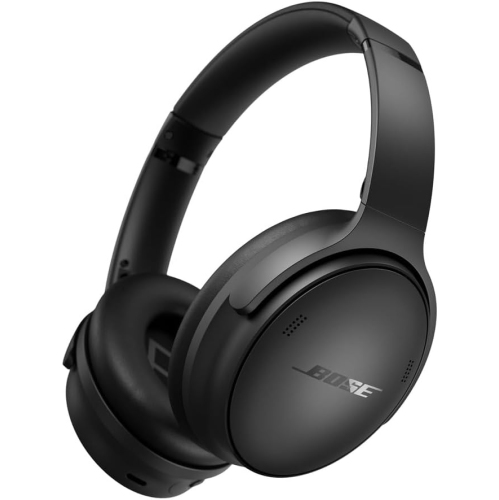
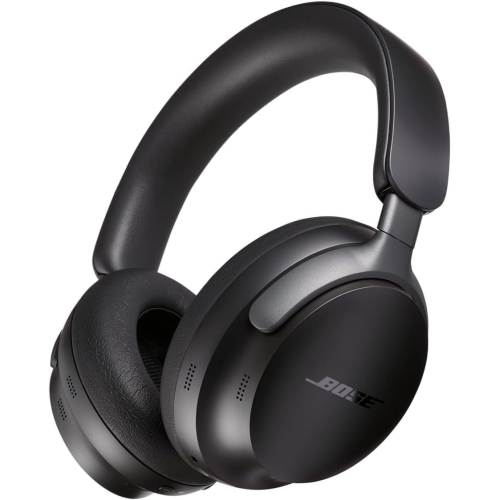
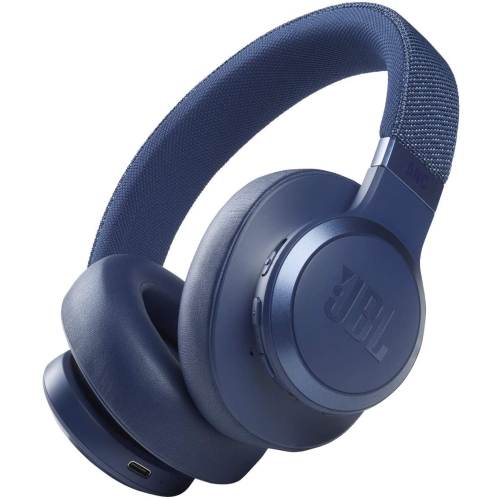
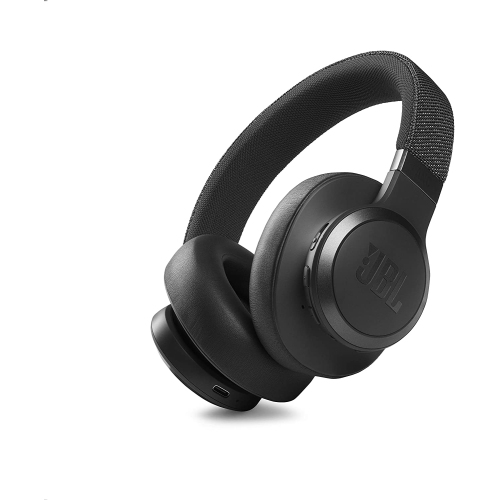
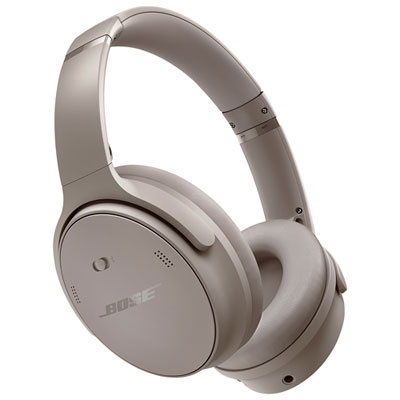
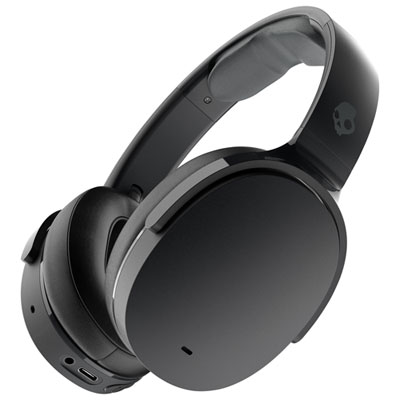
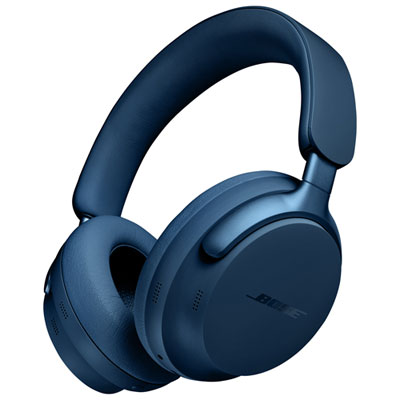
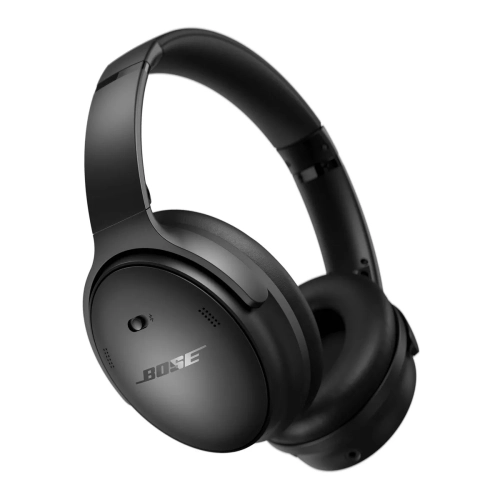
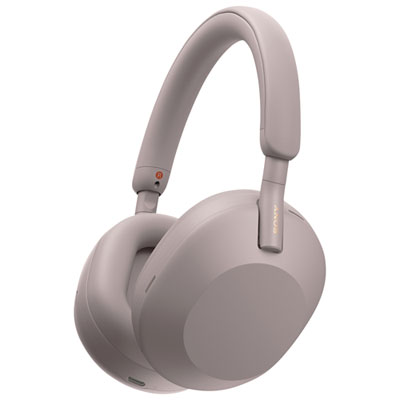
Less background rumble means more room for quieter details
Over-ear noise-cancelling Bluetooth headphones combine ear-enclosing cushions, wireless audio and active noise cancellation to make music, podcasts and calls easier to hear against everyday background sound. The over-ear shape creates a physical barrier around the ears, while active noise cancellation, often called ANC, uses microphones and audio processing to reduce some of the sound that reaches the listener. This combination is particularly useful for steady noises such as an aircraft’s cabin hum or the low rumble of a train. Nearby conversations, sudden clattering and other irregular sounds can remain audible, so noise cancellation should not be confused with complete silence or certified hearing protection. For someone listening to an audiobook during a commute or concentrating at a shared desk, reducing background noise can make it easier to follow quieter details without turning up the volume to compete with surrounding sound. Bluetooth connects the headphones to compatible phones, tablets, computers and other devices without an audio cable, leaving more freedom to move around a desk or settle into a seat. Sound quality varies with tuning, fit and the capabilities of the connected device. Some listeners prefer a full bass response for electronic music, while others value clear vocals for dialogue or a more balanced presentation for acoustic recordings. Where supported, adjustable equalizer settings offer a way to tailor that balance. A good seal matters as much as many headline features: gaps around the cushions can weaken bass and reduce isolation. Glasses, hair and ear shape can all affect that seal. Transparency or ambient listening modes, when included, use microphones to bring outside sound through the headphones, helping with brief conversations or station announcements without fully removing them. These modes do not replace attention to surroundings, particularly near traffic. Over-ear headphones suit listeners who want an immersive listening space at home, during travel or between tasks, with the understanding that comfort and noise reduction depend on the individual fit as well as the design.
Comfort becomes especially important when a listening session stretches from a short playlist into several hours of work or travel. Ear cups should have enough room to surround the ears without pressing their edges against the cushions or the interior covering. Cushion depth, headband adjustment and clamping pressure all influence how the headphones feel over time. A secure fit helps maintain the acoustic seal, but excessive pressure can become distracting around the jaw or the arms of glasses. Weight distribution also matters: a well-padded headband can help spread the load instead of concentrating it at the top of the head. Memory foam cushions can mould gently to the contours around the ears, while different coverings offer distinct textures and care needs. Synthetic leather often provides a close seal and a smooth surface to wipe down; fabric coverings may feel softer against the skin, though isolation and cleaning requirements vary by construction. Plastic housings can keep weight manageable, and metal components may reinforce areas such as headband sliders, but overall durability depends on the hinges, joints and assembly rather than one material alone. Folding designs save space in a bag, while swivelling ear cups can lie flatter in a carrying case. Either design benefits from careful handling rather than being pushed into a crowded backpack. For someone who finds ear-enclosing cups too bulky, on-ear noise-cancelling headphones offer a different fit, with cushions that rest against the ears instead of surrounding them. Over-ear designs remain a practical choice for people who prefer cushioning around the ear and have room for a larger headset. Keeping them comfortable also involves routine care: wipe the cushions and headband according to the manufacturer’s directions, avoid soaking any surfaces, and let damp areas dry fully before storage. A protective case helps prevent scratches and strain on moving parts. Replaceable ear pads can be useful for long-term ownership, since worn or compressed cushions may affect both comfort and the seal needed for consistent sound.
Everyday convenience depends on how the headphones fit into the devices and routines already in use. Battery life should be considered with active noise cancellation enabled, since advertised listening times may refer to different settings, volume levels or connection modes. A long listening time can reduce charging interruptions on extended journeys, while a quick-charge feature, where supported, may provide enough power for a commute after a brief charging session. USB-C describes a connector, not a guarantee of wired audio support, so charging and listening capabilities need to be checked separately. Some headphones include an analogue audio connection for compatible equipment, but wired playback may still require battery power for noise cancellation or other functions. Bluetooth multipoint can be helpful at a desk because supported headphones can stay connected to a computer and a phone, making it easier to move between a video meeting and an incoming call. Switching behaviour varies, and being connected to two devices does not necessarily mean hearing both at once. For frequent calls, microphone performance deserves attention alongside music playback. ANC that quiets sound for the wearer is separate from microphone processing that helps the person on the other end hear speech clearly; one does not guarantee the other. Physical buttons can be easy to locate by touch, while touch controls may offer swipes and taps for playback, volume and listening modes. Companion apps, when provided, may add sound adjustments, control customization and firmware updates, although features can differ across operating systems. People who watch videos or play games should also consider audio delay, as Bluetooth performance depends on both the headphones and the source device. For exercise, an over-ear shape alone does not indicate resistance to sweat or water; an appropriate rating and a secure fit are important. As a gift, this category can suit a student sharing a study space, a frequent traveller or someone who enjoys listening without trailing cables. Device compatibility, manageable controls and comfortable proportions help make that gift useful beyond the first listen. The most suitable pair balances sound, fit, noise reduction and practical features for the way it will actually be worn.
Comfort becomes especially important when a listening session stretches from a short playlist into several hours of work or travel. Ear cups should have enough room to surround the ears without pressing their edges against the cushions or the interior covering. Cushion depth, headband adjustment and clamping pressure all influence how the headphones feel over time. A secure fit helps maintain the acoustic seal, but excessive pressure can become distracting around the jaw or the arms of glasses. Weight distribution also matters: a well-padded headband can help spread the load instead of concentrating it at the top of the head. Memory foam cushions can mould gently to the contours around the ears, while different coverings offer distinct textures and care needs. Synthetic leather often provides a close seal and a smooth surface to wipe down; fabric coverings may feel softer against the skin, though isolation and cleaning requirements vary by construction. Plastic housings can keep weight manageable, and metal components may reinforce areas such as headband sliders, but overall durability depends on the hinges, joints and assembly rather than one material alone. Folding designs save space in a bag, while swivelling ear cups can lie flatter in a carrying case. Either design benefits from careful handling rather than being pushed into a crowded backpack. For someone who finds ear-enclosing cups too bulky, on-ear noise-cancelling headphones offer a different fit, with cushions that rest against the ears instead of surrounding them. Over-ear designs remain a practical choice for people who prefer cushioning around the ear and have room for a larger headset. Keeping them comfortable also involves routine care: wipe the cushions and headband according to the manufacturer’s directions, avoid soaking any surfaces, and let damp areas dry fully before storage. A protective case helps prevent scratches and strain on moving parts. Replaceable ear pads can be useful for long-term ownership, since worn or compressed cushions may affect both comfort and the seal needed for consistent sound.
Everyday convenience depends on how the headphones fit into the devices and routines already in use. Battery life should be considered with active noise cancellation enabled, since advertised listening times may refer to different settings, volume levels or connection modes. A long listening time can reduce charging interruptions on extended journeys, while a quick-charge feature, where supported, may provide enough power for a commute after a brief charging session. USB-C describes a connector, not a guarantee of wired audio support, so charging and listening capabilities need to be checked separately. Some headphones include an analogue audio connection for compatible equipment, but wired playback may still require battery power for noise cancellation or other functions. Bluetooth multipoint can be helpful at a desk because supported headphones can stay connected to a computer and a phone, making it easier to move between a video meeting and an incoming call. Switching behaviour varies, and being connected to two devices does not necessarily mean hearing both at once. For frequent calls, microphone performance deserves attention alongside music playback. ANC that quiets sound for the wearer is separate from microphone processing that helps the person on the other end hear speech clearly; one does not guarantee the other. Physical buttons can be easy to locate by touch, while touch controls may offer swipes and taps for playback, volume and listening modes. Companion apps, when provided, may add sound adjustments, control customization and firmware updates, although features can differ across operating systems. People who watch videos or play games should also consider audio delay, as Bluetooth performance depends on both the headphones and the source device. For exercise, an over-ear shape alone does not indicate resistance to sweat or water; an appropriate rating and a secure fit are important. As a gift, this category can suit a student sharing a study space, a frequent traveller or someone who enjoys listening without trailing cables. Device compatibility, manageable controls and comfortable proportions help make that gift useful beyond the first listen. The most suitable pair balances sound, fit, noise reduction and practical features for the way it will actually be worn.
Top selling and popular products
-
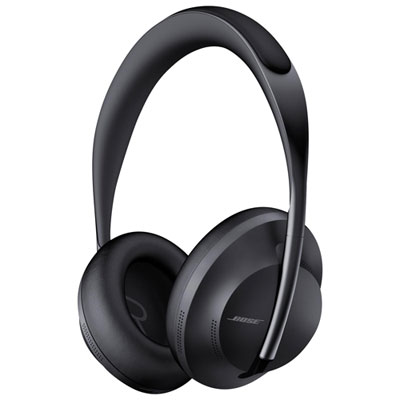 Your price for this item is $479.97
 -
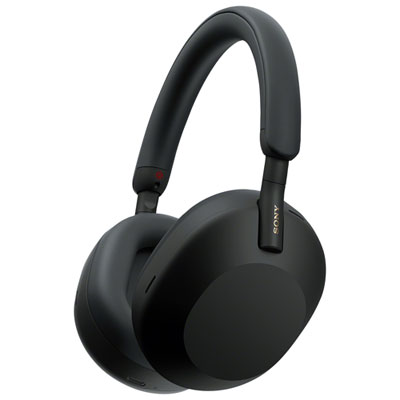 Your price for this item is $348
 -
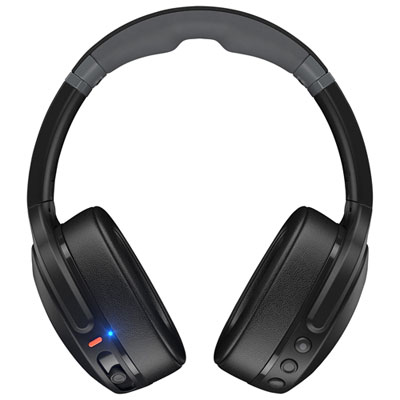 Your price for this item is $199.99
 -
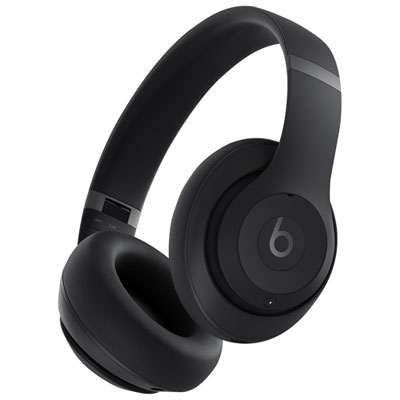 Your price for this item is $229.99
 -
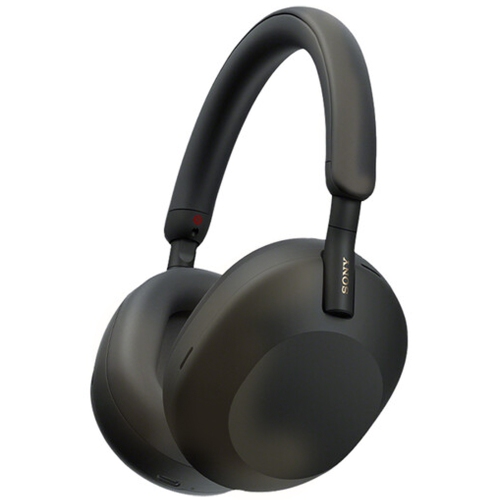 Your price for this item is $438
 -
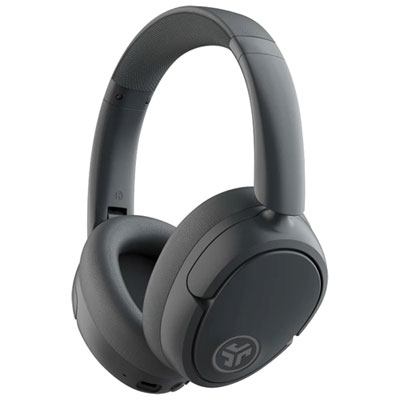 Your price for this item is $79.99
 -
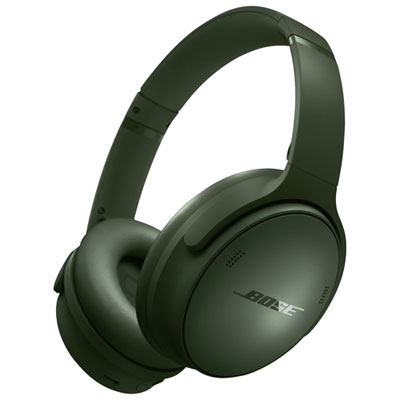 Your price for this item is $479.99
 -
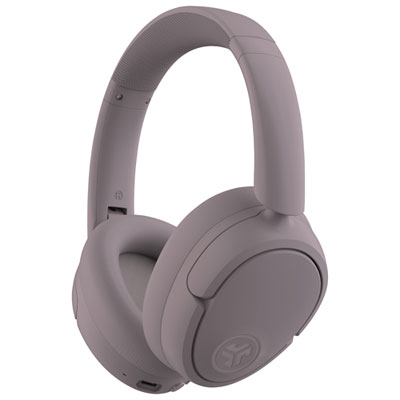 Your price for this item is $79.99
Discover more categories related to Over Ear Noise Cancelling Bluetooth Headphones
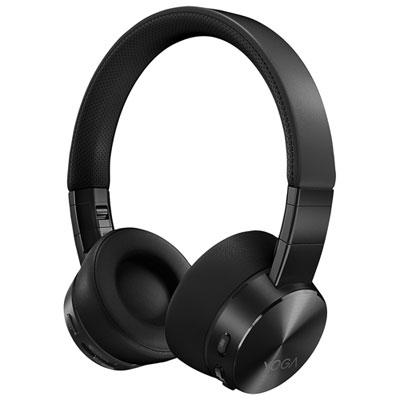
Top Collections:
Pokemon Centers, Kindle Devices, Best Budget Office Chairs, Apple iPhones 16, Best Laptops for Writers, iPhone 15 Apple, Canon G7X Cameras, Refurbished Apple Laptops, Alarm Clock, Motorola Razr Phones
Some products may be subject to Environmental Handling Fees
(EHF) depending on your province.
Learn more about EHFs.