Portable Cassette Recorders
Rediscover the charm of analog audio with a Portable Cassette Recorder. Perfect for capturing memories, recording voice notes, or enjoying classic mixtapes, these versatile devices offer convenience and portability for music lovers and audio enthusiasts alike. Whether you're archiving old recordings or creating new ones, a Portable Cassette Recorder provides a reliable solution for your audio needs. Explore a range of options to find the ideal match for your lifestyle and preferences.
Sort


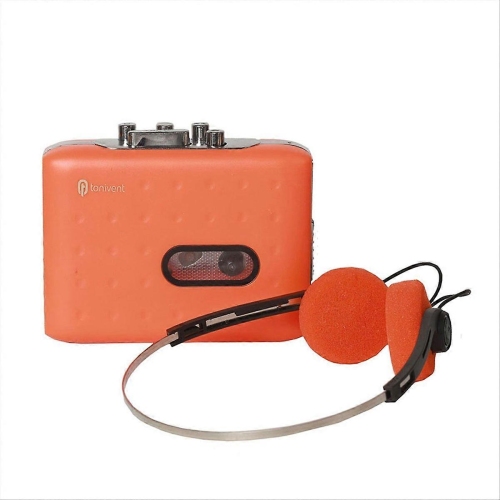

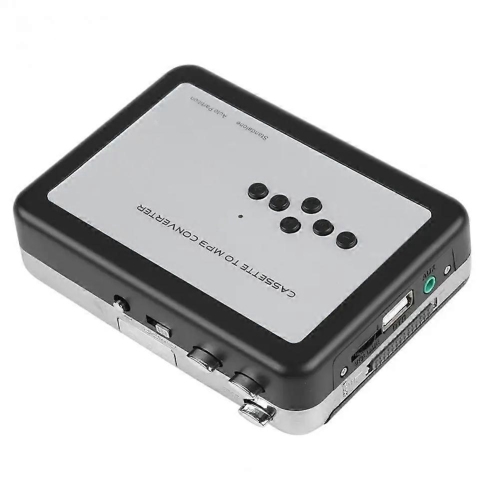
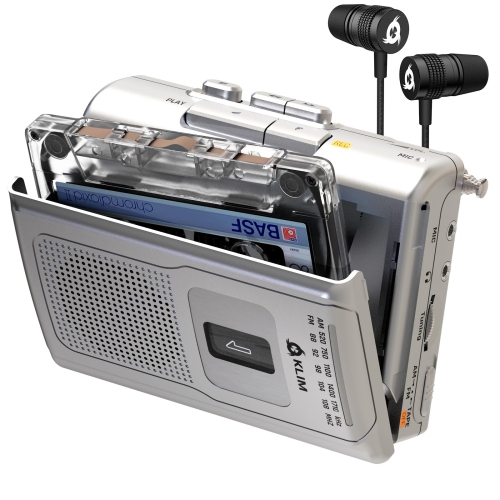
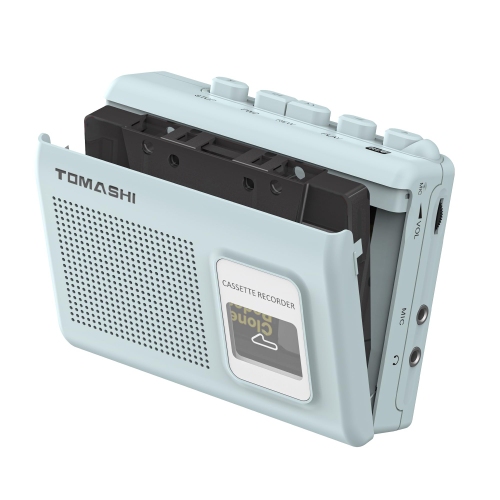
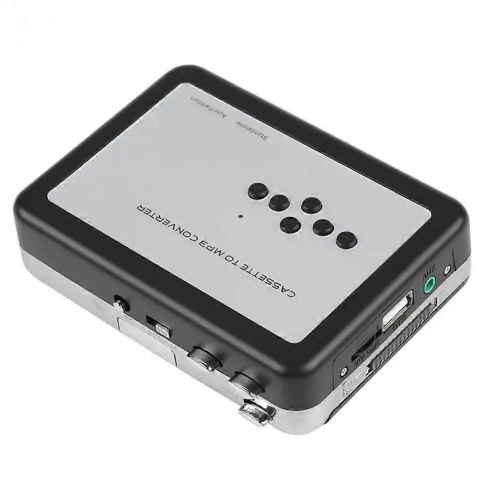
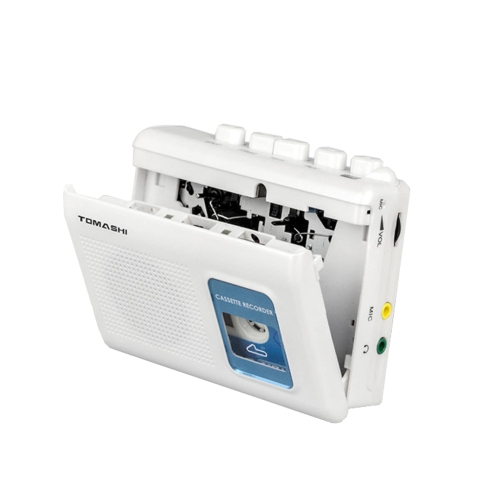
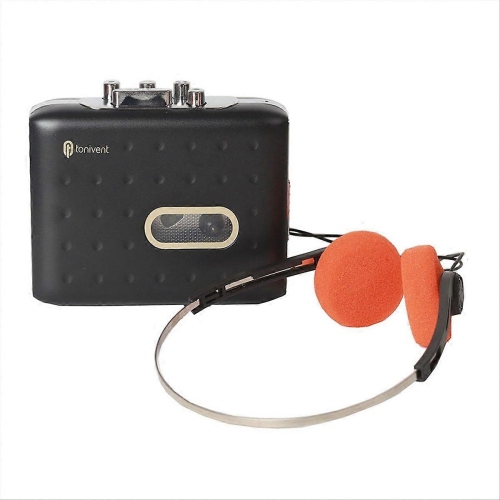

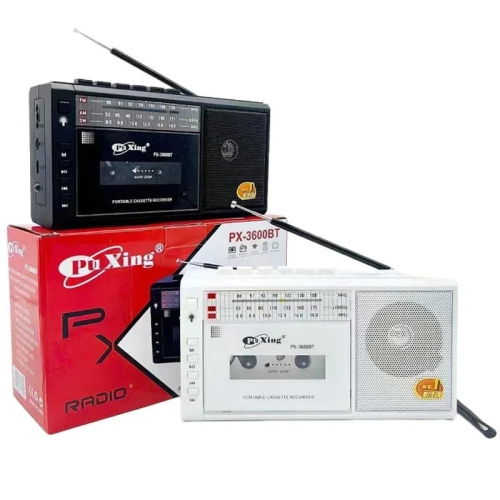
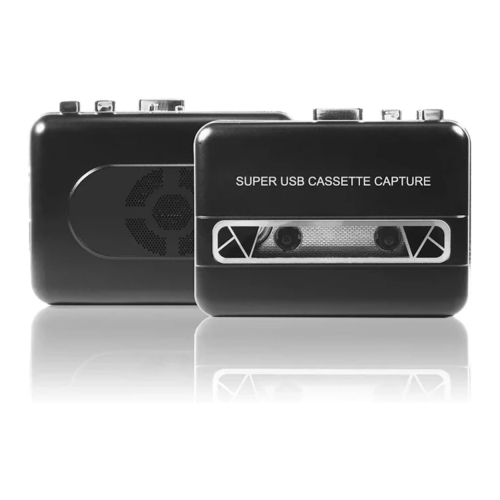

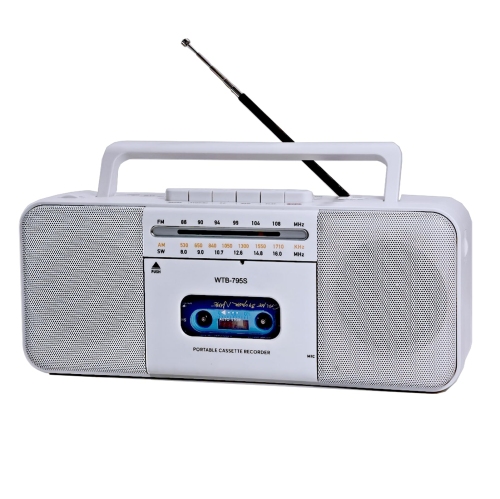
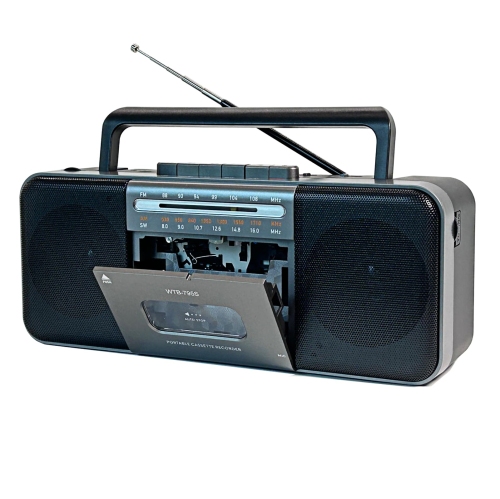
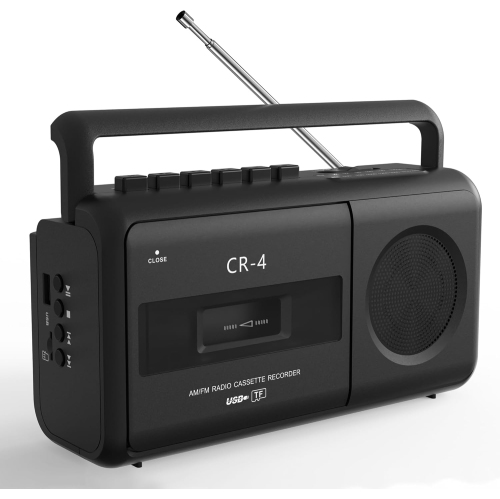
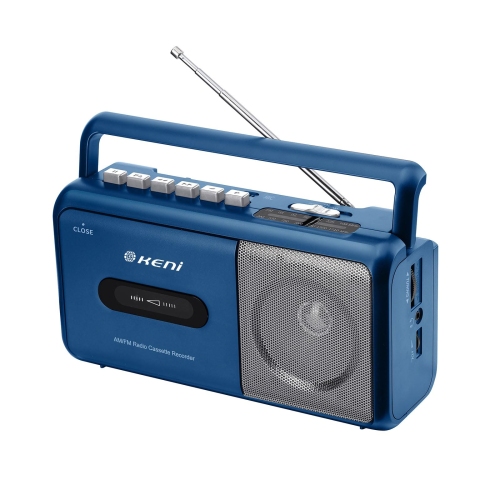
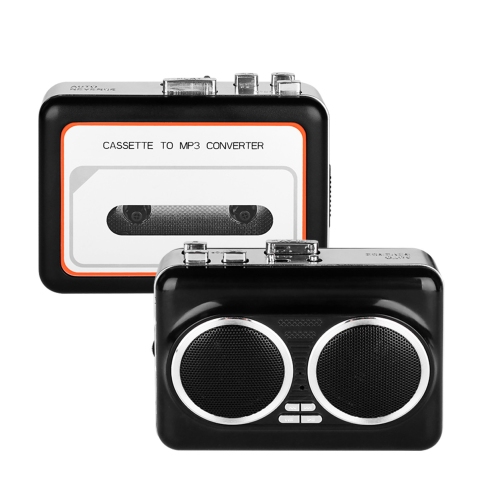
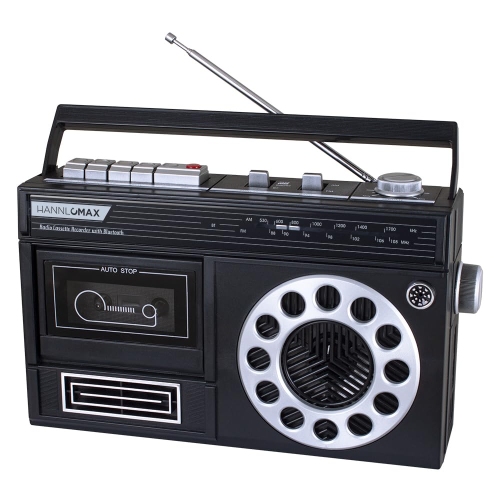
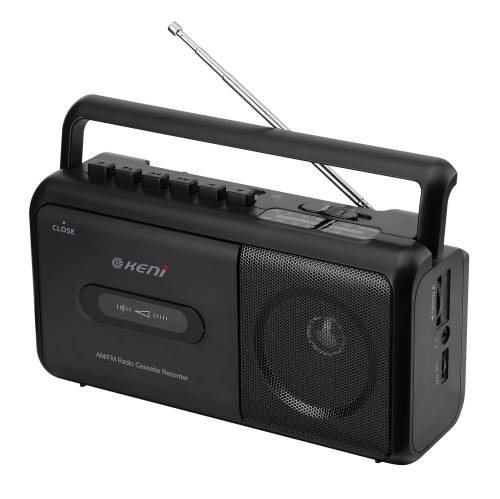
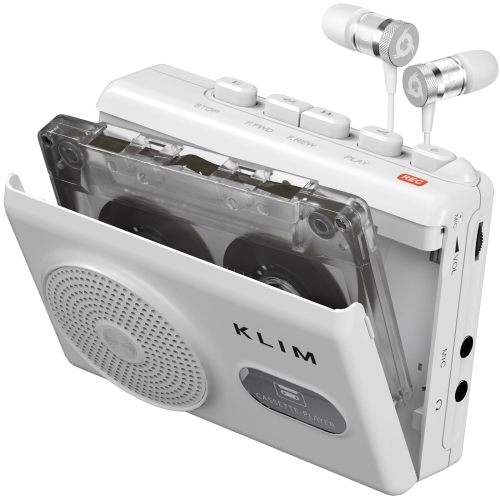
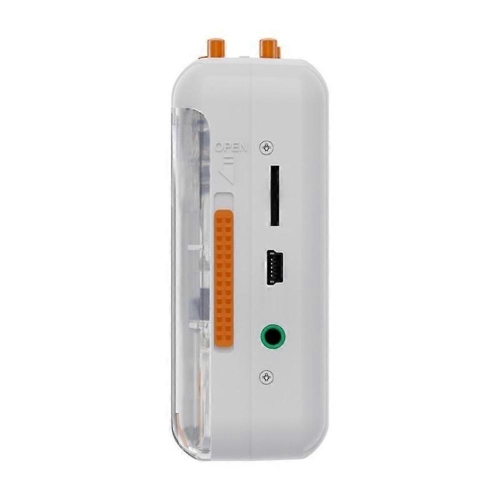
Spoken memories and song ideas captured on tape
Portable cassette recorders capture sound on magnetic tape, bringing recording and playback together in a compact device that can move between a desk, a rehearsal space, and a family gathering. Unlike playback-only cassette players, recorders include a way to record new audio, typically through a built-in microphone, an external microphone input, or another supported audio connection. Their appeal is practical as well as nostalgic: a physical cassette can hold spoken memories, song ideas, language exercises, or recordings made simply for the pleasure of hearing them again. Most portable cassette recorders use standard compact cassettes, while some dictation devices require smaller formats, so tape compatibility matters when working with an existing collection. Small handheld designs suit voice notes and personal listening, while larger portable units may provide more substantial speakers, easier-to-read controls, and a steadier base for tabletop recording. A built-in microphone keeps the setup simple for a conversation across a kitchen table or a quick melody captured before it is forgotten. An external microphone connection, when supported, allows more freedom to position the microphone near the sound source while keeping the recorder within reach. Recording quality depends on the microphone, tape, mechanism, and surroundings; placing a recorder on a stable surface away from handling noise can make speech clearer. Mono recording is often sufficient for spoken material, while stereo recording may be preferable for music or a wider sense of space. Stereo headphone playback does not necessarily mean the device can record in stereo, making that distinction useful for music-focused use. Familiar transport buttons for play, stop, rewind, fast-forward, and record give cassette recording its hands-on character. A tape counter can help mark the approximate location of a passage, though it is not always a precise elapsed-time display. For students reviewing pronunciation, musicians collecting rough ideas, or relatives preserving a familiar voice, the attraction is a straightforward process with a tangible recording at the end.
Connections and playback features shape how a portable cassette recorder fits into a wider audio setup. A headphone output allows private listening, while a built-in speaker makes it easier to check a recording without additional equipment. Speaker size and enclosure design affect how full the sound feels, and a small internal speaker is generally better suited to checking speech than assessing detailed music reproduction. A microphone input and a line input serve different purposes: the former is intended for a compatible microphone signal, while the latter accepts audio from a suitable external source. A headphone socket should not be assumed to accept incoming audio. Bluetooth features also vary by device; wireless headphone playback, reception from a phone, and recording from a wireless source are separate capabilities rather than interchangeable functions. For cassette-to-digital conversion, a recorder needs a supported transfer method, such as USB audio output or an analogue output connected to an appropriate recording interface. A USB port may supply power without supporting audio transfer, so its stated purpose matters. Digital conversion normally involves playing the tape in real time, and the resulting file retains limitations in the original recording, including tape hiss, distortion, or uneven speed. Transfer software and computer compatibility can also affect the process. Physical design is just as important for everyday use. Lightweight plastic housings are comfortable to carry, while reinforced corners, a secure cassette door, and well-fitted buttons can help a recorder withstand regular handling. A carry handle or wrist strap can be useful when moving between rooms, but portable does not necessarily mean suitable for pocket use. Battery operation supports recording away from a power outlet; compatible mains power can be convenient for longer sessions. Battery requirements, rechargeable options, and adapter specifications differ between designs. Accessible controls, clear labels, and a visible recording indicator are valuable when operating the recorder during a conversation. Features such as automatic recording level control can simplify speech recording, while manual level adjustment, where offered, gives greater control over loud passages and changing sound levels.
Cassette care helps both recordings and playback mechanisms stay dependable. Tapes should be kept in their cases, away from direct sunlight, moisture, and strong magnetic fields, with labels that make the contents and recording dates easy to identify. Keeping loose objects and dust out of the cassette compartment reduces the chance of interference with the moving parts. Before playing an older cassette, checking for a cracked shell, loose tape, or visible damage can help avoid feeding a fragile recording into the mechanism. A cassette that resists movement should not be forced, and an irreplaceable family recording may warrant specialist attention if the tape is damaged. The recording and playback heads, capstan, and pinch roller require care according to the device manufacturer’s directions; unsuitable cleaning fluids or rough handling can damage components. Tape formulation matters too, because not every recorder supports every cassette type for recording. A cassette’s removable record-protection tabs help prevent accidental overwriting, an important detail when listening to recordings that should remain untouched. Automatic stop can reduce unnecessary running at the end of a tape, although its operation may differ between playback, recording, and winding modes. Headphone listening also makes it easier to hear mechanical problems, such as wavering pitch, before continuing through an important cassette. For households mainly interested in revisiting an existing music collection rather than making new recordings, Cassette Tape Players provide a related listening-focused option. Recording capability adds a different purpose, whether the cassette holds an oral history, a rehearsal, or a series of personal audio notes. As a gift, a portable cassette recorder can suit a music enthusiast, a language learner, or someone who enjoys physical audio formats. The most useful fit depends on how the recipient will handle it: large controls for frequent tabletop use, a compact body for carrying, or suitable connections for transferring recordings. Matching those everyday habits matters more than adding functions that will rarely be used.
Top selling and popular products
-
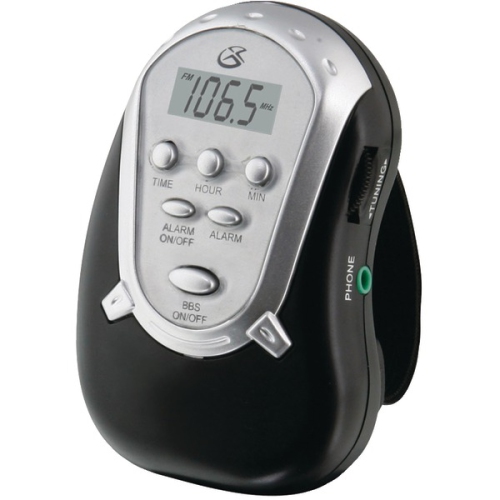 Your price for this item is $116.68
-
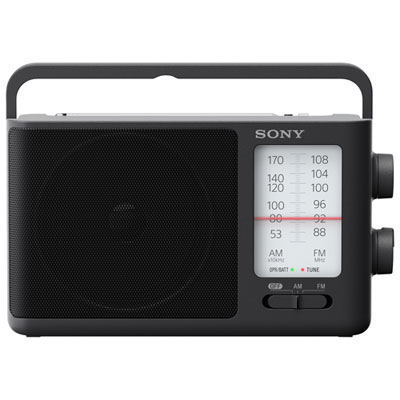 Your price for this item is $69.99
-
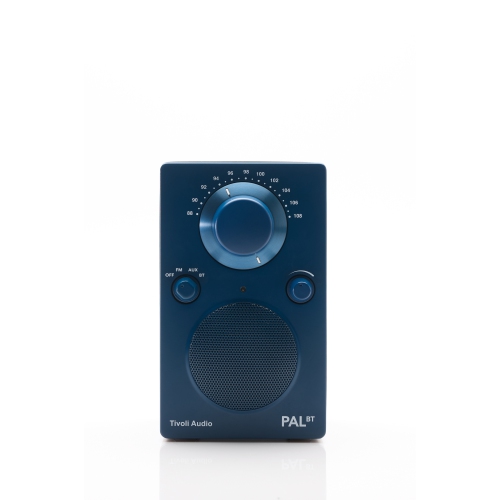 Your price for this item is $279
-
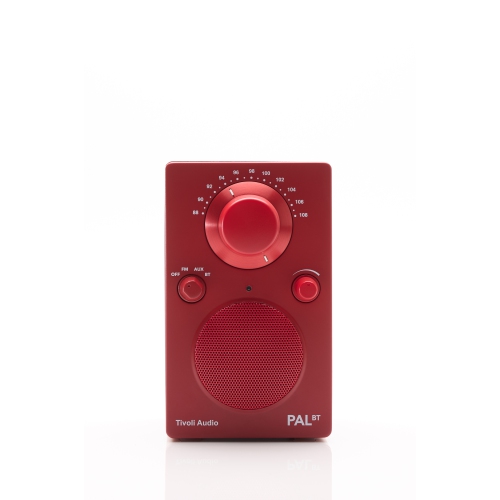 Your price for this item is $279
-
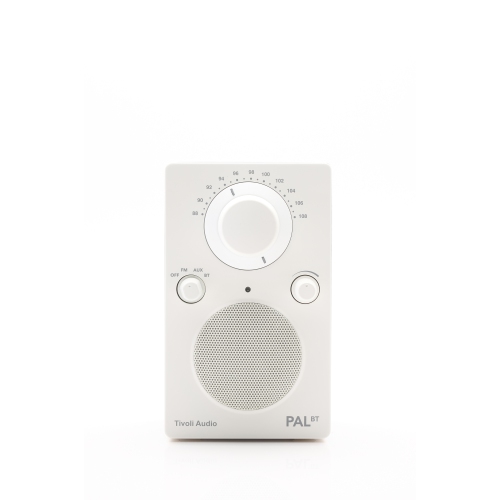 Your price for this item is $279
-
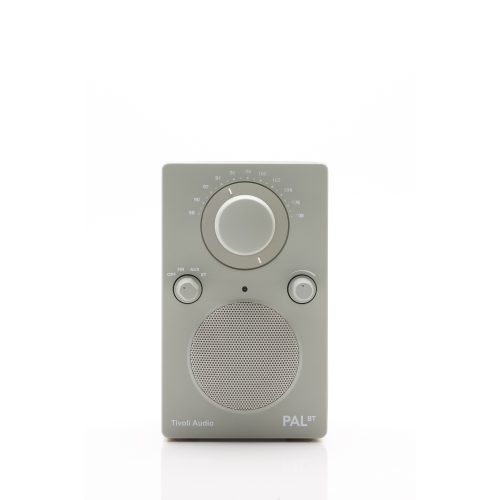 Your price for this item is $279
-
 Your price for this item is $39.95
-
 Your price for this item is $45.99
Discover more categories related to Portable Cassette Recorders


Top Collections:
Pokemon Centers, Kindle Devices, Best Cameras for Sports Photography, Pokémon 30th Celebration Cards, Apple iPhones 16, Canon G7X Cameras, iPhone 15 Apple, Flip Phones, Samsung Galaxy Phones, Alarm Clock
Some products may be subject to Environmental Handling Fees
(EHF) depending on your province.
Learn more about EHFs.