Sonos Arc Ultra Soundbars
Elevate your home entertainment experience with the Sonos Arc Ultra Soundbar. Designed to deliver impressive audio performance, this soundbar seamlessly blends into any living space while enhancing your favorite movies, music, and TV shows. With its modern design and user-friendly setup, the Sonos Arc Ultra Soundbar is an excellent choice for those looking to upgrade their audio system. Discover how this premium soundbar can transform your listening experience and become the centerpiece of your home theater setup.
Sort
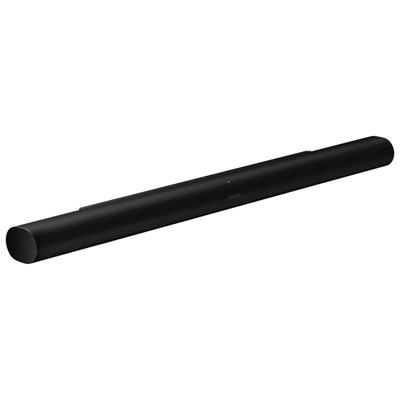
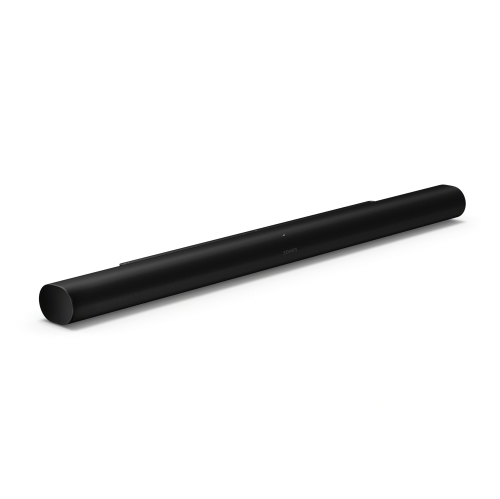
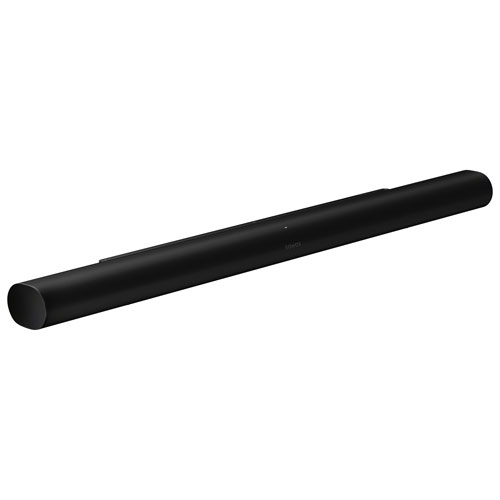



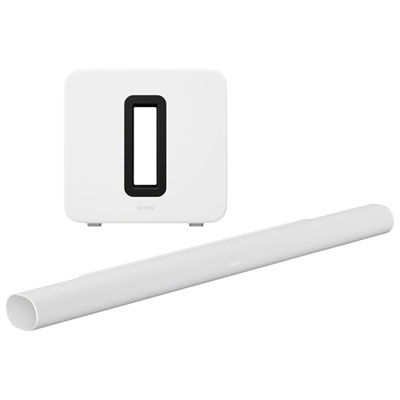
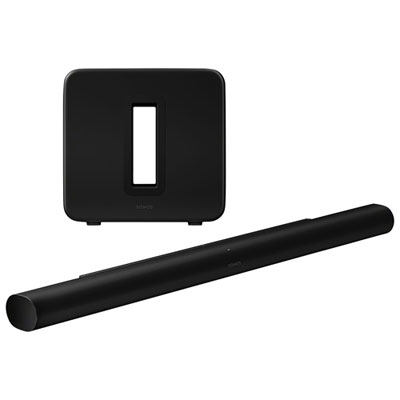

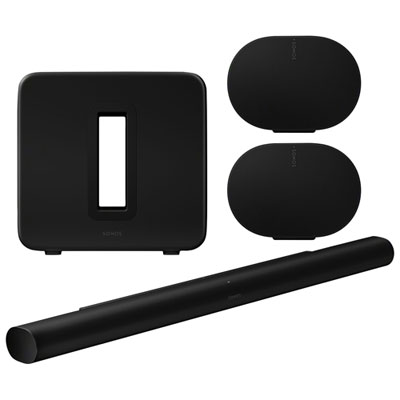
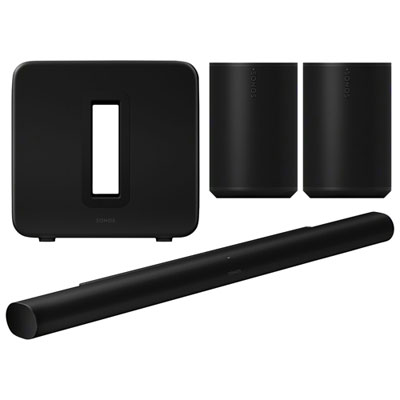



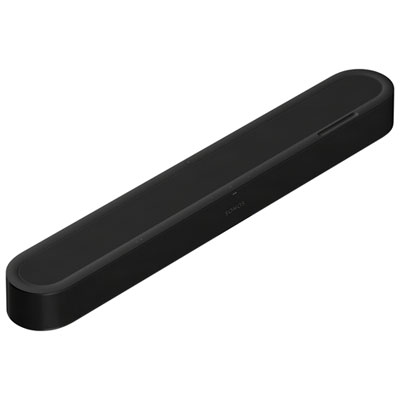

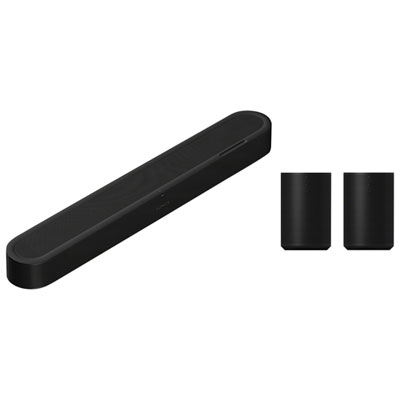
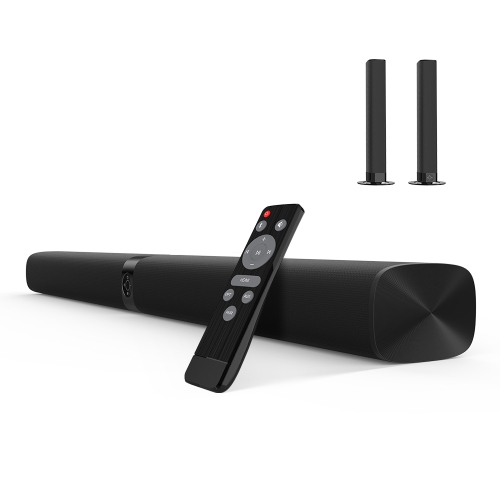
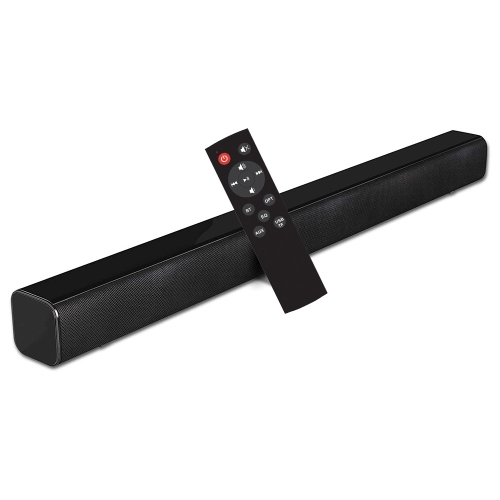
Immersive sound without a room full of speakers
Premium 9.1.4-channel soundbars bring dialogue, music, and cinematic effects into a single, streamlined speaker enclosure designed to sit beneath a television. The channel designation describes nine ear-level audio channels, one low-frequency effects channel, and four height channels in the intended playback layout; it does not mean that fourteen separate speaker cabinets need to be arranged around the room. With compatible object-based audio, a soundbar can create a sense of movement above and around the listening position, giving a passing aircraft, a rolling wave, or the atmosphere of a concert hall more dimension. The result depends on the recording, the television’s audio output, the soundbar’s capabilities, and the room itself. Height effects produced by upward-firing drivers generally work best with a flat, reflective ceiling, while vaulted ceilings and large openings can make those effects less distinct. Beyond surround effects, a capable soundbar can make everyday television more comfortable to follow. Dialogue enhancement can help separate speech from busy background sound, making a softly spoken exchange easier to hear without turning every action sequence into a sudden jump in volume. Bass performance also matters: a well-controlled low end gives drums, film scores, and dramatic effects weight without masking voices. Advanced transducer designs can produce substantial bass from a relatively slim enclosure, although a compatible separate subwoofer may suit listeners who want more impact in a larger space. These soundbars appeal to film enthusiasts, people who stream live performances, and households that want better television sound without making a full set of speaker cabinets the centrepiece of the room. For games, a wider soundstage can add a sense of space to a stadium crowd or an expansive landscape, though precise positional effects vary with the audio mix and setup. Music benefits from balanced tuning too, particularly when vocals remain clear and instruments retain their individual character rather than blending into a wall of sound.
Physical fit is as important as audio performance when choosing a long soundbar for a living room, den, or media space. The enclosure needs enough width on the furniture to sit securely, and its height should leave the bottom of the television picture unobstructed. Television feet, an infrared receiver, and the clearance beneath the screen can all affect placement, even when the soundbar’s width looks suitable at first glance. A low shelf tucked inside a cabinet may appear tidy, but it can block upward-firing or side-firing drivers and reduce the sense of openness the speaker is designed to create. An exposed position near the front edge of a stable media unit generally gives sound fewer obstacles, provided the manufacturer’s clearance requirements are followed. Wall mounting can keep the furniture surface clear, but it calls for a compatible bracket, suitable wall fixings, and enough room between the television and speaker for the drivers to work properly. Access to power and the television’s audio connection should be considered before cables are concealed. Rigid enclosures and carefully fitted grilles help protect the drivers during ordinary household use, but a soundbar is still an indoor electronic device rather than a surface for ornaments, drinks, or game controllers. Fabrics and perforated grilles can catch dust, while smooth finishes may show fingerprints; a soft, dry microfibre cloth is a useful starting point for routine care, with any further cleaning kept within the manufacturer’s directions. Liquid cleaners, pressure on the grille, and objects pushed into openings can damage delicate components. Durability also depends on practical placement away from splashes, direct heat sources, and edges where the enclosure could be knocked. The listening space deserves the same attention as the furniture. Rugs, upholstered seating, and curtains can soften excessive reflections, while a very bare room may make voices sound sharper or less focused. Room-tuning features, where supported, can help adjust playback to the space, but they cannot fully compensate for blocked drivers or an unsuitable position.
Connections and everyday controls determine how naturally a soundbar fits into a household’s routines. A television with an HDMI eARC connection can pass compatible high-bandwidth audio formats to a suitably equipped soundbar, while the formats available through an older ARC connection may be more limited. The streaming app, playback device, television settings, cable, and soundbar all play a part, so an immersive audio label on a film does not guarantee that the complete signal reaches the speaker. A direct connection between a television and soundbar can keep daily operation simple, especially when compatible control features allow the television remote to handle volume. Wireless connectivity serves a different purpose: Wi-Fi can support music streaming, app-based adjustments, and compatible multi-room playback, while other wireless options may provide a convenient way to play audio from a nearby mobile device. Support varies, and features such as voice control, speech enhancement, room tuning, and late-night listening modes are worth considering according to how the system will actually be used. A household watching dialogue-heavy dramas may value clear speech and straightforward remote operation more than extensive settings. Someone who listens to albums throughout the day may place greater importance on music services and control from a phone. In a shared home, a mode that reduces the difference between quiet passages and loud effects can make evening viewing easier to manage, although it will not eliminate sound travelling through walls. Compatible rear speakers and subwoofers can extend certain systems over time, but wireless linking still usually leaves each powered component needing access to an electrical outlet. The related Sonos Arc Soundbars collection provides another point of comparison for a television-centred audio setup. For a gift recipient, the most useful considerations are the television connections, available space, and any existing audio components, rather than appearance alone. A soundbar that fits those details can become an everyday part of film nights, music listening, and relaxed television viewing without demanding a complicated routine each time it is switched on.
Top selling and popular products
-
 Your price for this item is $1379.99
-
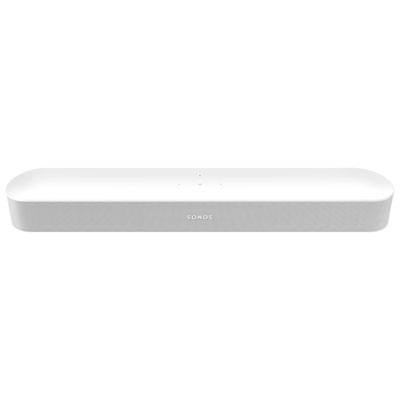 Your price for this item is $649.99
-
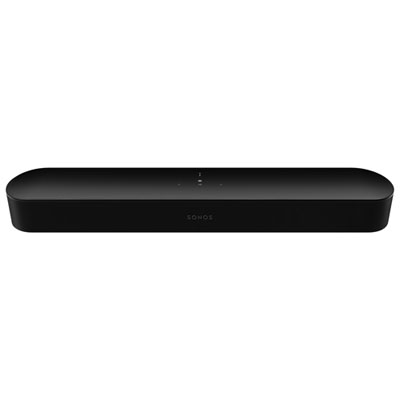 Your price for this item is $649.99
-
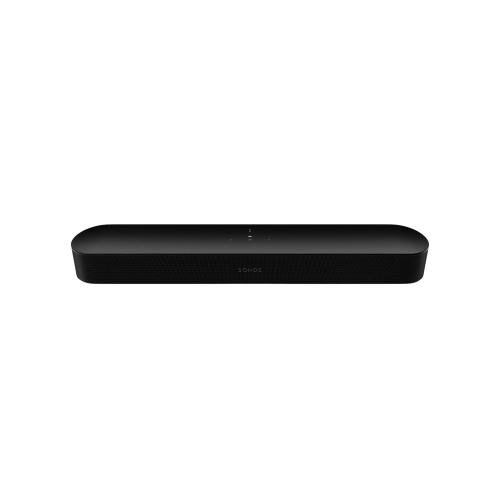 Your price for this item is $649.99
-
 Your price for this item is $329.99
-
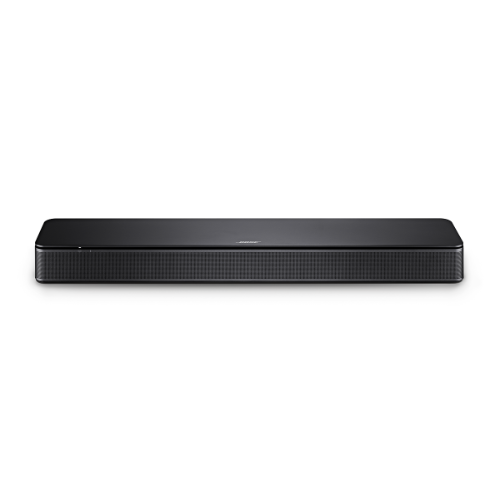 Your price for this item is $284.99
-
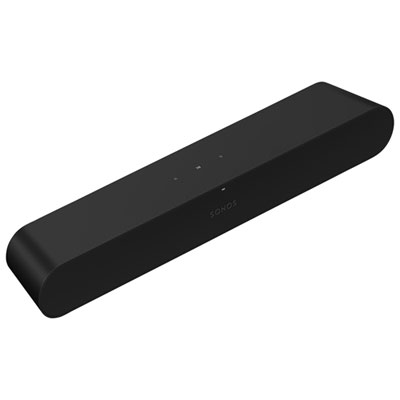 Your price for this item is $289.99
-
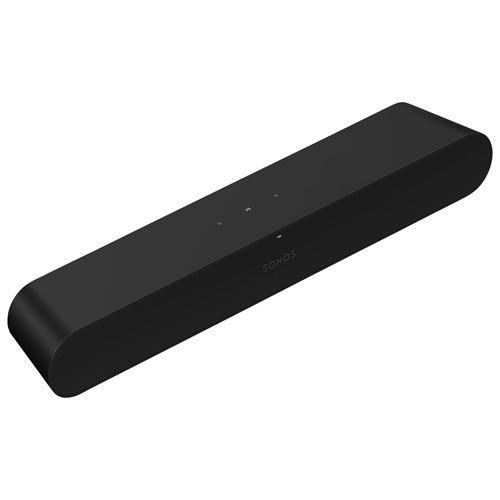 Your price for this item is $299.98
Discover more categories related to Sonos Arc Ultra Soundbars

Top Collections:
Best Black Friday Deals This Year, Best Black Friday Deals On Electronics, Kindle Devices, Pokemon Centers, Best Black Friday Deals On Apple Products, Best Cameras for Sports Photography, Dyson Airwrap, Pokémon 30th Celebration Cards, Apple iPhone 17 Pro, Canon G7X Cameras
Some products may be subject to Environmental Handling Fees
(EHF) depending on your province.
Learn more about EHFs.