Stereo Loudspeakers
Elevate your audio experience with our selection of stereo loudspeakers, designed to bring your favorite music, movies, and games to life. Whether you're an audiophile seeking crystal-clear sound or simply looking to enhance your home entertainment system, our range of loudspeakers offers something for every listener. Discover powerful bass, rich mids, and sparkling highs that transform any room into a personal concert hall. With sleek designs and advanced technology, these speakers are perfect for any setup, blending seamlessly into your space while delivering exceptional audio quality. Explore the possibilities and find the perfect stereo loudspeakers to suit your style and needs.
Sort
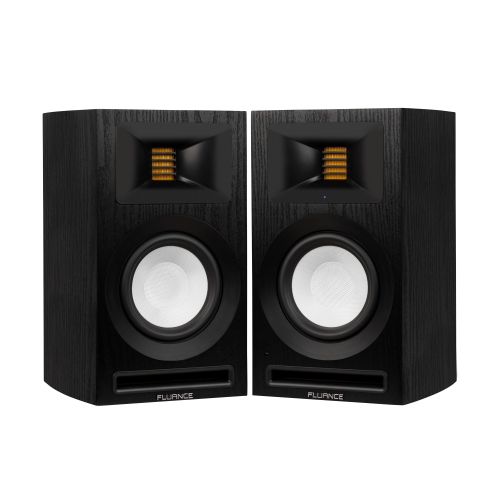

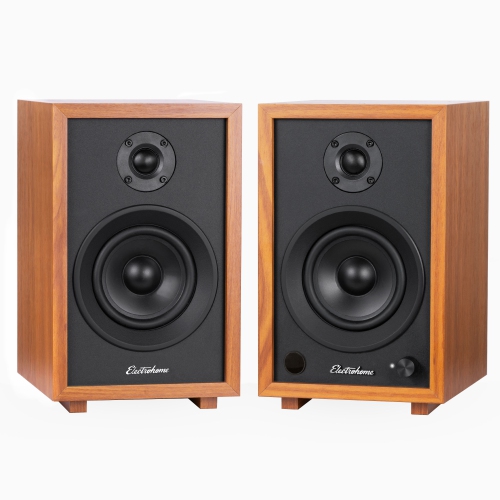


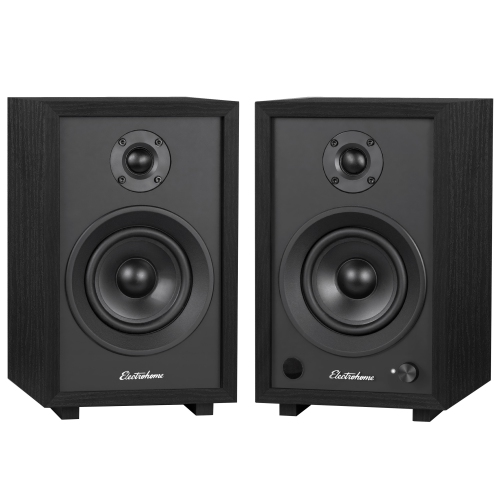

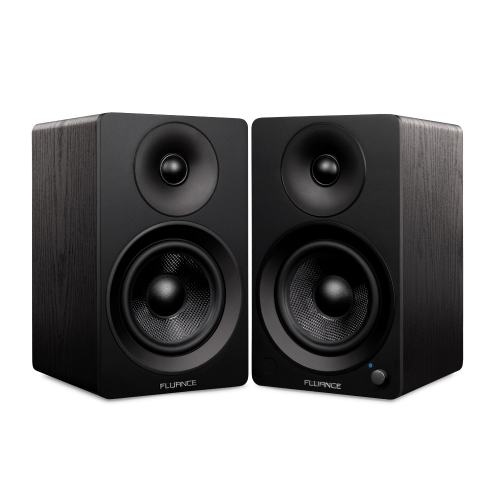


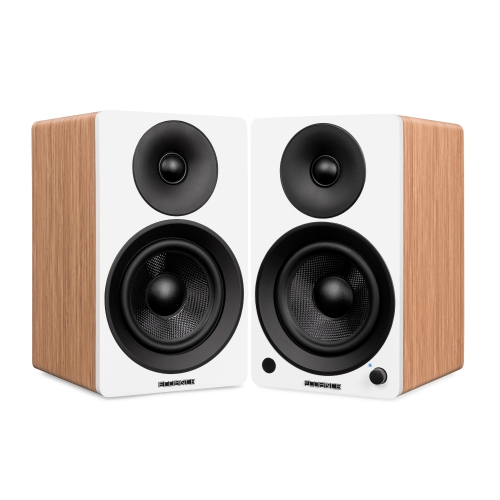

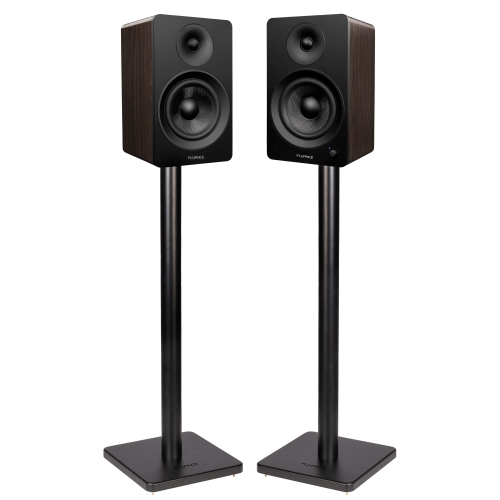
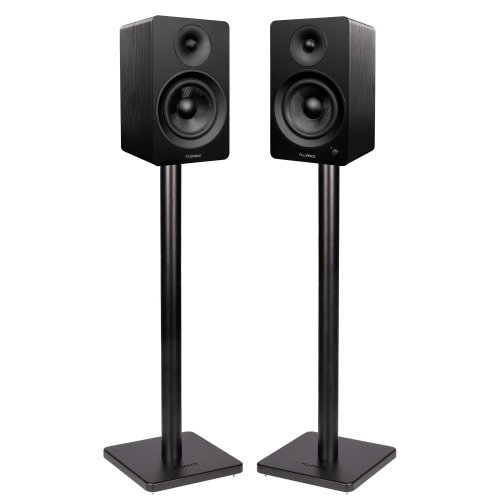
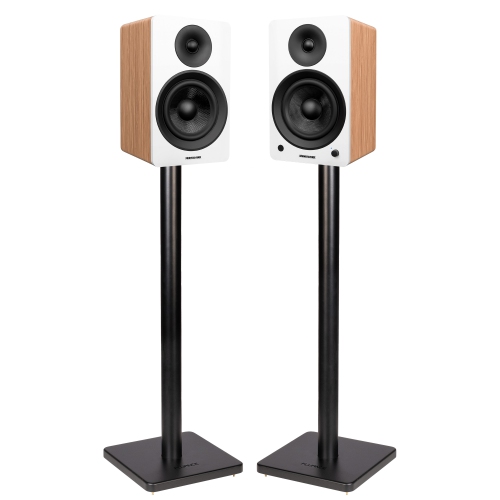




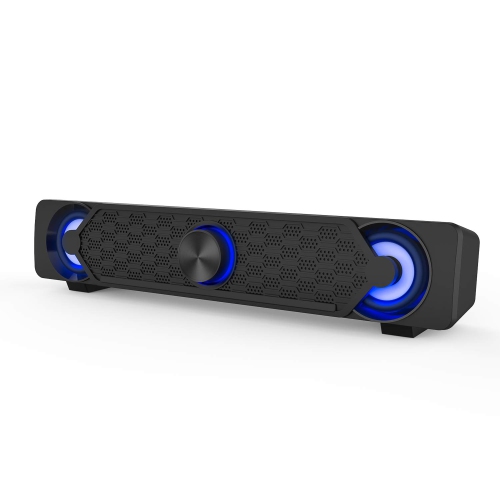

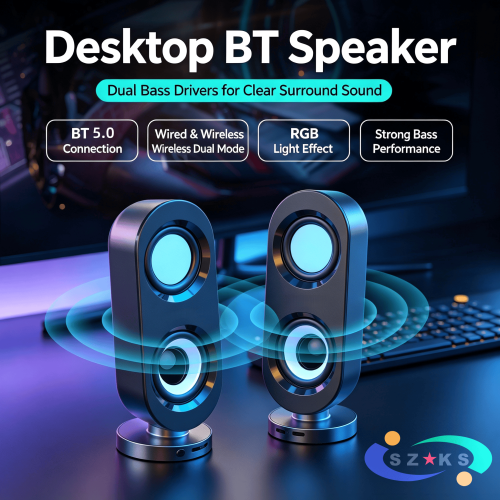
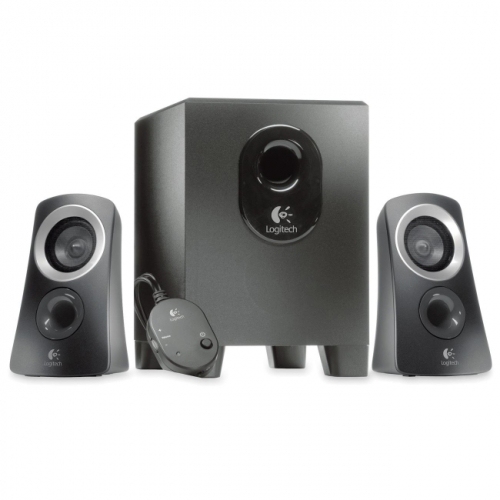
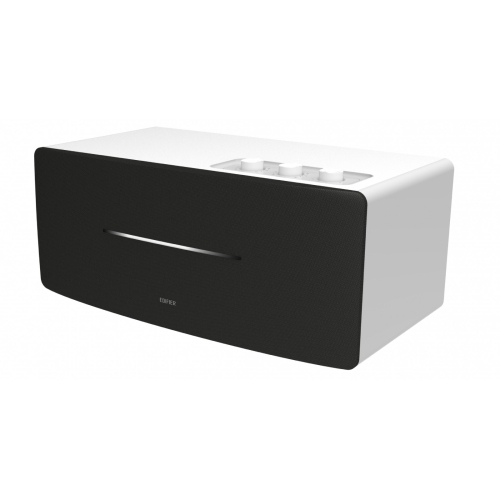










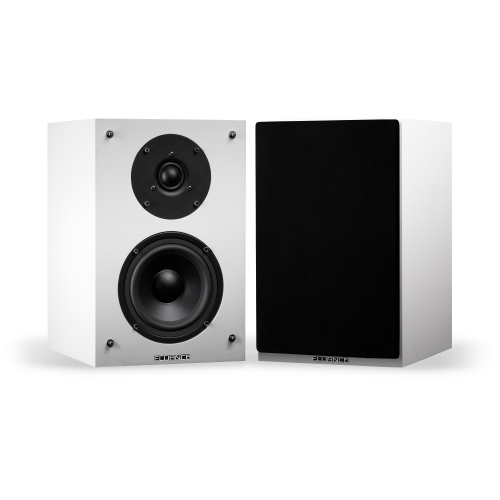


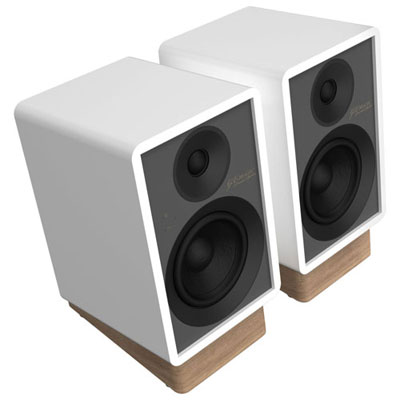

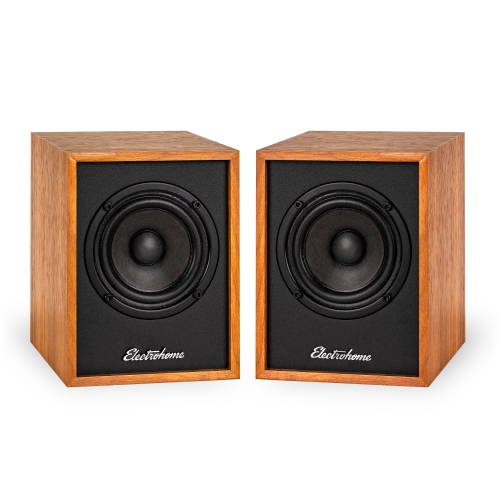
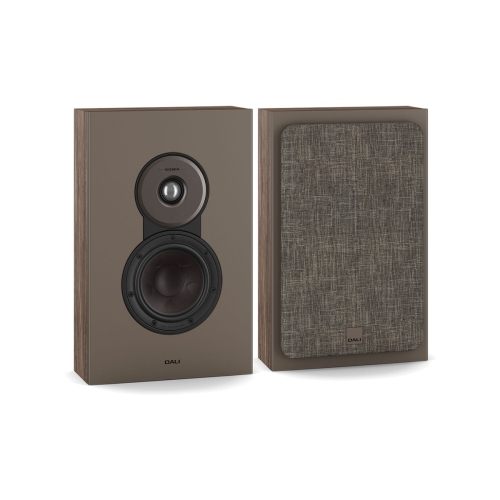






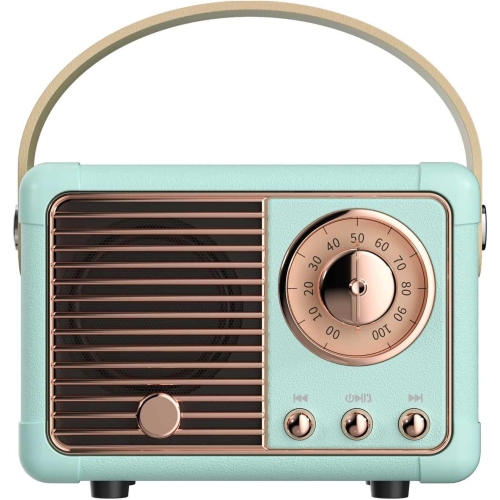
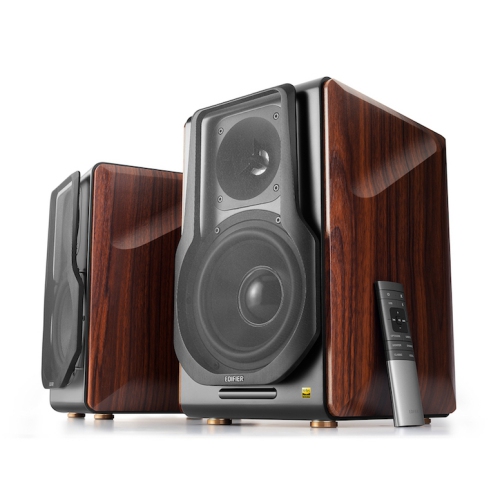

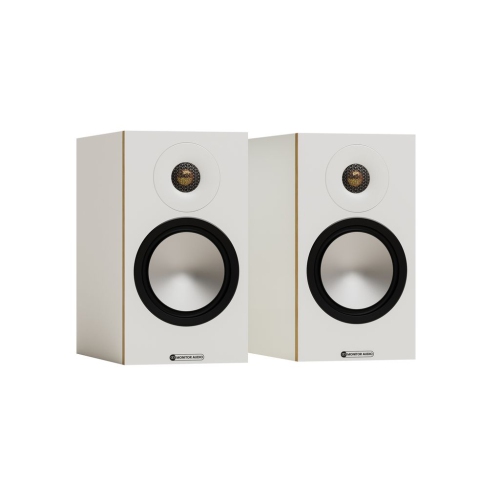


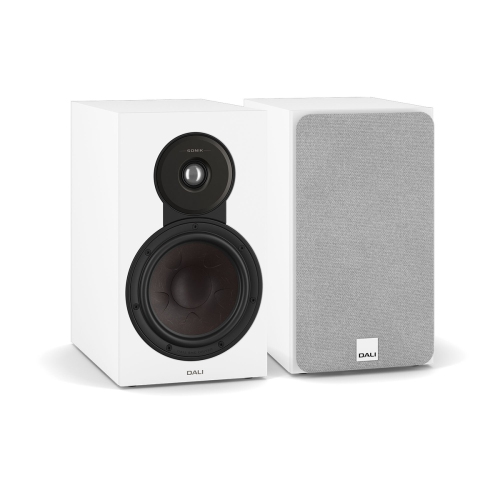
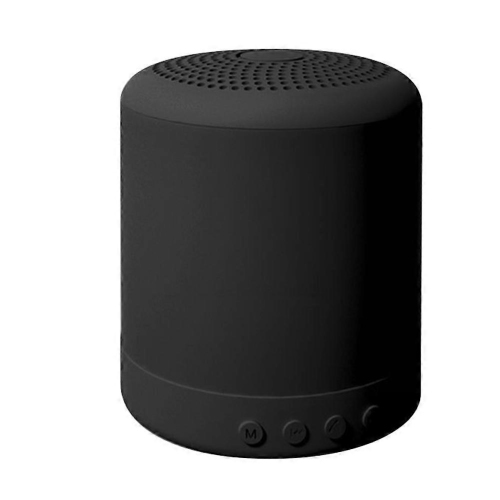


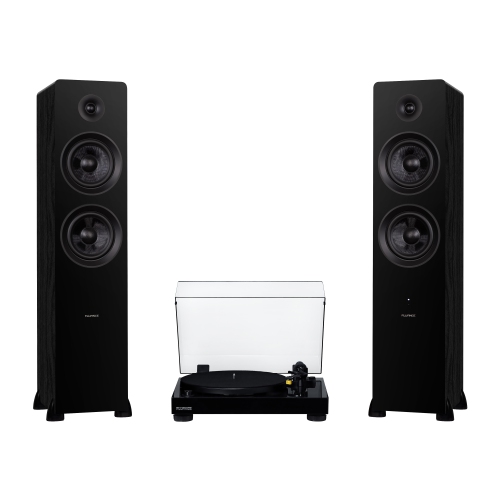
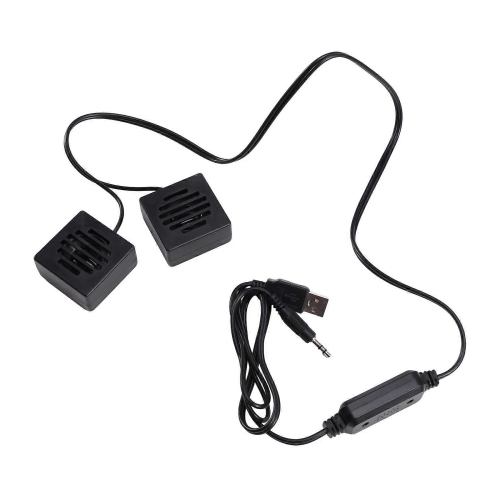







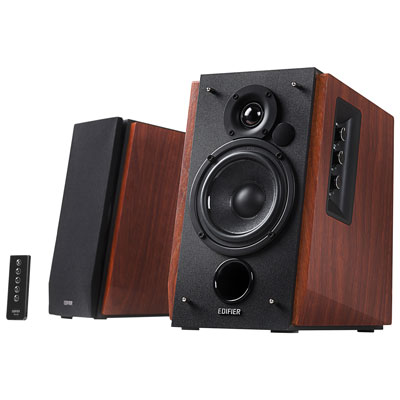
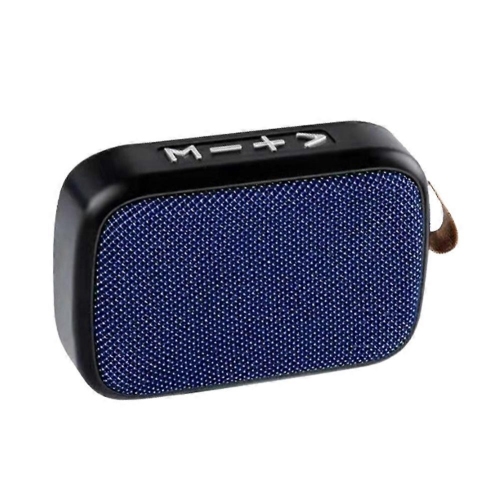
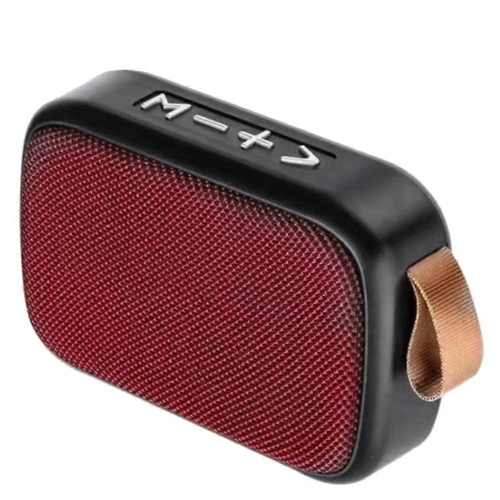
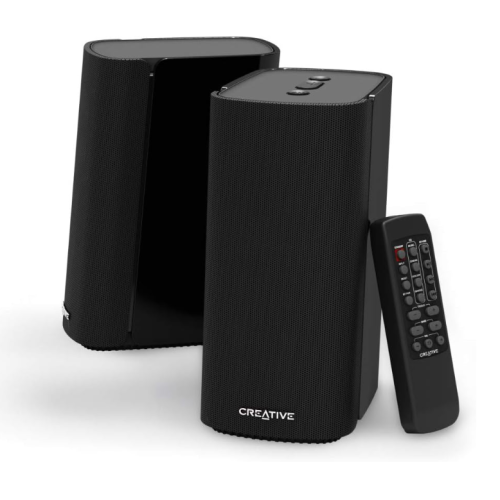
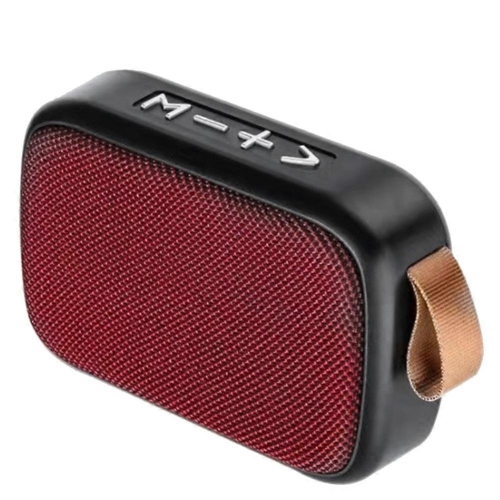
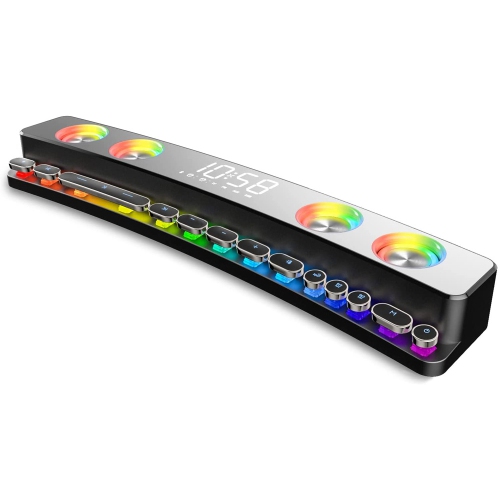
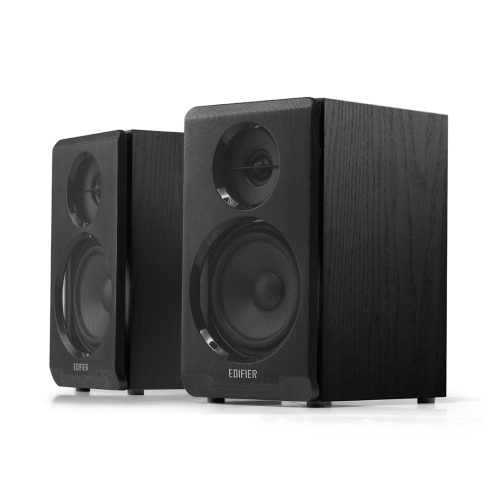
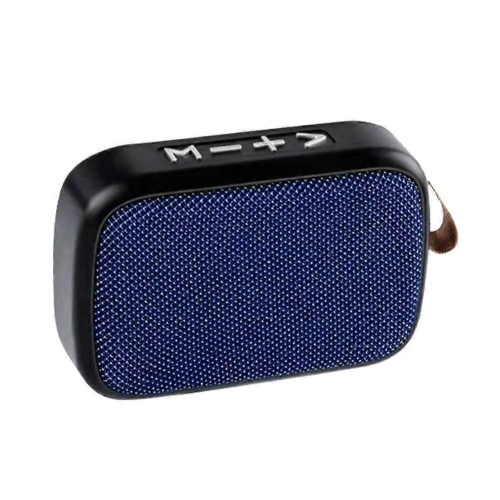




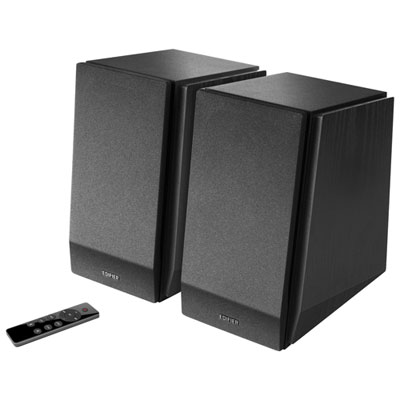
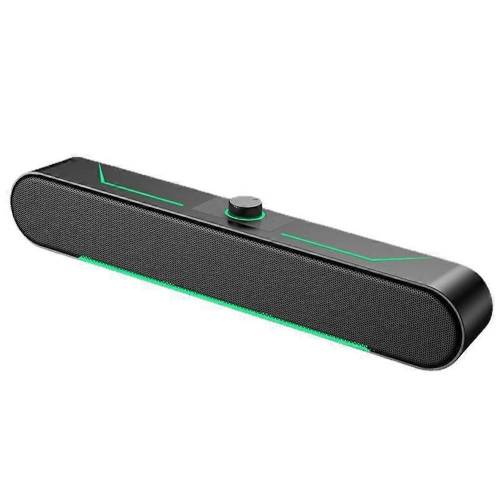
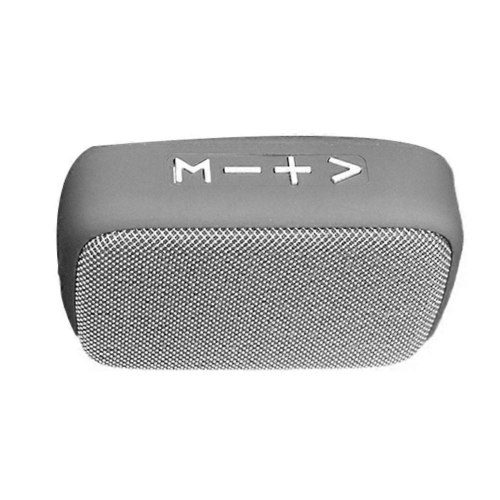
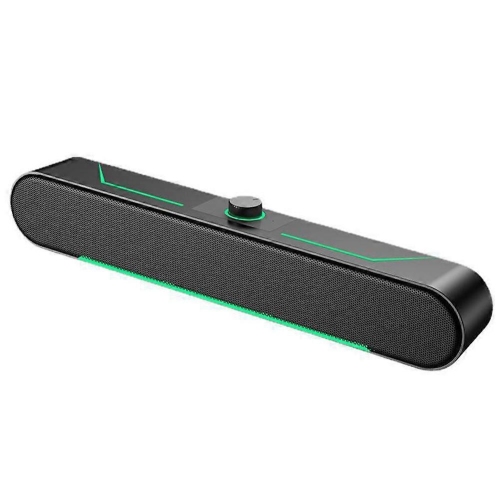
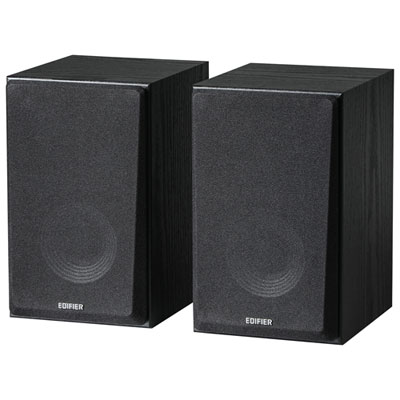
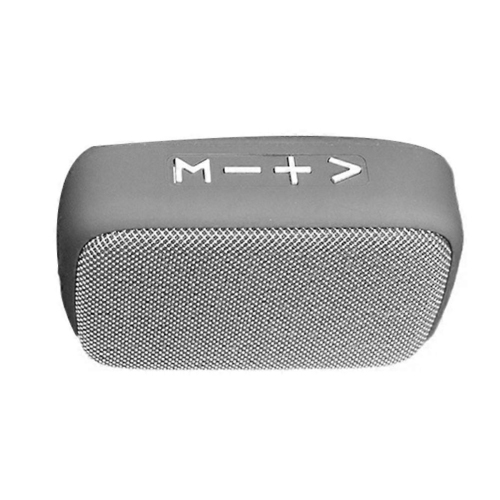
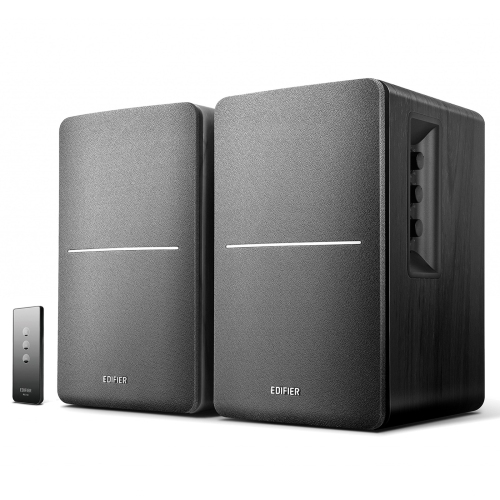
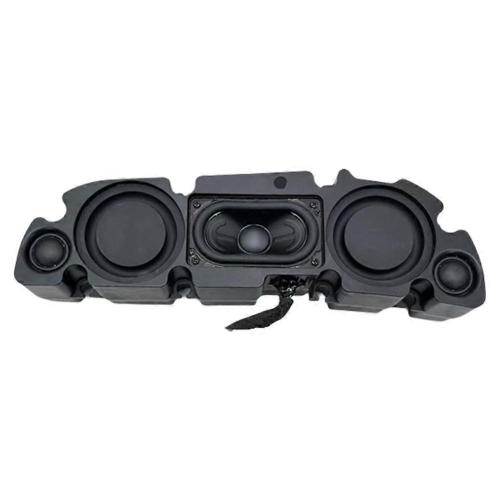
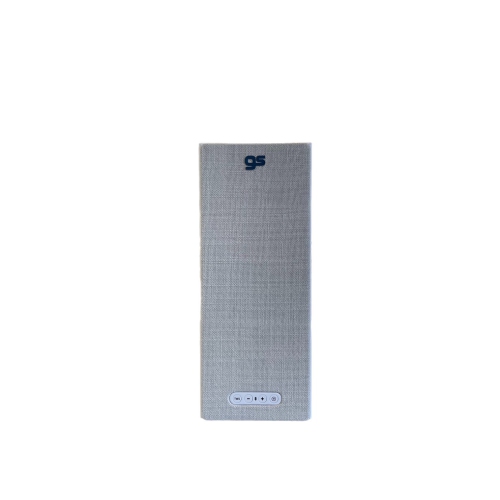

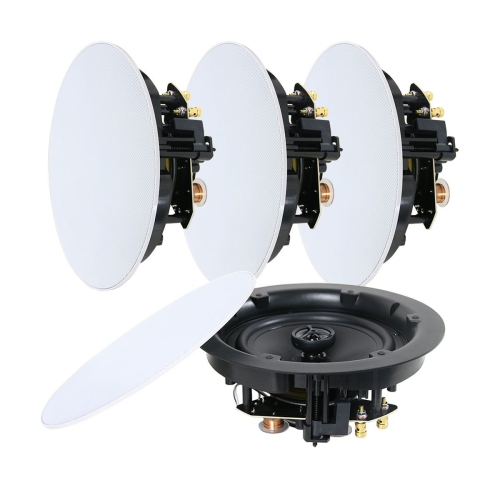

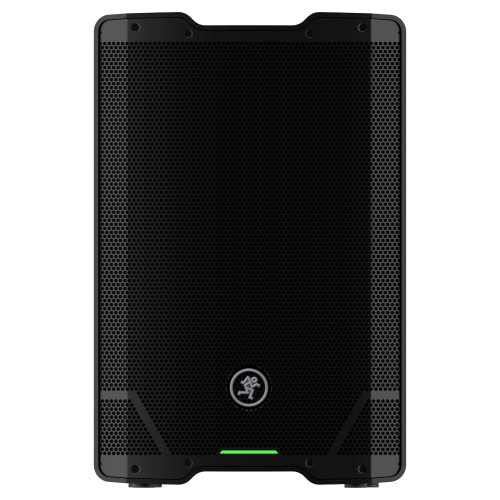
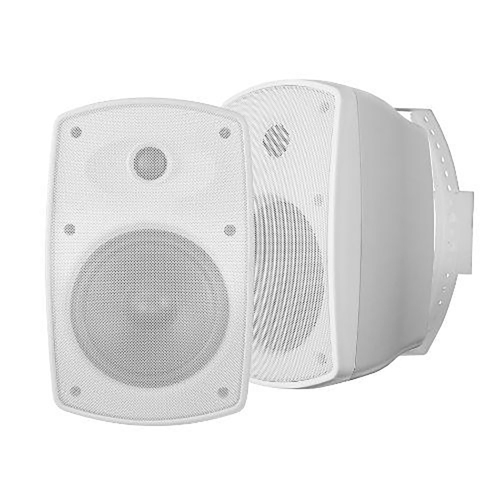

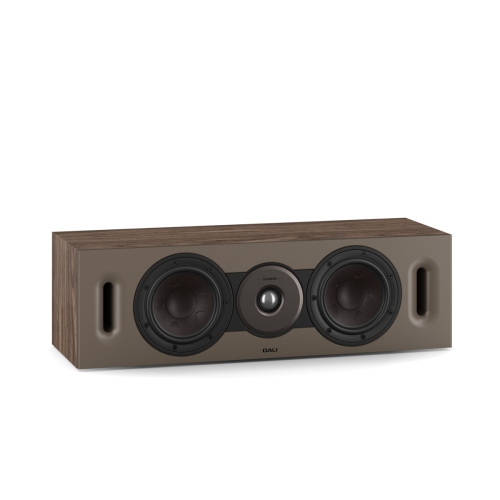
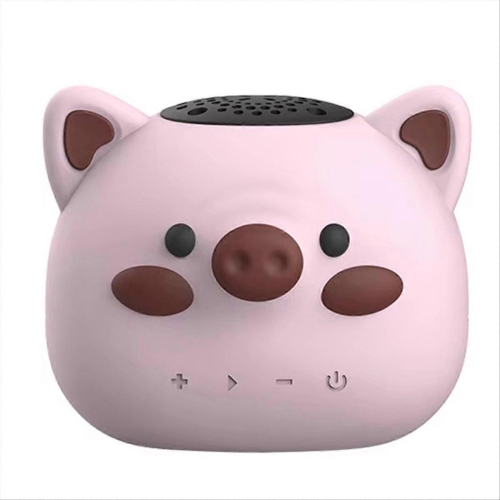
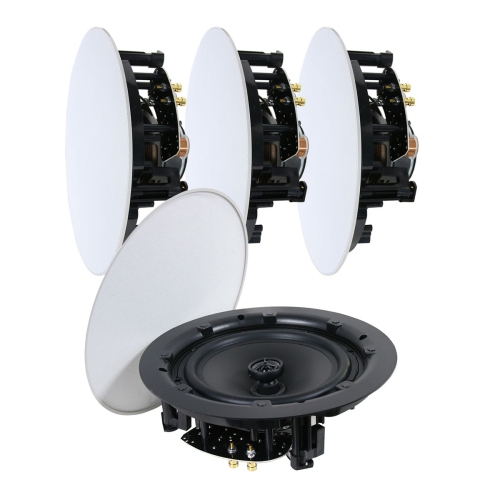






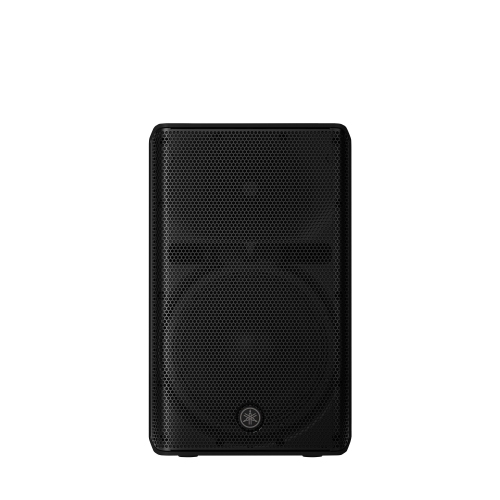
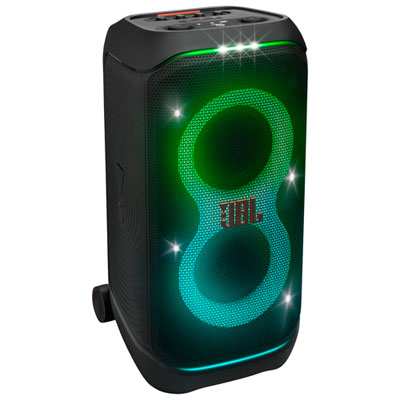
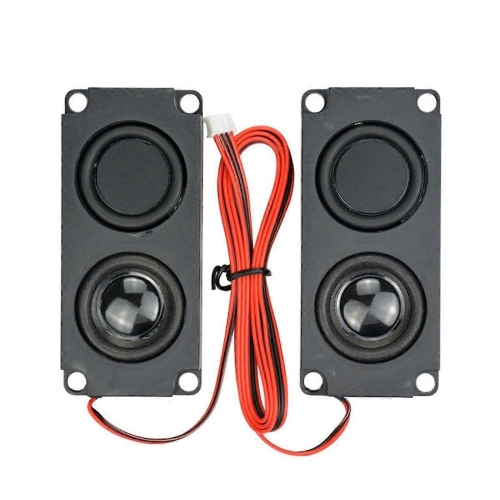

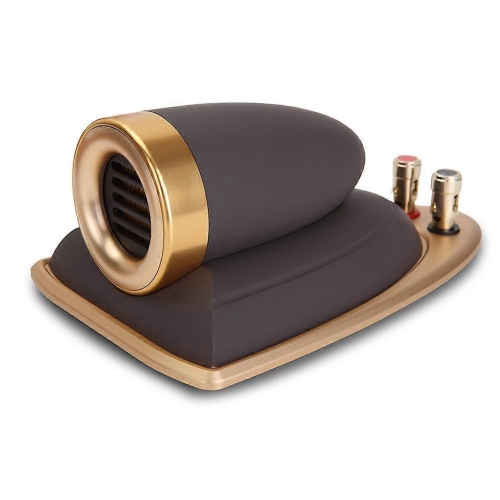
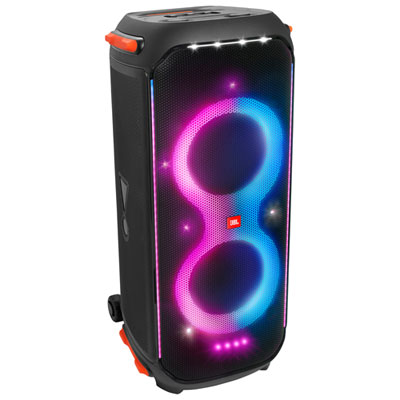


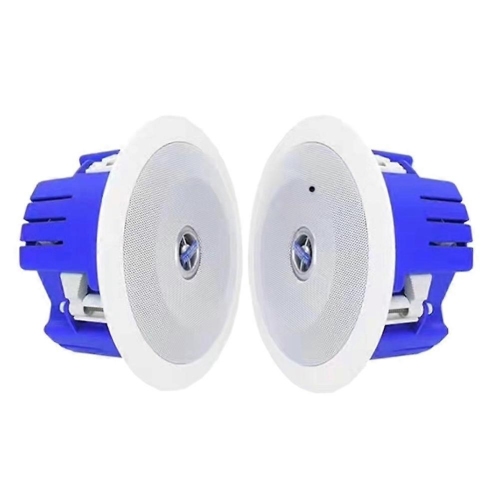
How two speakers give music a sense of space
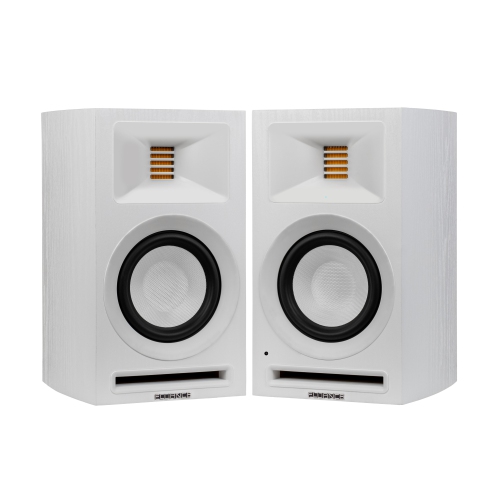
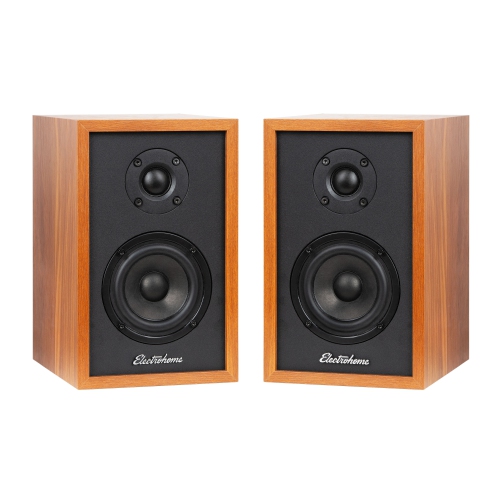
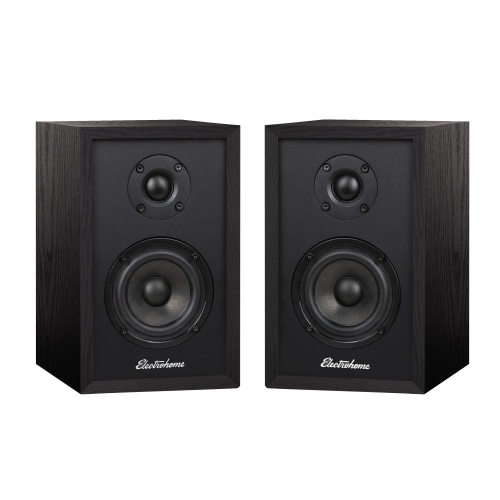
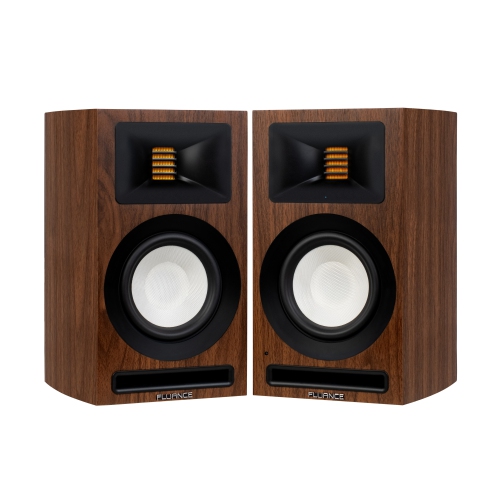
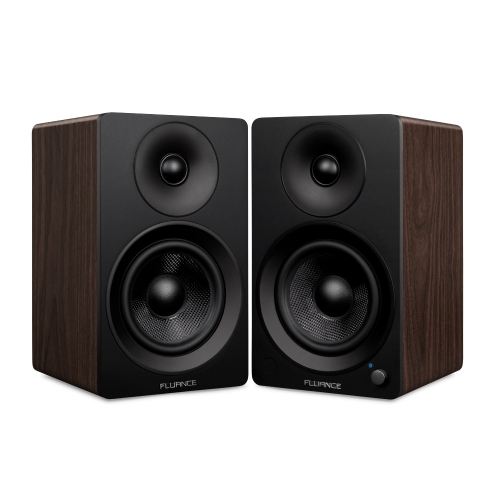
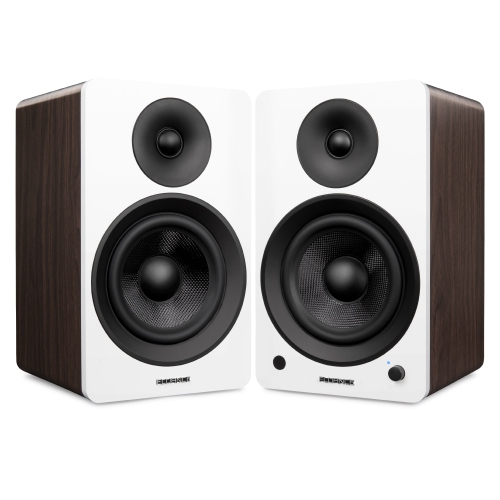
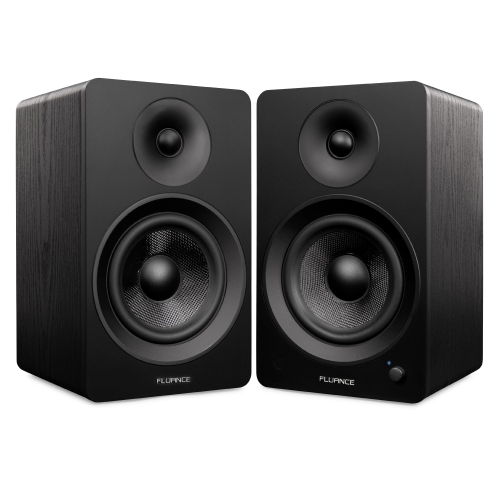
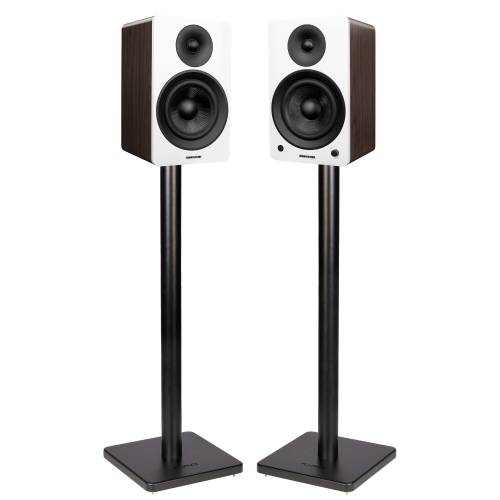
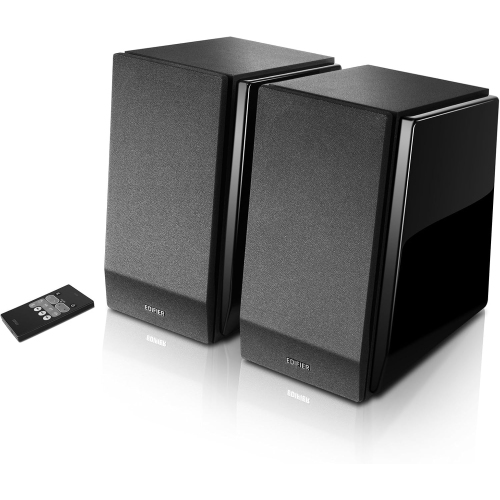
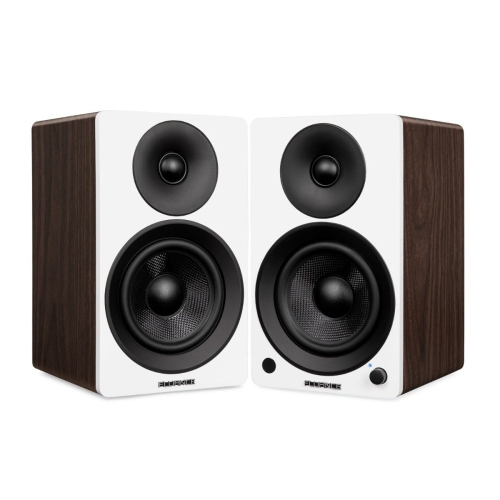
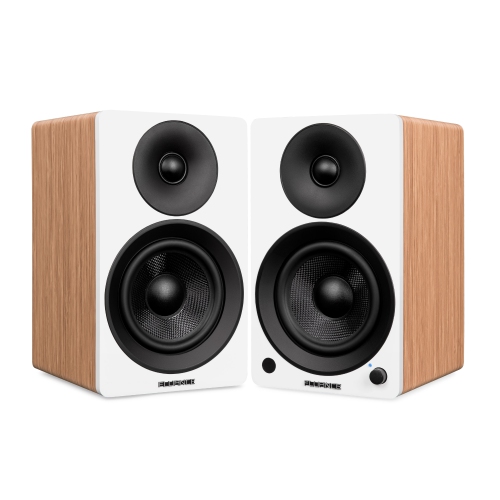
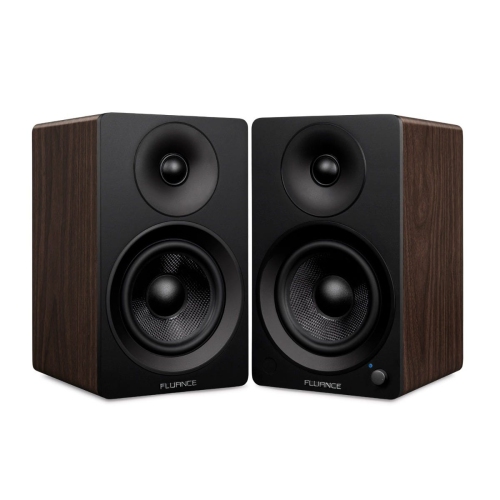
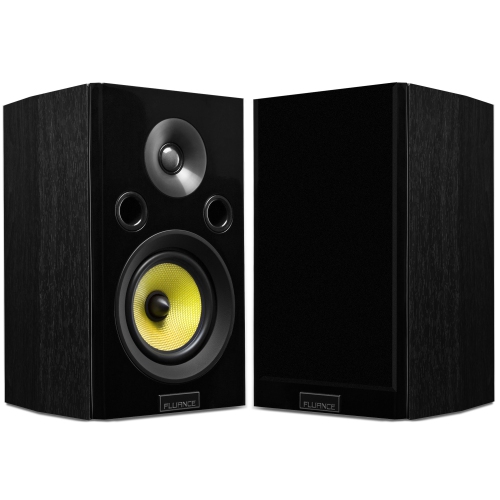
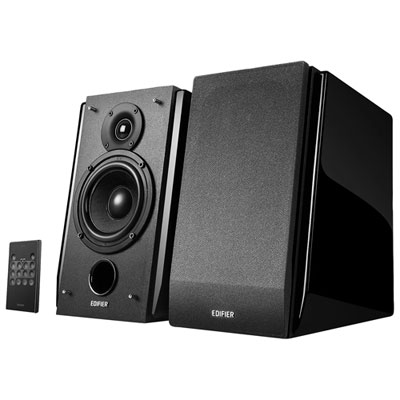
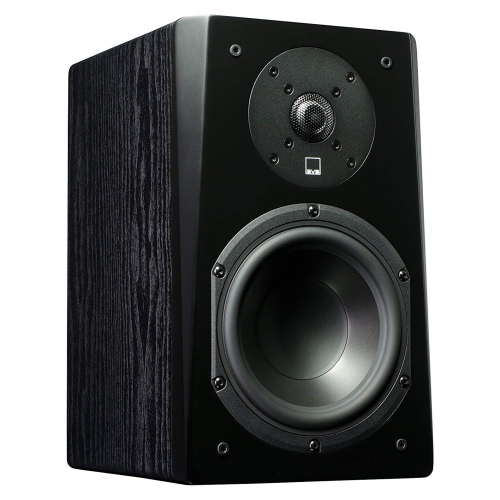
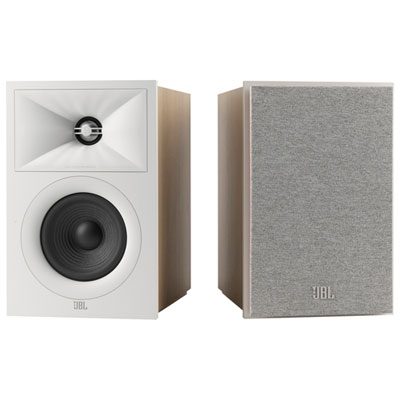
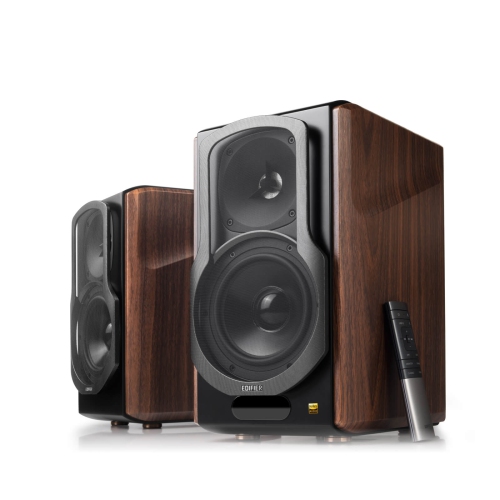
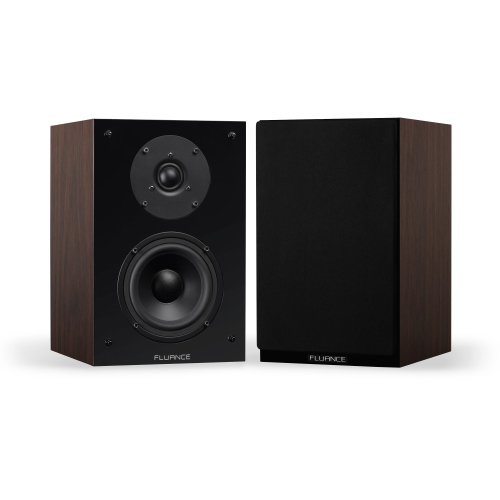
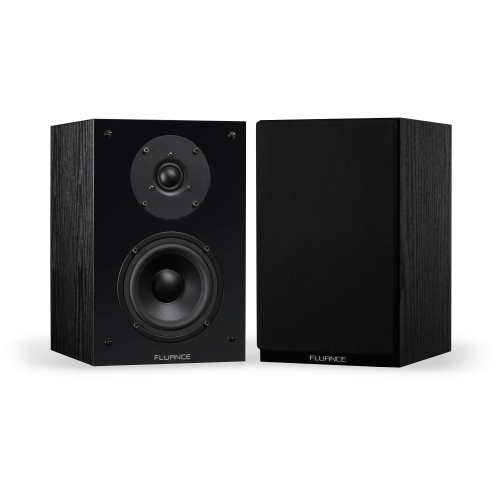
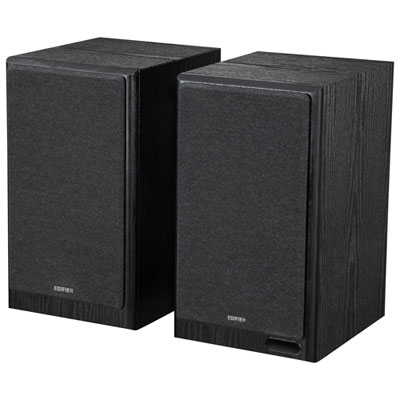
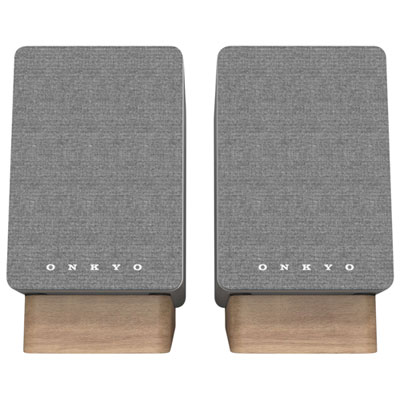
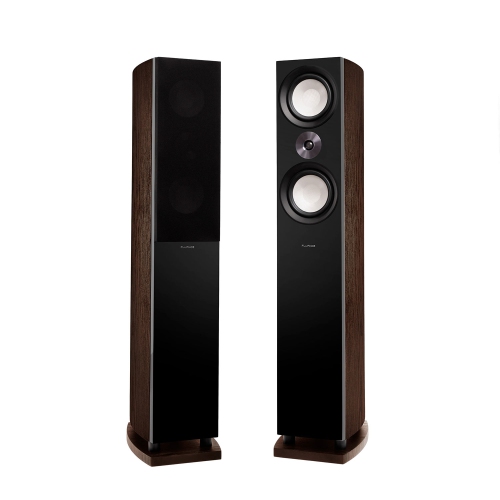
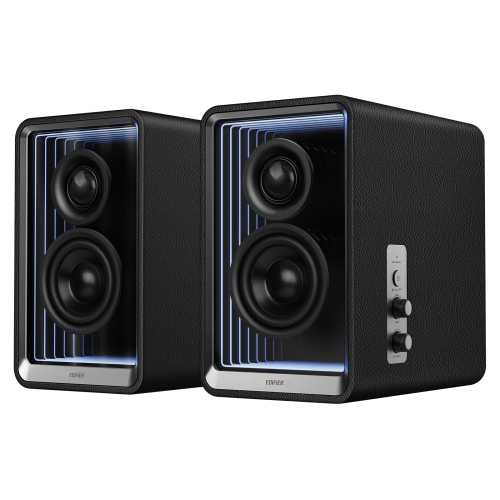
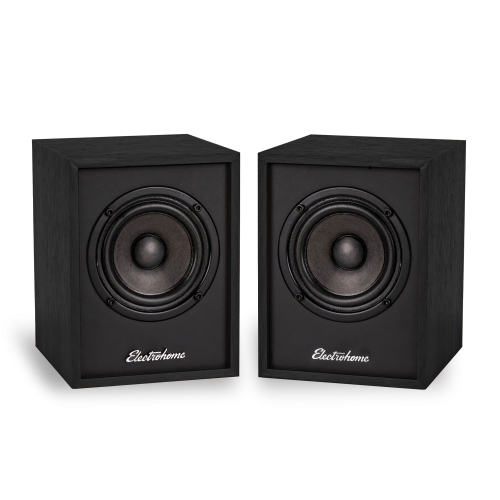
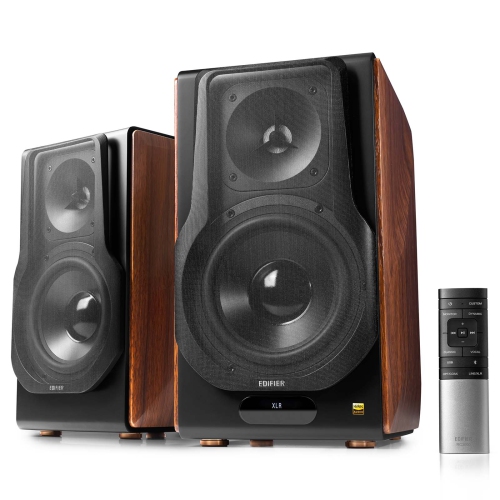
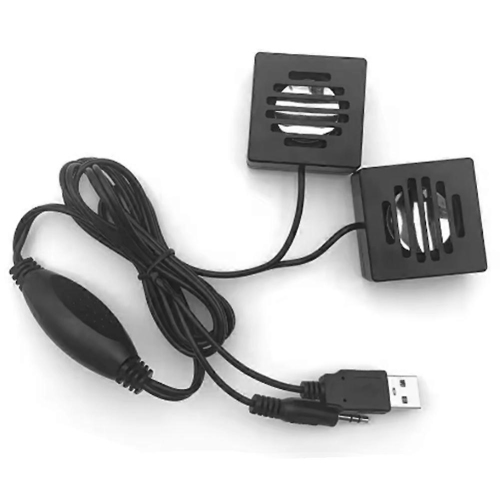
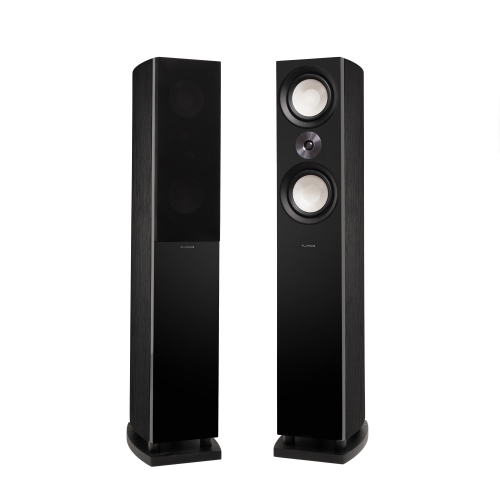
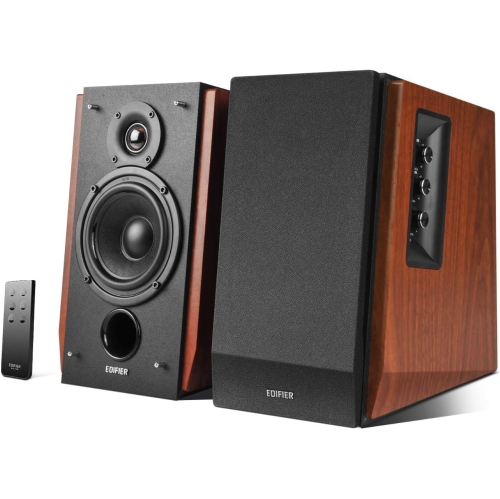
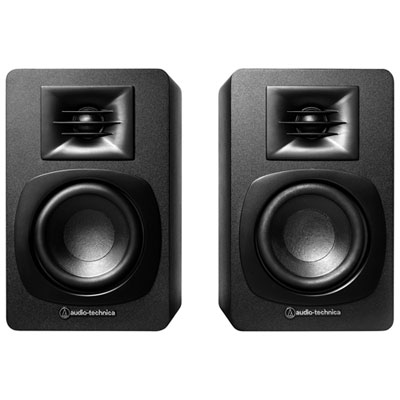
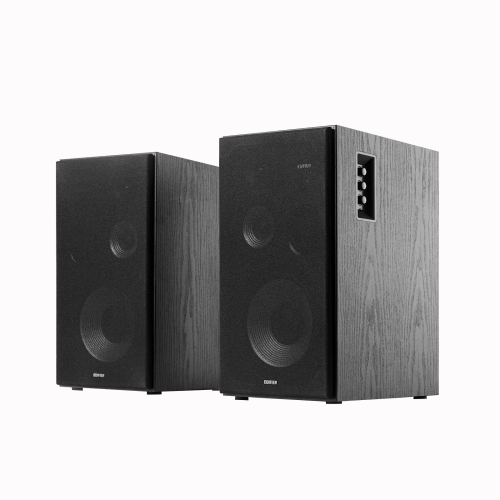
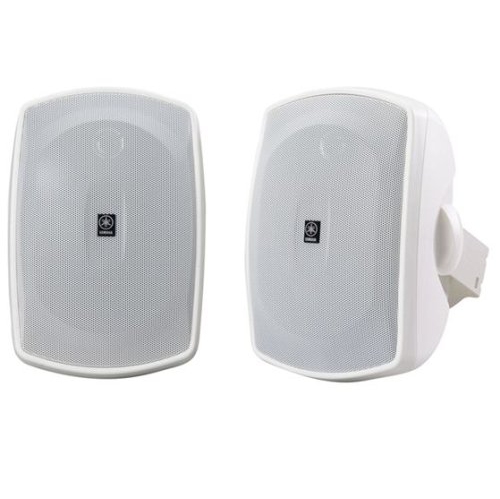
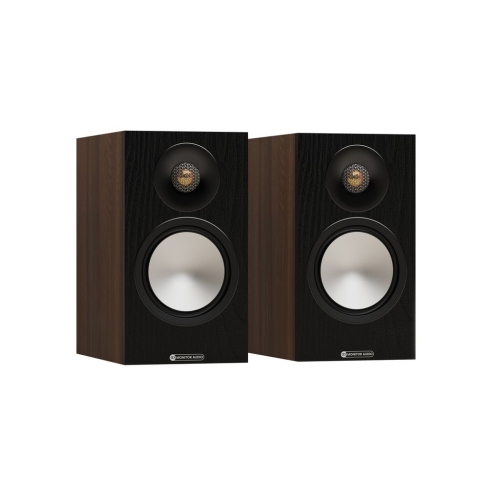
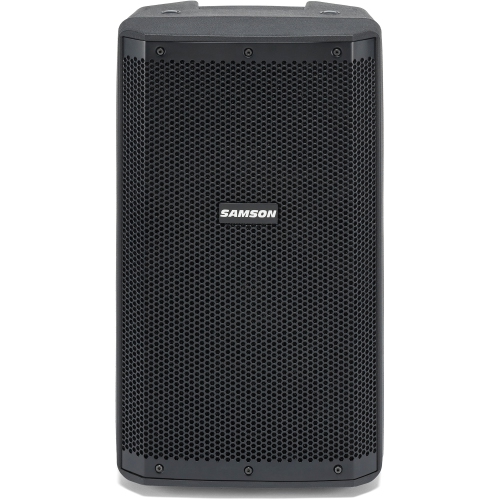
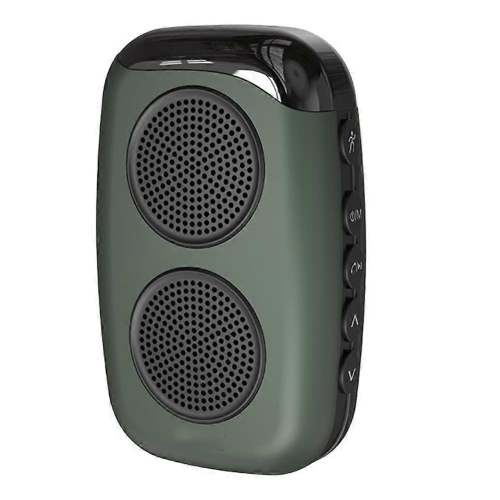
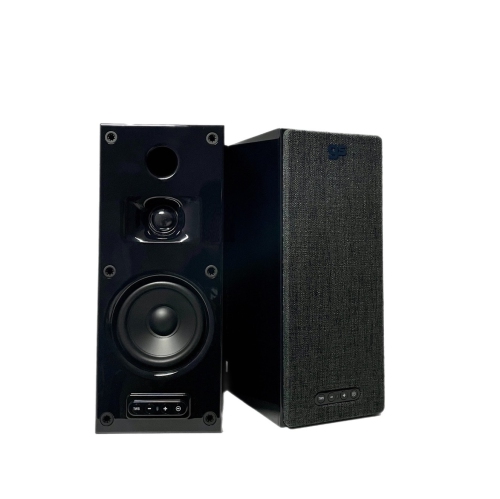
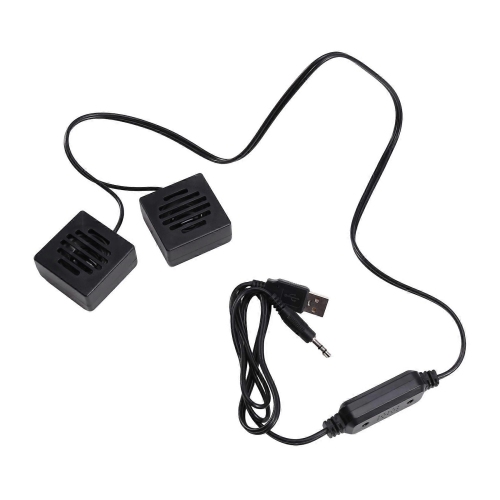
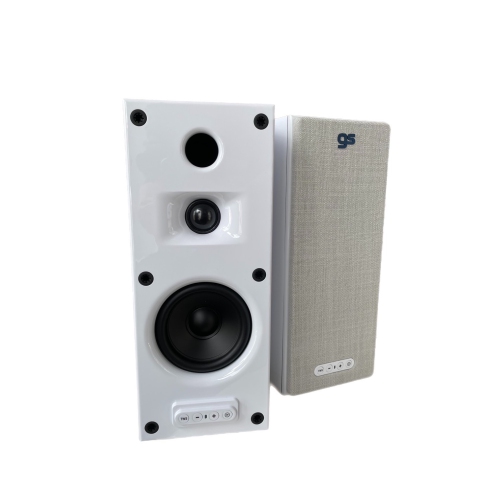
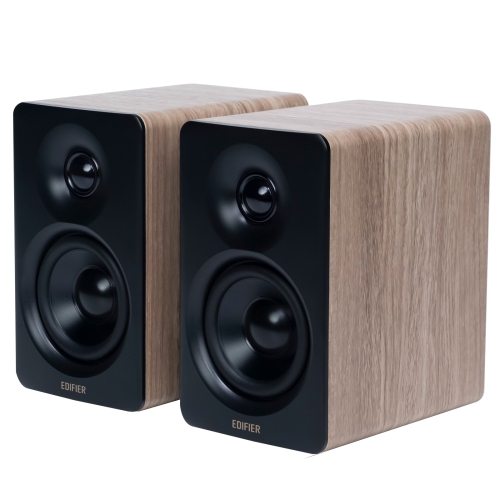
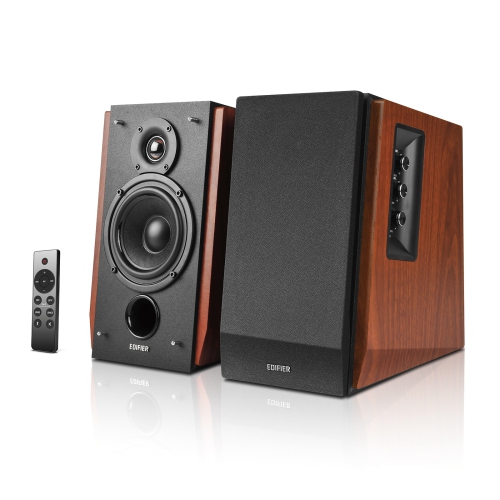
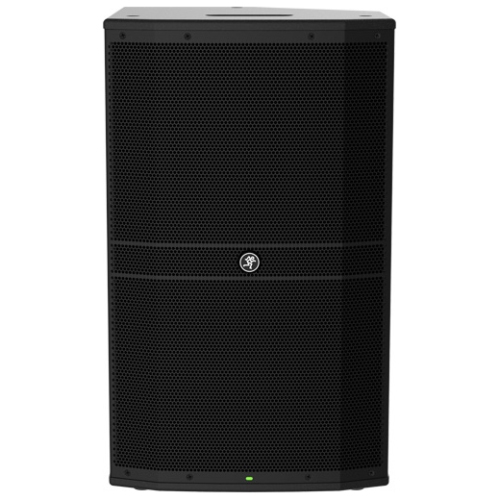
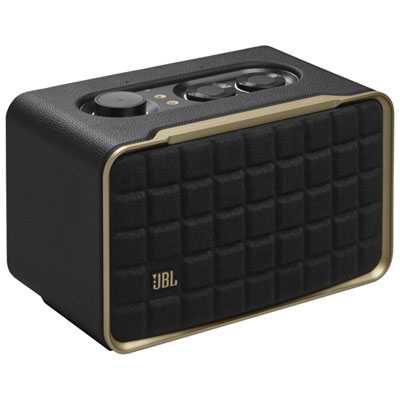
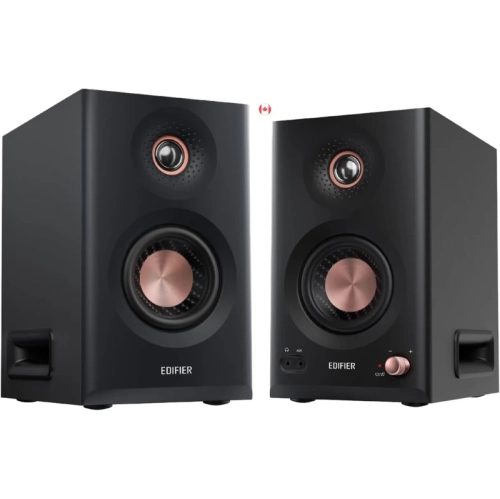
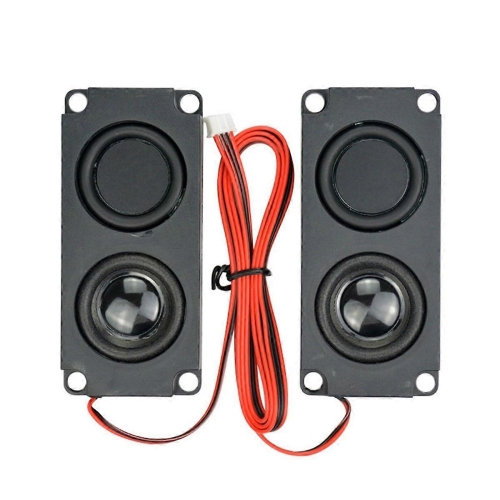
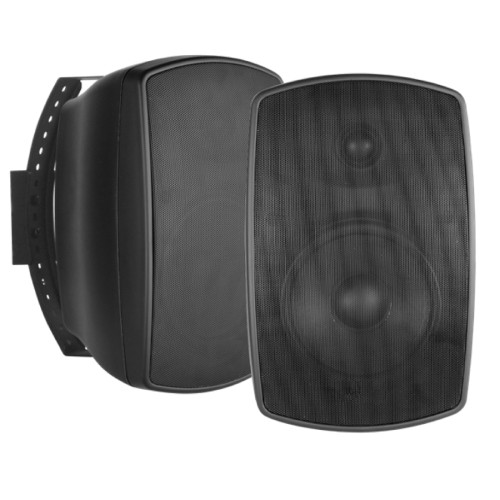
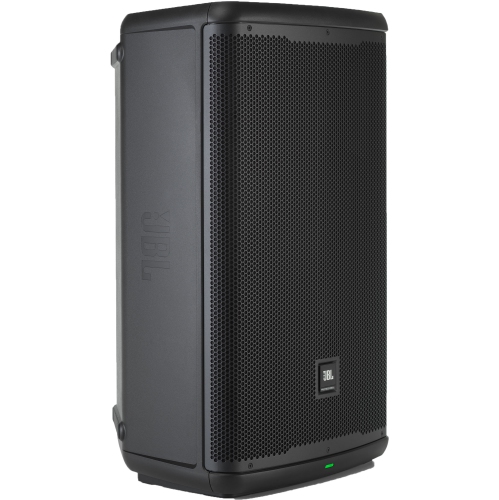
Stereo loudspeakers reproduce separate left and right audio channels, creating a sense of width and position that a single speaker cannot reproduce in the same way. With a well-recorded track and suitable placement, a singer can seem centred between the cabinets while a guitar, piano, or backing vocal occupies a distinct place to either side. That separation is part of what makes stereo listening engaging: it can reveal the space around instruments, the texture of a voice, and small details that disappear into the background on less capable playback systems. Stereo speakers suit many everyday settings, from a dedicated listening room to a living room shared with television, games, and conversation. They can also bring fuller sound to a desktop, where listening distances are shorter and cabinet size matters. Bookshelf speakers are relatively compact designs that can sit on suitable stands, furniture, or a desk, although their name does not mean they perform best tucked inside a crowded shelf. Floor-standing speakers use taller cabinets and often larger or additional bass drivers, giving them the potential for deeper bass and greater output without separate stands. Neither format is automatically the better choice. A compact pair can sound balanced and spacious in a smaller room, while towers may be a more comfortable fit for a larger listening area or music played at higher levels. Room size, listening distance, and the amount of clear space around each cabinet all influence the result. For someone who enjoys acoustic recordings, natural voices and clear instrumental detail may matter most. For electronic music, orchestral pieces, or action films, bass extension and the ability to handle sudden changes in volume may carry more weight. A separate subwoofer can add low-frequency reach to either format when the system supports it, but satisfying stereo sound does not always require one. The most suitable speakers balance the listener’s preferred sound with the practical needs of the room.
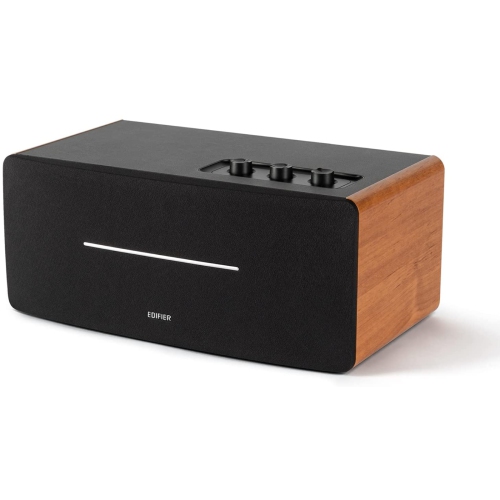
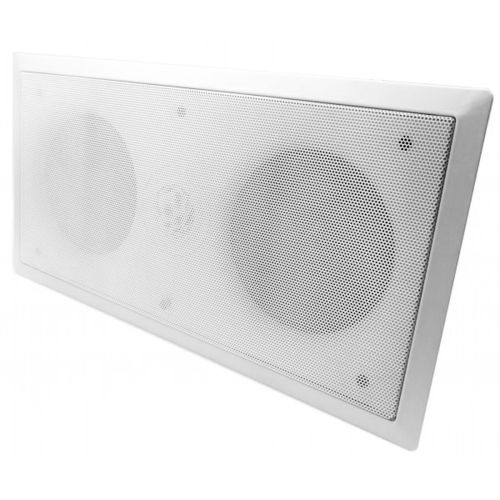
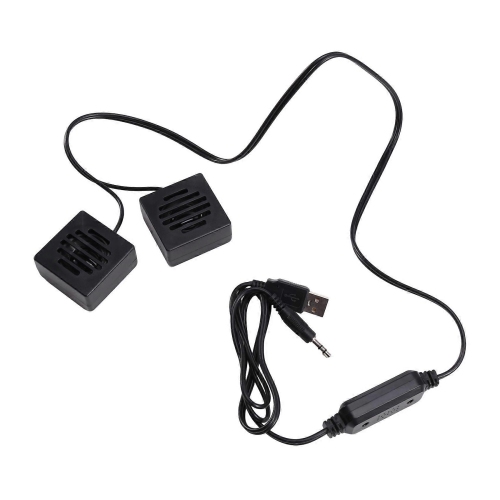
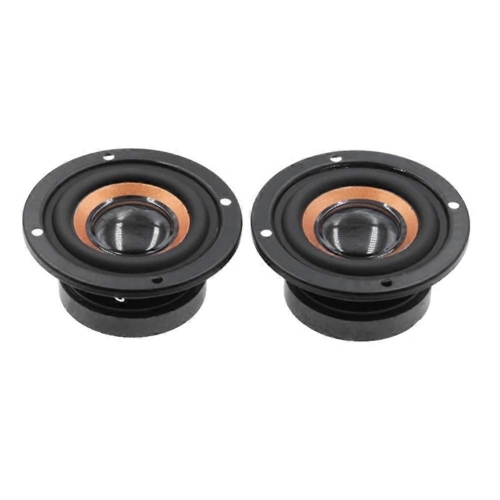
Powered and passive stereo loudspeakers differ primarily in how they receive amplification. Powered speakers have amplification built into one or both cabinets, reducing the need for a separate amplifier and making them useful for streamlined desktop or living-room systems. They still need electrical power, and some pairs require a cable between the speakers. Passive speakers connect by speaker wire to an external amplifier or receiver, allowing the speakers and electronics to be chosen separately. Compatibility matters more than a large wattage figure alone: the amplifier should support the speakers’ impedance and provide suitable power for the intended listening level. Speaker sensitivity also affects how much sound a design produces from a given input, so power ratings are not a direct measure of loudness or sound quality. Continuous and peak ratings describe different conditions and should not be treated as interchangeable. Connections determine how easily a stereo system fits into daily use. Depending on the design, powered speakers may offer analogue inputs, optical connections, USB audio, Bluetooth, or Wi-Fi features. A television connection needs to match the television’s audio output, while HDMI ARC support is a feature to verify rather than assume. A turntable may need a phono preamplifier, either built into the turntable, included in the amplifier, or supplied separately, before it can connect to a standard line-level input. Inside the cabinets, drivers share the work of reproducing different frequencies. A tweeter usually handles higher notes, while a woofer reproduces lower frequencies and, in many two-way designs, part of the midrange. 3 Way Loudspeakers typically divide bass, midrange, and treble among dedicated driver sections, with a crossover directing the appropriate frequencies to each. The number of driver sections does not determine whether a pair is stereo; stereo refers to the separate left and right channels. Cabinet construction matters too. Engineered wood, solid finishes, internal bracing, and carefully fitted components can help control unwanted vibration. Painted surfaces, wood veneers, and fabric grilles offer different visual textures, making it easier to find a pair that feels at home beside a media console, desk, or record collection.
Placement often makes an audible difference without changing any equipment. A stereo pair generally benefits from balanced spacing, with the main listening position roughly centred between the speakers and each cabinet a similar distance away. Positioning the tweeters near seated ear level can help preserve clarity, while a slight inward angle may sharpen the sense of a centred voice. The best angle depends on the speaker’s design and the room, so a small adjustment can be more useful than treating one arrangement as universal. Speakers pushed tightly into corners may produce heavier, less controlled bass, and rear-ported cabinets may need clearance behind them according to the manufacturer’s recommendations. A sturdy stand or stable piece of furniture helps keep a bookshelf speaker secure; on a desk, suitable isolation pads can reduce vibration transferred into the work surface. Rugs, upholstered seating, and curtains can soften reflections in a room with many hard surfaces, while an uneven arrangement of walls or furniture may affect the balance between the channels. Practical fit extends beyond cabinet dimensions. There should be room for cable connections, safe cable routing, and any ventilation needed by built-in amplification. Floor-standing speakers need a stable base, especially in homes with children or pets, and exposed drivers deserve protection from fingers, knocks, and loose objects. Routine care is straightforward: a soft, dry cloth removes surface dust, while cleaning methods for veneers, painted finishes, and grilles should follow the manufacturer’s directions. Liquids and abrasive cleaners can damage finishes, and delicate driver surfaces should not be pressed or scrubbed. Well-cared-for speakers can remain part of a system through changes in listening habits or connected equipment. They can also make a thoughtful gift for a music enthusiast, a record collector, or someone building a more satisfying television or desktop setup, provided the connections, amplification, and physical size suit the recipient’s space. The lasting appeal lies in making familiar recordings feel more tangible, from the breath before a vocal line to the resonance of a final piano chord.
Top selling and popular products
-
 Your price for this item is $449.99
-
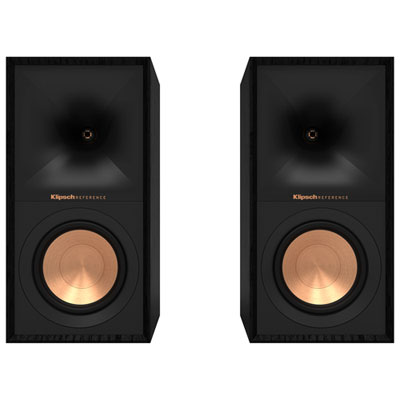 Your price for this item is $548.98
-
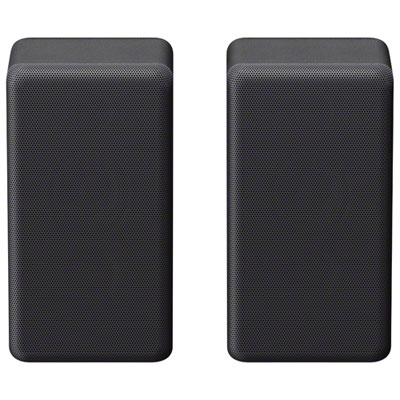 Your price for this item is $314.95
-
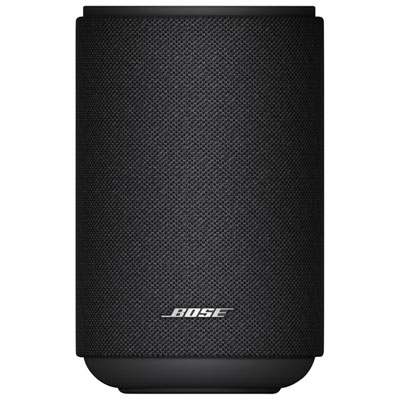 Your price for this item is $449.99
-
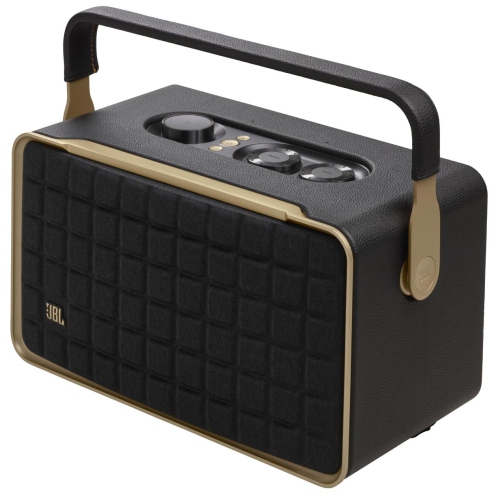 Your price for this item is $399.99
-
 Your price for this item is $399.99
-
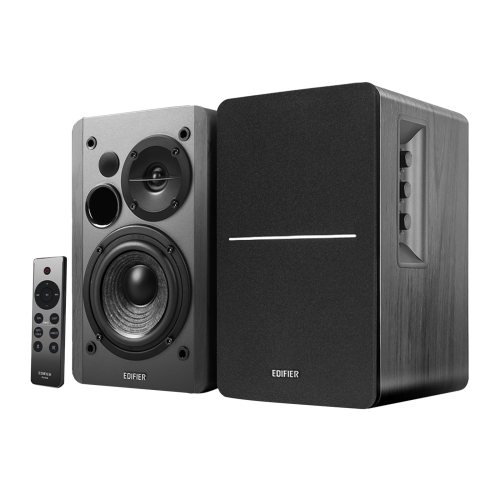 Your price for this item is $199.99
-
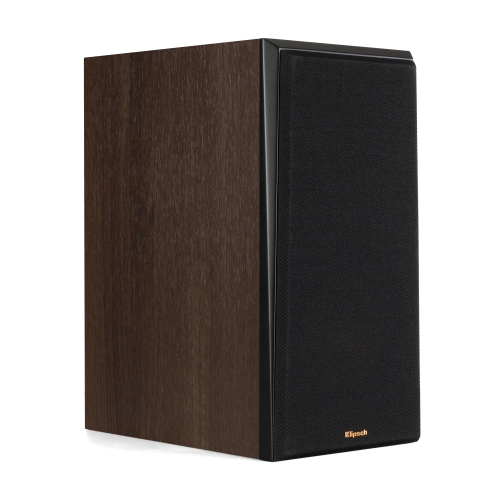 Your price for this item is $949
Discover more categories related to Stereo Loudspeakers
Top Collections:
Pokemon Centers, Best Cameras for Sports Photography, Kindle Devices, Samsung Galaxy Phones, Canon G7X Cameras, Pokémon 30th Celebration Cards, Refurbished Apple Laptops, iPhone 15 Apple, Laptops for Students, Budget Smartphones
Some products may be subject to Environmental Handling Fees
(EHF) depending on your province.
Learn more about EHFs.