Walnut Speakers
Enhance your audio experience with the warm and rich sound quality of walnut speakers. Crafted from high-quality walnut wood, these speakers not only deliver exceptional audio performance but also add a touch of elegance to any room. Whether you're listening to music, watching movies, or gaming, walnut speakers provide a sophisticated and immersive sound experience that will elevate your entertainment enjoyment to the next level. Explore our selection of walnut speakers to find the perfect match for your audio needs.
Sort
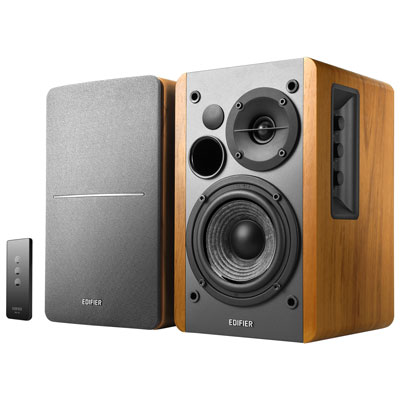
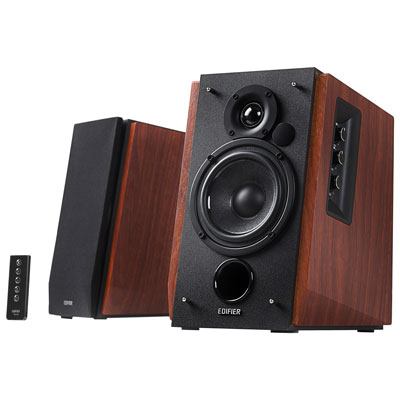
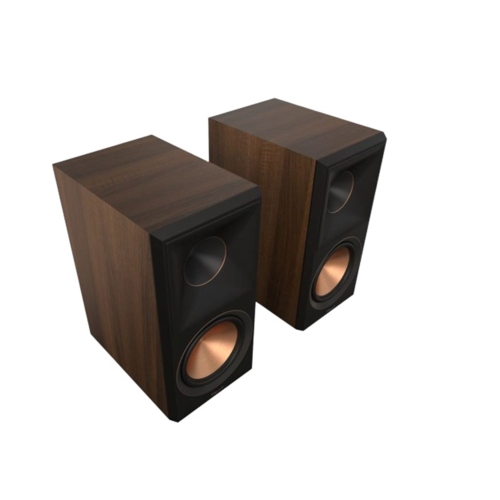
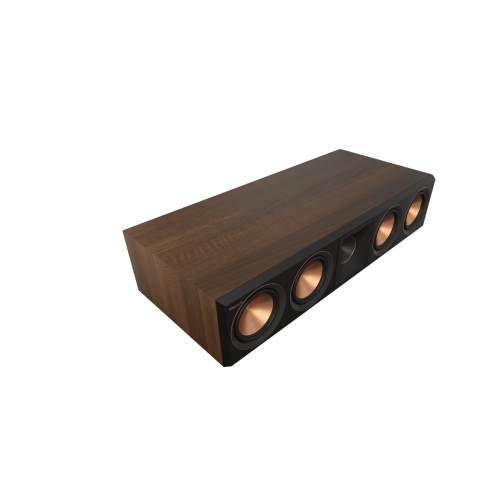
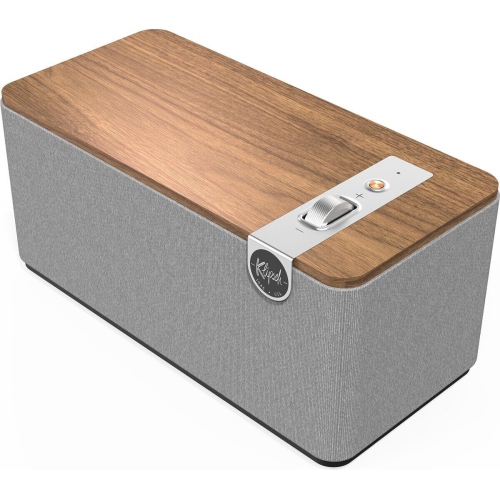
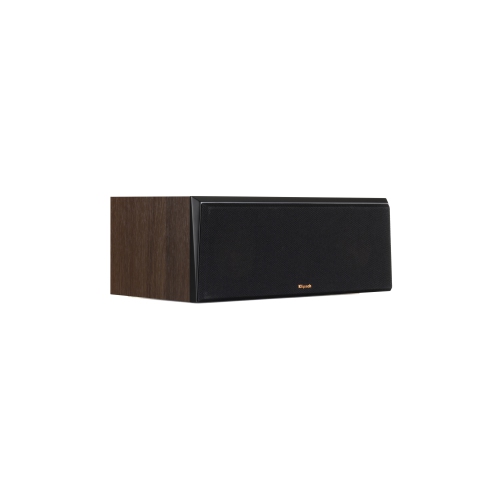
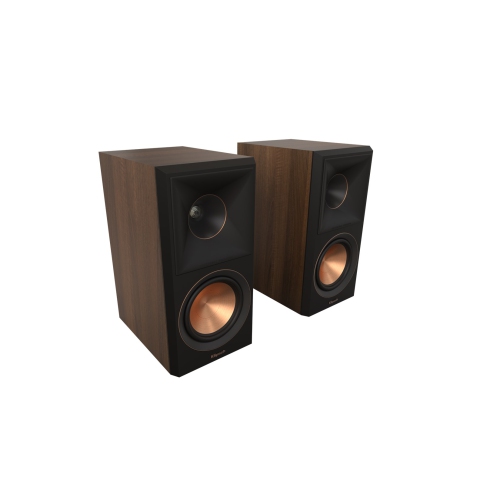
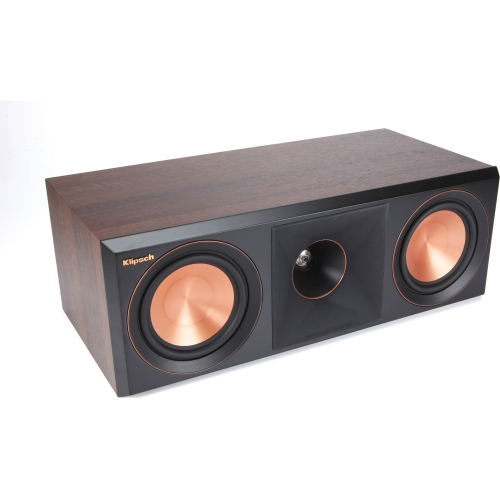
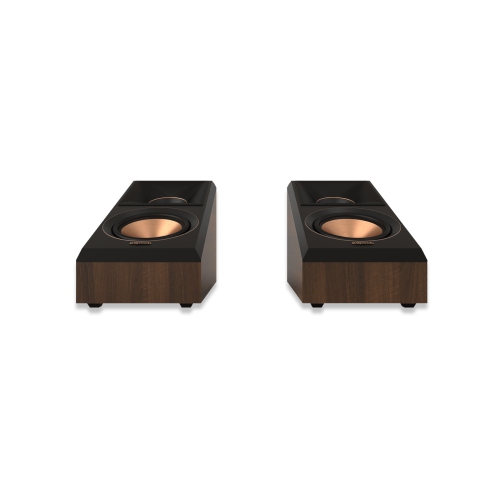
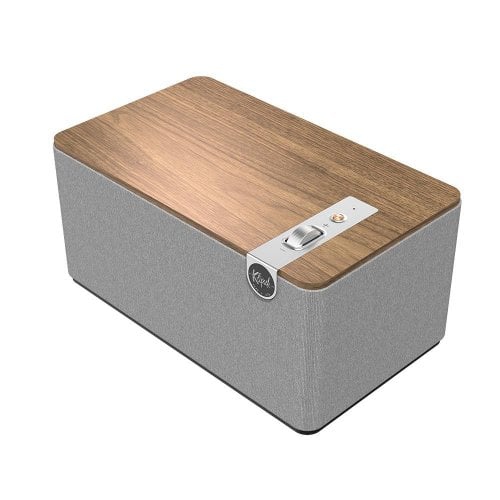

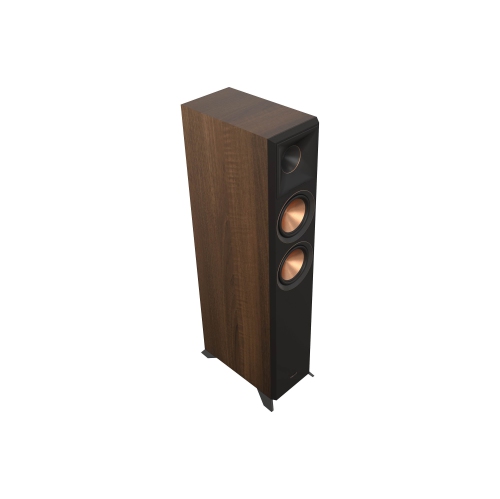
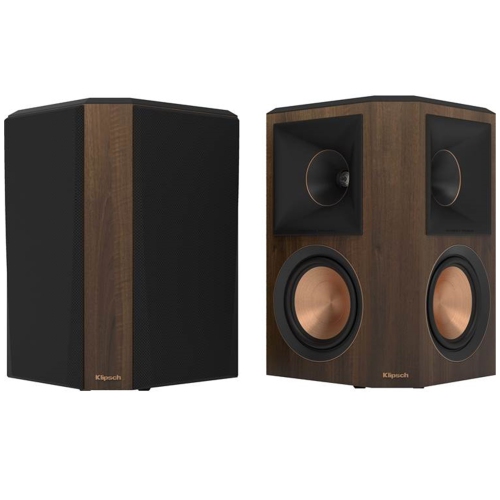
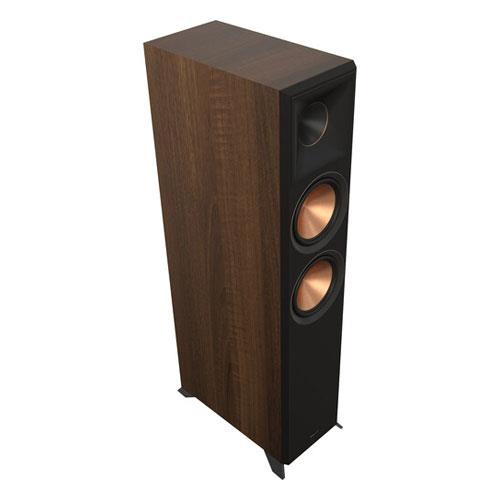
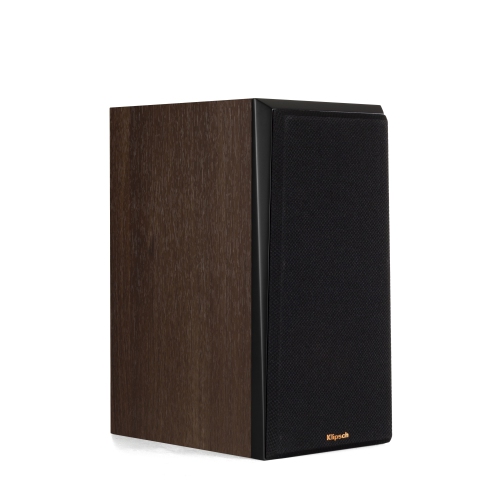
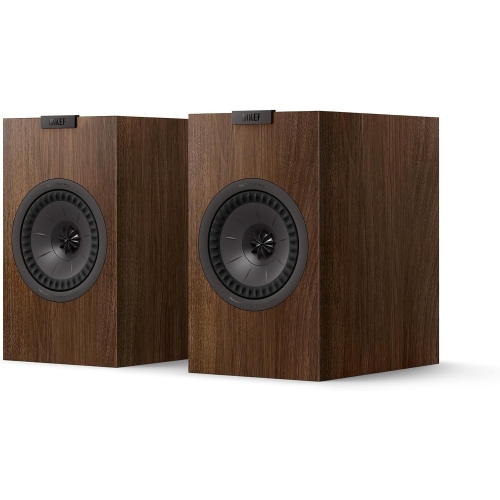
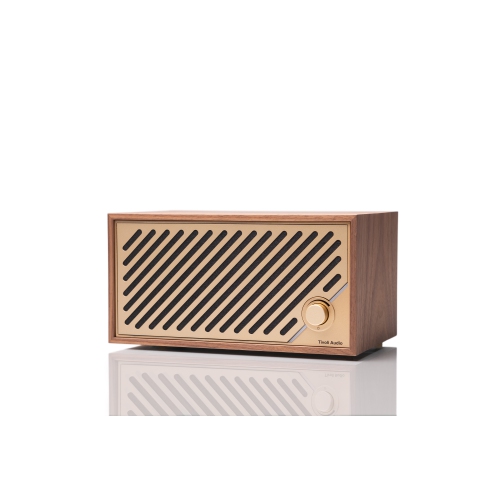
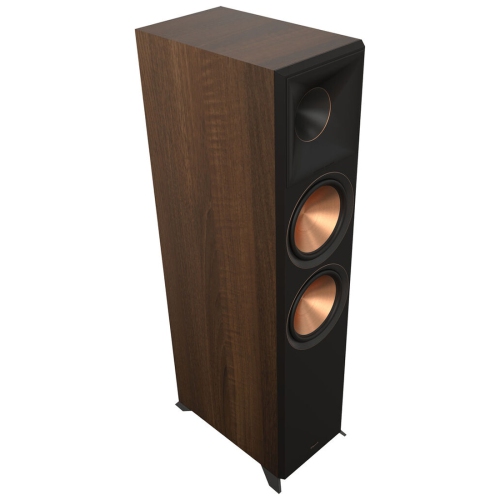
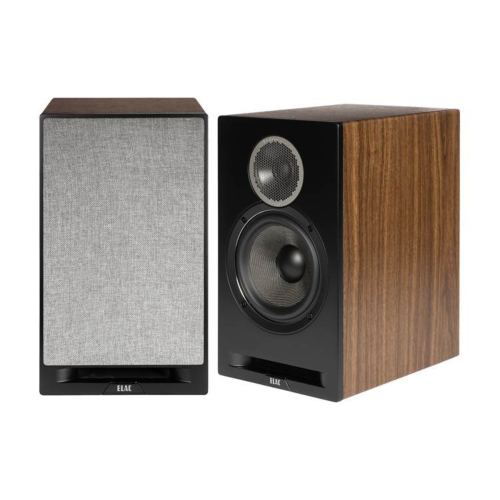
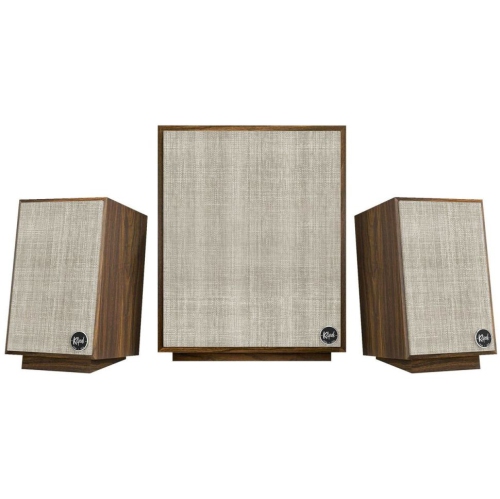
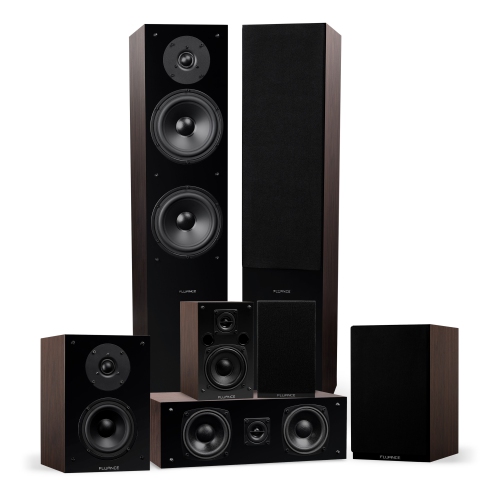
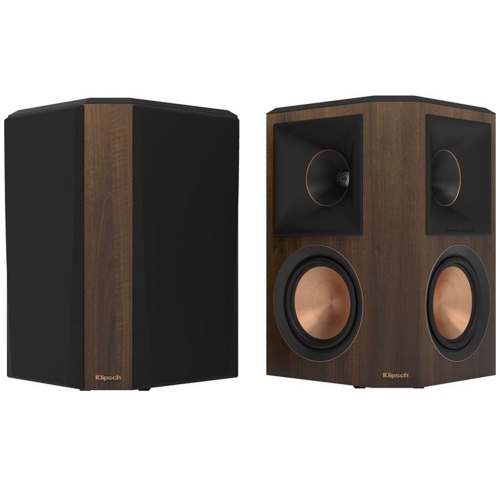
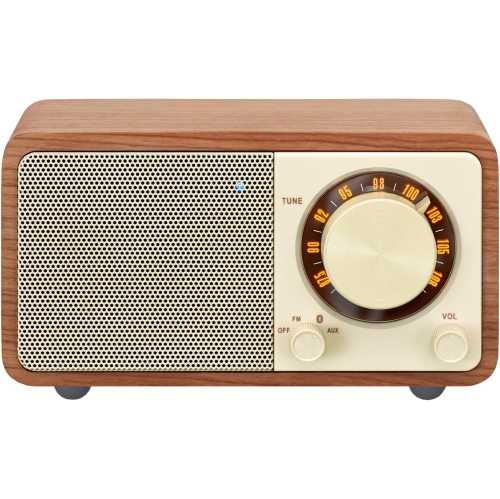
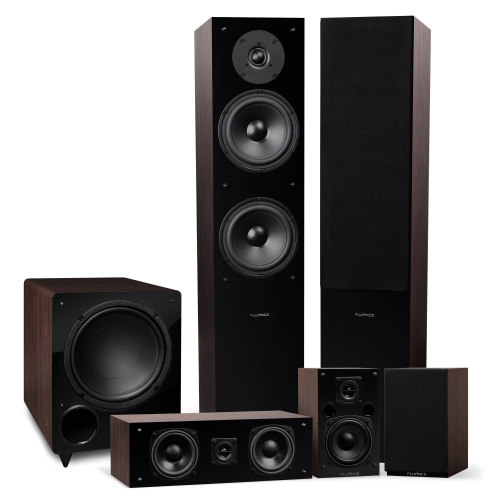
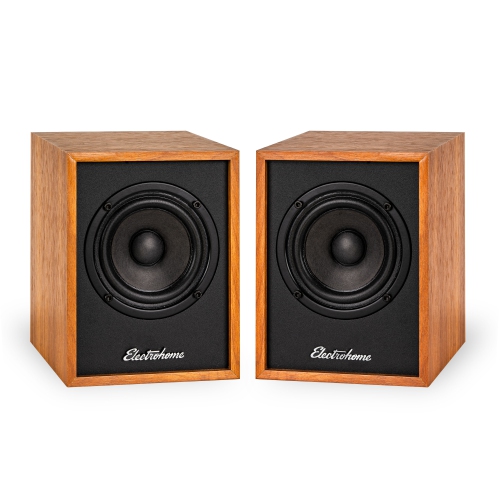
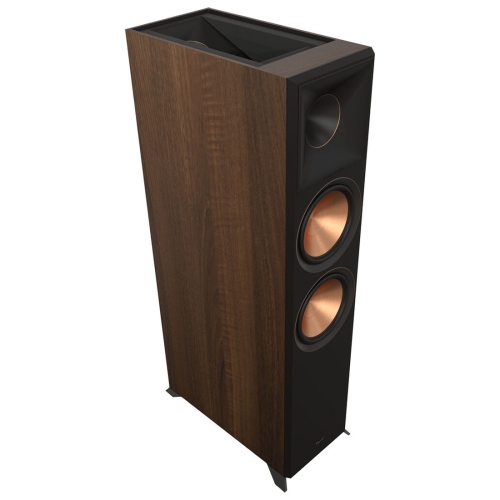
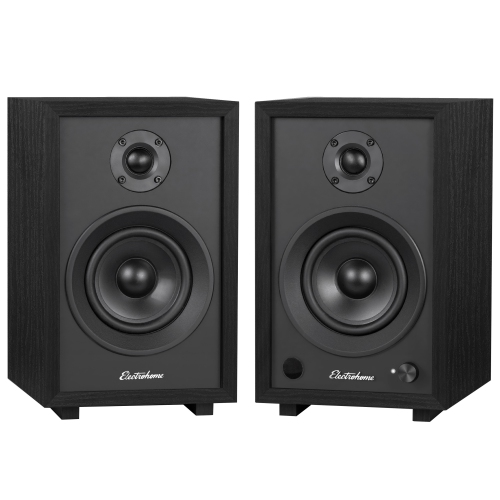
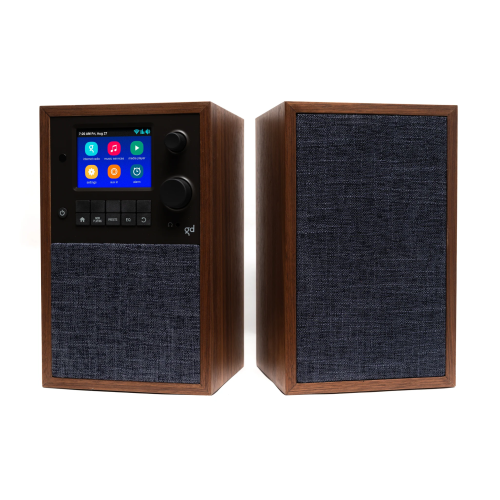
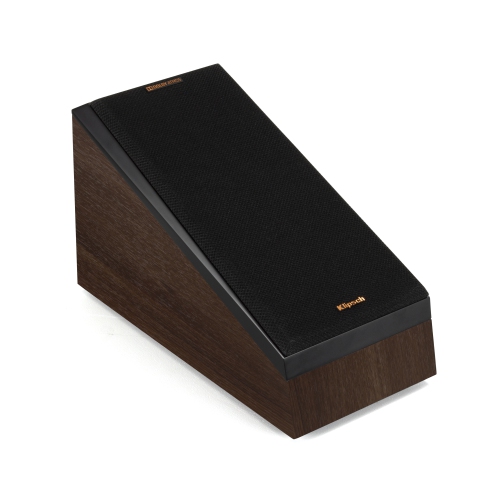
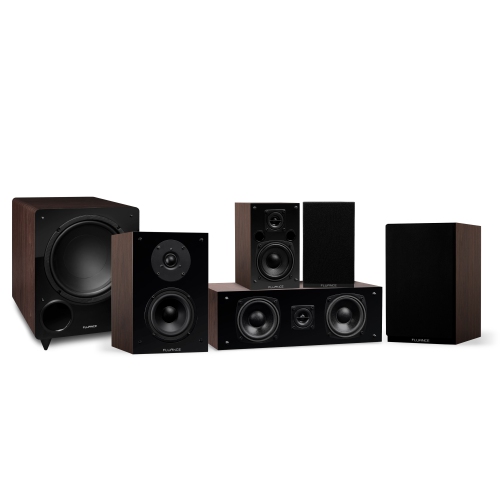
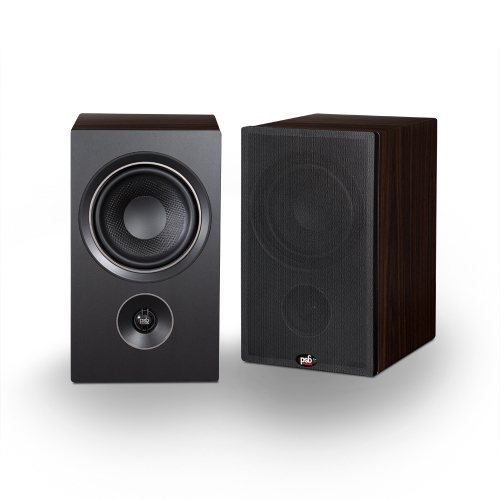
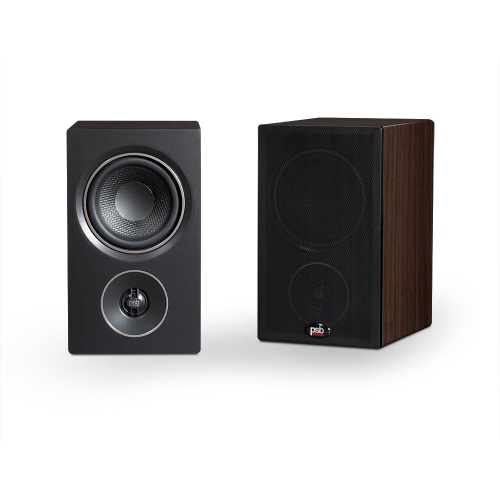
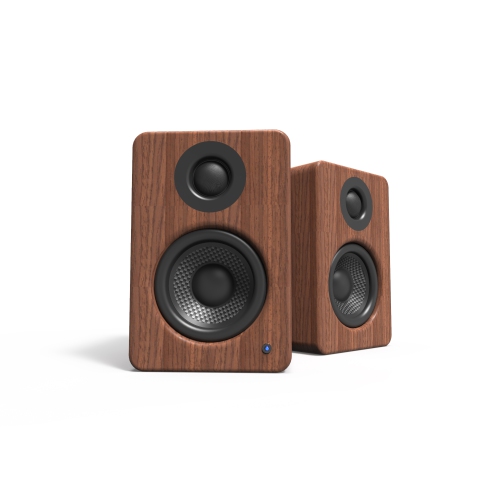

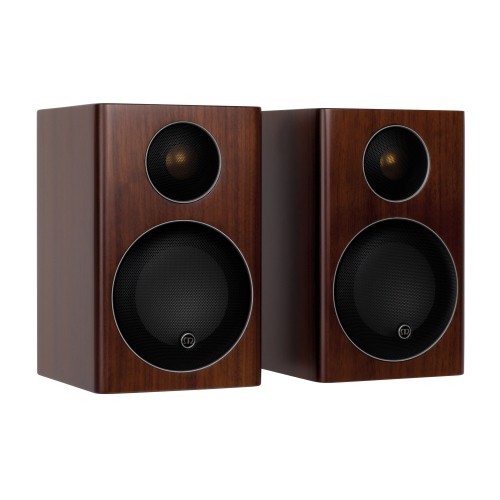
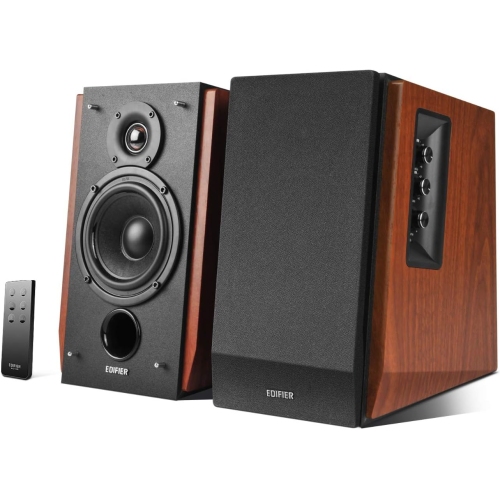
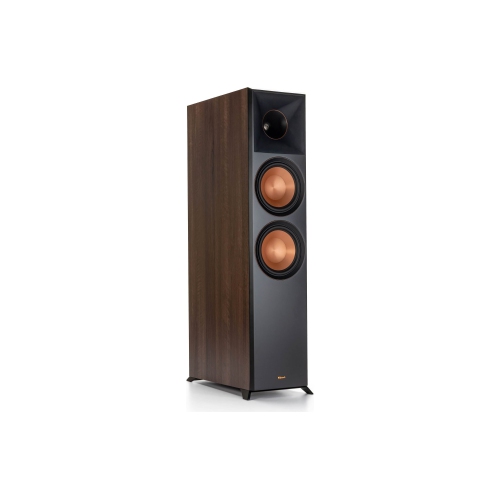
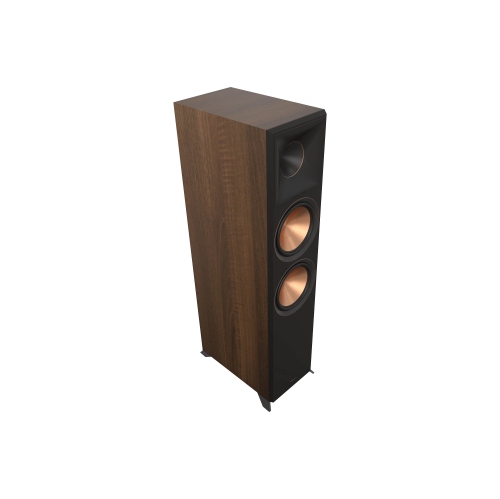
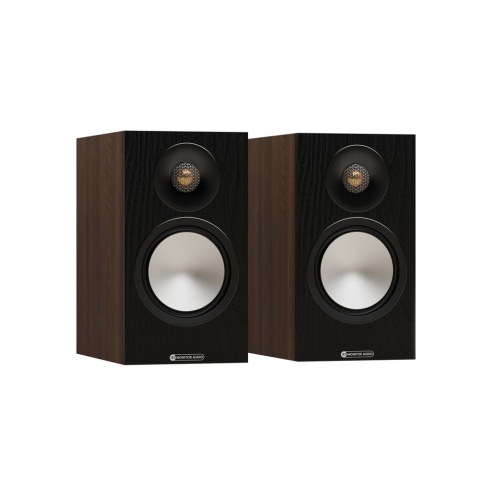
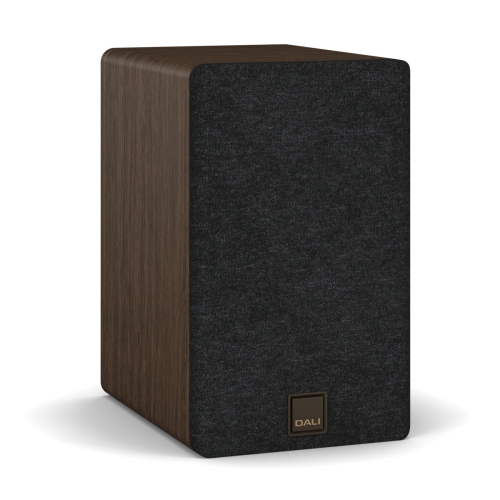
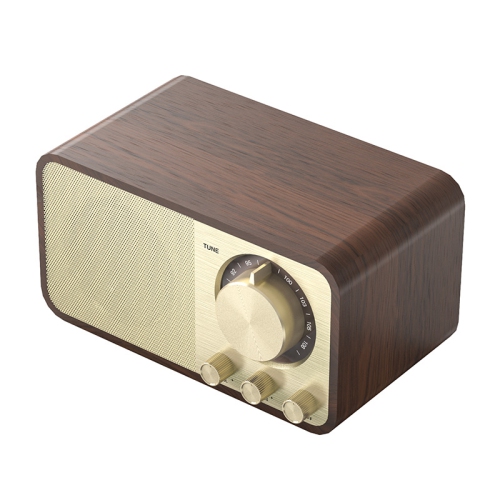
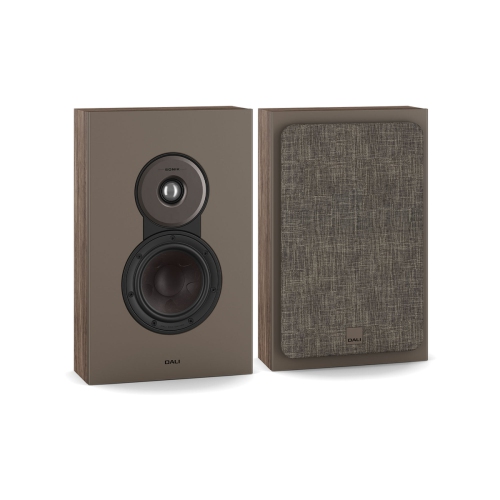
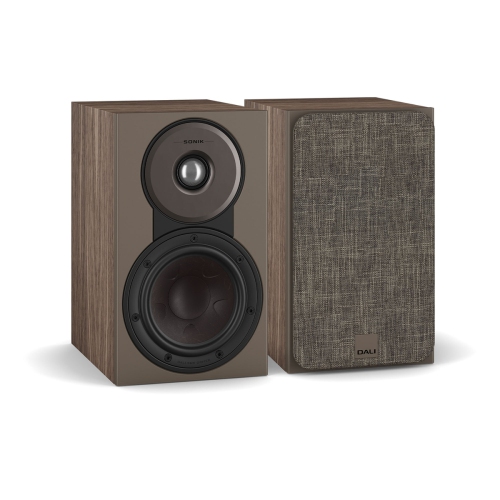
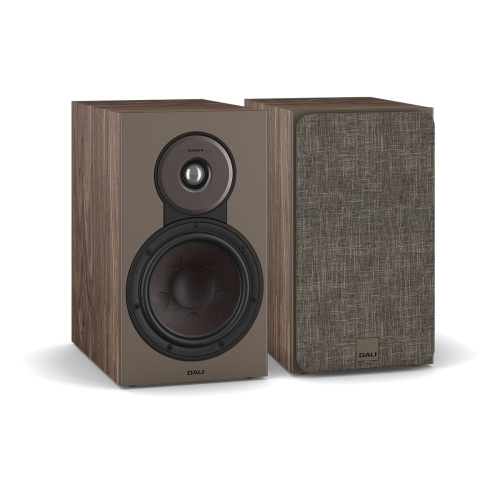
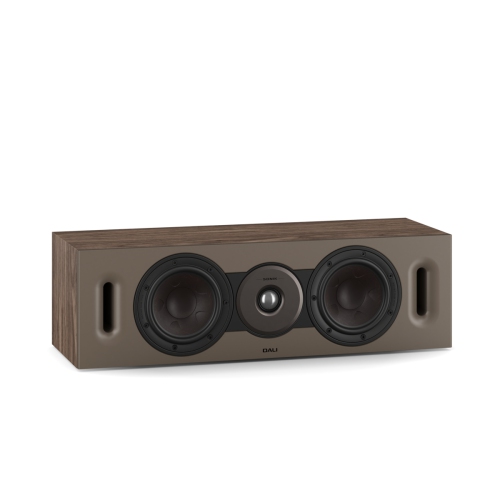
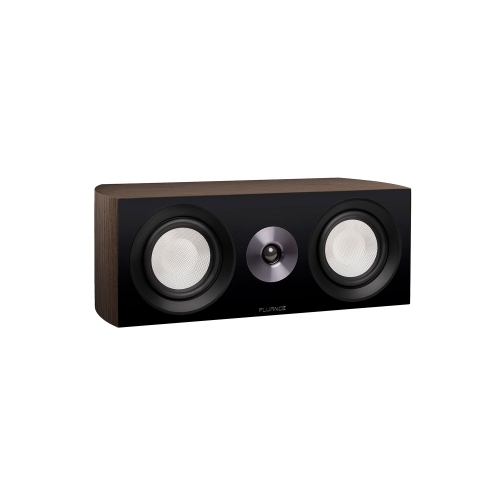
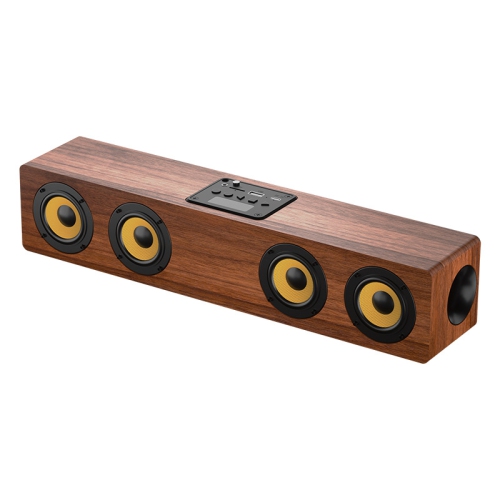
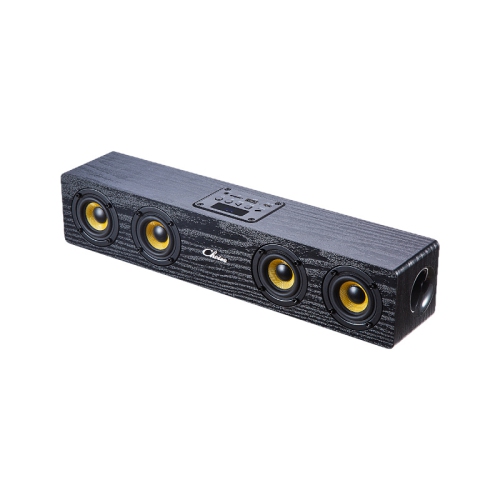
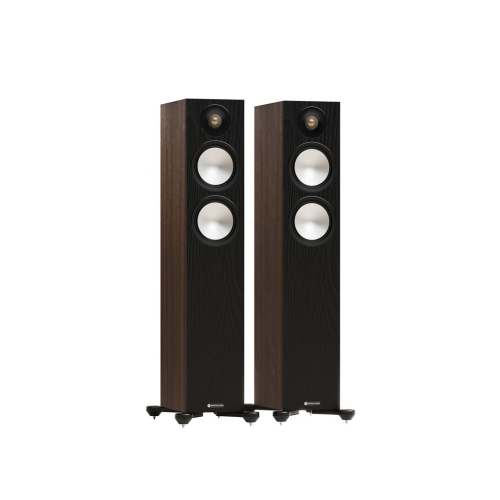
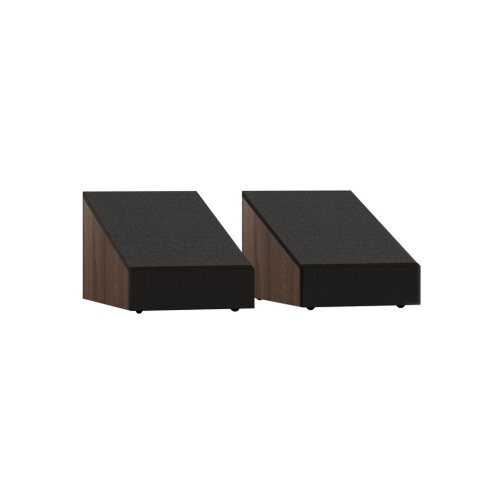
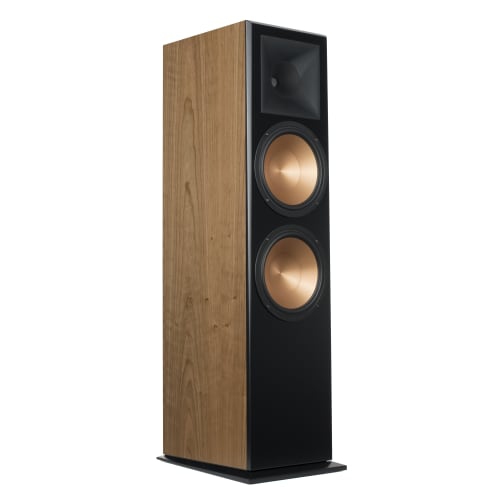
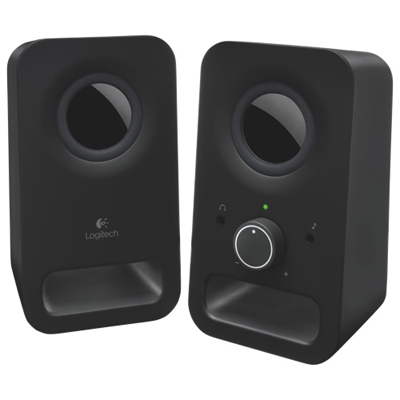
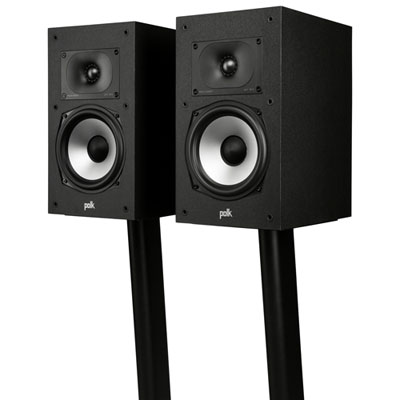
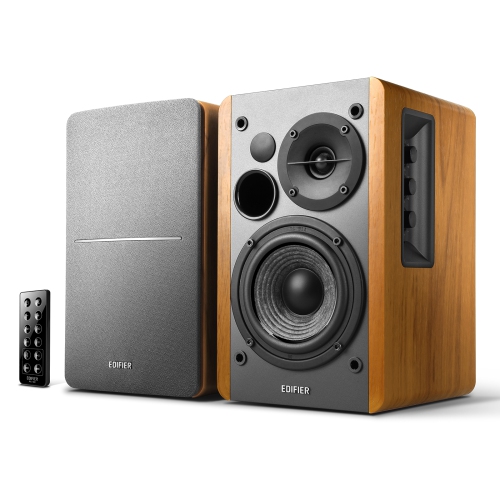
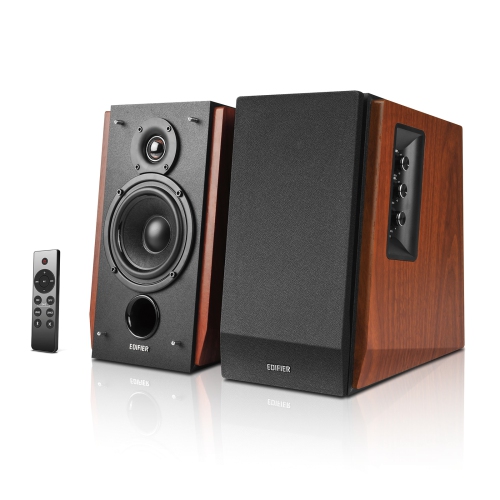
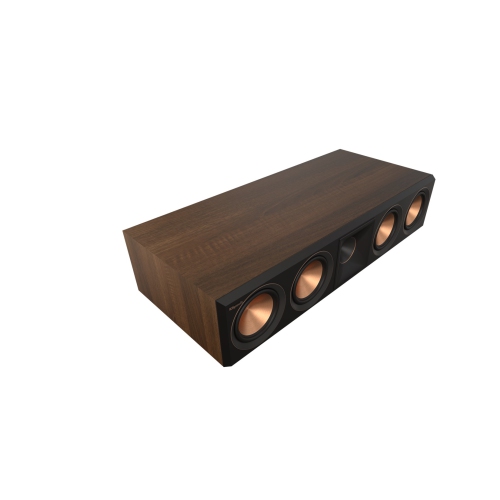
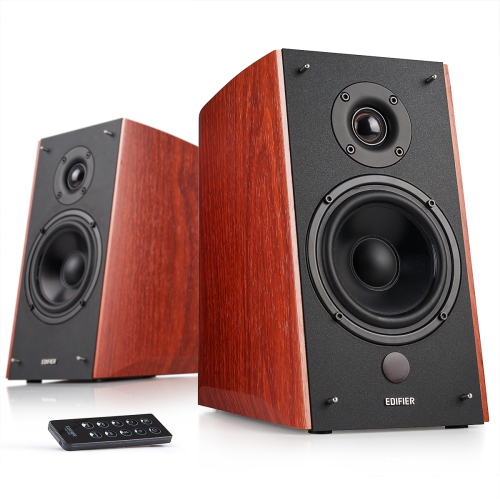
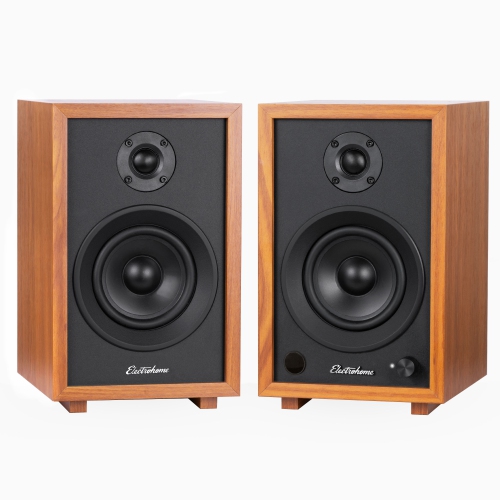

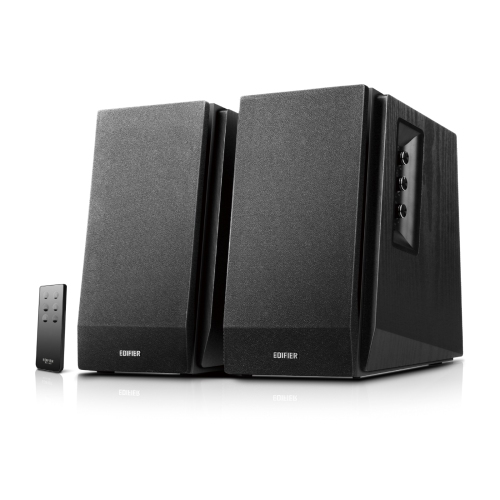
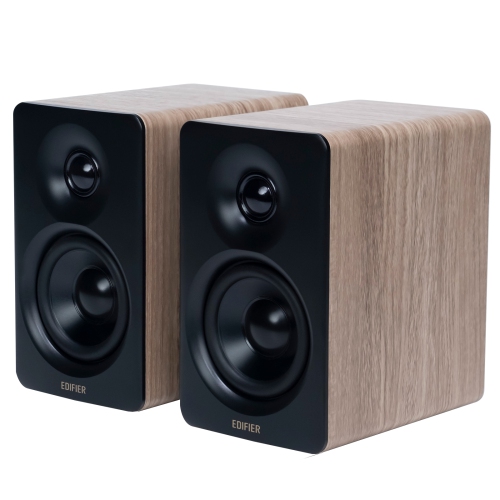
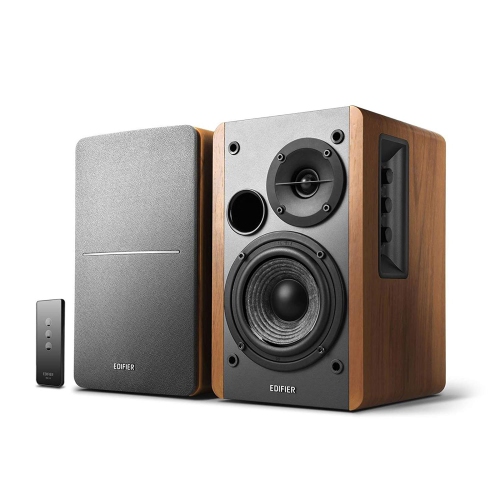
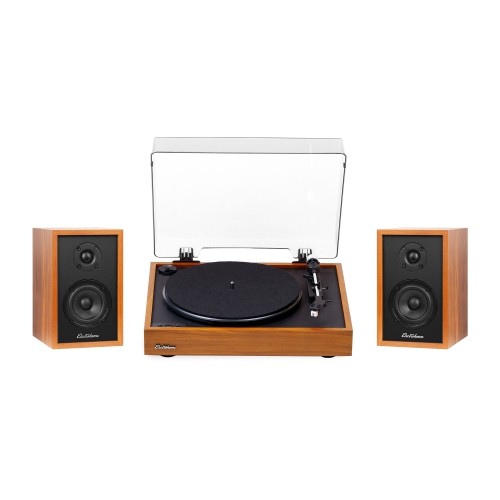
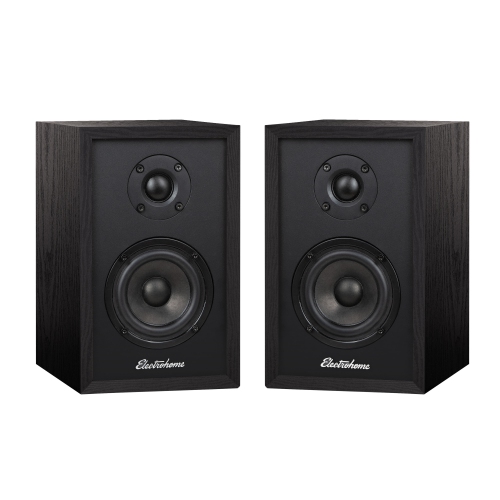
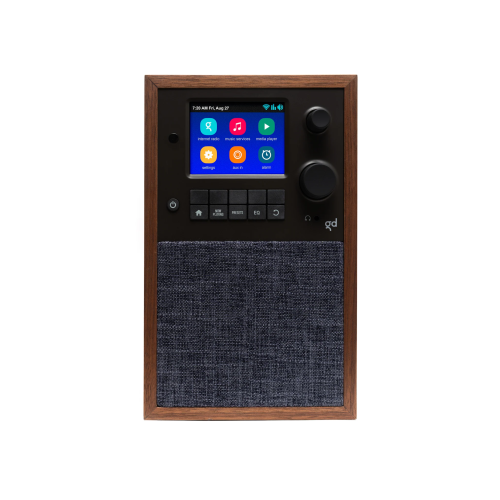
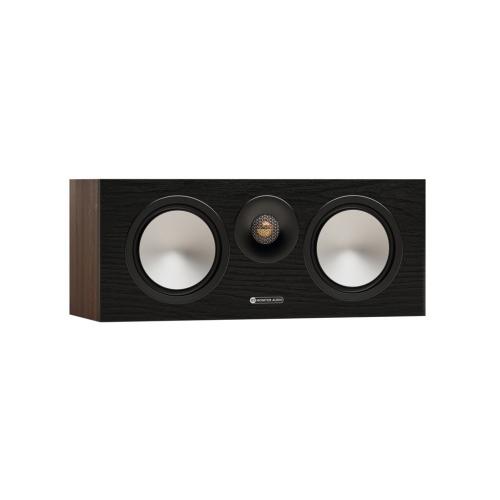

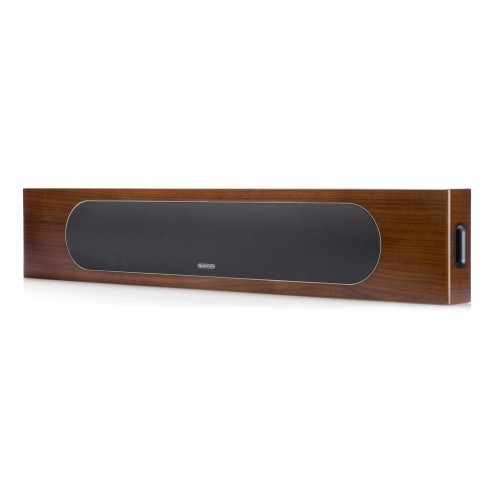
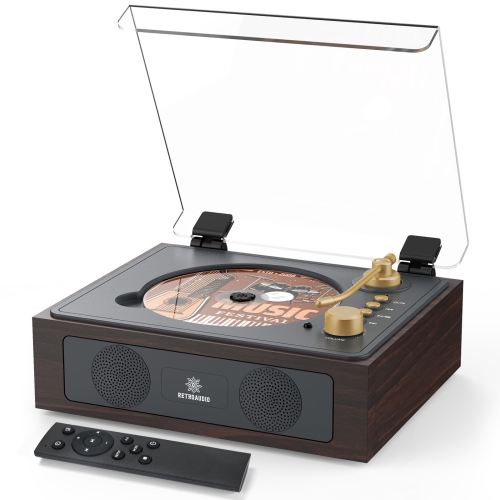
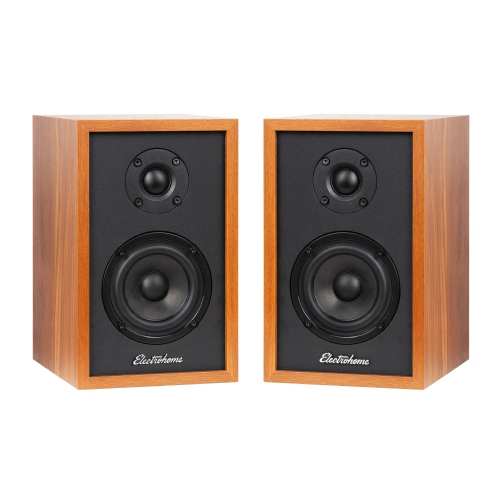
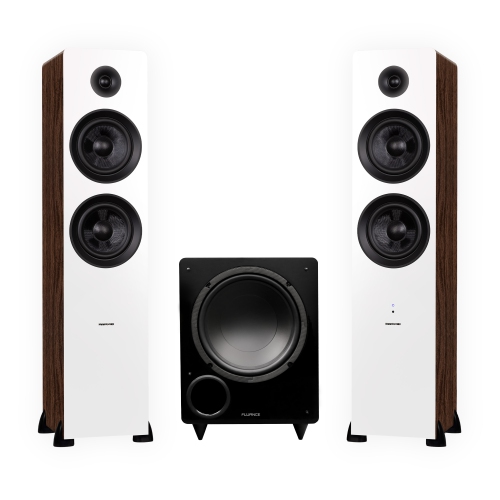
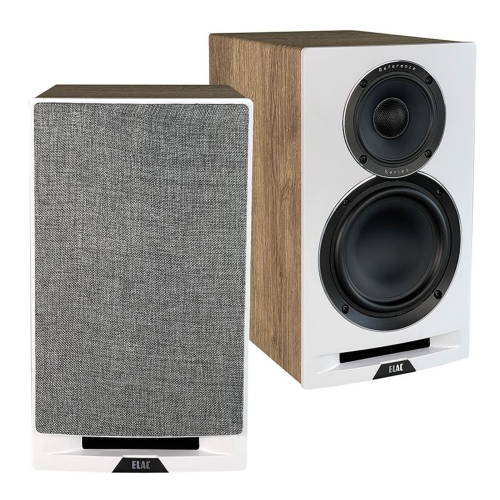
Warm walnut finishes are only part of the story
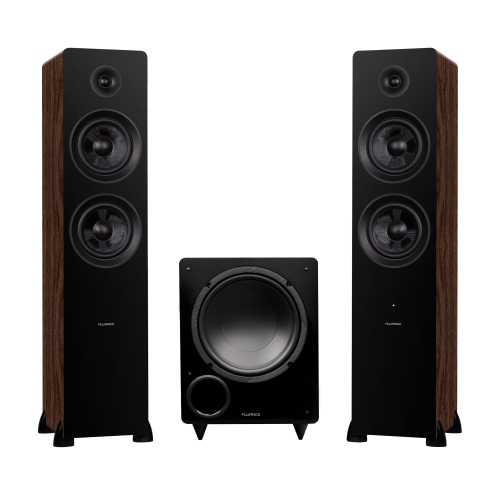
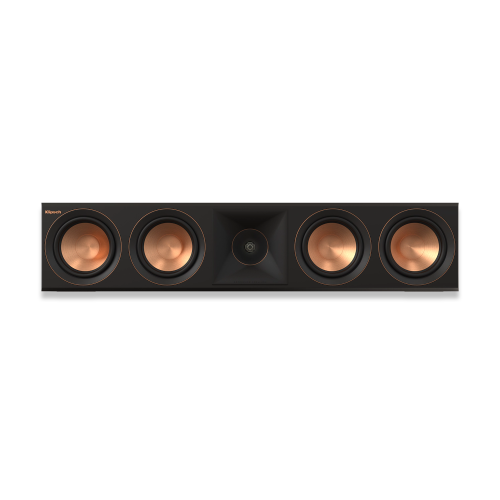
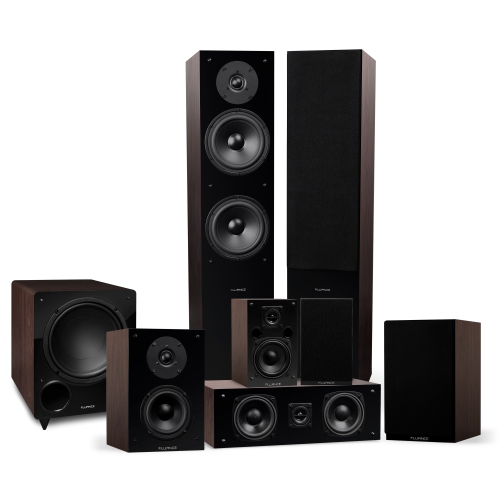
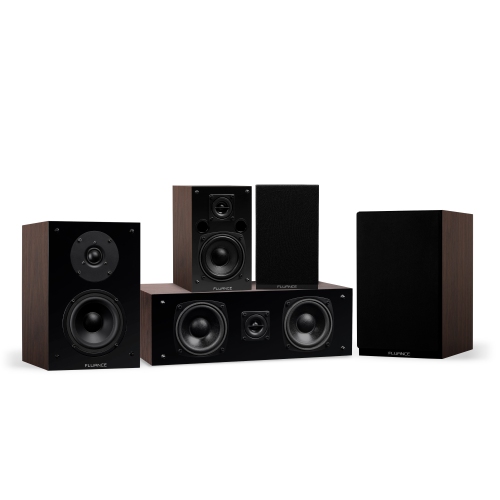
Walnut speakers bring the rich brown tones and distinctive grain of a furniture finish to an audio setup, making them as much a part of a room’s appearance as its sound. Their appeal lies in that balance: a pair can sit beside a reading chair, frame a television, or give a desk a more considered look without the stark appearance of an all-black cabinet. Walnut finishes range from lighter brown with golden undertones to deeper shades with darker grain, so the name does not describe one uniform colour. Construction also varies. Some speaker cabinets use real walnut veneer over an engineered wood core, while others use a printed walnut-effect surface; solid walnut construction is a separate feature that should be confirmed in the specifications rather than assumed from the finish name. A veneer offers the character of natural wood, including subtle variations between panels, while a wood-look wrap can provide a more consistent pattern. Neither surface alone determines how a speaker will sound. Cabinet rigidity, internal bracing, driver design, crossover components, and placement all contribute to performance, and a walnut exterior can appear on speakers with very different listening characteristics. Bookshelf formats suit shelves, stands, and smaller rooms, while floor-standing designs need more floor space and may offer greater bass extension and output, depending on their construction. In a living room, the warm finish can sit comfortably alongside leather seating, textured upholstery, and muted wall colours. For a coordinated space, Walnut Furniture can carry similar wood tones through a media console, side table, or storage piece without requiring every surface to match exactly. Repeating a brown undertone often looks more natural than trying to find identical grain. The result can feel equally at home in a compact apartment, a dedicated listening room, or a shared family space where audio equipment needs to blend with everyday furnishings.
The right walnut speakers for a particular room depend on how they will be connected and what they will be asked to play. Passive speakers require a separate amplifier or receiver, with compatible impedance and suitable power delivery, whereas powered speakers include amplification within the speaker system. Powered does not automatically mean wireless: connections may include analogue inputs, optical audio, USB, Bluetooth, or Wi-Fi, and the exact combination matters more than the cabinet finish. A desk setup for music and video calls might benefit from a straightforward computer connection and a volume control within reach. A television setup may be easier to use with an HDMI ARC connection, where supported, while a turntable needs a phono stage somewhere in the signal chain unless one is already built into the turntable, amplifier, or speakers. These details help keep a visually simple arrangement from becoming a tangle of adapters. Room fit deserves the same attention. A bookshelf speaker may physically fit inside a shelving unit but still need breathing room around its cabinet, particularly when a rear-facing bass port is involved. Placing speakers hard against a wall or deep inside a cubby can make bass sound heavier or less distinct, so the manufacturer’s placement recommendations are a useful starting point. For a stereo pair, roughly equal distances from each speaker to the listening seat help establish a stable centre image, making a singer’s voice seem to come from between the cabinets rather than one side. Tweeters positioned near seated ear height can improve clarity, and small changes in the angle towards the listener can sharpen the sense of space. On a desk, isolation pads or sturdy stands can reduce vibration passing into the work surface. In larger rooms, listening distance and desired volume become more important; a small pair that sounds full at arm’s length may not deliver the same weight across an open living area. A subwoofer can add lower bass when the system supports one, without making the walnut speakers themselves larger.
Walnut speakers can serve very different listeners, from someone who wants clearer dialogue during a film to a music enthusiast who enjoys hearing the texture of an acoustic guitar or the position of instruments across a stereo recording. For relaxed background listening, easy controls and a convenient connection may matter most. For focused listening, tonal balance, low-volume detail, and the way speakers behave in the room can be more meaningful than an impressive-looking specification in isolation. Households with children or pets may appreciate protective grilles and stable placement, although a grille should not be treated as impact protection. Floor-standing cabinets and speaker stands need a firm, level position, with any supplied safety fittings used as directed, and cables should stay clear of walking routes. The finish also benefits from a little routine care. Dusting with a clean, soft, dry cloth is generally a sensible starting point, followed by the manufacturer’s instructions for any marks that need further attention. Spraying cleaner directly onto a cabinet risks moisture reaching seams, drivers, or controls, and furniture polish may not be appropriate for every veneer coating or printed surface. Paper cones, fabric domes, and exposed tweeters are delicate, so wiping the cabinet should not extend to pressing or rubbing the drivers. Keep drinks off the top, leave ventilation openings clear on powered designs, and avoid dragging cabinets across shelves, where both the speaker base and furniture surface can be scratched. Prolonged direct sunlight can alter the appearance of some finishes, making placement important for preserving an even colour. Walnut speakers can also make a thoughtful housewarming or milestone gift for someone setting up a first listening space, provided their existing equipment and room dimensions are known. A compact powered pair and a passive pair intended for a receiver solve different needs, even when they look similar. Matching the format to the listener’s habits helps the gift become part of daily life: a favourite album over breakfast, a podcast at a tidy desk, or a film with voices that are easier to follow. With suitable connections, sensible placement, and careful handling, walnut speakers offer a distinctive combination of everyday usefulness and furniture-like presence.
The right walnut speakers for a particular room depend on how they will be connected and what they will be asked to play. Passive speakers require a separate amplifier or receiver, with compatible impedance and suitable power delivery, whereas powered speakers include amplification within the speaker system. Powered does not automatically mean wireless: connections may include analogue inputs, optical audio, USB, Bluetooth, or Wi-Fi, and the exact combination matters more than the cabinet finish. A desk setup for music and video calls might benefit from a straightforward computer connection and a volume control within reach. A television setup may be easier to use with an HDMI ARC connection, where supported, while a turntable needs a phono stage somewhere in the signal chain unless one is already built into the turntable, amplifier, or speakers. These details help keep a visually simple arrangement from becoming a tangle of adapters. Room fit deserves the same attention. A bookshelf speaker may physically fit inside a shelving unit but still need breathing room around its cabinet, particularly when a rear-facing bass port is involved. Placing speakers hard against a wall or deep inside a cubby can make bass sound heavier or less distinct, so the manufacturer’s placement recommendations are a useful starting point. For a stereo pair, roughly equal distances from each speaker to the listening seat help establish a stable centre image, making a singer’s voice seem to come from between the cabinets rather than one side. Tweeters positioned near seated ear height can improve clarity, and small changes in the angle towards the listener can sharpen the sense of space. On a desk, isolation pads or sturdy stands can reduce vibration passing into the work surface. In larger rooms, listening distance and desired volume become more important; a small pair that sounds full at arm’s length may not deliver the same weight across an open living area. A subwoofer can add lower bass when the system supports one, without making the walnut speakers themselves larger.
Walnut speakers can serve very different listeners, from someone who wants clearer dialogue during a film to a music enthusiast who enjoys hearing the texture of an acoustic guitar or the position of instruments across a stereo recording. For relaxed background listening, easy controls and a convenient connection may matter most. For focused listening, tonal balance, low-volume detail, and the way speakers behave in the room can be more meaningful than an impressive-looking specification in isolation. Households with children or pets may appreciate protective grilles and stable placement, although a grille should not be treated as impact protection. Floor-standing cabinets and speaker stands need a firm, level position, with any supplied safety fittings used as directed, and cables should stay clear of walking routes. The finish also benefits from a little routine care. Dusting with a clean, soft, dry cloth is generally a sensible starting point, followed by the manufacturer’s instructions for any marks that need further attention. Spraying cleaner directly onto a cabinet risks moisture reaching seams, drivers, or controls, and furniture polish may not be appropriate for every veneer coating or printed surface. Paper cones, fabric domes, and exposed tweeters are delicate, so wiping the cabinet should not extend to pressing or rubbing the drivers. Keep drinks off the top, leave ventilation openings clear on powered designs, and avoid dragging cabinets across shelves, where both the speaker base and furniture surface can be scratched. Prolonged direct sunlight can alter the appearance of some finishes, making placement important for preserving an even colour. Walnut speakers can also make a thoughtful housewarming or milestone gift for someone setting up a first listening space, provided their existing equipment and room dimensions are known. A compact powered pair and a passive pair intended for a receiver solve different needs, even when they look similar. Matching the format to the listener’s habits helps the gift become part of daily life: a favourite album over breakfast, a podcast at a tidy desk, or a film with voices that are easier to follow. With suitable connections, sensible placement, and careful handling, walnut speakers offer a distinctive combination of everyday usefulness and furniture-like presence.
Top selling and popular products
-
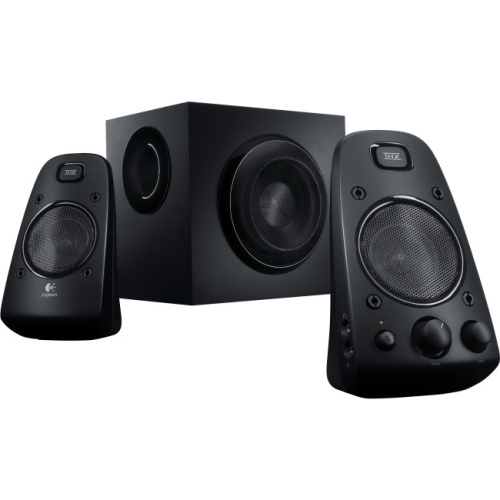 Your price for this item is $286.58
 -
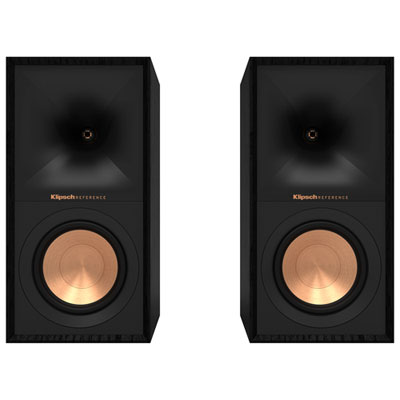 Your price for this item is $369.99
 -
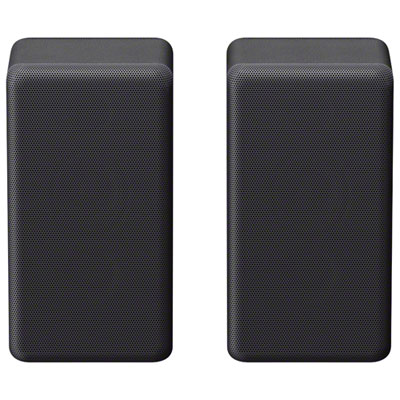 Your price for this item is $449.95
 -
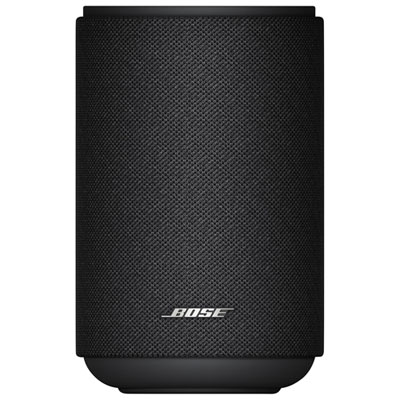 Your price for this item is $399.99
 -
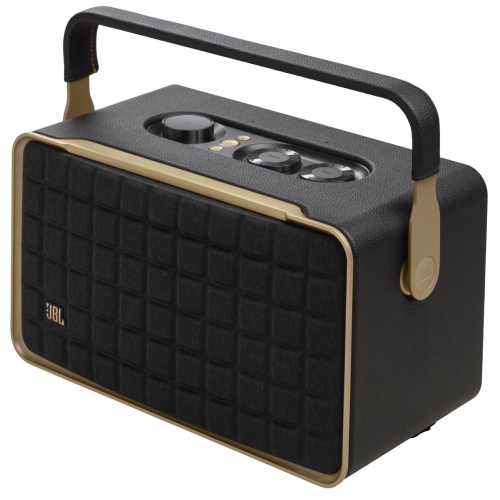 Your price for this item is $399.99
 -
 Your price for this item is $399.99
 -
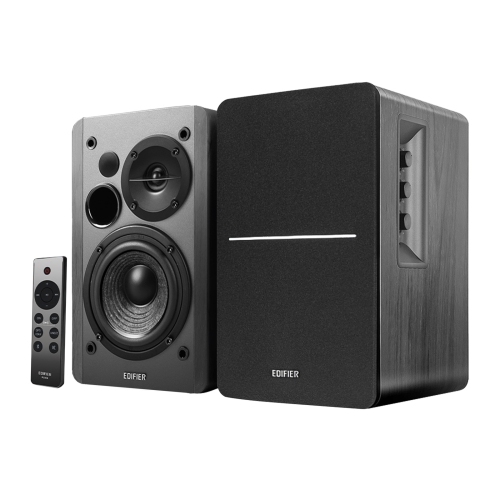 Your price for this item is $229.99
 -
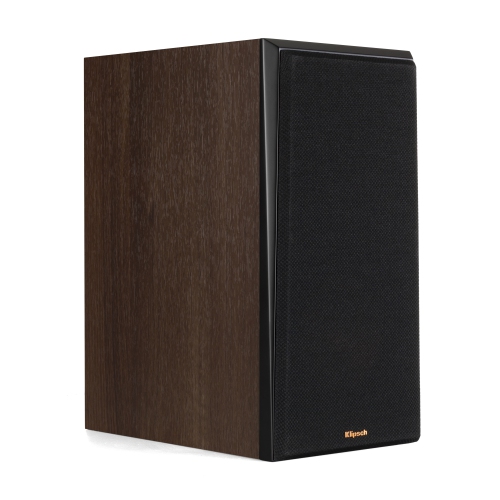 Your price for this item is $949
Discover more categories related to Walnut Speakers
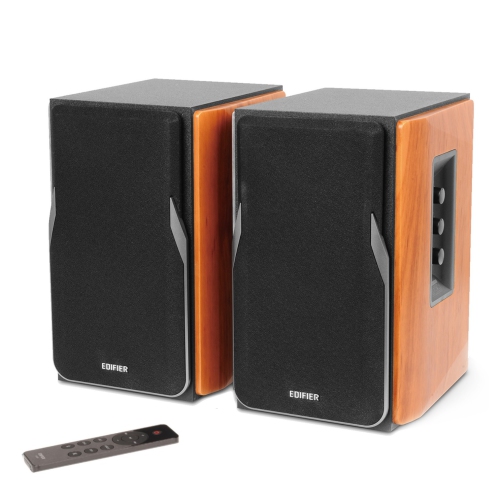

Top Collections:
Pokemon Centers, Kindle Devices, Best Budget Office Chairs, Apple iPhones 16, Best Laptops for Writers, iPhone 15 Apple, Canon G7X Cameras, Refurbished Apple Laptops, Alarm Clock, Motorola Razr Phones
Some products may be subject to Environmental Handling Fees
(EHF) depending on your province.
Learn more about EHFs.