Wearable Headphones
Wearable Headphones offer a seamless blend of comfort and style, making it easy to enjoy your favorite audio wherever you go. Designed for those with active lifestyles or anyone seeking hands-free convenience, these innovative headphones provide a unique listening experience. Explore a wide variety of options to find the perfect fit for your daily routine, whether you're on the move, at work, or relaxing at home. Discover how Wearable Headphones can elevate your audio experience while keeping you connected and comfortable throughout the day.
Sort

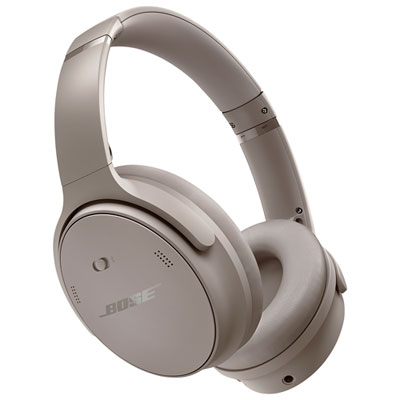

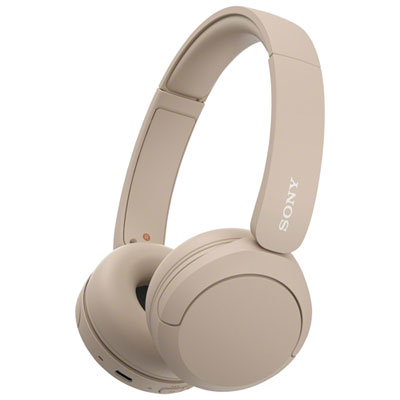
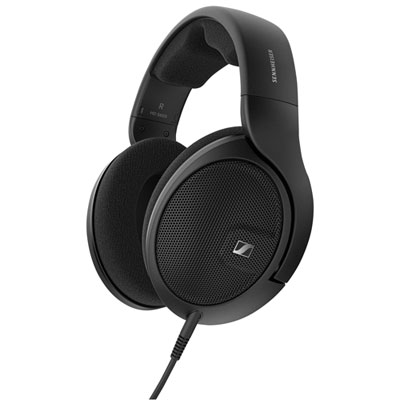
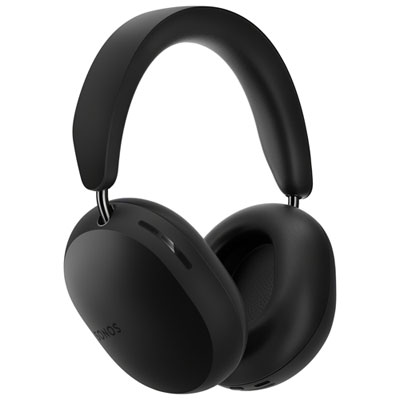
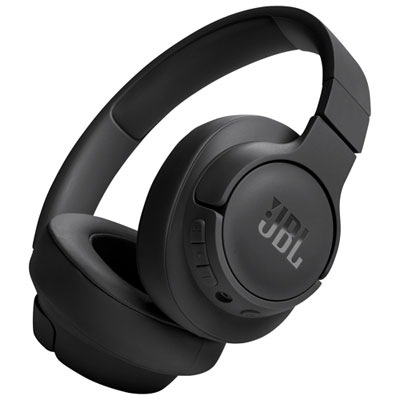
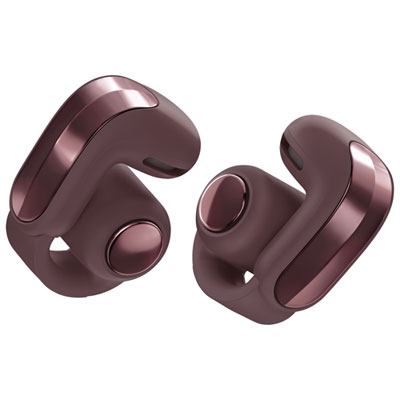
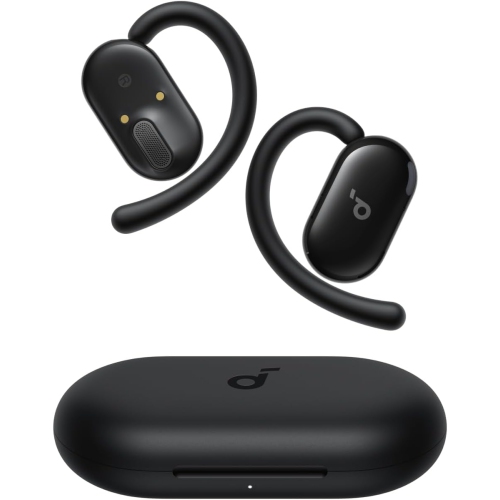
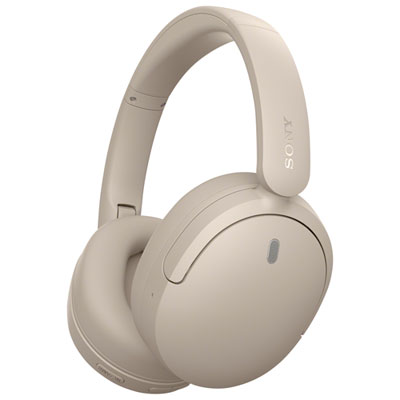
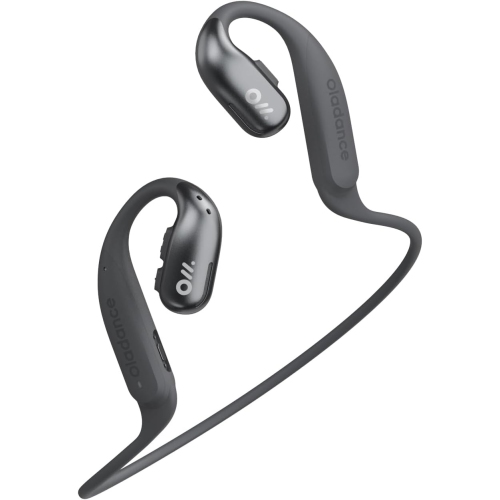
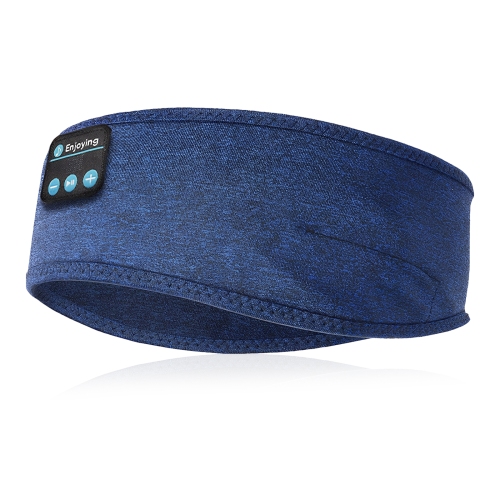
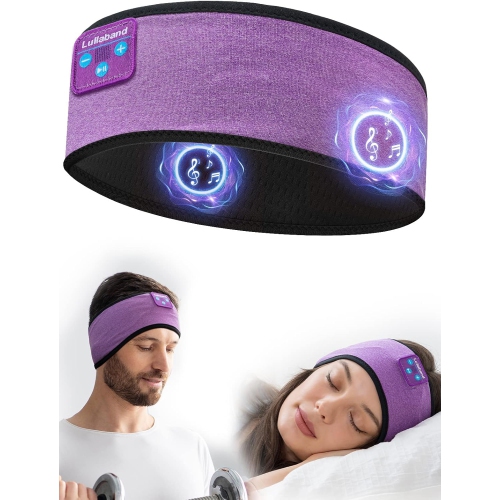
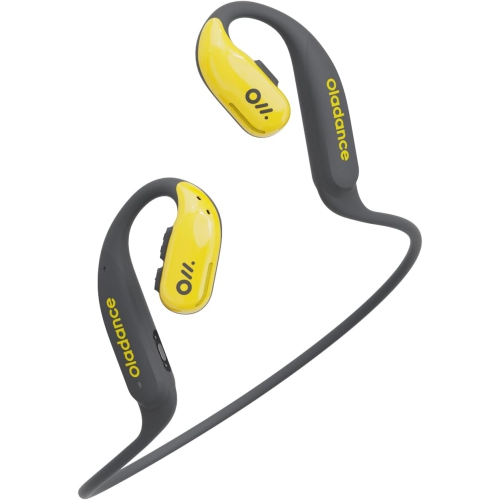
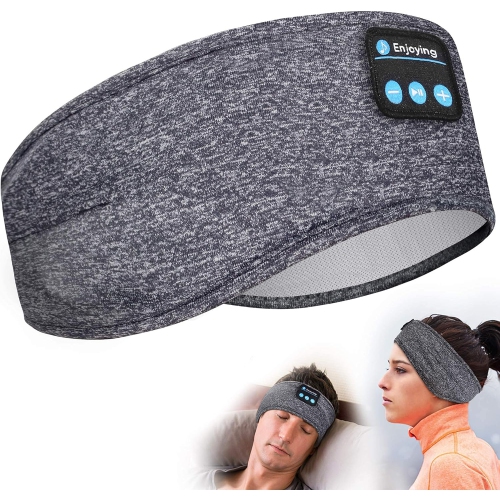
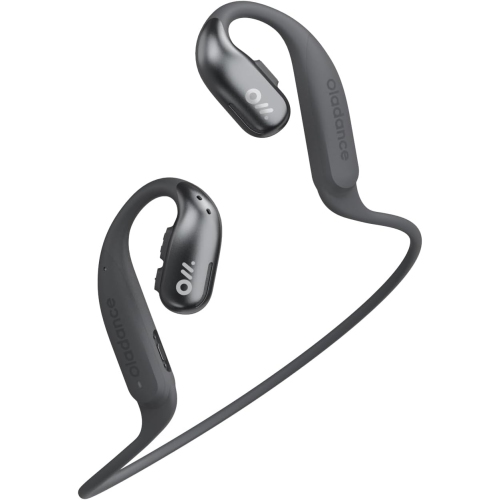
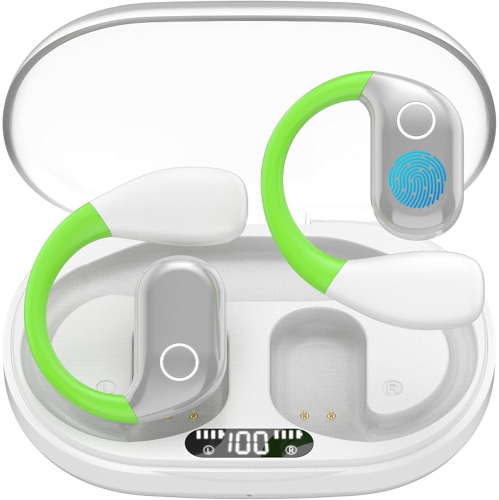
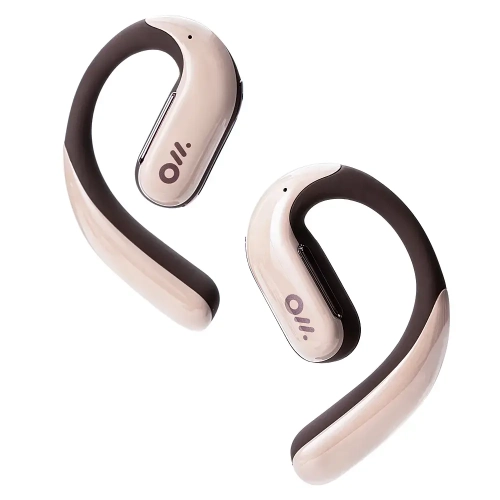
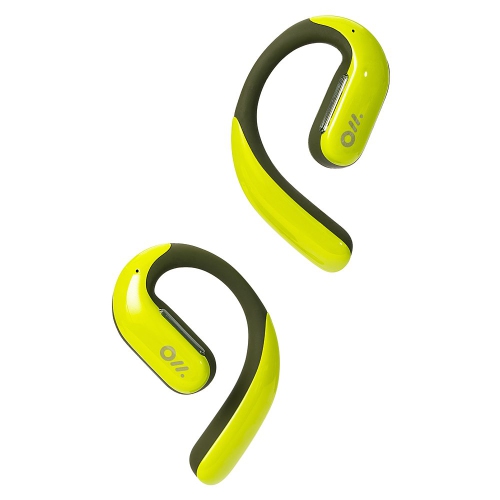
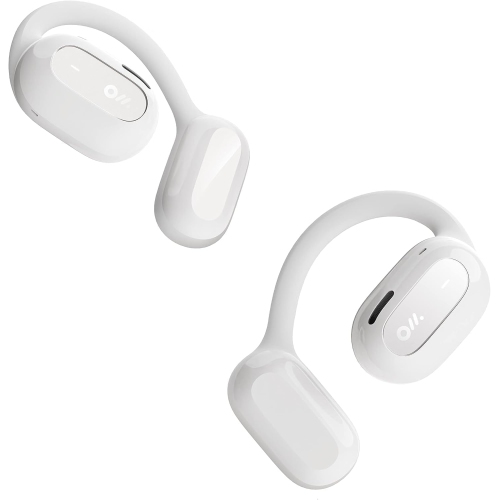
How headphone design shapes comfort and everyday listening
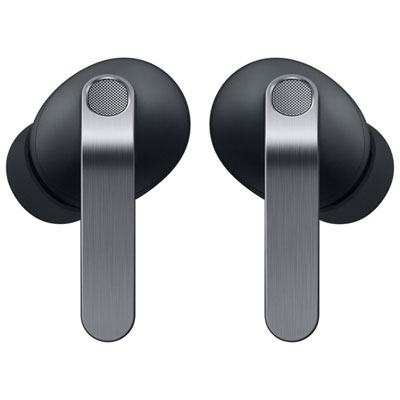
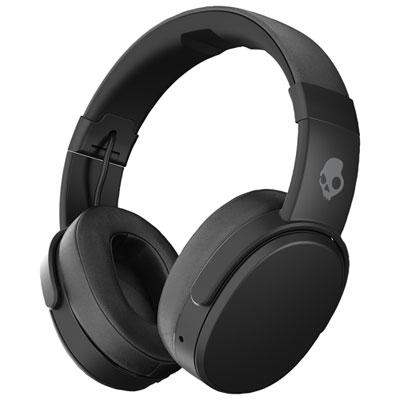
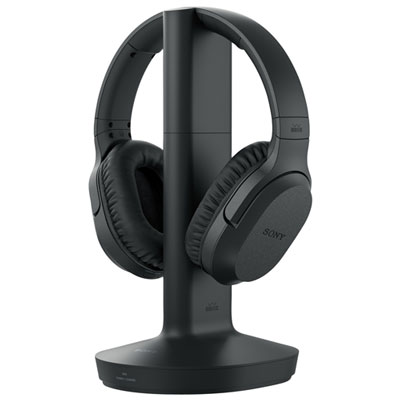
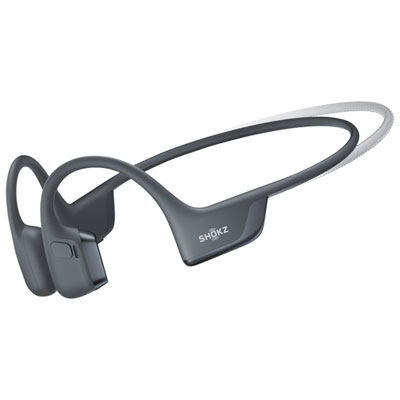
Wearable headphones bring personal audio into everyday routines through designs that rest in, on, or around the ears. The category includes open-ear headphones, bone-conduction headphones, ear-hook styles, and neckband designs, each with a different balance of fit, sound isolation, and portability. Bone-conduction headphones transmit sound through vibrations against the bones near the ears, while open-ear air-conduction headphones use small speakers positioned close to the ear canal without sealing it. Both approaches can leave the ears open to nearby voices and other sounds, making them useful for listeners who want music or podcasts without feeling completely cut off from their surroundings. An open-ear design does not guarantee awareness of traffic or other hazards, and listening volume still matters. Traditional in-ear designs create a closer seal, which can provide fuller bass and reduce some outside noise when the ear tips fit properly. Wraparound designs, including Wrap Headphones, connect the listening pieces around the back of the head or neck, helping keep them together during movement. For someone following a workout, walking the dog, or moving between tasks at home, that connected shape can feel more secure than separate earbuds. At a desktop, an open-ear design can make it easier to hear a colleague speaking nearby, although audio may be audible to others at higher volumes. Sound character also varies by design: a sealed earbud usually delivers a more enclosed listening experience, while an open-ear style allows outside sound to mix with the audio. Spoken-word listening, background music, calls, and focused listening each place different demands on headphones. Microphone placement, physical buttons, and access to volume controls can be just as important as the way music sounds, particularly when a phone stays in a pocket or bag. Someone listening to an audiobook while tidying a room may value easy pause controls more than strong isolation, while a commuter may prefer a closer seal for listening at a comfortable volume.
Comfort depends on where wearable headphones make contact and how their weight is distributed, not simply on how light they feel in the hand. Ear hooks need to sit securely without pinching, neckbands need enough room for natural head movement, and in-ear tips need a seal that does not create uncomfortable pressure. Soft silicone contact surfaces, flexible bands, and smooth plastic housings are common construction choices; some designs use metal reinforcement to help the band retain its shape. These materials serve different purposes, so a flexible frame is not necessarily intended to be folded or twisted. People who wear glasses may notice pressure where an ear hook and a glasses arm overlap, while a wraparound band can touch a chair’s headrest when leaning back. Long hair, earrings, and helmet straps can also affect how a design sits. These small contact points become more noticeable during an extended call or a longer workout. For exercise, stability and resistance to perspiration are practical considerations, but water resistance varies between models. An IP rating describes tested protection against dust, water, or both; it does not mean that every headphone with a rating is suitable for swimming. Swimming use requires a design specifically intended for that activity, and Bluetooth connections do not work reliably underwater. Built-in audio storage, where supported, can provide playback without relying on an underwater wireless connection. Everyday care also contributes to durability. Skin oils and perspiration can build up around contact surfaces, while lint can collect near charging ports or contacts. Cleaning methods depend on the materials and construction, with manufacturer-approved care instructions taking precedence over general cleaning habits. Charging contacts should be dry before connection, and removable tips should be fully dry before being reattached. A protective case or pouch helps prevent scratches and keeps a band from being crushed beneath other belongings. Storing headphones away from loose keys and avoiding unnecessary strain on hinges, cables, and charging connectors can help preserve their fit and function.
Wireless features determine how smoothly wearable headphones fit into a day of calls, entertainment, and movement. Bluetooth pairing provides the connection to a compatible phone, tablet, computer, or other audio source, while multipoint support on some models allows connections to two devices at once. That can be convenient for someone listening from a laptop who also needs to answer calls on a phone, though switching behaviour depends on the headphones and connected devices. Basic audio compatibility does not always mean every feature is supported: companion apps, voice controls, equalizer settings, and certain audio formats may have additional device or operating system requirements. Physical controls can be easier to locate by touch during a walk, while touch-sensitive surfaces reduce the need for raised buttons but may respond differently to accidental contact. For calls, microphone design and background-noise processing matter separately from playback quality. Clear music does not automatically mean clear speech, particularly in a busy gym or shared workspace. Battery life is another practical distinction. Stated playback figures depend on test conditions, and actual listening time can change with volume, calls, connection settings, and enabled features. A charging case, where included, stores additional power, but its total charging capacity is different from the listening time available on a single headphone charge. Quick charging can be useful before leaving home, provided the headphones support it and the required charging equipment is used. For gifts, the recipient’s routine offers useful context: a fitness enthusiast may appreciate a secure fit and accessible controls, a frequent caller may prioritize microphone performance, and a podcast listener may value long-wearing comfort. Colour, storage size, charging connections, and compatibility with devices already in use can make the gift feel more personal. Wearable headphones are most useful when their shape and features suit the way someone actually listens, whether that means staying aware of a conversation at home, keeping audio close during a workout, or moving between music and calls throughout the day.
Top selling and popular products
-
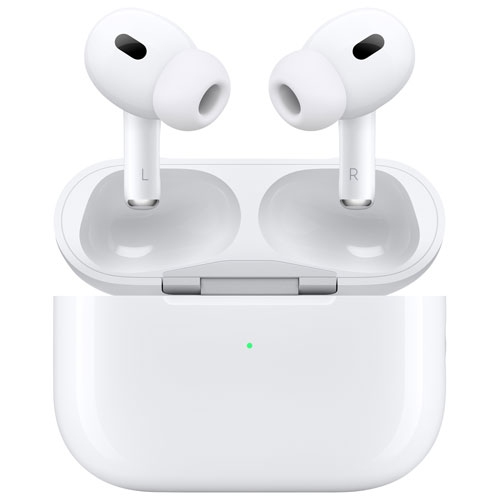 Your price for this item is $349.99
-
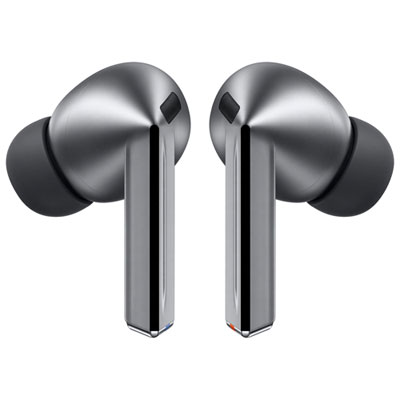 Your price for this item is $329.99
-
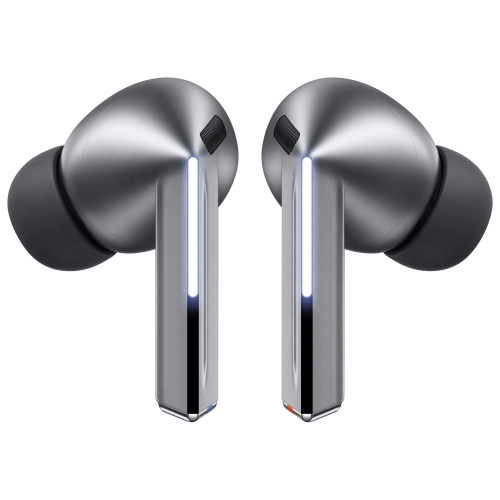 Your price for this item is $229
-
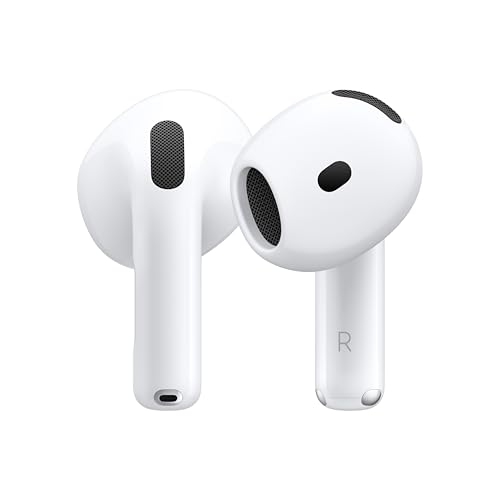 Your price for this item is $159.99
-
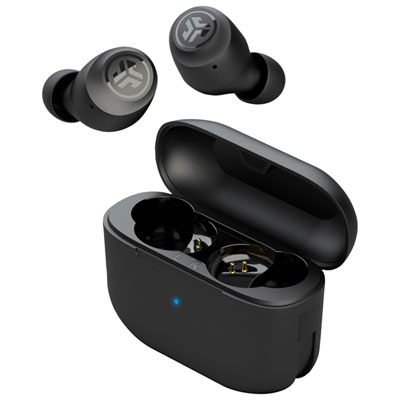 Your price for this item is $19.99
-
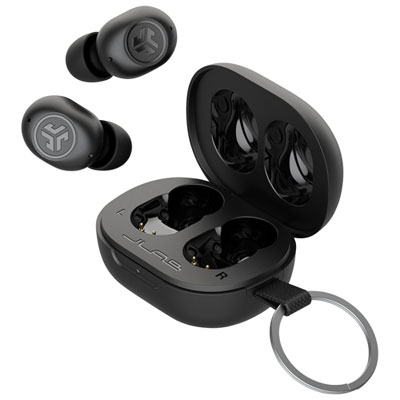 Your price for this item is $59.99
-
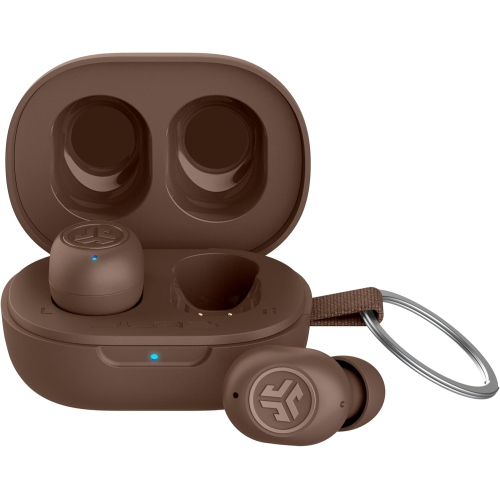 Your price for this item is $107.49
-
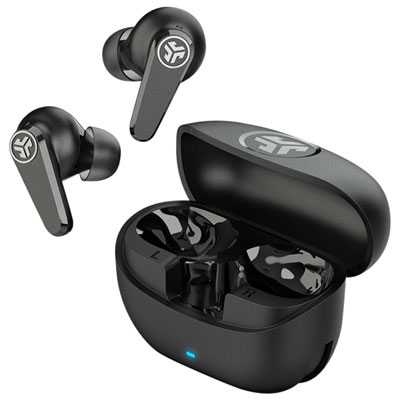 Your price for this item is $59.99
Discover more categories related to Wearable Headphones

Top Collections:
Best Black Friday Deals This Year, Best Black Friday Deals On Electronics, Kindle Devices, Best Black Friday Deals On Apple Products, Best Budget Office Chairs, Best Cameras for Sports Photography, Dyson Airwrap, Canon G7X Cameras, Best Laptops for Writers, Samsung Galaxy Phones
Some products may be subject to Environmental Handling Fees
(EHF) depending on your province.
Learn more about EHFs.