Wireless Headphones for Students
Wireless Headphones for Students make it easy to enjoy music, podcasts, and online classes whether you’re on campus, at home, or on the go. With a variety of styles and options available, students can find the perfect pair to match their study habits and daily routines. Explore a wide selection designed to deliver comfort and convenience throughout the school year. Find Wireless Headphones for Students that fit your needs and help you stay focused, entertained, and connected wherever learning takes you.
Sort
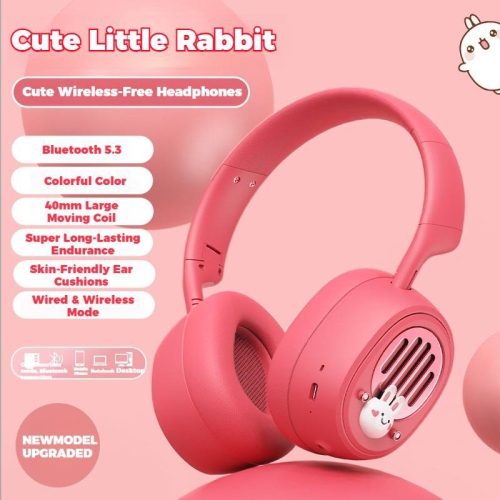
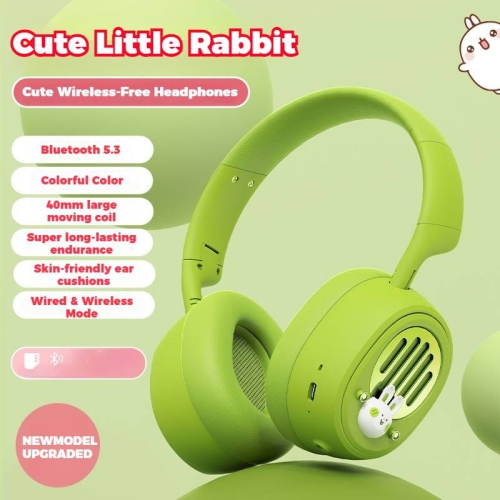
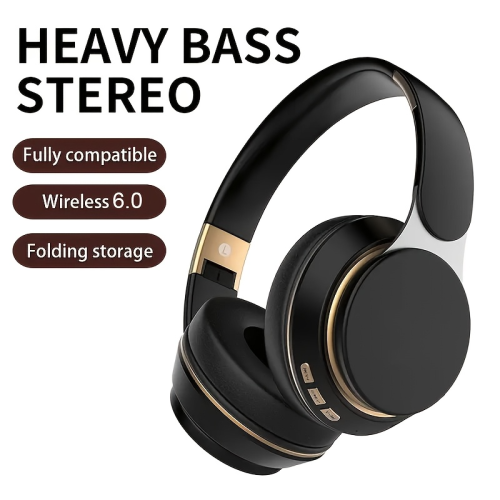
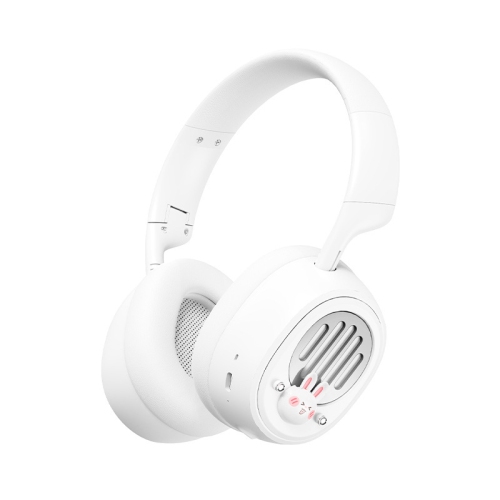
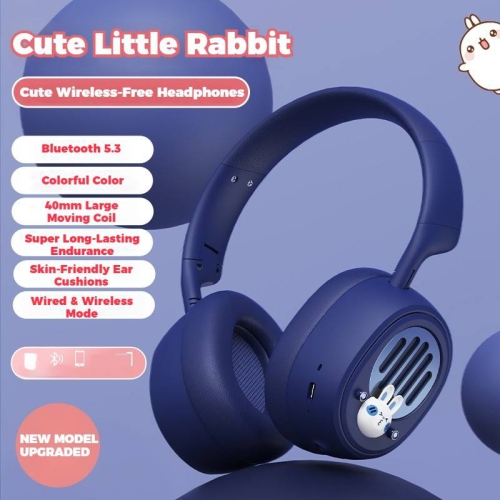
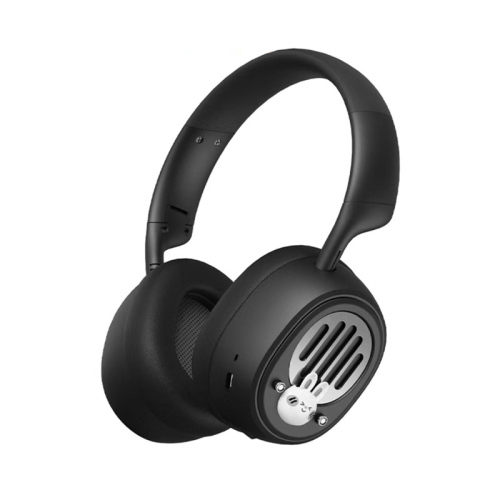
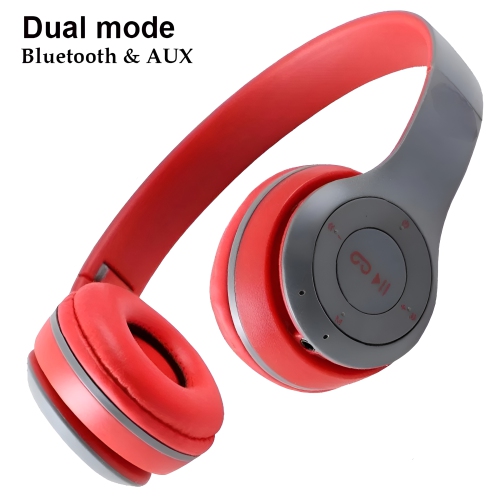
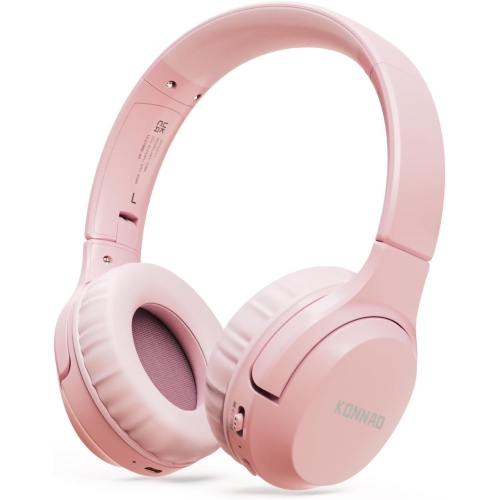
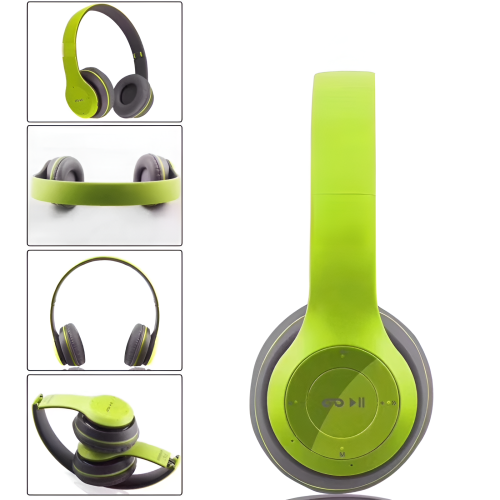
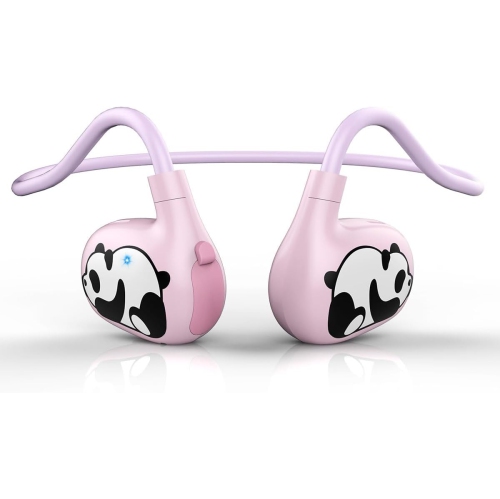
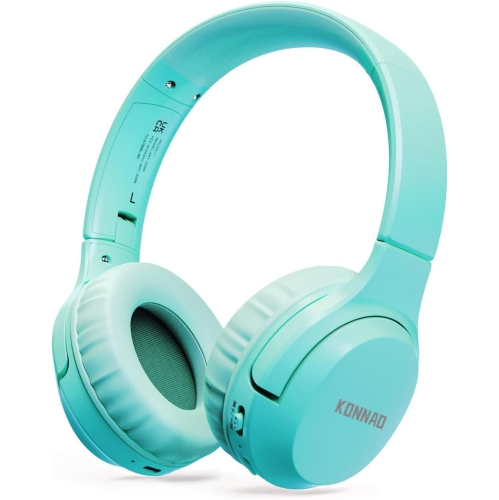
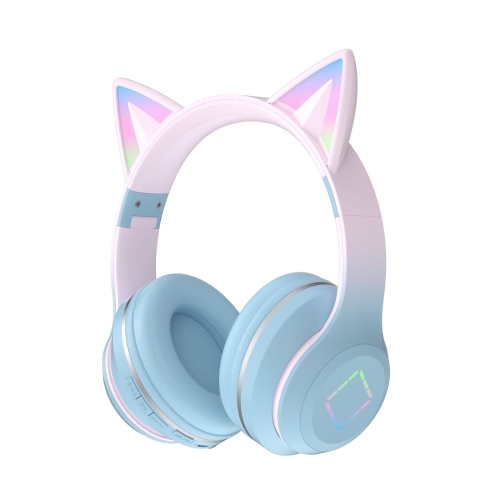
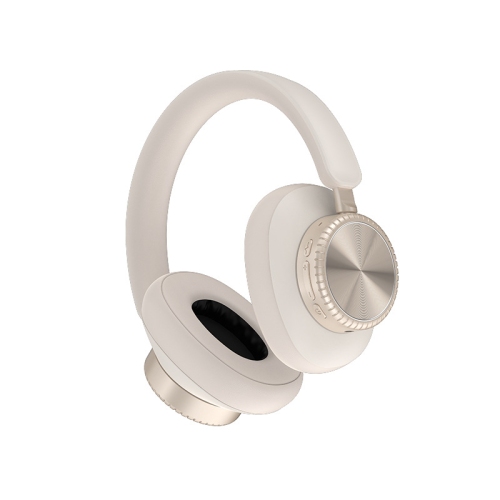
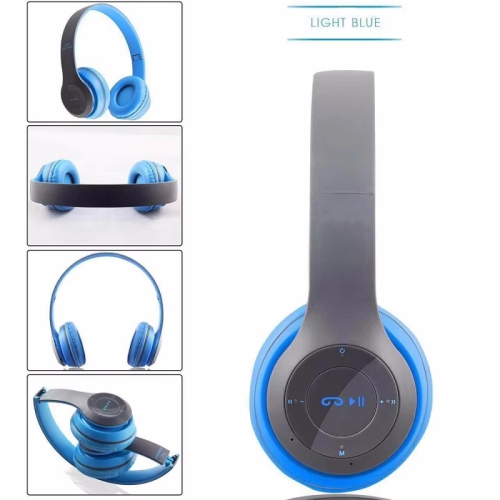
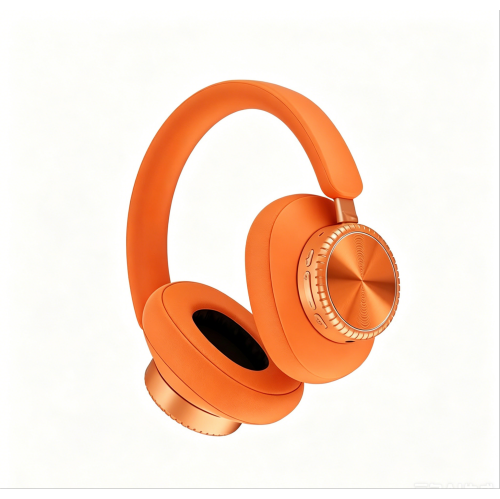
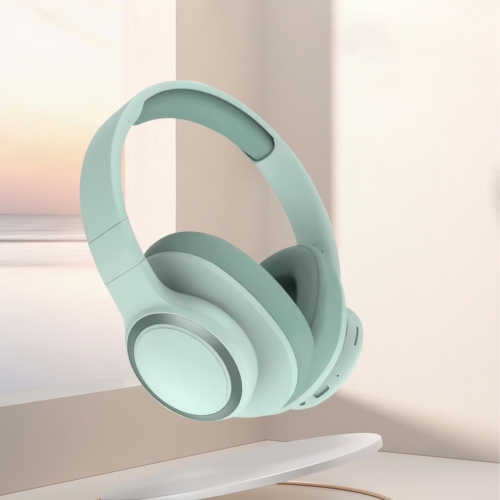
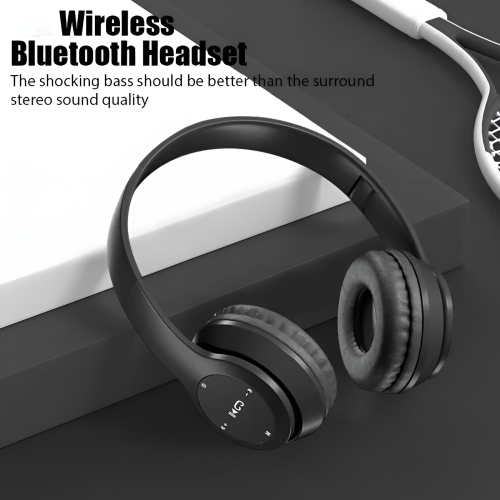
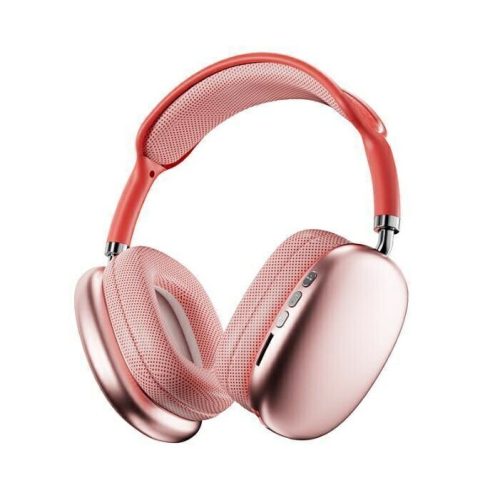
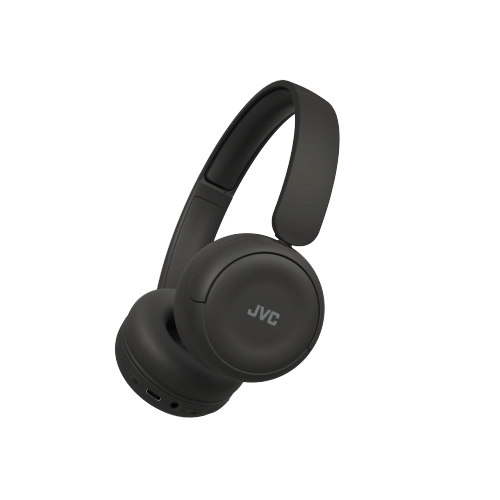
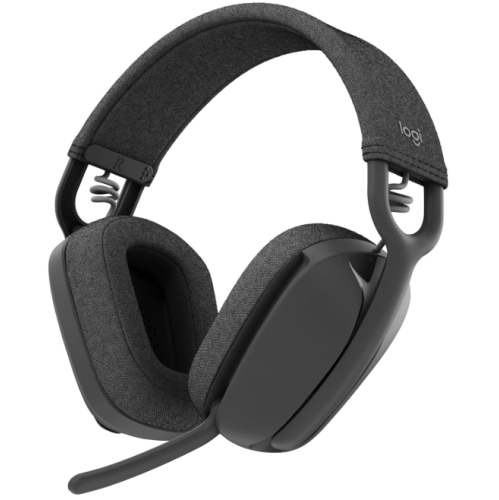
Comfort that carries from lectures to the commute
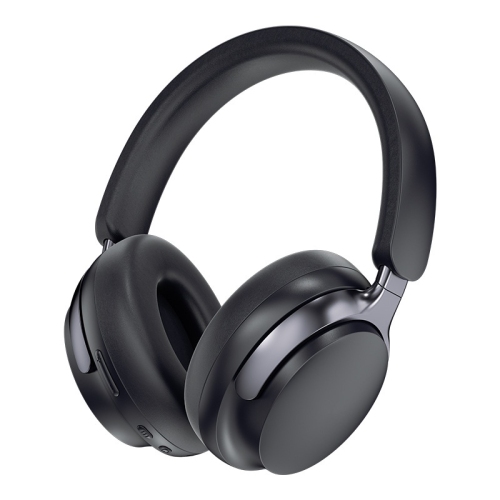
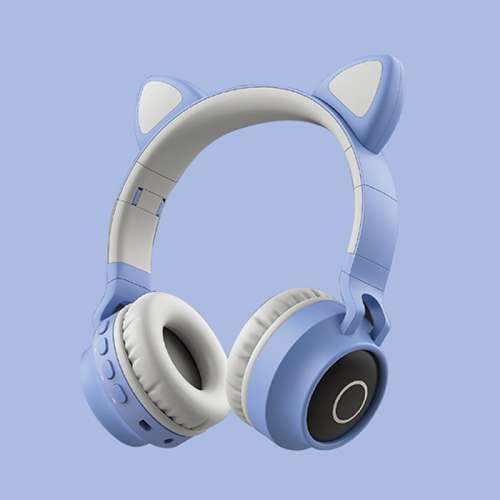
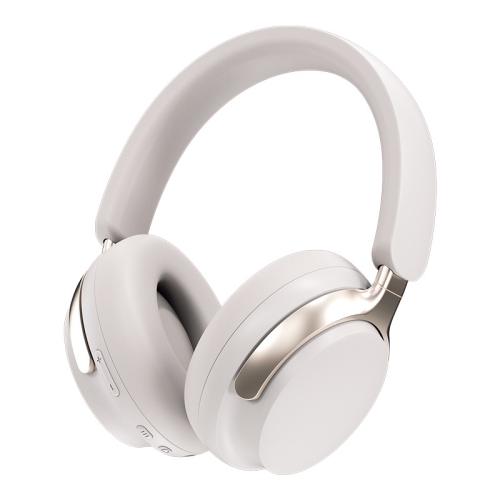
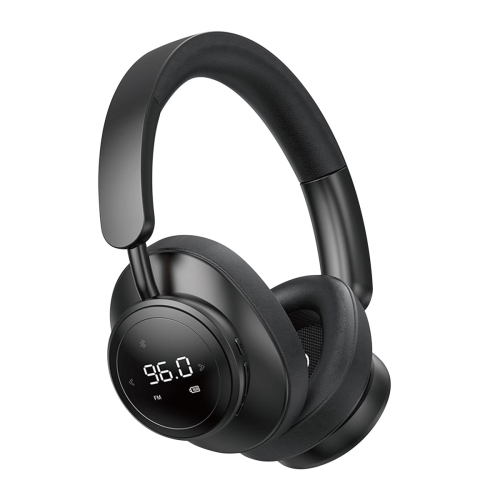
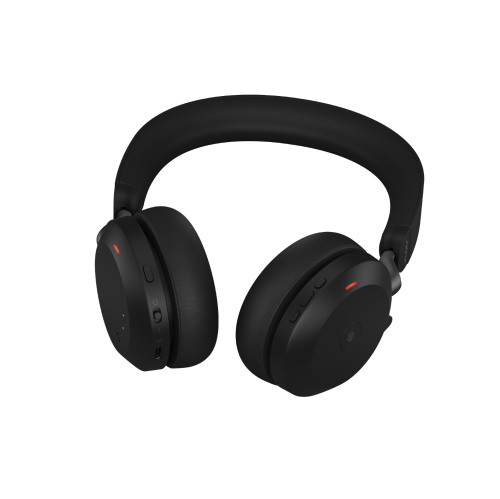
Wireless headphones for students balance comfortable fit, dependable battery life, clear microphones for online classes, and features that make listening easier in shared spaces. They can support a routine that moves from recorded lectures and language practice to music between classes and video calls with a project group. Over-ear headphones have cushions that sit around the ears, while on-ear designs rest against them and often take up less room in a backpack. Neither shape suits everyone equally: earcup depth, headband adjustment, overall weight, and clamping pressure all affect how a pair feels after an extended reading session. For students who wear glasses, soft cushioning and a fit that does not press the frames firmly against the head can make a noticeable difference. Breathable fabric coverings and smooth leatherette finishes also feel different against the skin, so comfort involves more than padding thickness alone. A secure fit should stay in place when moving between classrooms without requiring an overly tight headband. Noise cancellation can help reduce steady background sounds, such as ventilation or the low rumble of a bus, but it does not remove every conversation or sudden noise. The earcups’ seal also contributes to sound isolation, even without active noise cancellation. Transparency or ambient listening modes, where included, let more surrounding sound through when hearing an announcement or speaking with a classmate matters. These modes do not replace paying attention to traffic or other hazards. In a quiet library, a well-fitting closed-back design can help limit sound leakage so nearby students are less likely to hear the same playlist. Clear speech reproduction is particularly useful for recorded lessons, while adjustable sound settings can accommodate different listening preferences. For long study blocks, a comfortable listening level and occasional breaks matter more than turning up the volume to compete with background noise. The best fit for student life is one that remains practical across focused work, everyday travel, and downtime, rather than excelling at only one part of the day.
Battery performance and connection options shape how easily wireless headphones fit into a school routine. A long advertised listening time can be helpful, but actual runtime varies with volume, noise cancellation, calls, and other enabled features. Separate figures for listening and talk time, when provided, offer a clearer picture for students whose afternoons include several online seminars. Quick charging can be useful before leaving for campus, although the listening time gained from a short charge depends on the headphones and the power source. The charging connector and required cable also affect convenience, especially when several devices share space on a small desk. Some wireless headphones support a wired audio connection for additional flexibility, but wired playback, microphone operation, and use with a depleted battery vary by design. Bluetooth connectivity keeps cables out of the way during everyday listening, while compatibility with a laptop, phone, or tablet depends on the connections and features each device supports. Multipoint connectivity can allow supported headphones to stay connected to two devices, such as a computer playing a lecture and a phone receiving calls. That is different from simply remembering several previously paired devices. For online classes, microphone clarity deserves as much attention as music playback. Listening noise cancellation reduces what the wearer hears; microphone noise reduction aims to reduce unwanted sounds picked up during a call. A headset can perform well in one area without matching that performance in the other. Microphone position, room acoustics, keyboard noise, and the conferencing software all influence how clearly a student’s voice reaches classmates. A short microphone check before a presentation can reveal whether the correct input is selected and whether speech sounds clear. Easy-to-reach mute and volume controls are helpful when responding during a discussion without searching through open windows. Physical buttons provide a tactile reference, while touch controls offer a different approach that may take some practice. For video lessons and interactive coursework, audio delay can also matter; connection type, device settings, and application support all play a role in keeping sound aligned with the screen.
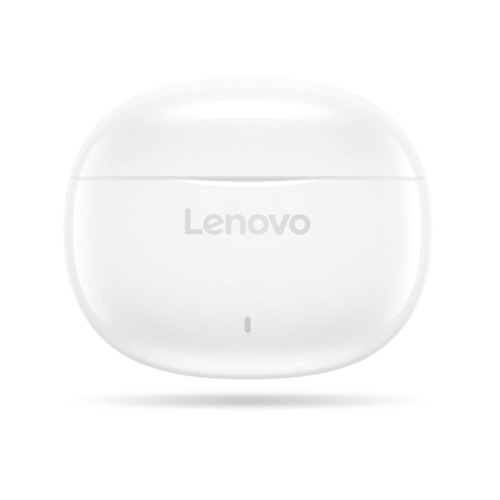
Materials, construction, and care become especially important when headphones travel in a bag every day. Lightweight plastic housings can keep carrying weight manageable, while metal reinforcement in a headband or hinge may add support at frequently stressed points. Material alone does not determine durability: hinge design, cable attachment points, cushion quality, and careful handling all contribute. Folding earcups can make storage easier, but hinges should move smoothly without being forced beyond their intended range. A protective case helps separate headphones from textbook corners, loose keys, and pressure inside a crowded backpack. Removable or replaceable ear cushions, where supported, can make routine upkeep more straightforward as padding becomes compressed through use. Cleaning should follow the manufacturer’s directions, with the headphones powered off and disconnected from charging. A soft cloth is generally suitable for light surface cleaning, while moisture should be kept away from openings, microphones, and charging ports. Harsh cleaners and soaking can damage finishes or cushioning. Headphones used for studying are not automatically designed for workouts, and any stated water-resistance rating has specific limits rather than implying complete waterproofing. Allowing damp surfaces to dry fully before storage or charging is another useful habit. Size and portability also influence what feels convenient: full-size earcups may suit a desk-based routine, while a more compact listening option can appeal to students who want less to carry. For that smaller format, Wireless Earbuds for Students offers a related option for everyday listening and calls. Wireless headphones can also be a thoughtful graduation gift or a practical present for someone beginning post-secondary studies, completing professional training, or taking courses from home. Familiarity with the recipient’s devices, preferred fit, and colour preferences helps make the gift more personal. Across these uses, comfort, straightforward controls, suitable connectivity, and manageable care requirements are the details that help headphones become a dependable part of student life.
Top selling and popular products
-
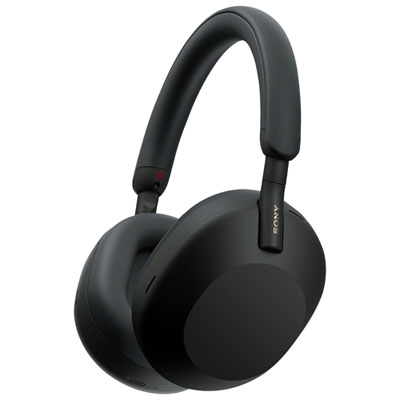 Your price for this item is $499.99
-
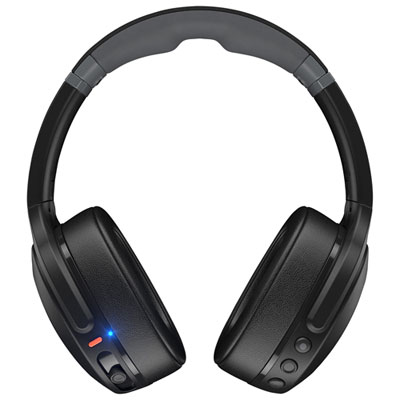 Your price for this item is $159.98
-
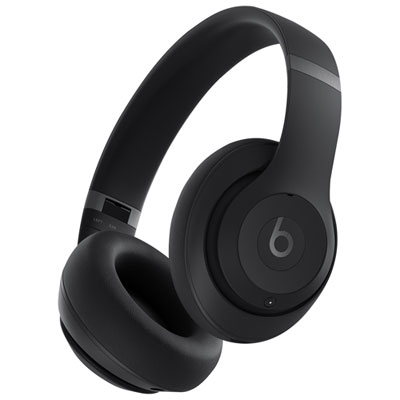 Your price for this item is $399.99
-
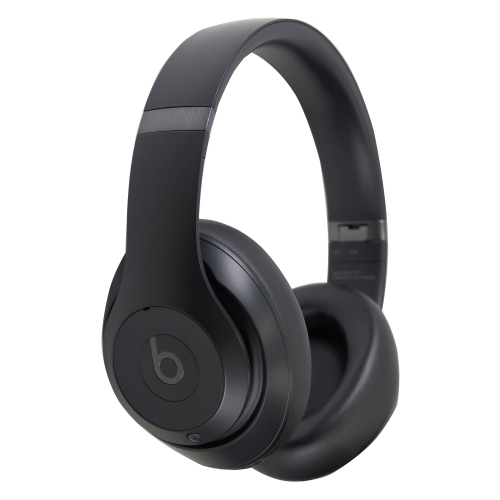 Your price for this item is $359
-
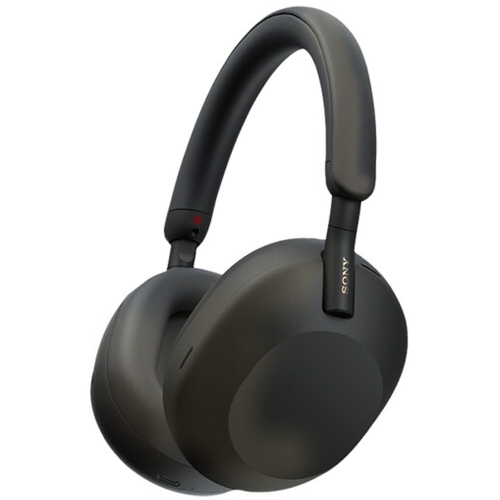 Your price for this item is $349
-
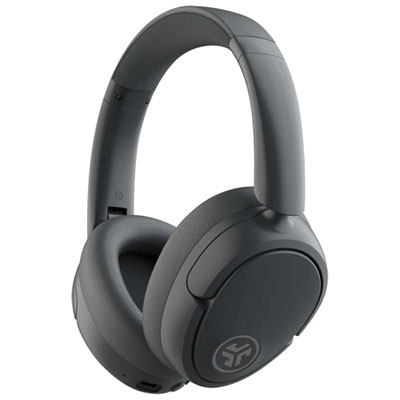 Your price for this item is $59.99
-
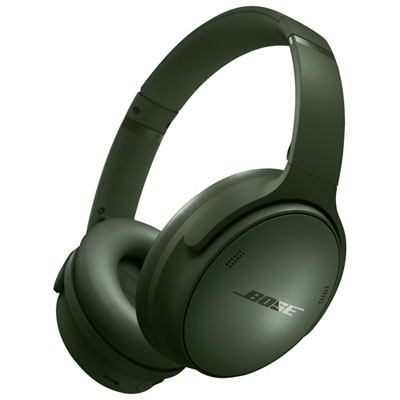 Your price for this item is $249
-
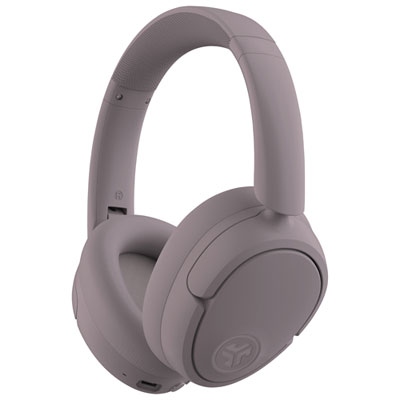 Your price for this item is $59.99
Discover more categories related to Wireless Headphones for Students
Top Collections:
Best Black Friday Deals This Year, Best Black Friday Deals On Electronics, Kindle Devices, Pokemon Centers, Best Black Friday Deals On Apple Products, Best Cameras for Sports Photography, Dyson Airwrap, Pokémon 30th Celebration Cards, Apple iPhone 17 Pro, Canon G7X Cameras
Some products may be subject to Environmental Handling Fees
(EHF) depending on your province.
Learn more about EHFs.