Wireless Headphones for Online Classes
Wireless Headphones for Online Classes make virtual learning more convenient and enjoyable by offering a seamless listening experience. Whether you're attending lectures, participating in group discussions, or focusing on assignments, the right pair of wireless headphones can help you stay connected and engaged. Explore a range of options designed to support your online education needs with comfort and reliability. Find the perfect Wireless Headphones for Online Classes to enhance your study sessions and keep you focused throughout your school day.
Sort
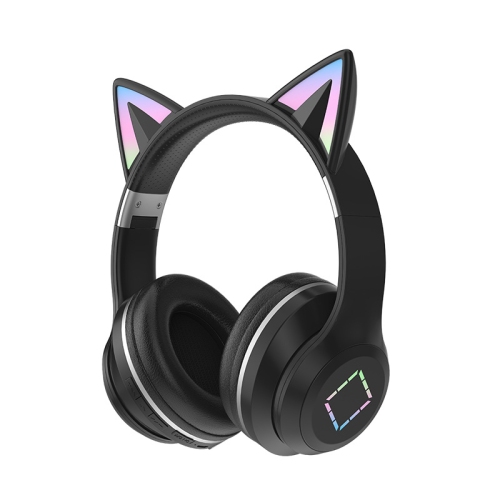
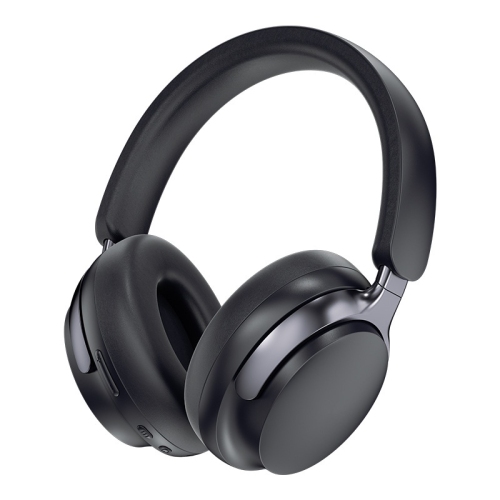
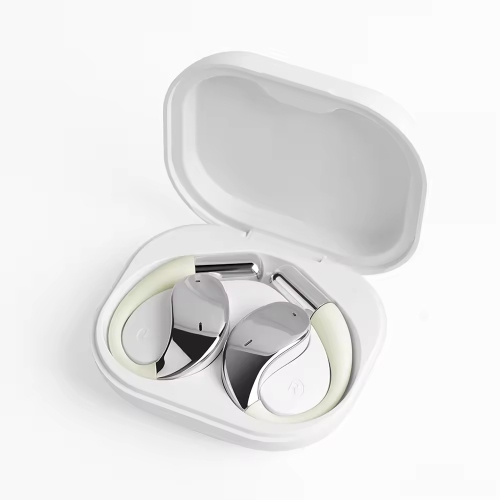
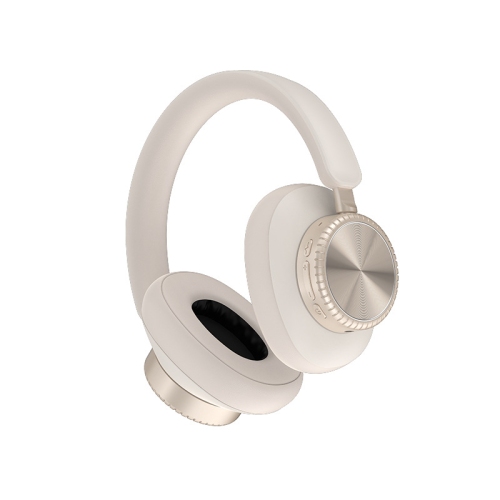
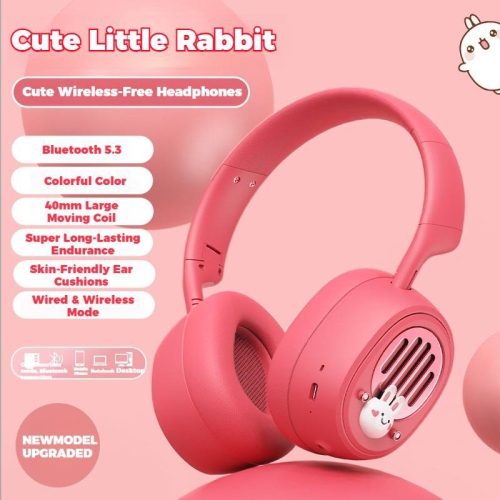
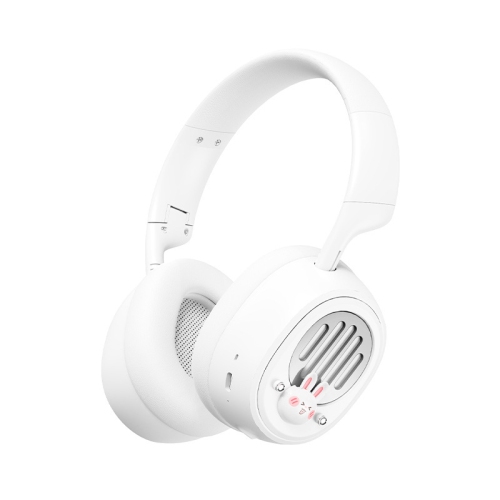
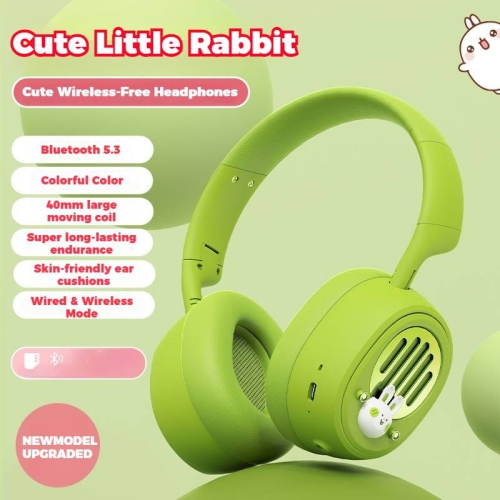
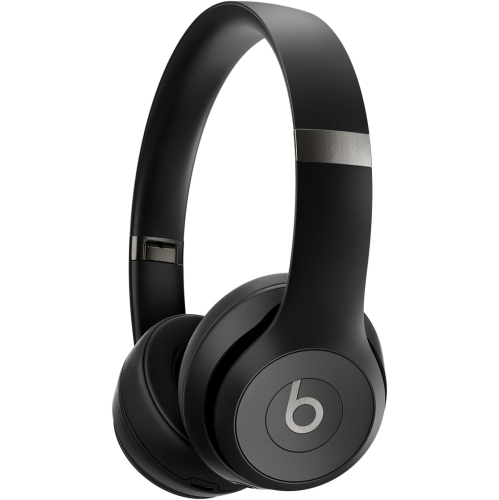
Why clear voices matter more than booming bass
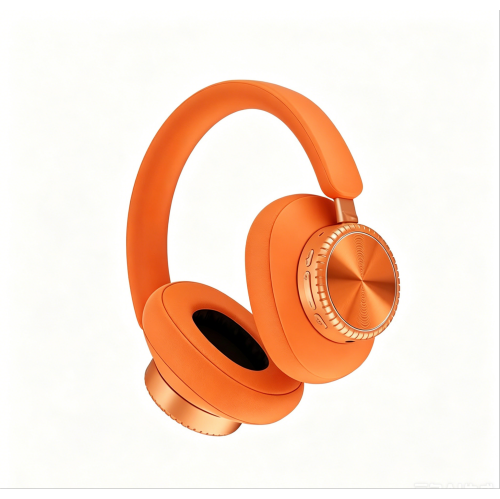
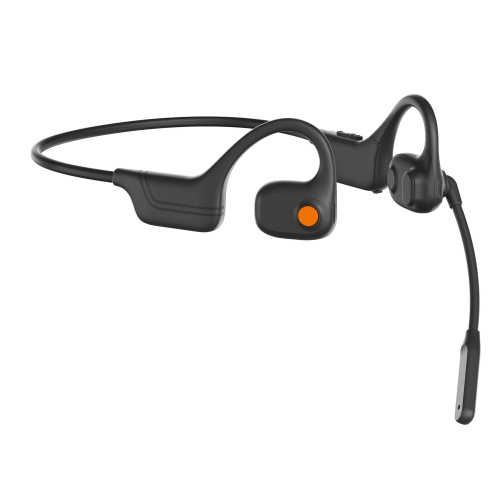
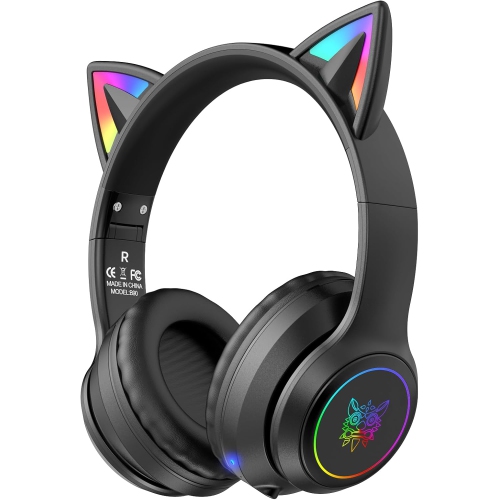
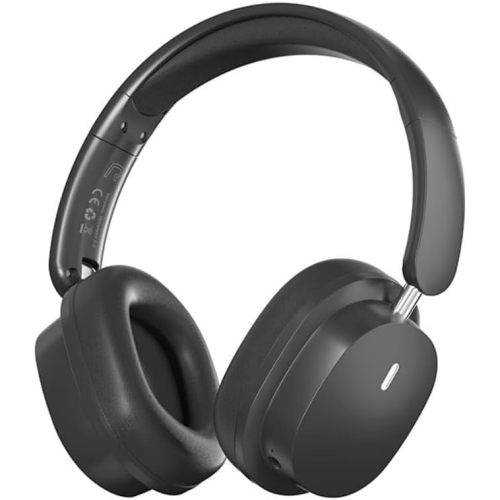
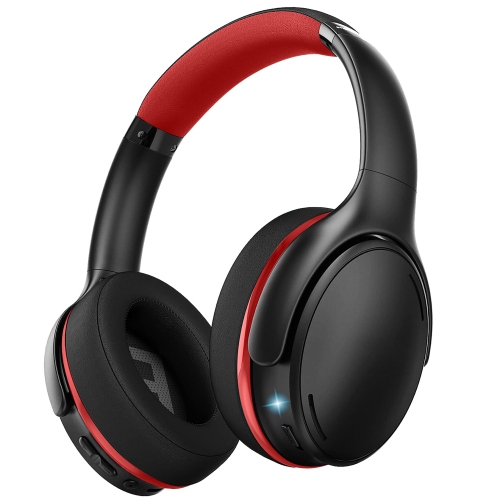
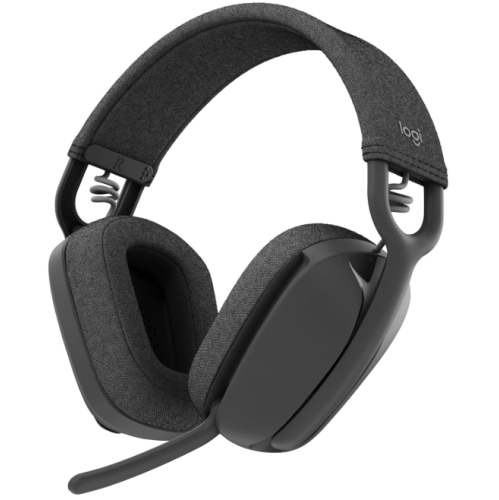
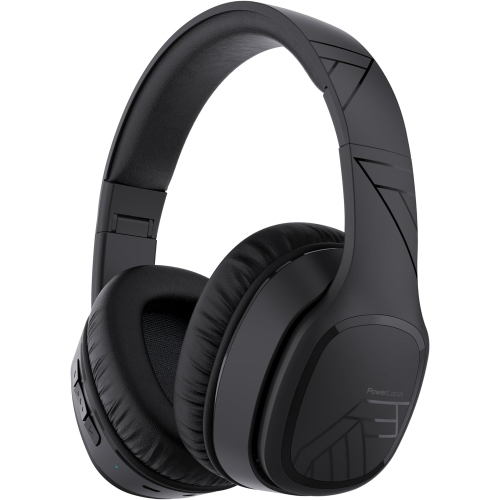
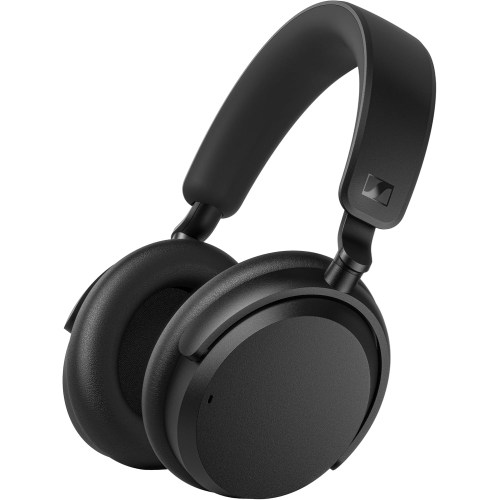
Wireless headphones for online classes bring lesson audio, group discussions, and spoken presentations closer without a cable running between the listener and the computer. They suit students attending live lectures, adults completing professional courses, tutors leading individual sessions, and teachers moving between explanations and demonstrations. At a shared kitchen table or a desk beside a busy hallway, a well-fitting pair can make speech easier to follow while keeping class audio from playing through room speakers. For learning, clear voices and dependable microphone performance often matter more than a strong bass response. Balanced sound helps preserve the detail in pronunciation exercises, recorded lectures, and conversations where several people take turns speaking. Headphones with a built-in microphone can handle everyday participation, while a wireless headset with an adjustable boom microphone allows the microphone to sit closer to the mouth. That placement can help make a speaker’s voice more prominent than nearby sounds, although results depend on the microphone design, its position, and the room. A boom positioned slightly to the side of the mouth may also reduce breath sounds during presentations. Active noise cancellation and microphone noise reduction serve different purposes: the former reduces some of the background sound heard by the wearer, while the latter aims to limit unwanted sound transmitted to classmates. Active noise cancellation is generally more effective against steady sounds, such as a fan, than sudden conversations or sharp noises. A close-fitting ear cushion also provides passive sound isolation, with results that vary according to fit and design. For someone listening to a lecture while another household member takes a call nearby, both fit and noise-control features can contribute to a less distracting experience. An awareness or transparency mode, where supported, lets more surrounding sound through when the listener needs to hear someone speaking nearby. None of these features makes a room completely silent, but the right combination can help keep attention on the lesson without relying on excessive volume.
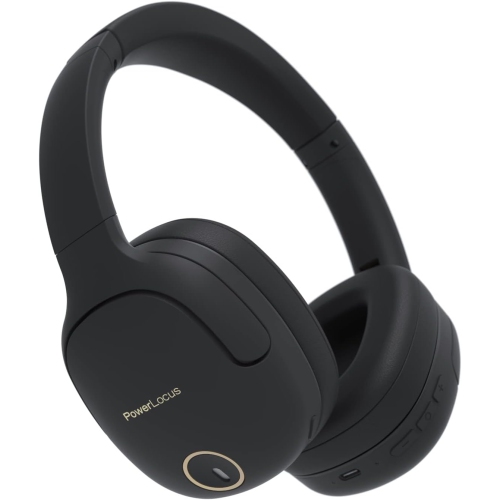
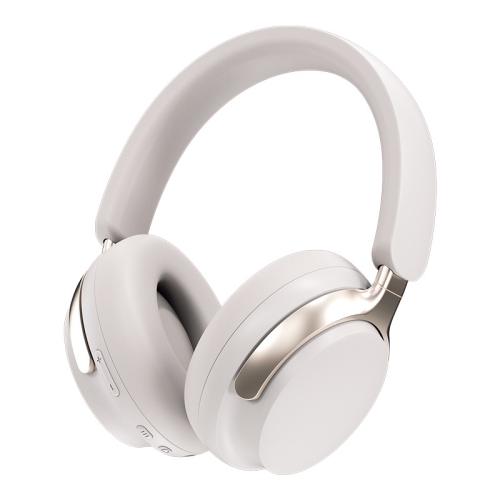
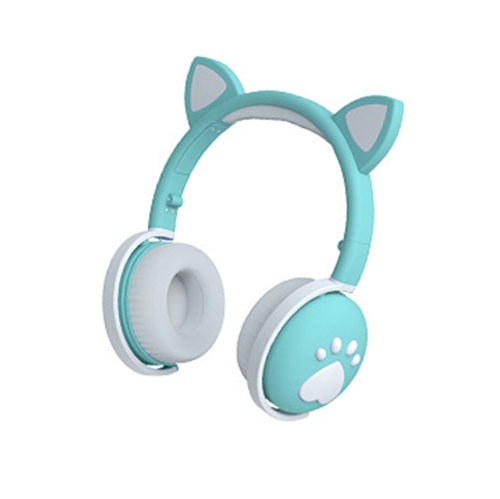
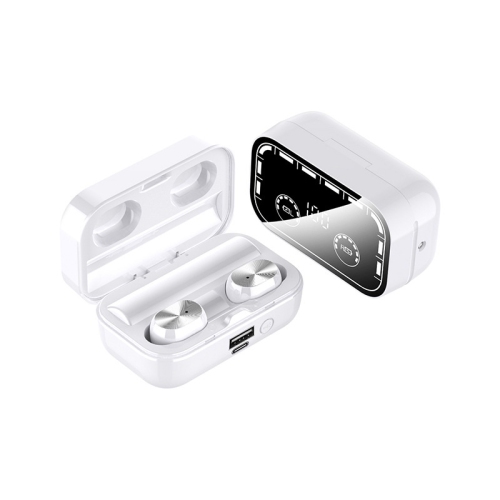
Comfort becomes especially important when a short tutorial is followed by a lecture, a study group, and independent coursework. Over-ear wireless headphones have cushions that surround the ears, spreading contact across a larger area, though larger ear cups can feel bulky on a smaller head. On-ear designs rest directly against the ears and are often more compact, but their pressure may become noticeable during longer sessions. Wireless earbuds leave the top of the head clear and take up little space in a bag, although comfort and stability depend heavily on tip size and ear shape. For any style, weight, headband adjustment, and clamping pressure influence how the headphones feel after sustained wear. A padded headband can soften contact at the crown, while swivelling ear cups help the cushions settle more evenly around the ears. Glasses introduce another consideration: firm cushions may press the arms of a frame against the head, whereas softer padding can be more forgiving. Materials affect both feel and upkeep. Fabric-covered cushions can feel breathable against the skin but may hold dust, while synthetic leather surfaces are often easier to wipe clean according to the manufacturer’s directions. Foam cushioning provides softness, but its shape and resilience can change with repeated use. Replaceable ear pads can be useful when the original cushions become flattened or worn. Hinges, sliders, and folding joints deserve attention too, particularly when headphones travel between home, a library, and a classroom. A protective case helps prevent ear cups from being crushed beneath books and keeps charging accessories together. Routine care generally means handling the headband gently, keeping moisture away from openings, and following the specified cleaning method rather than soaking cushions or applying harsh cleaners. For younger learners, an appropriately sized fit matters more than an adult-style appearance; volume-limiting features may also be worth considering, although they do not replace sensible listening levels and breaks. Wireless headphones can make a practical gift for a student or someone returning to study, especially when their preferred fit and learning device are already known.
Connection options and battery performance shape how smoothly wireless headphones fit into a class routine. Bluetooth offers a cable-free connection to compatible laptops, tablets, and phones, but support for individual features varies by device and operating system. Headsets that include a dedicated USB wireless receiver offer another connection method, provided the computer has a compatible port and permits the accessory. Compatibility with the learning platform matters as well: hearing a recorded video does not necessarily confirm that the microphone and call controls will work as expected during a live session. On some Bluetooth setups, sound quality changes when the microphone is active because the connection switches to a mode designed for two-way communication. For lectures and discussions, reliable speech transmission is usually the priority. Multipoint Bluetooth can keep headphones connected to two compatible devices, making it easier to move between a laptop lesson and a phone call, but it does not necessarily mix sound from both devices at once. Switching behaviour varies, so incoming notifications may interrupt class audio on some setups. Accessible volume buttons, a microphone mute control, and a clear mute indicator can be particularly helpful during group work, when the listener needs to respond without searching through an on-screen menu. Battery capacity should cover the expected stretch of lessons with room for an extended discussion or study session. Published battery estimates depend on test conditions, and actual listening time can change with volume, microphone use, and active noise cancellation. Quick charging can be convenient between sessions, but charging speed and playback while charging are separate features. Likewise, a USB-C charging port does not automatically support wired audio. Some wireless headphones offer an analogue cable connection or USB audio as a backup, and microphone support in those modes can differ from wireless operation. For a setup that does not depend on a wireless battery, wired headphones for online classes provide another option, subject to connector compatibility. A dependable class setup brings these details together: comfortable headphones, a microphone selected in the meeting software, sufficient charge, and controls that are easy to reach when it is time to speak.
Top selling and popular products
-
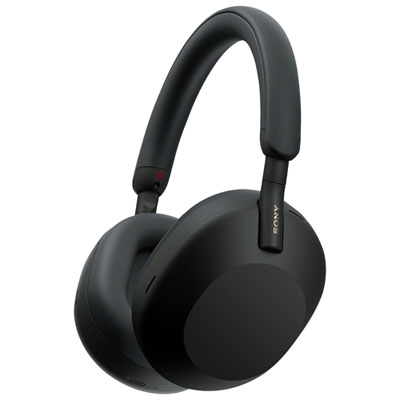 Your price for this item is $499.99
-
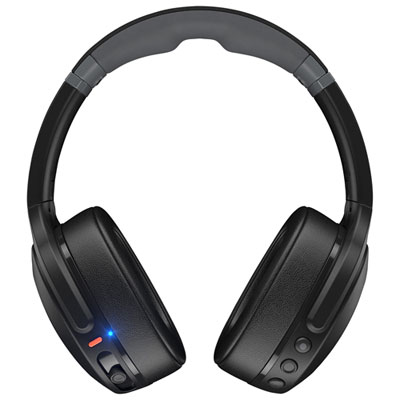 Your price for this item is $159.98
-
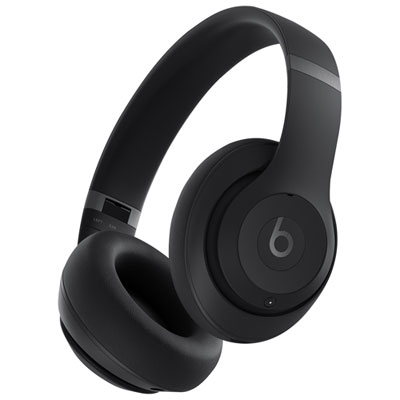 Your price for this item is $399.99
-
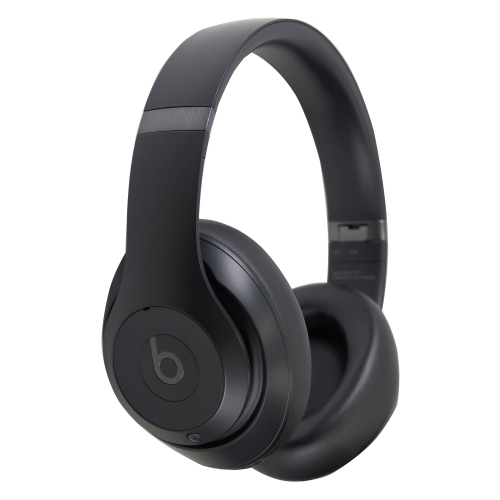 Your price for this item is $359
-
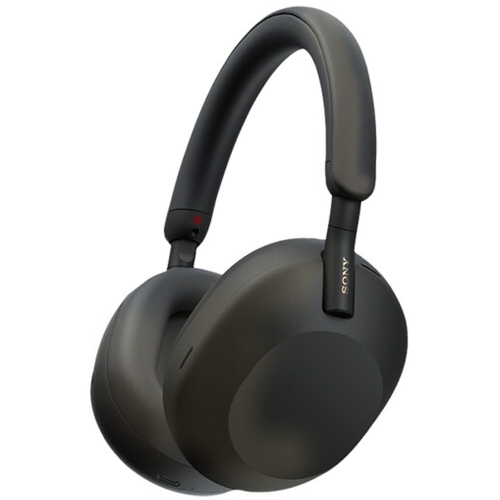 Your price for this item is $349
-
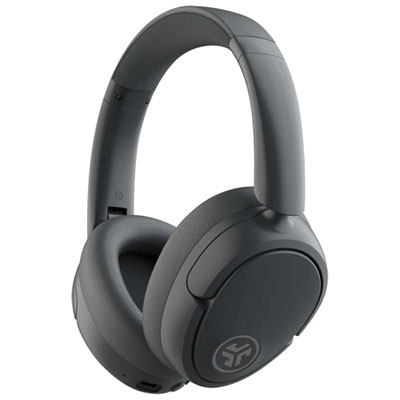 Your price for this item is $59.99
-
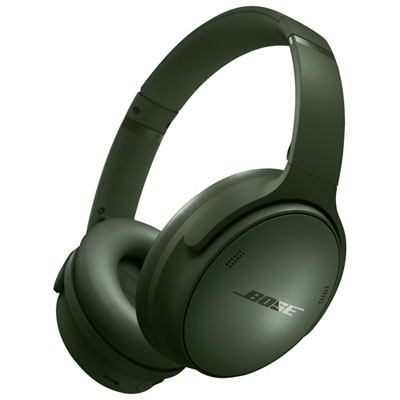 Your price for this item is $249
-
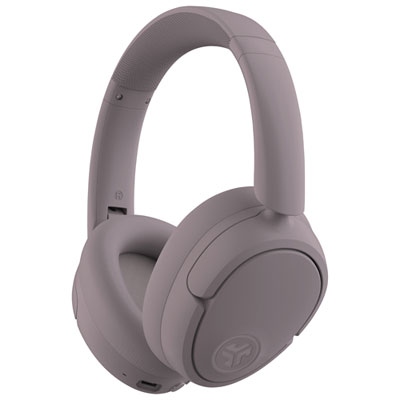 Your price for this item is $59.99
Discover more categories related to Wireless Headphones for Online Classes
Top Collections:
Best Black Friday Deals This Year, Best Black Friday Deals On Electronics, Kindle Devices, Pokemon Centers, Best Black Friday Deals On Apple Products, Best Cameras for Sports Photography, Dyson Airwrap, Pokémon 30th Celebration Cards, Apple iPhone 17 Pro, Canon G7X Cameras
Some products may be subject to Environmental Handling Fees
(EHF) depending on your province.
Learn more about EHFs.