Wireless Noise Cancelling Headphones for Travel
Wireless Noise Cancelling Headphones For Travel offer a convenient way to enjoy your favorite music, podcasts, and entertainment while on the go. Designed to help create a more immersive listening experience, these headphones are ideal for flights, train rides, or any journey where you want to minimize distractions. With a variety of styles and features available, finding the right pair of wireless noise cancelling headphones for travel can enhance comfort and enjoyment during your trips. Explore options that fit your needs and discover how easy it is to stay connected and focused wherever your travels take you.
Sort
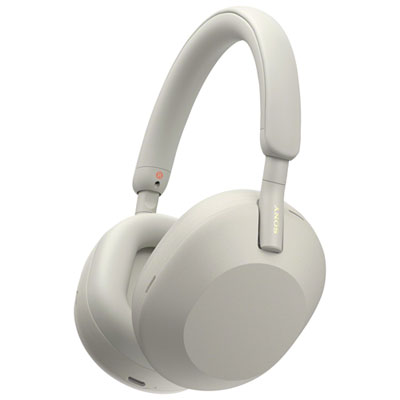


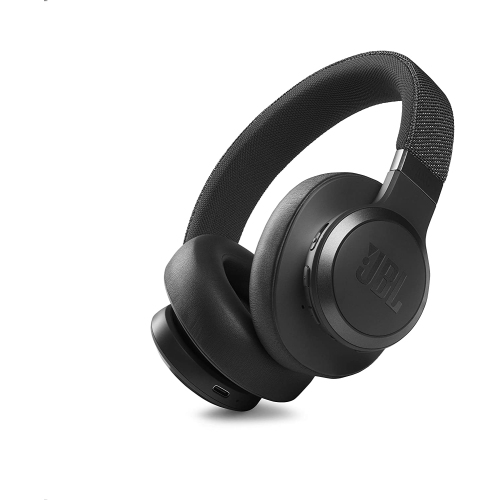
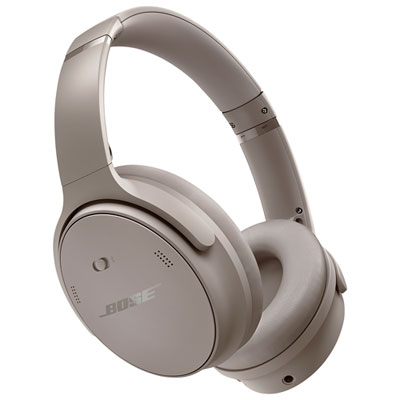
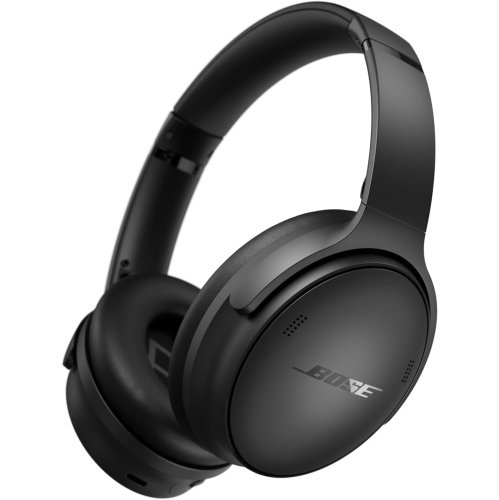
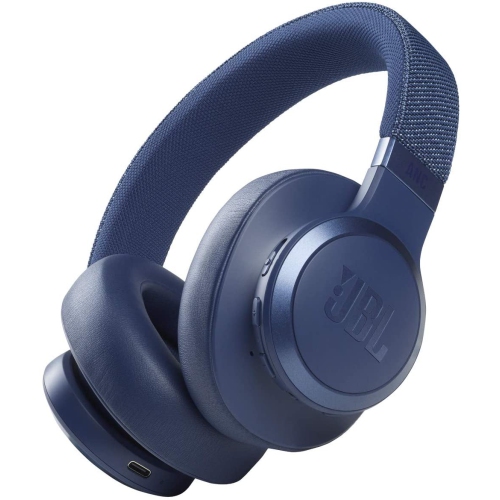
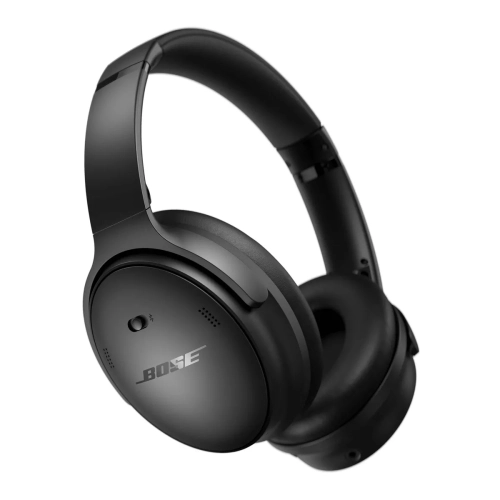

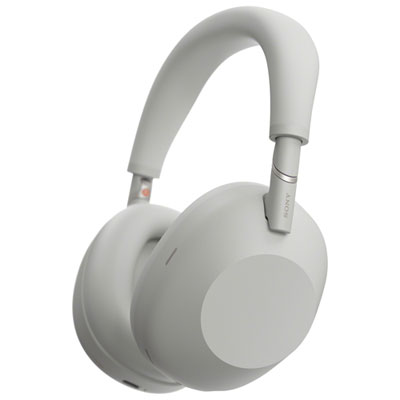


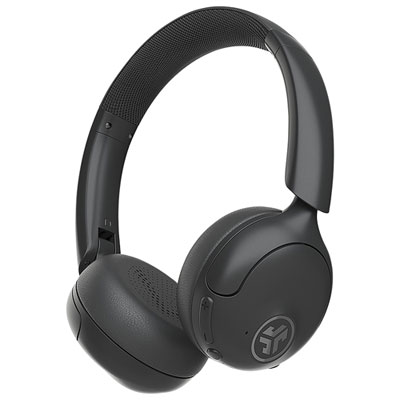
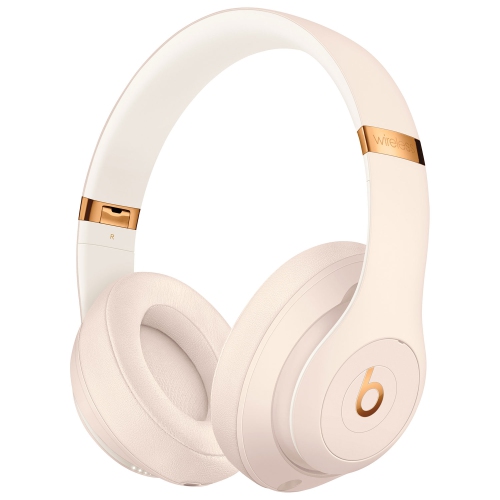
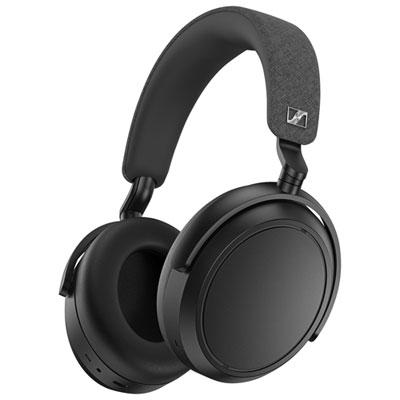
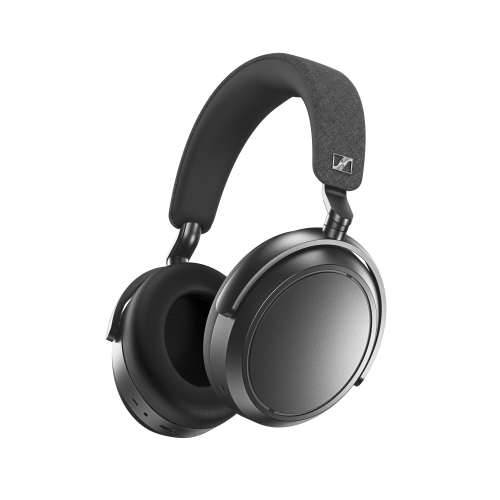
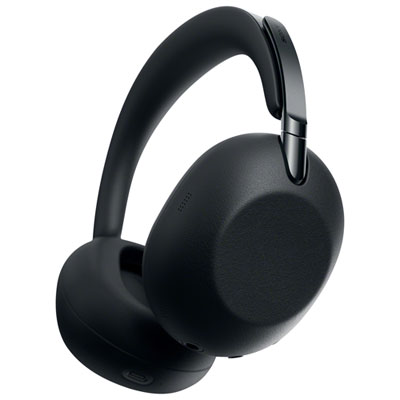
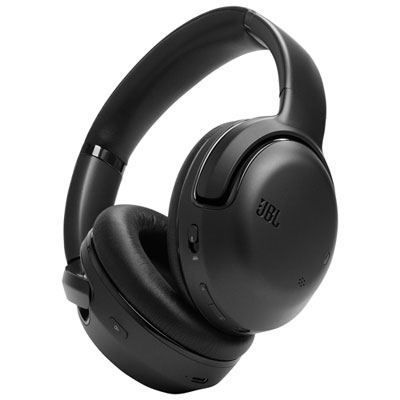
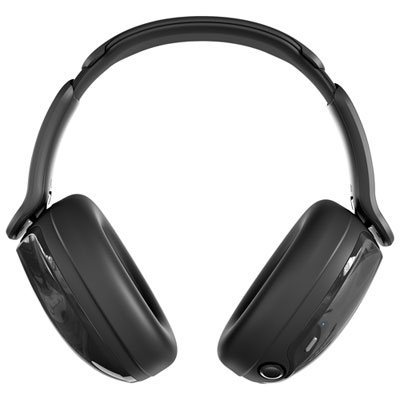

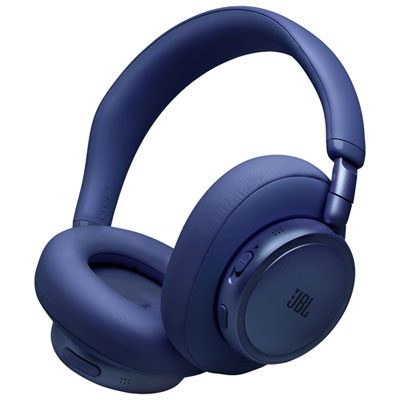
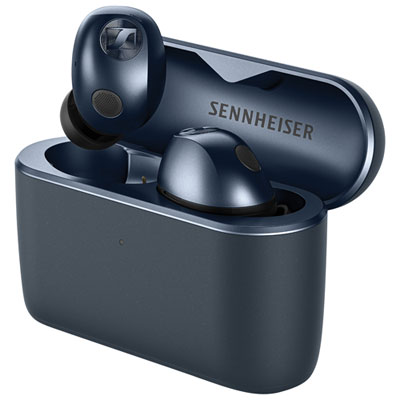
Less engine hum without turning up the volume
Wireless noise-cancelling headphones for travel combine cable-free listening with active noise cancellation, helping reduce steady sounds such as aircraft engine hum, train rumble, and the low drone of a bus. They can make music, podcasts, audiobooks, and downloaded films easier to hear without relying on higher volume to compete with background noise. Active noise cancellation, often called ANC, uses microphones and electronic processing to counter incoming sound, while the ear cushions provide a physical barrier around the ears. The two work together, but neither creates complete silence: nearby conversations, sudden announcements, and sharp sounds may still be audible. That distinction matters in a busy terminal, where a quieter listening experience should not mean losing track of a gate change. Over-ear designs are a familiar choice for longer journeys because their cushions surround the ears rather than resting directly on them. Comfort depends on more than padding thickness, though. Headband pressure, overall weight, ear cup depth, and the space inside each cushion all influence how headphones feel after several hours. Travellers who wear glasses may notice pressure where the arms meet the cushions, and a small gap around the frames can affect the acoustic seal. Adjustable headbands, swivelling ear cups, and evenly distributed cushioning help accommodate different head shapes and seated positions. Materials also affect the experience: smooth synthetic coverings are generally easy to wipe clean, while fabric-covered contact areas have a different feel against the skin. Metal-reinforced sections can add strength, but construction quality and careful handling matter as much as the material itself. For a passenger settling into a window seat or a commuter listening through several connections, a secure fit that stays comfortable while turning the head is often more useful than a bulky design with generous padding. Controls that are easy to find by touch can also spare the repeated search for a phone tucked into a backpack or jacket pocket.
Battery life, charging, and connection options shape how well wireless travel headphones fit into an actual itinerary. A quoted battery figure is useful context, but listening volume, noise-cancelling settings, calls, and other features can change the time between charges. Headphones that cover a short commute comfortably may need a charging break during a long flight followed by a train journey. Fast charging can be useful during a brief stop, although the listening time gained from a short charge varies by model. USB-C charging may simplify packing when other devices use the same connector, but the charging requirements and included accessories still deserve attention. Wireless connectivity is convenient for moving through a station or keeping cables away from a tray table; a wired audio option can add flexibility when an aircraft entertainment system does not support Bluetooth. A charging socket does not necessarily accept audio, and some headphones need battery power even with an audio cable connected. Seatback systems may also require a compatible plug adapter or wireless transmitter, so compatibility is worth confirming before departure. Travellers comparing cabin listening options can also explore Noise-Canceling Headphones for Air Travel, especially when comfort, connection flexibility, and easy packing are priorities. For journeys that mix work and leisure, multipoint connectivity can allow supported headphones to stay connected to two devices, such as a phone and a laptop, without repeated pairing. Switching behaviour varies, particularly when a call interrupts video playback. Clear microphone performance is useful for a conversation from a quieter waiting area, but strong listening-side noise cancellation does not automatically mean that the person on the other end will hear less background noise. Physical buttons, touch panels, voice controls, and companion app settings each offer a different balance of convenience. Simple access to pause, volume, and listening modes is particularly helpful when one hand is holding a boarding pass or pulling a suitcase.
Portability and everyday care help determine whether travel headphones remain a reliable companion beyond the first trip. Folding hinges and flat-swivelling ear cups can reduce the space needed in a carry-on, although a compact shape still needs protection from pressure and loose objects. A structured carrying case helps keep the headband and ear cups from being squeezed between a laptop, a water bottle, and tightly packed clothing. A small compartment for the charging cable and any audio adapter makes those accessories easier to find before boarding rather than halfway through a flight. Durability depends on sturdy adjustment points, secure hinges, and materials suited to repeated handling; replaceable ear cushions can also be valuable because the surfaces that touch skin tend to show wear before the rest of the headphones. Routine cleaning should follow the manufacturer's directions, using a soft cloth and keeping liquid away from microphones, sockets, and seams. Allowing damp cushions to dry before closing the case helps prevent moisture from being trapped against the padding. Water resistance, where specified, has limits and should not be assumed from a travel-oriented design. These practical details matter to frequent flyers, students travelling between home and campus, rail passengers, and people who move between shared workspaces. Wireless noise-cancelling headphones can also make a thoughtful gift for someone who spends substantial time in transit, especially when the choice reflects their preferred fit, device connections, and tolerance for wearing a headband over long stretches. An ambient or transparency mode can make brief conversations easier, but removing the headphones may be the clearer option when listening to staff or navigating unfamiliar surroundings. Keep volume moderate, follow crew instructions, and remain attentive near platforms and traffic. The most useful travel headphones balance quieter listening with comfort, manageable controls, dependable power, and a design that packs neatly into the journey.
Top selling and popular products
-
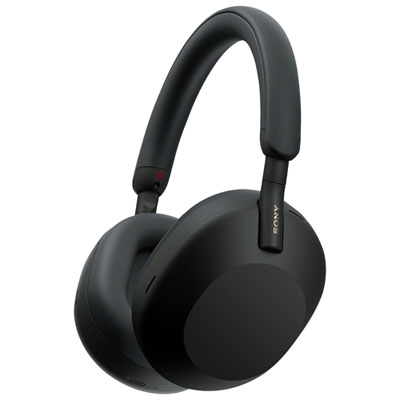 Your price for this item is $349.99
-
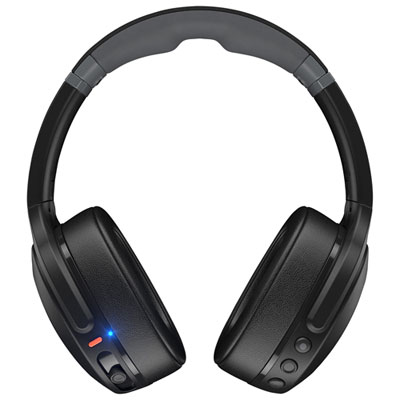 Your price for this item is $99.99
-
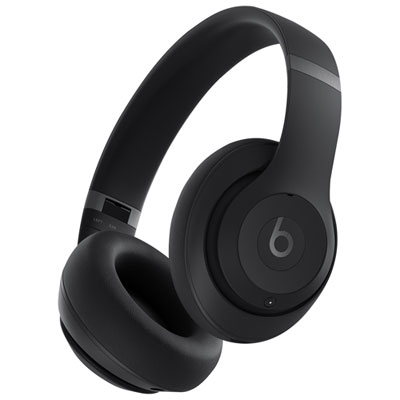 Your price for this item is $229.99
-
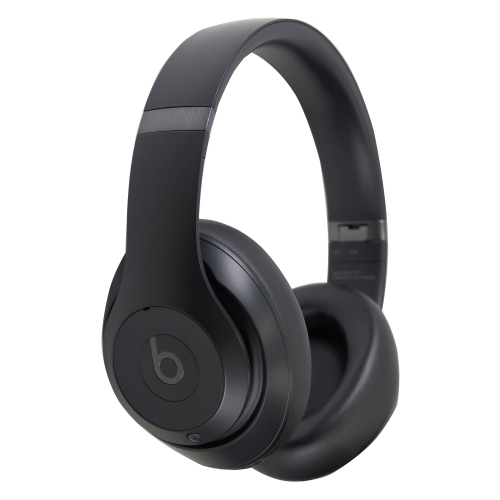 Your price for this item is $349.99
-
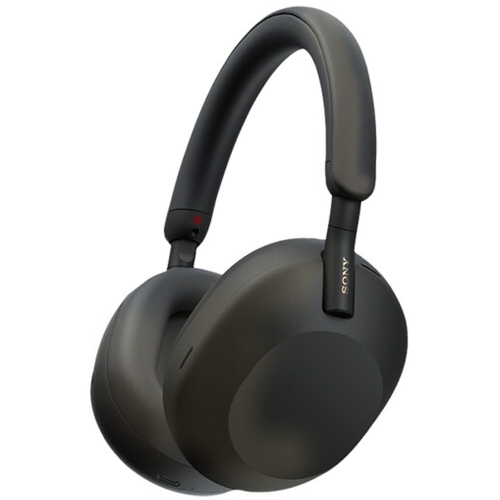 Your price for this item is $472.99
-
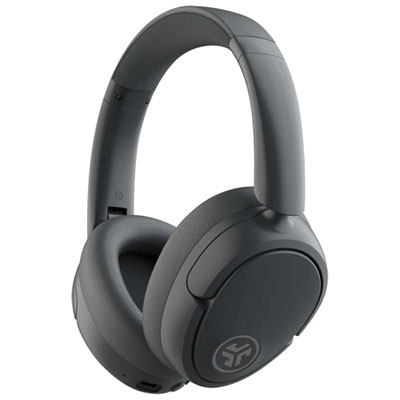 Your price for this item is $119.99
-
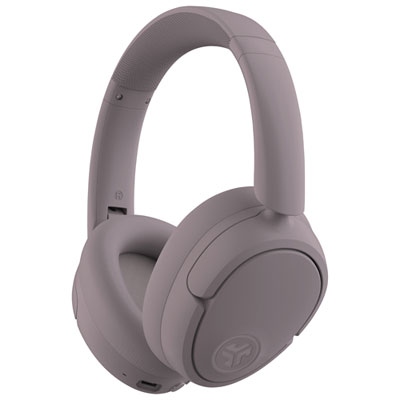 Your price for this item is $119.99
-
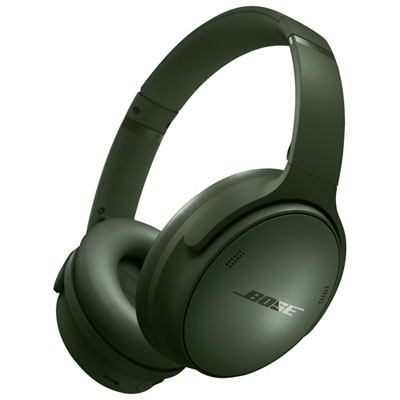 Your price for this item is $249
Discover more categories related to Wireless Noise Cancelling Headphones for Travel
Top Collections:
Best Black Friday Deals This Year, Best Black Friday Deals On Electronics, Kindle Devices, Dyson Airwrap, Best Cameras for Sports Photography, Best Black Friday Deals On Apple Products, PS5 Pro Consoles, Portable Snow Blowers, Canon G7X Cameras, Pokémon 30th Celebration Cards
Some products may be subject to Environmental Handling Fees
(EHF) depending on your province.
Learn more about EHFs.