AV Receivers with Dolby Atmos
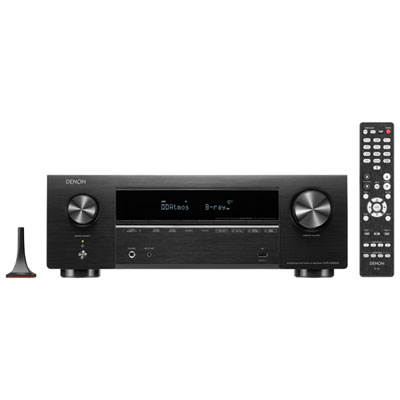
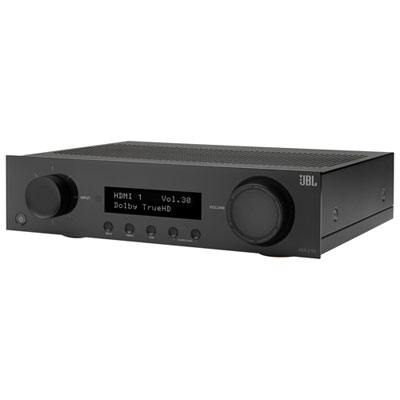
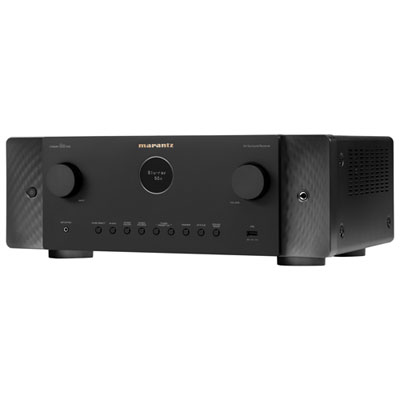
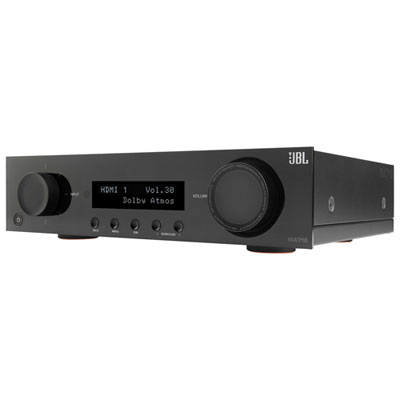
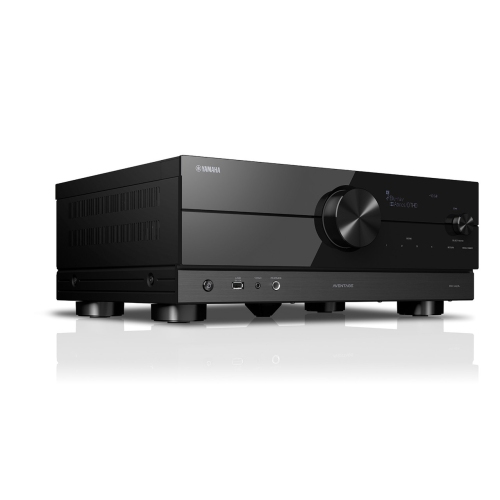
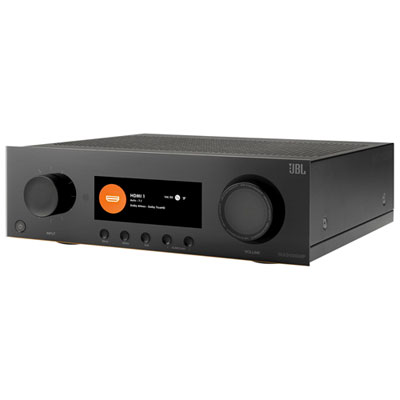
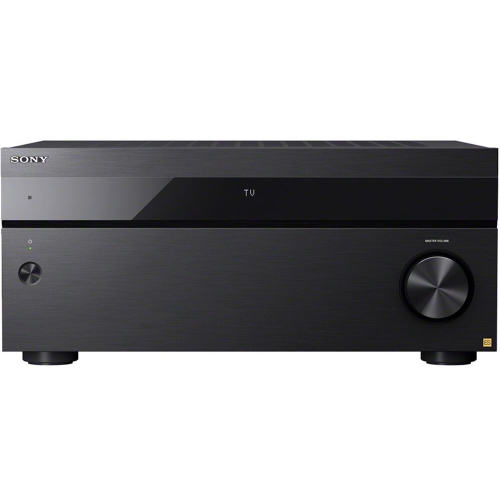
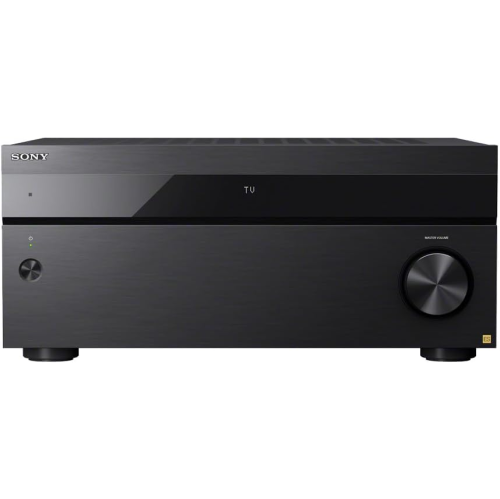
Find AV receivers with Dolby Atmos to bring immersive surround sound to your home theatre with a compatible speaker setup. Compare models by supported speaker configurations, HDMI connections, and power output to choose a receiver that suits your TV, speakers, and room size.




























FAQ
Dolby Atmos is an audio format that combines channel-based sound with audio objects and positioning information, including height information. An AV receiver with Dolby Atmos decoding interprets this information and directs audio to the connected speaker layout. Dolby Atmos content, compatible playback equipment, and an appropriate speaker configuration are part of a typical setup.
A Dolby Atmos layout uses three numbers to describe the speaker arrangement. For example, 5.1.2 means five main speakers, one subwoofer, and two height speakers. Height channels may use in-ceiling speakers or compatible upward-firing speakers. Check the receiver’s supported processing channels and amplified channels, as these are not always the same.
Dolby Atmos audio is available on select streaming titles, Blu-ray and 4K Ultra HD Blu-ray discs, video games, and music releases. Availability depends on the title, service, subscription plan, playback device, and app. The source device’s audio settings also need to allow a compatible Dolby Atmos signal to reach the receiver.
HDMI ARC and eARC send audio from a TV to an AV receiver through a compatible HDMI connection. ARC can carry Dolby Atmos using Dolby Digital Plus when supported by both devices. eARC also supports higher-bandwidth formats, including Dolby TrueHD with Dolby Atmos. The TV’s audio passthrough support and settings determine which formats it can send.
Dolby Atmos decoding reads the positioning information included in a Dolby Atmos soundtrack. Dolby Surround upmixing maps compatible stereo or multichannel audio across the available speaker layout, which may include height speakers. Upmixing does not turn the original recording into a native Dolby Atmos soundtrack. Available listening modes vary by receiver and input format.
Top selling and popular products
Discover more categories related to AV Receivers with Dolby Atmos

Some products may be subject to Environmental Handling Fees (EHF) depending on your province. Learn more about EHFs.