Breast Pump Bottles Under $200
For busy moms looking for affordable and reliable breast pump bottles, look no further than this selection under $200. These essential accessories are designed to make pumping and storing breast milk a breeze, ensuring that you can provide the best nutrition for your little one without breaking the bank. With a variety of options to choose from, you can find the perfect bottle to meet your needs while staying within your budget. Shop now and simplify your breastfeeding journey with our budget-friendly breast pump bottles.
Sort
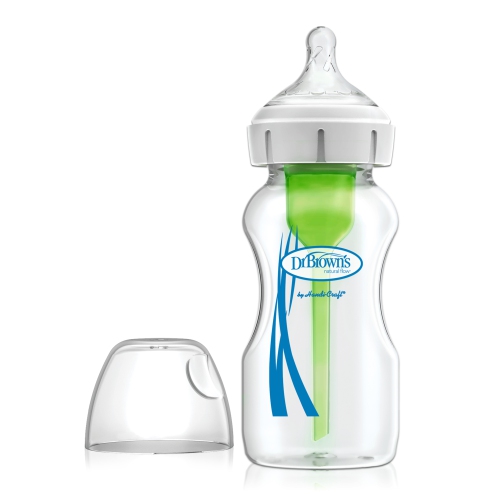
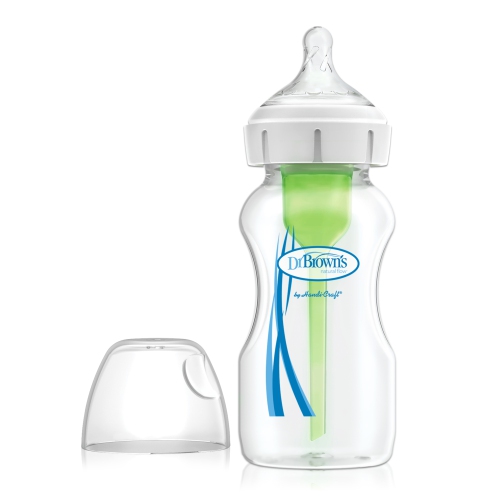
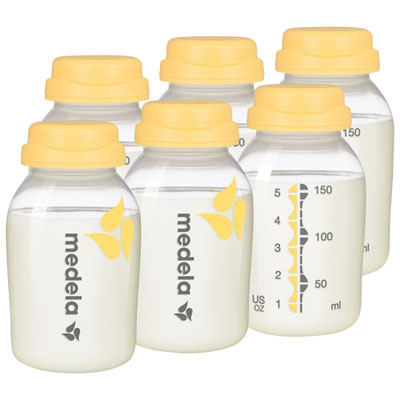
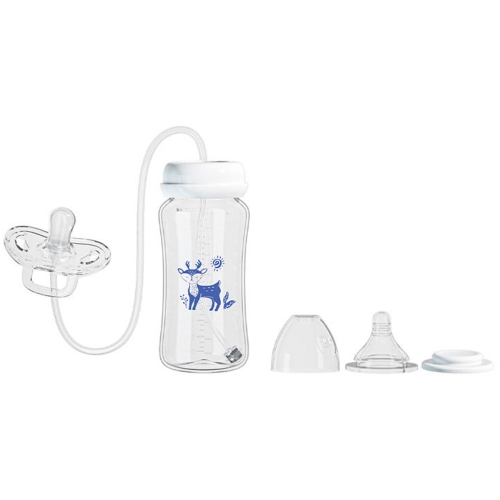
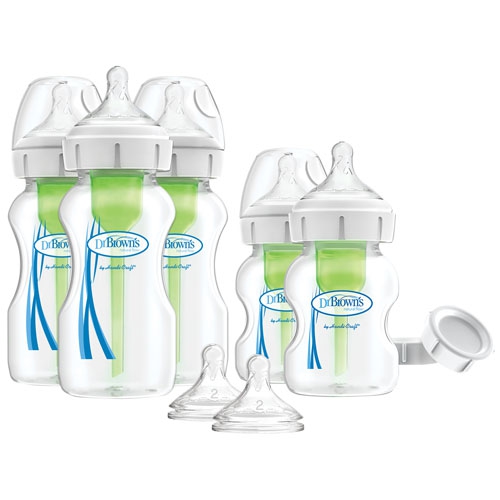
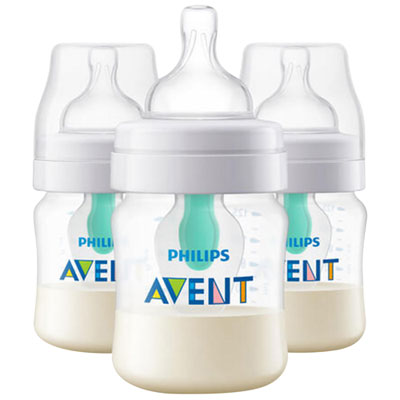
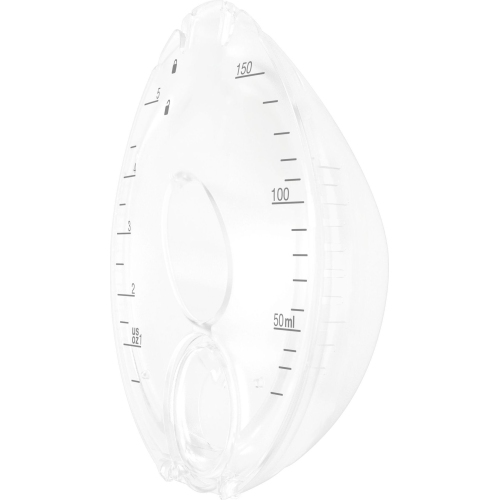
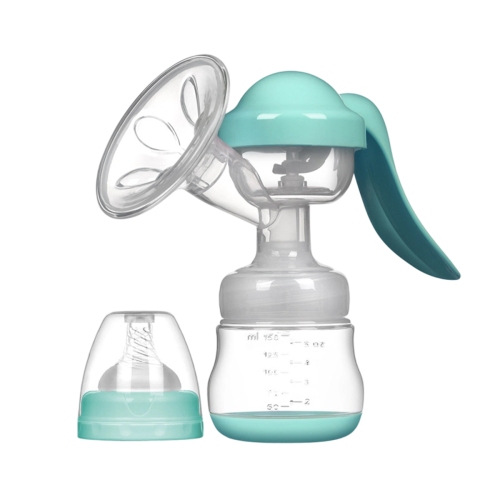

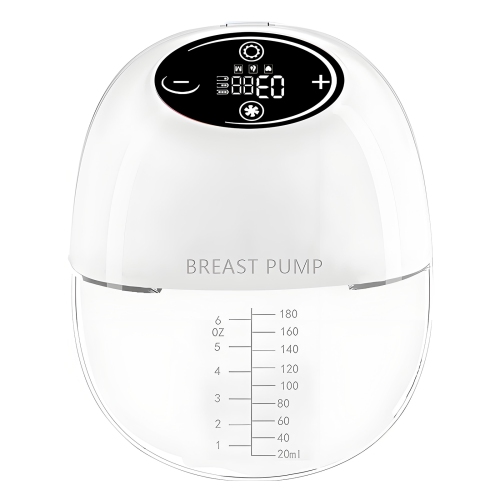
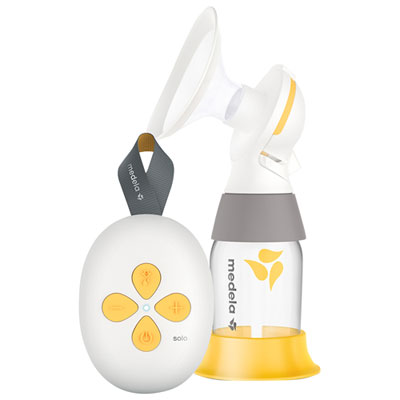
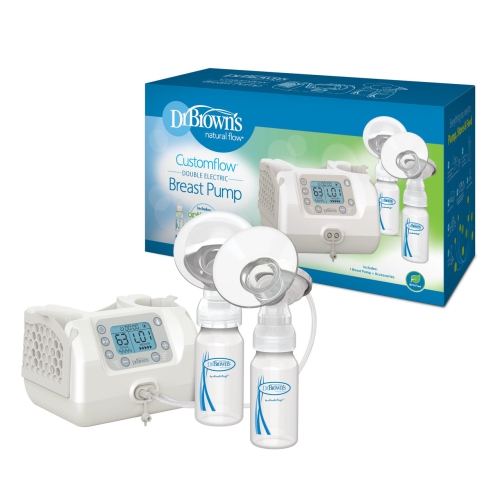
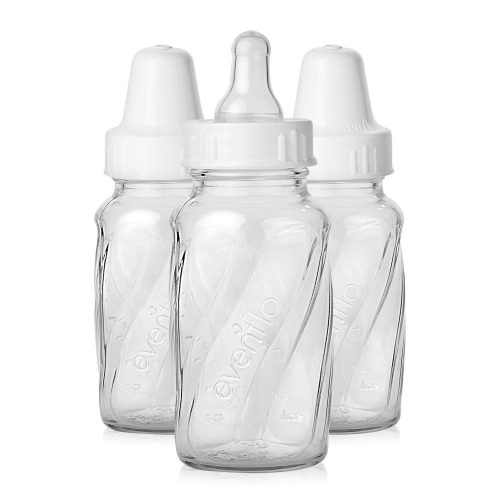
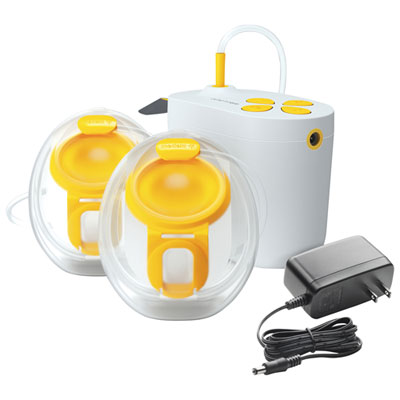
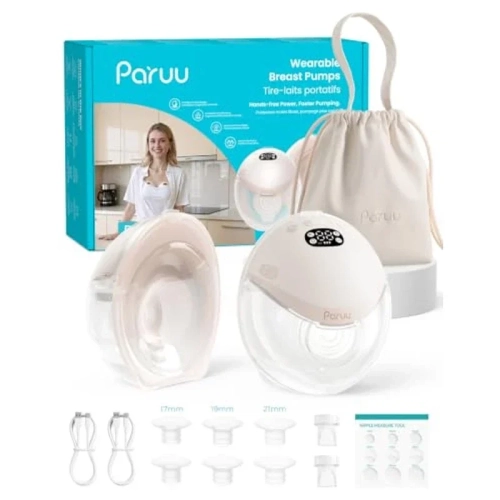
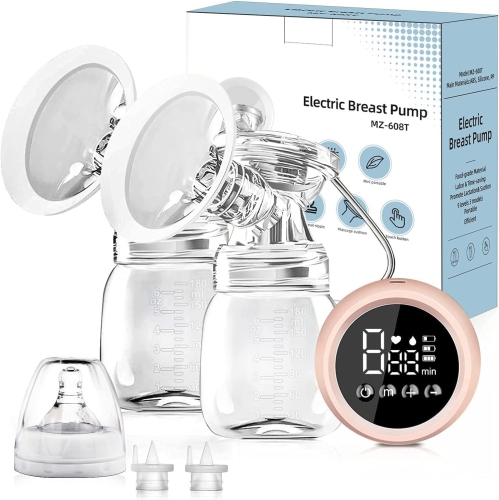
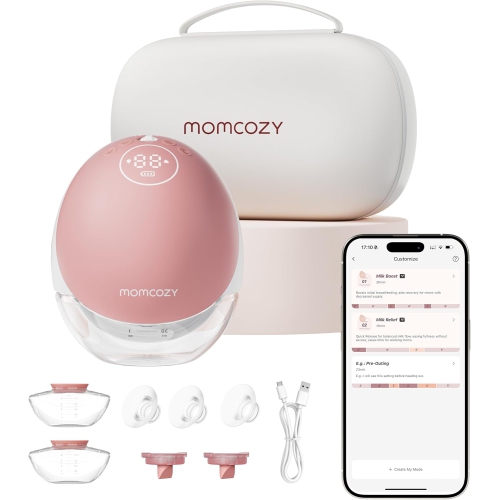
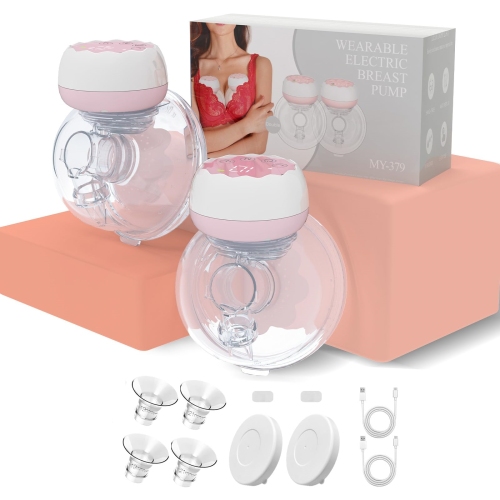

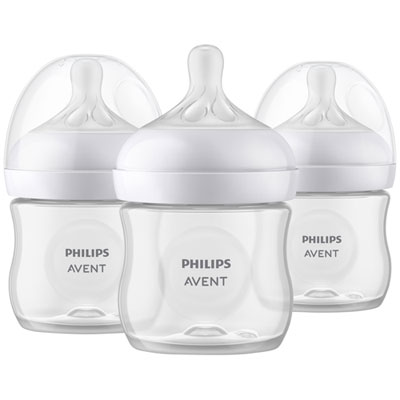

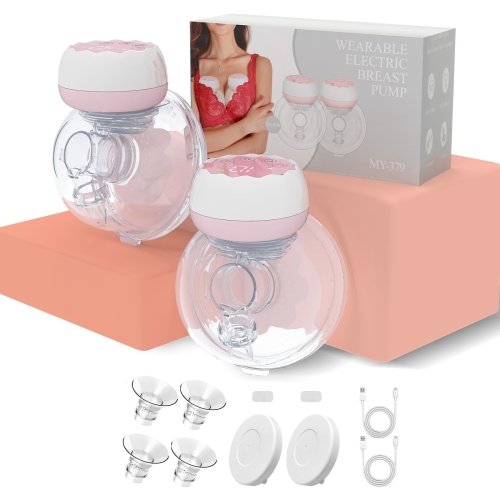
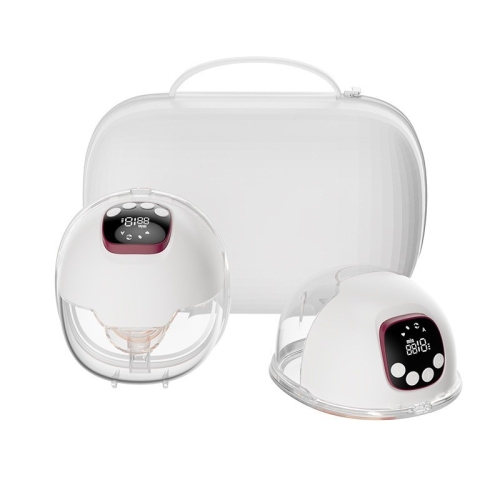
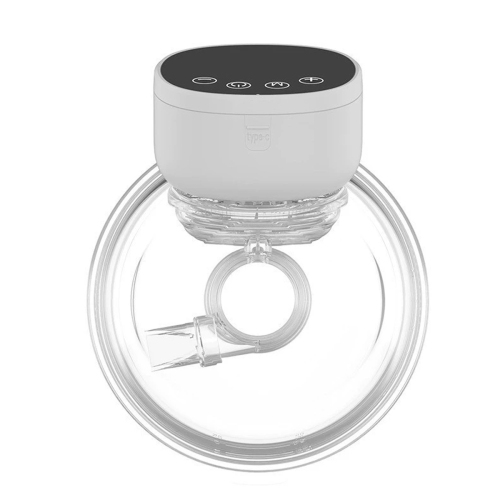
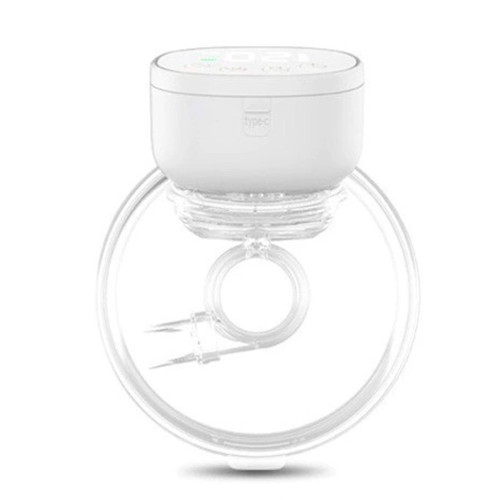
How compatible bottles connect pumping with everyday feeds
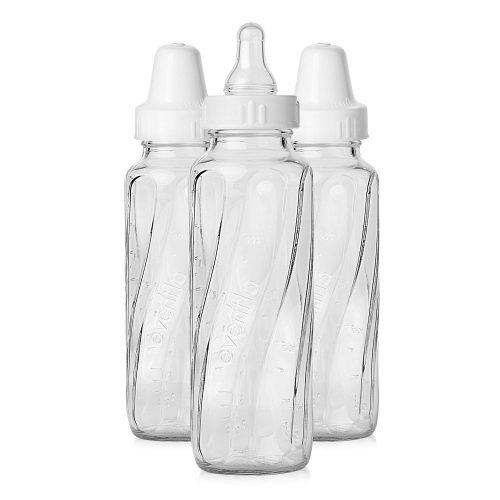
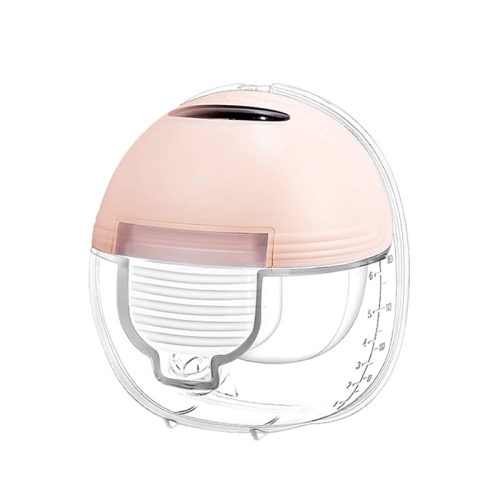
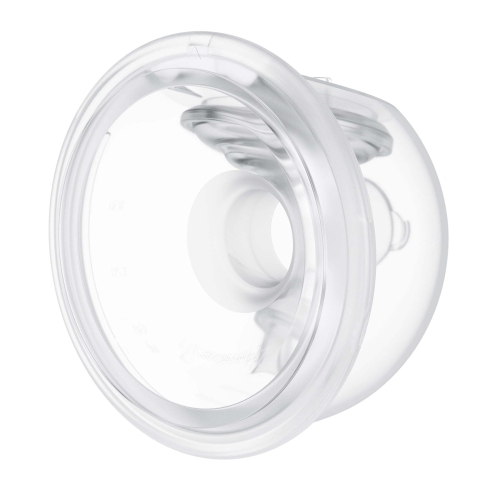
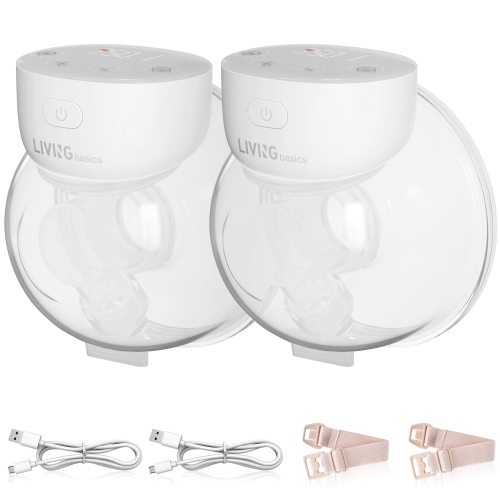
Breast pump bottles are containers designed to collect expressed breast milk, with some also supporting storage and bottle feeding when fitted with compatible lids and nipples. Their main role is to connect the different parts of a feeding routine: a bottle attaches beneath a pump’s breast shield or connector during expression, then closes with a storage cap or accepts a feeding assembly, depending on its design. This can reduce the need to pour milk between containers and gives parents and caregivers a practical way to organize feeds. Compatibility is one of the most important distinctions between bottles. The neck opening, screw threads, connector shape, and any required adapter must match the pump system; a bottle described as narrow-neck or wide-neck is not necessarily interchangeable with every pump in that category. Bottles for conventional pumps also differ from the collection cups used inside many wearable pumps, so their connections and intended use deserve close attention. Capacity matters alongside fit. A smaller bottle may suit shorter sessions or modest portions, while a larger container provides more room during longer sessions, provided it remains within the pump manufacturer’s recommendations. Clearly marked millilitre measurements make it easier to see the amount collected, although bottle markings are approximate rather than precision measuring tools. A broad base can help a bottle stand securely on a bedside table or kitchen counter, and an easy-to-grip shape can make handling more comfortable when hands are occupied. For parents who express from both breasts at once, a matching pair can simplify setup. Extra bottles can also separate freshly collected milk from prepared feeds, leaving less need to wash the same container immediately before another session. The most useful arrangement depends on how often milk is expressed, whether feeds happen at home or with another caregiver, and how much space is available for clean bottles and stored milk. Collection capacity does not determine milk output, and the bottle’s connection should support the pump without creating unnecessary weight or strain at the breast shield.
Materials influence how breast pump bottles feel in the hand, how they travel, and which cleaning and storage methods they can tolerate. Many plastic bottles are made from polypropylene, a lightweight material that is convenient for frequent handling and packing. A BPA-free description addresses a particular material characteristic, but it does not establish compatibility with a pump or suitability for every heating method. Glass bottles offer a firm, transparent container and can resist staining, although their added weight and risk of breakage make pump approval especially important. Silicone containers provide a softer feel where supported by the system, with their own requirements for collars, caps, and handling. No material is automatically suitable for every task: refrigerator storage, freezing, dishwashing, steam treatment, and warming should all follow the bottle manufacturer’s directions. A container approved for one use may require a different lid or additional clearance for another. When freezing is permitted, the recommended fill line leaves room for milk to expand. For everyday care, a simple shape with accessible interior surfaces can make washing easier, while fewer small components can reduce the number of pieces to keep track of. Threads, sealing discs, collars, and nipples still need attention because milk can collect around joins and beneath fitted parts. Cleaning and sanitizing have different purposes, and any additional sanitizing requirements should reflect the manufacturer’s instructions and the baby’s needs, including advice from a healthcare professional when relevant. Bottles and components need to dry fully before being put away in a clean storage space. Repeated use also makes inspection worthwhile: cracks, chips, damaged threads, or worn seals can affect safe handling or closure. A lid that once fitted properly may no longer seal reliably if either part is damaged. Replacement components should match the original system rather than simply appear similar, particularly where a cap, connector, or nipple collar must form a secure join during pumping, storage, or feeding.
Breast pump bottles can support many family routines, from occasional expression for a shared feed to regular pumping while a parent is away from the baby. In a combined breast pumping and bottle feeding routine, the convenience comes from having compatible parts ready for each stage rather than assuming one bottle can perform every function on its own. A collection bottle may need a separate sealing disc for storage, and a feeding nipple or collar may be sold separately or belong to a different compatible assembly. Where direct feeding from the collection bottle is supported, the nipple’s flow rate remains a separate consideration from bottle size. A larger bottle does not mean a baby needs a faster flow, and age labels alone do not describe every baby’s feeding needs. A comfortable feeding position, pauses, and attention to the baby’s cues remain important regardless of the container. For a caregiver preparing a feed, clear labelling with the expression date and any details required by a childcare setting can make bottles easier to identify. Secure caps help contain milk during transport, while an appropriate insulated carrier and cold packs support handling according to current breast milk storage guidance. Bottles should not be treated as insulated containers unless specifically designed for that purpose. At home, a designated space for clean parts and a separate place for used bottles can keep the next session from turning into a search through the kitchen. Parents returning to work, sharing overnight feeds, or preparing for time apart may appreciate several compatible bottles, but the right number depends on washing arrangements and feeding patterns. These bottles can also be a thoughtful baby-shower or new-parent gift when the recipient’s pump system and preferences are known. Confirming the connection type, preferred material, and included components makes the gift more useful than choosing by appearance alone. Across these situations, dependable fit, straightforward care, readable markings, and closures suited to the intended task are the details that make bottles practical parts of daily feeding.
Top selling and popular products
-
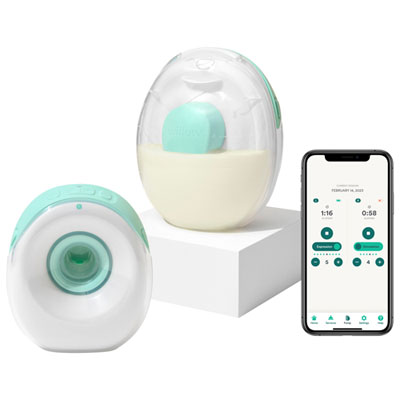 Your price for this item is $499.95
-
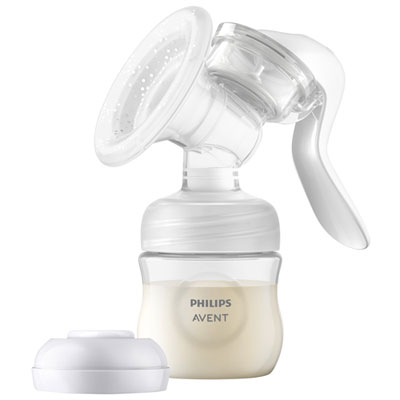 Your price for this item is $52.99
-
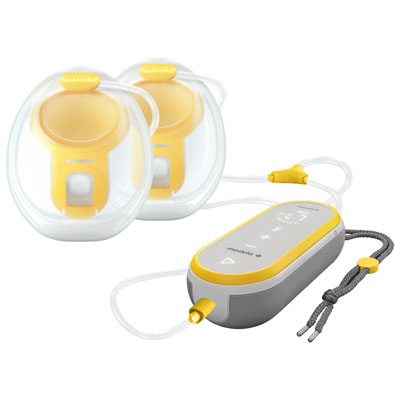 Your price for this item is $299.99
-
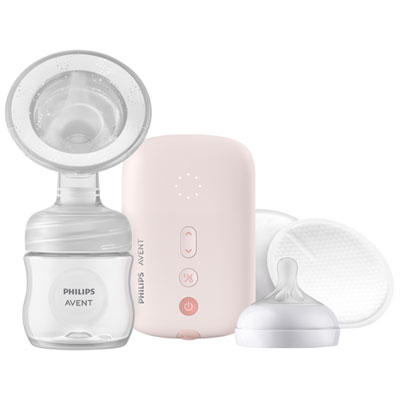 Your price for this item is $149.99
-
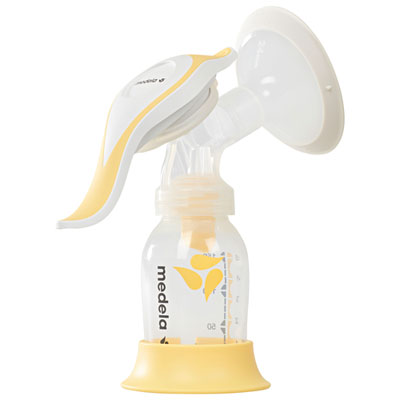 Your price for this item is $49.99
-
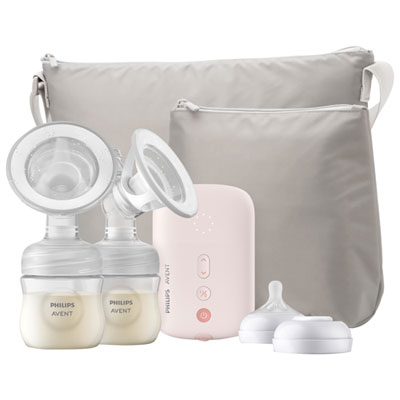 Your price for this item is $199.99
-
 Your price for this item is $103.49
-
 Your price for this item is $179.99
Discover more categories related to Breast Pump Bottles Under $200
Top Collections:
Best Black Friday Deals This Year, Best Black Friday Deals On Electronics, Kindle Devices, Pokemon Centers, Best Black Friday Deals On Apple Products, Best Cameras for Sports Photography, Dyson Airwrap, Pokémon 30th Celebration Cards, Apple iPhone 17 Pro, Canon G7X Cameras
Some products may be subject to Environmental Handling Fees
(EHF) depending on your province.
Learn more about EHFs.