Infant Heart Monitors
Ensure peace of mind during your baby’s early months with an infant heart monitor. Designed to help parents keep track of their little one’s wellbeing, these monitors offer reassurance while your child sleeps or rests. Explore a range of infant heart monitor options to find the right fit for your family’s needs, making it easier to stay connected and attentive to your baby’s comfort at home or on the go.
Sort


What baby monitor readings can and cannot tell you
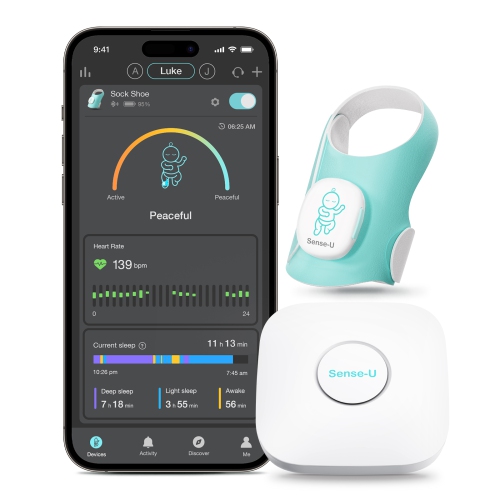
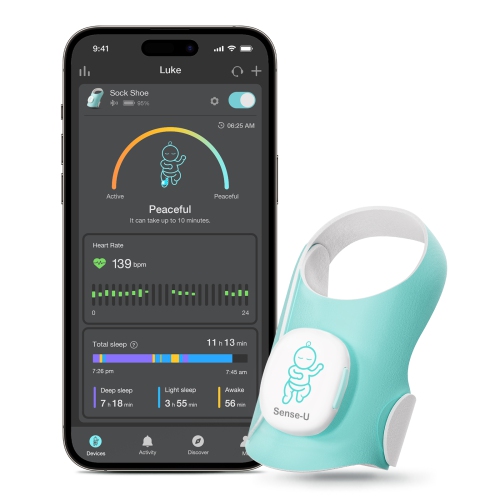
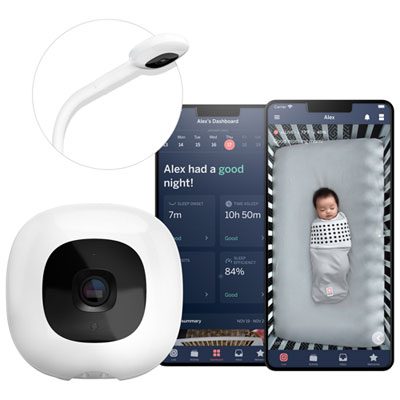
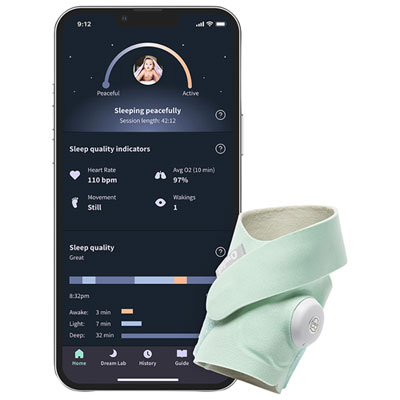
Infant heart monitors are devices designed to measure a baby’s heart rate after birth, often through a wearable sensor that shares readings with a parent unit or compatible smartphone app. Depending on the device, monitoring may also include estimated blood oxygen saturation, movement, or sleep patterns. These measurements are not interchangeable: a heart rate reading shows how often the heart beats, while an oxygen reading estimates how much oxygen the blood is carrying. Movement tracking provides a different kind of information and does not necessarily measure breathing or heart rate directly. For parents and caregivers, understanding these distinctions helps separate a heart-monitoring device from a standard nursery camera or audio monitor. Some systems bring several functions together, allowing caregivers to view their baby and check supported readings through the same display. Others focus on a wearable sensor and an app, without video. Although baby heart monitor searches sometimes include fetal Dopplers, prenatal listening devices serve a different purpose from monitors worn by an infant after birth. A fetal Doppler is not a substitute for prenatal assessment, and hearing a heartbeat at home cannot confirm that a pregnancy is progressing normally. For an infant-monitoring setup, the relevant details are the device’s intended age range, supported measurements, sensor placement, and stated purpose. Consumer wellness monitors also differ from medical monitors prescribed for a diagnosed condition; features such as alerts or oxygen estimates do not, on their own, establish medical suitability. Families whose baby needs monitoring because of a health concern should follow the care team’s advice about appropriate equipment and how to respond to readings. For everyday use, an infant heart monitor can provide additional information about a baby’s routines, but it does not diagnose illness, prevent sudden infant death syndrome, or replace direct supervision and safe sleep practices.
Fit and comfort matter because a wearable monitor depends on consistent contact with the area where its sensor is designed to sit. Sock-style and wrap-style designs may use soft textiles to hold a sensor against the foot or around the ankle, with sizing determined by the manufacturer’s age, weight, or fit requirements. A soft covering alone does not guarantee a suitable fit: the fastening should hold the sensor in its specified position without pinching, leaving persistent marks, or slipping loose as the baby moves. A baby who curls their toes or kicks during a nappy change can shift a poorly fitted wearable, which may interrupt readings or generate an alert unrelated to a health problem. Skin condition also matters, especially where fabric edges, seams, or fasteners make contact. Caregivers should check for irritation and follow instructions about wear duration and repositioning rather than tightening a sensor to force a reading. Materials and construction influence day-to-day practicality as much as comfort. Washable fabric components, clearly marked sizes, and fasteners that retain their grip can make repeated fitting easier, while the electronic sensor may require a separate cleaning method. Unless the manufacturer explicitly permits it, an electronic component should not be immersed in water or placed in a washing machine. Fabric parts need to dry fully before reuse, and charging contacts should remain clean and dry. Durability is particularly relevant for something handled around feeds, changes, and bedtime: straps, seams, sensor housings, and cables should be checked for wear, with damaged parts removed from use according to the manufacturer’s directions. Intended use deserves equal attention. A device designed for sleep in a cot may not provide dependable readings during feeding, active play, or travel. It should be used only in the positions and settings specified for it, without adding pillows, wedges, loose bedding, or other objects to hold the baby or sensor in place.
The most useful connected features are those that suit the people caring for the baby, not simply those that add more numbers to a screen. An app-based monitor may be convenient for a parent checking supported readings from another room, while a separate parent unit can offer a dedicated display without tying that task to a phone. Either arrangement requires a clear understanding of range, battery life, charging routines, and what continues to work if a connection drops. For Wi-Fi models, router compatibility and signal strength at the cot matter; for phone-based systems, supported operating systems, notification permissions, and sound settings can affect whether an alert reaches the caregiver. A low-battery warning or sensor-disconnection message should be distinguishable from an alert about a measured value. Historical charts may help show patterns over time, but movement, poor sensor contact, and other factors can affect measurements, so an isolated number should not be treated as a diagnosis. Any concerning pattern belongs in a conversation with the baby’s healthcare professional rather than being interpreted solely through an app. Families comparing movement-focused options can also explore Infant Breathing Monitors, while checking exactly what each type of device measures and what its alerts mean. Shared access and privacy settings are practical considerations when more than one adult handles bedtime or overnight care. Caregiver permissions, account security, and controls for stored readings or video help clarify who can see the information. As a baby shower gift, a monitor is best chosen with the parents’ input because phone compatibility, comfort preferences, and any medical needs are personal. Whatever the setup, the baby’s appearance and behaviour take priority over a reassuring display. If a baby is unresponsive or is not breathing normally, seek emergency help immediately rather than waiting for a monitor alert. Routine safe sleep remains essential: place the baby on their back on a firm, flat sleep surface intended for infant sleep, with the sleep space free of soft objects and loose bedding, and keep all monitor cords out of reach.
Top selling and popular products
-
 Your price for this item is $429.99
-
 Your price for this item is $499.99
-
 Your price for this item is $449.99
-
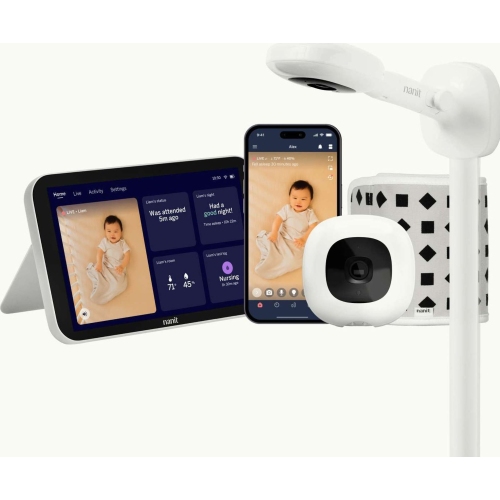 Your price for this item is $679.99
-
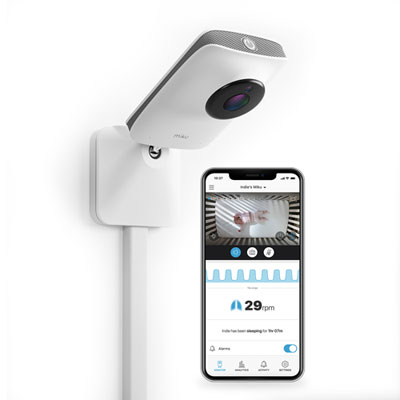 Your price for this item is $539.99
-
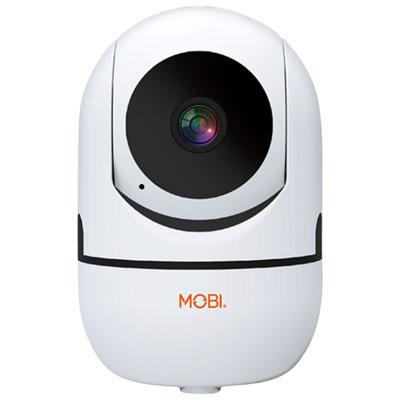 Your price for this item is $74.95
-
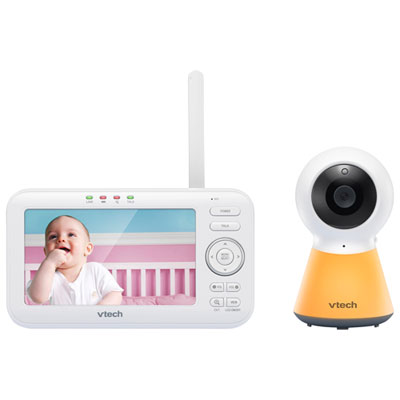 Your price for this item is $119.99
-
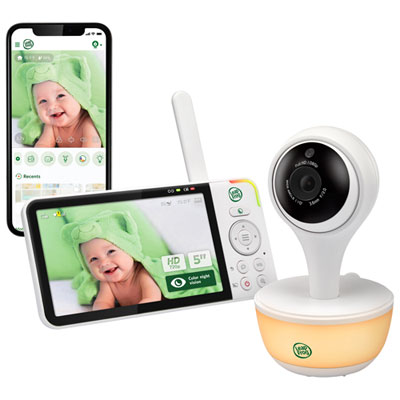 Your price for this item is $199.99
Discover more categories related to Infant Heart Monitors
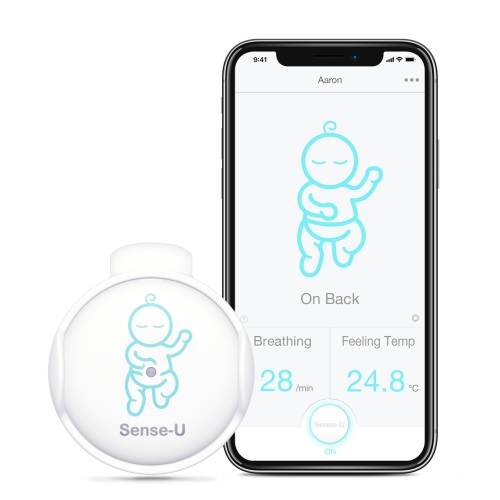
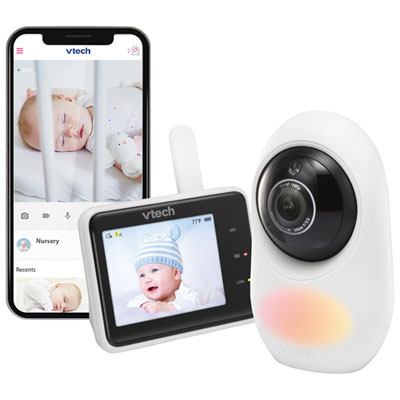
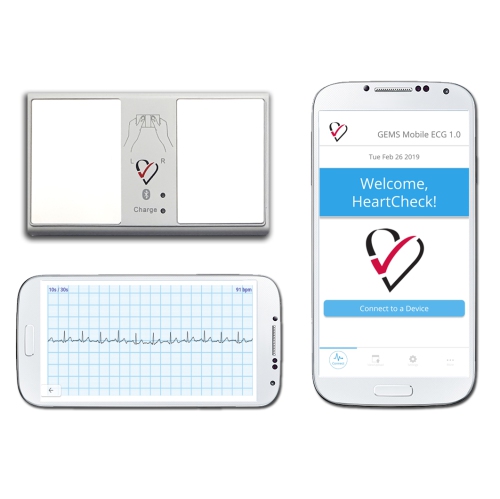
Top Collections:
Pokemon Centers, Best Cameras for Sports Photography, Kindle Devices, Samsung Galaxy Phones, Canon G7X Cameras, Pokémon 30th Celebration Cards, Refurbished Apple Laptops, iPhone 15 Apple, Laptops for Students, Budget Smartphones
Some products may be subject to Environmental Handling Fees
(EHF) depending on your province.
Learn more about EHFs.