Heart Monitors
Monitoring your heart rate is essential for anyone looking to track their fitness levels and overall health. This selection of heart monitors offers a convenient way to keep tabs on your heart rate during workouts or daily activities. Whether you're an athlete aiming to optimize performance or simply want to maintain a healthy lifestyle, a reliable heart monitor can provide valuable insights to help you reach your goals. Explore this range of heart monitors designed to meet different needs and preferences, and take control of your cardiovascular health today.
Sort
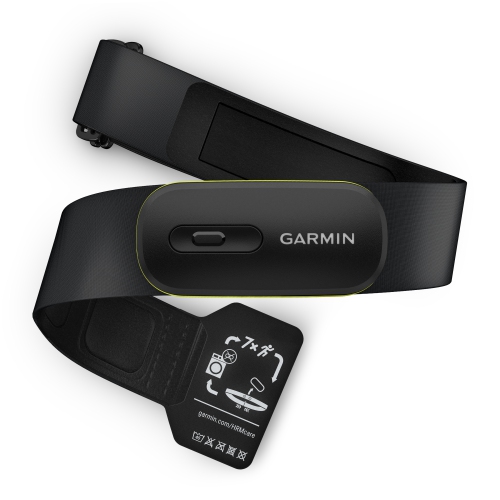
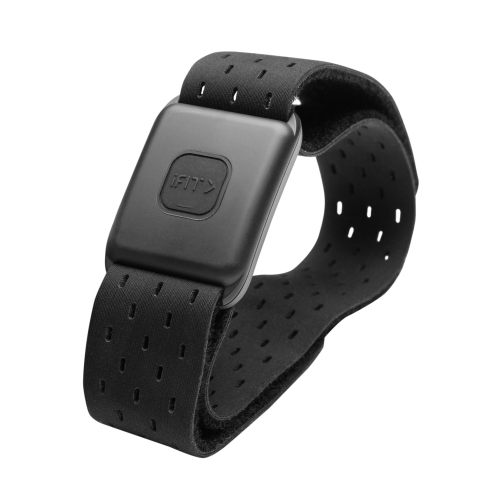
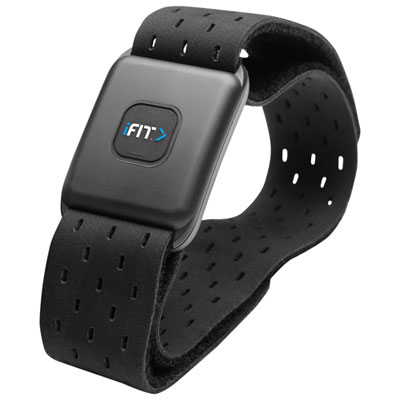
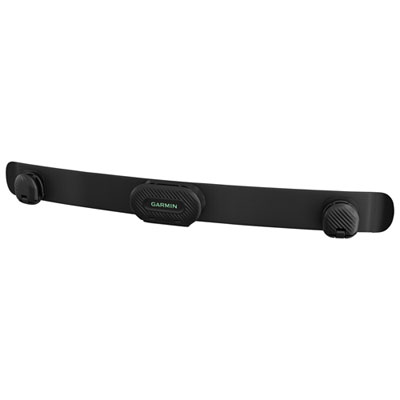

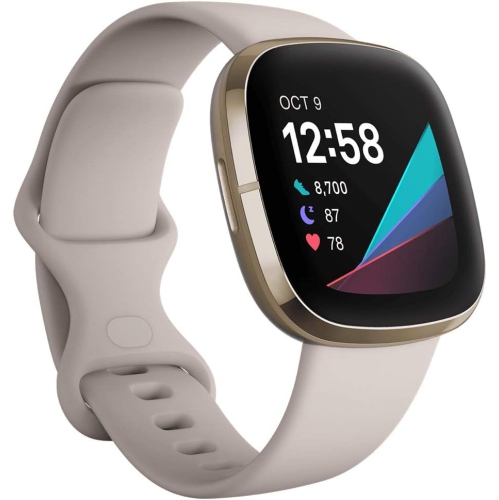
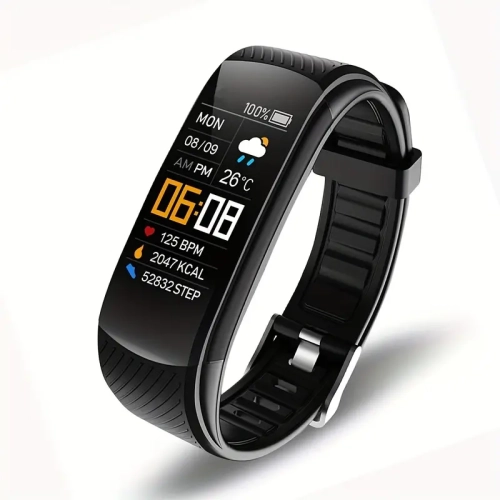
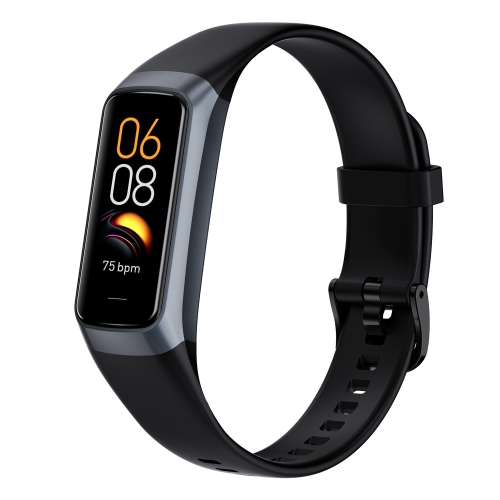
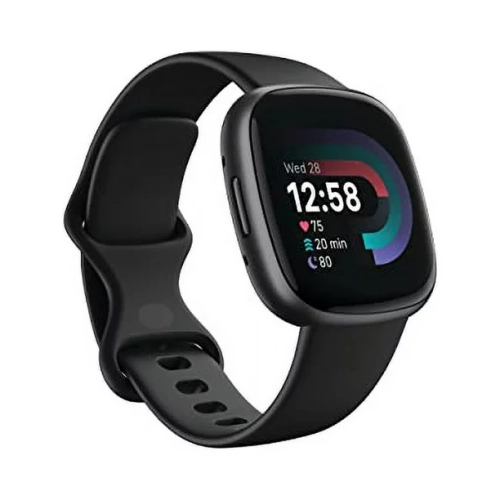
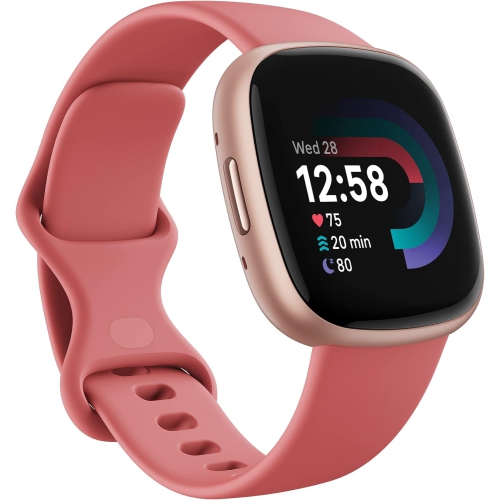
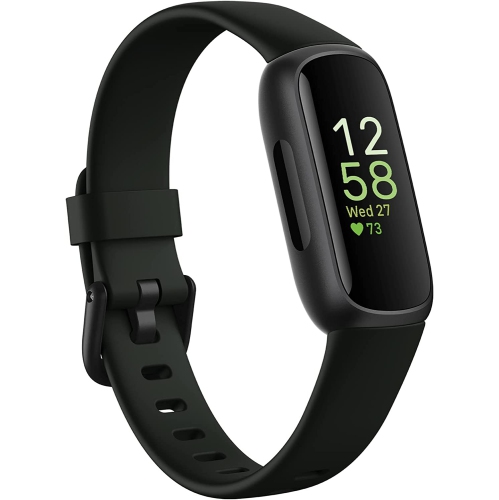
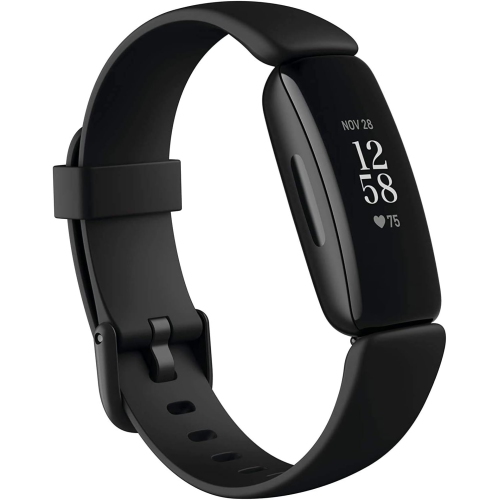
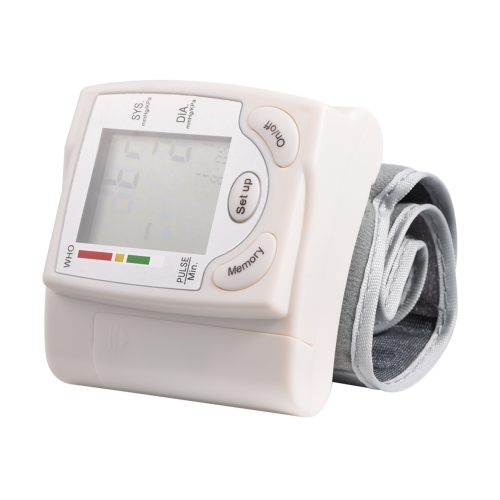

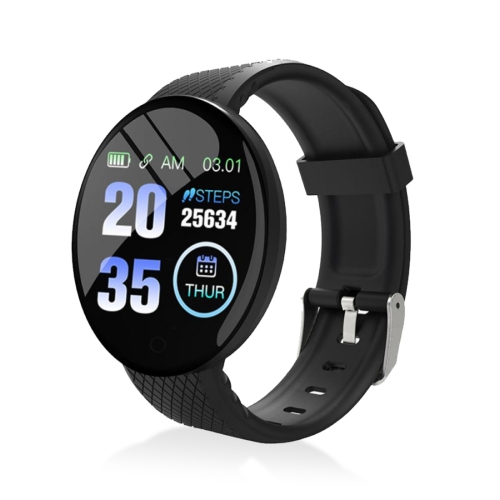
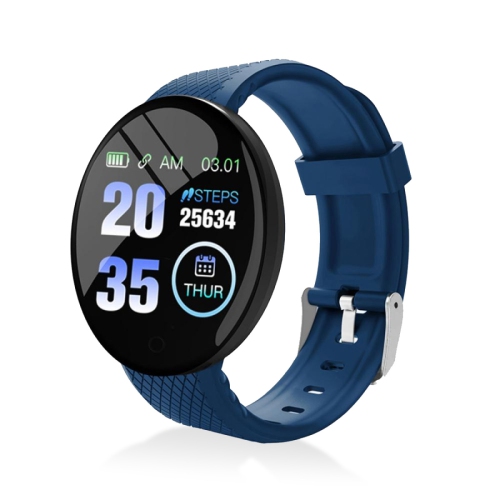
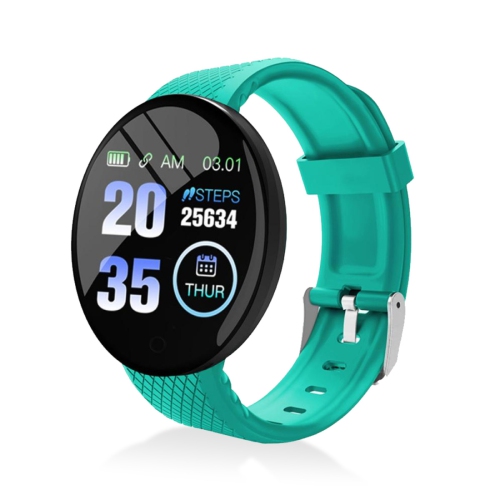
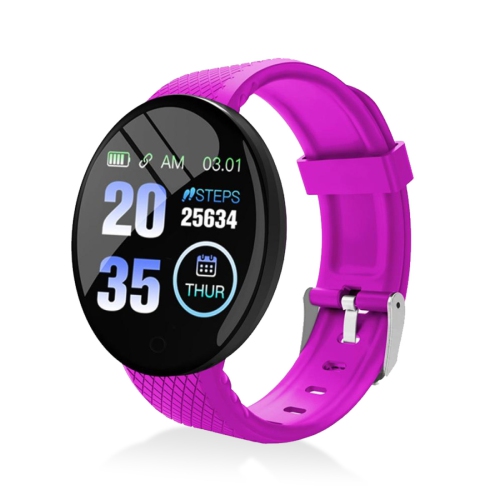
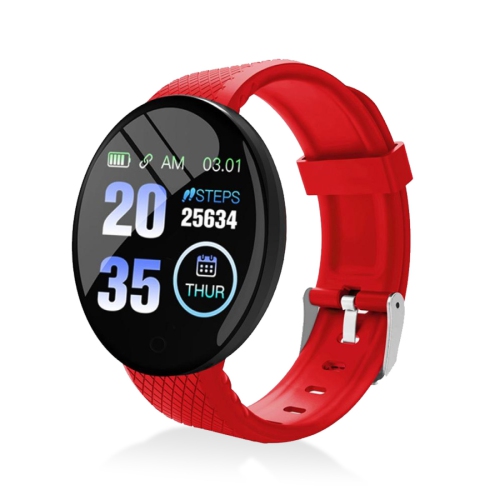
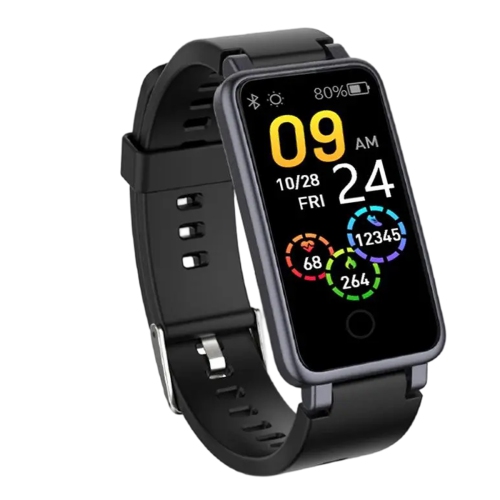
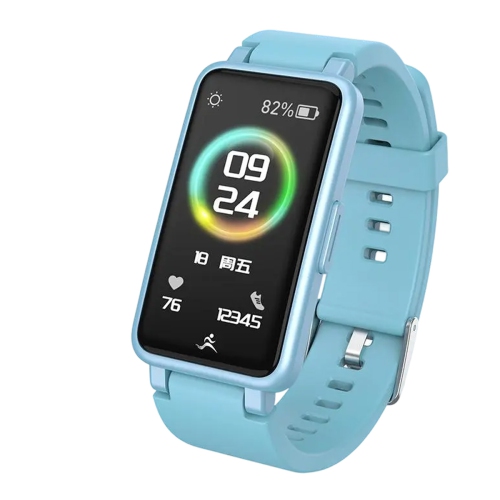
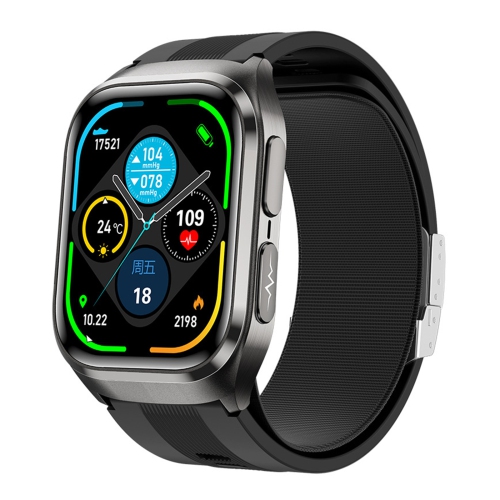
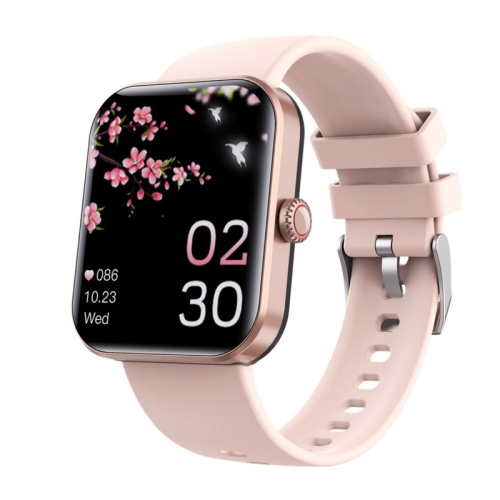
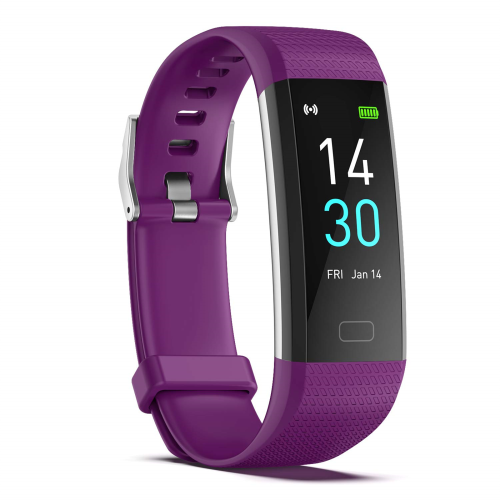
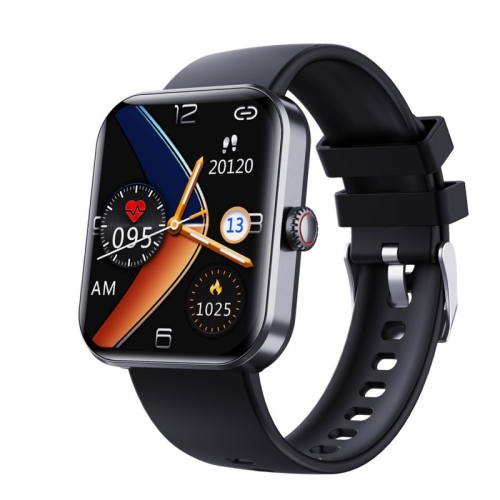
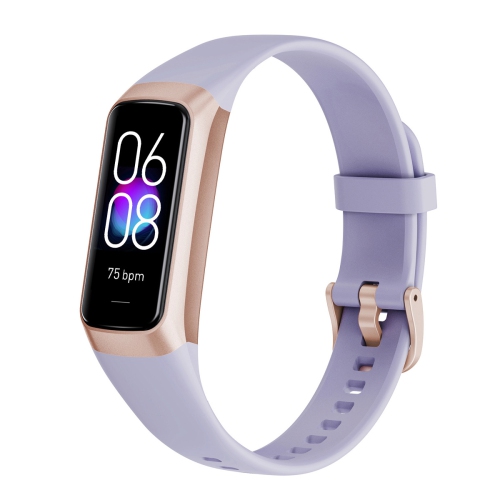

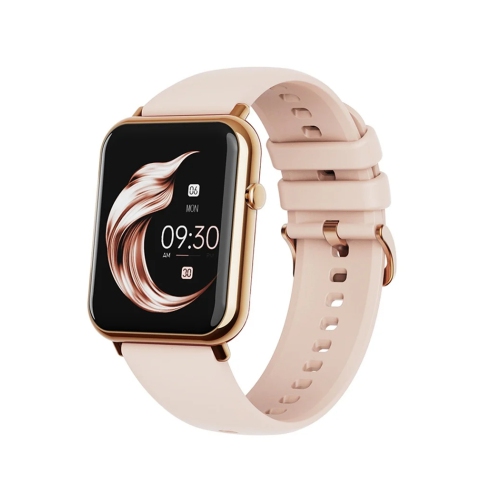
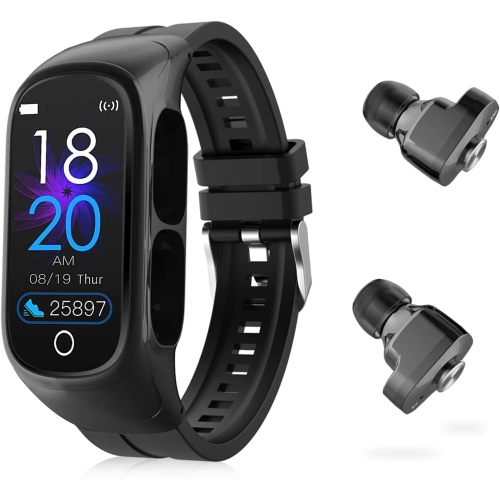

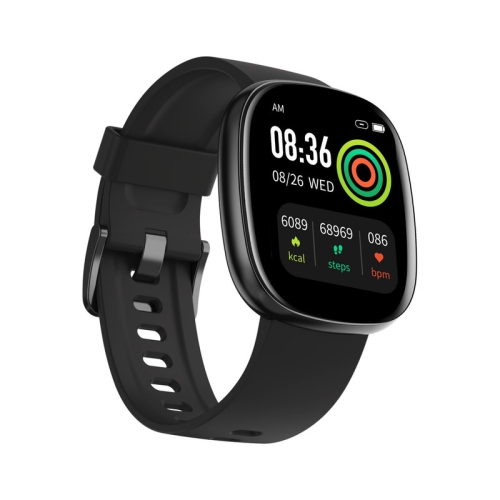
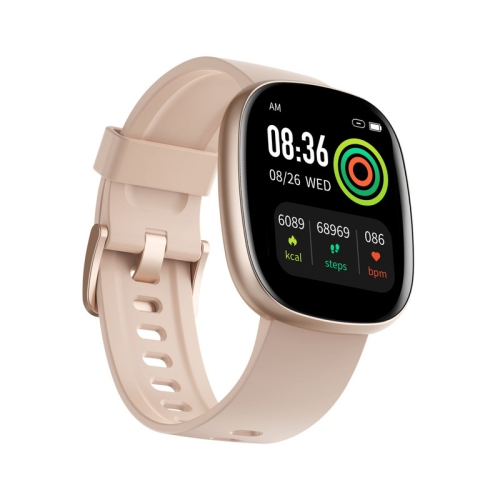

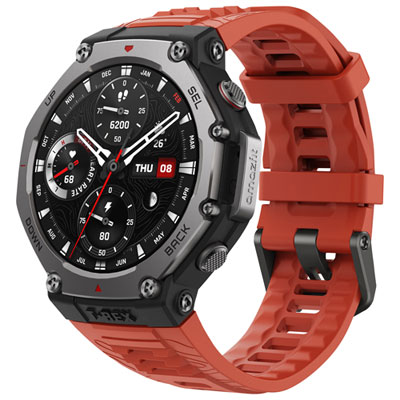

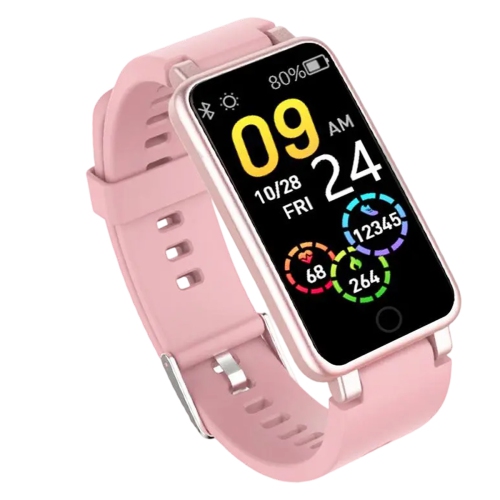

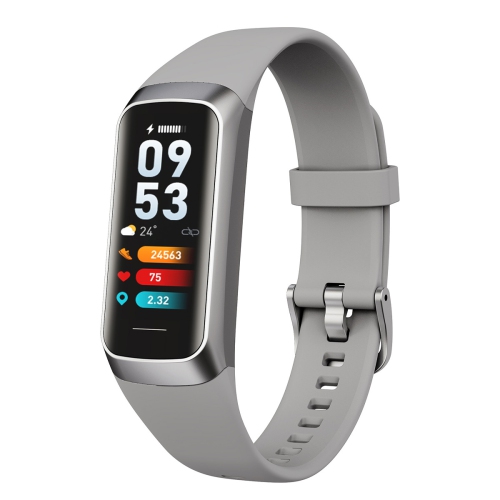
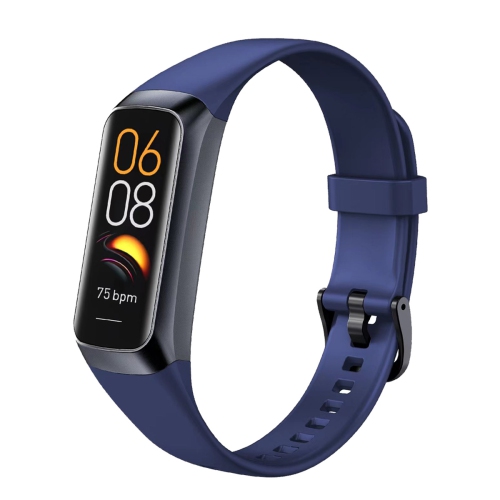

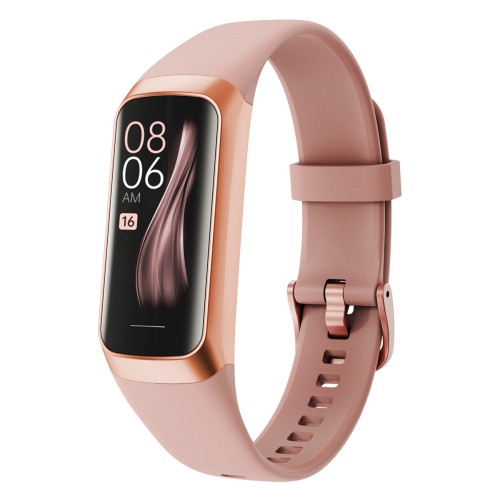
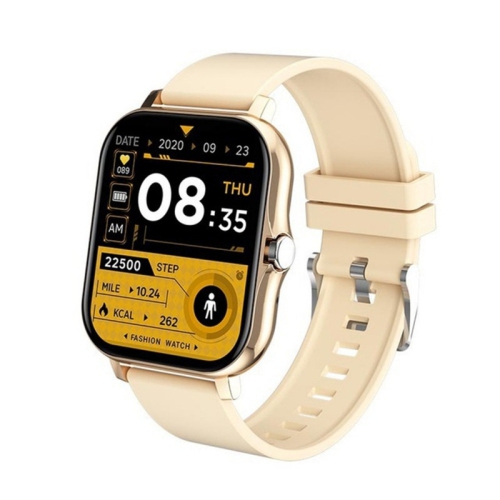
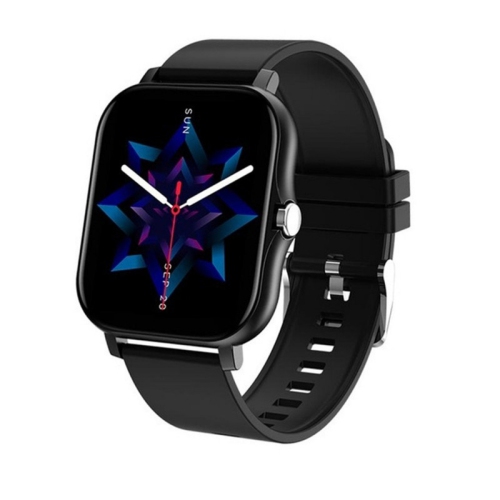
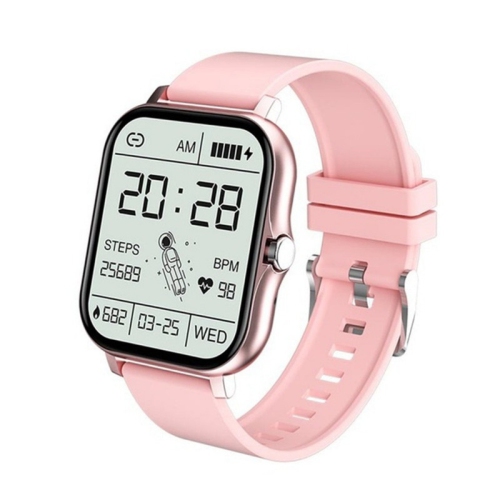



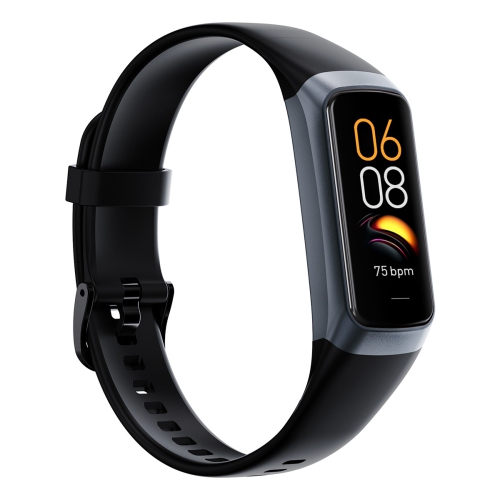
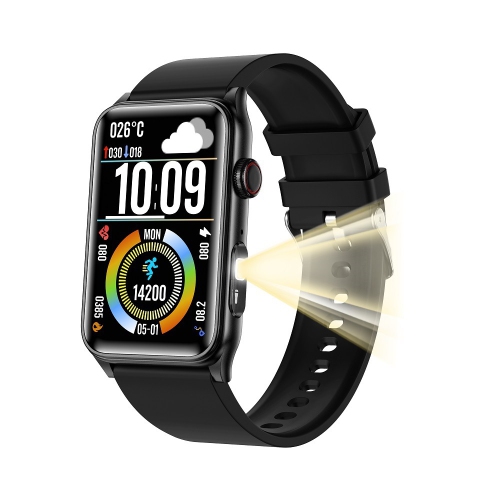


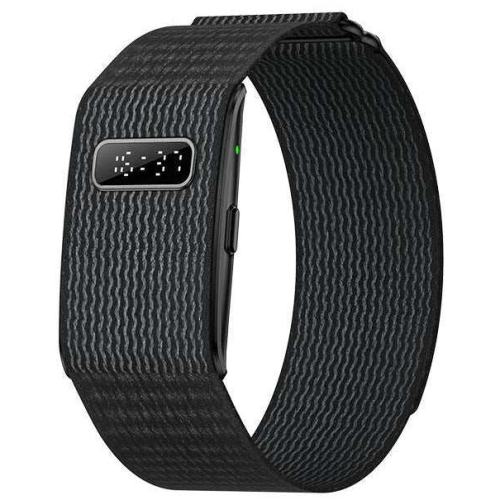


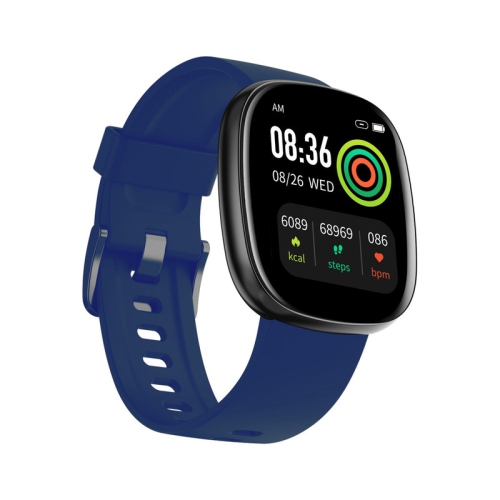
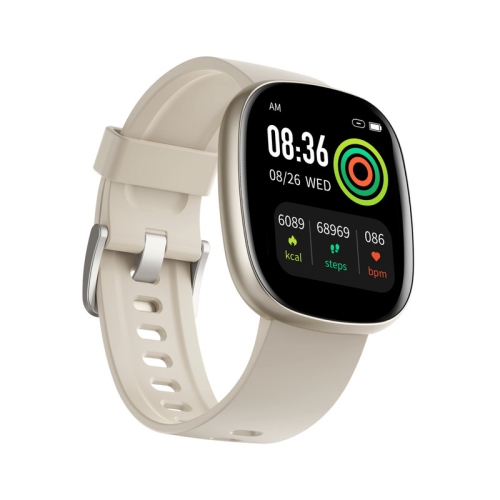

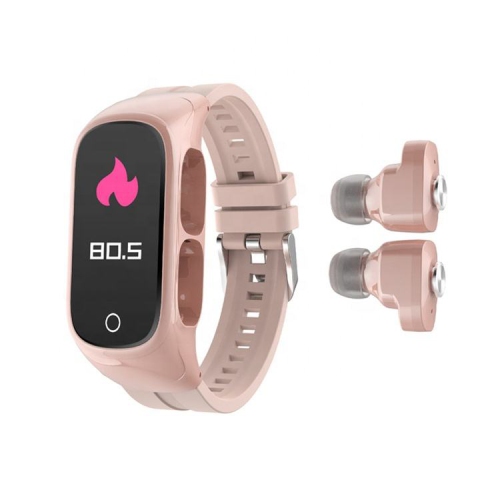
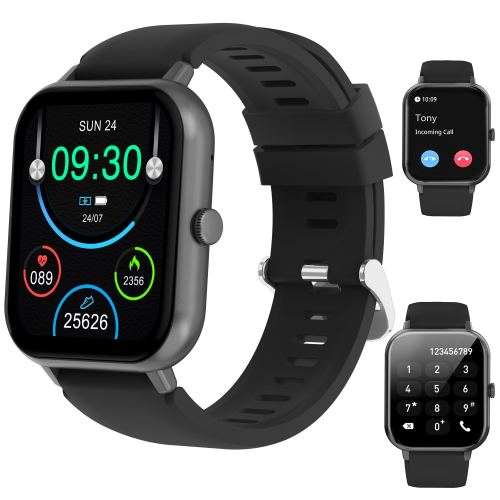
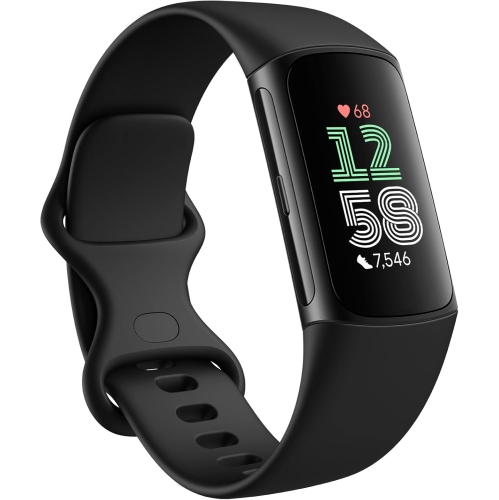




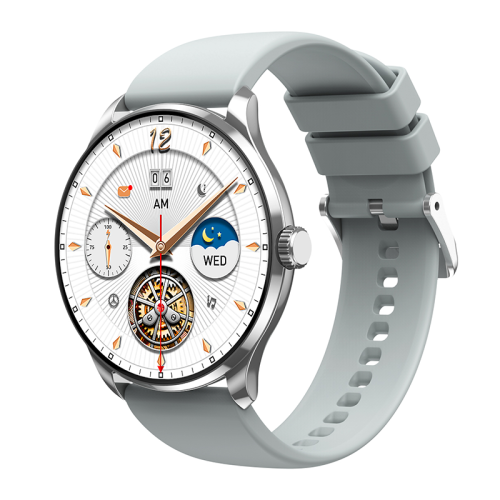
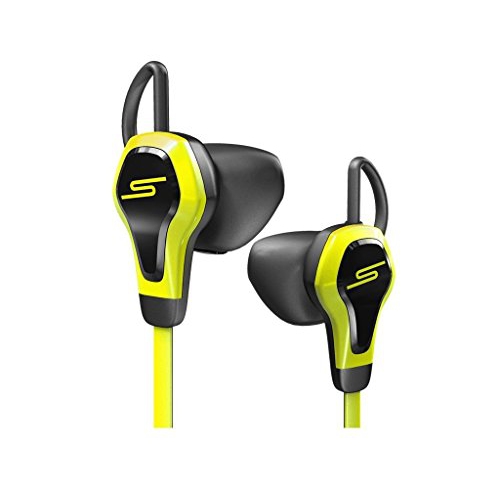
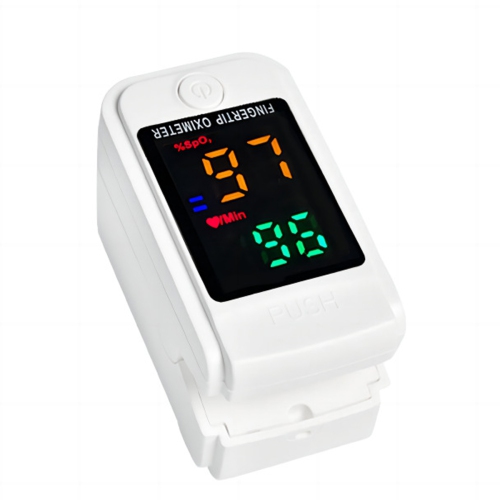


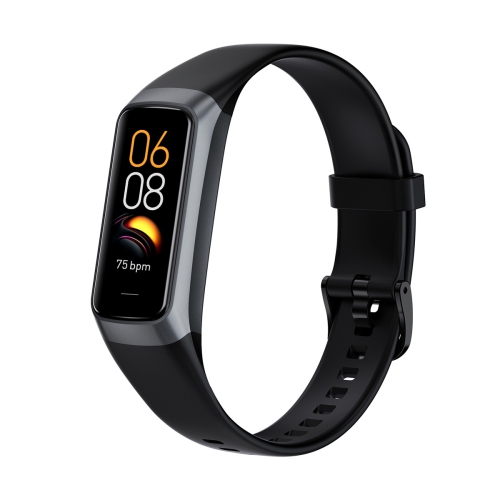

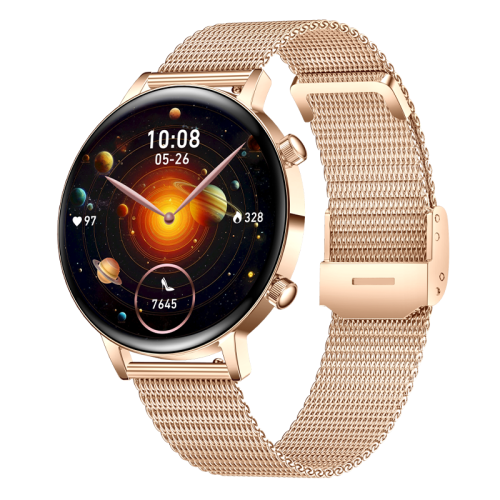

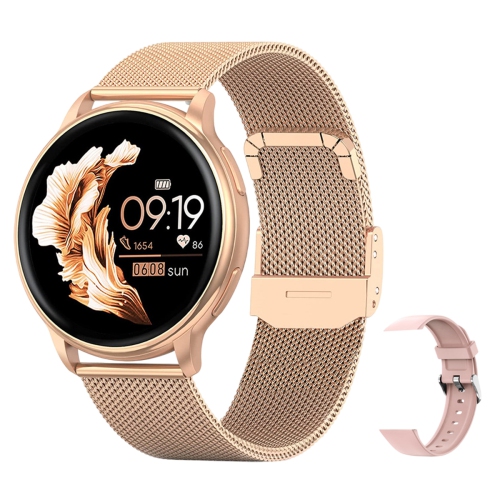


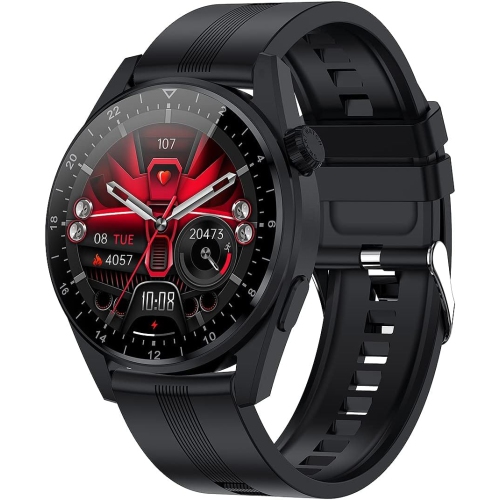


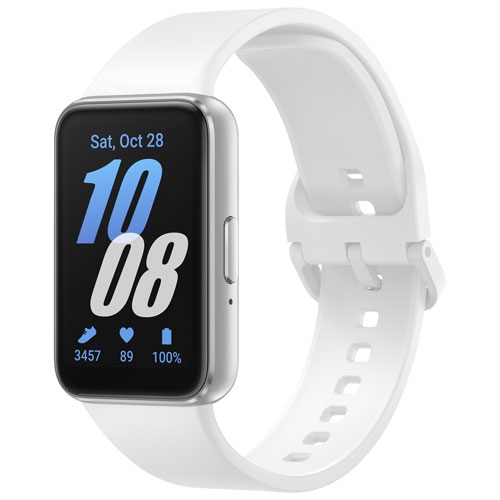


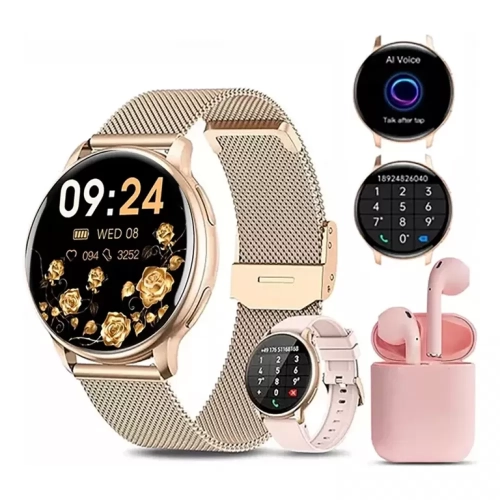
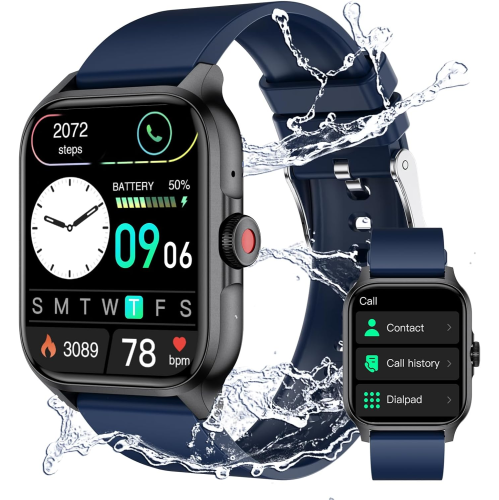
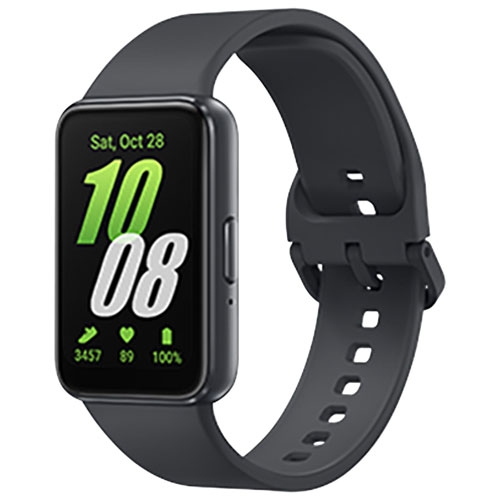


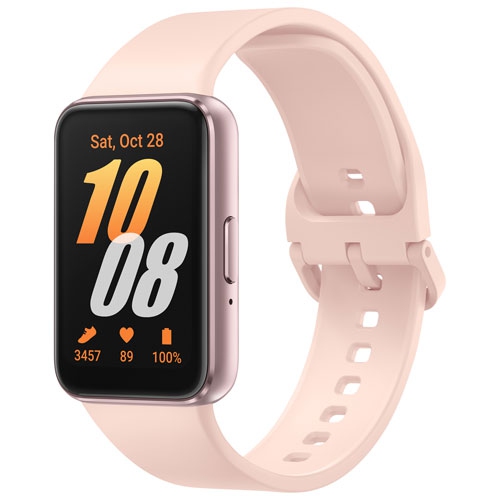
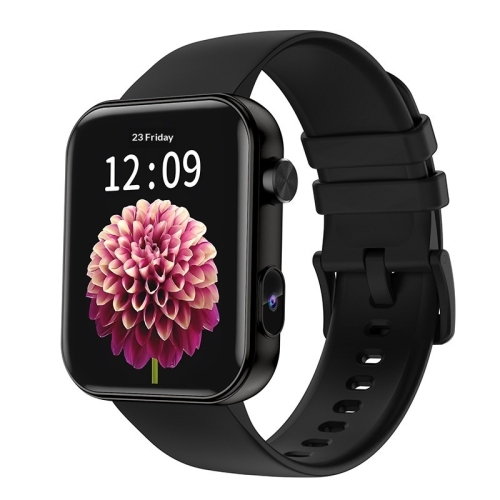
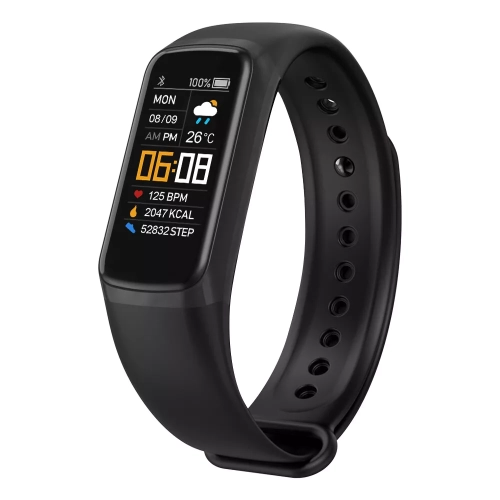


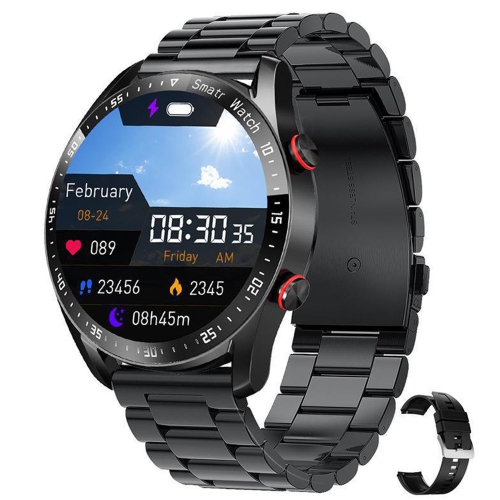
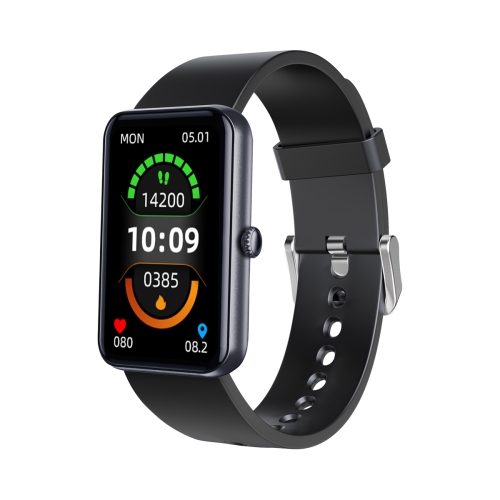
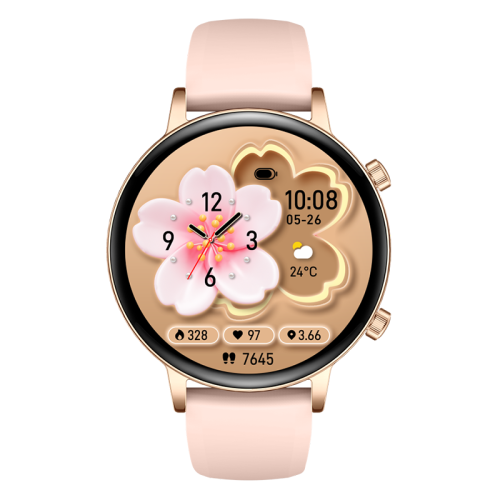
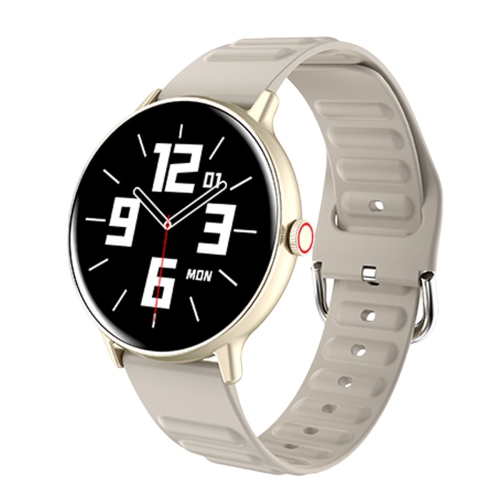

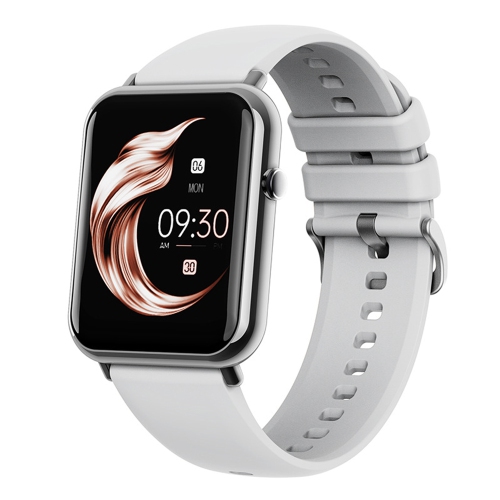

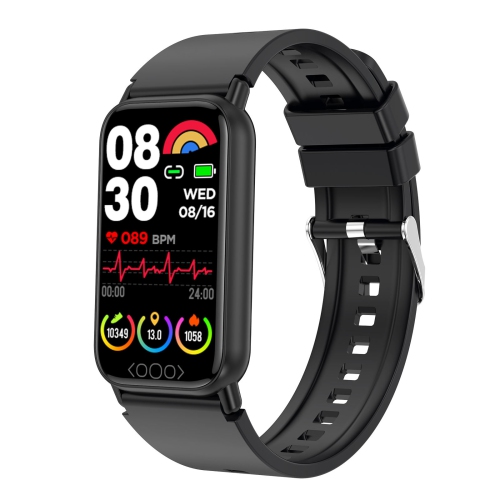
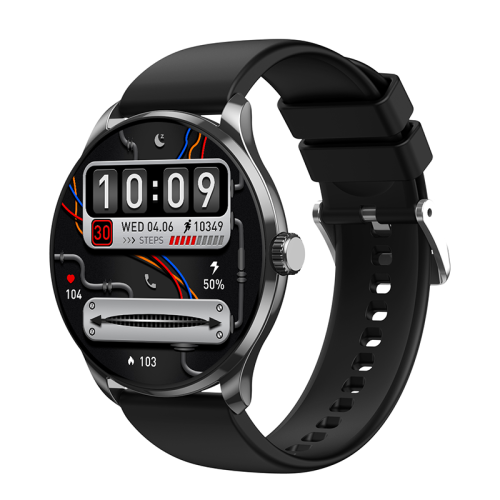
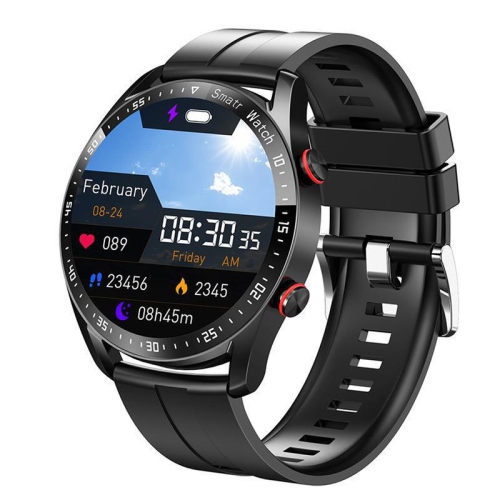


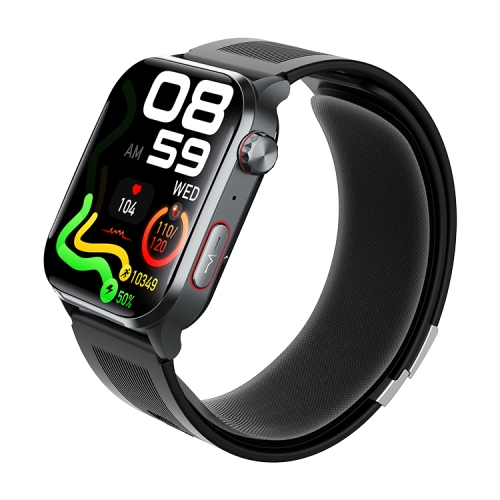
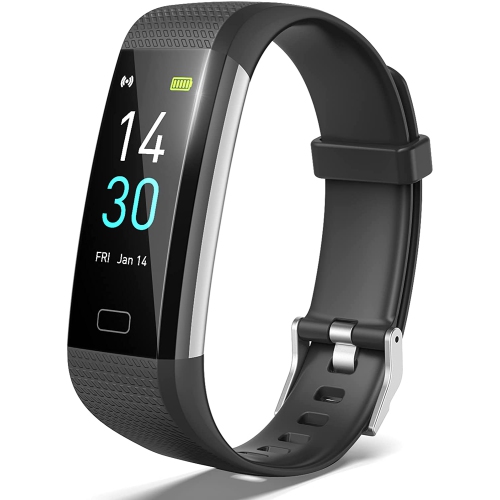
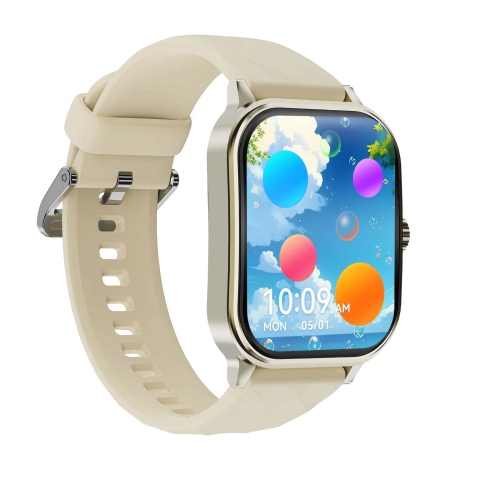
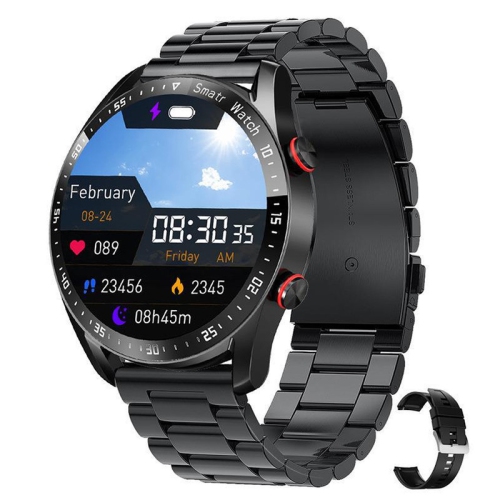
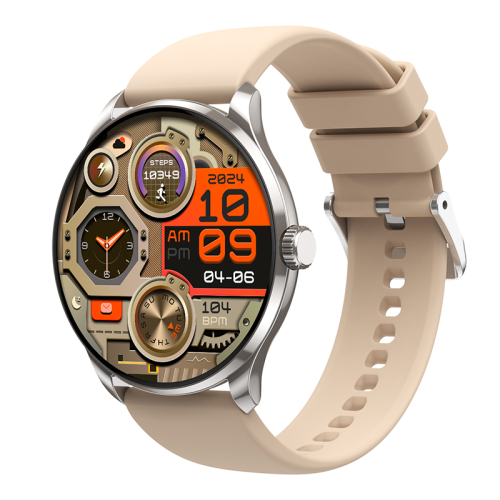
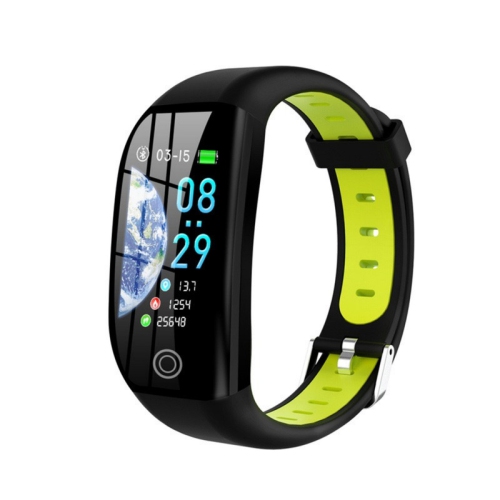




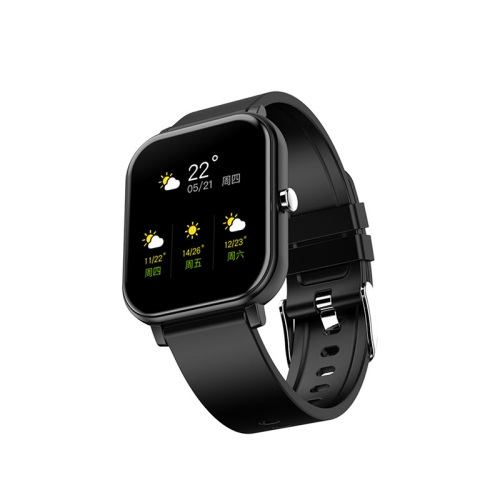
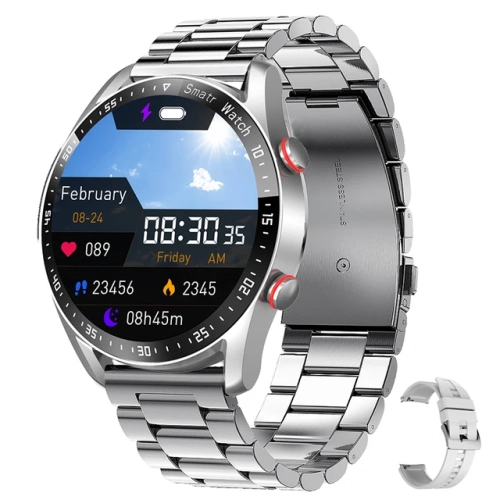

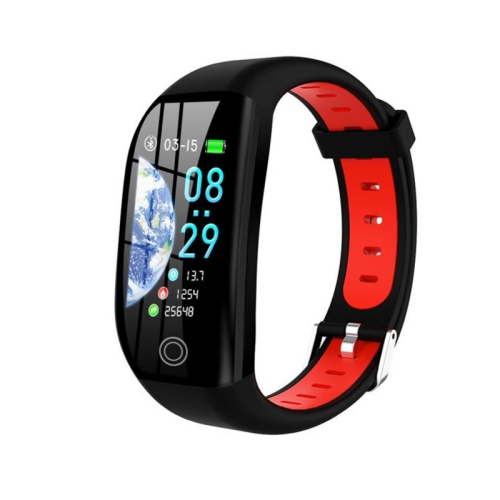


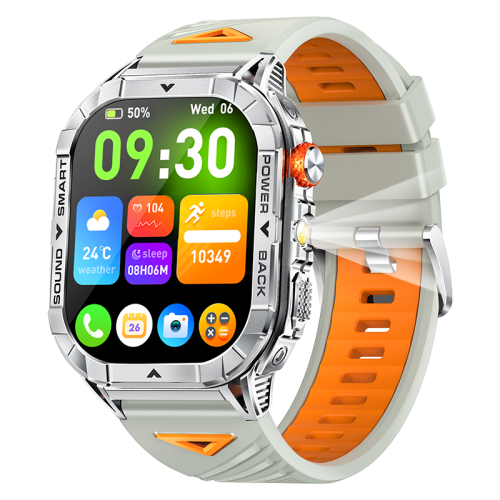


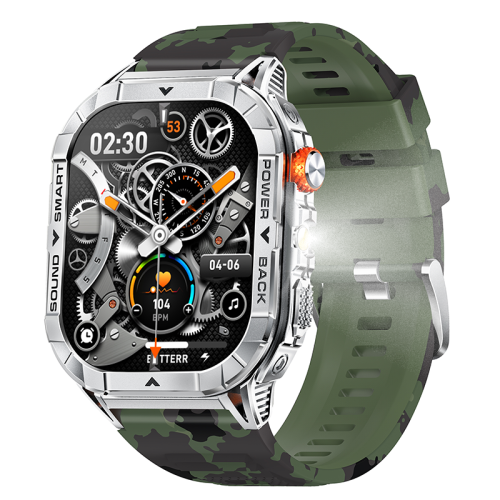
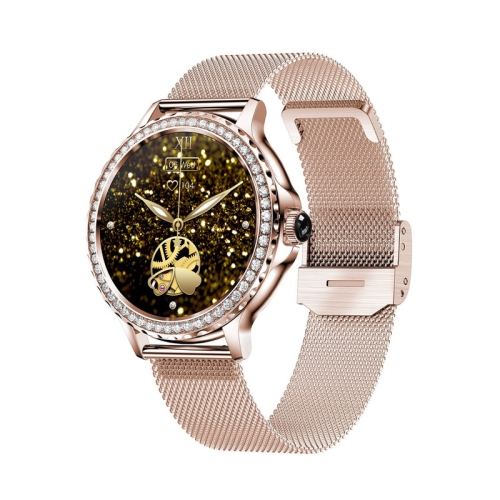
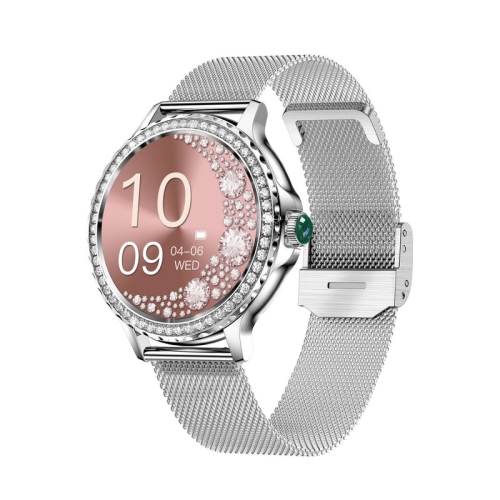
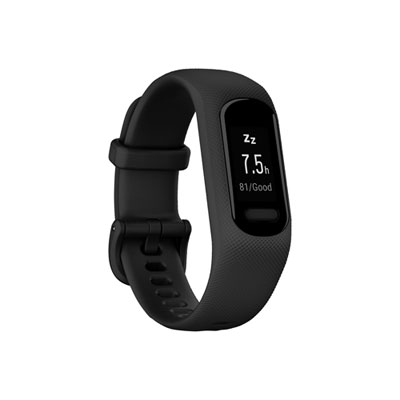
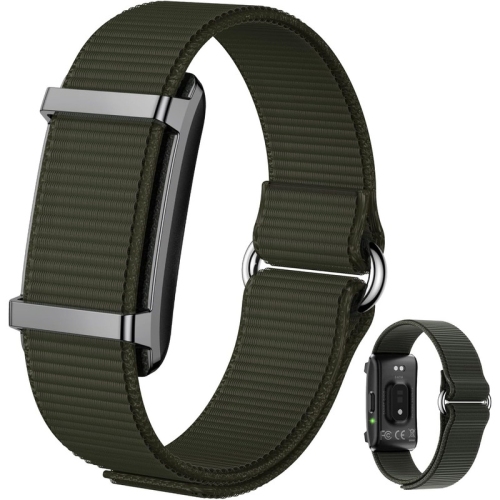
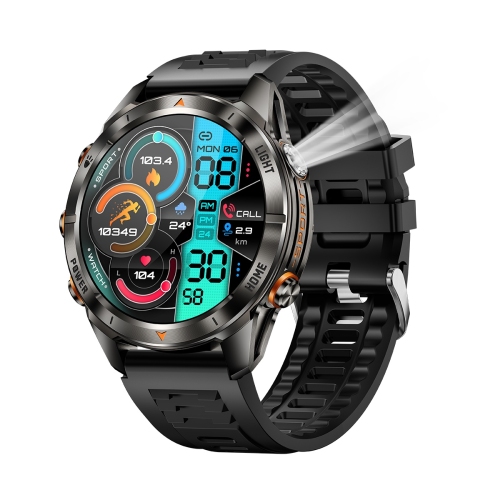
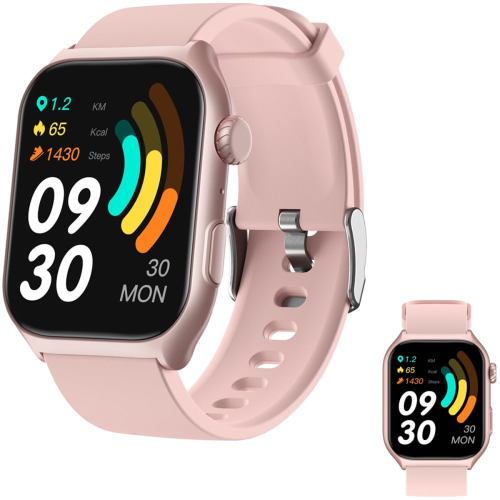

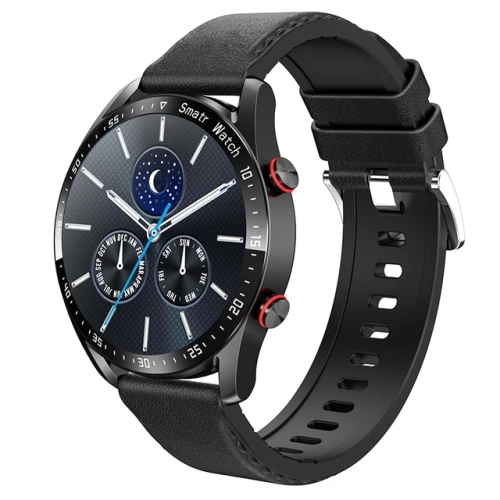

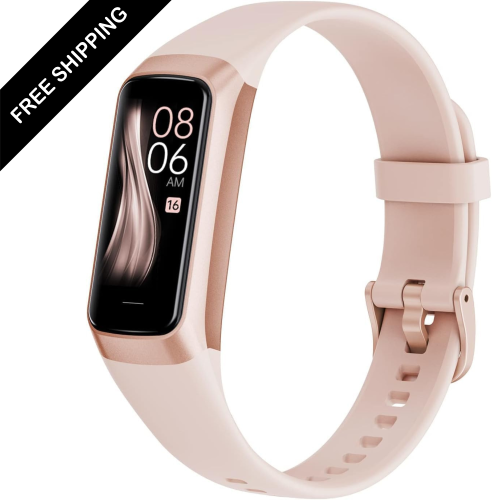
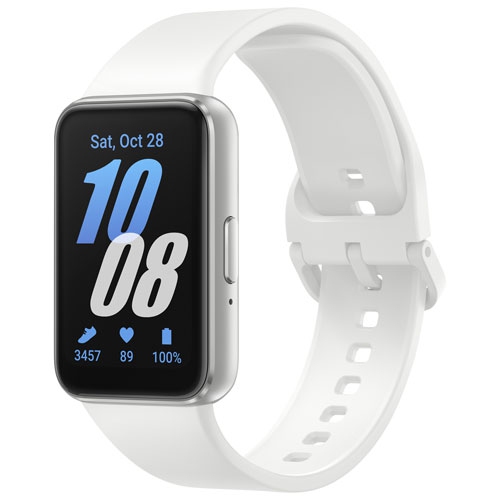
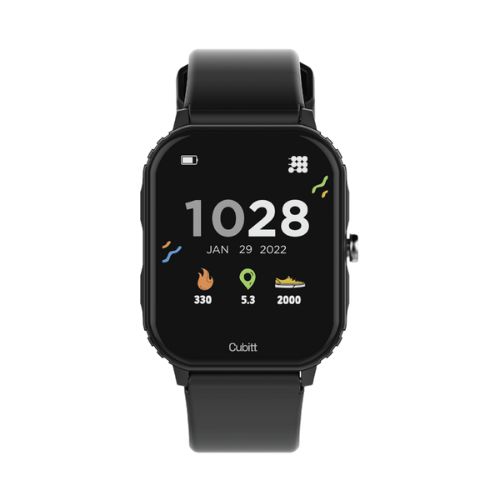
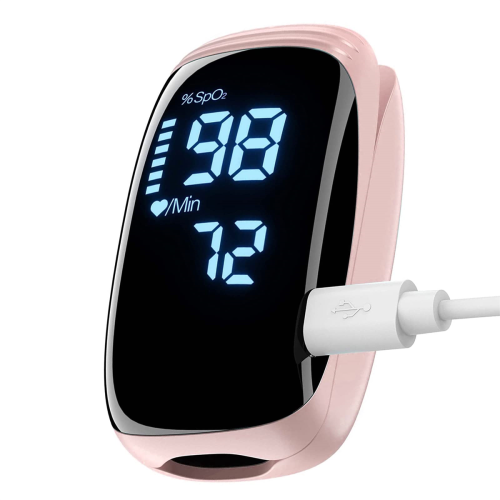

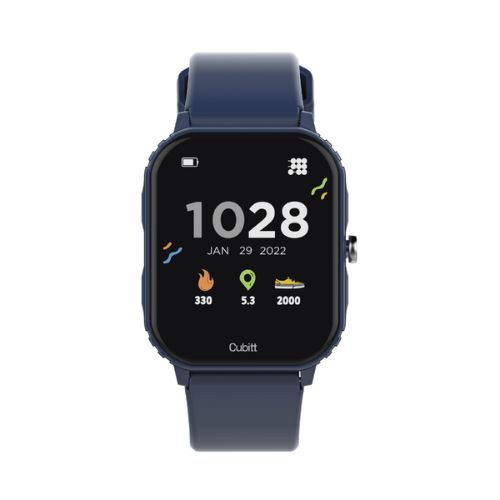

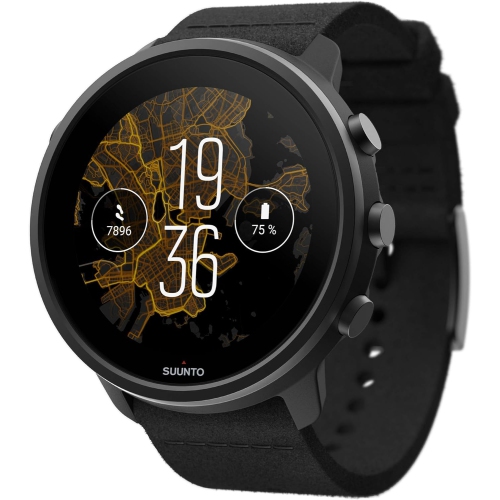
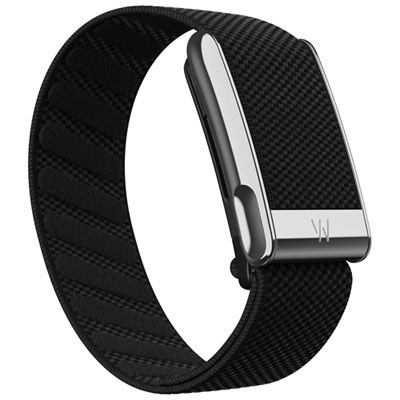
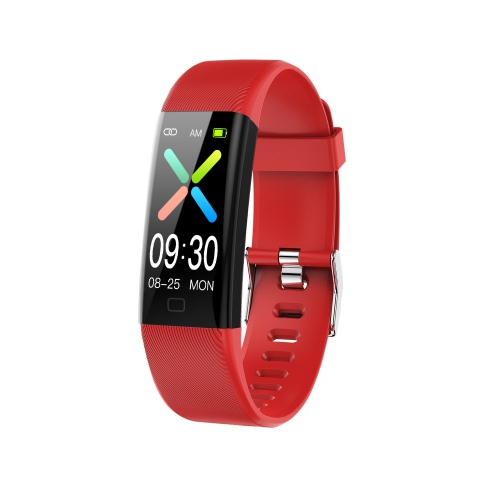
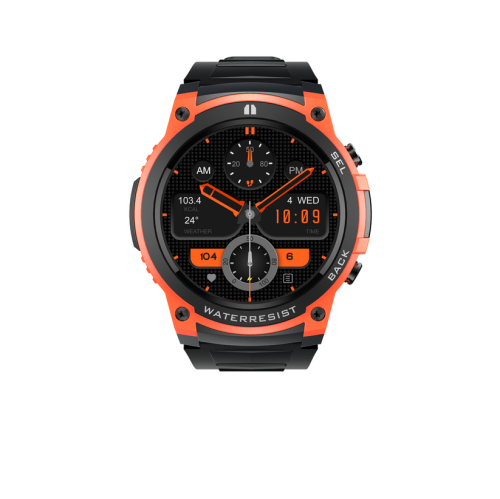
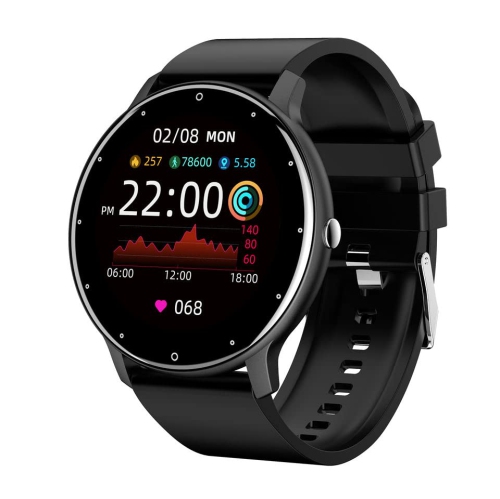
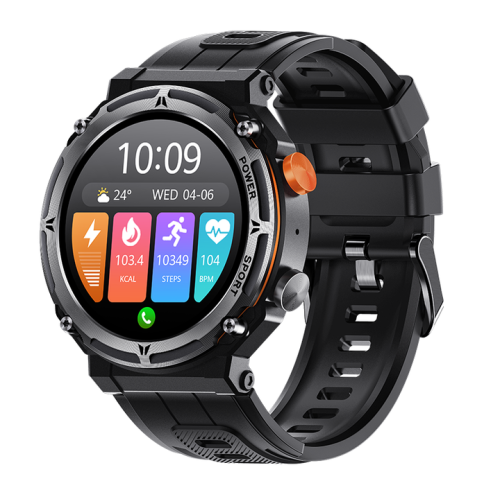

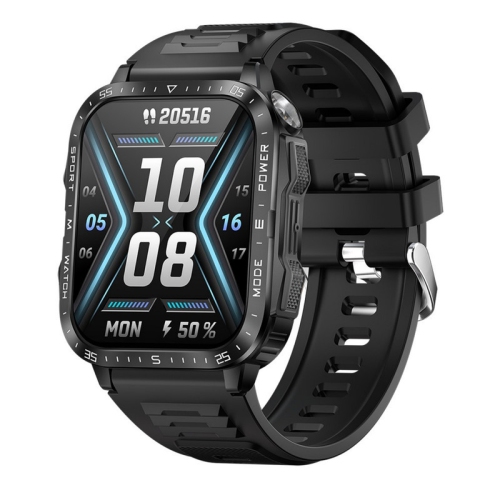




How heart rate tracking adds context to your routine
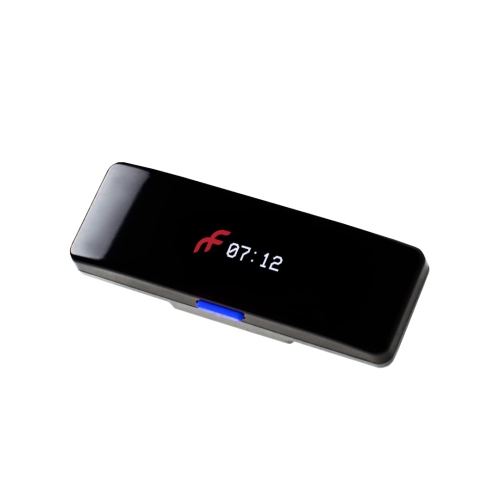
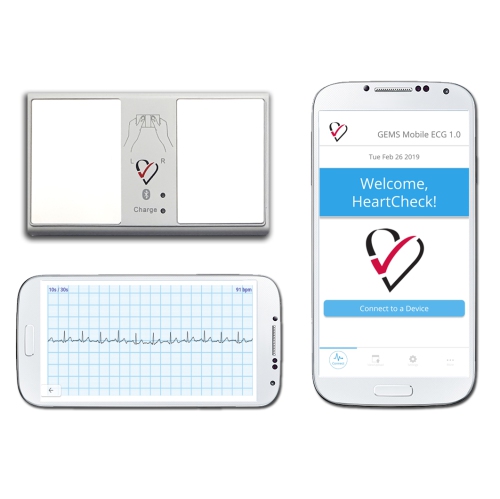
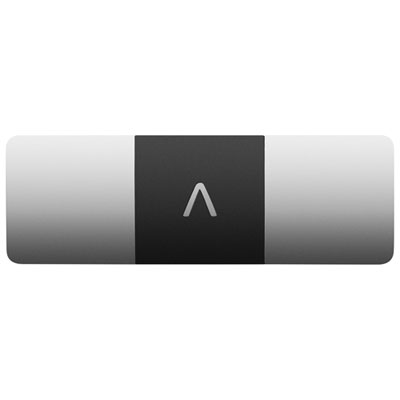
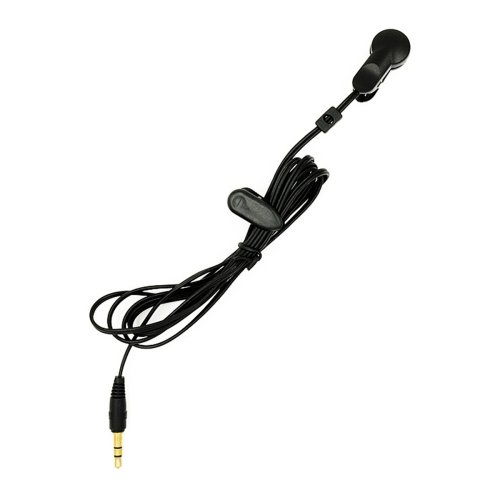
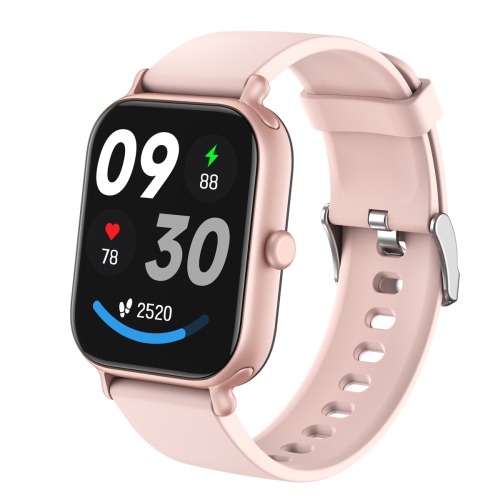
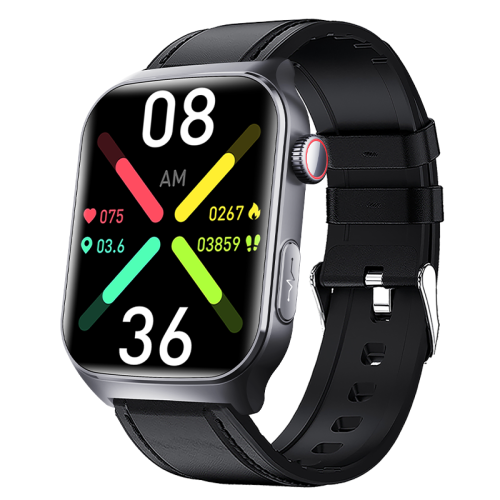
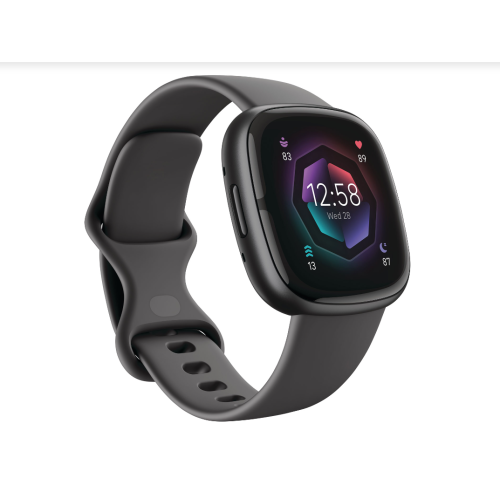
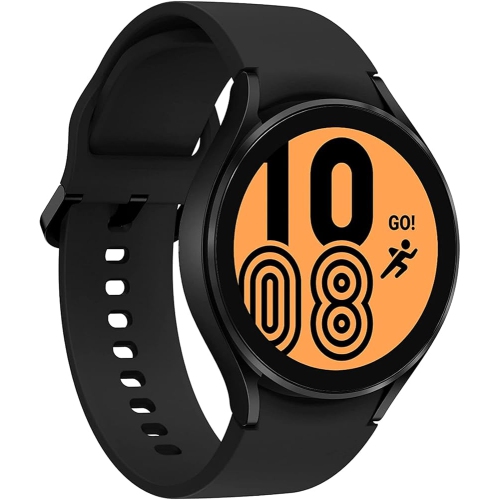
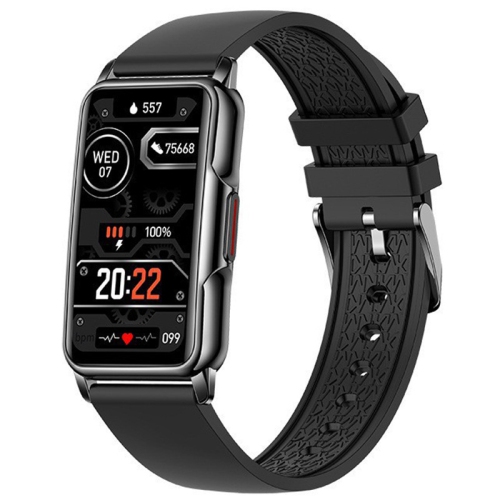
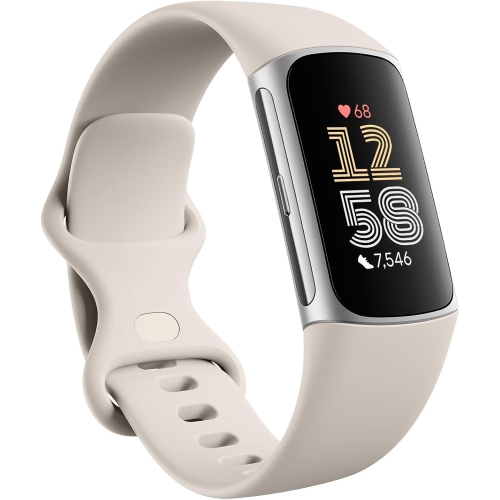
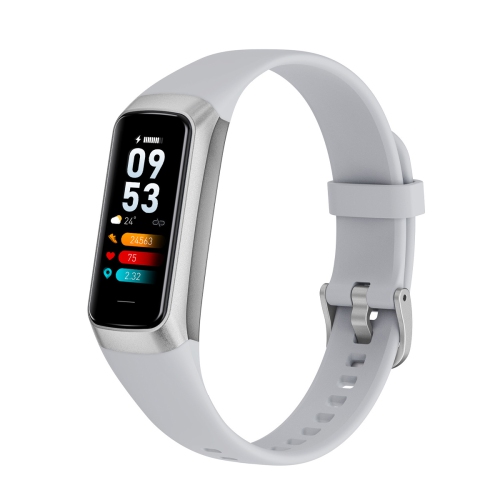
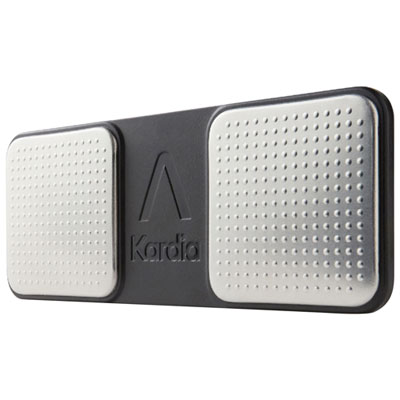
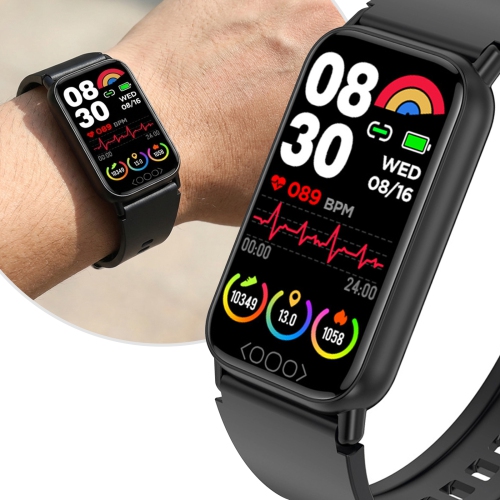
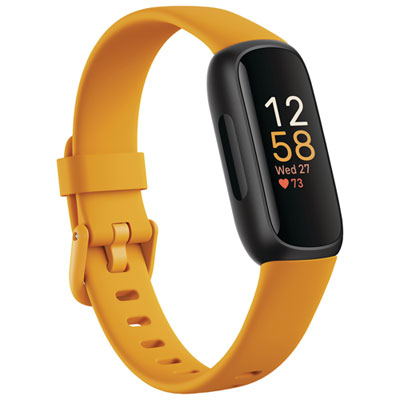
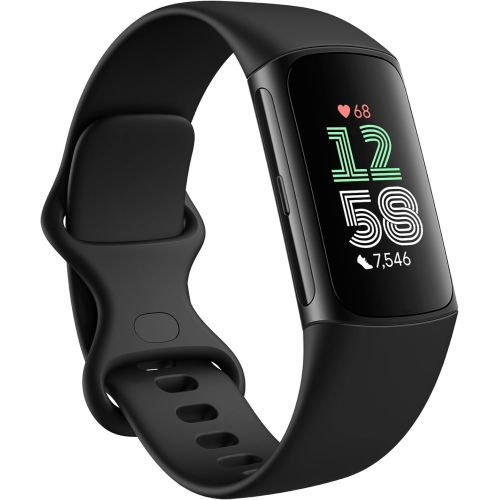
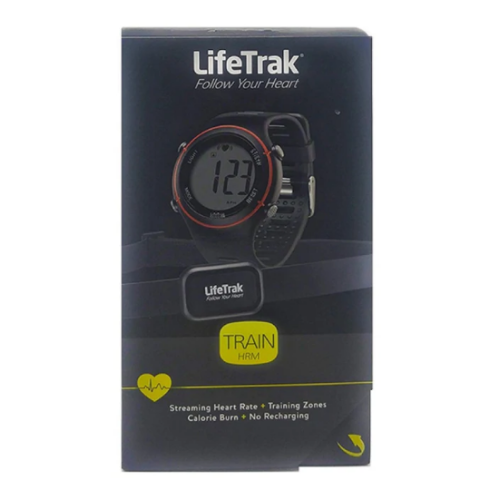
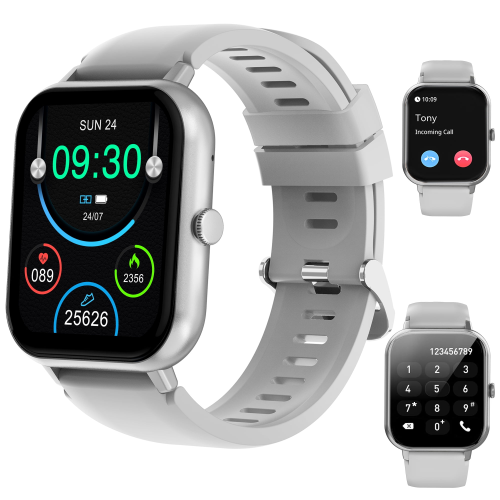
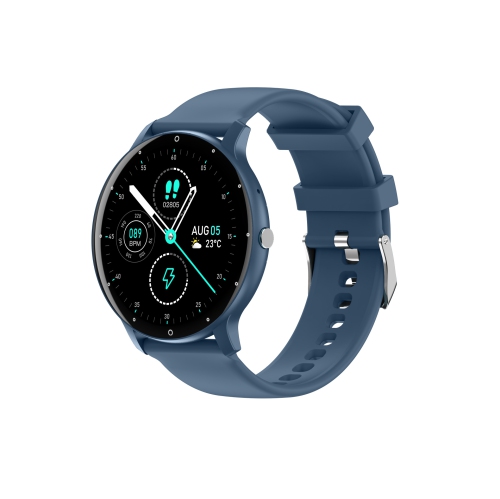
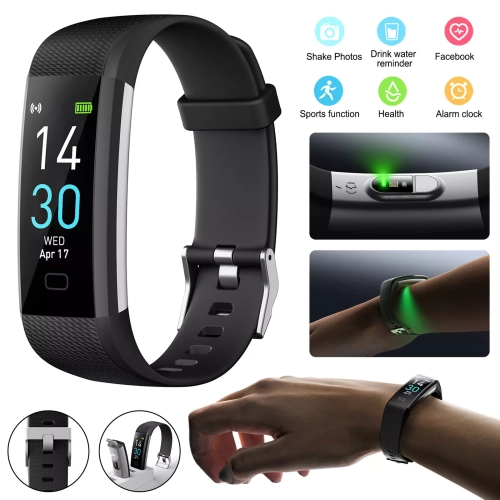
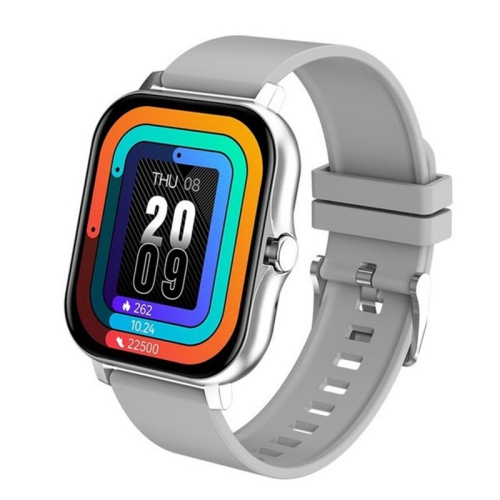
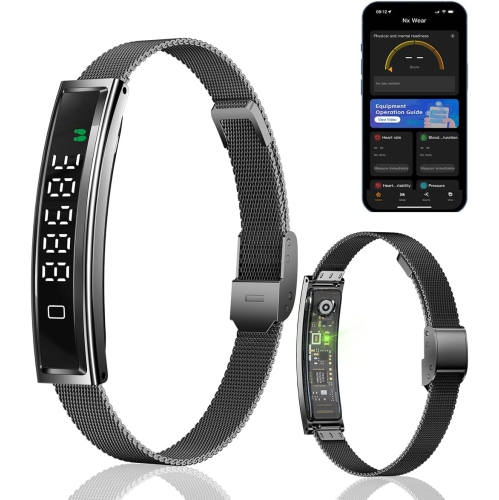
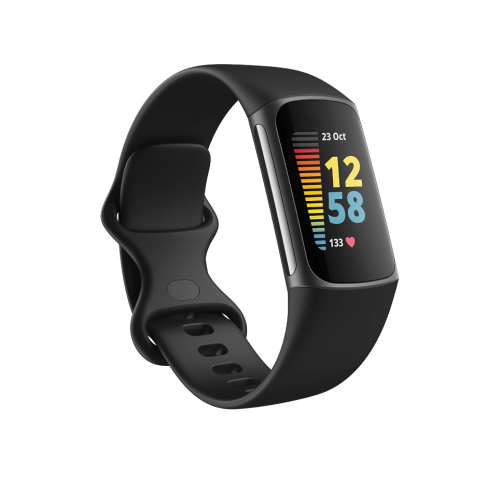
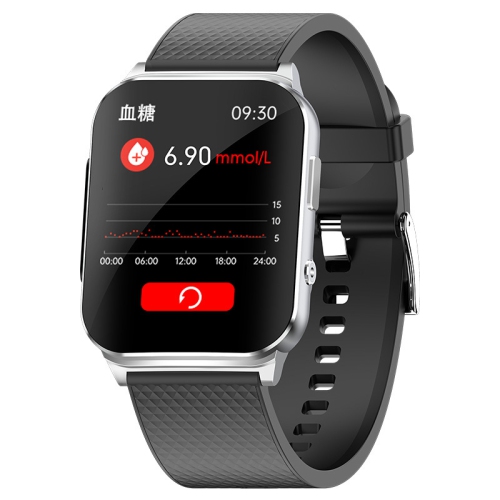
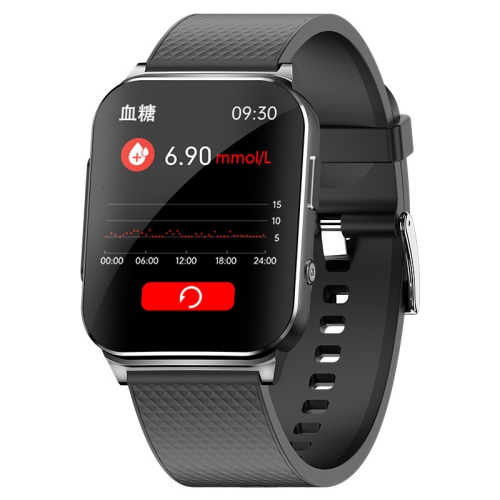
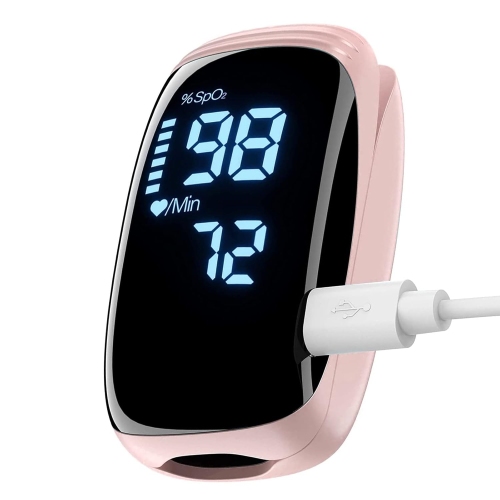
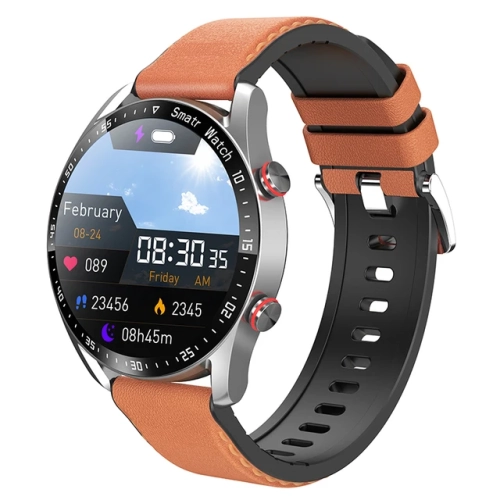
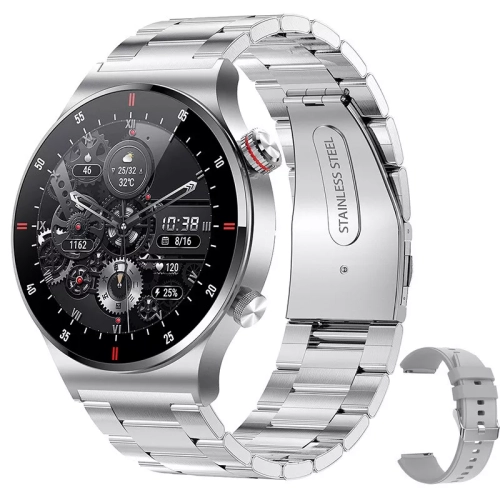
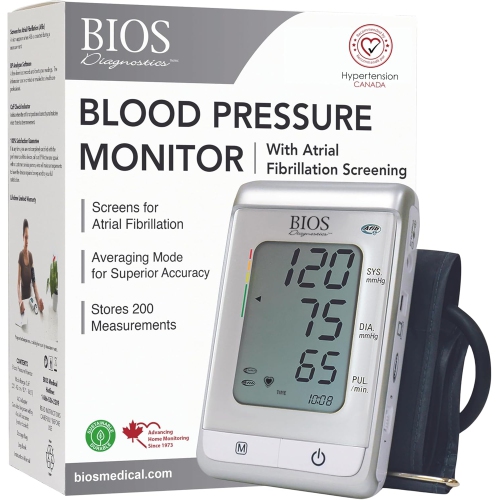
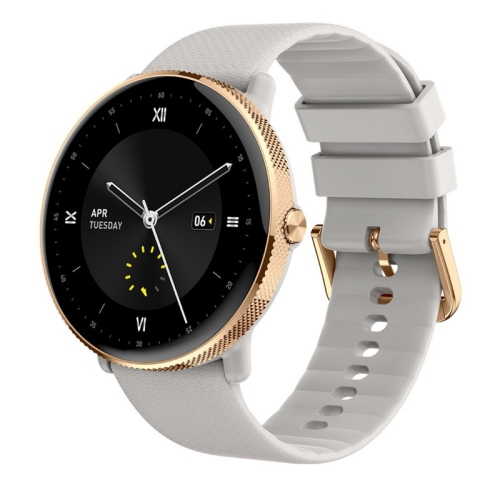
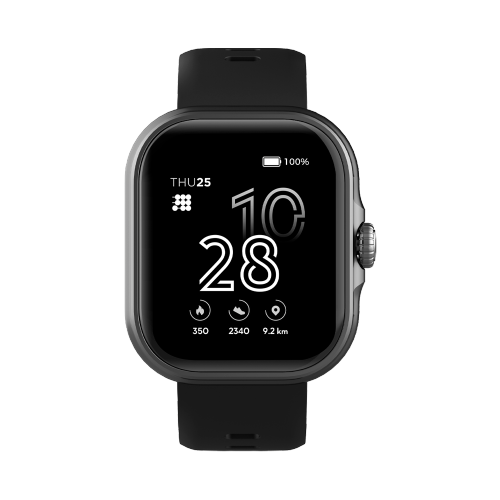
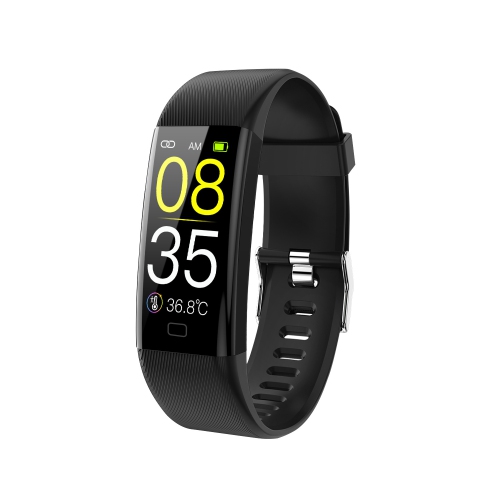
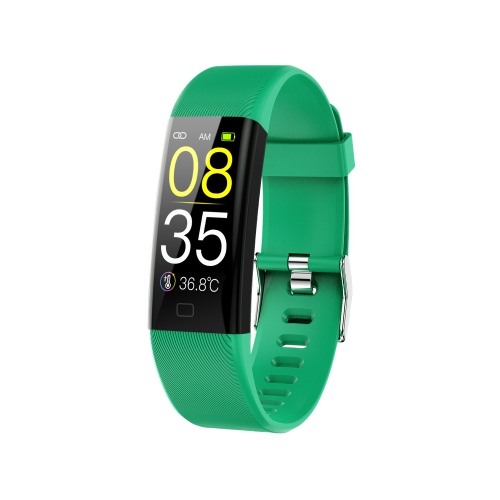
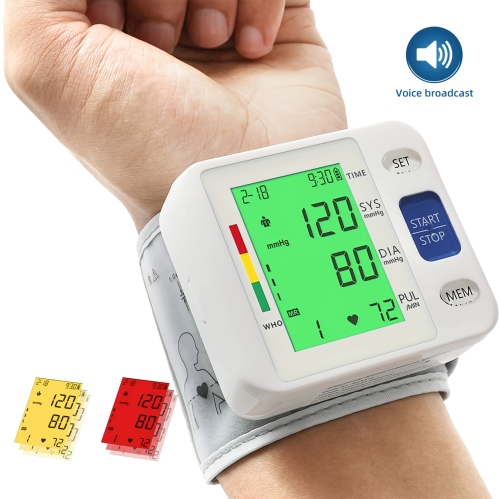
Heart monitors are devices that measure heart rate, heart rhythm, or the heart’s electrical activity, depending on their sensors and intended use. For everyday fitness and wellness, wearable heart rate monitors help show how quickly the heart is beating during exercise, rest, and daily activities. A brisk walk along a neighbourhood path, a steady indoor cycling session, and a quiet evening on the sofa can produce very different readings; tracking those changes adds context to an activity routine. The main consumer formats are chest straps, wrist-worn monitors, and armbands. Chest straps typically use electrodes against the skin to detect electrical signals associated with each heartbeat. Wrist-worn devices and many armbands use optical sensors, which shine light into the skin to detect changes in blood volume with each pulse. Some compatible wearables also offer an electrocardiogram, or ECG, feature that captures a brief recording of the heart’s electrical activity when activated. These measurements serve different purposes: a pulse reading tells how often the heart beats, while an ECG provides information about its electrical pattern. Neither should be confused with blood pressure, which measures the force of blood against artery walls. For that separate measurement, blood pressure monitors are designed for an appropriate home monitoring routine. Consumer heart monitors also differ from clinician-prescribed equipment, such as Holter and event monitors, used to investigate symptoms or assess heart rhythms over a specified period. A fitness wearable does not replace that equipment or a medical assessment. Within everyday use, heart rate information can help walkers, runners, cyclists, and people building a regular movement habit observe their effort and spot personal trends. Its greatest value often comes from consistent use under comparable conditions, rather than treating a single number as a complete picture of heart health. Sleep, stress, illness, caffeine, and certain medications can all affect heart rate, so readings make more sense alongside the circumstances in which they were taken.
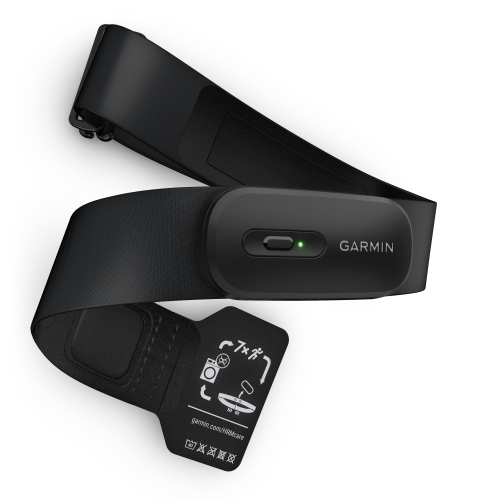
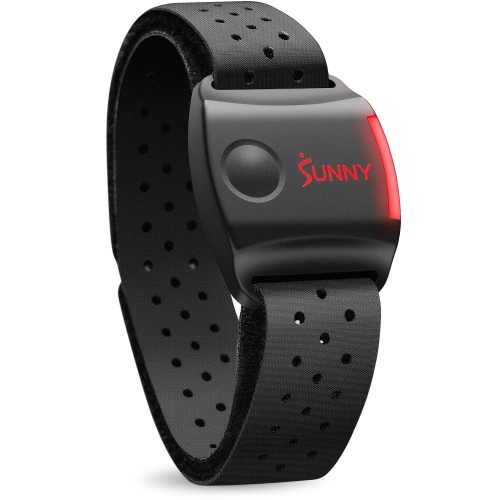
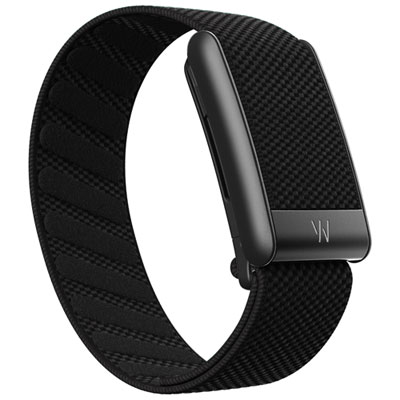
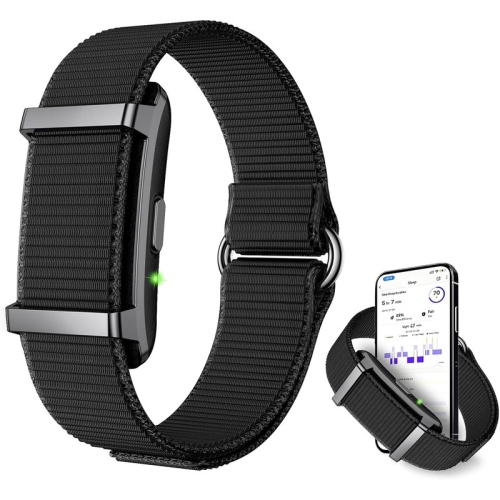
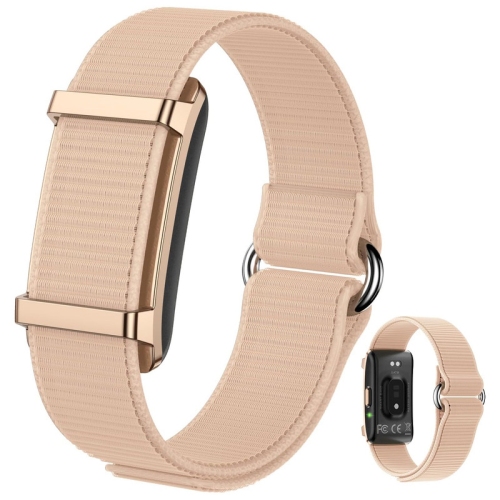
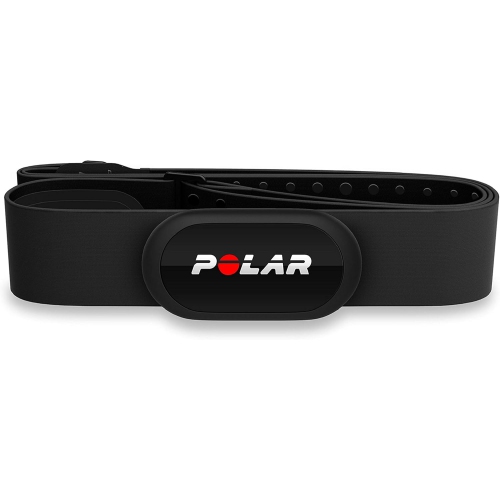
Comfort and sensor contact are central to choosing a heart monitor that suits the way it will be worn. A chest strap sits around the torso, usually just below the chest muscles, with an adjustable elastic band holding the sensor against the skin. This format can work well for exercise where responsive readings matter, including intervals that alternate between hard efforts and easier movement. Fit should be secure without restricting breathing or causing rubbing when the arms swing. Soft edges, a broad adjustment range, and a removable sensor module can make a strap easier to wear and maintain, although construction varies. An optical armband offers another placement option for someone who dislikes a chest strap or wants to leave the wrist free. Its band needs enough stretch to stay in position without pinching as muscles move. Wrist-worn monitors can be convenient for checking heart rate throughout the day, particularly when the display is easy to read at a glance. During a workout, a snug fit above the wrist bone helps maintain contact; a loose band that slides towards the hand can interrupt readings. Motion, cold skin, tattoos, and other factors can affect optical measurements, with performance varying by device and wearer. For any format, dimensions and adjustment ranges deserve attention, especially for smaller wrists, larger upper arms, or wear over long sessions. Skin-contact materials may include silicone, woven textiles, elastic, plastics, and metal components. People with sensitivities should check the listed materials, including clasps and sensor contacts, rather than assuming every band will feel the same. A low-profile design can sit more comfortably beneath fitted exercise clothing, while smooth surfaces are generally easier to wipe clean after a sweaty session. During the cooler months, a chest strap beneath a base layer may be less accessible than a wrist display, making a compatible phone, watch, or exercise-machine connection useful for viewing readings without adjusting clothing.
Features are most useful when they match a familiar routine. Someone taking steady walks may value a clear display and straightforward heart rate history, while a cyclist training indoors may need a sensor that sends readings to compatible exercise equipment. Bluetooth and ANT+ are common wireless connection methods, but support varies, and matching connection types does not guarantee every feature will work together. Compatibility with the intended phone, app, watch, or machine matters, as does whether a monitor can connect to more than one device at a time. Some sensors transmit readings without storing them; others can save a session for later syncing. Battery design also shapes daily use. Rechargeable models need a convenient charging routine, while models with replaceable batteries require the correct battery type and careful resealing after replacement. Battery life depends on usage and enabled features, so continuous tracking and frequent workouts may call for more frequent charging. Water resistance deserves similar attention: a rating suitable for sweat or splashes does not automatically make a device appropriate for swimming, showering, or hot water. Follow the stated limits for the whole device, including its strap and charging components. Regular care helps preserve both comfort and dependable contact. Wipe sensors as directed, wash removable textile straps only according to their care instructions, and allow components to dry fully before storage or charging. Harsh cleaners, trapped moisture, and repeated stretching beyond the intended fit can shorten the life of bands and seals. Replaceable straps can be practical when a well-used band loses elasticity. As a gift, a heart rate monitor may suit someone who has expressed an interest in fitness tracking, provided its fit, device compatibility, and data-sharing options match their preferences. Health information is personal, so app permissions, account requirements, and optional sharing features are worth understanding. Heart rate zones and alerts can support an exercise routine, but they are not a diagnosis or an individual exercise prescription. Unexplained palpitations, dizziness, or fainting warrant medical advice, even when a wearable shows a normal reading. Chest pain, severe shortness of breath, or fainting with ongoing symptoms requires urgent medical attention rather than another device check.
Top selling and popular products
-
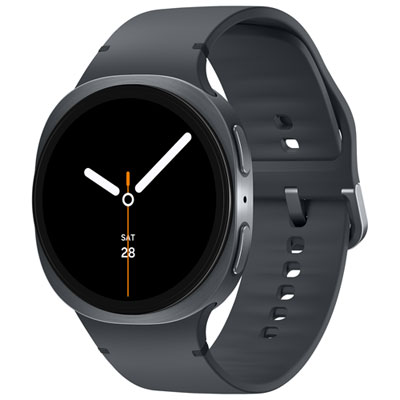 Your price for this item is $399.99
-
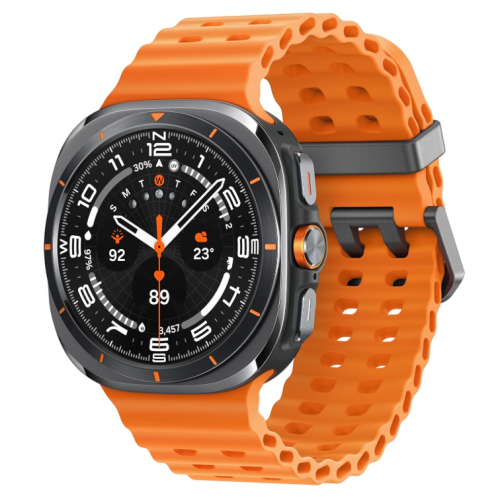 Your price for this item is $579.99
-
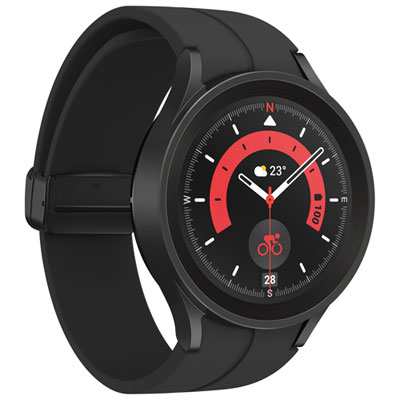 Your price for this item is $629.97
-
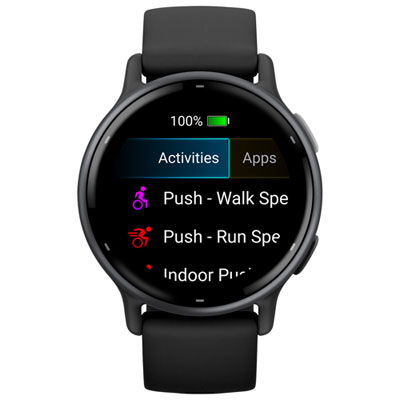 Your price for this item is $349.99
-
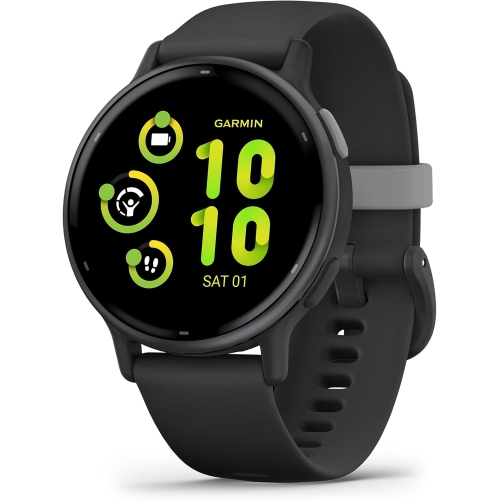 Your price for this item is $371.79
-
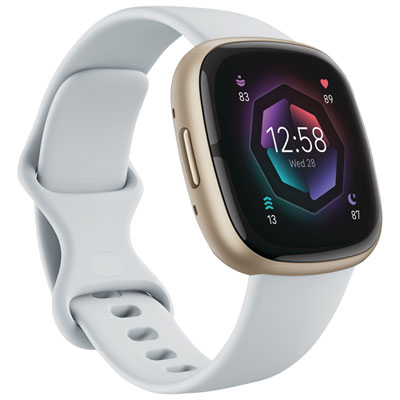 Your price for this item is $329.99
-
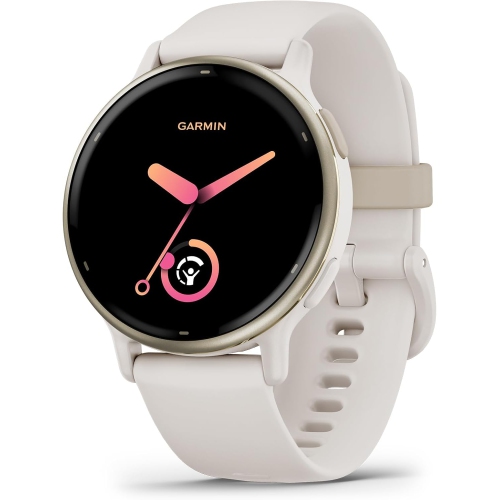 Your price for this item is $323
-
 Your price for this item is $659.99
Discover more categories related to Heart Monitors


Top Collections:
Pokemon Centers, Best Cameras for Sports Photography, Kindle Devices, Samsung Galaxy Phones, Canon G7X Cameras, Pokémon 30th Celebration Cards, Refurbished Apple Laptops, iPhone 15 Apple, Laptops for Students, Budget Smartphones
Some products may be subject to Environmental Handling Fees
(EHF) depending on your province.
Learn more about EHFs.