Infant Heart Rate Monitors
Monitor your baby's well-being and enjoy greater peace of mind with an infant heart rate monitor. Designed to help parents keep track of their little one’s heart rate, these monitors offer reassurance during naptime, bedtime, or anytime you want to check in. Explore a variety of infant heart rate monitor options that fit seamlessly into your daily routine, providing reliable support as you care for your newborn. Find the right solution for your family’s needs and keep connected to your baby’s health every step of the way.
Sort


What your baby’s pulse readings can and cannot reveal
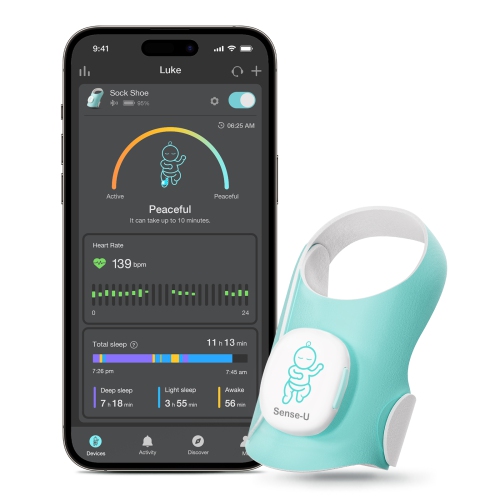
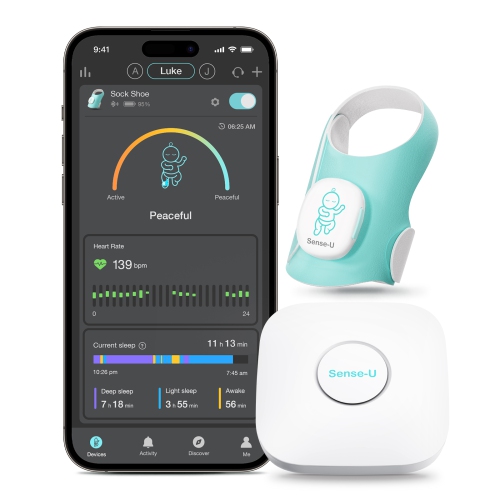
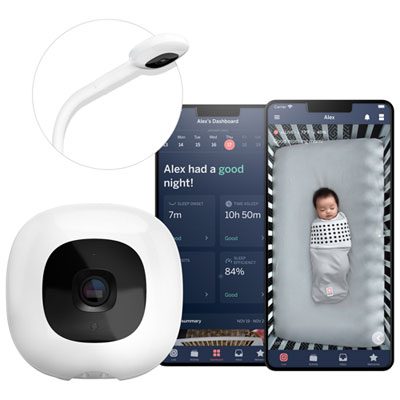
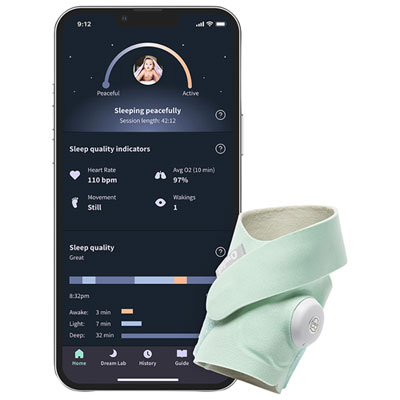
Infant heart rate monitors are devices designed to measure a baby’s pulse after birth, with readings typically displayed in beats per minute on a connected screen, base station, or compatible app. Depending on the model, they may also show estimated blood oxygen levels, movement, or sleep information. These measurements are different from the sound and video provided by a standard baby monitor: a nursery camera lets a caregiver see and hear a baby, while a heart rate monitor uses a sensor to collect pulse data. Some wearable designs use optical sensors that shine light through the skin and detect changes associated with blood flow. A secure, correctly positioned sensor is important because movement, poor contact, and an unsuitable fit can affect readings. Although the terms sometimes appear together in searches, infant heart rate monitors and fetal Dopplers serve different purposes. A fetal Doppler is an ultrasound device used to detect cardiac activity during pregnancy; it is not a monitor for a sleeping infant after birth. Home fetal Doppler readings should not be used to assess a pregnancy’s wellbeing or replace prenatal care. For families looking at post-birth monitoring, the most useful distinctions are what a device actually measures, the ages and weights it supports, and whether it is intended for general wellness tracking or prescribed medical monitoring. A heart rate display does not, by itself, mean a device can diagnose a condition or provide hospital-level monitoring. Parents and caregivers may value an accessible view of readings alongside everyday nursery checks, particularly when sharing care between adults. However, consumer monitors do not prevent sudden infant death syndrome, and they cannot confirm that a baby is safe simply because a reading appears reassuring. A baby with a diagnosed condition, a history of premature birth, or a clinician’s recommendation for monitoring needs equipment and instructions selected with their healthcare team rather than a consumer device chosen solely for its feature list.
Fit and everyday handling make a meaningful difference with a wearable infant heart rate monitor. Sock-style and wrap-style designs should match the manufacturer’s stated age, weight, and sizing requirements, with the sensor positioned exactly as directed. A wearable that looks comfortably loose may still allow the sensor to shift, while an overly tight fastening can leave pressure marks or irritate delicate skin. Soft textile components, smooth seams, and adjustable closures can make routine fitting easier, but the materials list and care instructions matter more than appearance alone. Babies with sensitive skin may need closer attention to fabric composition, contact surfaces, and any redness where the wearable rests. Check the skin regularly, and stop using the wearable if irritation develops until the cause has been addressed. Growth also changes fit: a wrap that sits neatly on a newborn may need adjustment or a different size later, so supported size ranges and compatible replacement textile parts are practical considerations. During a nappy change, caregivers should be able to remove and refit the wearable without guessing where the sensor belongs. Clear placement markings and straightforward fastenings can help when more than one adult handles bedtime. Cleaning requirements vary, especially when a washable fabric section houses a removable electronic sensor. Separate components only as instructed, follow the specified washing method, and let washable parts dry fully before reassembly. Unless the manufacturer explicitly allows it, electronic sensors should not be immersed in water. Durability includes more than the outer fabric: closures need to hold their intended position, charging contacts need appropriate care, and sensor housings should remain free from cracks or other damage. Regular checks for stretched fabric, worn fasteners, and damaged cables help identify when a component needs replacement. For a baby shower gift, compatibility with the family’s preferences and the baby’s expected size matters more than an extensive feature list. Monitoring is a personal choice, so discussing it with the parents beforehand can make the gift more useful.
Connected features shape how infant heart rate monitors fit into daily care. Some systems send readings to a nearby base station, while others use Bluetooth, Wi-Fi, or a combination of connections to support a mobile app. Supported phone operating systems, home network requirements, and the distance between components deserve attention, particularly in a home where the nursery is separated from the main living area. Remote viewing and notifications depend on the individual system; they should not be assumed to work when a phone is offline, an app is closed, or a network connection is interrupted. Battery runtime and charging routines also affect convenience. A device that needs charging during a nap creates a different routine from one charged while the baby is awake and in a caregiver’s arms. It helps to distinguish a low-battery or disconnected-sensor notification from an alert related to a measured reading, and to understand what happens if the base station loses power. Shared access can let another parent or caregiver view information, while account permissions, security settings, and data-retention options determine how that information is handled. Sleep summaries may offer a useful record of patterns, but their estimates are not a diagnosis and do not explain every waking or unsettled period. Families comparing pulse tracking with movement-based monitoring can also explore Infant Breathing Monitors; the categories may overlap, but detecting movement associated with breathing is not the same as measuring heart rate or oxygen levels. Whatever the device, keep cords and charging accessories well away from the baby’s reach and follow placement instructions without adding loose components to the sleep space. Babies should sleep on their backs on a firm, flat, separate sleep surface without pillows, loose bedding, or soft toys. Alerts require attention to the baby, not just the screen. If a baby is struggling to breathe, looks blue or grey, or is unresponsive, call 911 immediately rather than waiting for another reading. For non-urgent questions about repeated alerts or interpreting measurements, a healthcare professional can help put the information in context.
Top selling and popular products
-
 Your price for this item is $429.99
-
 Your price for this item is $499.99
-
 Your price for this item is $449.99
-
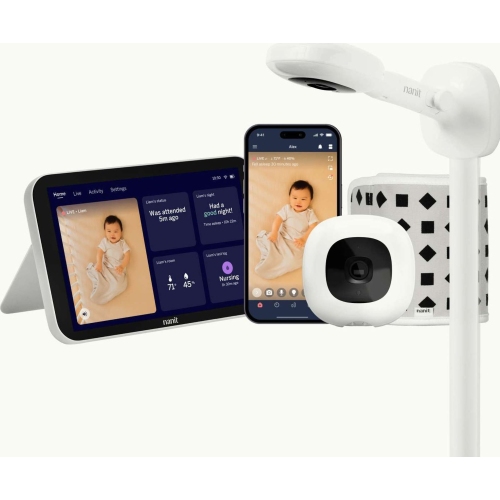 Your price for this item is $679.99
-
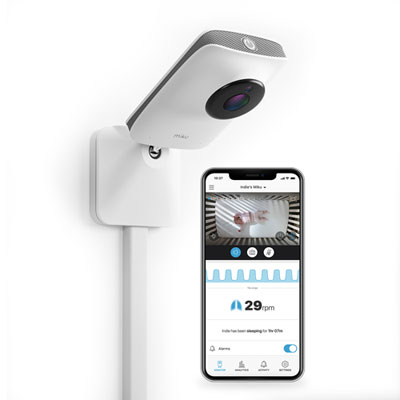 Your price for this item is $539.99
-
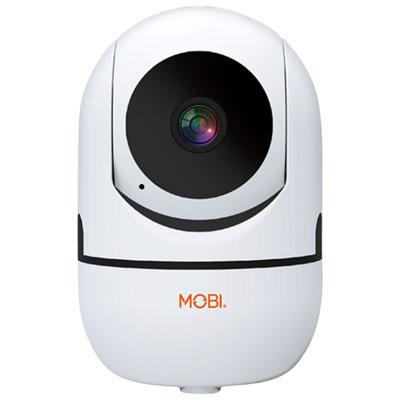 Your price for this item is $74.95
-
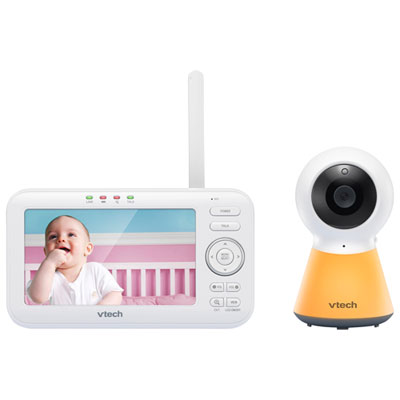 Your price for this item is $119.99
-
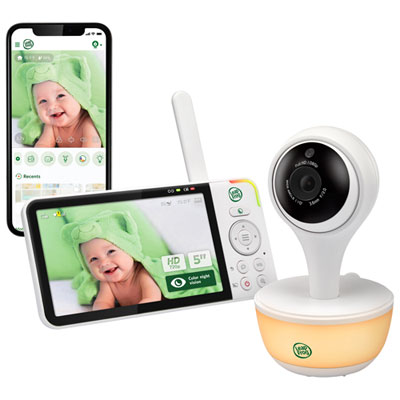 Your price for this item is $199.99
Discover more categories related to Infant Heart Rate Monitors
Top Collections:
Pokemon Centers, Best Cameras for Sports Photography, Kindle Devices, Samsung Galaxy Phones, Canon G7X Cameras, Pokémon 30th Celebration Cards, Refurbished Apple Laptops, iPhone 15 Apple, Laptops for Students, Budget Smartphones
Some products may be subject to Environmental Handling Fees
(EHF) depending on your province.
Learn more about EHFs.