Infant Carriers
When it comes to keeping your little one safe and snug while on the go, an infant carrier is a must-have essential for every parent. These versatile carriers provide a convenient and comfortable way to transport your baby during daily errands, outdoor adventures, or travel excursions. With a variety of styles and features to choose from, finding the perfect infant carrier to suit your lifestyle and preferences has never been easier. Discover our selection of infant carriers designed to keep both you and your baby happy and content wherever you go.
Sort
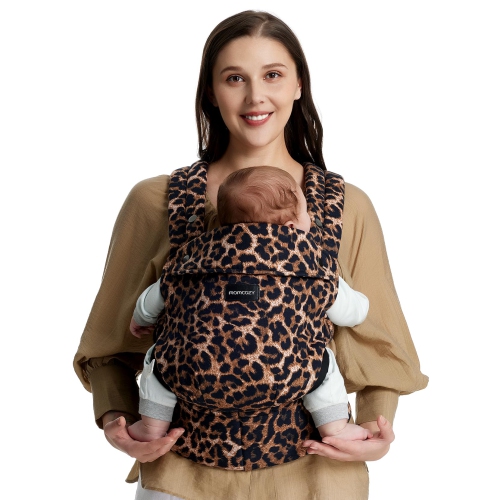
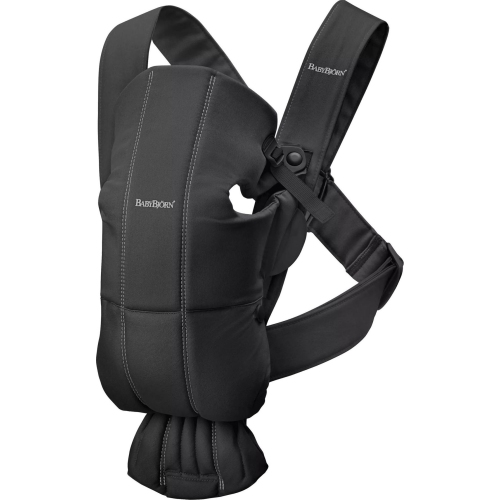
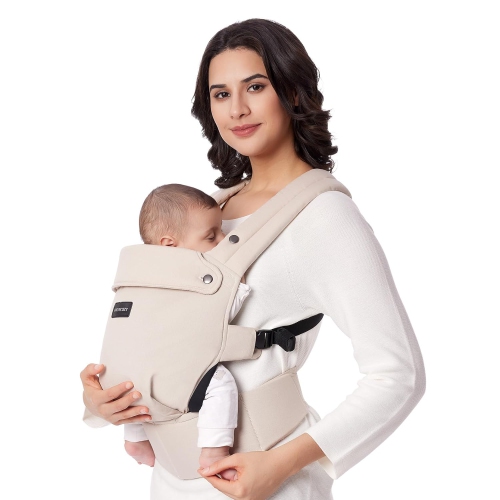
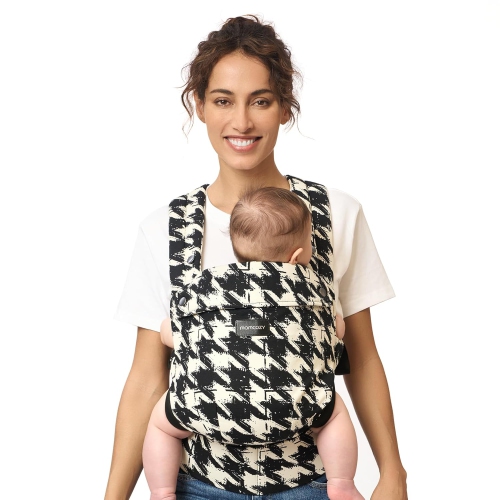
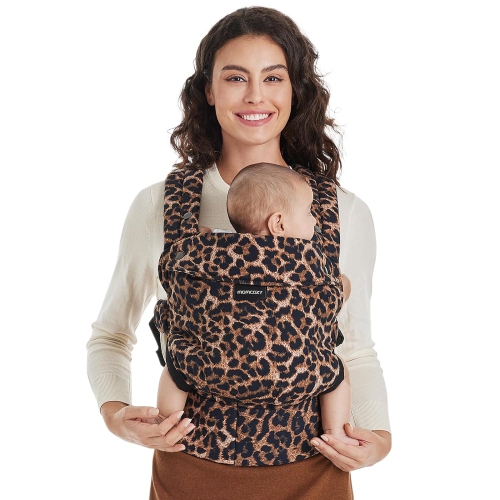

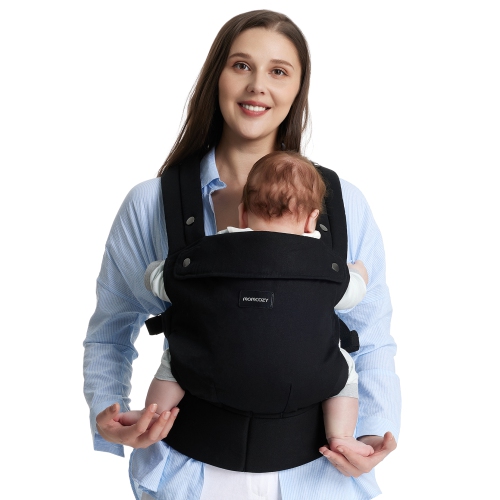
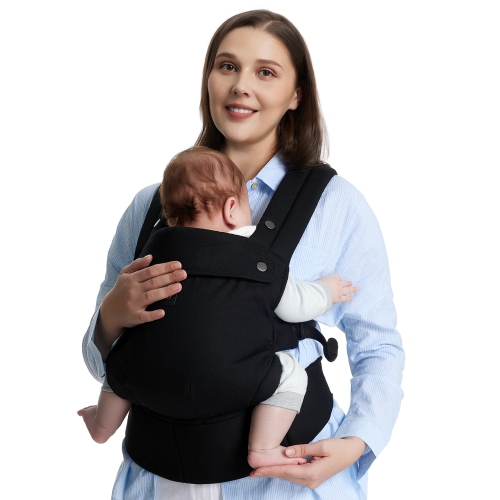
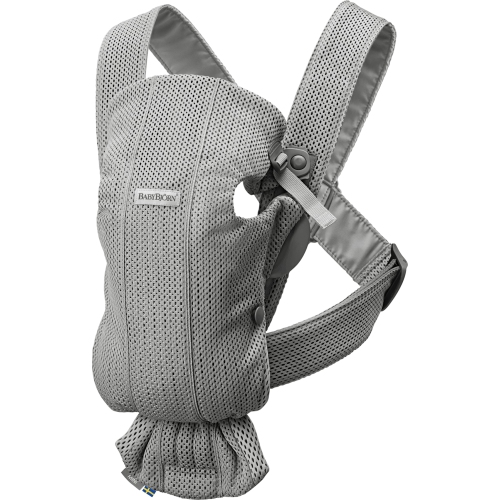


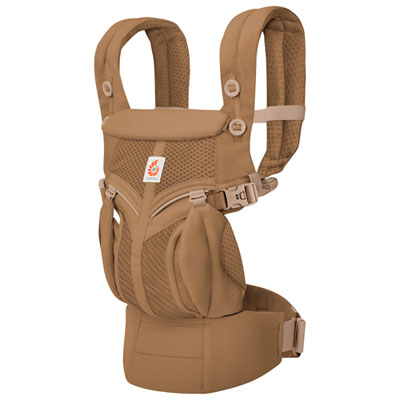

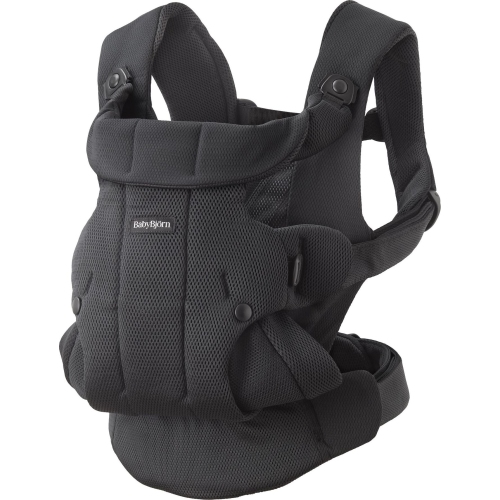


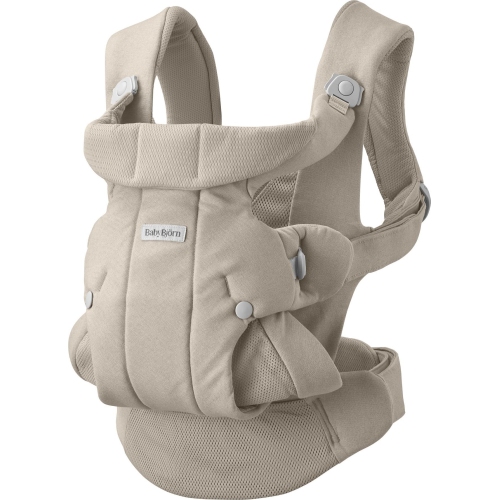
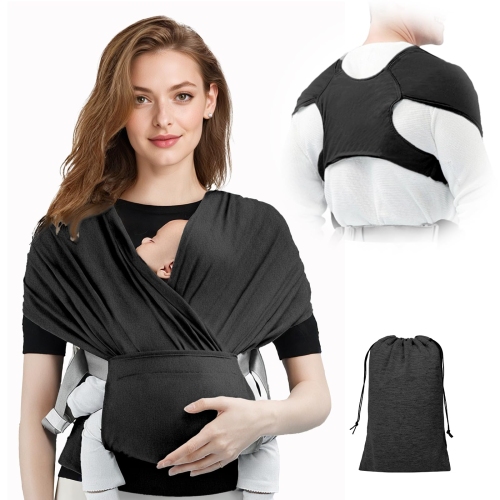
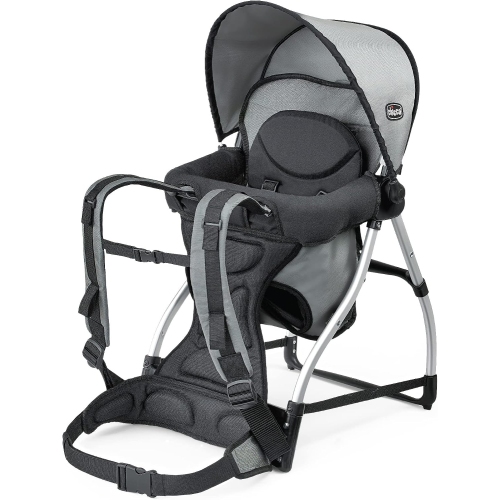
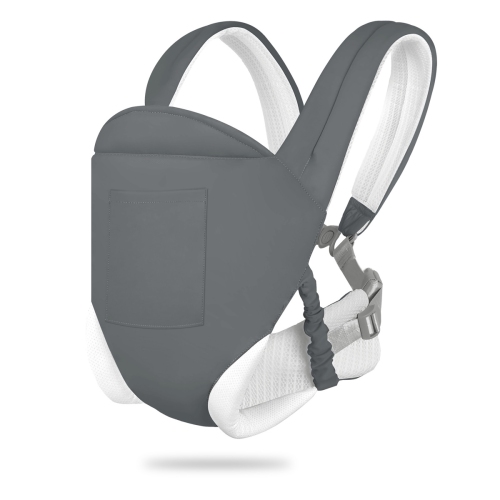
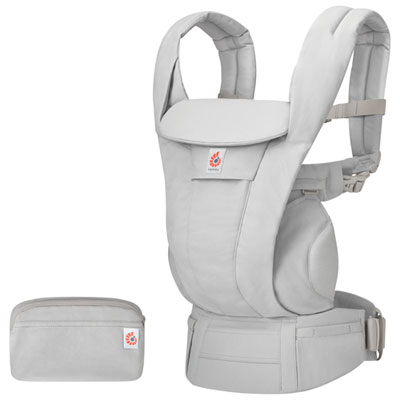
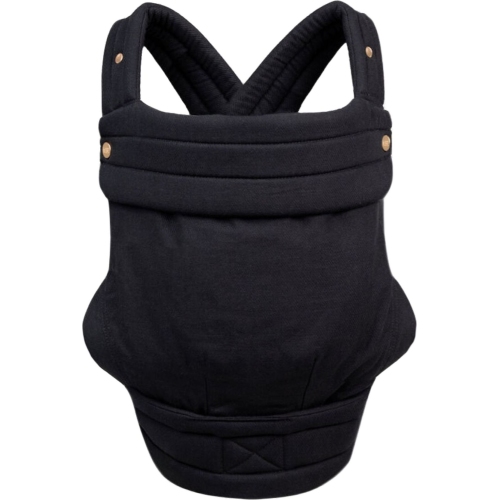
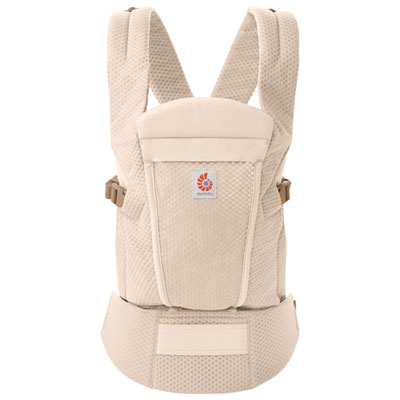
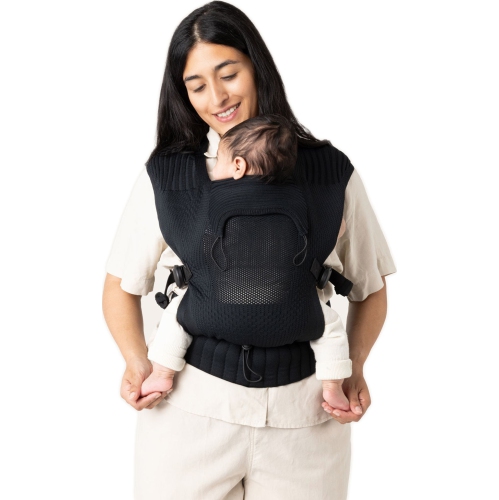
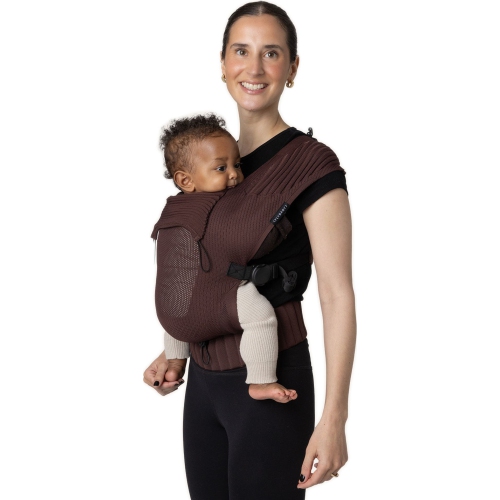
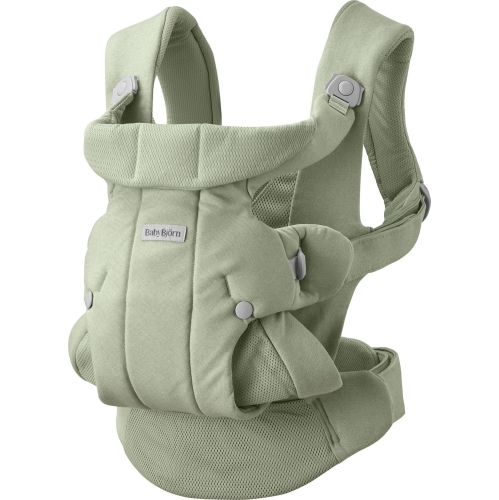
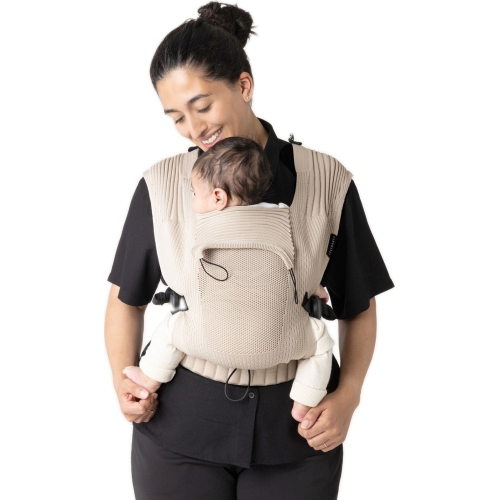
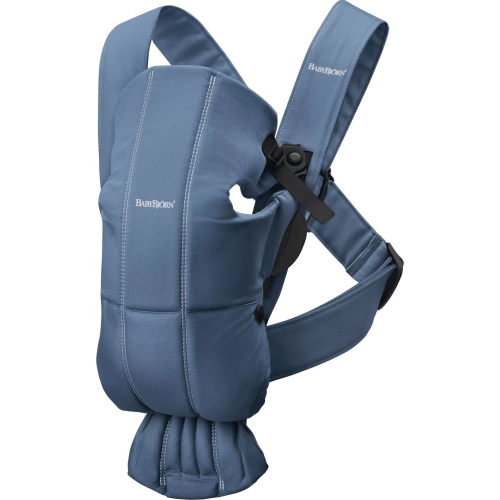
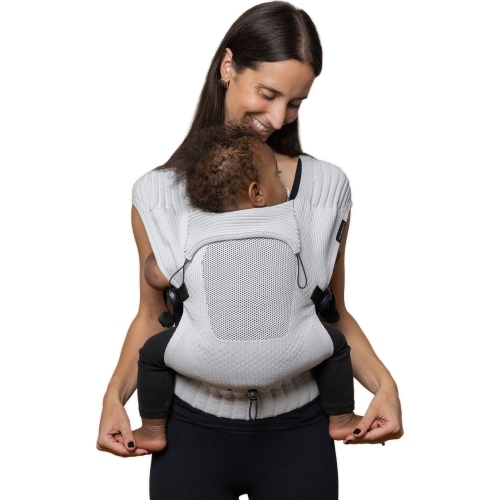

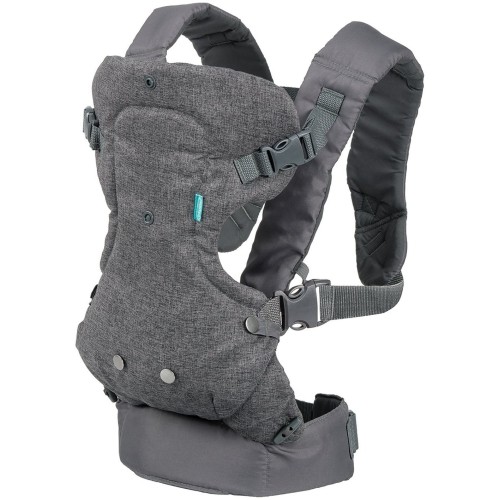

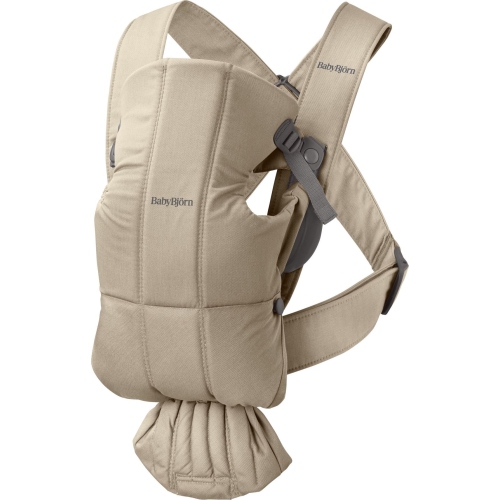
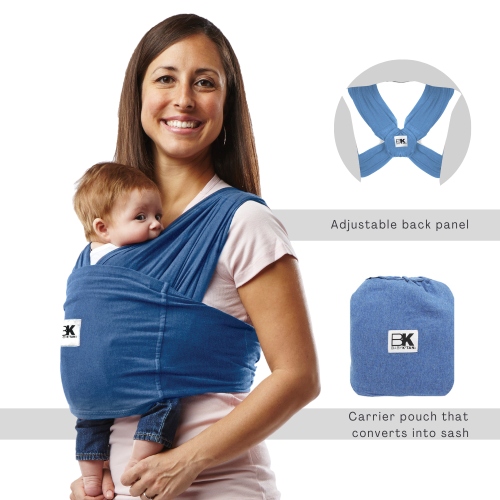
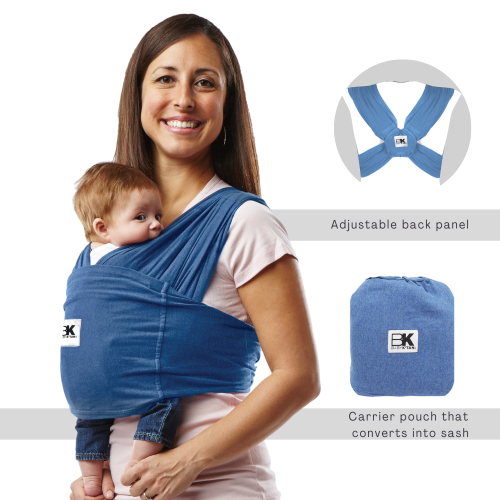
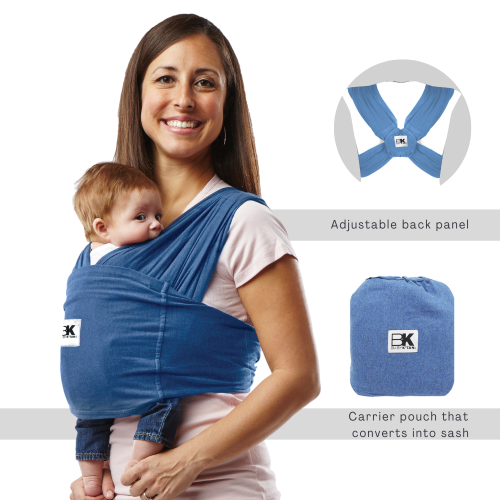
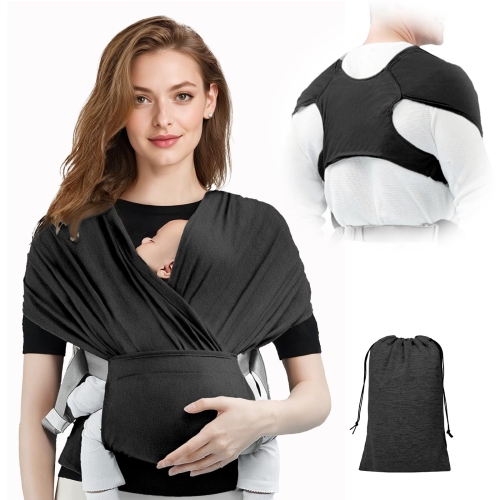


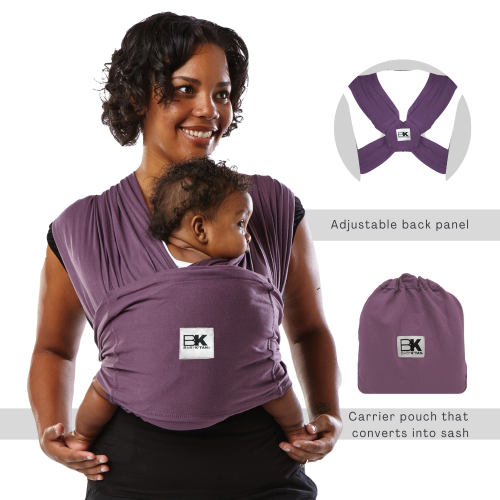


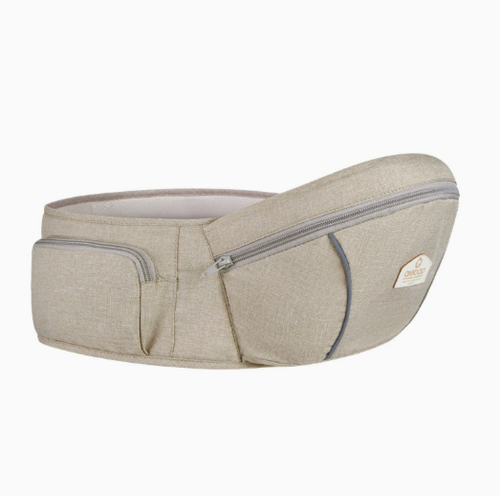

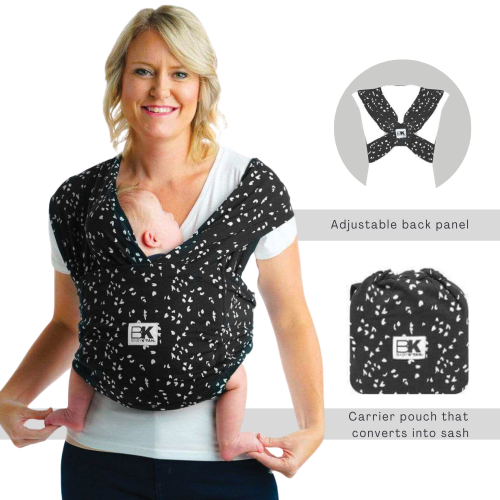

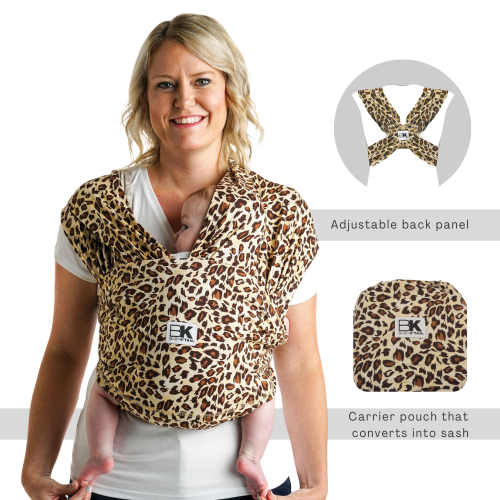
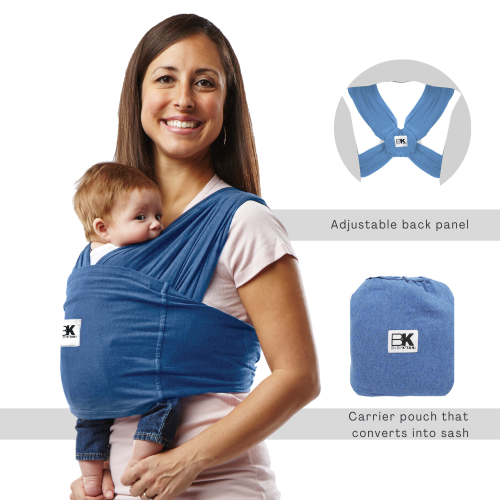
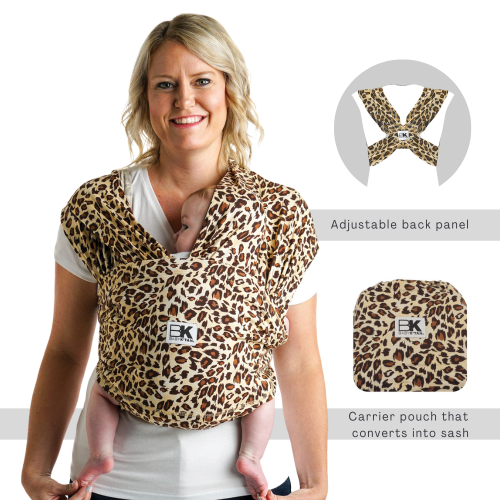
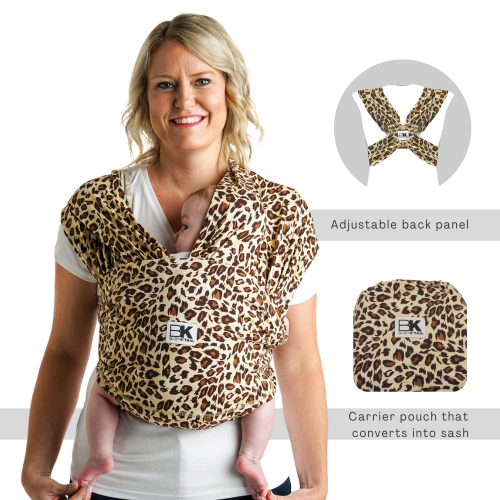

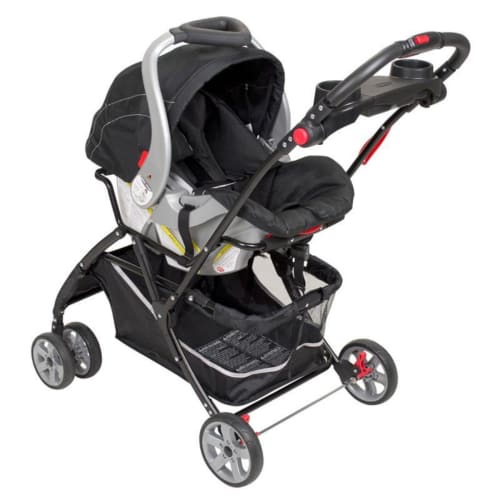
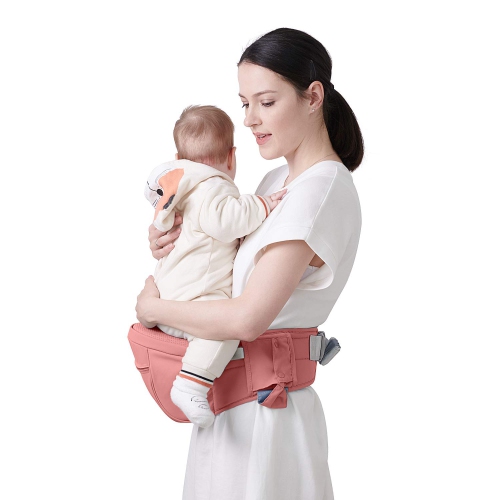
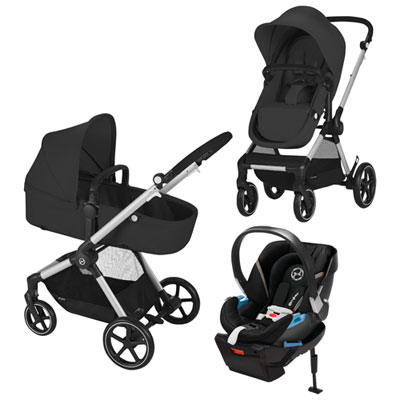
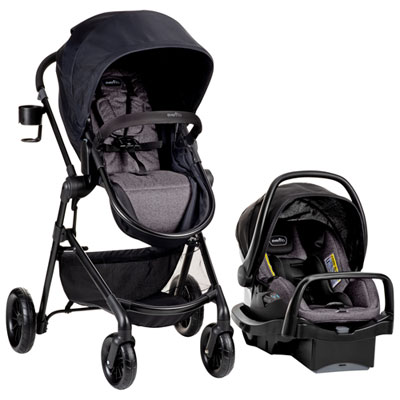
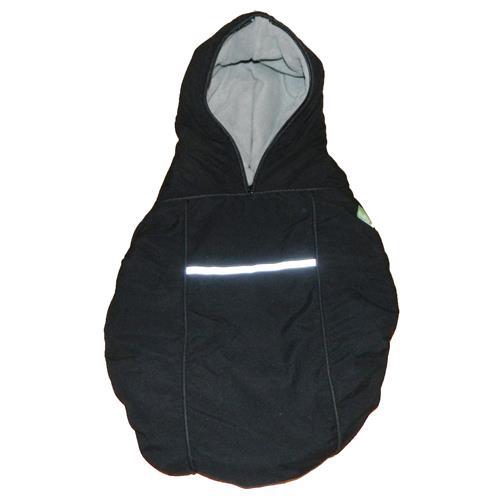
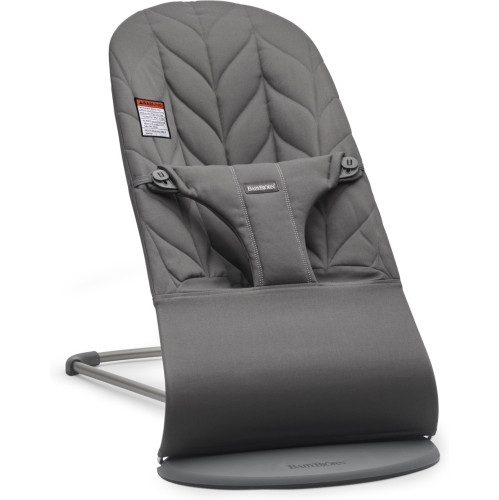
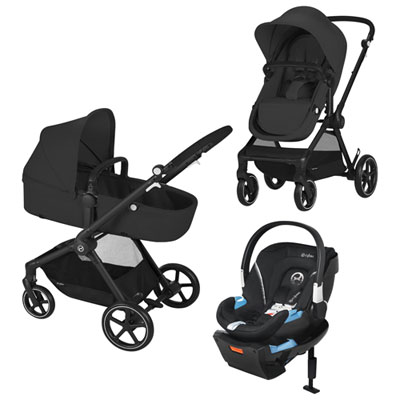
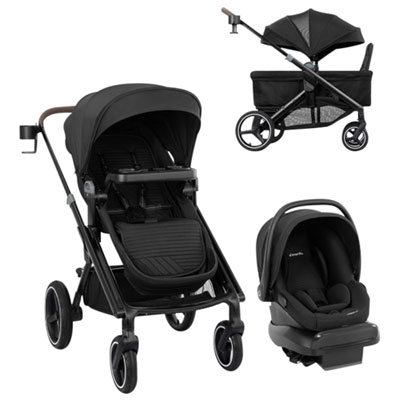

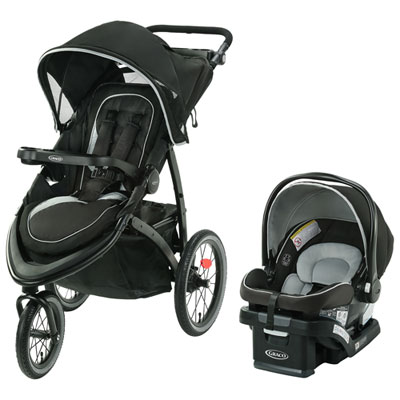
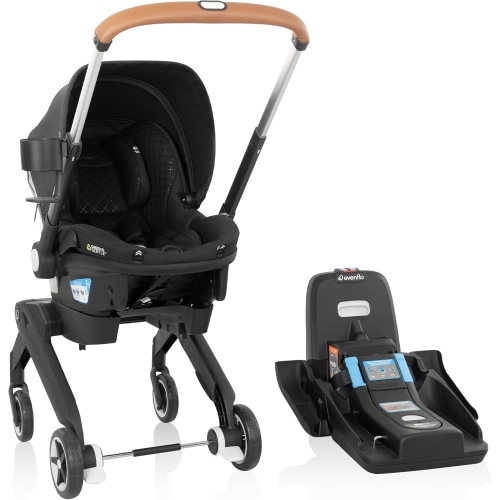
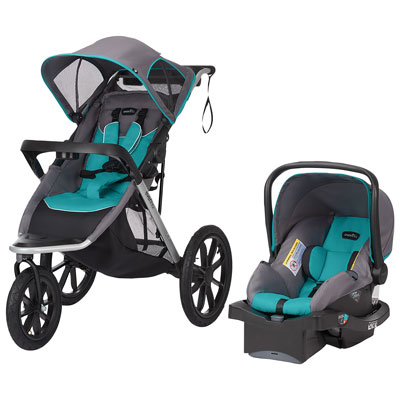
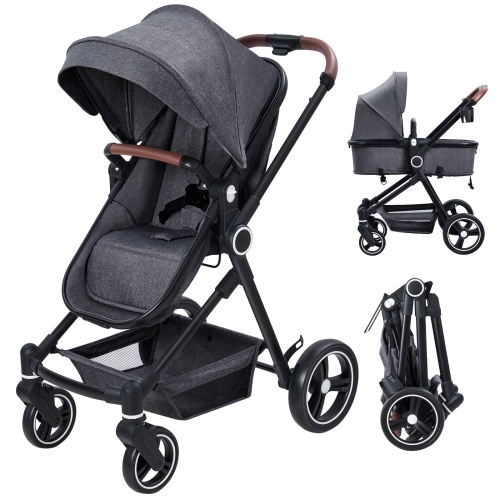
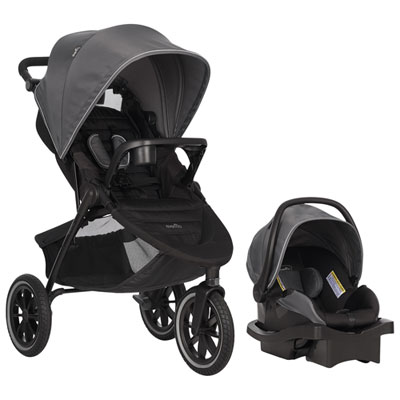
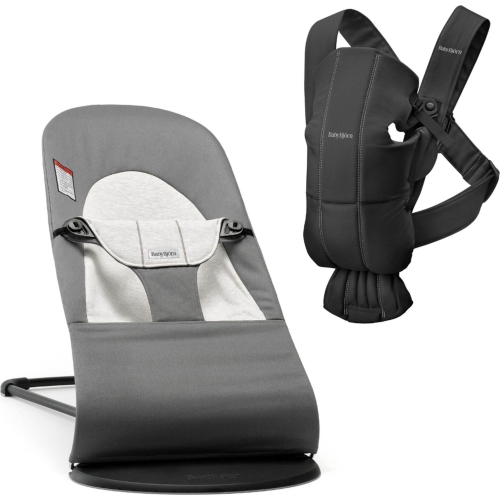
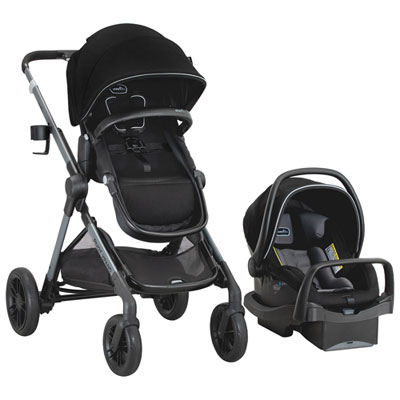
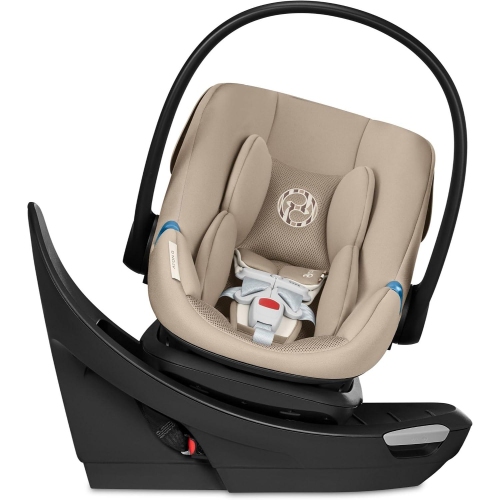


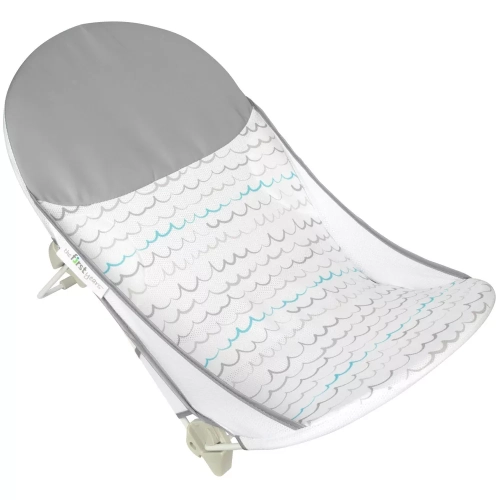
Everyday closeness starts with a well-fitting baby carrier
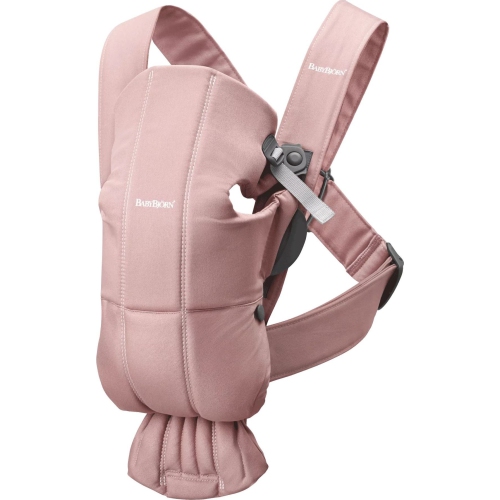
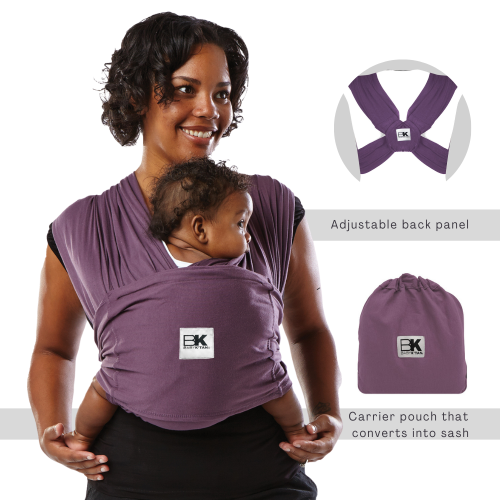
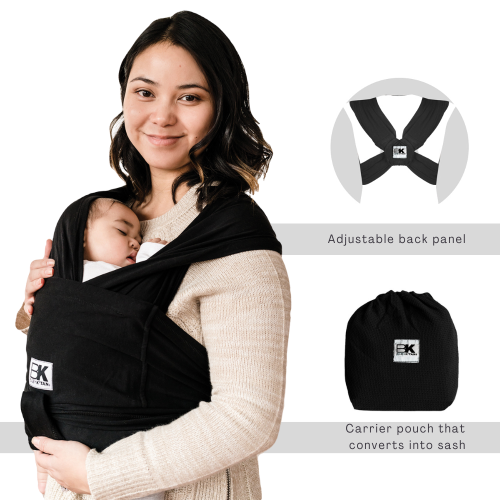
Infant carriers keep a baby close to a parent or caregiver while leaving hands free for everyday moments, from walking an older child to school to folding laundry at home. The category includes soft-structured baby carriers, stretchy wraps, woven wraps, and ring slings, each with a different feel and method of adjustment. Soft-structured carriers typically combine a fabric body panel with padded shoulder straps, a waist belt, and buckle fastenings. Their defined shape can make repeated use straightforward, especially when straps stay set between outings. Stretchy wraps use a long length of knit fabric tied around the wearer, creating a snug hold that can suit the early months when used within the manufacturer’s limits. They take practice to tie, and the fabric needs enough tension to support the baby without allowing them to slump. Woven wraps have less stretch and can offer different carrying arrangements, although suitable techniques depend on the baby’s development and the wrap’s instructions. Ring slings adjust through two rings and carry weight over one shoulder, making them a distinct option for caregivers who prefer a compact fabric carrier with adjustable tension. No single style suits every family or every stage. A carrier intended for a newborn may feel quite different from one designed around an older baby’s size and movement. Minimum and maximum weight limits, any required infant insert, and the permitted carrying positions matter more than an age label alone. A baby must meet all the requirements for a particular position, not just fall within the stated weight range. Front inward-facing carrying is common in infancy, while outward-facing, hip, or back carrying requires a design approved for that position and the developmental readiness specified by its manufacturer. Infant carriers are wearable baby gear, not substitutes for vehicle car seats. Their main purpose is supported closeness during suitable everyday activities, whether the routine involves short errands, public transit, or a gentle walk with the family.
Comfort depends on how well an infant carrier fits both the baby and the adult wearing it. An adjustable seat width can help the carrier support a growing baby’s thighs without forcing their legs too far apart or pressing into the backs of their knees. A supported, knees-up position, with the knees higher than the bottom, is a common consideration for infant positioning. The baby’s back and head also need support appropriate to their development, with the face uncovered and the chin kept away from the chest. A high, snug carrying position helps the caregiver monitor the baby; in a front carry, the head should be close enough to kiss with a gentle tip of the adult’s head. Fabric, clothing, and straps must not cover the nose or mouth, and the baby should not slump down inside the carrier. Newborns, premature babies, and babies with medical concerns need particular attention to positioning, with advice from a healthcare professional where appropriate. For the wearer, a supportive waist belt and well-positioned shoulder straps can spread the load rather than concentrating it on a narrow area. Torso length, shoulder shape, and waist or hip measurements all influence comfort, so broad adjustment ranges are useful when caregivers share a carrier. Buckles should be accessible, straps should stay secure, and the fit should remain snug as the adult moves. Materials affect the experience too: cotton can offer a soft, familiar feel, mesh panels allow airflow, and blended fabrics may provide stretch or a smoother finish. Seams, binding, and padding should feel comfortable against skin without creating bulky pressure points. Carriers are not intended as routine sleep spaces. If a baby falls asleep while being carried, they should be moved to a firm, flat, approved sleep surface on their back as soon as possible. Keeping the airway clear remains essential throughout any period of carrying.
Day-to-day details often determine how easily a baby carrier becomes part of family life. A compact wrap or sling may fit neatly into a changing bag, while a structured carrier takes more space but may offer convenient buckles, strap keepers, or a small pocket. Pockets are useful for light essentials, but they should not be loaded in ways that affect the fit or place hard objects against the baby. For caregivers using public transit or navigating a busy community centre, the ability to put a carrier on securely and check every fastening can be more useful than extra accessories. Carrying does not make every hands-free activity safe: cooking, handling hot drinks, running, cycling, and activities with a risk of falling are not appropriate uses. Care requirements deserve the same attention as fit, since drool, spit-up, and frequent handling are ordinary parts of life with an infant. Machine-washable fabrics can simplify cleaning, but washing methods differ, and some carriers require fastening buckles, using a gentle cycle, or air-drying. Following the care label helps protect the fabric, stitching, padding, and adjustment hardware. Removable drool pads, where compatible, can help with small messes without replacing regular cleaning. Durability is best assessed through sound stitching, intact fabric, secure buckles, and straps that hold their adjustment; wear around seams and fastenings warrants attention before another use. An infant carrier can also be a thoughtful baby shower gift, particularly when the recipient’s preferred style, fit needs, and care preferences are known. Neutral colours or simple patterns may appeal to households sharing the same carrier, though comfort and suitability remain the priorities. As a child grows, the next step depends on size, development, and the limits of the existing carrier rather than a birthday alone. Families comparing options for that later stage can explore Toddler Carriers for designs intended to accommodate larger children. A well-suited carrier earns its place through secure support, manageable care, and a fit that works for the people using it.
Top selling and popular products
-
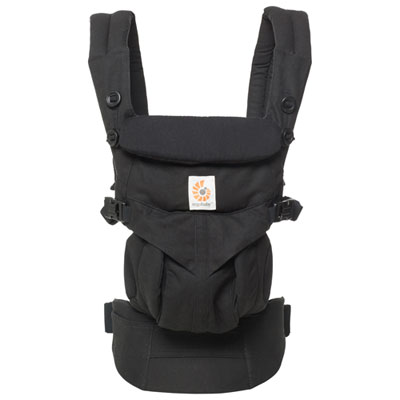 Your price for this item is $233.99
-
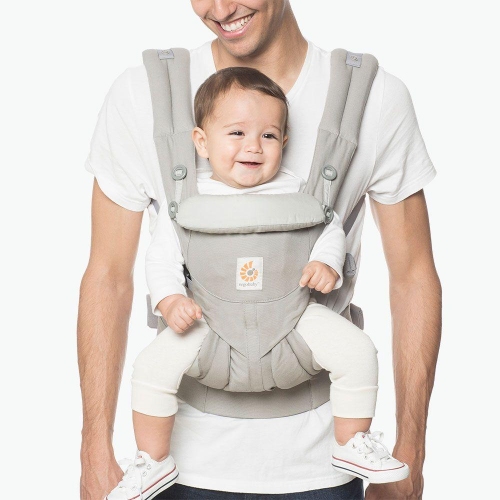 Your price for this item is $219
-
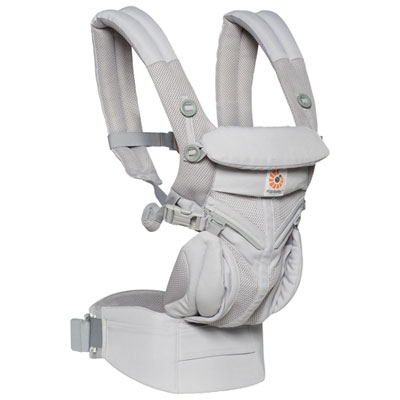 Your price for this item is $233.99
-
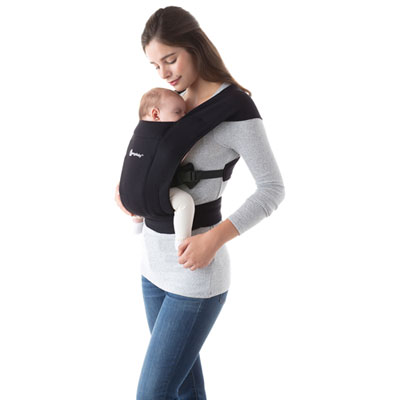 Your price for this item is $128.99
-
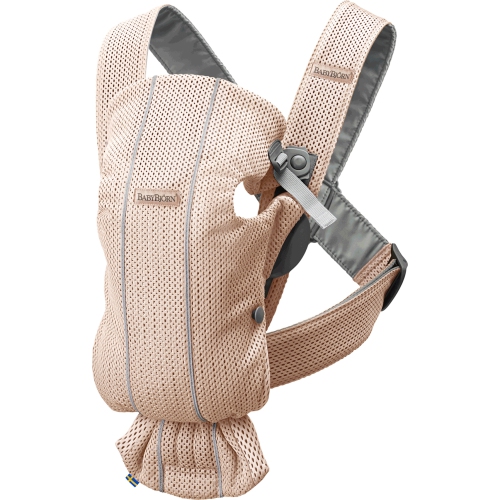 Your price for this item is $179.99
-
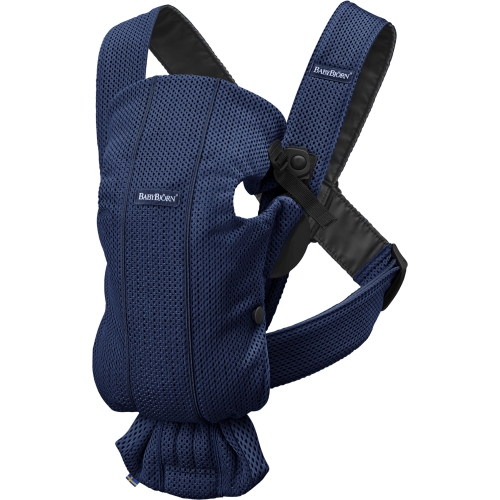 Your price for this item is $179.99
-
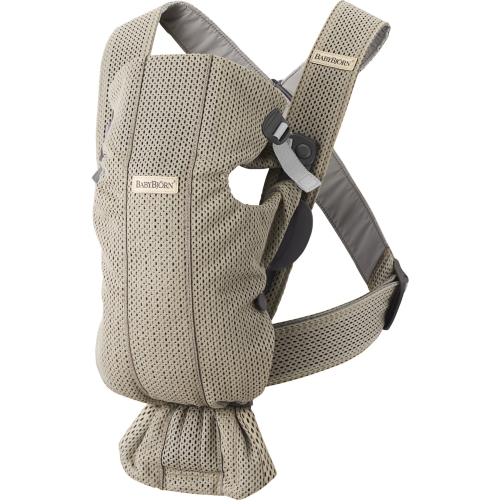 Your price for this item is $179.99
-
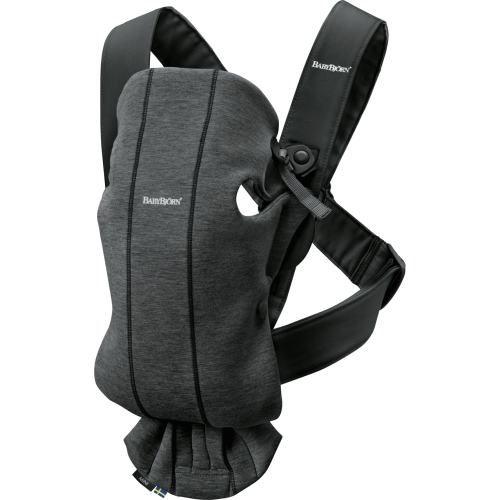 Your price for this item is $179.99
Discover more categories related to Infant Carriers
Top Collections:
Best Black Friday Deals This Year, Best Black Friday Deals On Electronics, Kindle Devices, Pokemon Centers, Best Black Friday Deals On Apple Products, Best Cameras for Sports Photography, Dyson Airwrap, Pokémon 30th Celebration Cards, Apple iPhone 17 Pro, Canon G7X Cameras
Some products may be subject to Environmental Handling Fees
(EHF) depending on your province.
Learn more about EHFs.