Wagon Stroller Canada
Exploring the great outdoors or navigating bustling city streets becomes a breeze with a versatile wagon stroller. Designed for families seeking convenience and comfort, these innovative strollers offer ample space for little ones and all their essentials. Whether you're planning a day at the park, a trip to the zoo, or simply running errands around town, wagon strollers provide the perfect blend of functionality and style. With features tailored to meet the diverse needs of modern parents, they ensure every outing is an enjoyable adventure for both you and your child. Discover how wagon strollers can transform your family outings into seamless journeys filled with fun and ease.
Sort
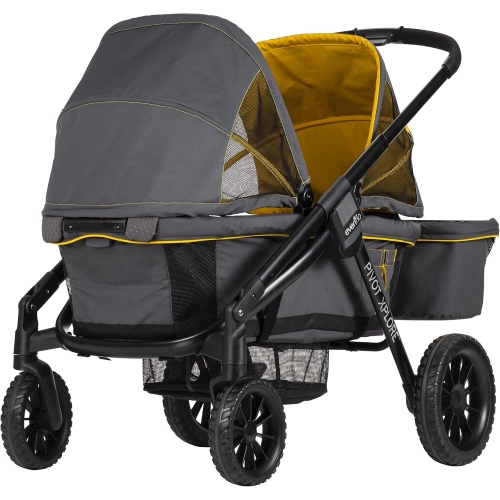
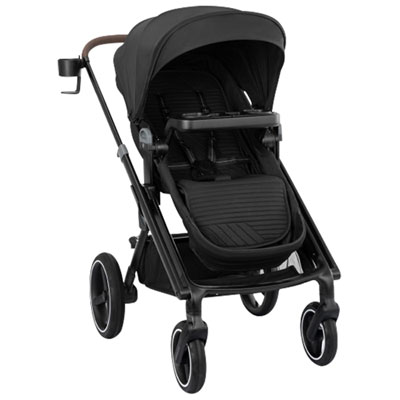
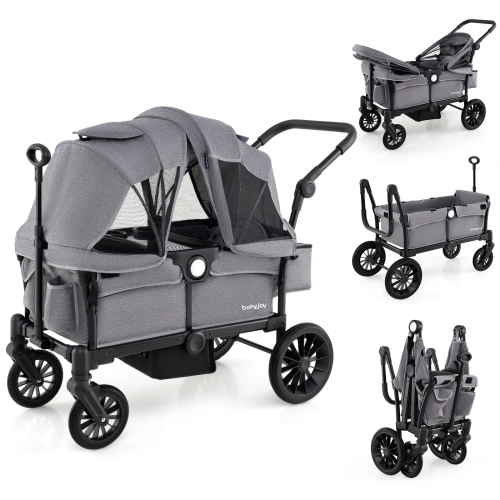
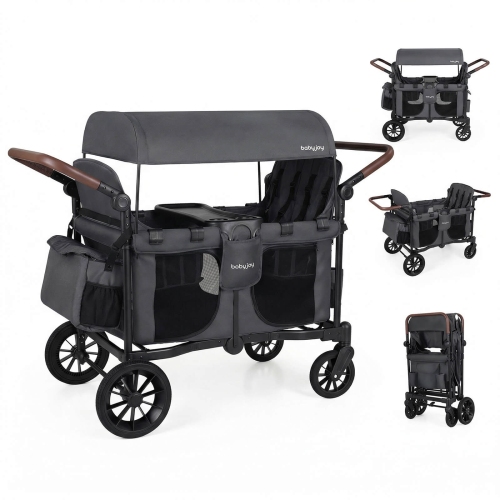
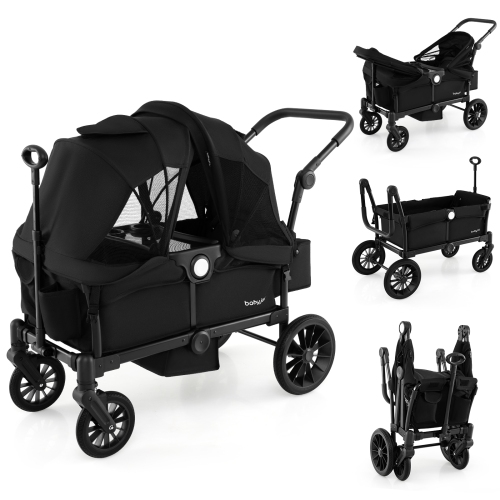
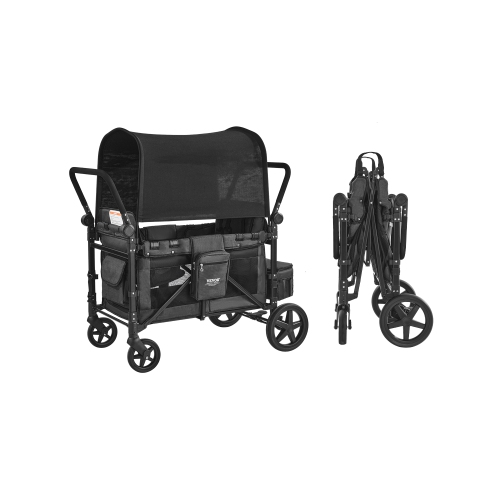
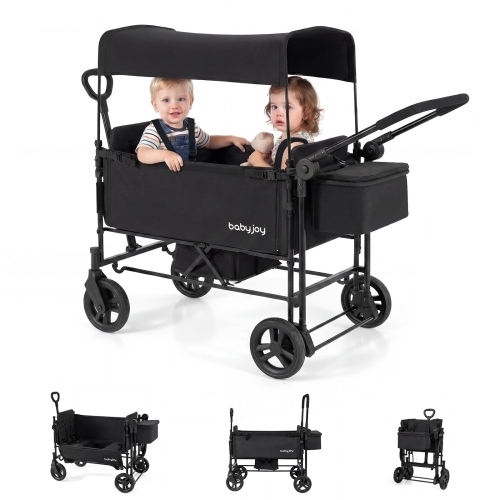
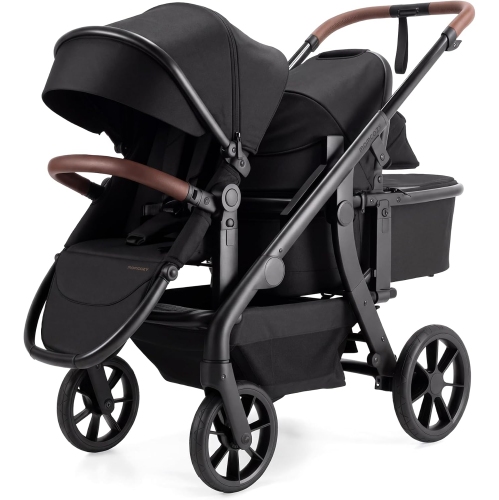
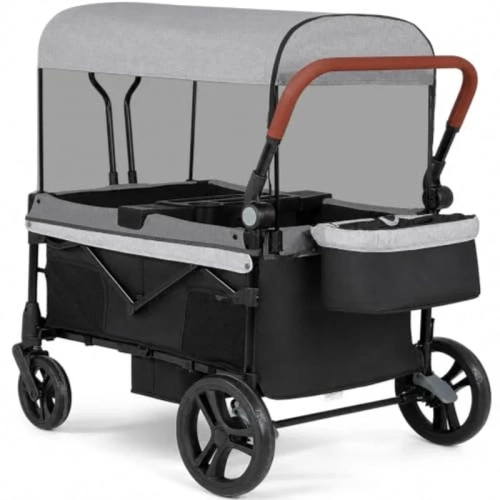
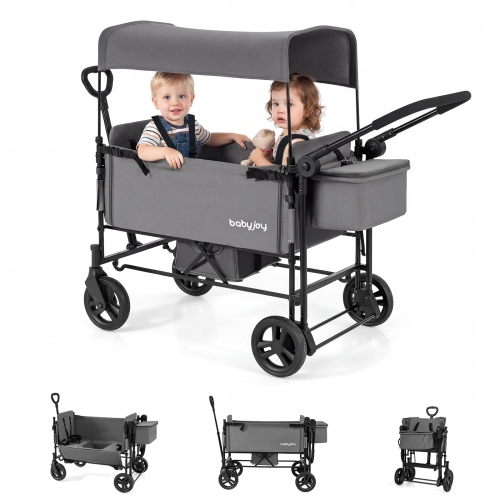
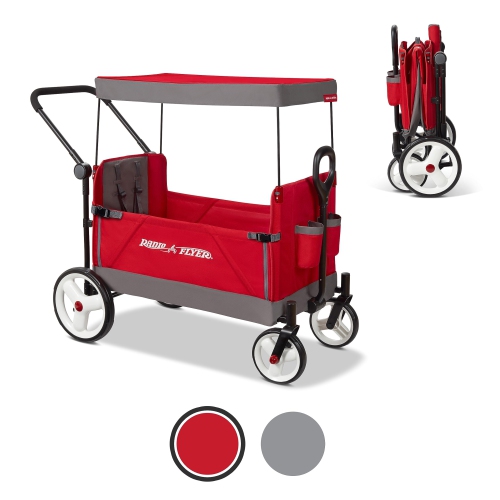
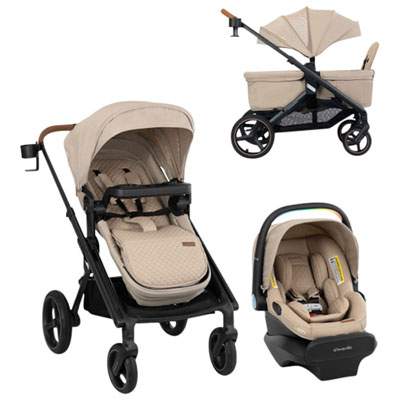
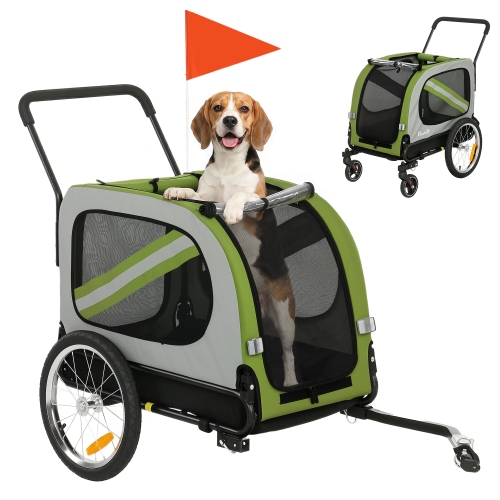
Shared rides depend on more than passenger capacity
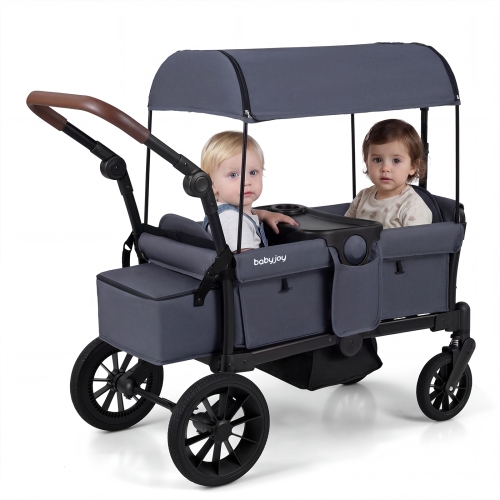
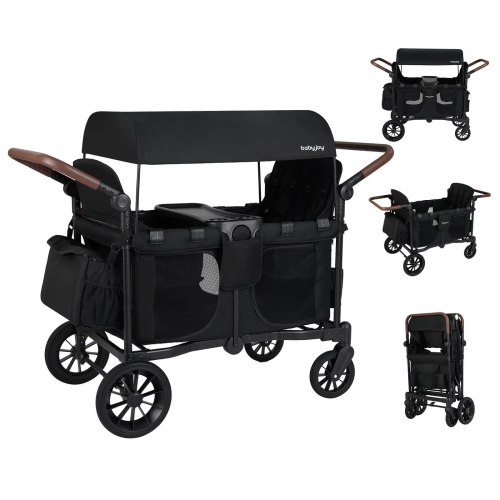
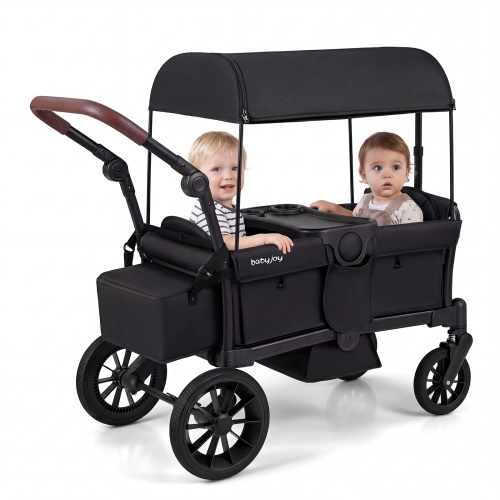
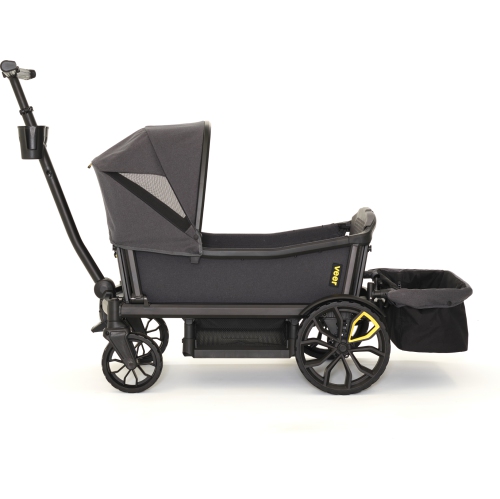
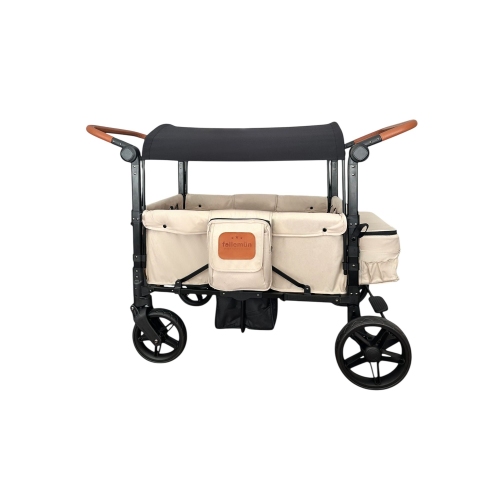
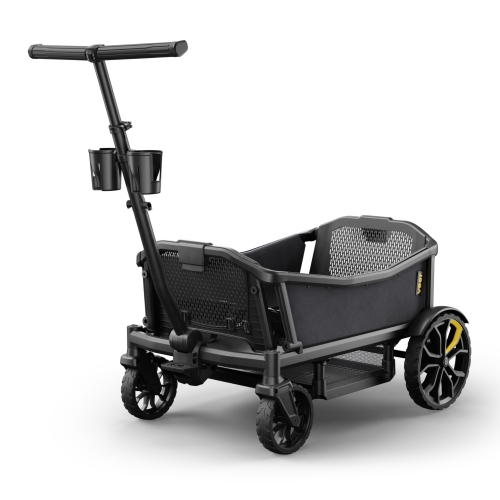
Stroller wagons in Canada combine the roomy passenger area of a children’s wagon with stroller-style features such as harnesses, brakes, and handles designed for adult control. Depending on the design, they may accommodate two to four children, making them a practical option for siblings, twins, or families who regularly travel with more than one young child. Some models can be pushed and pulled, while others have a more specific operating arrangement. Their appeal is straightforward: children have dedicated places to sit, and caregivers have a single vehicle to manage during outings to parks, neighbourhood playgrounds, and other family destinations. Unlike a utility wagon intended for carrying supplies, a stroller wagon is designed for child passengers, with seating requirements and operating instructions that deserve careful attention. Passenger capacity alone does not establish a suitable fit. Each child must meet the manufacturer’s age, height, weight, and developmental requirements, and the total load limit may include passengers, belongings, and accessories. Most upright seating arrangements require children to have sufficient head and trunk control; a newborn should only ride in a configuration expressly approved for that purpose. An infant car seat attachment is appropriate only when both the attachment and the car seat are approved for use with that particular wagon. Within the passenger area, seat depth, back support, harness adjustment, and legroom influence comfort as much as the overall size. Two children facing each other need enough space for their feet without crowding, especially when one is considerably taller than the other. Individual seating limits also matter when siblings differ in size. For everyday use, a stroller wagon works best when its seating arrangement suits the children who will actually ride in it, rather than simply matching a stated passenger count. Properly fastened harnesses, adult supervision, and use within the manufacturer’s stated limits remain essential throughout an outing. Children should remain seated while the wagon is moving, and the parking brake should be engaged for loading and unloading as directed in the instructions.
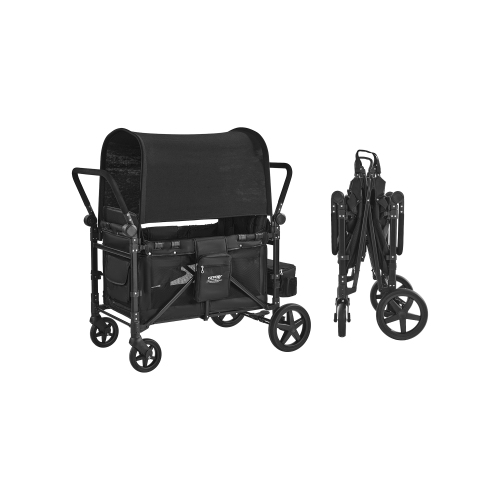
Construction and handling make a noticeable difference once a stroller wagon becomes part of a family’s routine. Frames commonly use metal components paired with fabric passenger compartments, and durability depends on the complete assembly: hinges, wheel mounts, stitching, fasteners, and folding locks all contribute to how the wagon holds up to repeated use. A sturdy frame is useful, but a heavier wagon can be more demanding to lift into a vehicle or carry up steps. The folded dimensions and the lifting process deserve as much attention as the open size. A wagon that folds compactly may still require wheels or accessories to be removed before it fits in a vehicle’s cargo area, while a taller folded shape may leave less room for other belongings. Doorway clearance, lift access, and the width of a home’s storage space can also influence whether a particular design feels manageable. Wheel size, tyre material, suspension, and steering geometry affect the ride across pavement, packed paths, and uneven surfaces, although permitted terrain varies by manufacturer. Larger wheels may roll over small surface irregularities more easily, while a longer wheelbase can require extra room to turn. Neither feature makes a wagon suitable for every route. Adjustable handles can help caregivers of different heights maintain a comfortable grip without shortening their stride or walking too close to the frame. Brake controls should be easy for the supervising adult to locate and operate, and the wagon should feel predictable when turning with its permitted load. Storage placement matters here, too. Built-in compartments can keep essentials accessible, but bags hanging from handles can affect balance unless the manufacturer specifically permits them. For families visiting attractions or travelling on public transit, destination rules and space restrictions are another practical consideration. Some venues treat stroller wagons differently from conventional strollers, so a familiar seating arrangement does not necessarily mean the same access rules apply.
The smaller details often determine how comfortably a stroller wagon fits into daily life. Snack crumbs collect around seat seams, shoes leave marks in the footwell, and frequently handled grips need regular attention. Removable seat pads and accessible fabric panels can make cleaning less awkward, but care instructions vary: a removable cover is not automatically machine washable, and frame components may require a different cleaning method from the upholstery. Mild cleaning products, thorough drying before storage, and routine checks for trapped debris help keep the wagon ready for its next outing. Wheels, axles, harness buckles, and folding mechanisms benefit from inspection according to the manufacturer’s maintenance schedule, particularly when the wagon is used frequently. Frayed straps, loose fasteners, or a folding lock that does not engage properly need attention before further use. Accessories should also match the wagon’s intended configuration. A tray can provide a place for snacks, an organizer can keep small essentials within reach, and removable canopies may offer adjustable coverage, but attachments must not obstruct harnesses, interfere with folding, or exceed the permitted load. The most useful arrangement leaves enough room for children to sit naturally while keeping everyday belongings secure and accessible to the adult. Families comparing related options can also explore the Baby Wagon category, with the same attention to passenger requirements and practical fit. As a gift for parents or caregivers, a stroller wagon is most thoughtful when its size, seating layout, and storage needs are already understood. A family with two children close in age may value separate seating positions, while grandparents may place greater importance on manageable lifting weight and simple folding controls. There is no single arrangement that suits every household. A well-matched stroller wagon supports the way a family actually moves through the day, from getting through the front door to loading the vehicle and giving each child a comfortable, properly secured place to ride.
Top selling and popular products
-
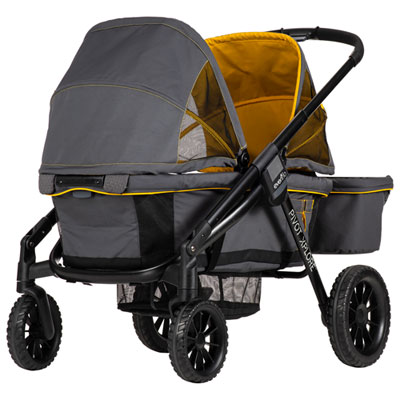 Your price for this item is $449.99
-
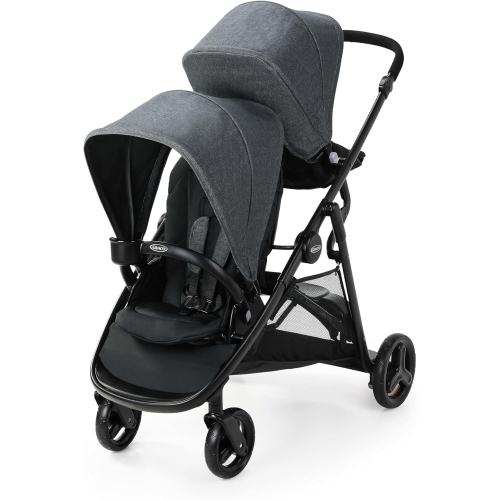 Your price for this item is $449
-
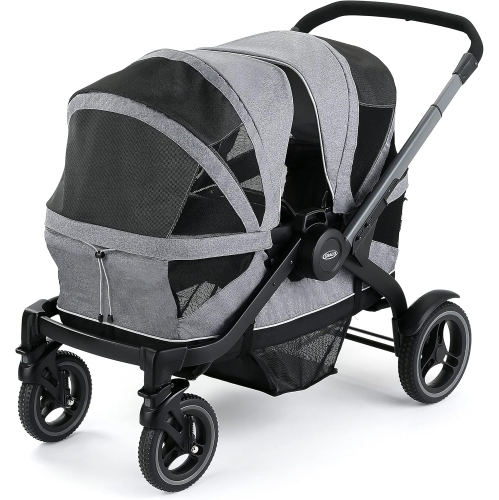 Your price for this item is $584.25
-
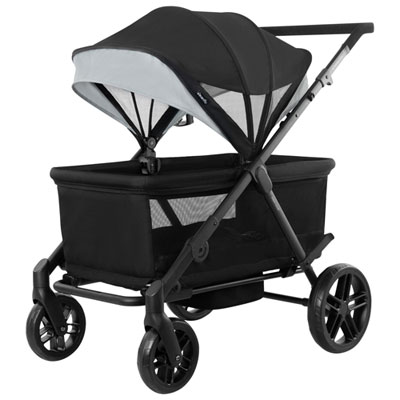 Your price for this item is $249.99
-
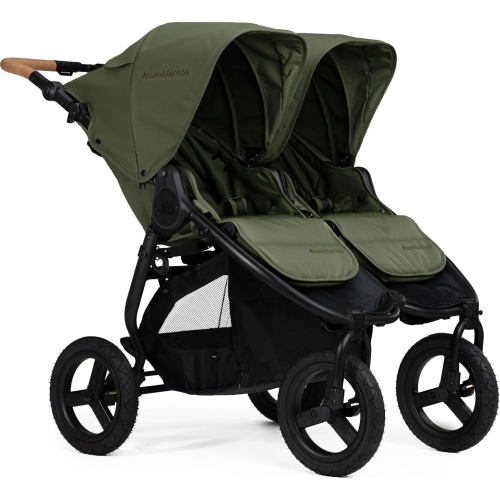 Your price for this item is $1450
-
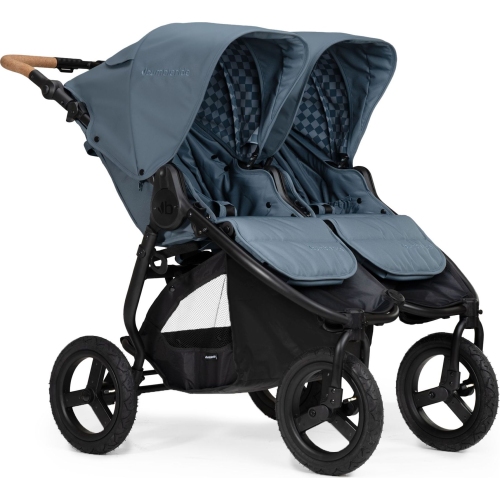 Your price for this item is $1450
-
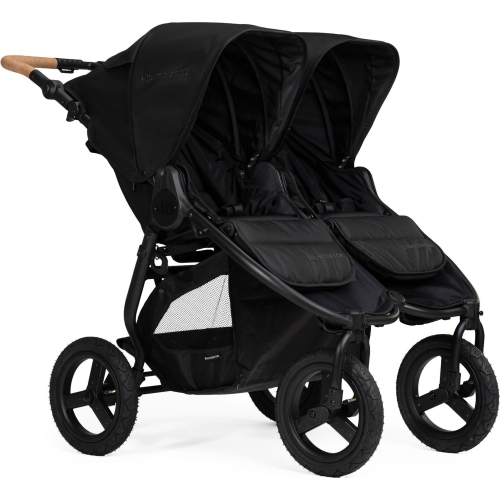 Your price for this item is $1450
-
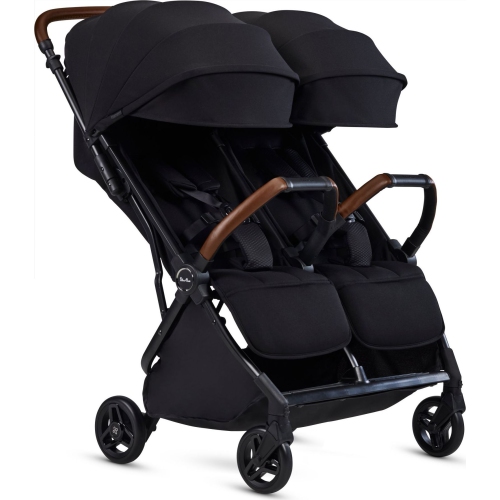 Your price for this item is $978
Discover more categories related to Wagon Stroller Canada
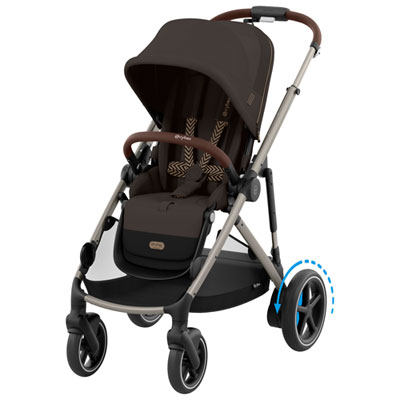
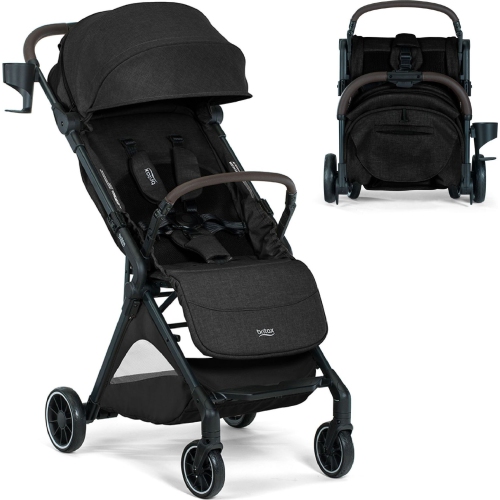
Top Collections:
Best Black Friday Deals This Year, Best Black Friday Deals On Electronics, Kindle Devices, Dyson Airwrap, Best Cameras for Sports Photography, Best Budget Office Chairs, Canon G7X Cameras, PS5 Pro Consoles, Best Black Friday Deals On Apple Products, XBOX One S Consoles
Some products may be subject to Environmental Handling Fees
(EHF) depending on your province.
Learn more about EHFs.