1u Rack Shelves
Organize your server equipment efficiently with 1U rack shelves, the perfect solution for maximizing space in your server rack. These compact shelves are designed to securely hold various components such as routers, switches, and other networking devices in a standard 19-inch rack enclosure. Whether you're setting up a data center or simply looking to streamline your home office setup, 1U rack shelves provide a practical and space-saving storage solution.
Sort

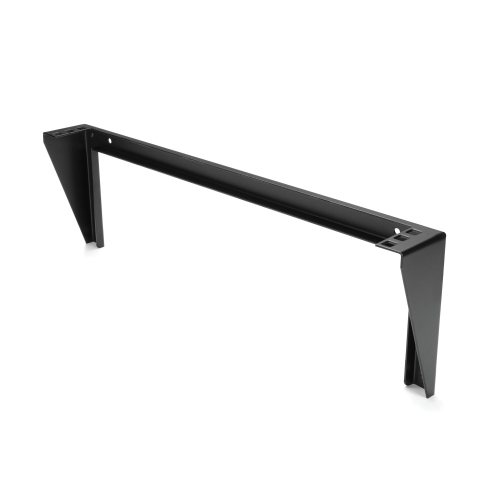
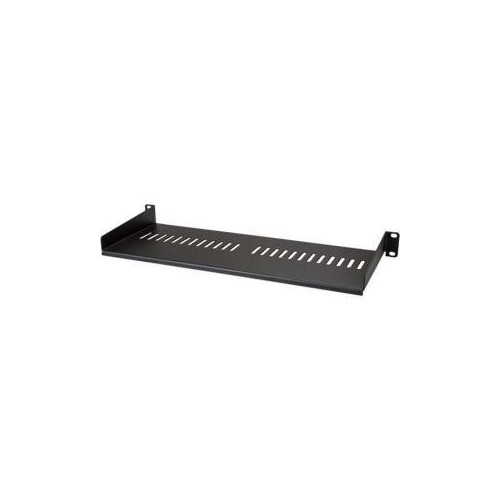
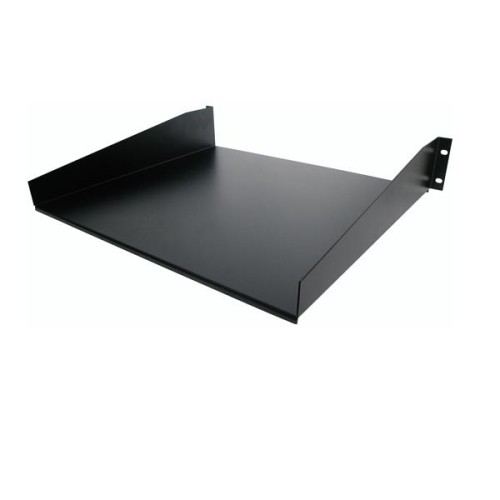

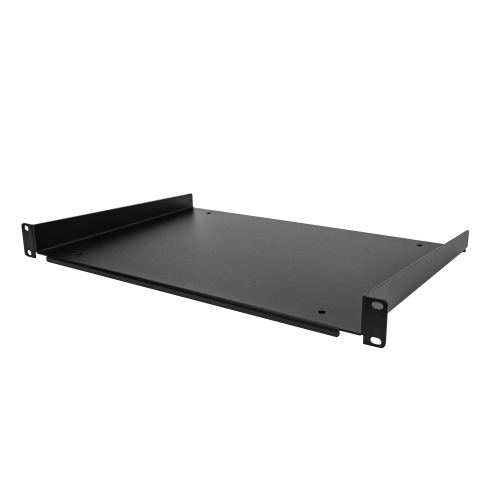
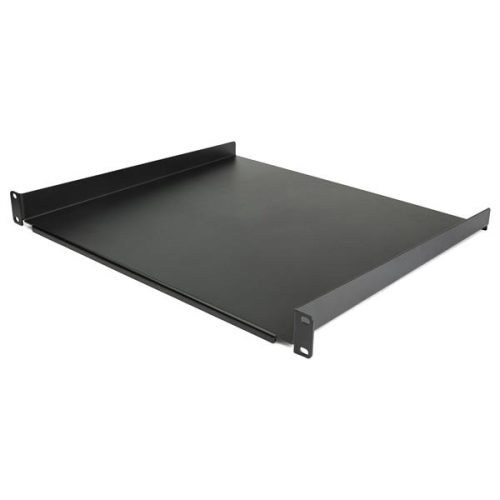
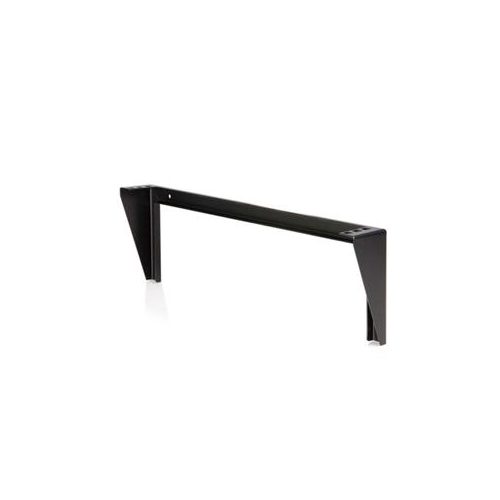
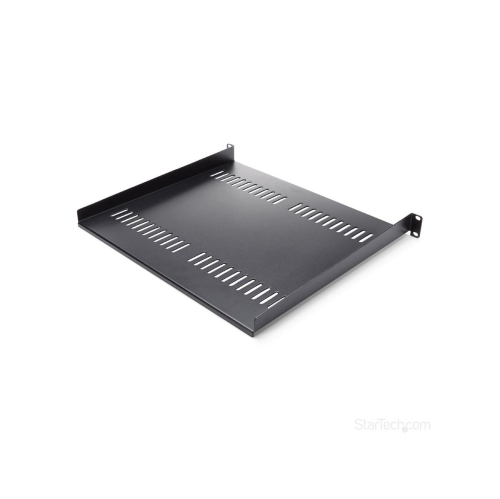
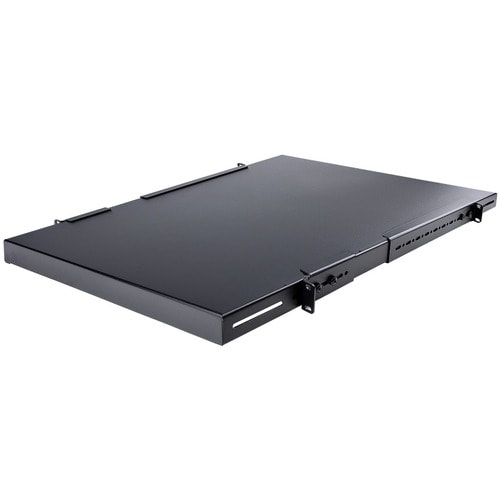
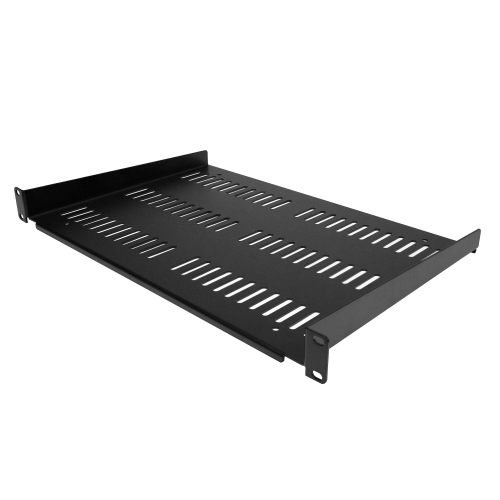
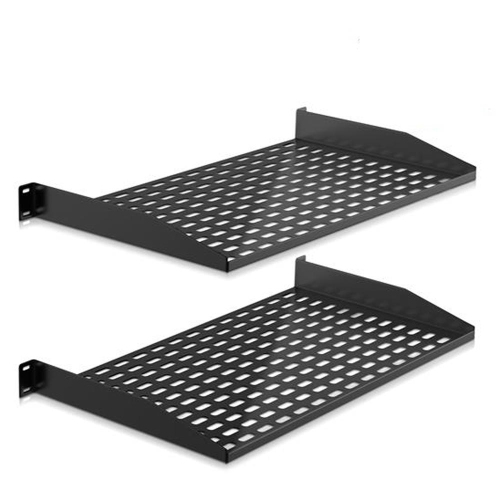
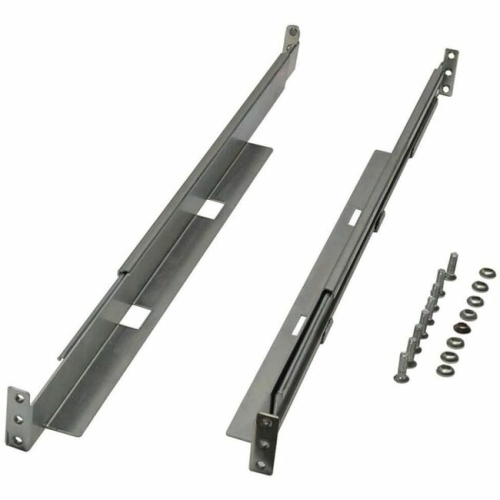
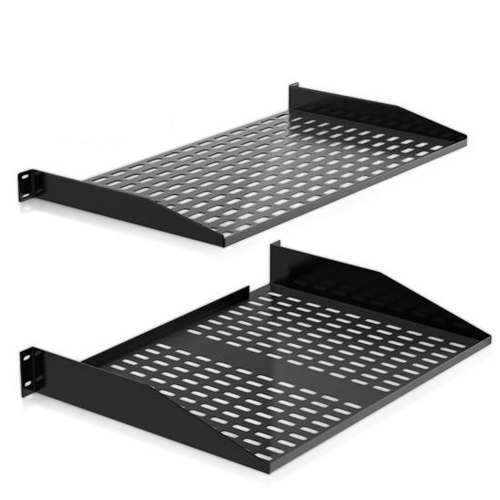
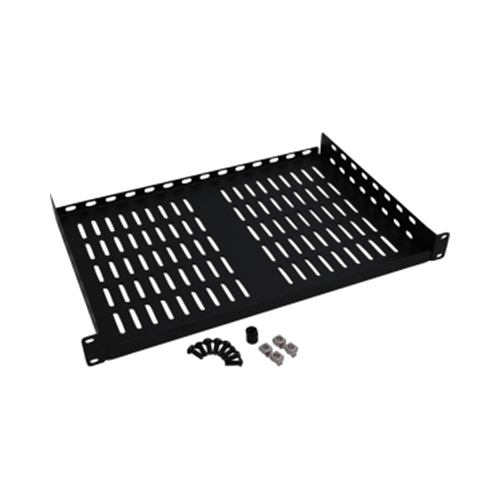
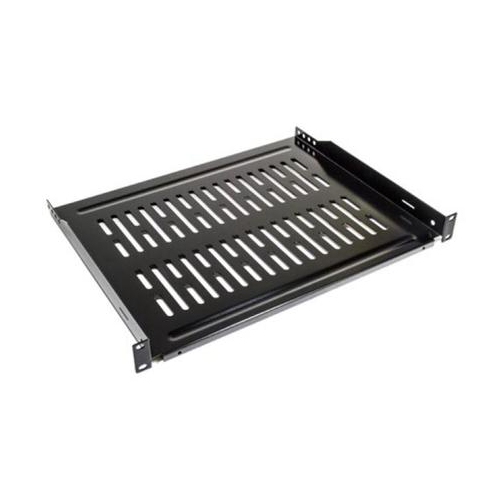
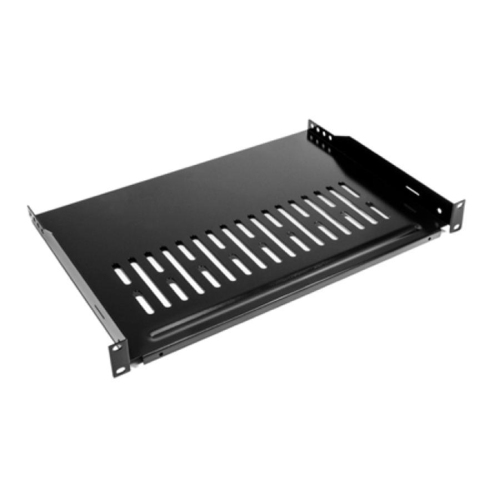
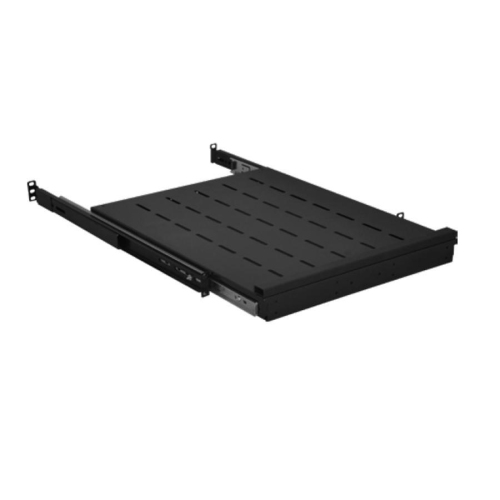
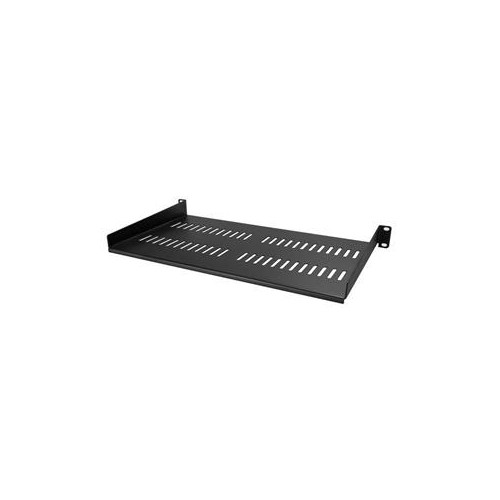
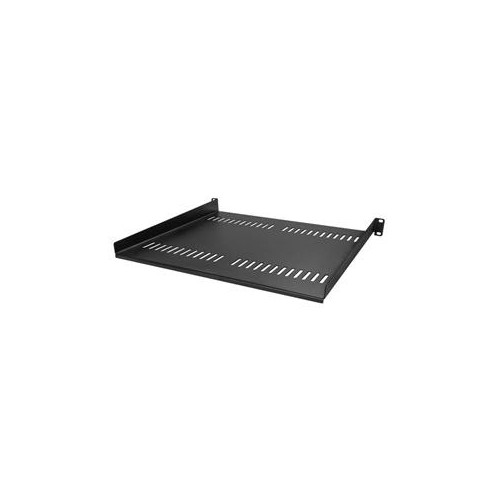
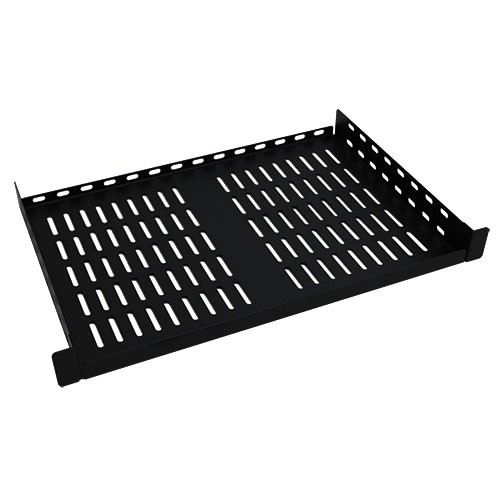

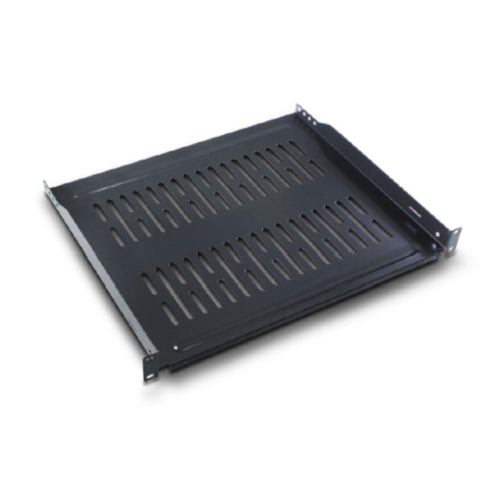
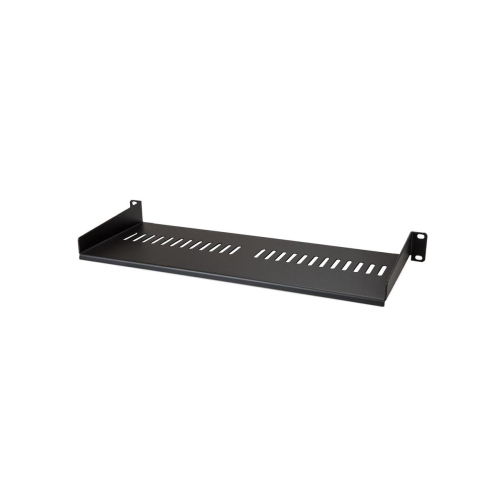
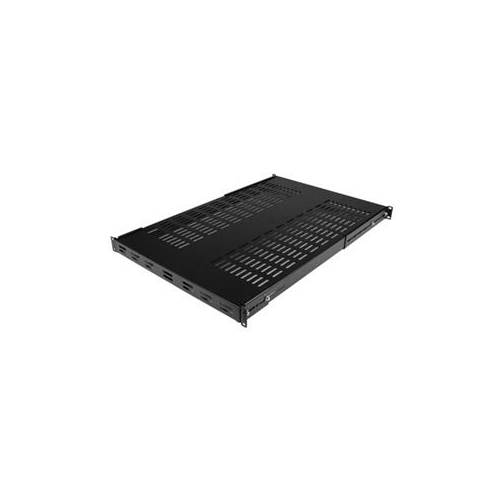
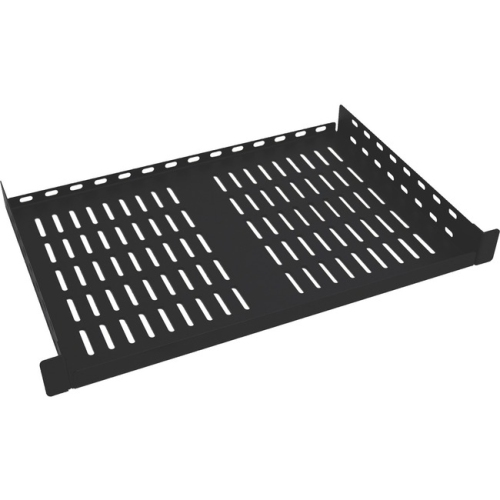
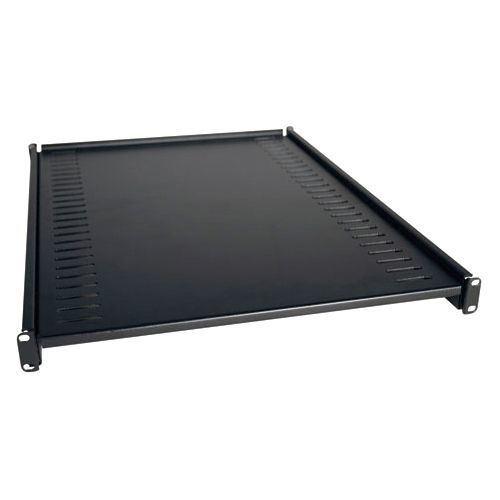
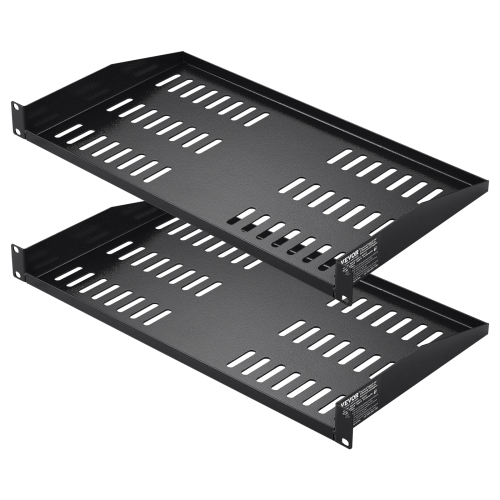
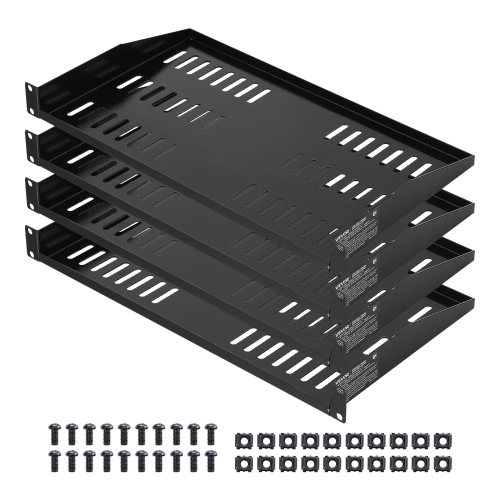
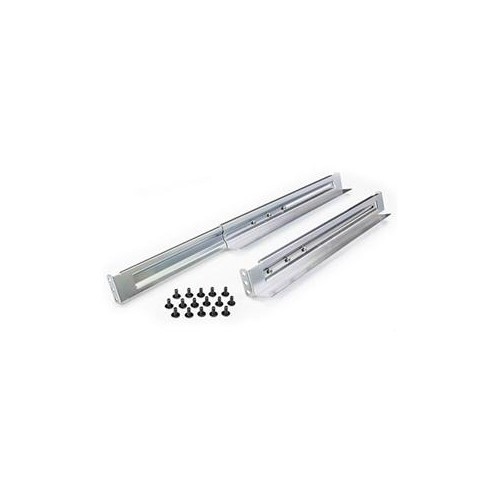
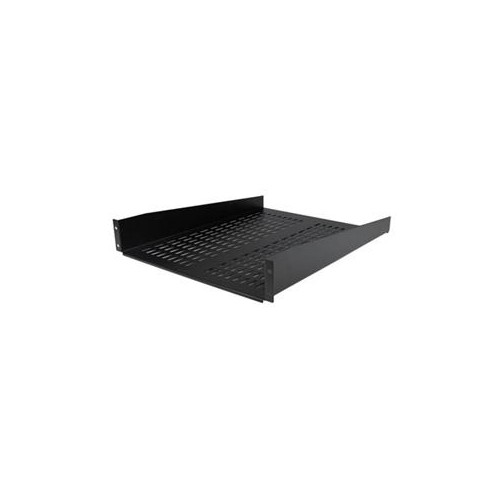

Support for compact equipment and easier rack maintenance
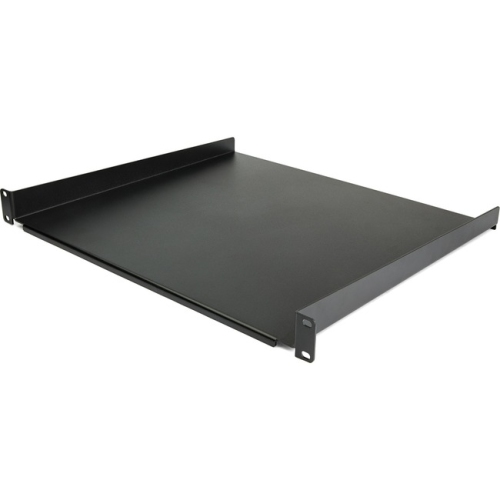
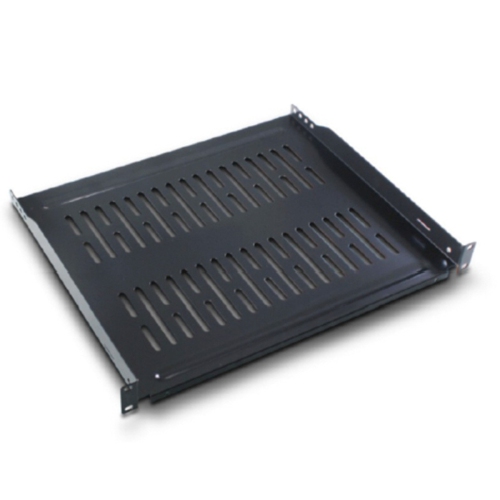
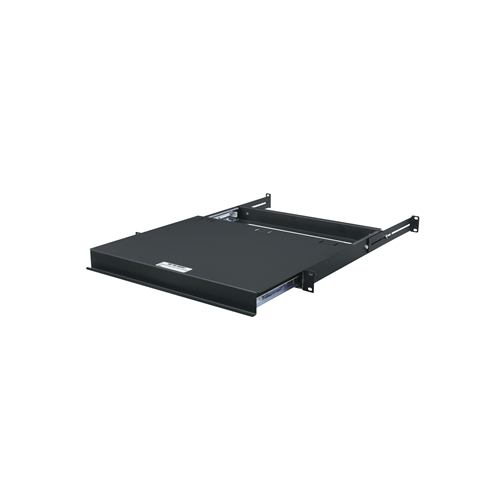
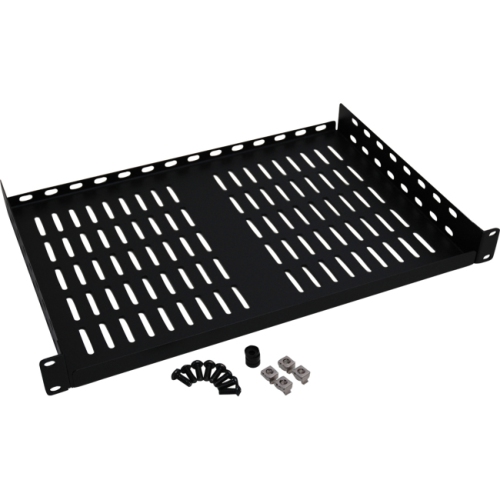
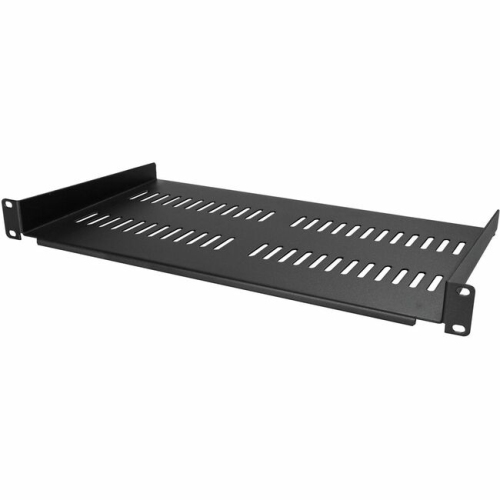
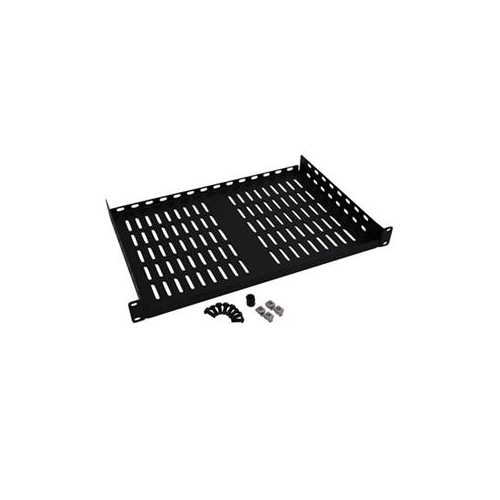
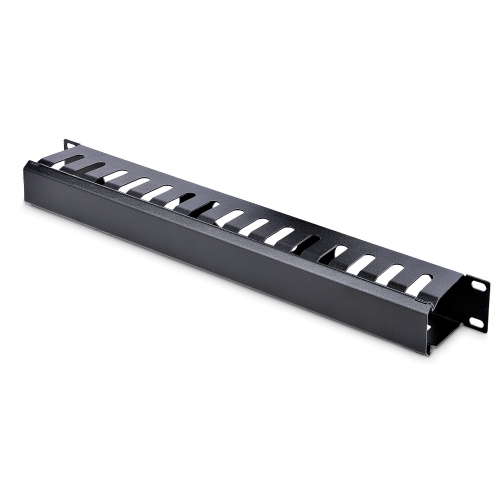
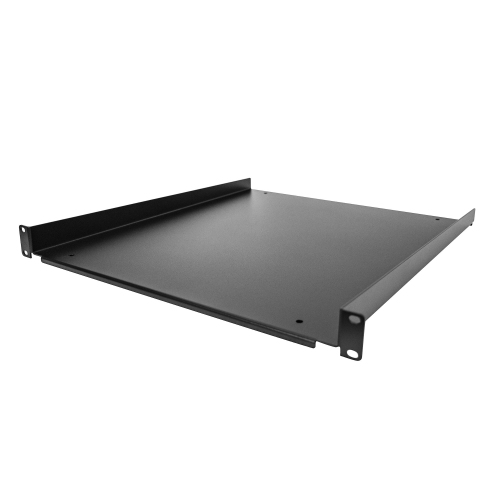
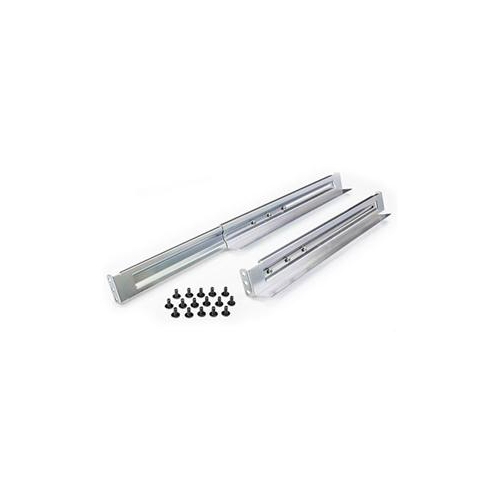
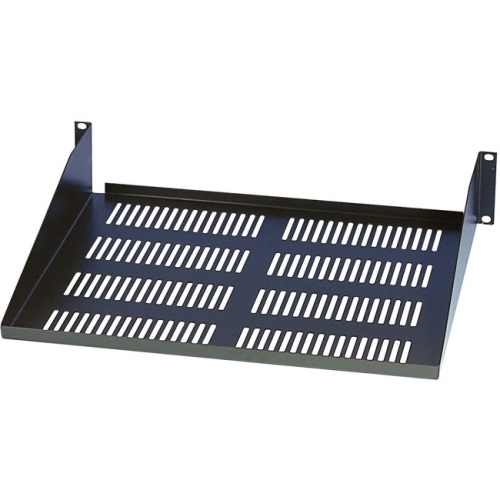
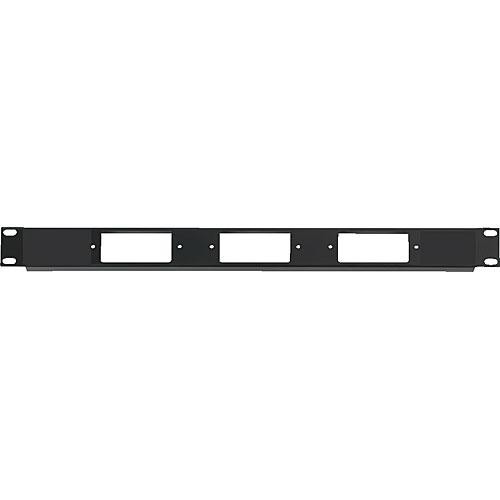
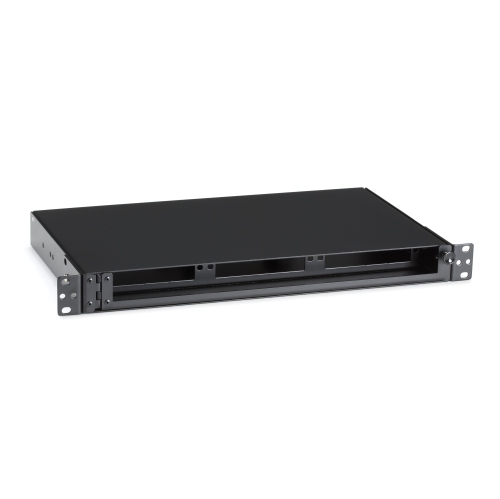
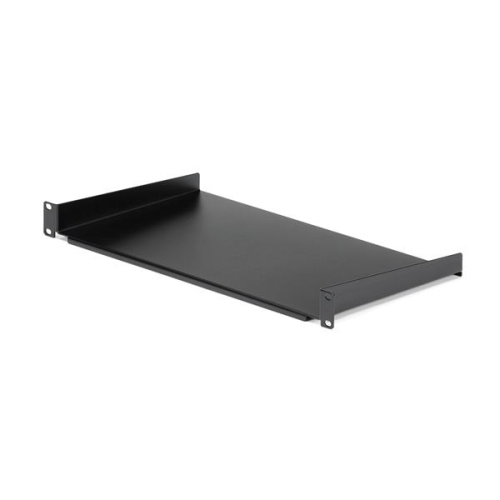
A 1U rack shelf is a practical way to add usable storage to a standard 19-inch server rack or network cabinet without requiring every piece of equipment to have its own rack-mount brackets. Measuring 1.75 inches in rack height, these low-profile trays create a stable platform for compact routers, switches, modems, security devices, power accessories, testing equipment, tools, and other hardware that would otherwise sit loose on top of a cabinet or at the bottom of an enclosure. They are especially useful in home offices, small businesses, classrooms, studios, retail locations, and professional IT rooms where a tidy installation makes equipment easier to identify and maintain. A shelf can turn an assortment of small devices into an orderly rack system, with cables routed behind the equipment and frequently used items kept at a comfortable working height. They can also be a thoughtful practical gift for someone setting up a networking cabinet, upgrading a workshop, or organizing a home lab. Before choosing a shelf, confirm that the rack uses a standard 19-inch EIA-310 mounting width and that the available rack space includes at least one open unit. The 1U height is consistent, but shelf depth, mounting style, construction, and load capacity can vary considerably. Measuring the cabinet from the front mounting posts toward the rear, then comparing that measurement with the shelf depth and the dimensions of the equipment, helps prevent a tray from extending too far into the cabinet or interfering with rear cable connections.
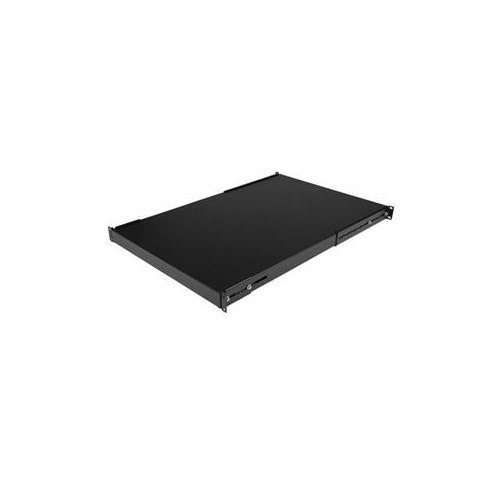
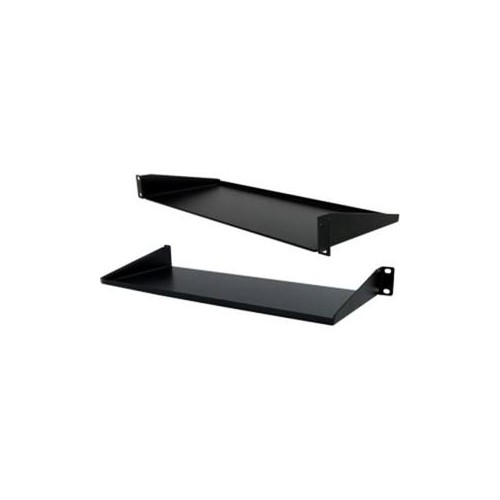
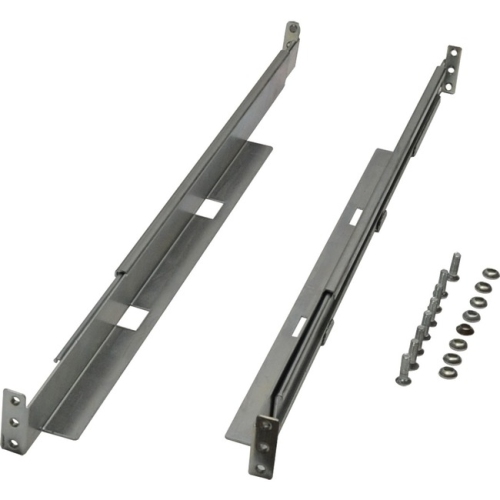
The mounting style is one of the most important details to consider. Fixed cantilever shelves attach to the front rack posts and are often a convenient choice for lighter equipment, compact accessories, and installations where the rear of the cabinet is difficult to reach. Because the shelf is supported primarily at the front, its published weight capacity should be followed carefully, with heavier items positioned close to the mounting points rather than at the front edge. Four-post fixed shelves attach to both the front and rear rails, creating a more supported platform for larger or heavier equipment and helping distribute weight throughout the enclosure. Sliding or pull-out shelves use rails to bring equipment forward like a drawer, which can make keyboards, diagnostic tools, test instruments, or regularly serviced devices easier to access. This convenience is particularly helpful in a busy equipment room where opening the cabinet door or reaching around a dense bundle of cables can slow down routine work. Look for clear information about the shelf’s maximum load and compare it with the combined weight of everything you plan to place on it. A shelf rated for 30 to 50 pounds may suit many small installations, while heavier structural designs are better for substantial equipment. Leave some capacity in reserve rather than loading a tray right to its limit, especially when devices may be added later. If the cabinet will be moved, transported, or mounted in a location subject to vibration, a securely supported shelf and properly fastened equipment are even more important.
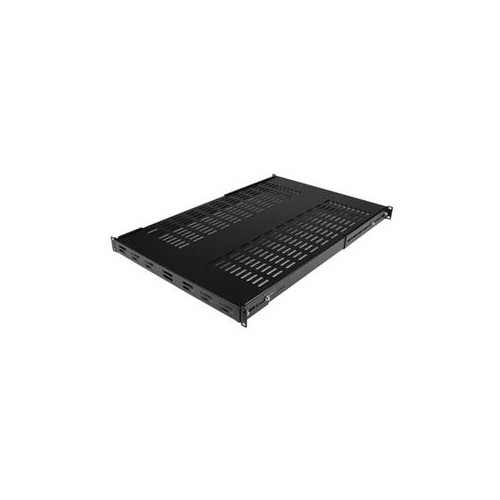
Surface design also affects how a 1U rack shelf performs in everyday use. Vented shelves have openings that allow air to move beneath equipment, which can be helpful when supporting devices that produce heat or when the rack already has a carefully planned front-to-back airflow path. Solid shelves provide a continuous surface that is useful for small parts, power bricks, tools, and equipment with feet or an irregular base. A solid tray can also help prevent tiny objects from dropping into the cabinet, while a vented tray may be preferable when ventilation takes priority. Some designs include a raised lip to help keep equipment from sliding forward or backward as cables are connected, while others offer a flatter surface for items that need to be positioned close to the edge. Check whether the lip orientation suits the way the shelf will be installed and whether it leaves enough clearance for power leads, network cables, ventilation openings, and buttons. It is also worth considering the cabinet door, rear rails, side panels, and nearby rack-mounted equipment before installation; even a properly sized shelf can create access issues if its contents project into a door or block airflow. For larger installations, exploring Commercial Rack Shelves can help when a standard home or small-office tray is not enough for the required capacity or configuration. With the right depth, support style, surface design, and load rating, a 1U shelf provides a clean, dependable place for non-rack-mountable equipment and helps keep a rack easier to use through routine maintenance and future upgrades.
The mounting style is one of the most important details to consider. Fixed cantilever shelves attach to the front rack posts and are often a convenient choice for lighter equipment, compact accessories, and installations where the rear of the cabinet is difficult to reach. Because the shelf is supported primarily at the front, its published weight capacity should be followed carefully, with heavier items positioned close to the mounting points rather than at the front edge. Four-post fixed shelves attach to both the front and rear rails, creating a more supported platform for larger or heavier equipment and helping distribute weight throughout the enclosure. Sliding or pull-out shelves use rails to bring equipment forward like a drawer, which can make keyboards, diagnostic tools, test instruments, or regularly serviced devices easier to access. This convenience is particularly helpful in a busy equipment room where opening the cabinet door or reaching around a dense bundle of cables can slow down routine work. Look for clear information about the shelf’s maximum load and compare it with the combined weight of everything you plan to place on it. A shelf rated for 30 to 50 pounds may suit many small installations, while heavier structural designs are better for substantial equipment. Leave some capacity in reserve rather than loading a tray right to its limit, especially when devices may be added later. If the cabinet will be moved, transported, or mounted in a location subject to vibration, a securely supported shelf and properly fastened equipment are even more important.
Surface design also affects how a 1U rack shelf performs in everyday use. Vented shelves have openings that allow air to move beneath equipment, which can be helpful when supporting devices that produce heat or when the rack already has a carefully planned front-to-back airflow path. Solid shelves provide a continuous surface that is useful for small parts, power bricks, tools, and equipment with feet or an irregular base. A solid tray can also help prevent tiny objects from dropping into the cabinet, while a vented tray may be preferable when ventilation takes priority. Some designs include a raised lip to help keep equipment from sliding forward or backward as cables are connected, while others offer a flatter surface for items that need to be positioned close to the edge. Check whether the lip orientation suits the way the shelf will be installed and whether it leaves enough clearance for power leads, network cables, ventilation openings, and buttons. It is also worth considering the cabinet door, rear rails, side panels, and nearby rack-mounted equipment before installation; even a properly sized shelf can create access issues if its contents project into a door or block airflow. For larger installations, exploring Commercial Rack Shelves can help when a standard home or small-office tray is not enough for the required capacity or configuration. With the right depth, support style, surface design, and load rating, a 1U shelf provides a clean, dependable place for non-rack-mountable equipment and helps keep a rack easier to use through routine maintenance and future upgrades.
Top selling and popular products
-
 Your price for this item is $581.68
 -
 Your price for this item is $1303.99
 -
 Your price for this item is $867.99
 -
 Your price for this item is $748.99
 -
 Your price for this item is $250.68
 -
 Your price for this item is $407.99
 -
 Your price for this item is $54.99
 -
 Your price for this item is $102.99
Discover more categories related to 1u Rack Shelves

Top Collections:
Pokemon Centers, Kindle Devices, Best Budget Office Chairs, Apple iPhones 16, Best Laptops for Writers, iPhone 15 Apple, Canon G7X Cameras, Refurbished Apple Laptops, Alarm Clock, Motorola Razr Phones
Some products may be subject to Environmental Handling Fees
(EHF) depending on your province.
Learn more about EHFs.