19 Inch Rack Shelves
Looking to optimize your rack space and keep your equipment organized? Look no further than our collection of 19 inch rack shelves. These versatile shelves are designed to fit perfectly into standard 19 inch racks, providing you with the ideal solution for storing your electronics, appliances, and more. Whether you need a shelf for your home office or a professional server room, our range of 19 inch rack shelves offers durability, flexibility, and functionality to meet all your storage needs. Explore our selection today and discover the perfect rack shelf to maximize your space efficiency.
Sort






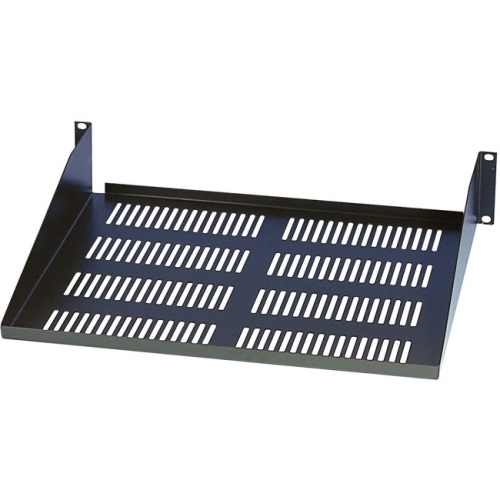
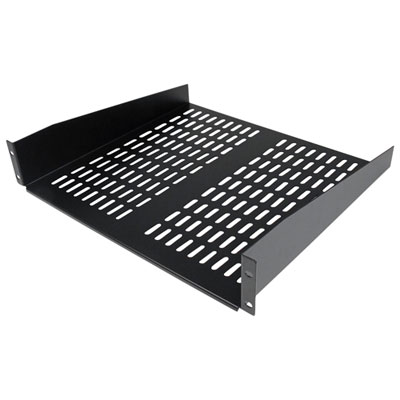
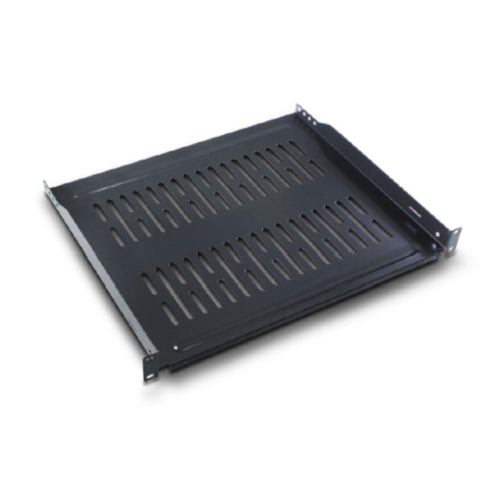
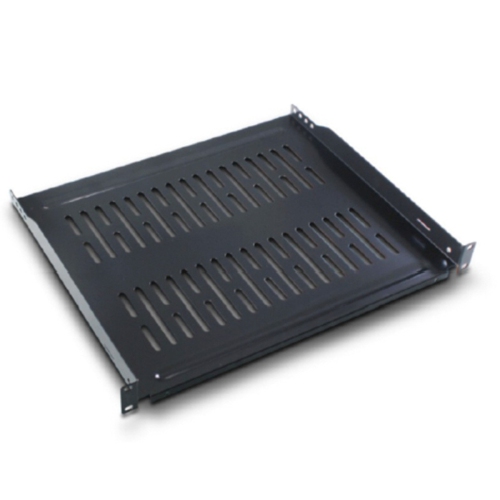
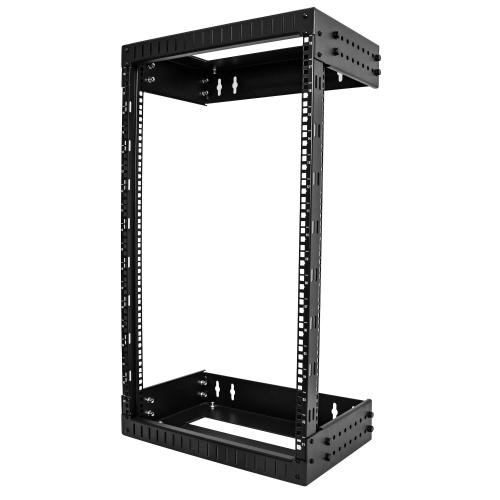
Mounting, depth and capacity shape the right rack shelf
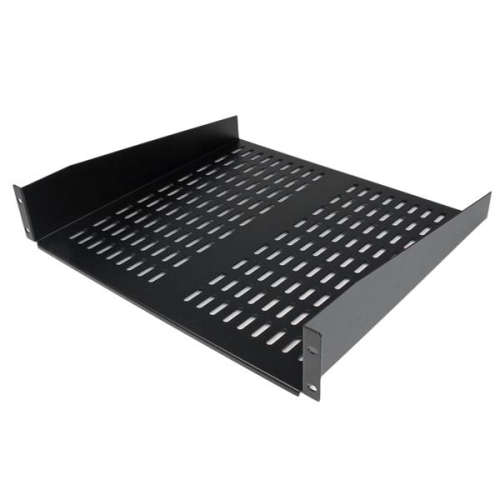
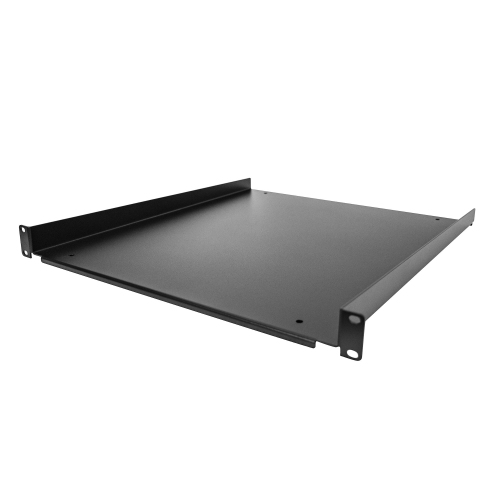
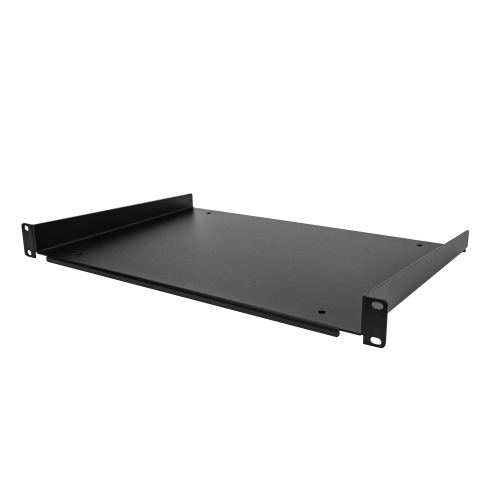
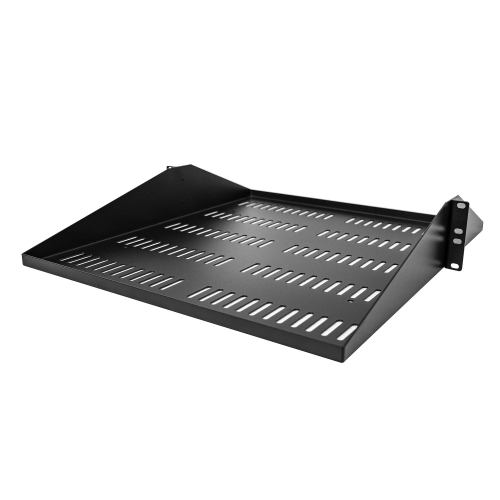
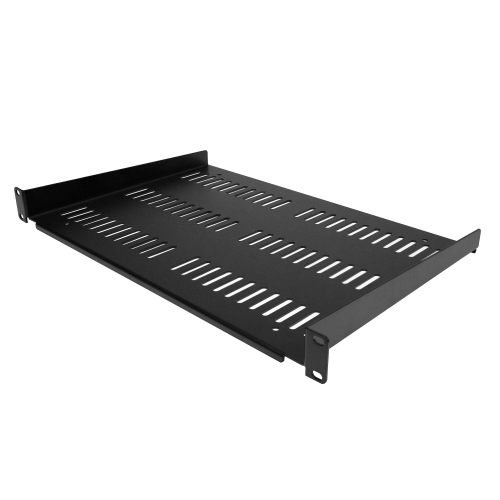
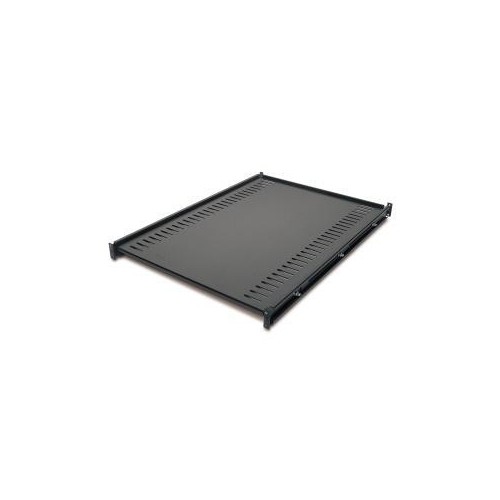
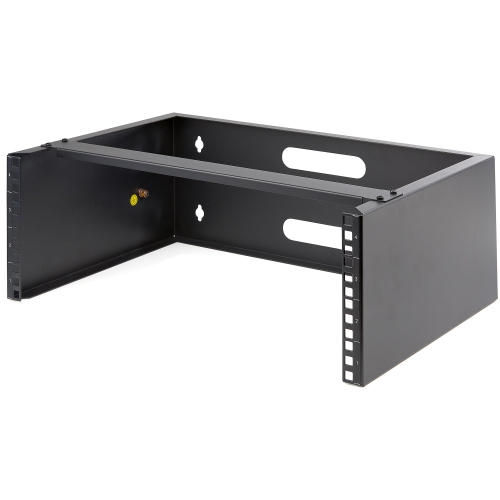
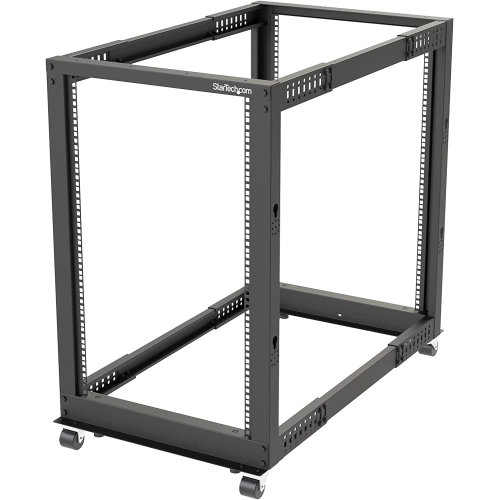
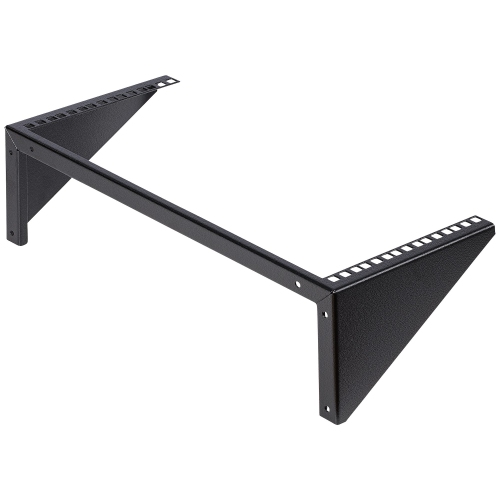
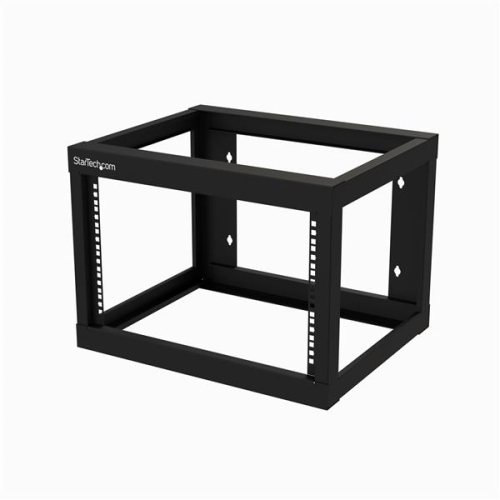
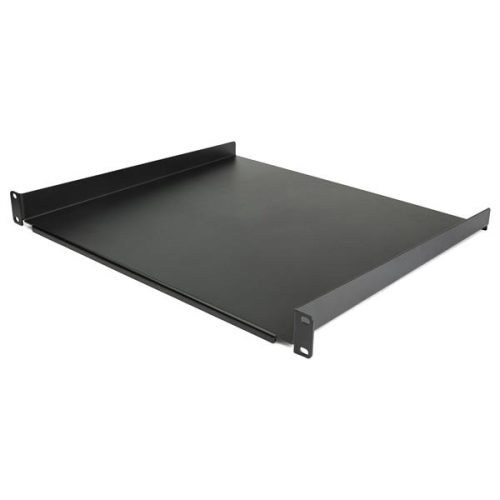
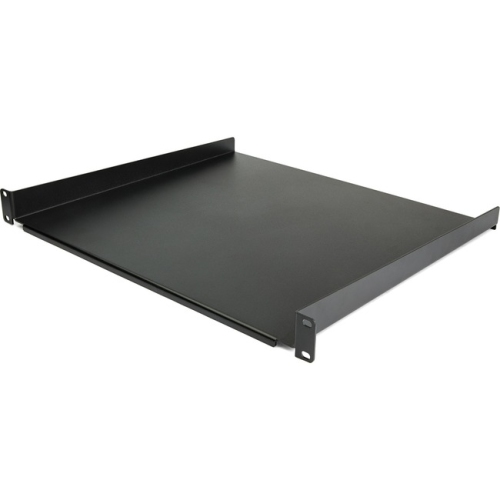
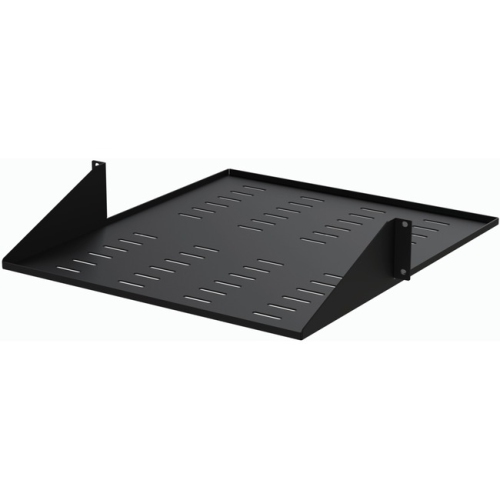
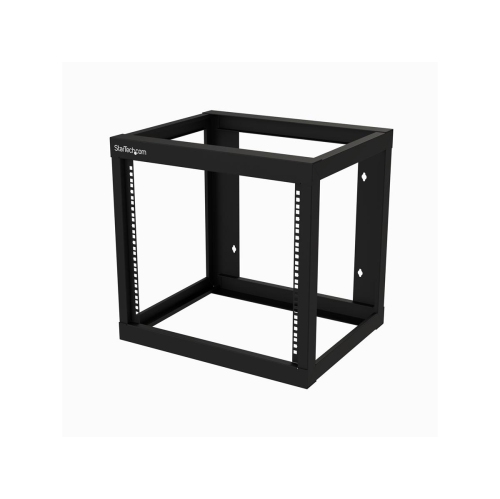
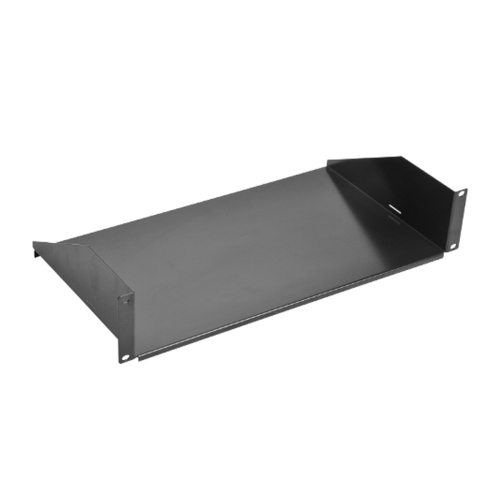
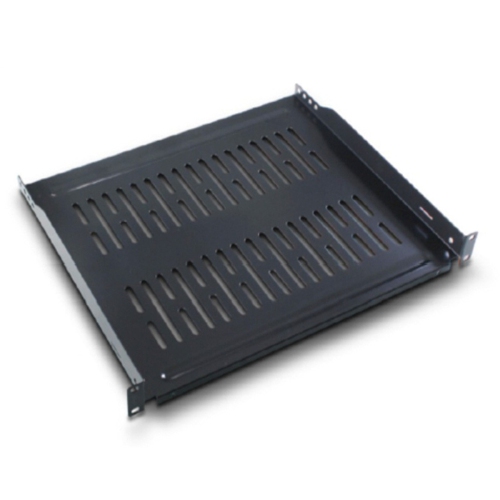
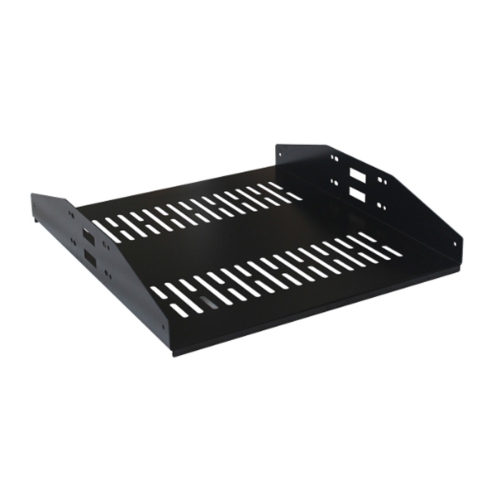
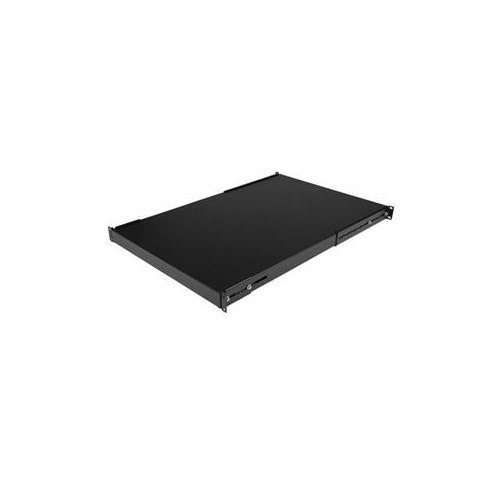
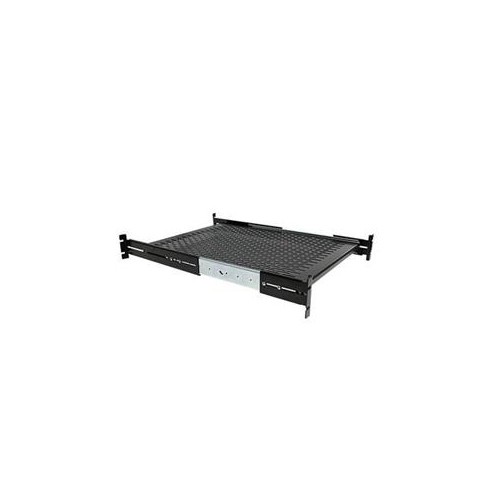
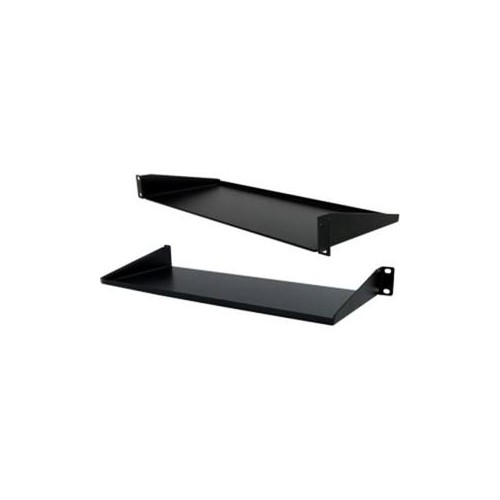
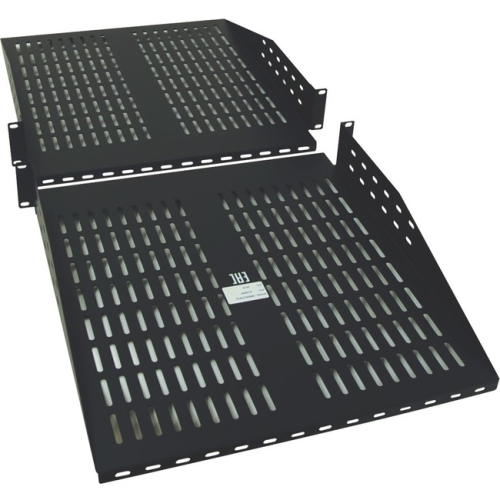
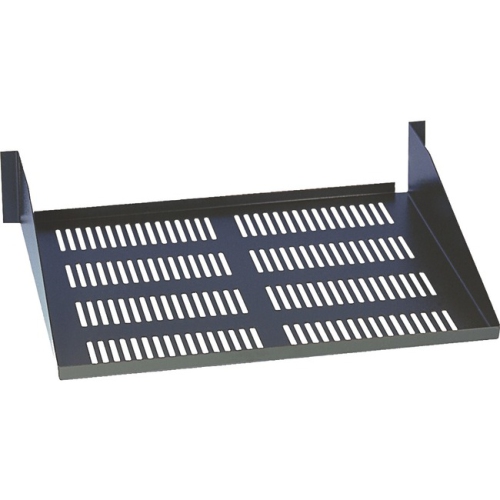
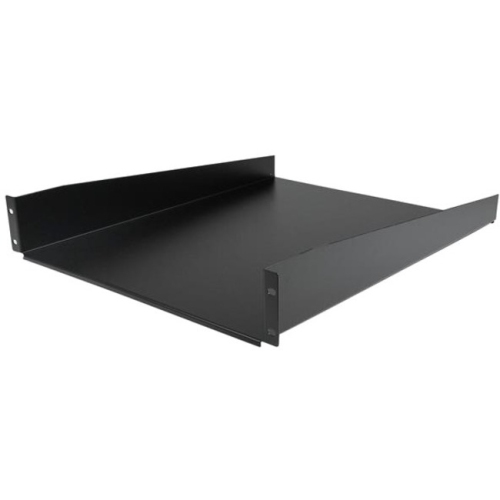
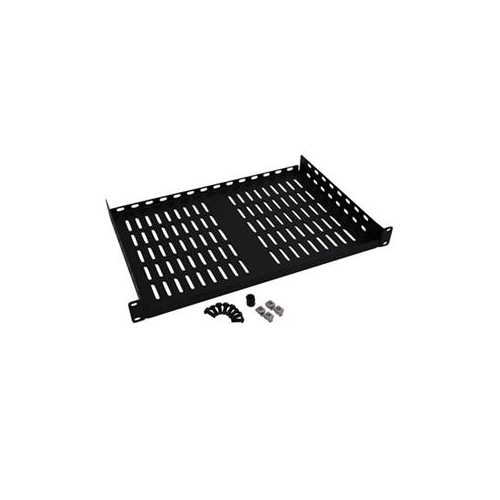
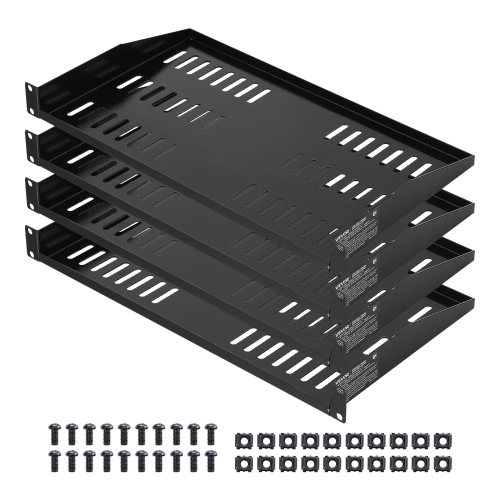
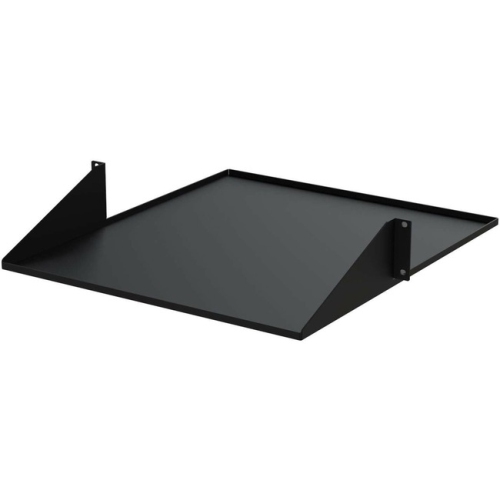
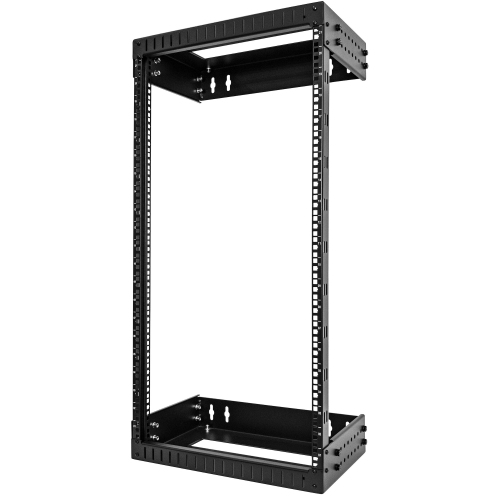
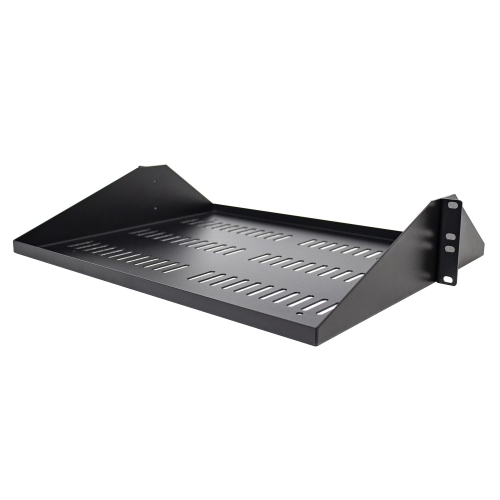
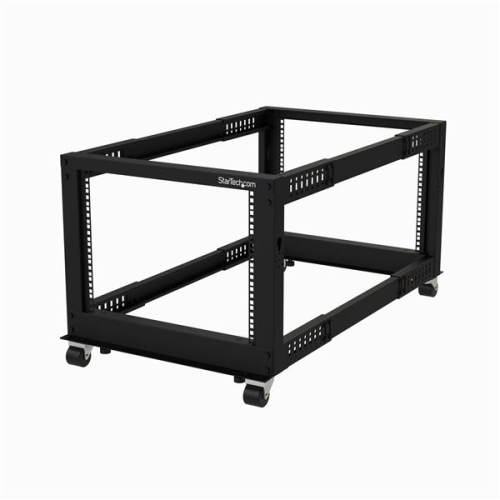
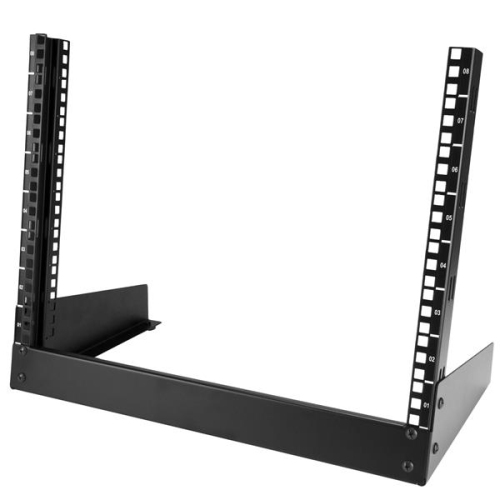
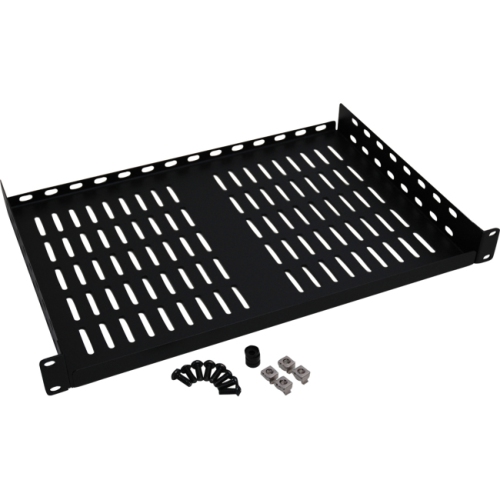
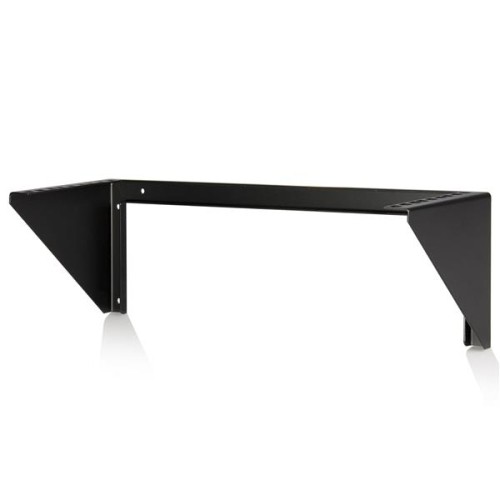
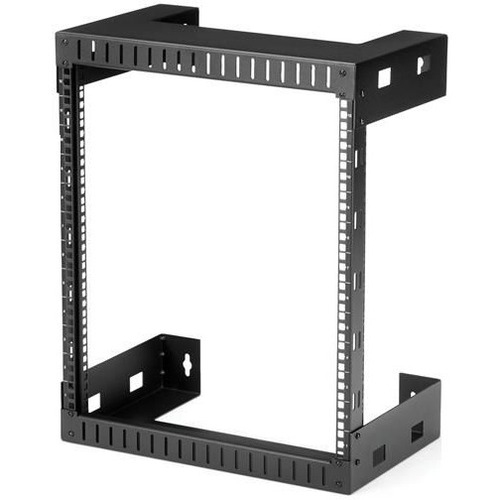
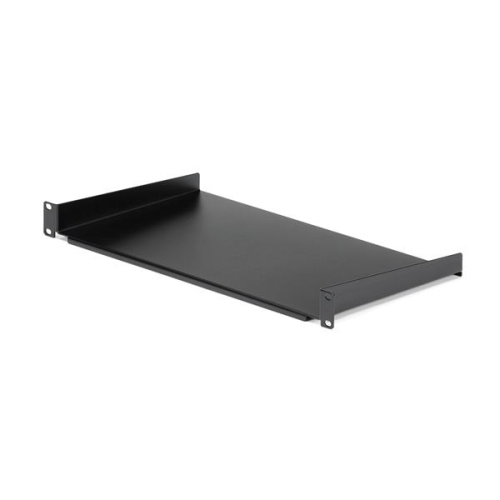
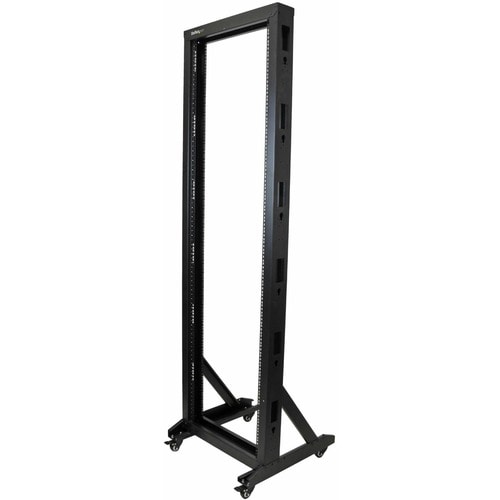
19-inch rack shelves provide a practical way to install equipment that does not have its own rack-mount ears inside a standard 19-inch server rack, network cabinet, audio rack or equipment enclosure. They create a stable platform for small computers, network accessories, test equipment, tools, audio components, control units and other devices that need to share space with rack-mounted hardware. A shelf can also help bring order to a home lab, workshop, security setup, office network or media room by keeping loose equipment off the floor and arranged at a consistent height. When browsing 19-inch rack shelves, begin by confirming that the shelf is compatible with the rack’s mounting style. A 2-post rack has front mounting rails only, while a 4-post rack has rails at both the front and rear. Cantilever shelves that attach to the front rails are often suitable for lighter equipment, such as a compact computer, modem, switch accessory or small audio unit. They are simple to install and can be useful when the rack has limited depth, but the shelf and rack should never be loaded beyond their stated limits. Fixed 4-post shelves attach at the front and rear and generally provide more support for deeper or heavier equipment. This arrangement distributes weight across more mounting points, which can make it a better choice for full-size devices, laboratory equipment, storage hardware or tools. For a broader selection of shelf styles and mounting formats, explore Rack Mount Shelves.
Shelf depth is one of the most important measurements to check before ordering. Measure the usable distance between the rack’s front and rear rails, rather than relying only on the cabinet’s outside dimensions. Common shelf depths include approximately 10, 16, 20 and 24 inches, though actual dimensions vary. The shelf should be deep enough to support the equipment securely without leaving too much of the load unsupported, while still allowing room for rear cables, power connectors and ventilation. Also check the vertical space required, usually listed in rack units, or U. A 1U shelf occupies one rack unit, while a 2U shelf takes twice as much vertical space. Planning the layout in advance helps preserve room for airflow, cable routing and future additions. Weight capacity matters just as much as dimensions. Consider the total weight of the equipment, including power supplies, adapters, cables and accessories that may rest on the platform. Compare that figure with the shelf’s maximum capacity and the rack’s own load rating, using the lower limit as the practical guide. A cantilever shelf with a 20- to 50-pound capacity may suit lighter gear, while a reinforced 4-post shelf may support substantially heavier loads. Mounting hardware must also be appropriate for the rail type and hole pattern. Some racks use square cage-nut holes, while others use threaded round holes, so verify the required screws, nuts and brackets before beginning installation. A properly fitted shelf should sit level, remain firmly secured and avoid placing unnecessary strain on the rack frame.
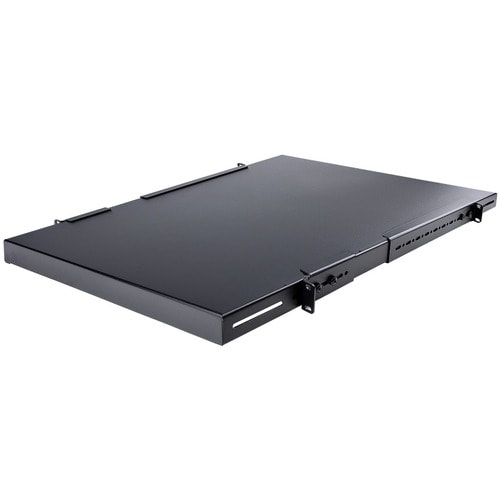
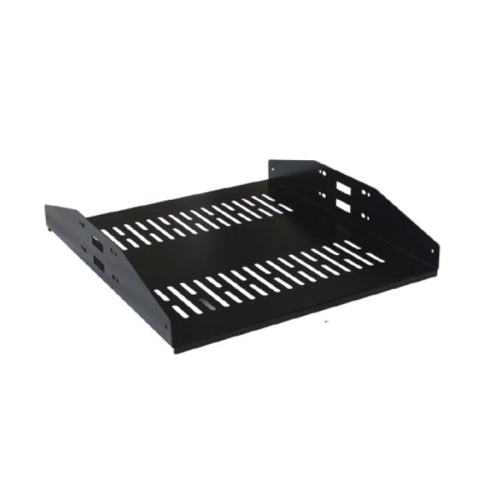
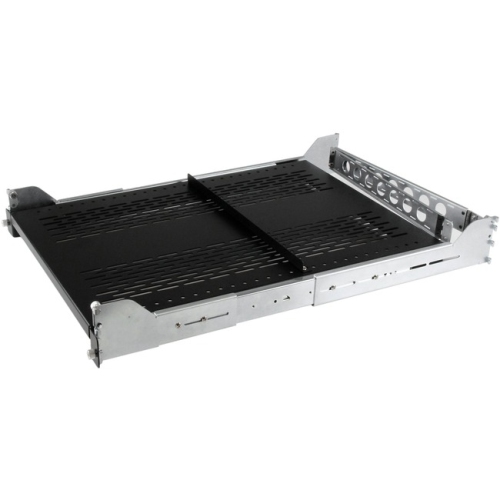
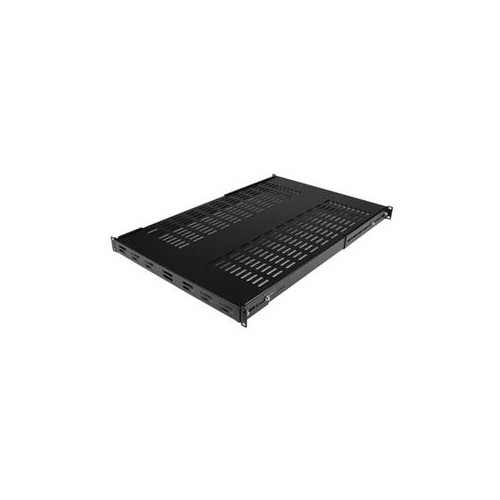
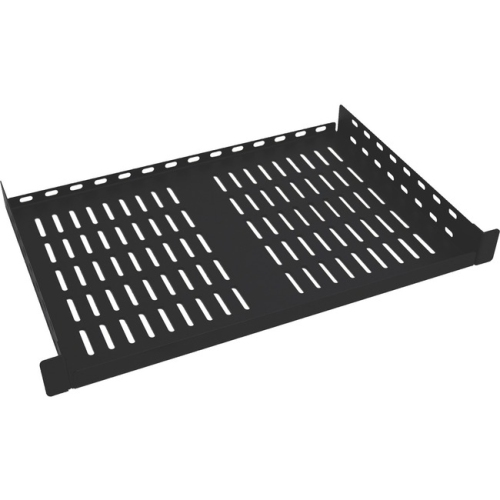
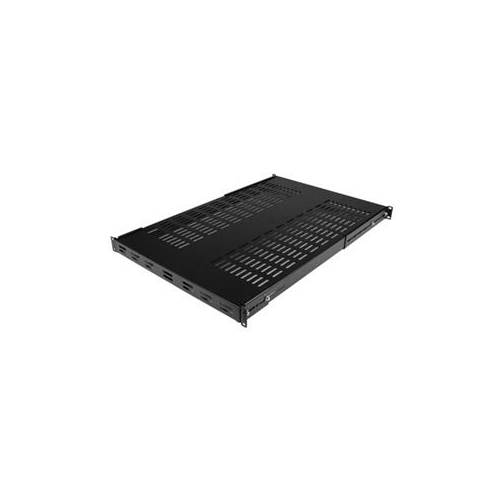
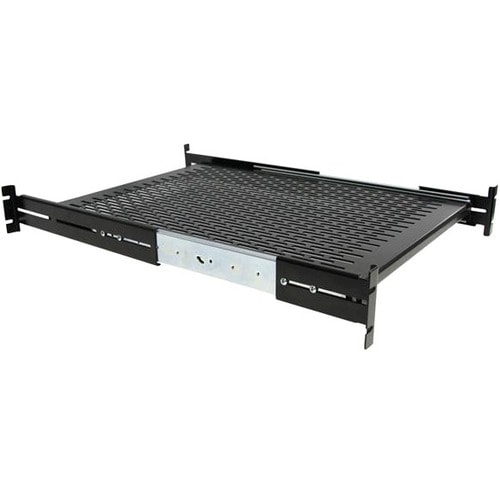
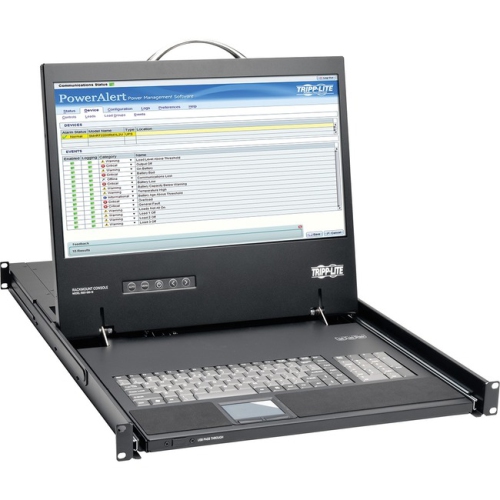
The choice between a vented and solid shelf depends on the equipment and the surrounding setup. Vented shelves have openings that encourage air movement around warm devices, making them useful for computers, networking equipment and electronics that operate for long periods. They can also help keep heat from collecting in a tightly arranged cabinet, although ventilation should be planned across the entire rack rather than relying on the shelf alone. Solid shelves offer a continuous surface, which can be helpful for smaller items, loose power supplies, tools or equipment with narrow feet that could slip through openings. A sliding or pull-out shelf adds another layer of convenience by bringing a keyboard, control panel or service device forward for adjustment and maintenance. This style is especially helpful in a compact office, studio or home lab where reaching the rear of the rack is difficult, but its extended position may change the balance of the cabinet, so use it only within its rated capacity. During the cooler months, indoor projects often make it easier to reorganise a network cabinet, workshop bench or entertainment area, and a well-chosen shelf can turn an untidy collection of equipment into a more accessible workstation. These shelves are usually purchased by IT professionals, audio technicians, installers, makers, home-lab users and anyone building a structured equipment rack, and they can make a useful practical gift for someone setting up a server room, recording space or electronics workspace. Before installation, place heavier items low in the rack, keep vents and fans unobstructed, leave room for cable bends, and tighten all fasteners evenly. With the correct mounting style, depth, rack-unit height and load rating, a 19-inch rack shelf can provide a dependable platform for equipment that was never designed to mount directly to rails.
Shelf depth is one of the most important measurements to check before ordering. Measure the usable distance between the rack’s front and rear rails, rather than relying only on the cabinet’s outside dimensions. Common shelf depths include approximately 10, 16, 20 and 24 inches, though actual dimensions vary. The shelf should be deep enough to support the equipment securely without leaving too much of the load unsupported, while still allowing room for rear cables, power connectors and ventilation. Also check the vertical space required, usually listed in rack units, or U. A 1U shelf occupies one rack unit, while a 2U shelf takes twice as much vertical space. Planning the layout in advance helps preserve room for airflow, cable routing and future additions. Weight capacity matters just as much as dimensions. Consider the total weight of the equipment, including power supplies, adapters, cables and accessories that may rest on the platform. Compare that figure with the shelf’s maximum capacity and the rack’s own load rating, using the lower limit as the practical guide. A cantilever shelf with a 20- to 50-pound capacity may suit lighter gear, while a reinforced 4-post shelf may support substantially heavier loads. Mounting hardware must also be appropriate for the rail type and hole pattern. Some racks use square cage-nut holes, while others use threaded round holes, so verify the required screws, nuts and brackets before beginning installation. A properly fitted shelf should sit level, remain firmly secured and avoid placing unnecessary strain on the rack frame.
The choice between a vented and solid shelf depends on the equipment and the surrounding setup. Vented shelves have openings that encourage air movement around warm devices, making them useful for computers, networking equipment and electronics that operate for long periods. They can also help keep heat from collecting in a tightly arranged cabinet, although ventilation should be planned across the entire rack rather than relying on the shelf alone. Solid shelves offer a continuous surface, which can be helpful for smaller items, loose power supplies, tools or equipment with narrow feet that could slip through openings. A sliding or pull-out shelf adds another layer of convenience by bringing a keyboard, control panel or service device forward for adjustment and maintenance. This style is especially helpful in a compact office, studio or home lab where reaching the rear of the rack is difficult, but its extended position may change the balance of the cabinet, so use it only within its rated capacity. During the cooler months, indoor projects often make it easier to reorganise a network cabinet, workshop bench or entertainment area, and a well-chosen shelf can turn an untidy collection of equipment into a more accessible workstation. These shelves are usually purchased by IT professionals, audio technicians, installers, makers, home-lab users and anyone building a structured equipment rack, and they can make a useful practical gift for someone setting up a server room, recording space or electronics workspace. Before installation, place heavier items low in the rack, keep vents and fans unobstructed, leave room for cable bends, and tighten all fasteners evenly. With the correct mounting style, depth, rack-unit height and load rating, a 19-inch rack shelf can provide a dependable platform for equipment that was never designed to mount directly to rails.
Top selling and popular products
-
 Your price for this item is $581.68
 -
 Your price for this item is $1303.99
 -
 Your price for this item is $867.99
 -
 Your price for this item is $748.99
 -
 Your price for this item is $250.68
 -
 Your price for this item is $407.99
 -
 Your price for this item is $54.99
 -
 Your price for this item is $102.99
Discover more categories related to 19 Inch Rack Shelves

Top Collections:
Pokemon Centers, Kindle Devices, Best Budget Office Chairs, Apple iPhones 16, Best Laptops for Writers, iPhone 15 Apple, Canon G7X Cameras, Refurbished Apple Laptops, Alarm Clock, Motorola Razr Phones
Some products may be subject to Environmental Handling Fees
(EHF) depending on your province.
Learn more about EHFs.