Character Board Games
Dive into a world of imagination and strategy with character board games that bring your favorite stories to life. Perfect for family game nights, friendly gatherings, or solo adventures, these games offer endless hours of entertainment and challenge. Whether you're navigating through mythical lands, solving intricate puzzles, or embarking on epic quests, character board games are designed to captivate players of all ages. Discover a diverse selection that caters to every taste and skill level, ensuring that each gaming session is as unique and thrilling as the last.
Sort
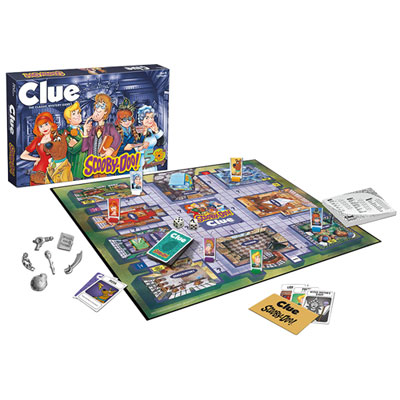
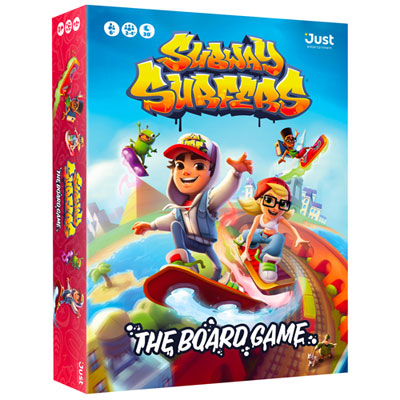
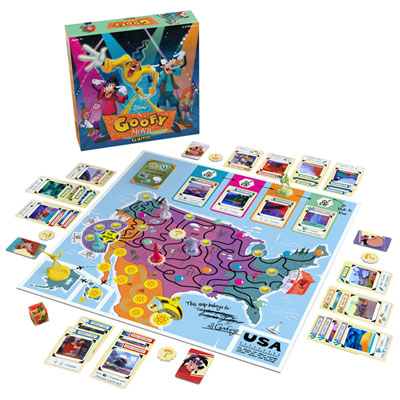
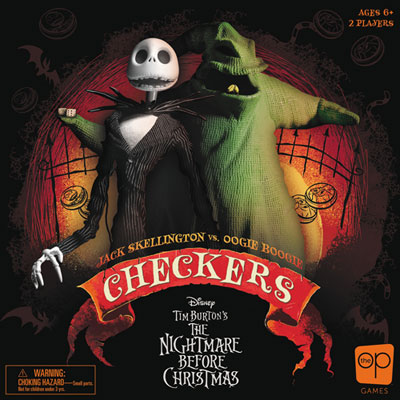
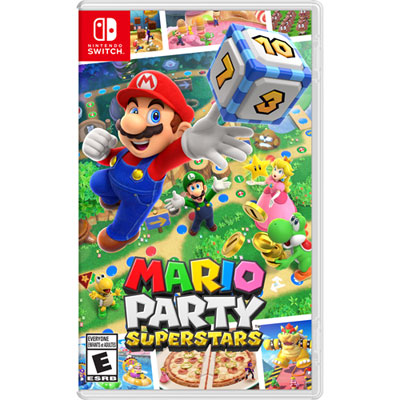
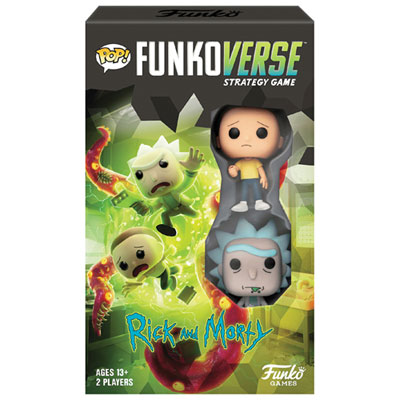
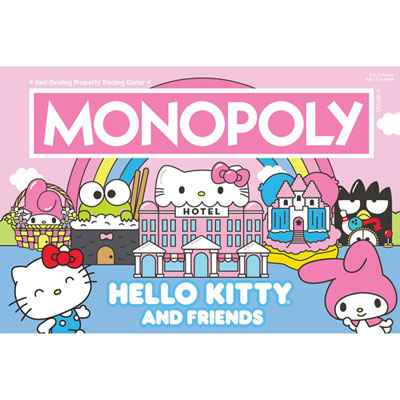
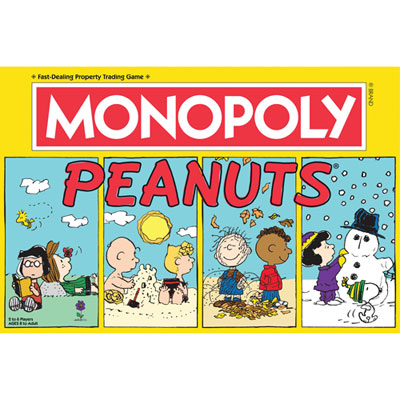
![STONEMAIER GAMES Origin Story [Board Game, 1 - 5 Players]](https://multimedia.bbycastatic.ca/multimedia/products/500x500/196/19635/19635132.jpeg)
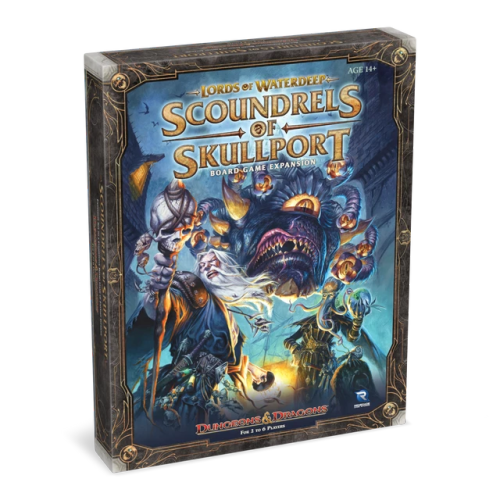
![STEAMFORGED GAMES Dark Souls: The Board Game - Characters Expansion [Board Game, 1-4 Players]](https://multimedia.bbycastatic.ca/multimedia/products/500x500/193/19383/19383501.jpeg)
![CMON Marvel United: Multiverse Core Box [Board Game, 1 - 4 Players]](https://multimedia.bbycastatic.ca/multimedia/products/500x500/193/19384/19384313.jpeg)
![SHOPVILLE Animal Crossing: Amiibo Festival + Isabelle & Digby Amiibos + Goldie, Rosie And Stitches [Nintendo Wii U] Great](https://multimedia.bbycastatic.ca/multimedia/products/500x500/148/14828/14828540.jpeg)
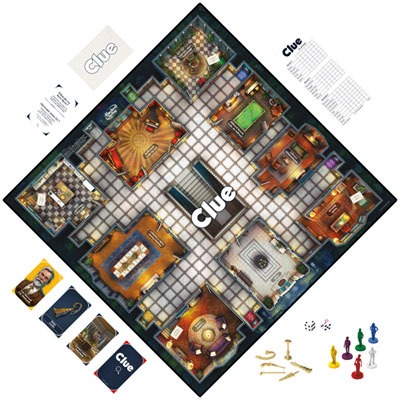
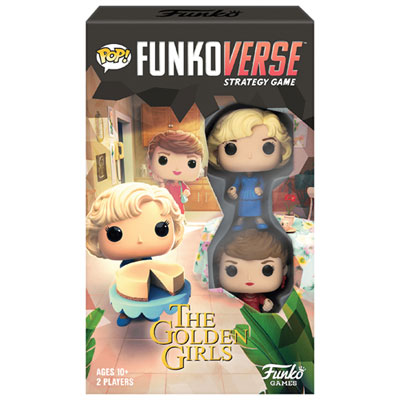
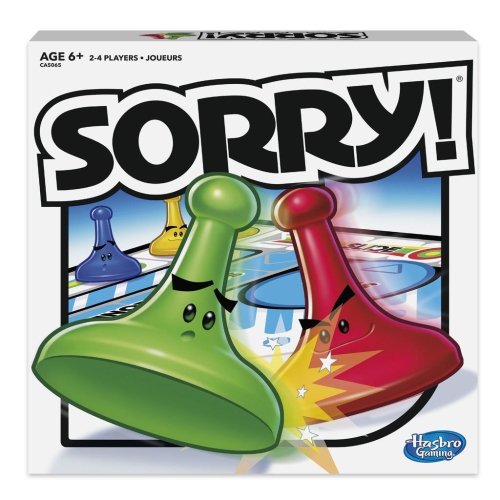
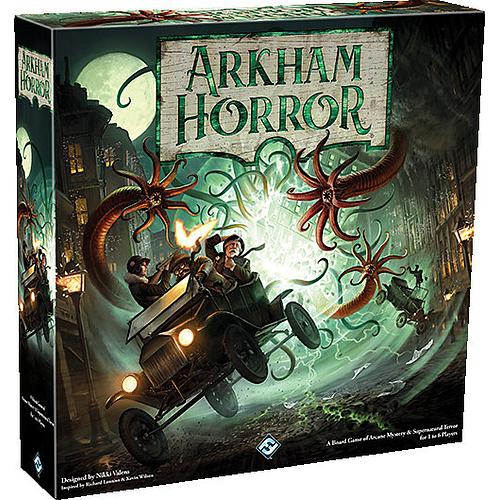
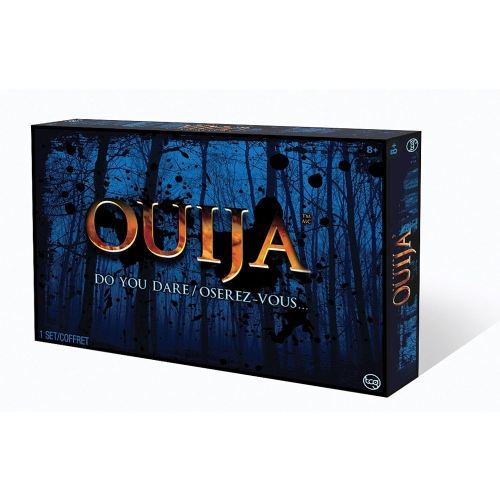
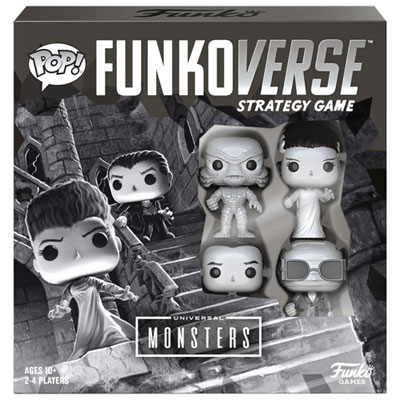
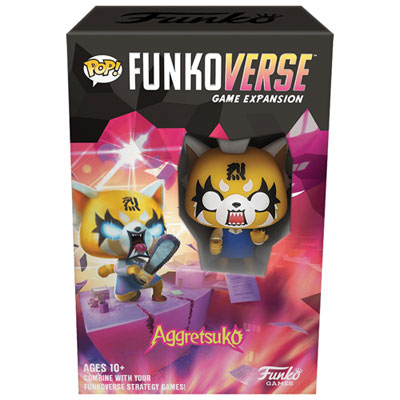
![CEPHALOFAIR GAMES Gloomhaven - Second Edition [Board Game, 1-4 Players]](https://multimedia.bbycastatic.ca/multimedia/products/500x500/195/19506/19506660.jpeg)
![DESYLLAS GAMES Oath Of Brotherhood - The Chosen [Board Game, 2-5 Players]](https://multimedia.bbycastatic.ca/multimedia/products/500x500/193/19383/19383495.jpeg)
How characters shape the way a game plays
Character board games put personalities at the centre of tabletop play, whether players are identifying a hidden figure, taking on the role of a storybook hero, or guiding a team through a shared adventure. The category includes games inspired by familiar fictional worlds as well as games with original characters created for the tabletop. Some use character portraits and simple clues to support deduction; others give each player a distinct role, special ability, or set of goals. That distinction matters because a character can be part of the artwork without changing the rules, or it can shape nearly every decision made during a turn. A quick guessing game might revolve around asking precise questions and ruling out possibilities, while a longer adventure might involve moving figures across a map, gathering equipment, and combining different abilities to complete a mission. Character-themed board games can also bring a fresh setting to familiar formats such as matching, racing, collecting sets, or trading properties. For children, expressive illustrations and clear character identities can make turns easier to follow and give abstract rules a memorable connection. For teens and adults, varied abilities, hidden motives, and branching stories can add depth beyond the theme itself. Familiarity with a fictional world may add enjoyment, but it is not always necessary to understand the game; a self-contained rulebook can introduce the setting and explain each role. These games suit everything from a short after-school activity to an evening around the dining table during the cooler months. A pair of players may enjoy the back-and-forth of a character deduction game, while a larger household might prefer a shared challenge where everyone contributes. Alongside the broader range of Games With Boards, character-led formats offer a particular appeal: the pieces on the table represent personalities, giving players someone to root for and a reason to care about the next move.
The best fit for a group depends as much on how the game plays as on the characters pictured on the box. Suggested ages, player counts, reading demands, and expected play time provide useful context, though each describes a different part of the experience. A younger player may follow a matching task easily but need help reading ability cards, while an older child may enjoy planning several turns ahead. Clear symbols, large print, and distinctly shaped pieces can make the table easier to navigate, especially when players need to tell characters apart at a glance. Colour alone may not provide enough distinction for every player, so portraits, labels, and symbols can be useful companions to coloured markers. Competitive character board games give players separate objectives and the satisfaction of testing a plan against someone else’s choices. Cooperative formats centre on a shared outcome, with opportunities to talk through moves and divide responsibilities. They can suit mixed-experience groups, particularly when each player has a meaningful role rather than watching one person make every decision. Hidden-role and deduction games create a different rhythm, built around observation, careful wording, and the occasional surprising reveal. For a relaxed family evening, short turns and limited downtime can matter more than an elaborate storyline. A dedicated game night may leave room for a longer setup, detailed character development, or a continuing story played over several sessions. Playing space also affects everyday suitability: a compact board and a few portrait cards can fit a small table, whereas an adventure with individual player boards, decks, and miniatures needs room for everyone to reach their pieces comfortably. Character board games can make thoughtful gifts for families, friends, and fans of illustrated storytelling. Matching the recipient’s preferred level of complexity and usual group size helps turn an appealing theme into something that gets played, rather than simply admired on a shelf. A game designed for two has a different purpose from one intended for a lively group, even when both share a similar character theme.
Materials and component design influence how character board games feel in use and how well they hold up to repeated play. Depending on the format, a set may include a folding cardboard board, printed cards, punchboard tokens, wooden markers, plastic figures, or metal playing pieces. A firm board that lies flat helps figures stay in place, while clear printing makes small details easier to distinguish across the table. Cards handled on every turn benefit from a sturdy finish, and compatible protective sleeves can reduce wear from frequent shuffling, although sleeved cards may need extra storage space. Detailed miniatures add visual presence to an adventure, but they can also require more careful handling than simple pawns. For children who are still developing fine motor control, larger pieces and uncomplicated layouts may be more practical than tiny tokens or densely arranged cards. Age labels and small-parts warnings remain important, especially in homes with younger siblings; an inviting cartoon style does not necessarily mean a game is suitable for very young children. Everyday care is usually straightforward when it follows the manufacturer’s directions. Clean, dry hands and drinks kept away from the playing area help protect printed surfaces, while folding boards along their intended creases reduces strain on the hinges. Paper cards and cardboard pieces should not be soaked. Separate bags, trays, or the original insert can keep each character’s accessories together and make the next setup less of a sorting exercise. Counting small components before closing the box is particularly useful after a busy family session. Storage in a dry place away from direct sunlight helps protect both the artwork and the shape of the board. Lasting enjoyment also comes from the design: interchangeable roles, different objectives, or several ways to approach a challenge can give familiar characters new possibilities on later plays. Whether the occasion is a quiet afternoon, a birthday gathering, or a regular household game night, a well-matched character board game brings its setting to life through shared decisions, memorable turns, and the simple pleasure of sitting down together.
The best fit for a group depends as much on how the game plays as on the characters pictured on the box. Suggested ages, player counts, reading demands, and expected play time provide useful context, though each describes a different part of the experience. A younger player may follow a matching task easily but need help reading ability cards, while an older child may enjoy planning several turns ahead. Clear symbols, large print, and distinctly shaped pieces can make the table easier to navigate, especially when players need to tell characters apart at a glance. Colour alone may not provide enough distinction for every player, so portraits, labels, and symbols can be useful companions to coloured markers. Competitive character board games give players separate objectives and the satisfaction of testing a plan against someone else’s choices. Cooperative formats centre on a shared outcome, with opportunities to talk through moves and divide responsibilities. They can suit mixed-experience groups, particularly when each player has a meaningful role rather than watching one person make every decision. Hidden-role and deduction games create a different rhythm, built around observation, careful wording, and the occasional surprising reveal. For a relaxed family evening, short turns and limited downtime can matter more than an elaborate storyline. A dedicated game night may leave room for a longer setup, detailed character development, or a continuing story played over several sessions. Playing space also affects everyday suitability: a compact board and a few portrait cards can fit a small table, whereas an adventure with individual player boards, decks, and miniatures needs room for everyone to reach their pieces comfortably. Character board games can make thoughtful gifts for families, friends, and fans of illustrated storytelling. Matching the recipient’s preferred level of complexity and usual group size helps turn an appealing theme into something that gets played, rather than simply admired on a shelf. A game designed for two has a different purpose from one intended for a lively group, even when both share a similar character theme.
Materials and component design influence how character board games feel in use and how well they hold up to repeated play. Depending on the format, a set may include a folding cardboard board, printed cards, punchboard tokens, wooden markers, plastic figures, or metal playing pieces. A firm board that lies flat helps figures stay in place, while clear printing makes small details easier to distinguish across the table. Cards handled on every turn benefit from a sturdy finish, and compatible protective sleeves can reduce wear from frequent shuffling, although sleeved cards may need extra storage space. Detailed miniatures add visual presence to an adventure, but they can also require more careful handling than simple pawns. For children who are still developing fine motor control, larger pieces and uncomplicated layouts may be more practical than tiny tokens or densely arranged cards. Age labels and small-parts warnings remain important, especially in homes with younger siblings; an inviting cartoon style does not necessarily mean a game is suitable for very young children. Everyday care is usually straightforward when it follows the manufacturer’s directions. Clean, dry hands and drinks kept away from the playing area help protect printed surfaces, while folding boards along their intended creases reduces strain on the hinges. Paper cards and cardboard pieces should not be soaked. Separate bags, trays, or the original insert can keep each character’s accessories together and make the next setup less of a sorting exercise. Counting small components before closing the box is particularly useful after a busy family session. Storage in a dry place away from direct sunlight helps protect both the artwork and the shape of the board. Lasting enjoyment also comes from the design: interchangeable roles, different objectives, or several ways to approach a challenge can give familiar characters new possibilities on later plays. Whether the occasion is a quiet afternoon, a birthday gathering, or a regular household game night, a well-matched character board game brings its setting to life through shared decisions, memorable turns, and the simple pleasure of sitting down together.
Top selling and popular products
-
 Your price for this item is $14.99
 -
 Your price for this item is $34.99
 -
 Your price for this item is $15
 -
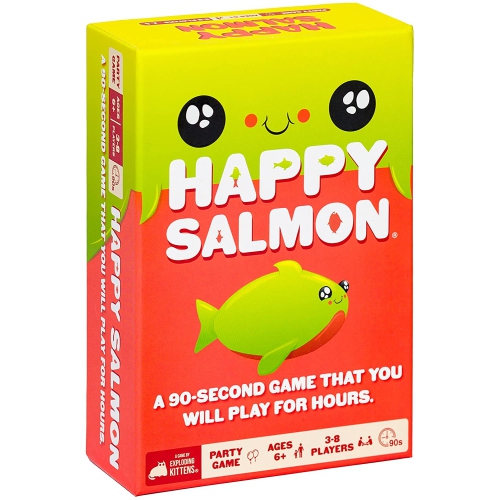 Your price for this item is $21.99
 -
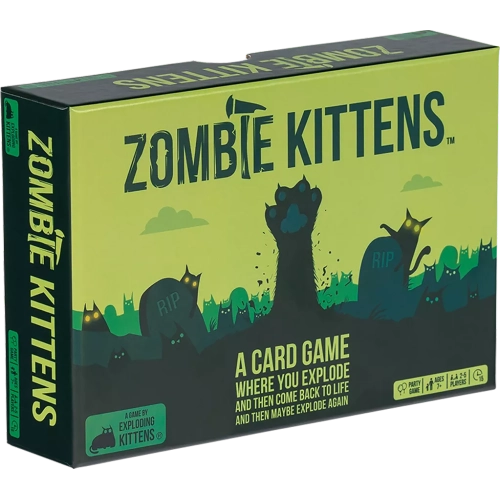 Your price for this item is $34.99
 -
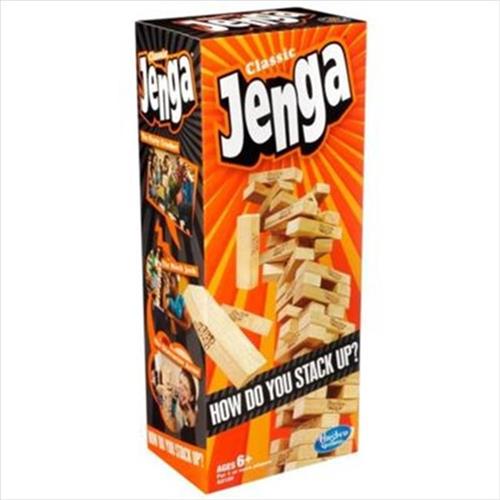 Your price for this item is $28.16
 -
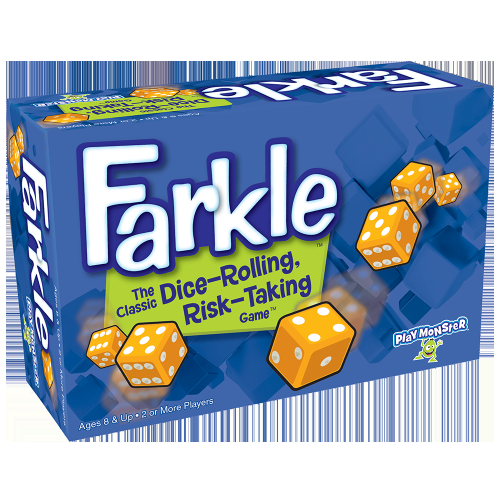 Your price for this item is $20.93
 -
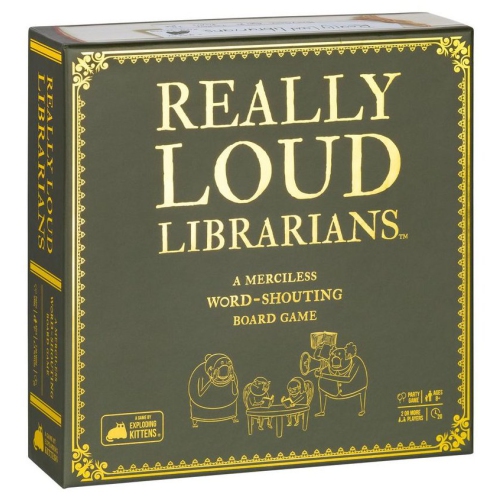 Your price for this item is $29.99
Discover more categories related to Character Board Games
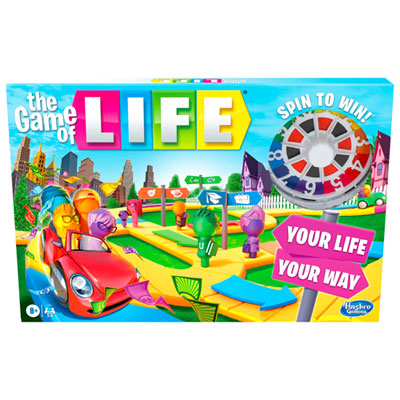
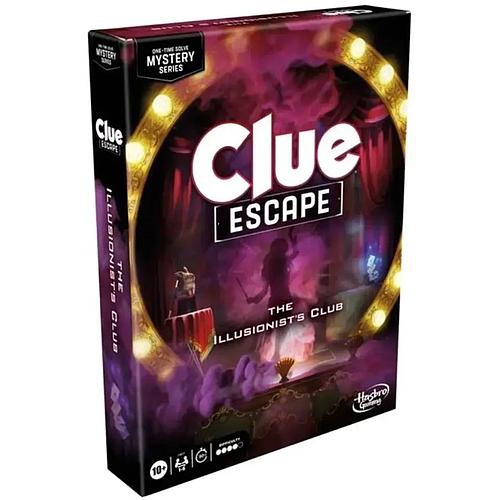
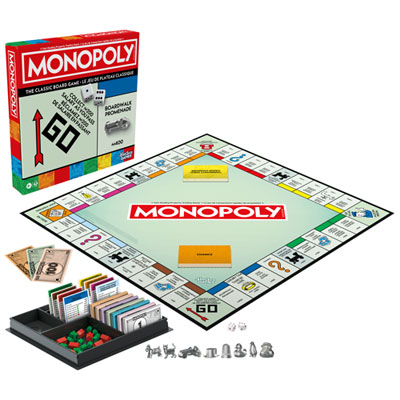
Top Collections:
Pokemon Centers, Budget 4K TVs, Best Budget Office Chairs, Kindle Devices, Canon G7X Cameras, Apple iPhones 16, iPhone 15 Apple, Laptops for Business Work, Xiaomi Phones, Flip Phones
Some products may be subject to Environmental Handling Fees
(EHF) depending on your province.
Learn more about EHFs.