Co Op Board Games
Cooperative games are a great way to spend time with family and friends. They're also a great way to learn about each other and build teamwork skills. Cooperative games are different from traditional board games because instead of competing against each other, players work together to reach a common goal. Here are our favorite cooperative board games.
Sort
![NINTENDO Super Mario 3D World + Bowser's Fury for Switch [Videogames] Great buy](https://multimedia.bbycastatic.ca/multimedia/products/500x500/174/17452/17452672.jpeg)
![NINTENDO Back 4 Blood [Xbox One & Xbox Series X] Love this game](https://multimedia.bbycastatic.ca/multimedia/products/500x500/193/19382/19382665.jpeg)
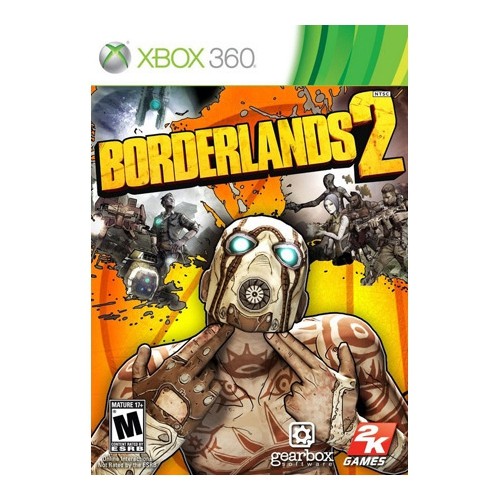
![UBISOFT Tom Clancy's Rainbow Six Extraction [Xbox Series X / Xbox One] Love this game](https://multimedia.bbycastatic.ca/multimedia/products/500x500/193/19382/19382917.jpeg)
![SABER INTERACTIVE Evil Dead: The Game [Xbox One / Xbox Series X] Great game](https://multimedia.bbycastatic.ca/multimedia/products/500x500/193/19382/19382791.jpeg)
![UBISOFT Tom Clancy's Rainbow Six Extraction [Playstation 4] Great game](https://multimedia.bbycastatic.ca/multimedia/products/500x500/193/19382/19382736.jpeg)
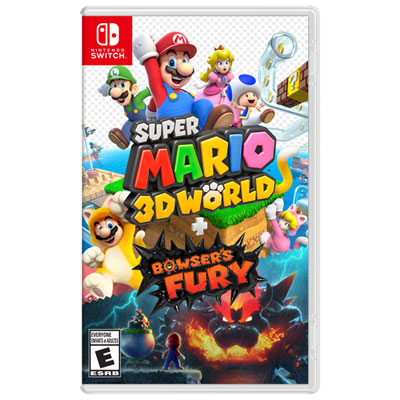

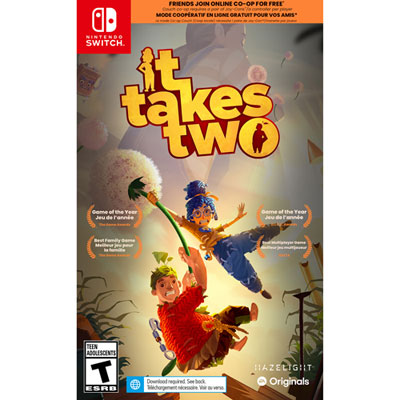


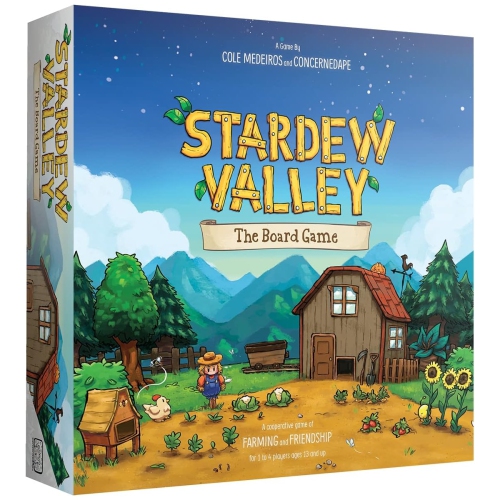
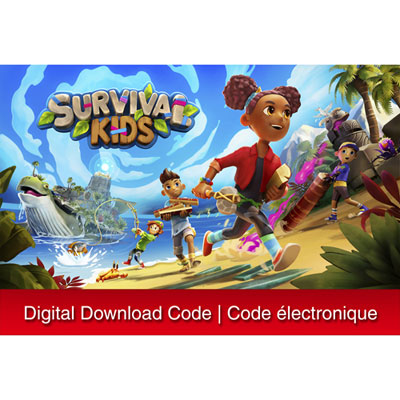
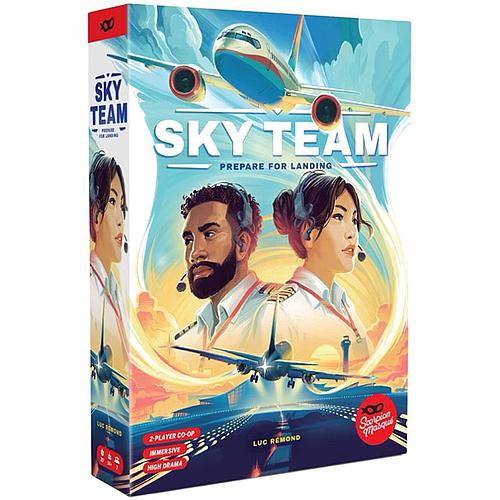

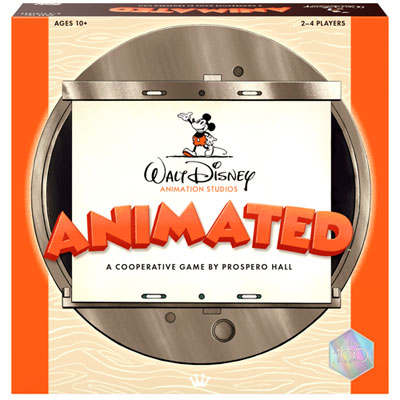

![TEAM17 Moving Out - Code In Box [Nintendo Switch]](https://multimedia.bbycastatic.ca/multimedia/products/500x500/199/19977/19977317.jpeg)

![GEARBOX PUBLISHING Borderlands: Mister Torgue's Arena Of Badassery [Board Game, 1-4 Players]](https://multimedia.bbycastatic.ca/multimedia/products/500x500/193/19374/19374373.jpeg)
![TEAM17 Overcooked All You Can Eat [Xbox Series X]](https://multimedia.bbycastatic.ca/multimedia/products/500x500/193/19382/19382863.jpeg)
![FANTASY FLIGHT GAMES Raxxon [Board Game, 1-4 Players]](https://multimedia.bbycastatic.ca/multimedia/products/500x500/193/19383/19383509.jpeg)
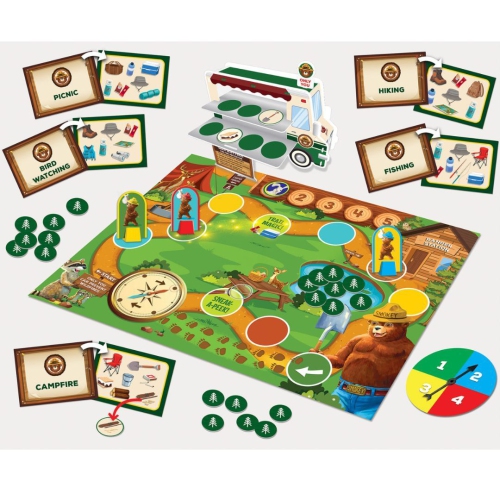
![STEAMFORGED GAMES Street Masters Ii: Tide Of The Dragon [Board Game, 1 - 4 Players]](https://multimedia.bbycastatic.ca/multimedia/products/500x500/193/19384/19384307.jpeg)
![CMON Marvel United: Multiverse Core Box [Board Game, 1 - 4 Players]](https://multimedia.bbycastatic.ca/multimedia/products/500x500/193/19384/19384313.jpeg)
![CGC (CERTIFIED Codenames: Duet - 2Nd Edition [Board Game, 2 Players]](https://multimedia.bbycastatic.ca/multimedia/products/500x500/197/19769/19769945.jpeg)
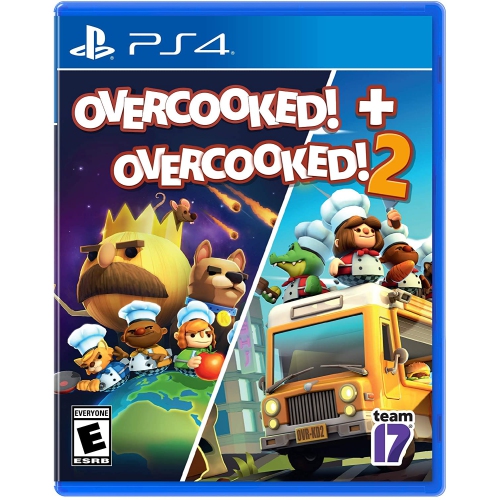
![SUPER RARE GAMES Ship Of Fools [Nintendo Switch]](https://multimedia.bbycastatic.ca/multimedia/products/500x500/196/19600/19600779.jpeg)
![TESURA GAMES Kemono Heroes [Nintendo Switch]](https://multimedia.bbycastatic.ca/multimedia/products/500x500/194/19476/19476933.jpeg)
![TESURA GAMES Kemono Heroes [Playstation 5]](https://multimedia.bbycastatic.ca/multimedia/products/500x500/194/19476/19476954.jpeg)
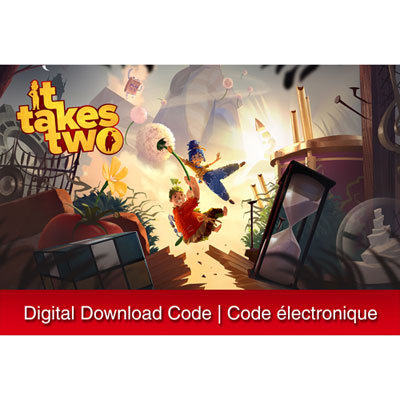
![LIMITED RUN GAMES Riverbond [Playstation 4]](https://multimedia.bbycastatic.ca/multimedia/products/500x500/161/16176/16176916.jpeg)
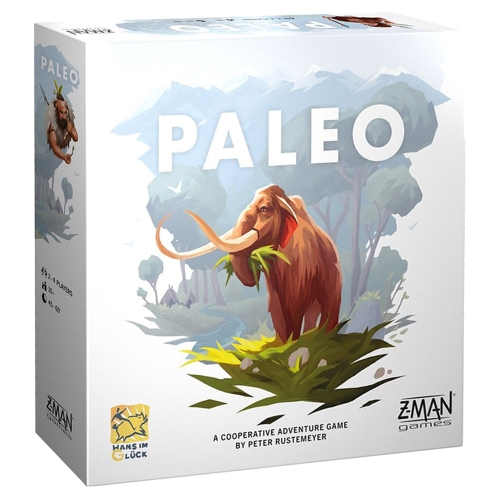
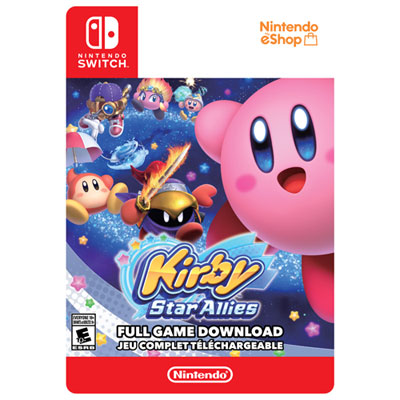
![NINTENDO Moving Out [ Switch] Love love love!](https://multimedia.bbycastatic.ca/multimedia/products/500x500/148/14828/14828053.jpg)
![0 GAMES INC Ps4 - Scott Pilgrim Vs The World The Game [Lrg] Great Scott](https://multimedia.bbycastatic.ca/multimedia/products/500x500/162/16241/16241485.jpeg)
![UBISOFT Tom Clancy's Rainbow Six Extraction Standard Edition for Xbox One And Xbox Series X [Videogames] Tried it love it!](https://multimedia.bbycastatic.ca/multimedia/products/500x500/165/16558/16558257.jpeg)
![OUTRIGHT GAMING Dc Justice League: Cosmic Chaos [Playstation 4] Great Fun!](https://multimedia.bbycastatic.ca/multimedia/products/500x500/197/19779/19779559.jpeg)
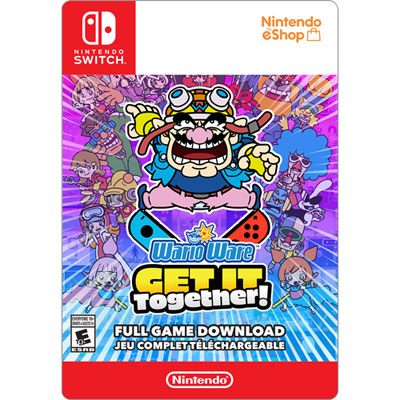
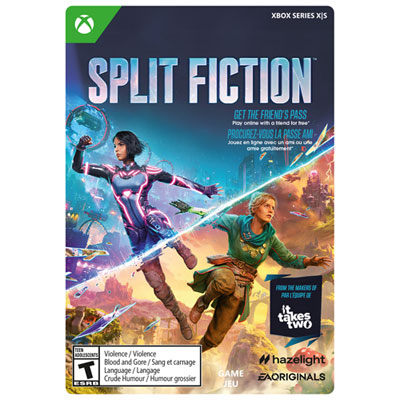
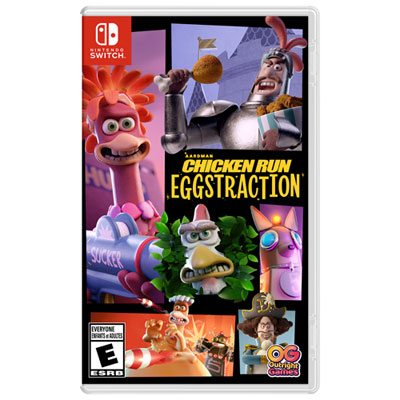
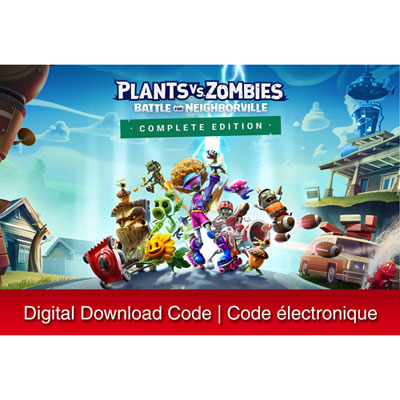
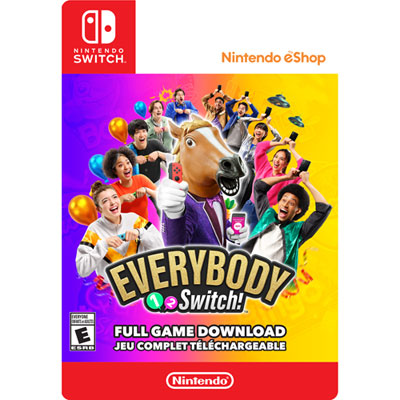
![RED ART GAMES Space Elite Force 2 In 1 [Playstation 4]](https://multimedia.bbycastatic.ca/multimedia/products/500x500/193/19382/19382960.jpeg)
![NINTENDO Snipperclips Plus: Cut It Out, Together [ Switch]](https://multimedia.bbycastatic.ca/multimedia/products/500x500/152/15238/15238849.jpeg)
![RED ART GAMES Warlocks 2: God Slayers [Nintendo Switch]](https://multimedia.bbycastatic.ca/multimedia/products/500x500/165/16590/16590938.jpeg)
![LIMITED RUN GAMES Riverbond [Nintendo Switch]](https://multimedia.bbycastatic.ca/multimedia/products/500x500/165/16590/16590817.jpeg)
Shared strategies turn every game night into an adventure
Co-op board games bring people to the same side of the table, turning a game night into a shared challenge rather than a contest between friends or family members. Instead of competing to finish with the most points, players typically discuss their options, divide responsibilities, and work together to overcome a board-controlled threat or changing set of rules. One person may manage resources, another may focus on movement or investigation, and someone else may keep an eye on the team’s long-term objective. The result can feel like solving a puzzle together, with every decision shaping what happens next. Some cooperative games are built around preventing disasters across a map, while others involve exploring an island, defending a community, completing a rescue mission, solving a mystery, or surviving a fantasy or science-fiction adventure. Many use cards, dice, tiles, character abilities, tokens, or modular boards to create a different experience from one playthrough to the next. This variety makes co-op board games a flexible choice for households that enjoy storytelling, tactical decisions, or relaxed social play. They can be especially appealing when players have different experience levels, since the group can discuss the rules and make decisions collectively. A confident player can explain a strategy without eliminating another player from the game, while newer players can contribute by noticing patterns, managing supplies, or choosing a character role that suits them. For families, cooperative play can create a more welcoming introduction to modern board games, particularly when the goal is to make memories rather than keep score. For friends, it offers the satisfying rhythm of leaning over the table together, weighing risks, and celebrating a narrow escape or a perfectly timed move. During the cooler months, a co-op game can turn a dining table or coffee table into a map, a castle, a research station, or another imaginative setting for an evening indoors.
When choosing co-op board games, start with the number of players who will most often take part. Some are designed for two players and provide a focused, strategic experience, while others support a larger group and encourage discussion among several roles. Player count can affect the pace and difficulty, so checking the recommended range is useful when selecting a game for regular family nights, couples, roommates, or a larger circle of friends. Age guidance is another important consideration, not only because of reading requirements or small components, but also because some themes and challenges may be better suited to older players. For younger families, look for straightforward rules, short rounds, clear objectives, and colourful components that make it easy to see what needs to happen next. Older children, teens, and adults may prefer layered strategies, evolving scenarios, hidden information, or games that reward careful planning over several turns. Complexity also varies considerably. A light cooperative game might be learned in a few minutes and completed in under an hour, making it a convenient choice for an impromptu evening or a family with a busy schedule. More involved options may include extensive setup, detailed rulebooks, character progression, campaign play, or branching scenarios that unfold across multiple sessions. These can be rewarding for groups that enjoy returning to the same world and watching their abilities develop, but they require a dependable play space and a commitment to learning the system together. Theme is equally personal. Disaster-response settings can appeal to players who enjoy realistic urgency and logistics, while fantasy adventures may suit groups that want heroes, quests, and unusual abilities. Mystery, horror, exploration, historical, and space-themed settings each create a different atmosphere, so consider whether the people at the table prefer suspense, humour, discovery, or strategic problem-solving. It is also worth checking whether the game uses a fully shared turn, individual character powers, or a hidden-traitor element, as these features can change how collaborative the experience feels. Groups that enjoy open discussion may appreciate games where every decision is visible, while players who like surprises may prefer secret objectives or unpredictable events. For a gift, co-op board games work well when the recipient enjoys hosting, puzzles, storytelling, or tabletop activities, and they can be a thoughtful choice for a family, a couple, or a group of friends rather than just one individual. Consider the recipient’s typical gathering size, available play time, and tolerance for rules before choosing a compact, quick-playing option or a larger adventure with more depth.
The best cooperative board games make room for different kinds of participation. A player who enjoys numbers might track resources and calculate the odds of a risky move, while another may be more interested in the story, character choices, or visual layout of the board. In a well-balanced group, everyone can have a meaningful responsibility without needing to be the most experienced person at the table. Before the first session, allow time to organize cards and pieces, read the setup instructions, and explain the central goal in plain language. It often helps to play the opening round slowly, treating it as a learning period rather than worrying about making the perfect decision. Keep frequently used cards and tokens within reach, and make sure the table has enough room for the main board, player areas, and discard piles. Storage matters too, particularly for games with many components, so a box with organized trays or resealable bags can make future sessions easier to start. Groups that enjoy a quick challenge can look for games with compact play times and simple resets, while dedicated players may appreciate campaign systems that preserve progress between sessions. Cooperative games can also support repeat play through variable setups, multiple difficulty levels, different character combinations, and changing objectives. If one strategy becomes familiar, increasing the challenge or trying a new role can make the same game feel fresh. For households that already enjoy competitive tabletop games, co-op titles offer a different kind of energy: the table becomes quieter during a crucial decision, then fills with laughter when the team finds an unexpected solution. For more group-focused options, explore Team Board Games to find games that encourage communication and shared goals. Whether played during a relaxed gathering as the weather warms, at a family get-together, or during a cosy evening indoors in the cooler months, co-op board games give players a reason to put their phones aside, make room at the table, and enjoy the satisfaction of accomplishing something together.
When choosing co-op board games, start with the number of players who will most often take part. Some are designed for two players and provide a focused, strategic experience, while others support a larger group and encourage discussion among several roles. Player count can affect the pace and difficulty, so checking the recommended range is useful when selecting a game for regular family nights, couples, roommates, or a larger circle of friends. Age guidance is another important consideration, not only because of reading requirements or small components, but also because some themes and challenges may be better suited to older players. For younger families, look for straightforward rules, short rounds, clear objectives, and colourful components that make it easy to see what needs to happen next. Older children, teens, and adults may prefer layered strategies, evolving scenarios, hidden information, or games that reward careful planning over several turns. Complexity also varies considerably. A light cooperative game might be learned in a few minutes and completed in under an hour, making it a convenient choice for an impromptu evening or a family with a busy schedule. More involved options may include extensive setup, detailed rulebooks, character progression, campaign play, or branching scenarios that unfold across multiple sessions. These can be rewarding for groups that enjoy returning to the same world and watching their abilities develop, but they require a dependable play space and a commitment to learning the system together. Theme is equally personal. Disaster-response settings can appeal to players who enjoy realistic urgency and logistics, while fantasy adventures may suit groups that want heroes, quests, and unusual abilities. Mystery, horror, exploration, historical, and space-themed settings each create a different atmosphere, so consider whether the people at the table prefer suspense, humour, discovery, or strategic problem-solving. It is also worth checking whether the game uses a fully shared turn, individual character powers, or a hidden-traitor element, as these features can change how collaborative the experience feels. Groups that enjoy open discussion may appreciate games where every decision is visible, while players who like surprises may prefer secret objectives or unpredictable events. For a gift, co-op board games work well when the recipient enjoys hosting, puzzles, storytelling, or tabletop activities, and they can be a thoughtful choice for a family, a couple, or a group of friends rather than just one individual. Consider the recipient’s typical gathering size, available play time, and tolerance for rules before choosing a compact, quick-playing option or a larger adventure with more depth.
The best cooperative board games make room for different kinds of participation. A player who enjoys numbers might track resources and calculate the odds of a risky move, while another may be more interested in the story, character choices, or visual layout of the board. In a well-balanced group, everyone can have a meaningful responsibility without needing to be the most experienced person at the table. Before the first session, allow time to organize cards and pieces, read the setup instructions, and explain the central goal in plain language. It often helps to play the opening round slowly, treating it as a learning period rather than worrying about making the perfect decision. Keep frequently used cards and tokens within reach, and make sure the table has enough room for the main board, player areas, and discard piles. Storage matters too, particularly for games with many components, so a box with organized trays or resealable bags can make future sessions easier to start. Groups that enjoy a quick challenge can look for games with compact play times and simple resets, while dedicated players may appreciate campaign systems that preserve progress between sessions. Cooperative games can also support repeat play through variable setups, multiple difficulty levels, different character combinations, and changing objectives. If one strategy becomes familiar, increasing the challenge or trying a new role can make the same game feel fresh. For households that already enjoy competitive tabletop games, co-op titles offer a different kind of energy: the table becomes quieter during a crucial decision, then fills with laughter when the team finds an unexpected solution. For more group-focused options, explore Team Board Games to find games that encourage communication and shared goals. Whether played during a relaxed gathering as the weather warms, at a family get-together, or during a cosy evening indoors in the cooler months, co-op board games give players a reason to put their phones aside, make room at the table, and enjoy the satisfaction of accomplishing something together.
Top selling and popular products
-
![NINTENDO Super Smash Bros. Ultimate [ Switch]](https://multimedia.bbycastatic.ca/multimedia/products/500x500/166/16618/16618377.jpeg) Your price for this item is $89.95
Your price for this item is $89.95 -
![NINTENDO Animal Crossing: New Horizons [ Switch]](https://multimedia.bbycastatic.ca/multimedia/products/500x500/148/14828/14828033.jpeg) Your price for this item is $80.49
Your price for this item is $80.49 -
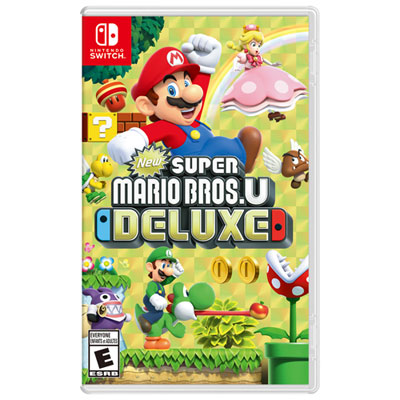 Your price for this item is $84.99
 -
![NINTENDO GAMES New Super Mario Bros. U Deluxe for Nintendo Switch [Videogames]](https://multimedia.bbycastatic.ca/multimedia/products/500x500/176/17683/17683406.jpeg) Your price for this item is $71.75
Your price for this item is $71.75 -
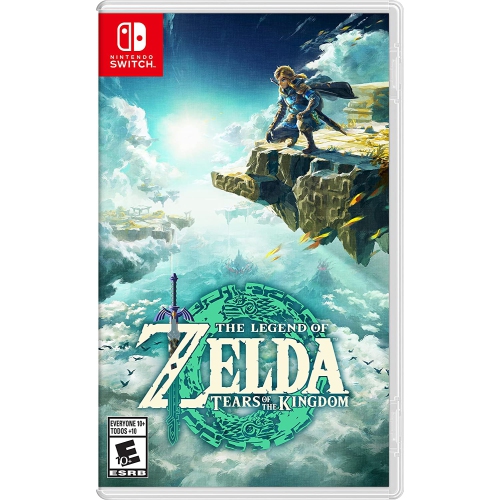 Your price for this item is $109.99
 -
![NINTENDO GAMES The Legend Of Zelda: Tears Of The Kingdom for Nintendo Switch [Videogames]](https://multimedia.bbycastatic.ca/multimedia/products/500x500/176/17661/17661818.jpeg) Your price for this item is $99.99
Your price for this item is $99.99 -
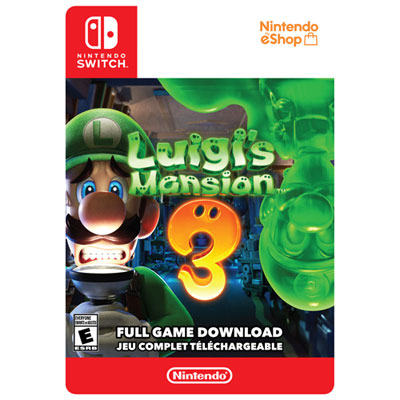 Your price for this item is $84.99
 -
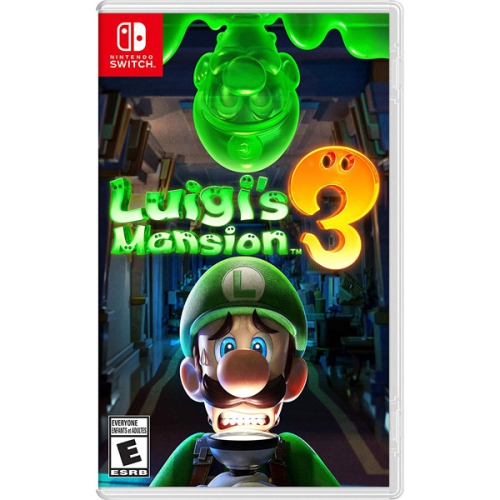 Your price for this item is $87.75
Discover more categories related to Co Op Board Games
Top Collections:
Pokemon Centers, Kindle Devices, Best Budget Office Chairs, Apple iPhones 16, Best Laptops for Writers, iPhone 15 Apple, Canon G7X Cameras, Refurbished Apple Laptops, Alarm Clock, Motorola Razr Phones
Some products may be subject to Environmental Handling Fees
(EHF) depending on your province.
Learn more about EHFs.