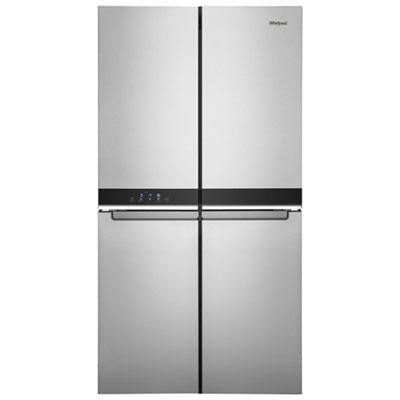
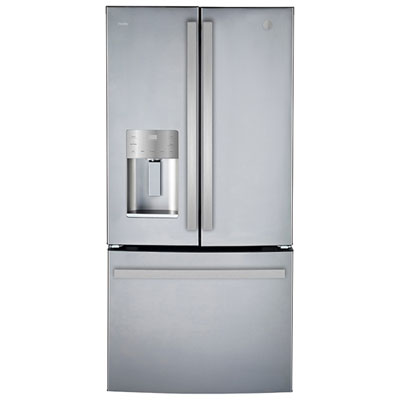
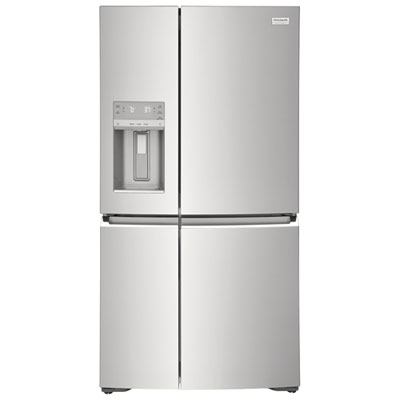
Bottom Freezer Fridges

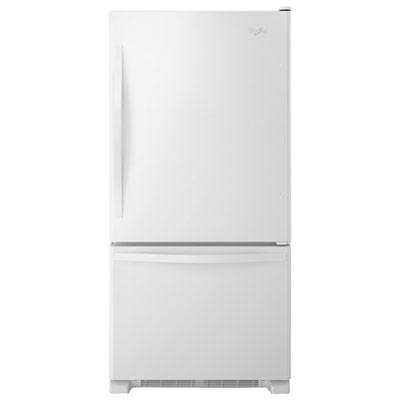
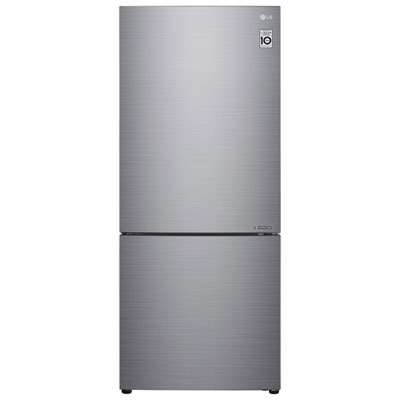
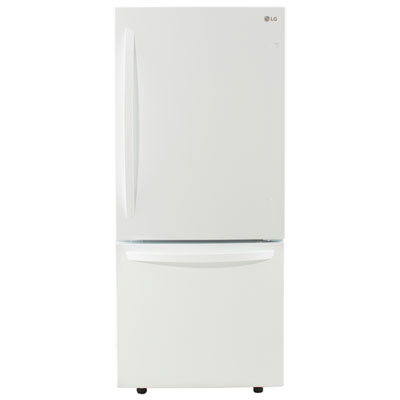
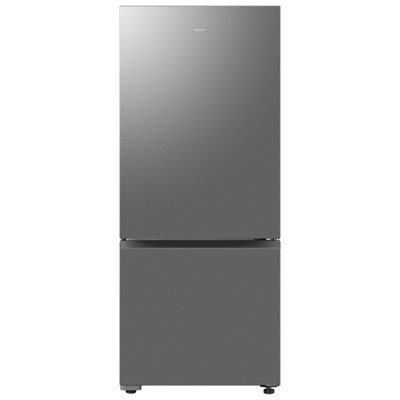
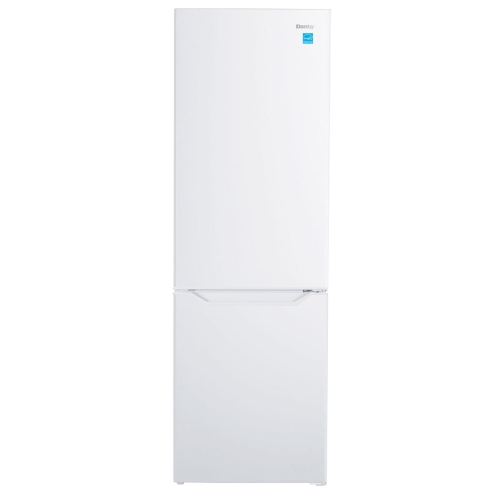
Bottom freezer fridges keep fresh food at eye level, with frozen items stored below. When choosing a bottom freezer refrigerator, compare overall dimensions, storage capacity, and door clearance to find a fit for your kitchen and household’s grocery needs.
Read More

Sort

Fresh food sits higher for easier everyday access

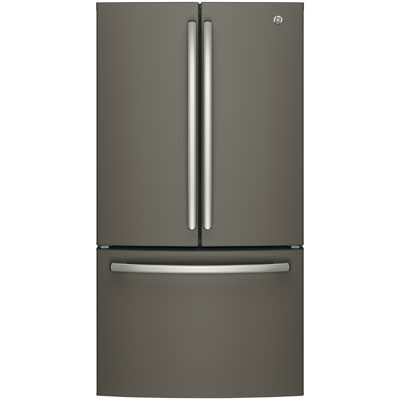
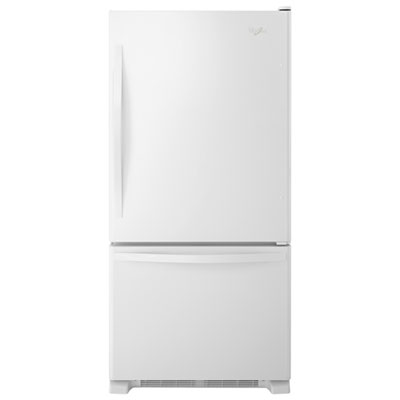
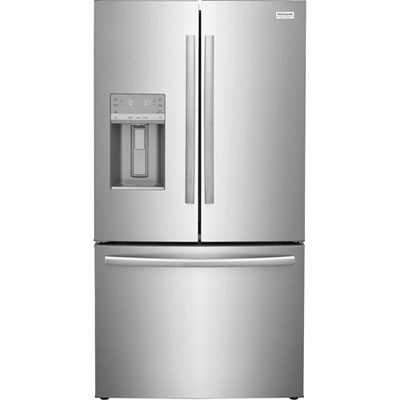
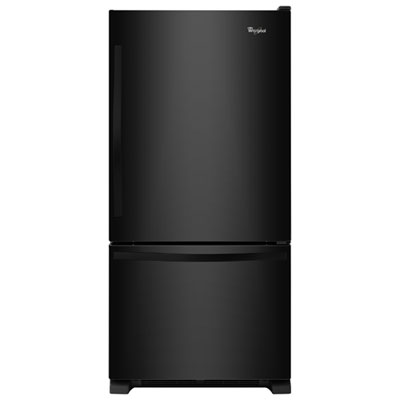
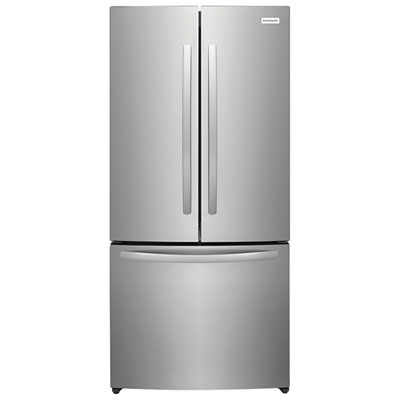
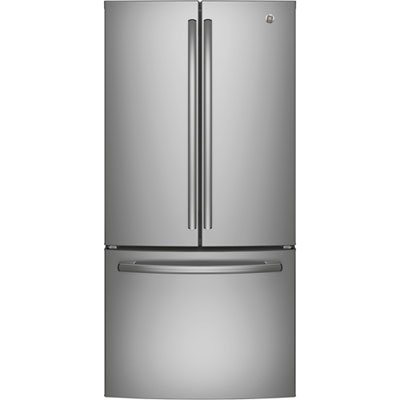
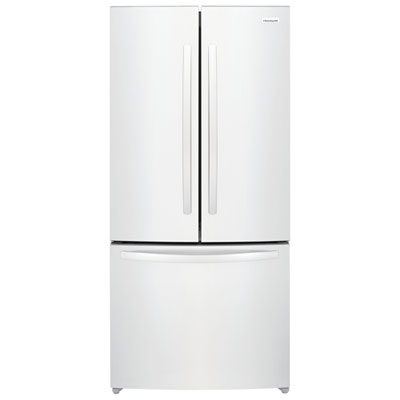
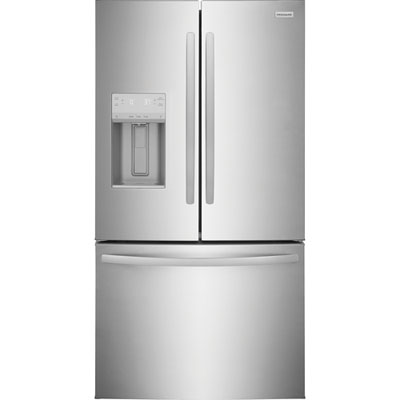
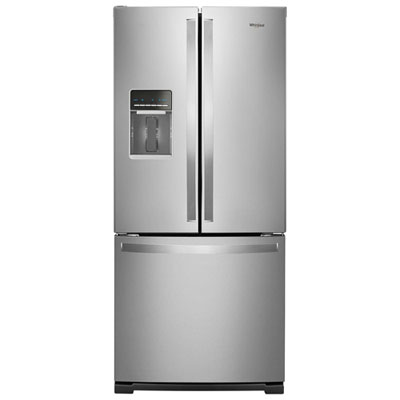
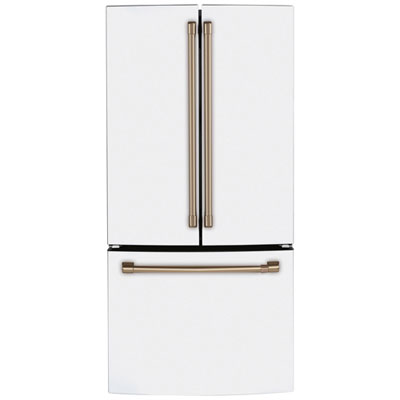
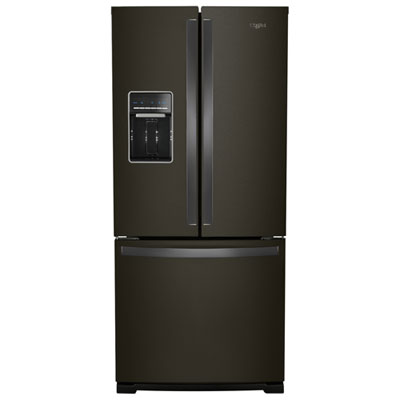
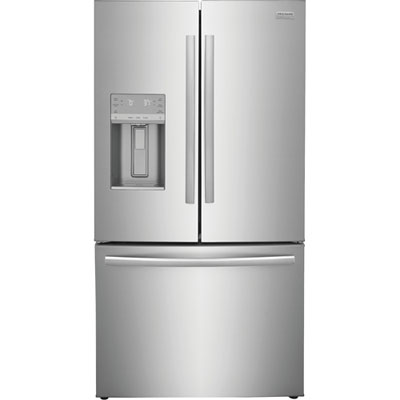
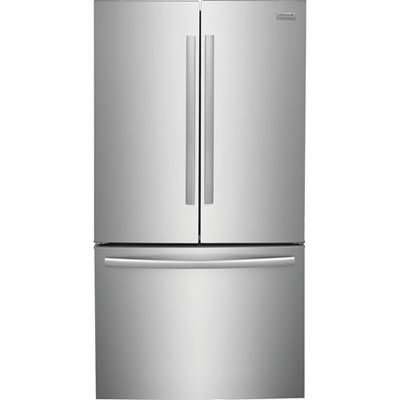
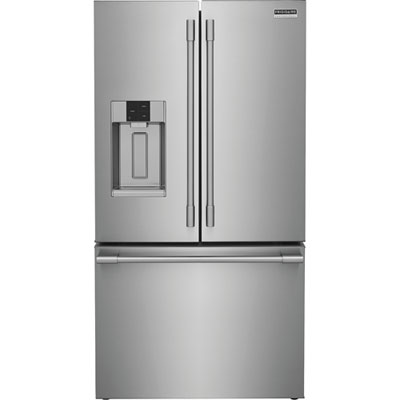
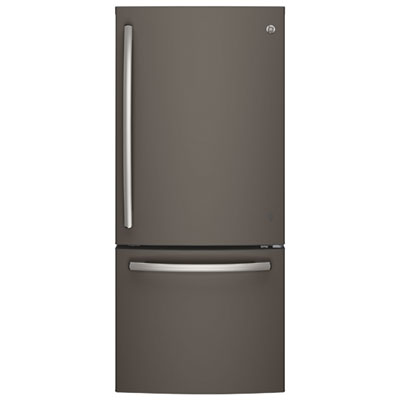
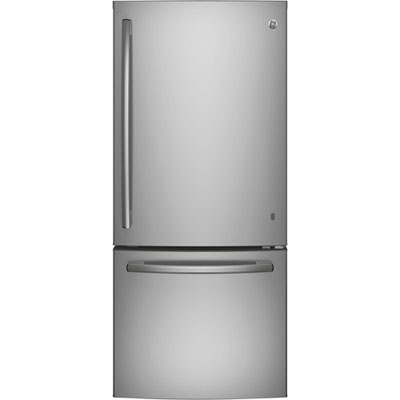
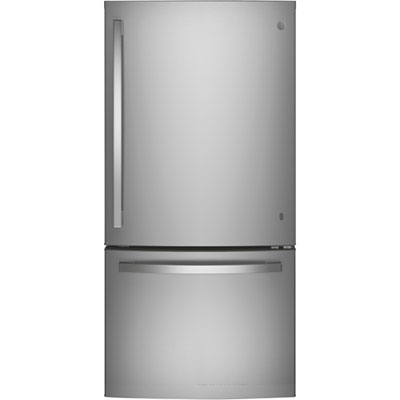
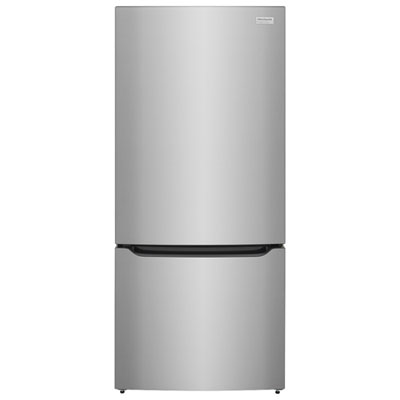
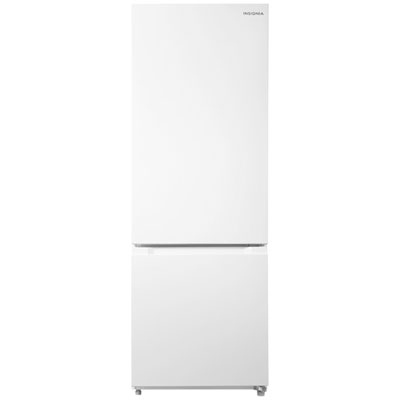
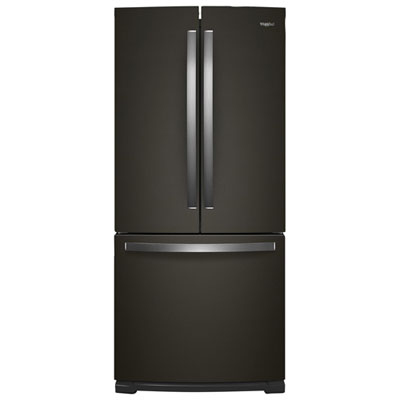
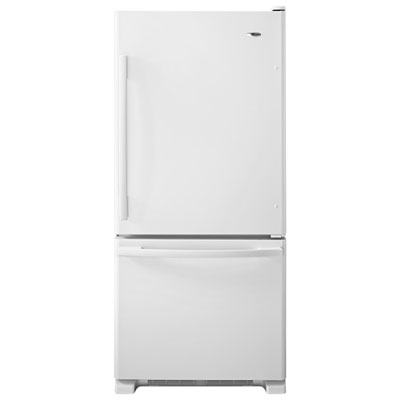
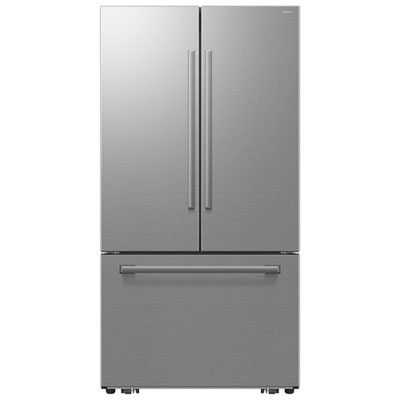
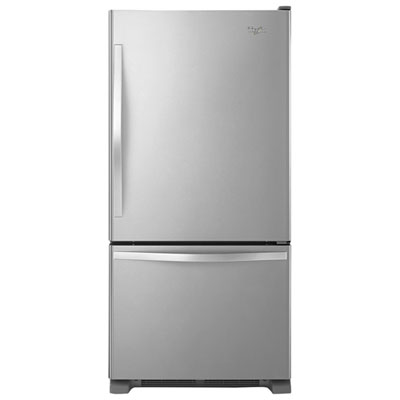
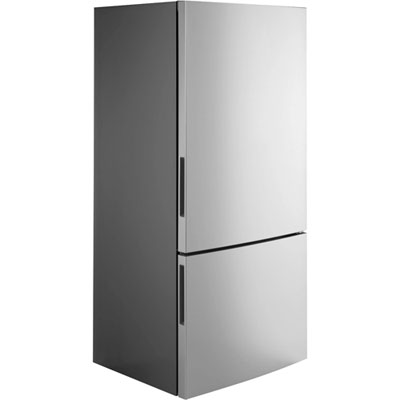
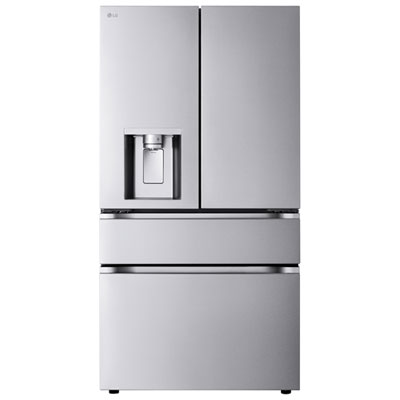
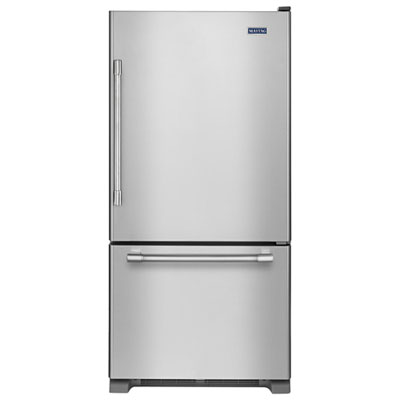
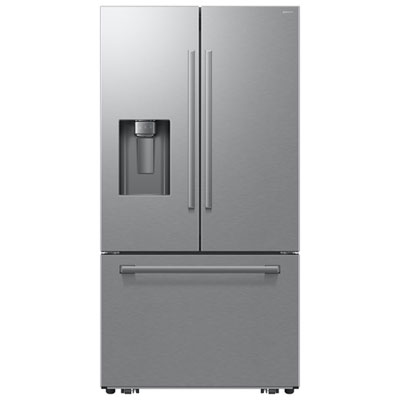
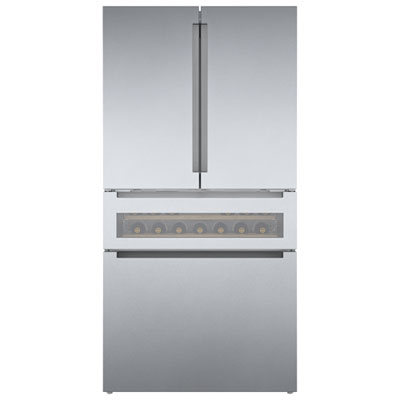
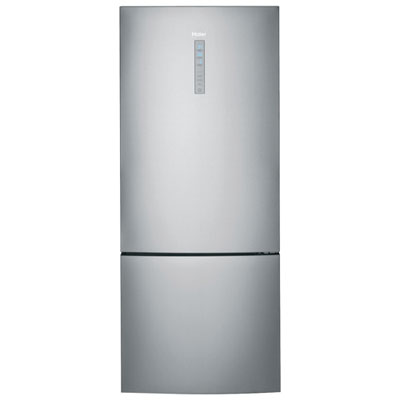
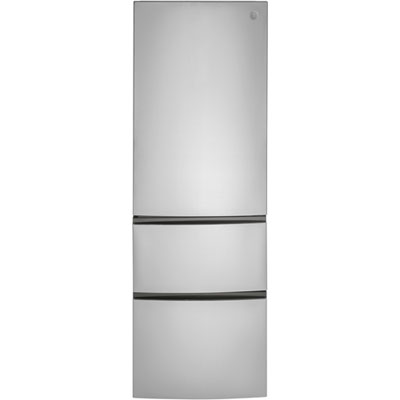
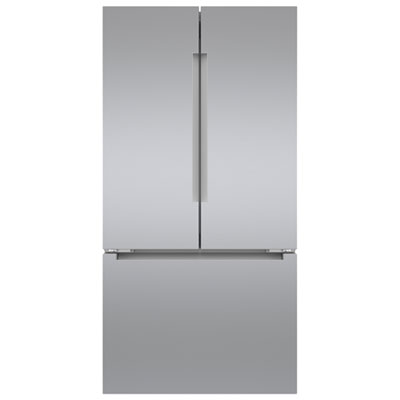
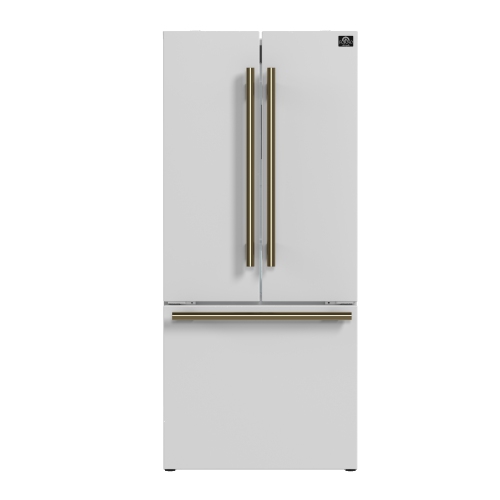
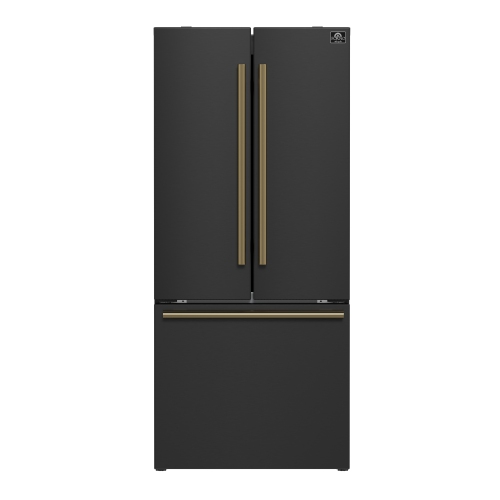
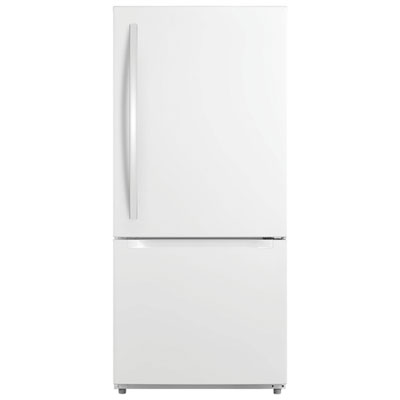
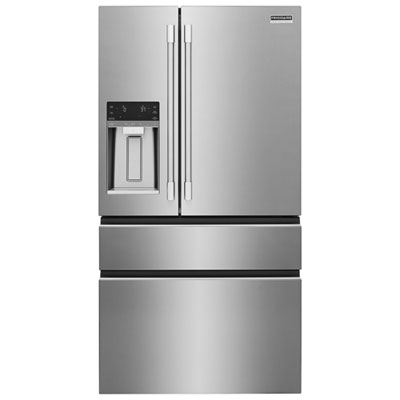
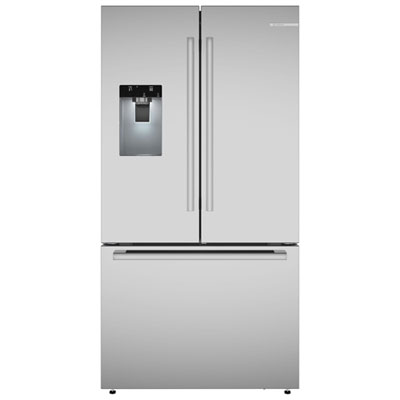
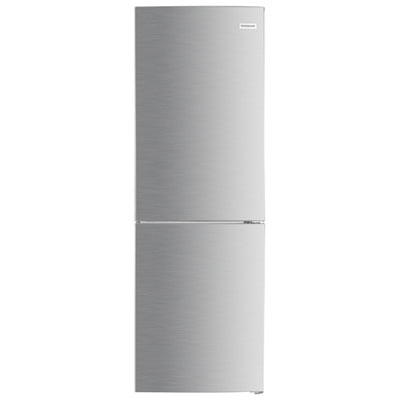
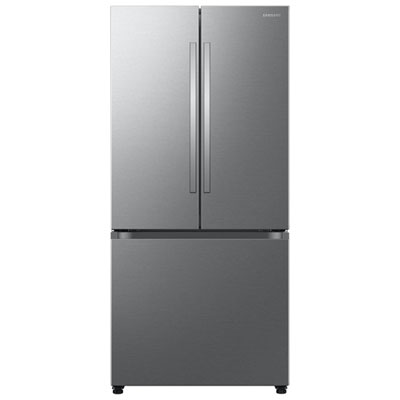
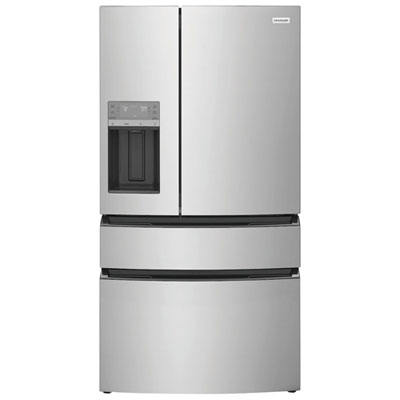
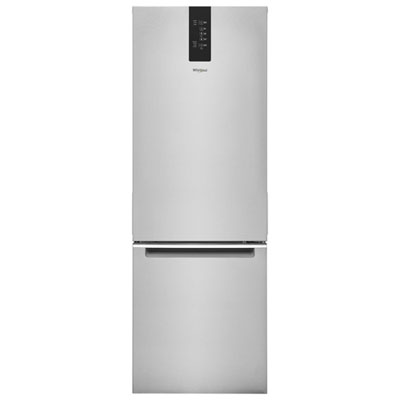
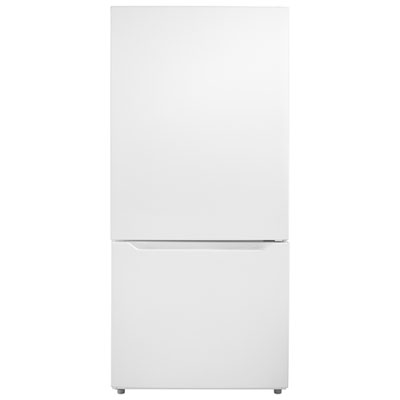
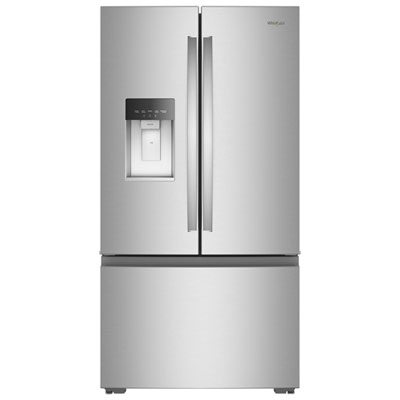
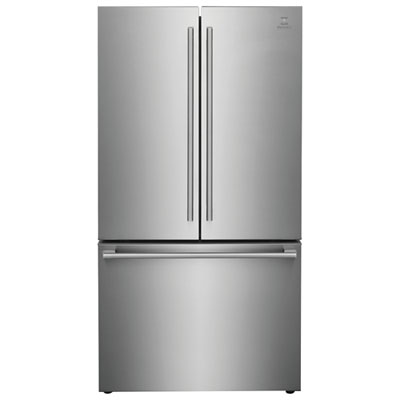
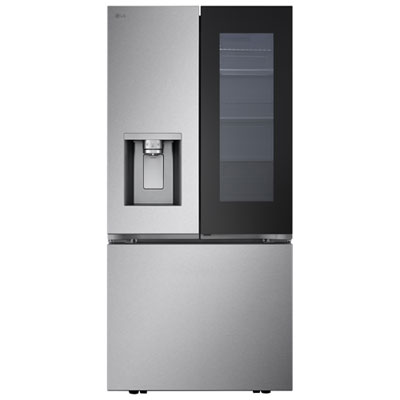
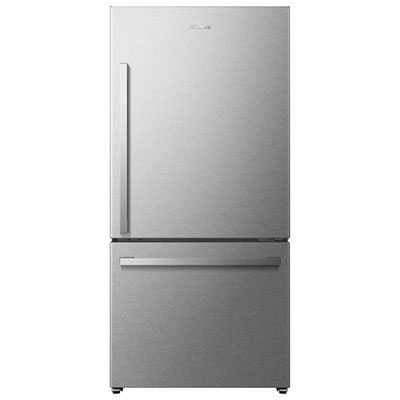
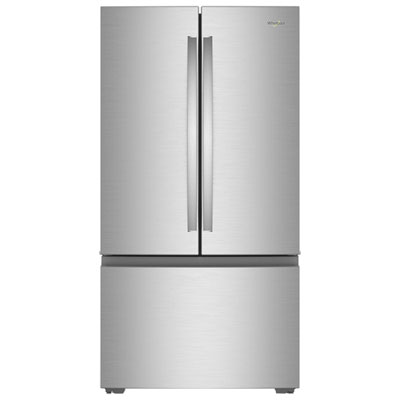
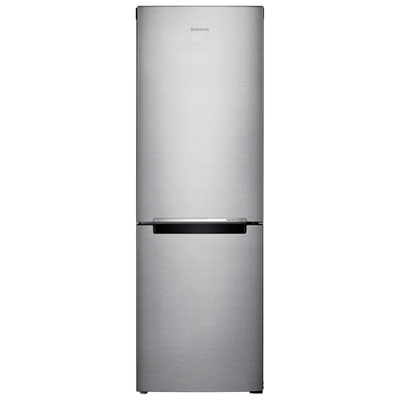
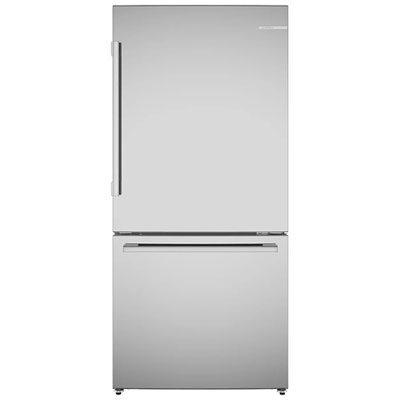
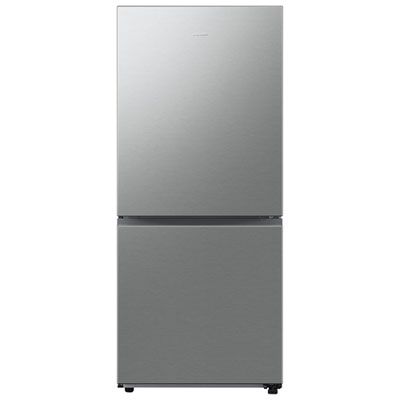
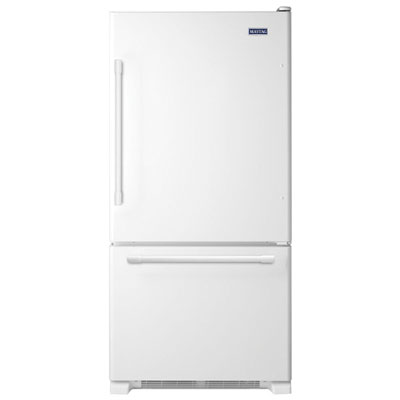
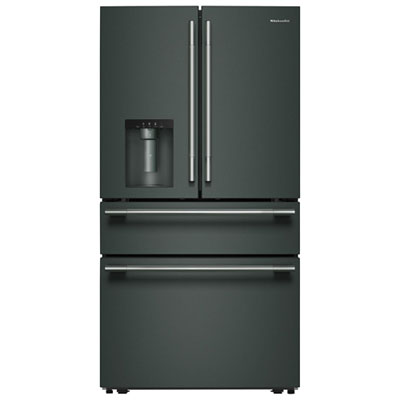
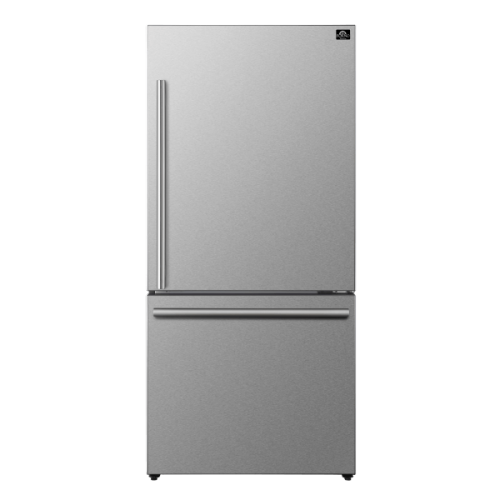
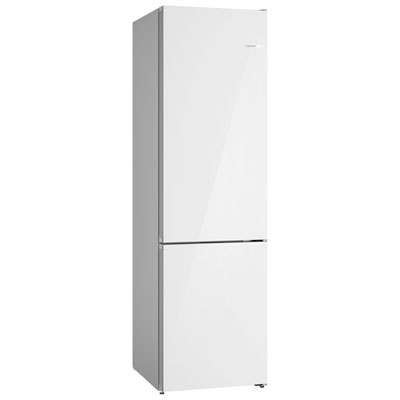
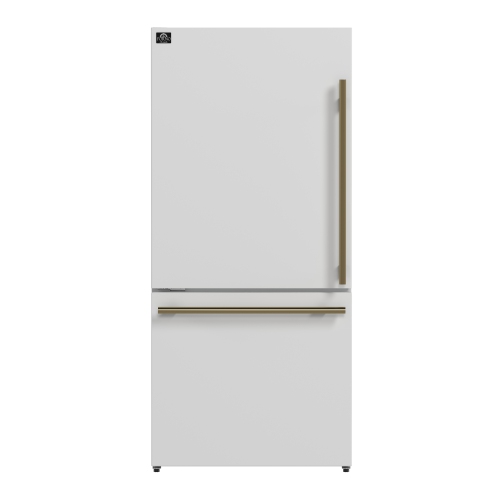
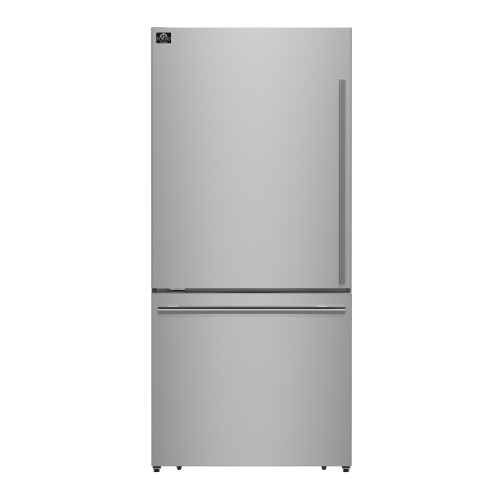
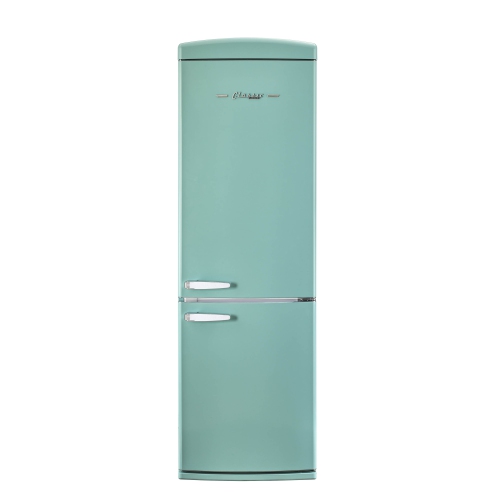
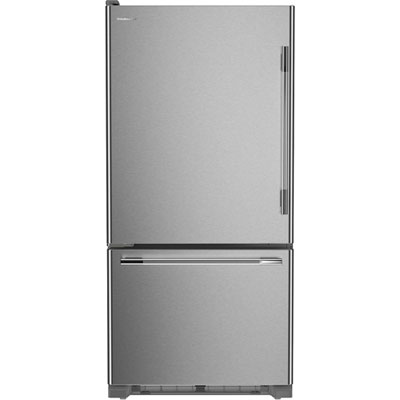
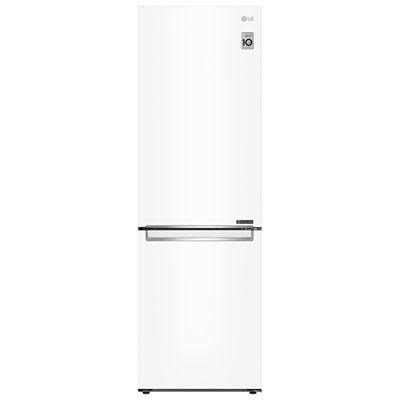
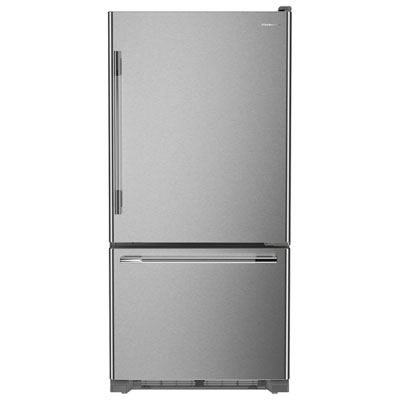
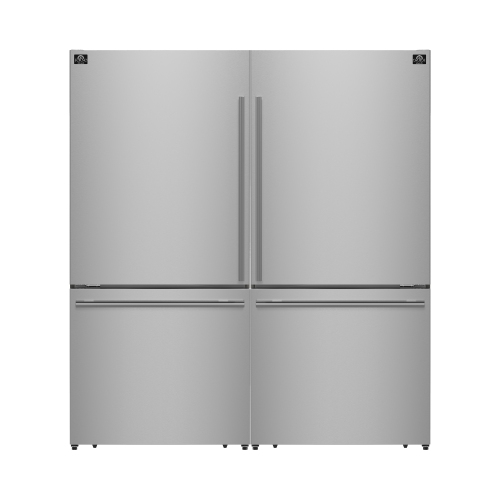
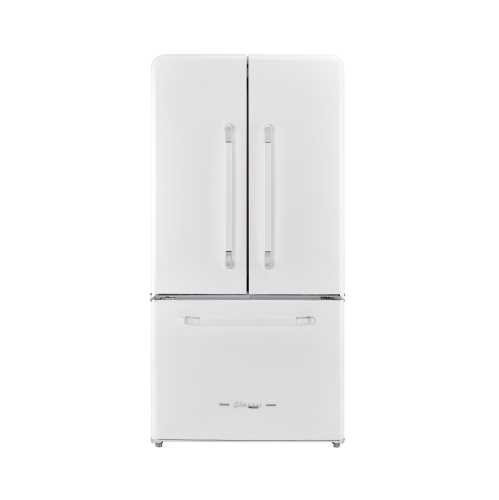
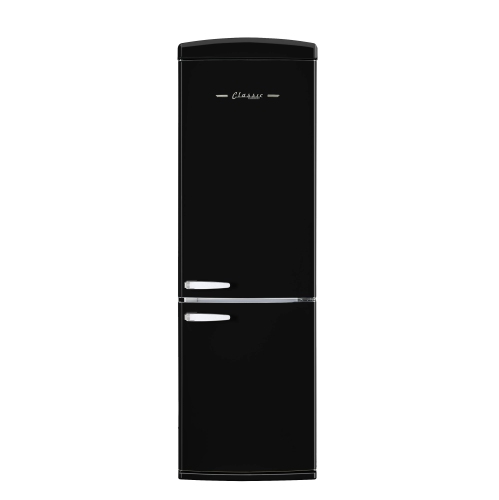
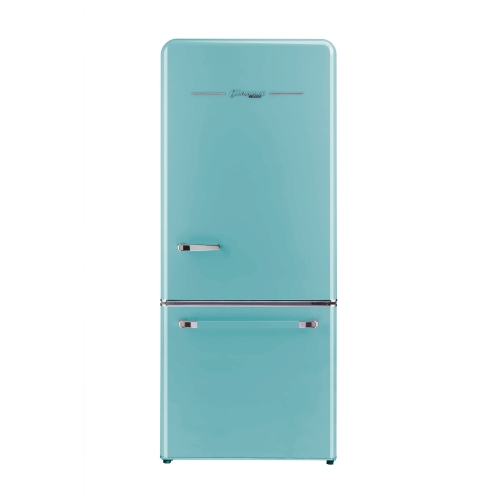
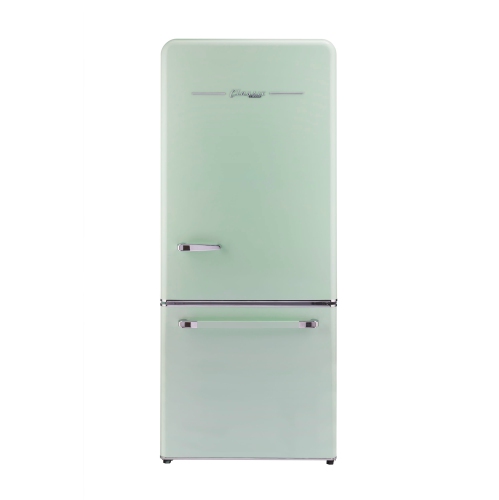
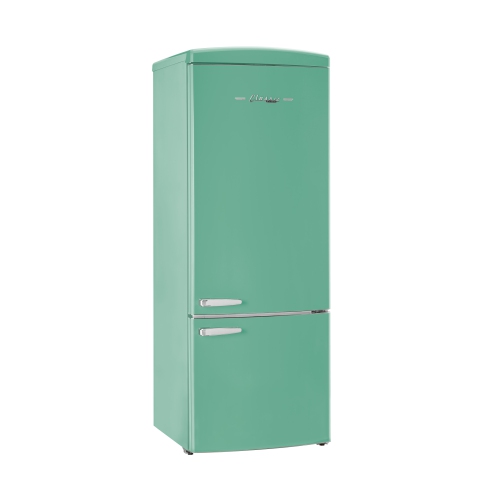
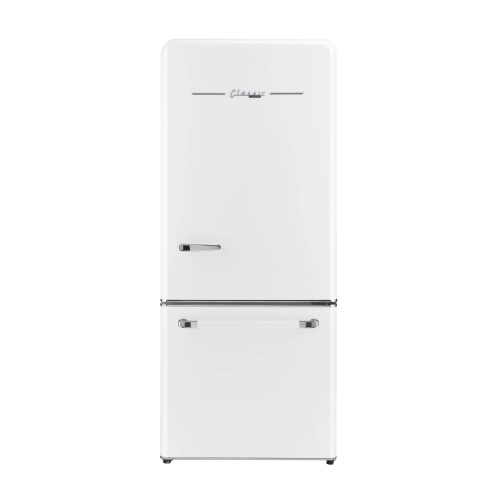
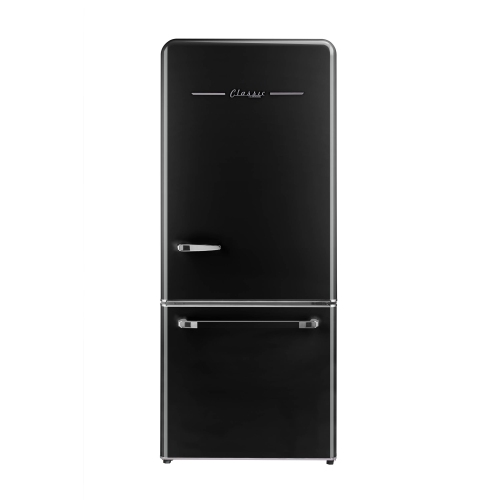
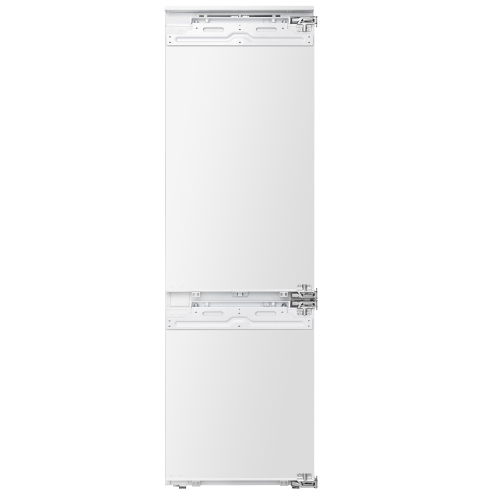
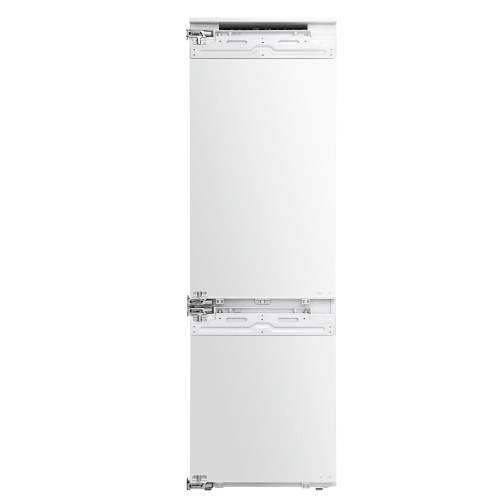
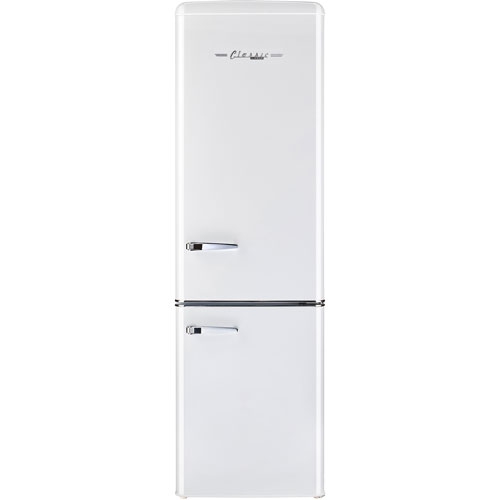
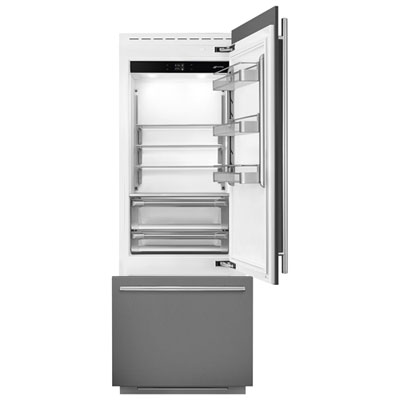
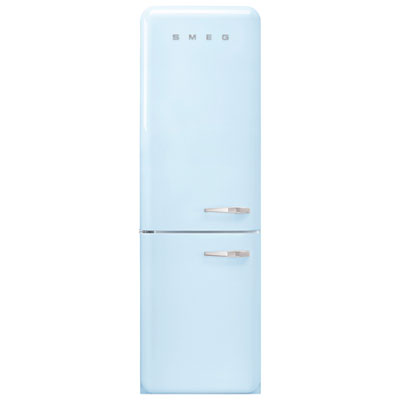
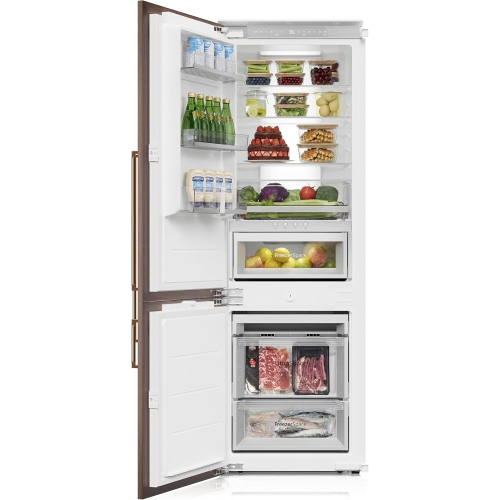
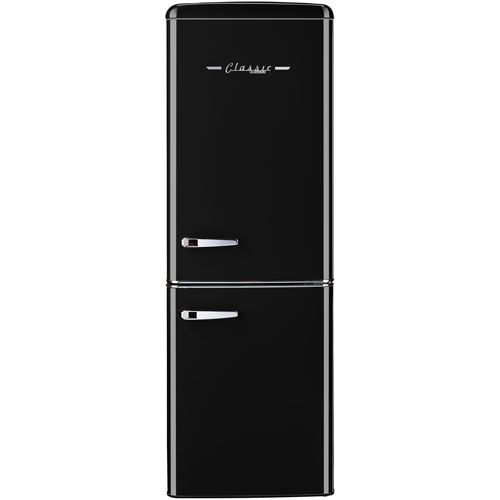
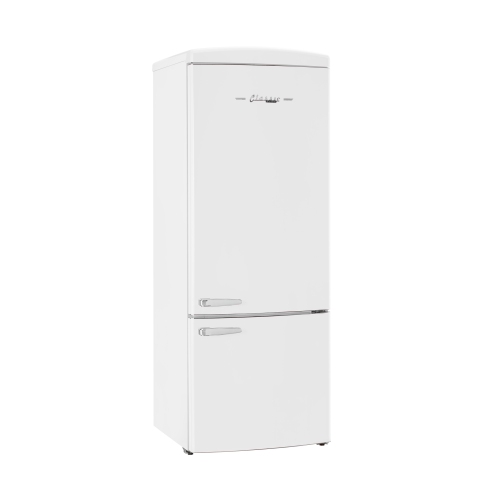
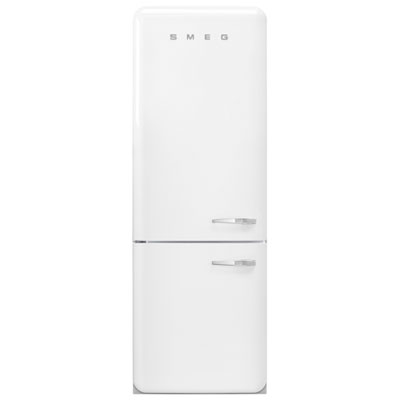
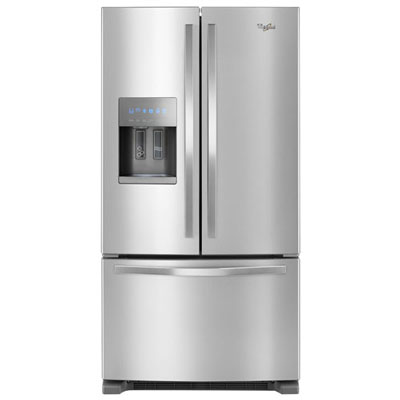
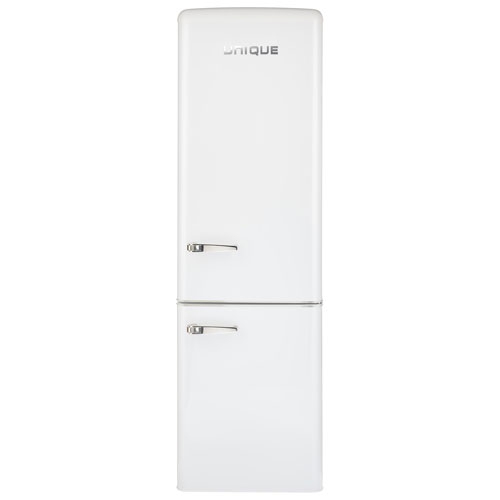
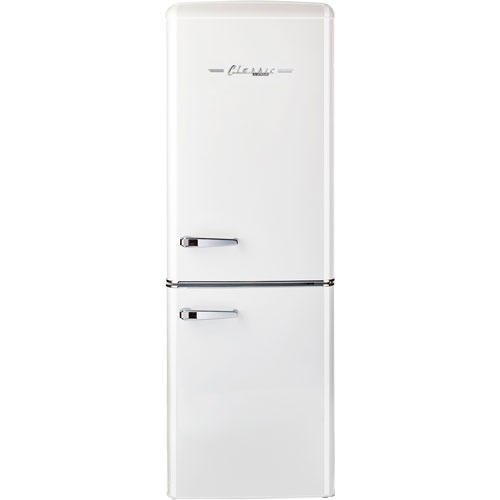
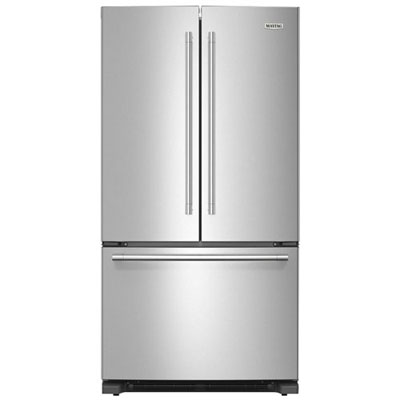
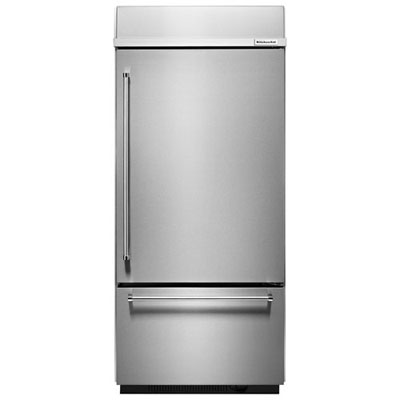
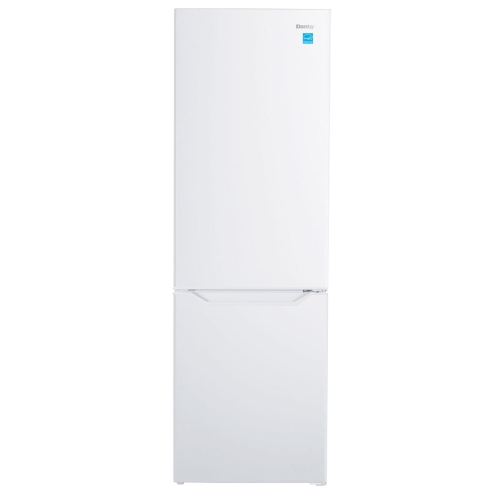
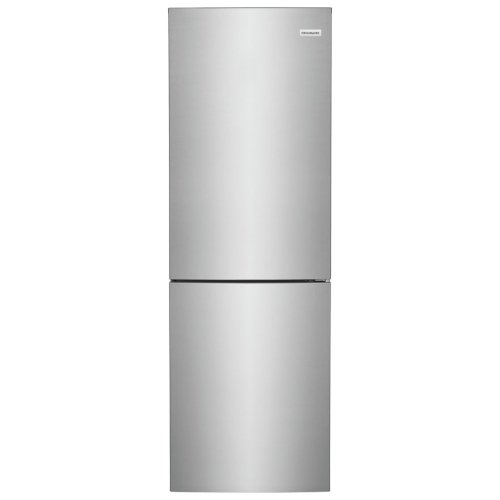
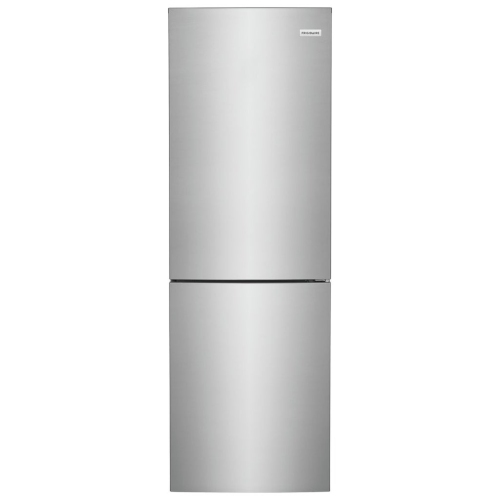
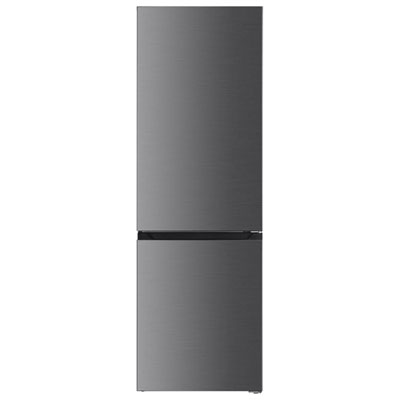
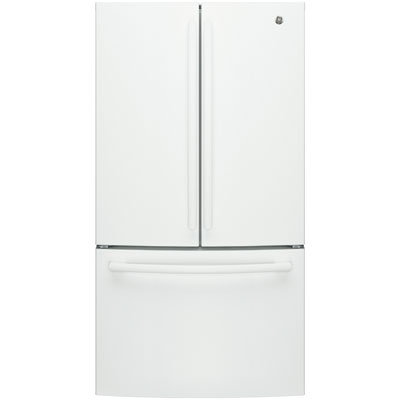
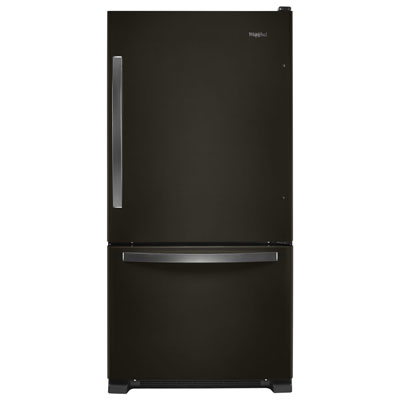
Bottom freezer fridges place the fresh food compartment above the freezer, bringing frequently used groceries closer to eye level while keeping frozen food in a lower compartment. This arrangement suits households that reach for milk, vegetables, leftovers, and lunch ingredients more often than frozen meals. Instead of bending down to find a container at the back of a low shelf, fresh food is easier to see when the door opens. The freezer usually has a pull-out drawer, although some designs use a hinged door, and its baskets or dividers help separate foods that would otherwise pile together. Layouts range from a single refrigerator door above the freezer to Bottom Freezer French Door Refrigerators, which divide access to the upper compartment between two doors. A single-door layout provides a familiar opening and can suit narrower appliance spaces, while French doors require less clearance in front of each open door. Both arrangements can offer broad refrigerator shelves, depending on the interior design. For a household that prepares meals ahead, shelf width may matter as much as total capacity: a large casserole dish, a mixing bowl with a lid, or a tray of prepared lunches needs usable space rather than an impressive capacity figure alone. Smaller households may prefer a more compact interior that keeps groceries visible, while larger households often benefit from additional shelf area, roomy crispers, and separate freezer baskets. The lower freezer also changes the way everyday storage feels. Frequently used frozen foods can sit in an upper basket where provided, with bulkier packages beneath, but reaching the deepest section generally involves bending. That trade-off is worth considering for anyone with limited mobility or anyone who uses frozen ingredients throughout the day. The appeal of a bottom freezer refrigerator is its emphasis on easy access to fresh food, with the lower section providing a separate place for longer-term storage.
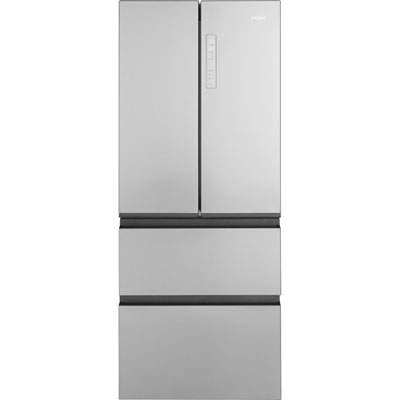
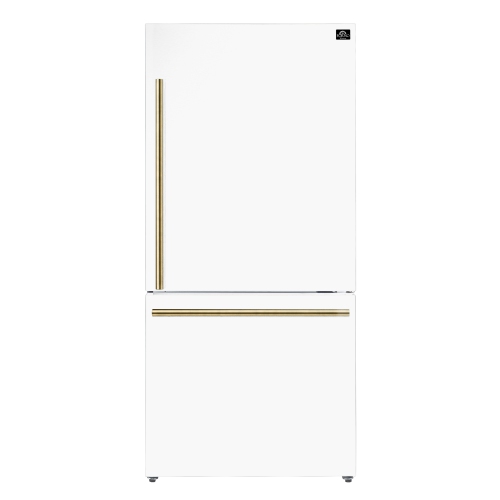
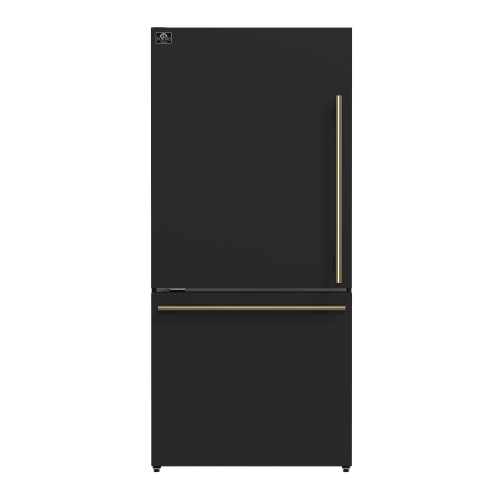
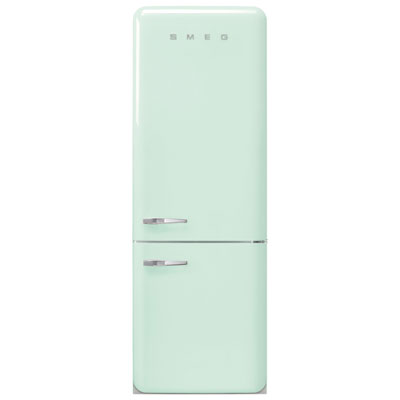
Fit includes more than the width of the opening between kitchen cabinets. A bottom freezer fridge needs sufficient height, depth, and ventilation clearance, along with room for its doors and freezer drawer to open fully. Manufacturer dimensions distinguish the cabinet from projecting doors, hinges, and handles, so the overall depth can be greater than the measurement that first catches the eye. Standard-depth designs generally extend farther beyond surrounding cabinetry and can provide more interior room. Counter-depth designs have a shallower cabinet for a more integrated appearance, but their doors and handles may still project beyond the counter edge; counter-depth does not automatically mean completely flush. A nearby wall, island, or cabinet handle can also affect access. There needs to be enough clearance to pull out crisper drawers, remove shelves for cleaning, and reach the freezer without squeezing into a narrow aisle. For single-door designs, a reversible hinge, when offered, can help the opening direction work with the kitchen layout. The delivery route matters too, including entrance widths, stair turns, and any tight passage between the front door and the kitchen. Once installed, a level position supports proper door alignment and drawer movement, while the required ventilation space allows the appliance to operate as intended. Exterior materials and finishes influence both appearance and everyday upkeep. Stainless steel, coated metal, and different colour finishes can coordinate with nearby appliances or create a deliberate contrast with cabinetry. Fingerprint-resistant finishes may reduce visible marks, but they still need cleaning with products suited to the surface. Inside, tempered-glass shelves provide a firm base for containers, while plastic bins and drawer assemblies keep smaller groceries grouped together. Removable components make spills easier to reach, and well-supported shelves and smoothly moving drawer runners are useful details for a fridge that gets opened repeatedly. A finish that suits the kitchen, accessible handles, and an interior that can be cleaned without awkward disassembly all contribute to long-term practicality.

Storage details determine how well a bottom freezer fridge handles an ordinary grocery trip. Adjustable shelves can make space for a tall pitcher or a large pot, while split or folding shelves, where included, allow taller containers to stand without giving up an entire shelf. Door bins are useful for condiments, jars, and bottles, although their dimensions and weight limits vary. Humidity-controlled crispers offer separate settings for different produce storage needs; leafy vegetables generally benefit from higher humidity, while many fruits do better with lower humidity. A dedicated deli drawer can keep cheese and packaged snacks together, and clear bins help make their contents visible before another grocery list is started. In the freezer, separate baskets make it easier to keep bread away from heavier packages and find smaller portions without unloading the whole drawer. Accessible storage is especially helpful for families packing lunches, couples cooking several meals at once, and households that freeze leftovers in labelled containers. Features such as door-open alarms, interior lighting, and separate temperature controls can support these routines, though the controls and functions differ by design. An ice maker adds convenience where included, but it also requires suitable installation and takes up some storage space. For safe food storage, the refrigerator should be kept at 4°C or below and the freezer at -18°C or below, with air vents left unobstructed so cold air can circulate. Frost-free operation reduces the need for manual defrosting, but it does not replace regular cleaning. Spills are easier to manage before they dry beneath a drawer, and removable shelves should be allowed to warm before contact with hot water to reduce the risk of thermal shock. Gentle cleaning helps protect interior surfaces and door seals, while maintenance of accessible condenser components should follow the manufacturer’s directions. Keeping seals free of crumbs and checking that packages do not prevent a full closure helps the doors close properly. Together, suitable capacity, accessible storage, sturdy interior fittings, and straightforward care make bottom freezer fridges a practical choice for kitchens centred on everyday fresh food.
Read More

FAQ

Some products may be subject to Environmental Handling Fees (EHF) depending on your province. Learn more about EHFs.