Whirlpool Refrigerator Counter Depth
Counter-depth refrigerators are designed to fit in smaller spaces, such as a kitchen corner or a small apartment's kitchen alcove. These refrigerators are ideal for small kitchens and apartments as they take up less space. If you are looking for a new counter-depth refrigerator, you're in the right place. Here are some great options made by Whirlpool.
Sort
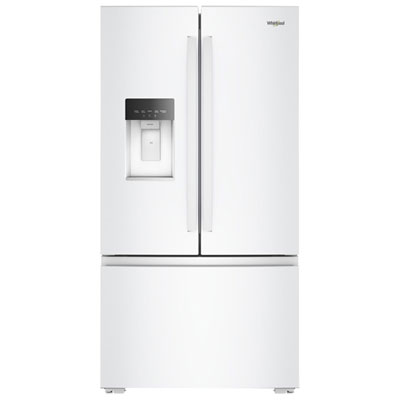
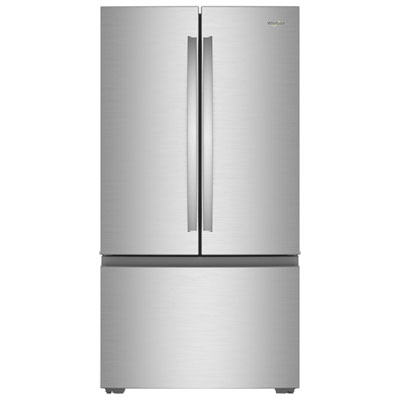
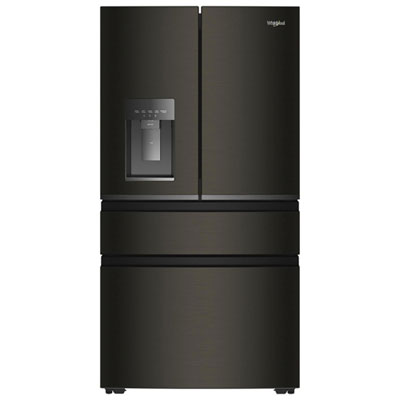
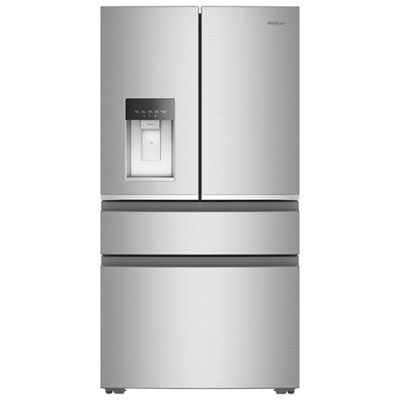
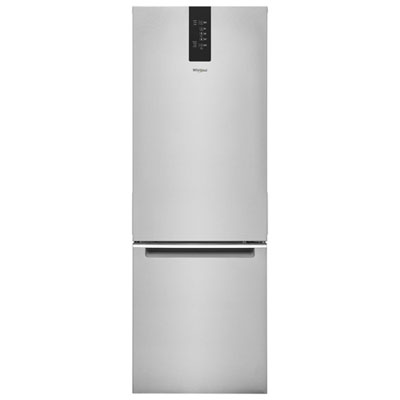
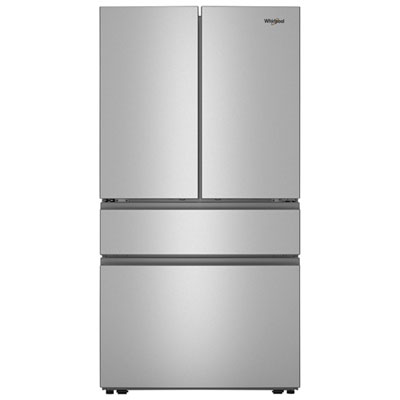
Kitchen fit depends on depth, clearance, and interior capacity
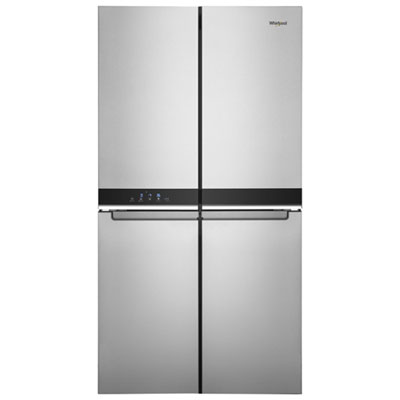
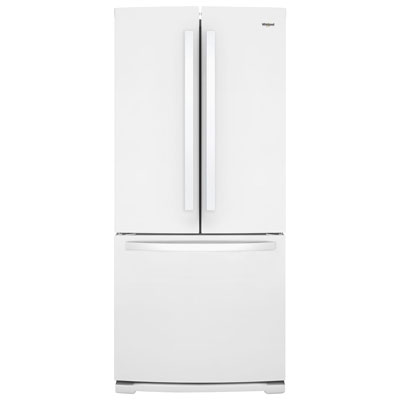
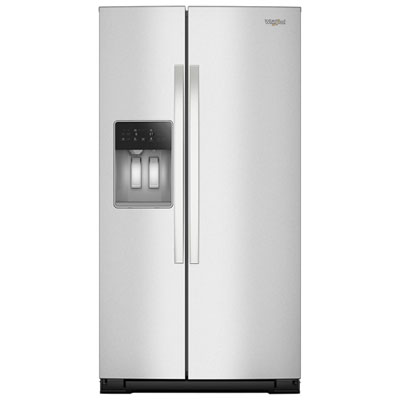
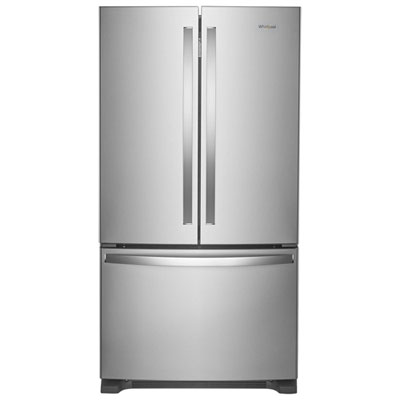
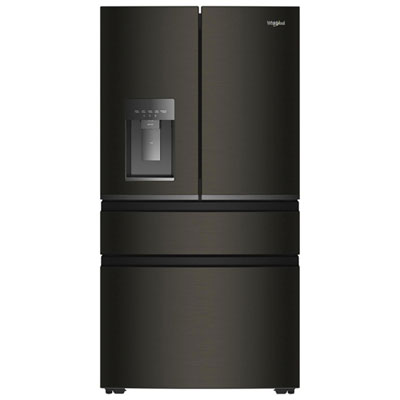
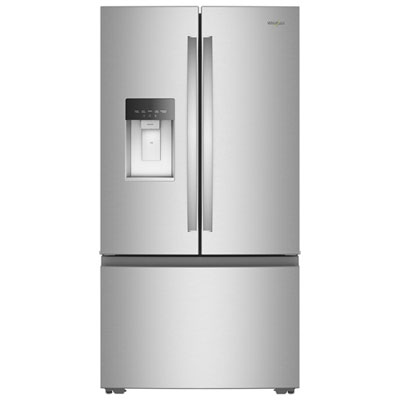
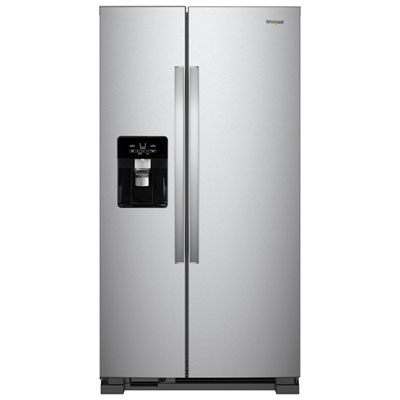
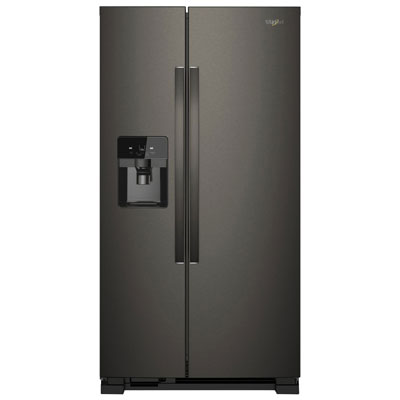
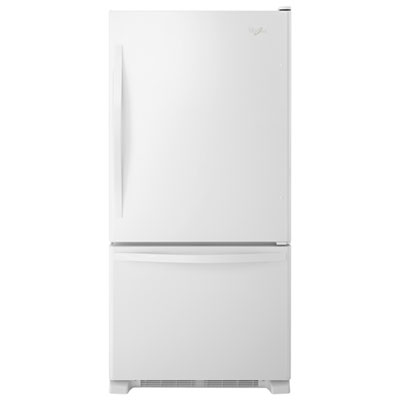
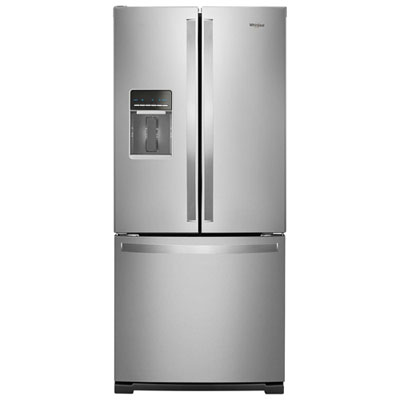
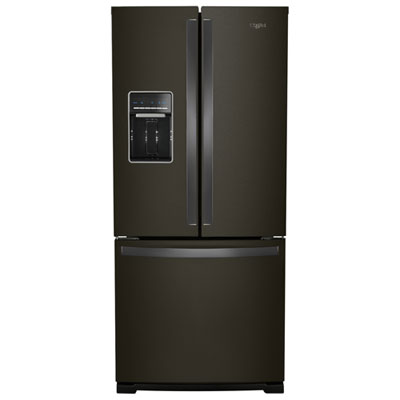
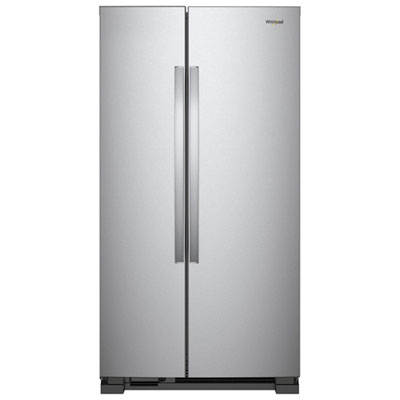
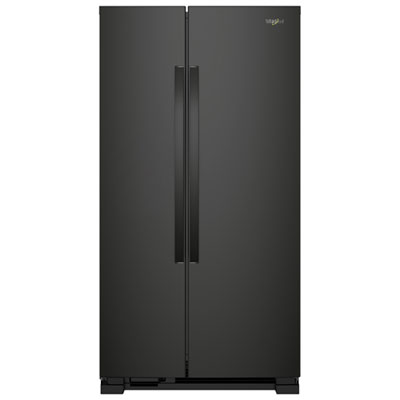
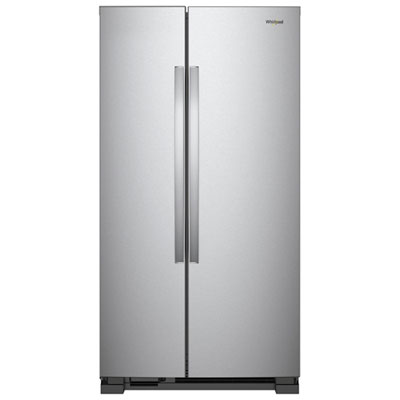
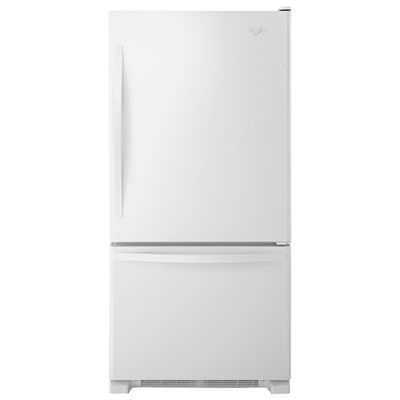
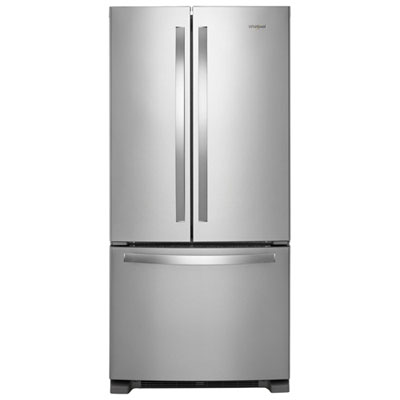
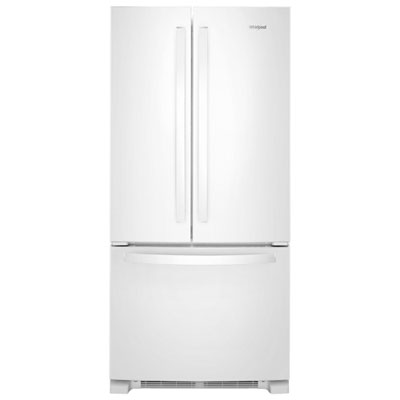
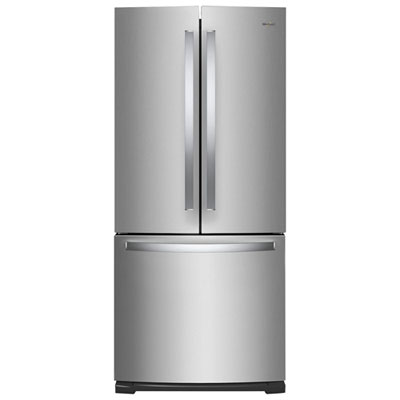
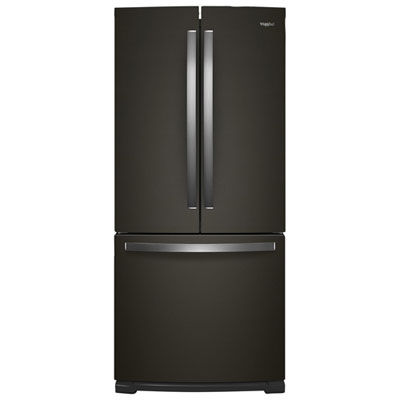
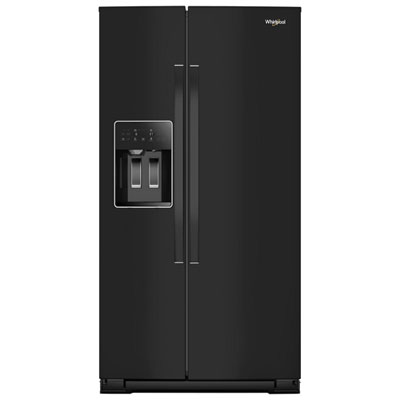
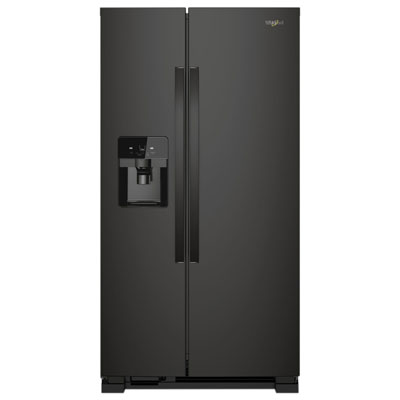
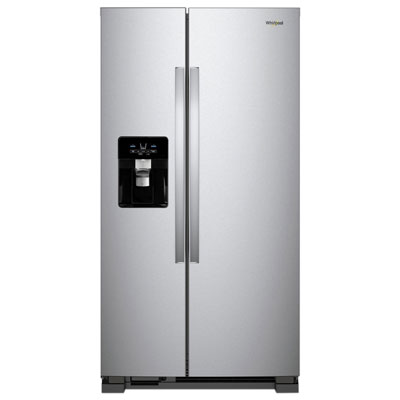
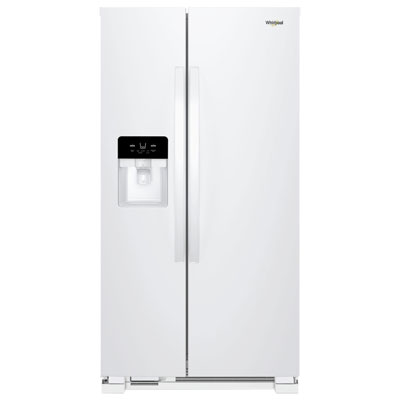
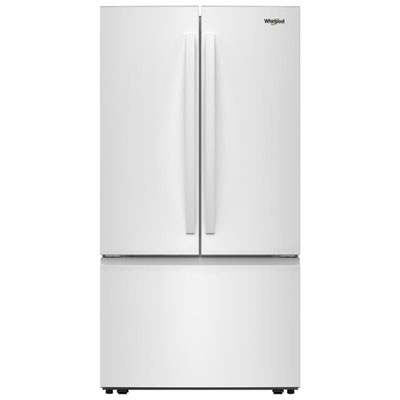
Counter-depth refrigerators are designed to create a more integrated look in the kitchen while keeping everyday food within easy reach. Compared with standard-depth models, the cabinet body generally sits closer to the edge of surrounding counters, reducing the amount of refrigerator that extends into a walkway. For shoppers comparing Whirlpool refrigerator counter depth options, the cabinet depth is often about 24 to 25 inches, while the overall depth with doors and handles closed may be closer to 28 or 29 inches. That distinction matters when measuring an existing kitchen opening, especially in a compact kitchen, an open-concept space, or a layout where the refrigerator sits beside an island. A typical width is around 36 inches, and heights commonly fall between 68 and 70 inches, although the exact measurements vary by configuration. Measure the available cutout from the floor to the underside of the cabinets, from wall to wall, and from the back wall to the front edge of the counter. It is also important to leave clearance for the doors to open fully, drawers to extend, and ventilation to function as intended. Check the path into the home as well, including doorways, stairwells, hallways, and turns, since a refrigerator that fits the kitchen may still be difficult to bring inside. The Whirlpool Refrigerators collection can help shoppers compare available sizes, configurations, features, and prices in one place. Counter-depth refrigerators commonly provide about 19 to 24 cubic feet of storage, making them suitable for many households while preserving a streamlined profile. Capacity is best considered alongside the way food is purchased and stored. A couple who shops frequently may prefer a slightly smaller interior with easy access to fresh ingredients, while a larger family may value wide shelves, generous crisper drawers, and flexible storage for prepared meals, drinks, and larger containers. Remember that counter-depth describes the front-to-back profile, not the amount of usable storage, so compare the interior layout as carefully as the exterior dimensions.
Door style has a noticeable effect on how a counter-depth refrigerator feels during daily use. French-door designs place fresh-food storage at eye level and typically use two narrower doors, which can be convenient when the refrigerator is beside a wall or in a tight walkway. The lower freezer section keeps frozen food together in pull-out compartments, making it easier to organize bags, boxes, and bulkier items than a small top freezer may allow. Four-door configurations divide storage into additional compartments, which can be useful for households that like to separate frequently used foods, snacks, beverages, or specialty ingredients. Side-by-side designs arrange the refrigerator and freezer vertically, offering a clear view of items from top to bottom and often requiring less door-swing space. This layout can suit kitchens with limited clearance in front of the appliance, although the narrower shelves may be less convenient for wide platters or oversized containers. When comparing features, consider adjustable shelves, full-width or split shelving, door bins, humidity-controlled crisper drawers, freezer baskets, interior lighting, and temperature controls. A well-planned interior can make a real difference on a busy evening when ingredients need to be found quickly, or during the cooler months when a refrigerator may be filled with leftovers, baking supplies, and ingredients for shared meals. Capacity and organization also matter for entertainers who keep chilled drinks ready, parents storing lunch ingredients, and home cooks who prefer to prepare several meals at once. Some households use a counter-depth refrigerator as the visual centre of a kitchen renovation, while others choose one to replace an older appliance without changing the surrounding cabinetry. For a gift, a refrigerator is usually a practical choice for someone moving into a first home, updating a condo kitchen, or completing a larger appliance refresh, provided the recipient’s space, electrical setup, door swing, and installation requirements have been confirmed in advance. Delivery, installation, water connections, old-appliance removal, and warranty coverage may be available or may require separate arrangements, so review the details before placing an order.
Price is another important part of comparing counter-depth refrigerators. In Canada, models in this category may range from approximately $1,600 to $3,300, depending on capacity, configuration, finish, cooling technology, storage features, and included functions. A lower-priced option may focus on straightforward organization and dependable cold storage, while a higher-priced option may offer more compartments, advanced temperature management, upgraded controls, or a more elaborate four-door layout. The most suitable choice is not necessarily the largest or most feature-rich refrigerator; it is the one that fits the kitchen accurately and supports the household’s routines. Before buying, confirm the product’s stated width, height, cabinet depth, total depth, hinge and handle clearance, and required installation space. Pay attention to whether the listed depth includes handles and whether the doors can open far enough to remove shelves or drawers for cleaning. Check the location of the water line if an ice maker or water dispenser is important, and make sure the electrical outlet is accessible without interfering with the refrigerator’s position. A counter-depth appliance may look especially polished when its front aligns closely with the surrounding counters, but a few extra millimetres can affect whether doors open properly or drawers clear nearby cabinetry. Think through the food zones that matter most in your home: fresh produce for weekday meals, tall bottles and cartons, freezer meals for quick dinners, party trays, or large containers of leftovers. Families may appreciate broad refrigerator shelves and easily sorted freezer drawers, while smaller households may prefer a layout that prevents food from being hidden at the back. Cleaning and maintenance are also worth considering, including removable bins, smooth shelves, accessible seals, and finishes that suit the amount of daily handling the appliance will receive. With accurate measurements and a clear idea of preferred storage habits, shoppers can narrow the selection to a counter-depth refrigerator that looks at home in the kitchen, keeps frequently used foods organized, and provides practical capacity for everyday life.
Door style has a noticeable effect on how a counter-depth refrigerator feels during daily use. French-door designs place fresh-food storage at eye level and typically use two narrower doors, which can be convenient when the refrigerator is beside a wall or in a tight walkway. The lower freezer section keeps frozen food together in pull-out compartments, making it easier to organize bags, boxes, and bulkier items than a small top freezer may allow. Four-door configurations divide storage into additional compartments, which can be useful for households that like to separate frequently used foods, snacks, beverages, or specialty ingredients. Side-by-side designs arrange the refrigerator and freezer vertically, offering a clear view of items from top to bottom and often requiring less door-swing space. This layout can suit kitchens with limited clearance in front of the appliance, although the narrower shelves may be less convenient for wide platters or oversized containers. When comparing features, consider adjustable shelves, full-width or split shelving, door bins, humidity-controlled crisper drawers, freezer baskets, interior lighting, and temperature controls. A well-planned interior can make a real difference on a busy evening when ingredients need to be found quickly, or during the cooler months when a refrigerator may be filled with leftovers, baking supplies, and ingredients for shared meals. Capacity and organization also matter for entertainers who keep chilled drinks ready, parents storing lunch ingredients, and home cooks who prefer to prepare several meals at once. Some households use a counter-depth refrigerator as the visual centre of a kitchen renovation, while others choose one to replace an older appliance without changing the surrounding cabinetry. For a gift, a refrigerator is usually a practical choice for someone moving into a first home, updating a condo kitchen, or completing a larger appliance refresh, provided the recipient’s space, electrical setup, door swing, and installation requirements have been confirmed in advance. Delivery, installation, water connections, old-appliance removal, and warranty coverage may be available or may require separate arrangements, so review the details before placing an order.
Price is another important part of comparing counter-depth refrigerators. In Canada, models in this category may range from approximately $1,600 to $3,300, depending on capacity, configuration, finish, cooling technology, storage features, and included functions. A lower-priced option may focus on straightforward organization and dependable cold storage, while a higher-priced option may offer more compartments, advanced temperature management, upgraded controls, or a more elaborate four-door layout. The most suitable choice is not necessarily the largest or most feature-rich refrigerator; it is the one that fits the kitchen accurately and supports the household’s routines. Before buying, confirm the product’s stated width, height, cabinet depth, total depth, hinge and handle clearance, and required installation space. Pay attention to whether the listed depth includes handles and whether the doors can open far enough to remove shelves or drawers for cleaning. Check the location of the water line if an ice maker or water dispenser is important, and make sure the electrical outlet is accessible without interfering with the refrigerator’s position. A counter-depth appliance may look especially polished when its front aligns closely with the surrounding counters, but a few extra millimetres can affect whether doors open properly or drawers clear nearby cabinetry. Think through the food zones that matter most in your home: fresh produce for weekday meals, tall bottles and cartons, freezer meals for quick dinners, party trays, or large containers of leftovers. Families may appreciate broad refrigerator shelves and easily sorted freezer drawers, while smaller households may prefer a layout that prevents food from being hidden at the back. Cleaning and maintenance are also worth considering, including removable bins, smooth shelves, accessible seals, and finishes that suit the amount of daily handling the appliance will receive. With accurate measurements and a clear idea of preferred storage habits, shoppers can narrow the selection to a counter-depth refrigerator that looks at home in the kitchen, keeps frequently used foods organized, and provides practical capacity for everyday life.
Top selling and popular products
-
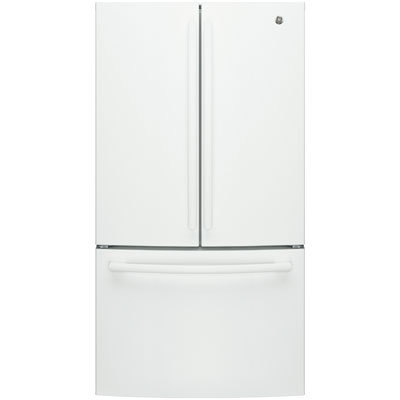 Your price for this item is $3299.99
 -
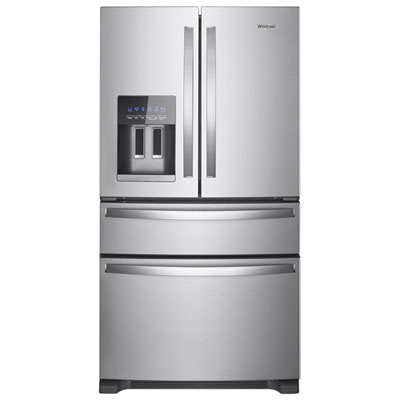 Your price for this item is $2999.99
 -
 Your price for this item is $2899.99
 -
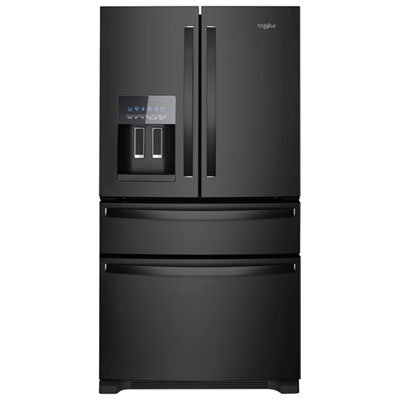 Your price for this item is $2949.99
 -
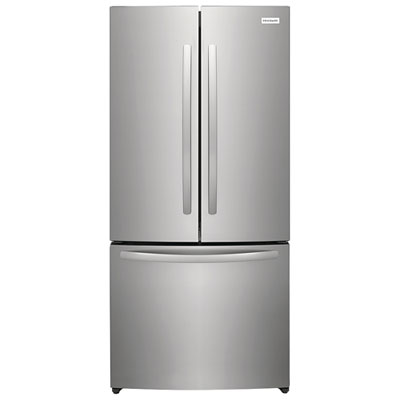 Your price for this item is $1599.99
 -
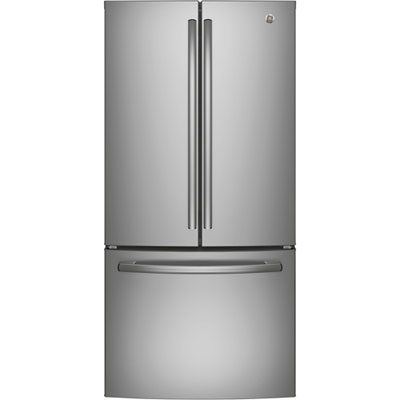 Your price for this item is $2399.99
 -
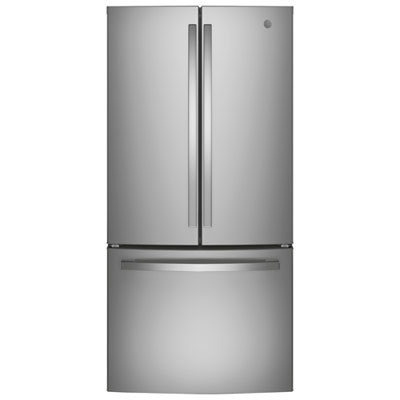 Your price for this item is $2499.99
 -
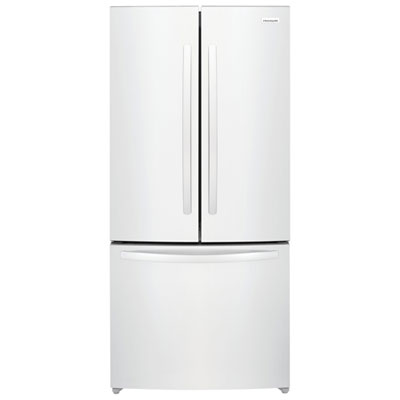 Your price for this item is $1949.99
Discover more categories related to Whirlpool Refrigerator Counter Depth
Top Collections:
Pokemon Centers, Kindle Devices, Best Budget Office Chairs, Apple iPhones 16, Best Laptops for Writers, iPhone 15 Apple, Canon G7X Cameras, Refurbished Apple Laptops, Alarm Clock, Motorola Razr Phones
Some products may be subject to Environmental Handling Fees
(EHF) depending on your province.
Learn more about EHFs.