White Counter Depth Refrigerators
Counter-depth refrigerators are a great option for those who don't have a lot of space in their kitchen. These white counter-depth refrigerators are good choices for those who want to create a more streamlined and simple look in their kitchen. These are durable and efficient, perfect for storing your foods to keep them cool and fresh. Here are some of the best choices available today for a white counter-depth refrigerator.
Sort

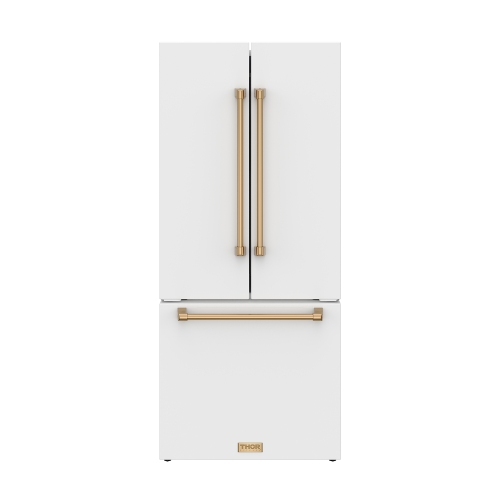
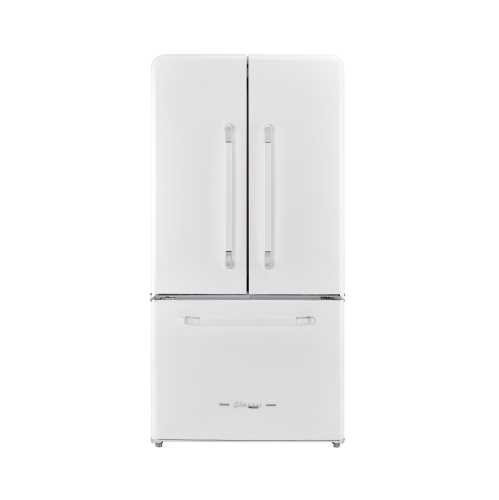
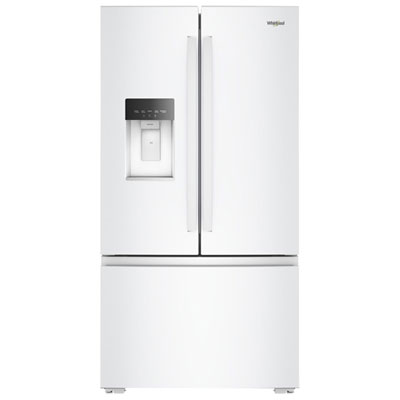
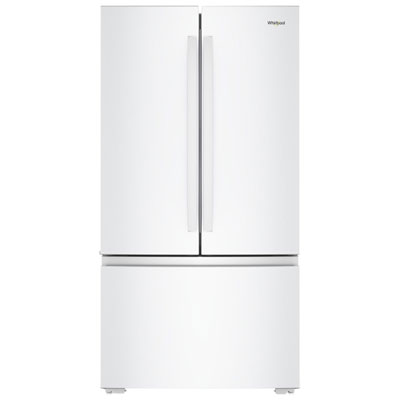
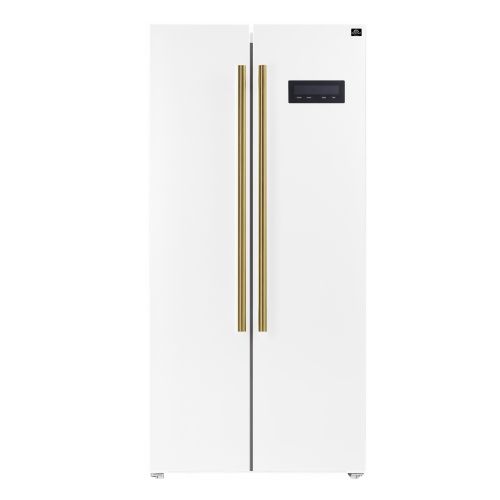
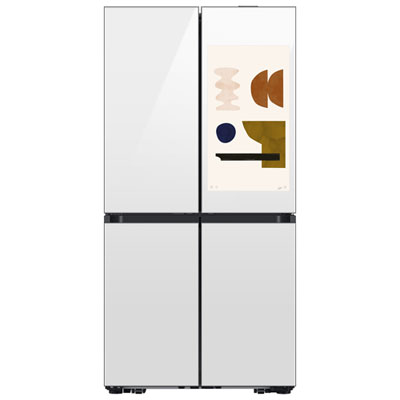
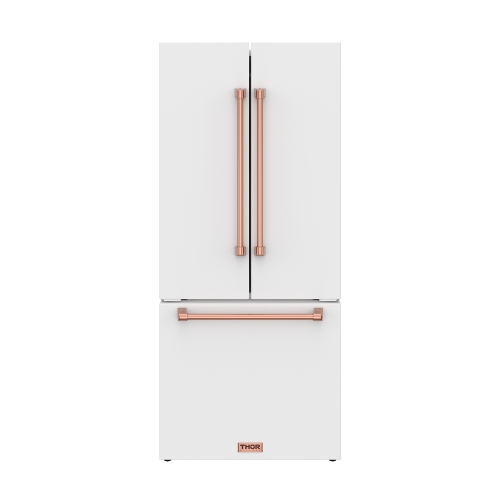
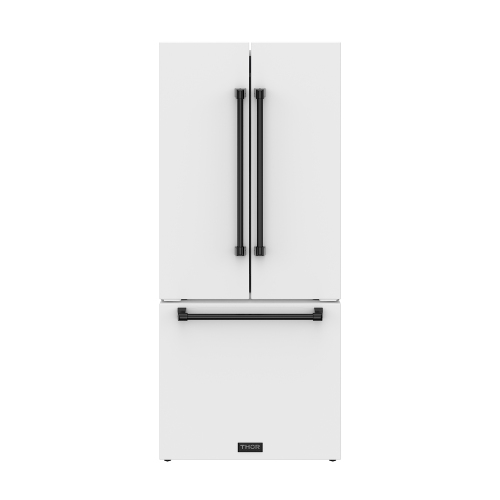
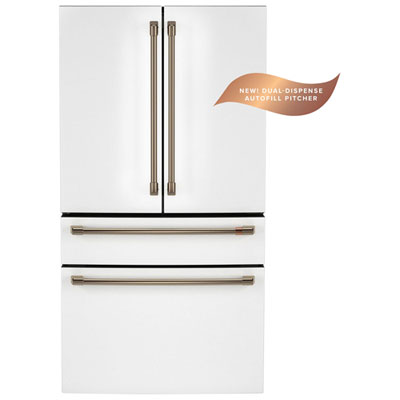
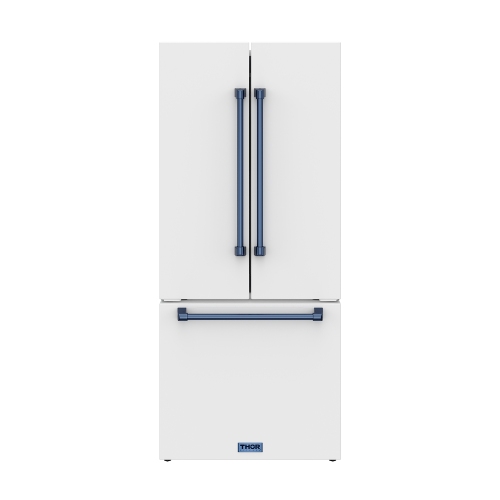
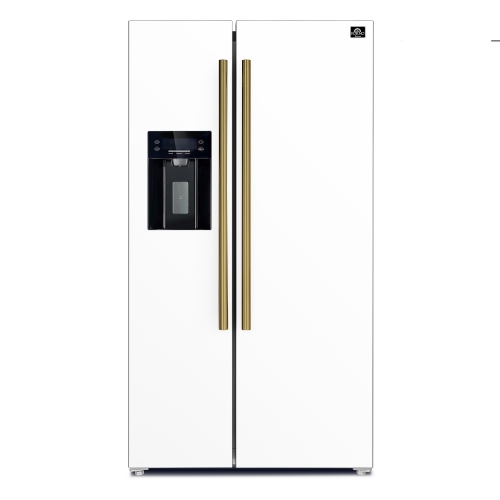
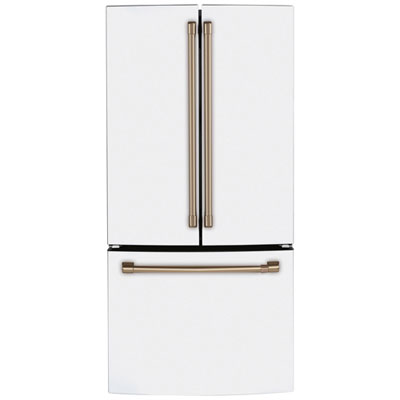
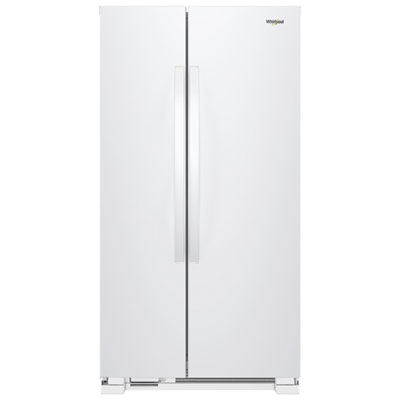

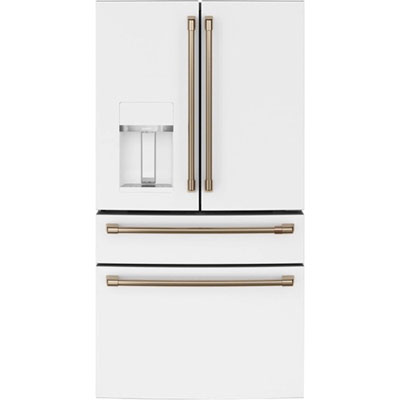


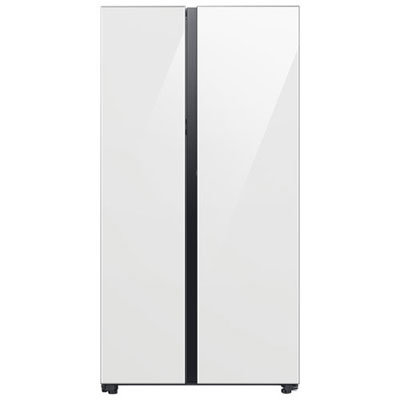
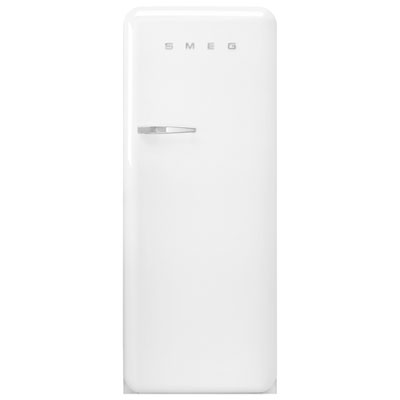
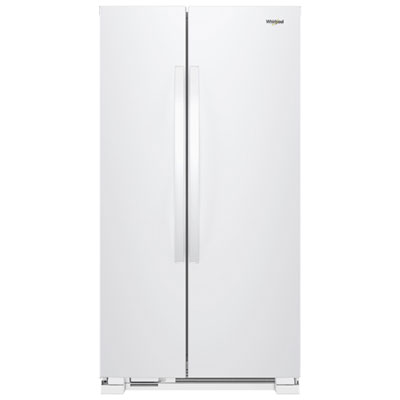
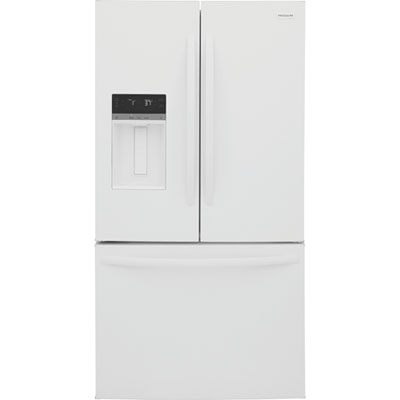
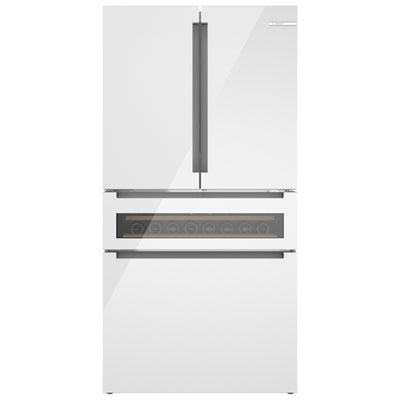
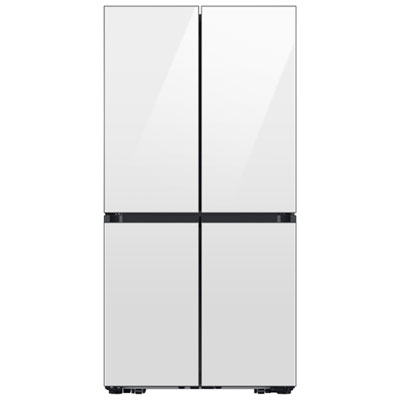

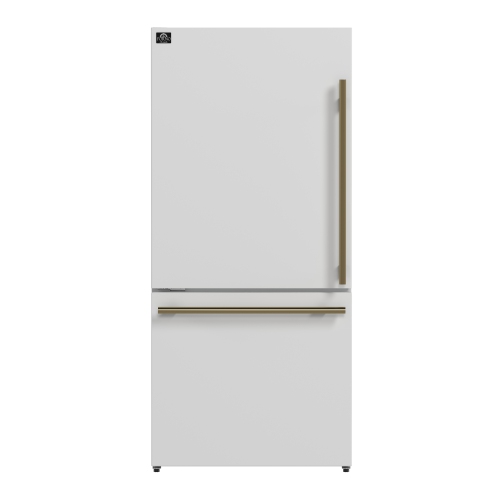
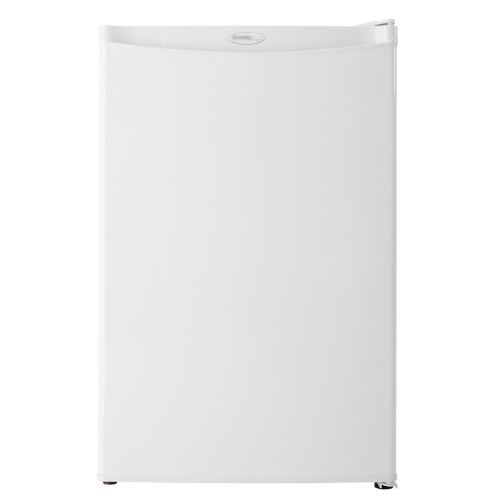
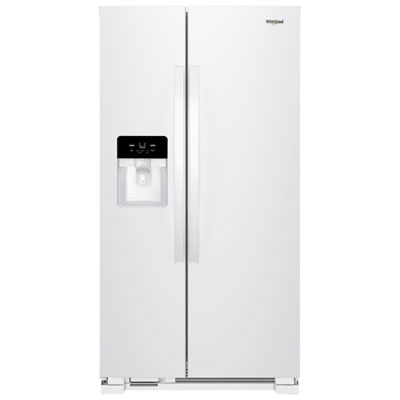
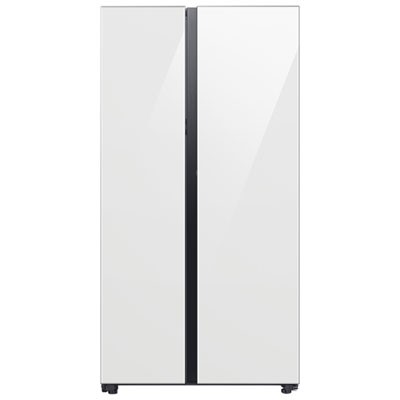
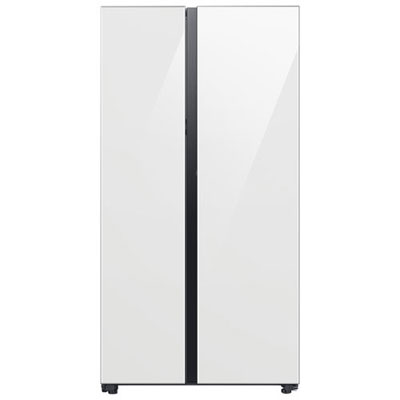
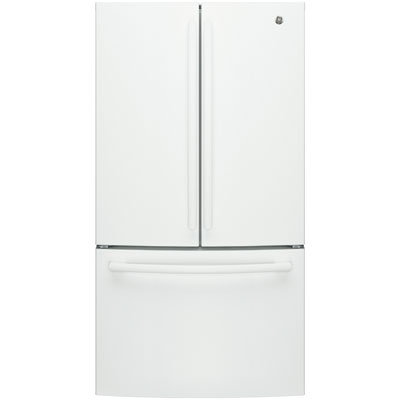
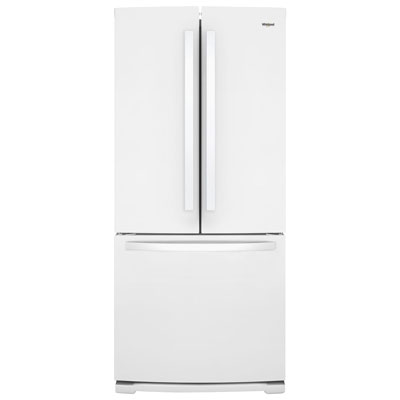
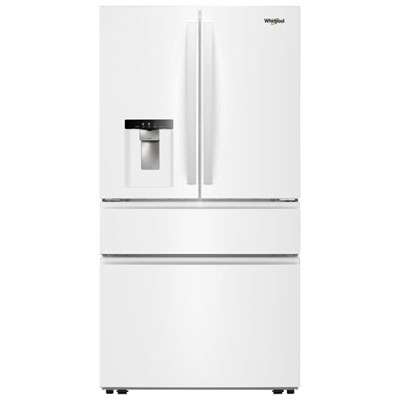
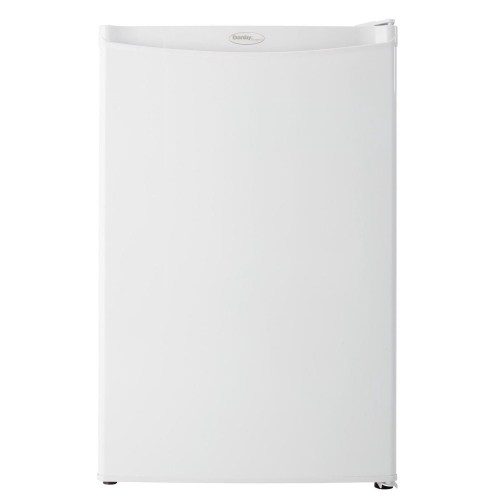
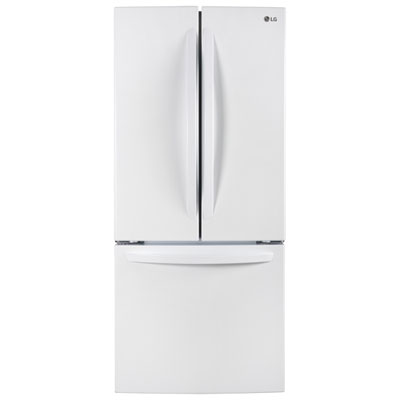
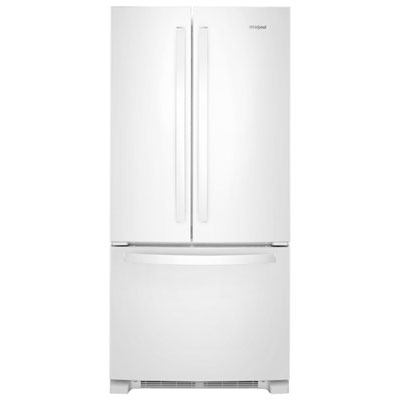
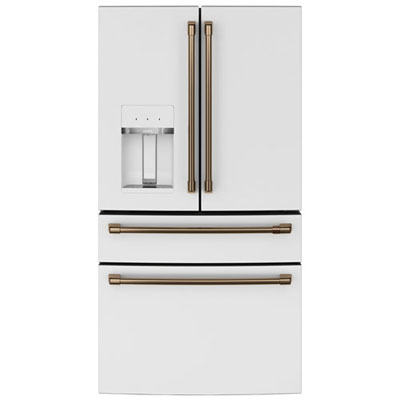
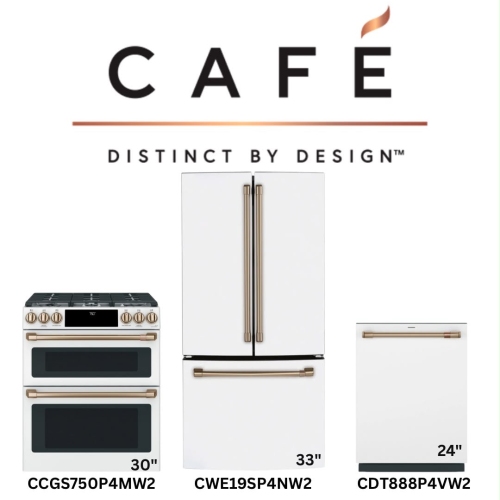
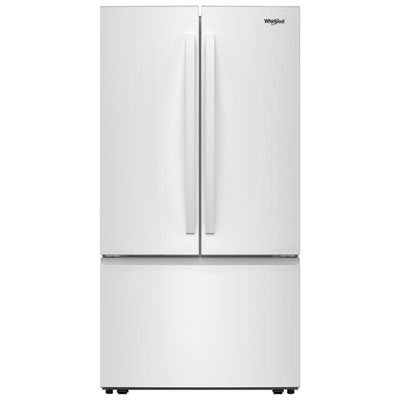
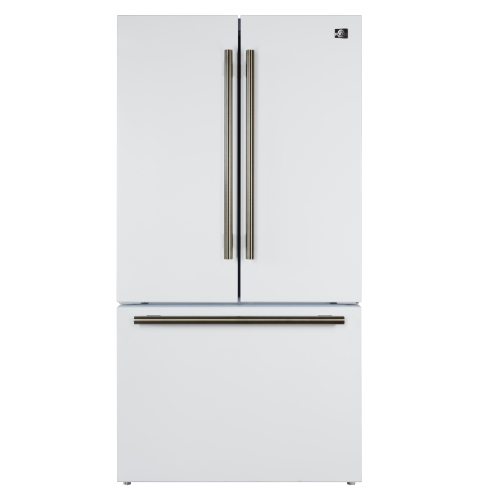
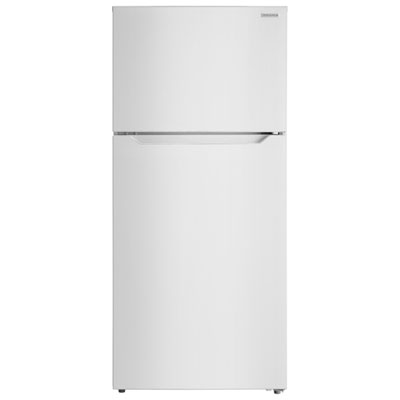


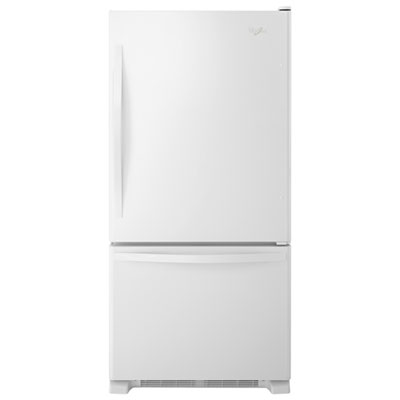

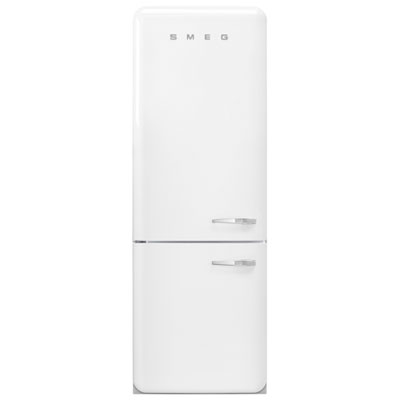
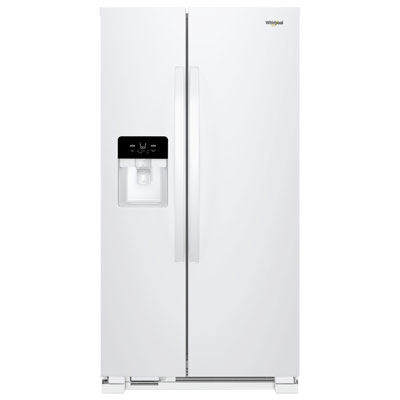
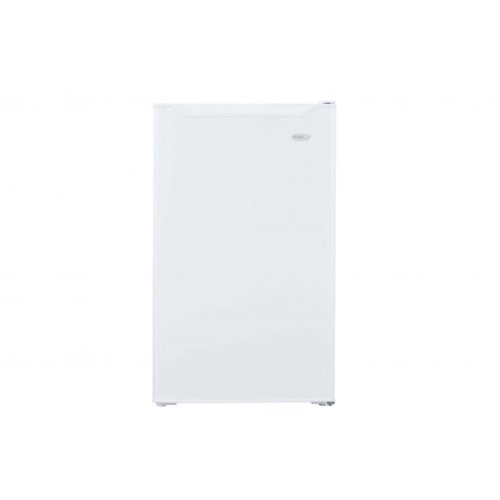
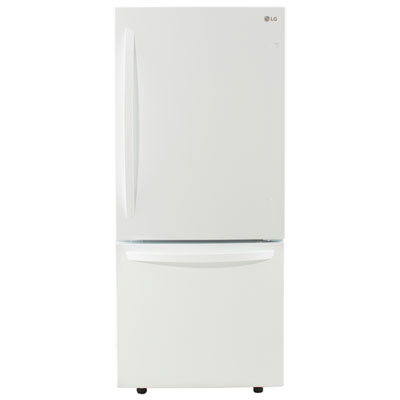
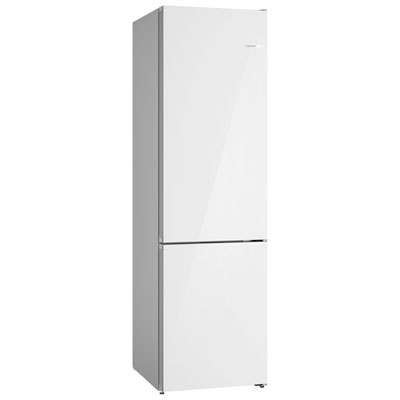
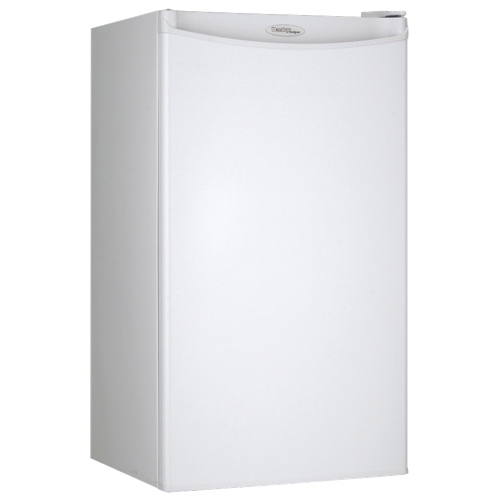
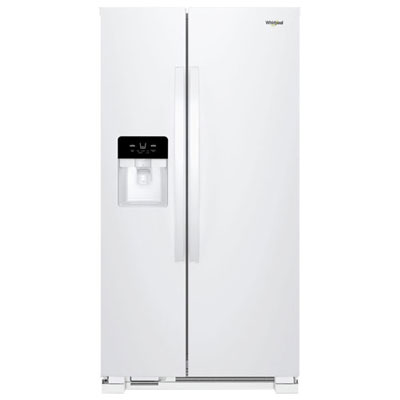
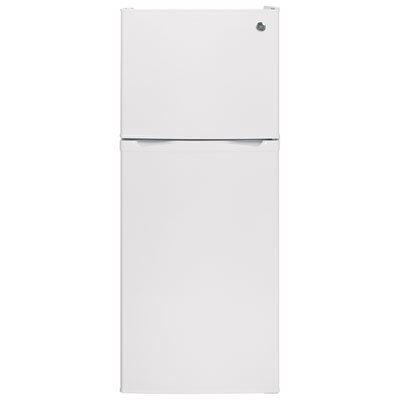
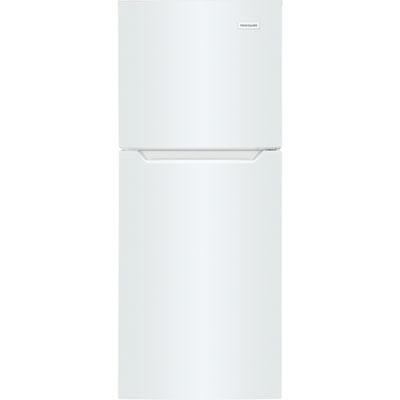
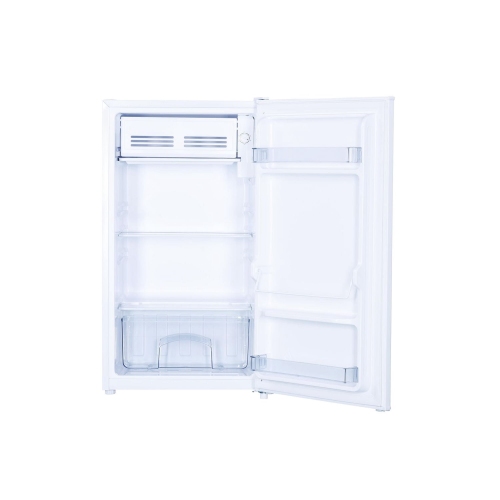

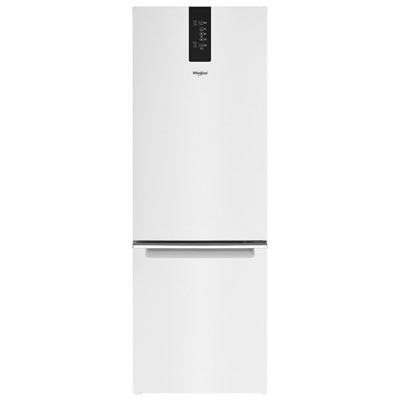
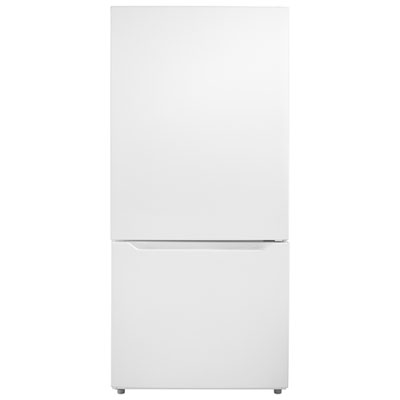
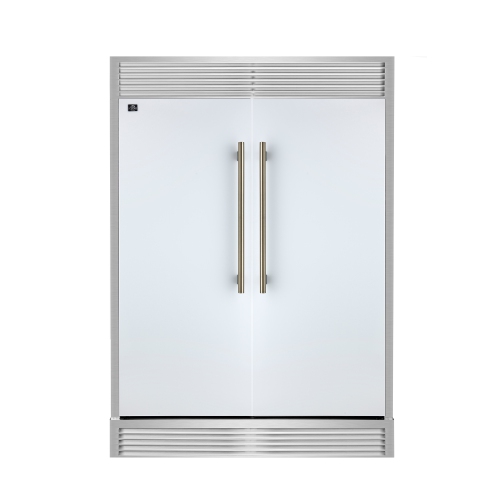
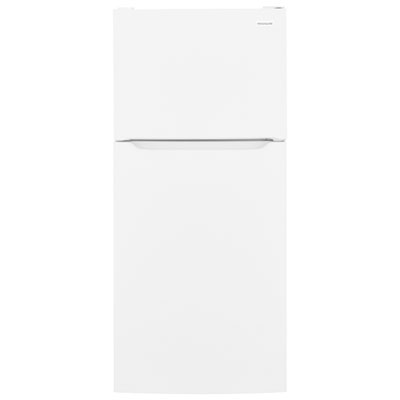
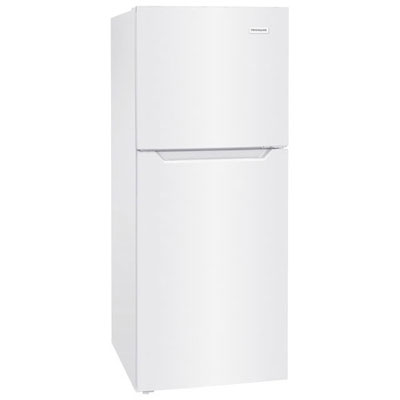
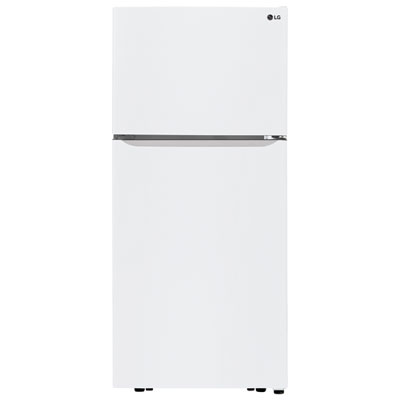
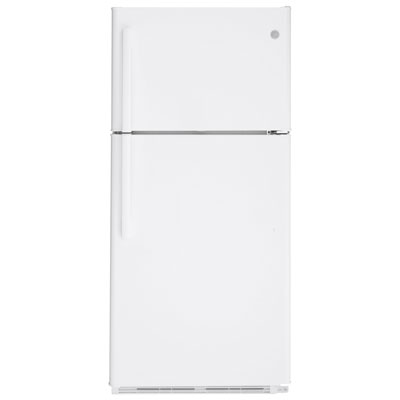

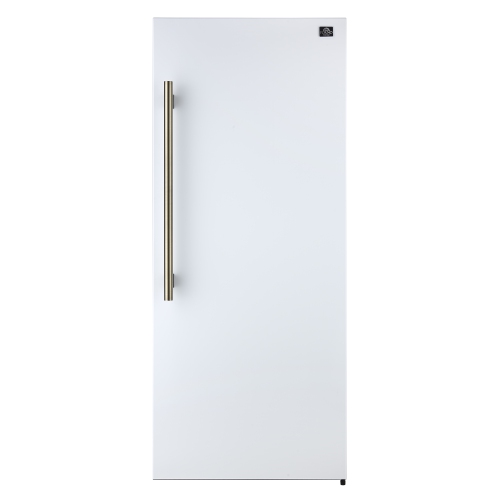
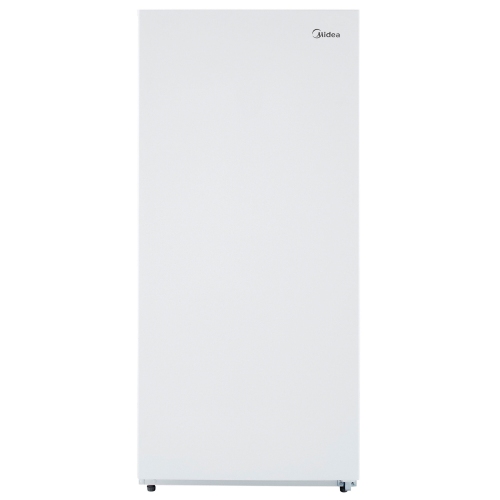
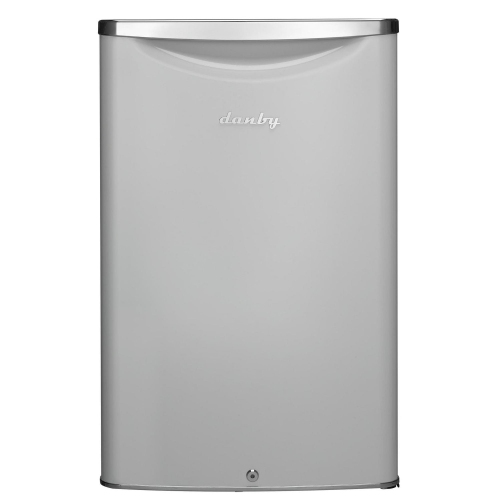
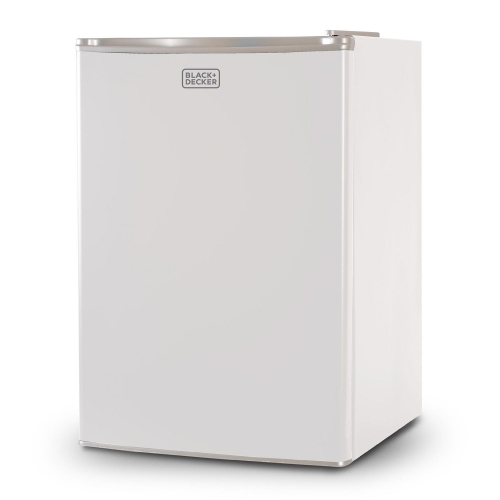

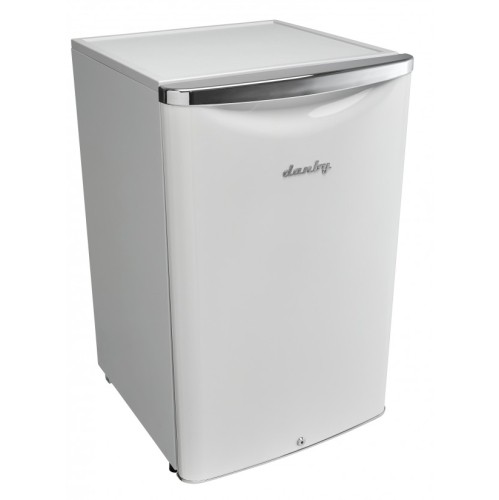
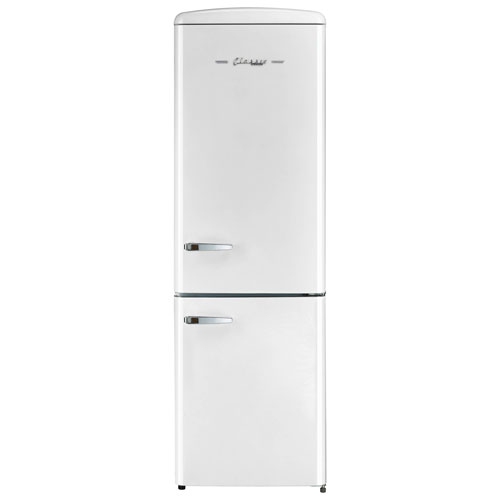
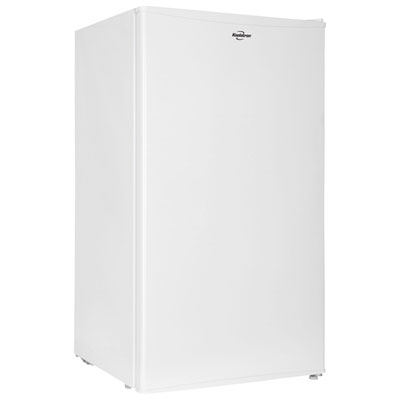
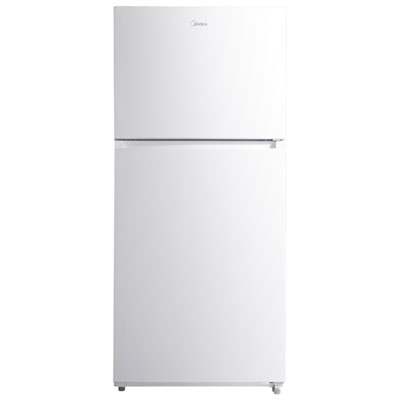
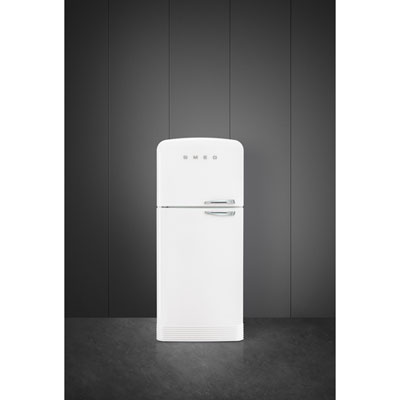
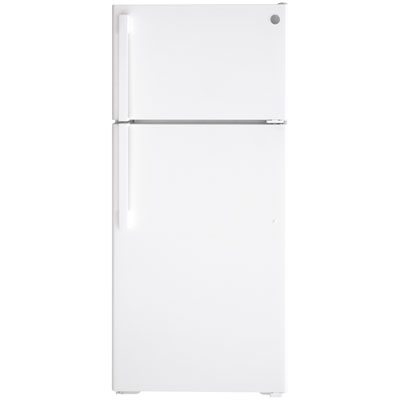
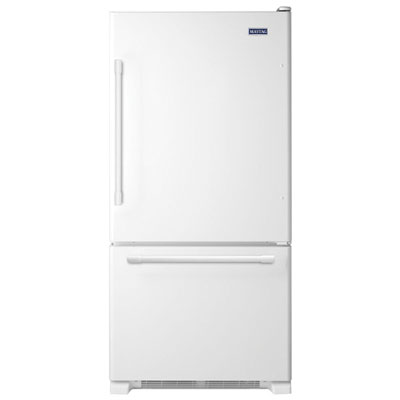
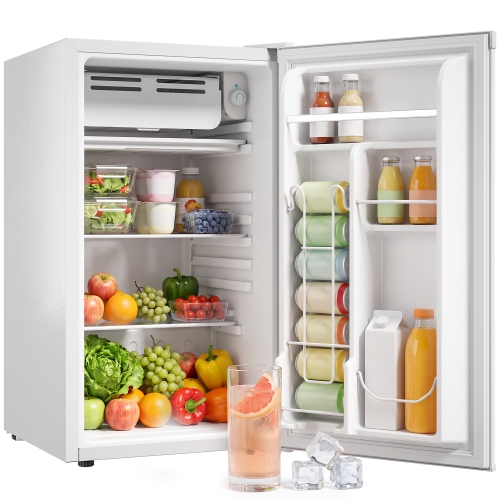
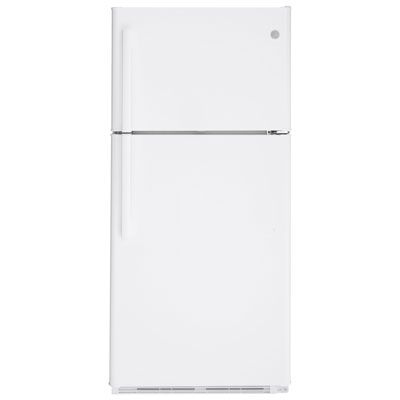
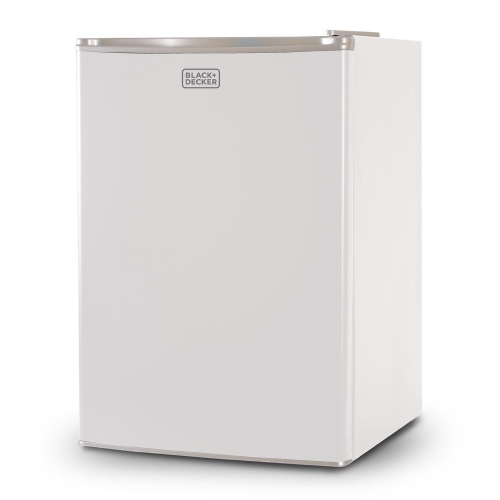
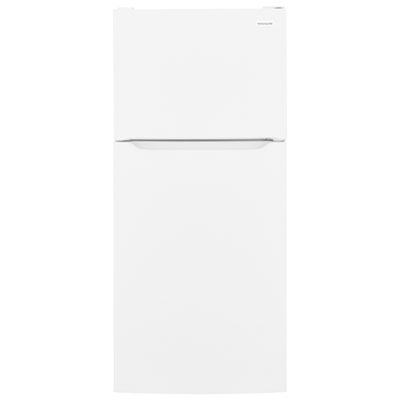
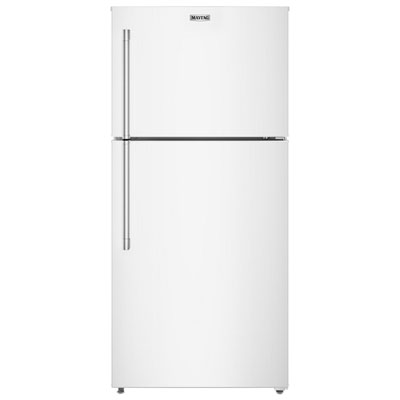

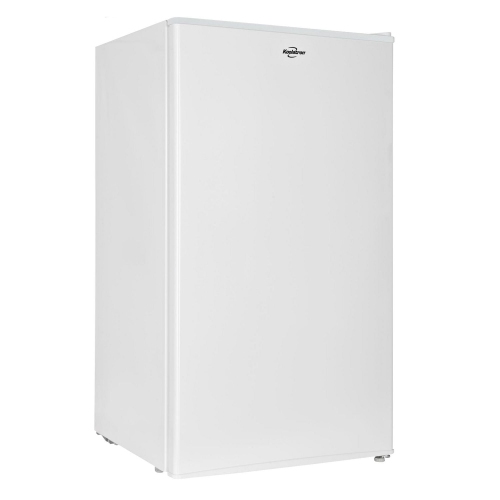
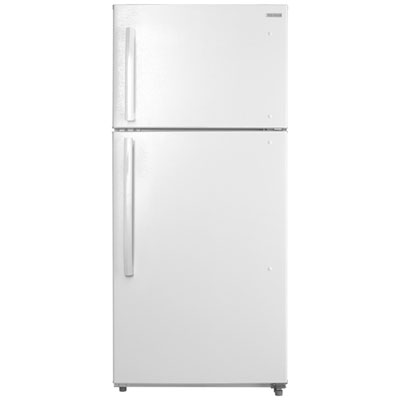
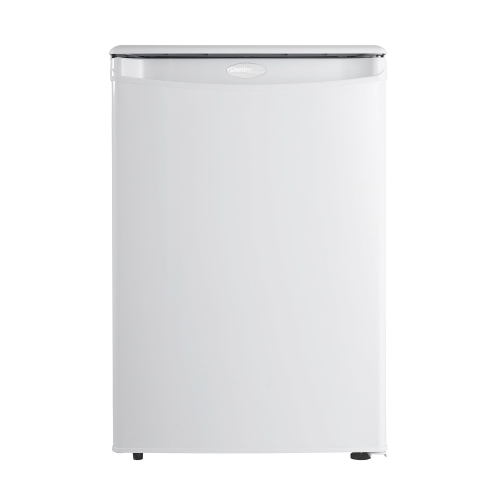
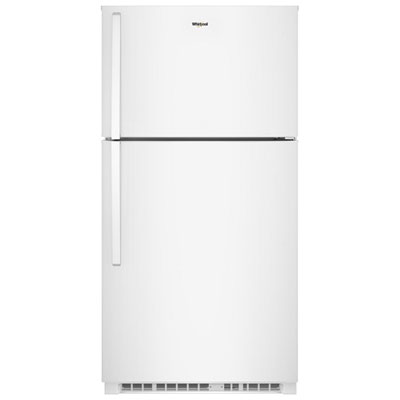
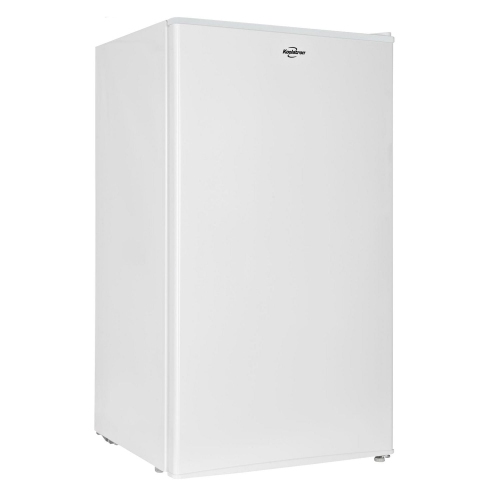
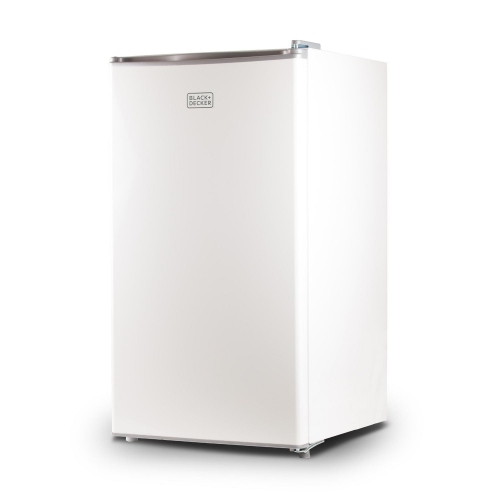
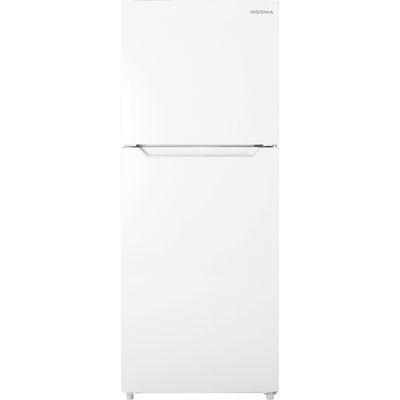
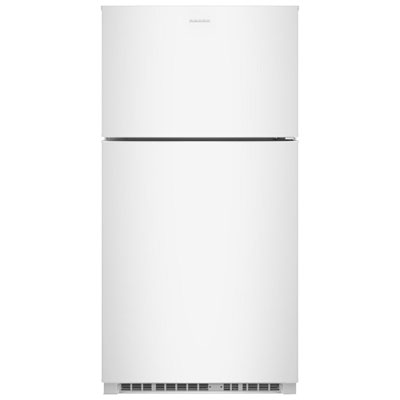
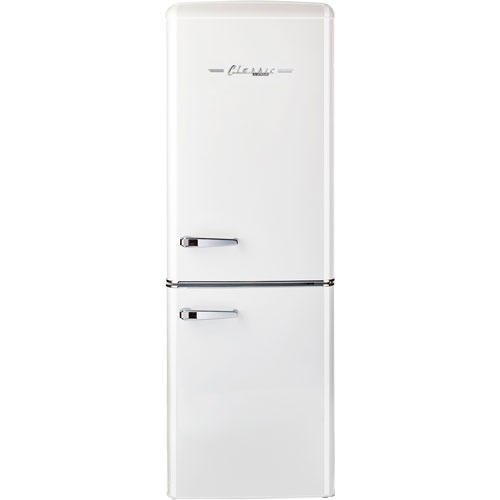
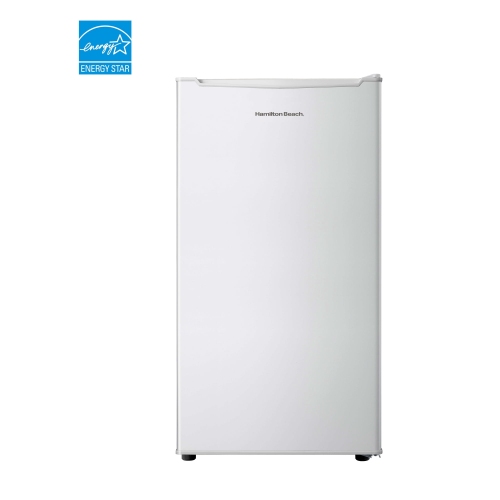
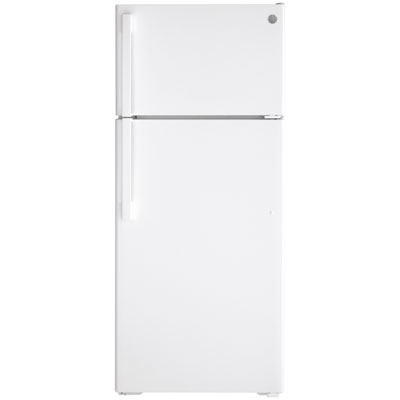


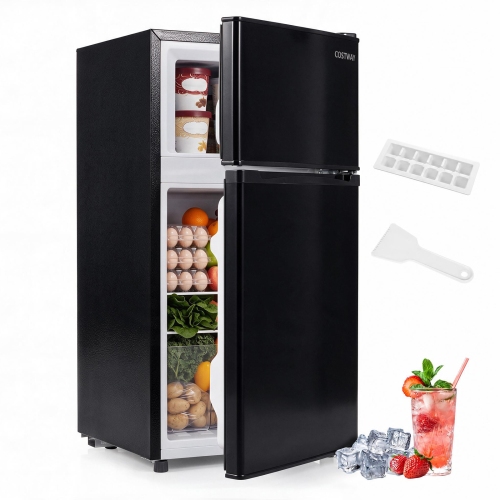
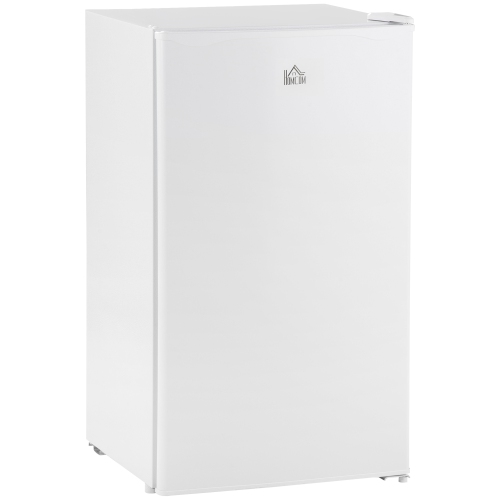
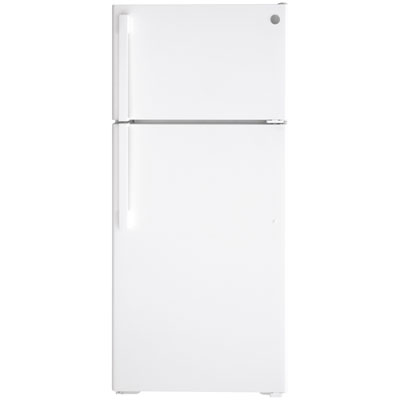
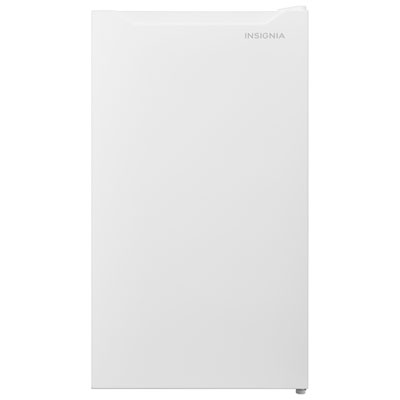
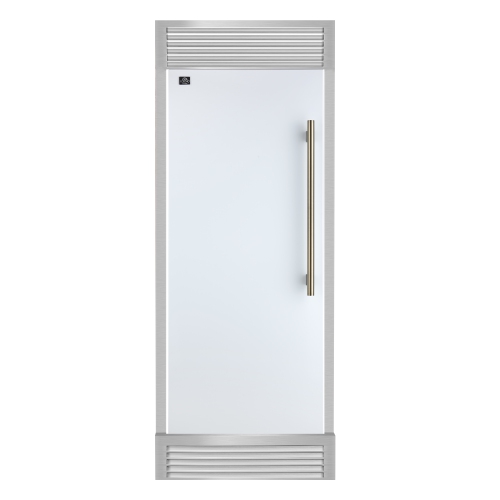
A near-flush look starts with the right measurements
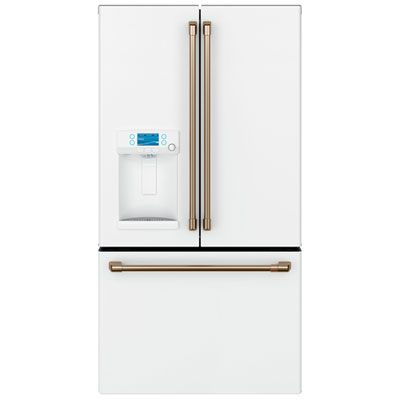
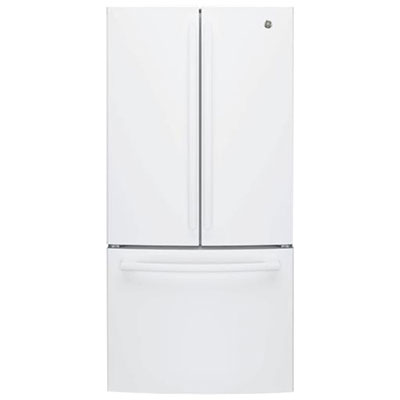
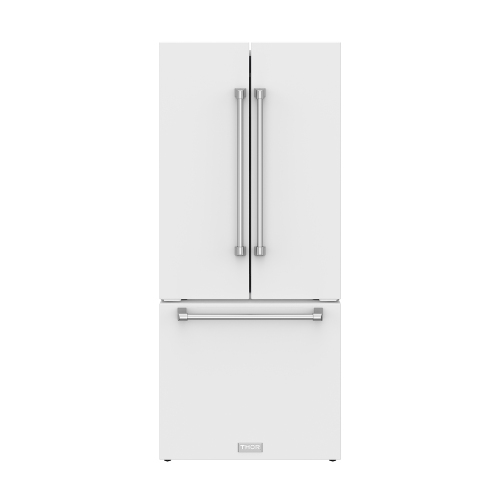
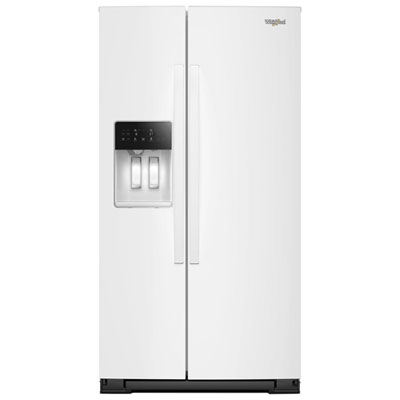
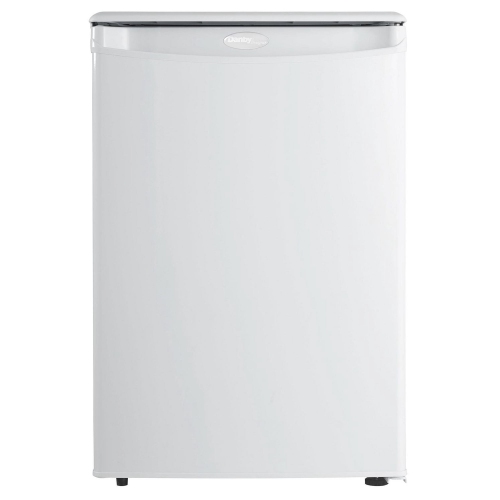
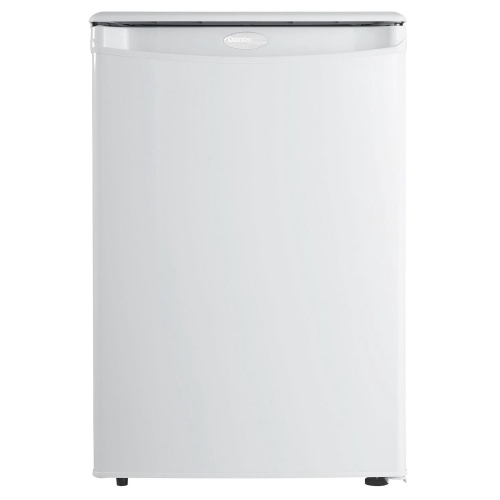
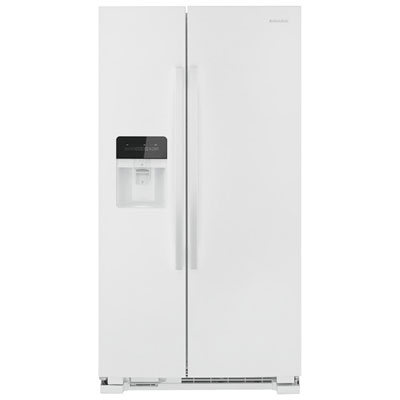
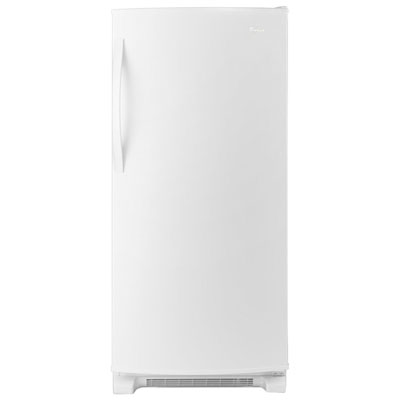
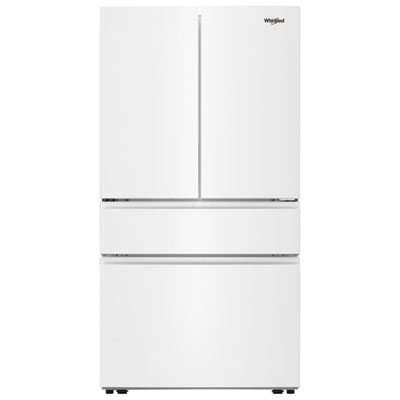
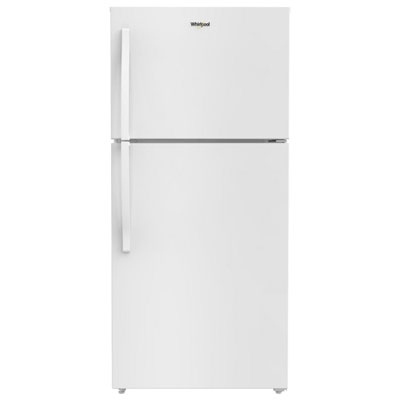
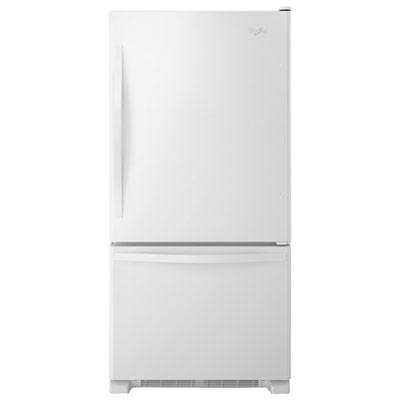
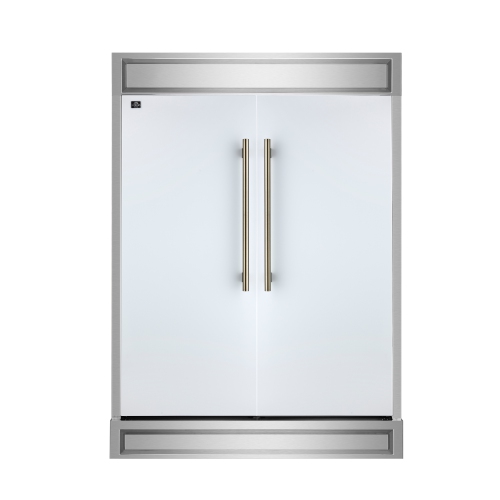
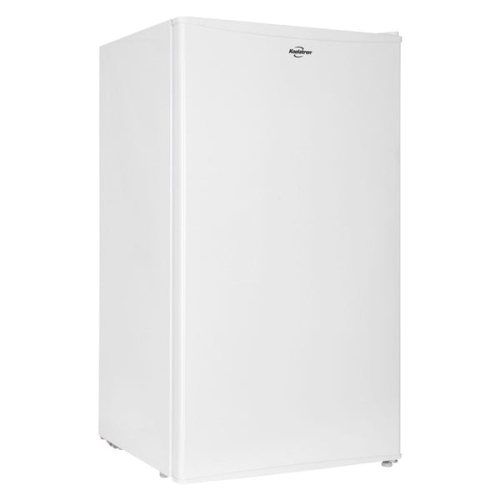
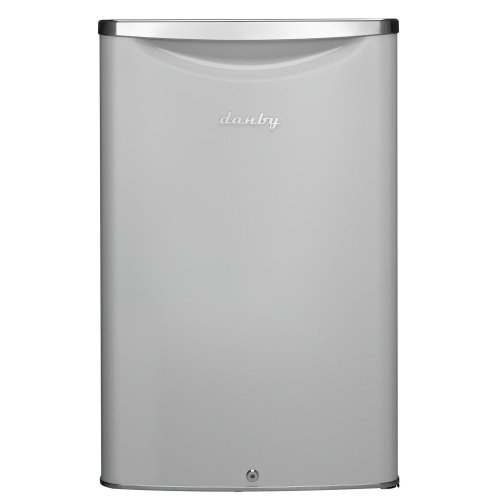
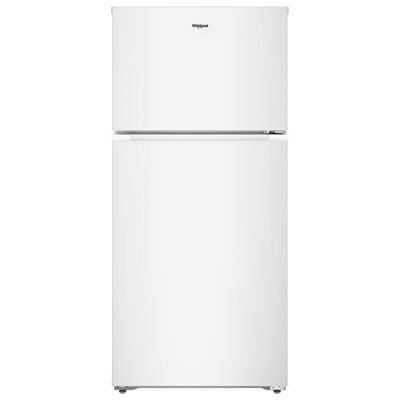
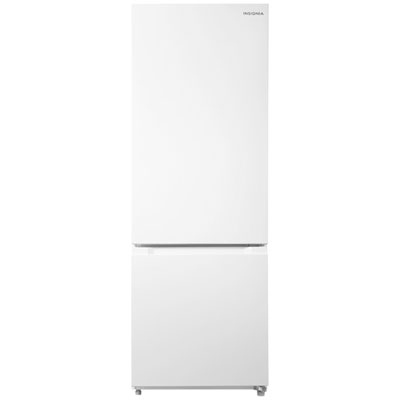
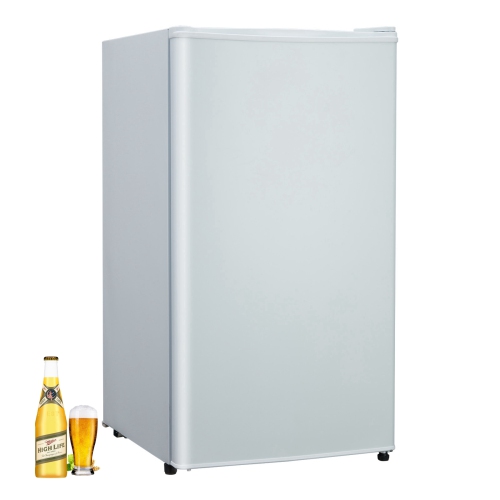
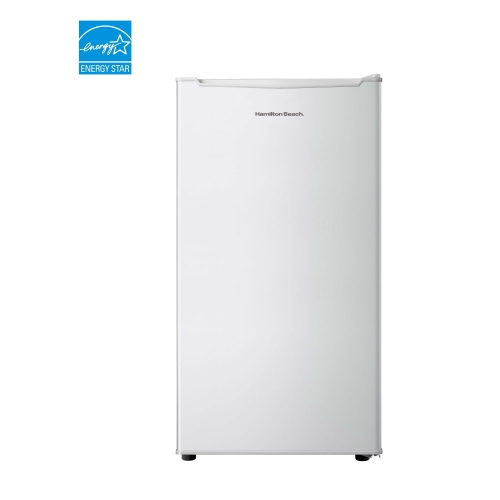
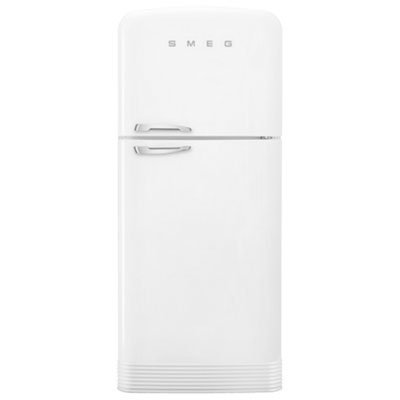
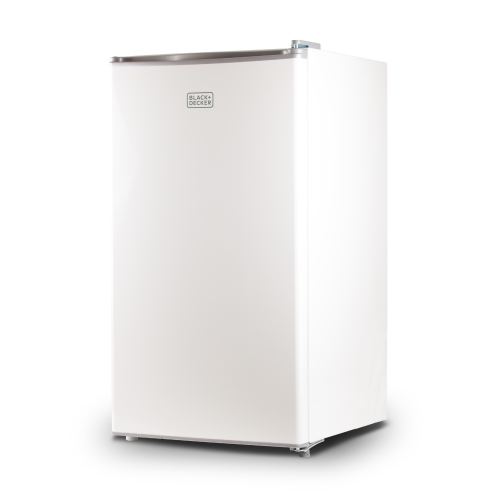
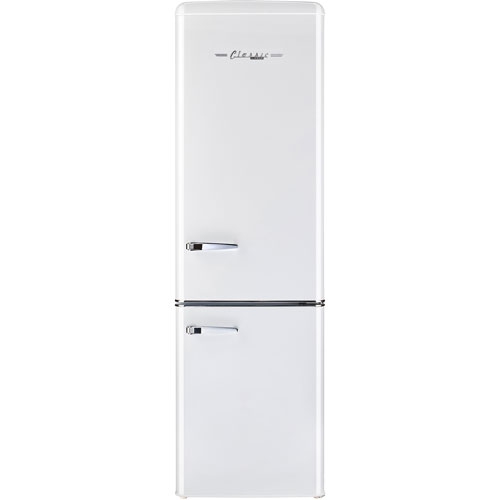
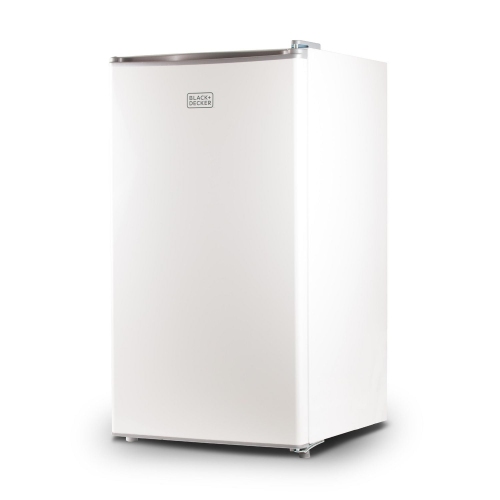
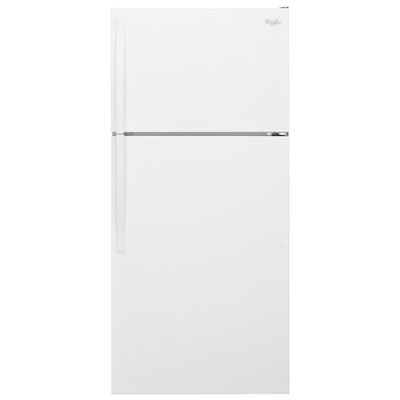
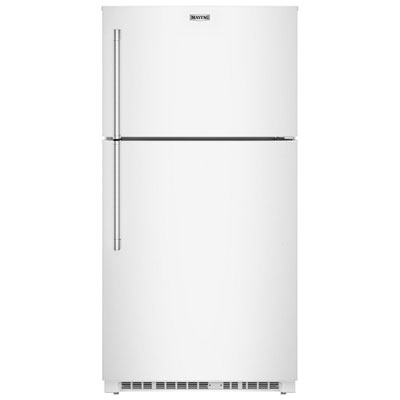
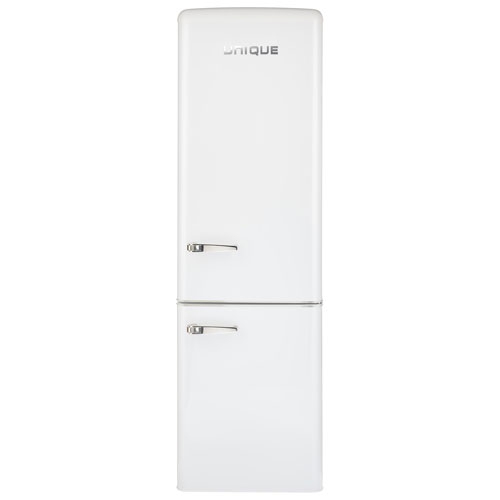
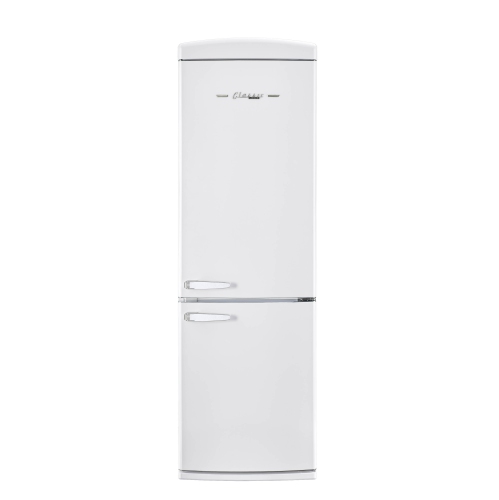
White counter-depth refrigerators combine a white exterior with a shallower cabinet designed to sit closer to the front of surrounding kitchen counters and cabinetry. The result is a streamlined, near-flush appearance that can reduce how far the appliance projects into a walkway. Counter-depth does not necessarily mean completely flush: doors, hinges, and handles often extend beyond the cabinet line so the doors can open properly. It is also different from a fully built-in refrigerator, which has its own installation requirements. Standard kitchen base cabinets are typically about 24 inches deep, but a refrigerator’s listed depth may include or exclude its doors and handles, making the complete dimension drawing more useful than the counter-depth label alone. In a galley kitchen, beside an island, or near a frequently used doorway, those measurements can make a noticeable difference to everyday movement. A white finish works naturally with white cabinetry, light wood, painted cupboards, and contrasting dark worktops. Depending on the finish, it can blend quietly into a pale kitchen or create a clean focal point against richer colours. Whites can have warm or cool undertones, so nearby cabinet doors, wall paint, and flooring all affect how the appliance looks in place. Smooth and textured surfaces also reflect light differently and may require different cleaning methods. Beyond appearance, a suitable fit depends on the height and width of the opening, the clearance specified for ventilation, and the space needed for doors and drawers to open. A refrigerator beside a wall may need additional room on the hinge side, particularly if an interior drawer must slide out past the open door. Baseboards, handles on neighbouring cabinets, and an overhanging countertop can also affect clearance. The delivery route matters just as much: narrow entryways, stair turns, and interior doorframes need enough room for the appliance to reach its intended position without damage.
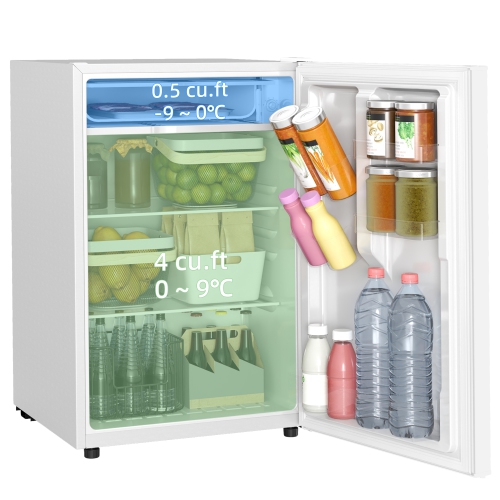
The shallower proportions of white counter-depth refrigerators change how storage space is arranged, so usable capacity deserves as much attention as exterior dimensions. Compared with a similar-width standard-depth refrigerator, a counter-depth design generally offers less front-to-back room. That can make food easier to see and reach, but it may also mean adjusting how large serving platters, pizza boxes, or deep meal-prep containers are stored. A household that buys groceries frequently may find this layout convenient, while one that keeps several large containers and bulk purchases on hand may need more width, height, or separate freezer space. Door configuration shapes the daily experience, too. French-door layouts place fresh food behind two narrower doors, often with a freezer drawer below, and can provide a broad shelf area for serving dishes. Bottom-freezer designs keep much of the refrigerated section higher up, while side-by-side layouts divide fresh and frozen storage vertically. Their narrower compartments may suit some organizing habits better than others, especially when storing wide trays. Adjustable shelves, split shelves, door bins, and produce drawers help tailor the interior to groceries rather than forcing everything into a fixed arrangement. Tall bottles need adequate vertical clearance, eggs and delicate produce benefit from stable storage, and leftovers are easier to track when containers remain visible. Shelf dimensions and drawer access can therefore matter more than capacity alone. Water dispensers and ice makers add convenience where included, but they can occupy storage space and may require a suitable water connection, filter changes, and additional installation clearance. An internal dispenser offers a different exterior appearance from a through-the-door dispenser, while a model without either feature keeps the layout simpler. For a broader comparison of this appliance format, explore Best Counter Depth Refrigerators. The most useful comparisons focus on the space available, the foods stored most often, and how comfortably each layout fits into daily routines.
Materials, construction, and regular care influence how a white counter-depth refrigerator holds up to everyday use. White exteriors may use painted or coated metal, while interiors commonly combine moulded liners, glass or plastic shelving, drawer tracks, and flexible door seals. A white finish is not automatically resistant to fingerprints, scratches, or staining; its performance depends on the surface treatment and how it is maintained. A soft cloth and a mild cleaning solution suitable for the finish are generally preferable to abrasive pads or harsh cleaners, with the manufacturer’s care directions taking priority. Spills around handles and door edges are easier to remove before they dry, and cleaning the door seals helps prevent crumbs and sticky residue from interfering with a proper closure. Removable shelves and bins simplify interior cleaning, although glass shelves should be allowed to adjust gradually before contact with warmer water to reduce the risk of thermal shock. Durability also depends on practical details such as sturdy shelf supports, drawers that move smoothly, and hinges that support the doors without sagging. Shelves and door bins have weight limits, so several heavy beverage containers may need to be distributed rather than grouped together. Correct installation helps doors close as intended and keeps the cabinet stable; levelling and any required tilt should follow the installation directions. Ventilation openings need to remain clear, and accessible components should be cleaned only as instructed. Sound is another consideration in an open-plan home, where compressor operation, fans, and ice making may be more noticeable from a nearby dining or seating area. For a kitchen renovation or an appliance replacement, a white counter-depth refrigerator can bring together a lighter-looking exterior, a less projecting footprint, and accessible food storage. Its lasting usefulness comes from the combination of a well-matched layout, comfortable access, straightforward upkeep, and dimensions that work with the kitchen rather than merely fitting inside the opening.
Top selling and popular products
-
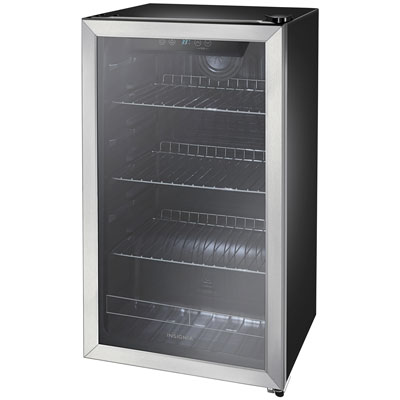 Your price for this item is $249.99
-
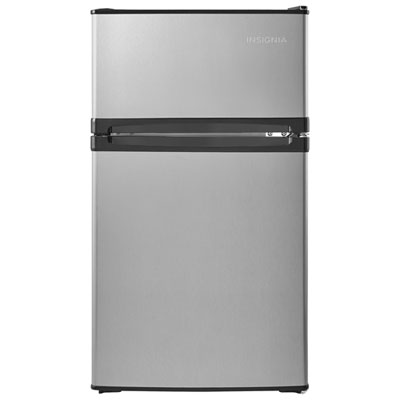 Your price for this item is $179.99
-
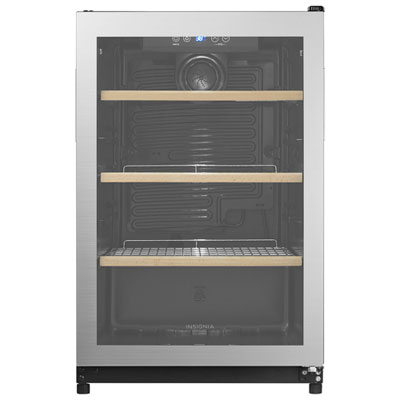 Your price for this item is $349.99
-
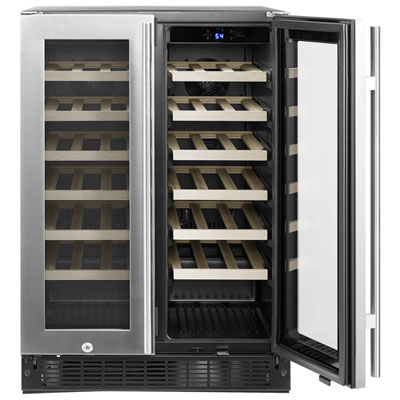 Your price for this item is $649.99
-
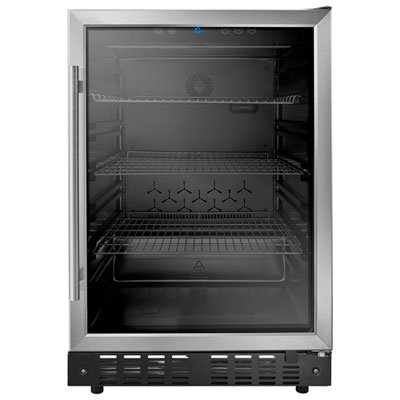 Your price for this item is $399.99
-
 Your price for this item is $699.99
-
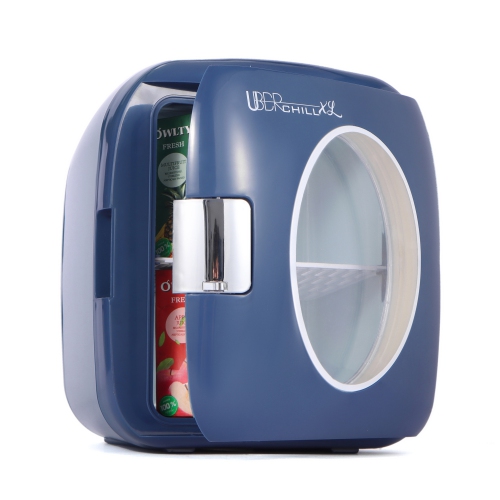 Your price for this item is $169.99
-
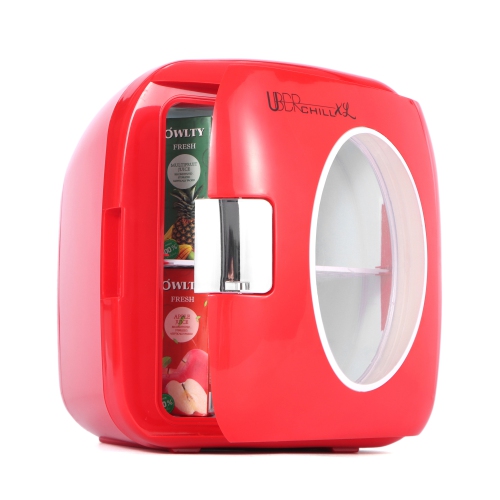 Your price for this item is $169.99
Discover more categories related to White Counter Depth Refrigerators
Top Collections:
Best Black Friday Deals This Year, Best Black Friday Deals On Electronics, Kindle Devices, Pokemon Centers, Best Black Friday Deals On Apple Products, Best Cameras for Sports Photography, Dyson Airwrap, Pokémon 30th Celebration Cards, Apple iPhone 17 Pro, Canon G7X Cameras
Some products may be subject to Environmental Handling Fees
(EHF) depending on your province.
Learn more about EHFs.