Boxing Day Deals Coming Soon
Our Boxing Day Sale returns in December 2026. In the meantime, shop our current top deals below.

Boxing Day Sale On Crimps And Pliers
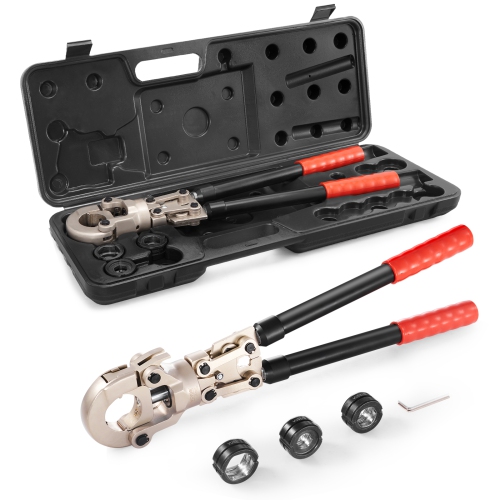
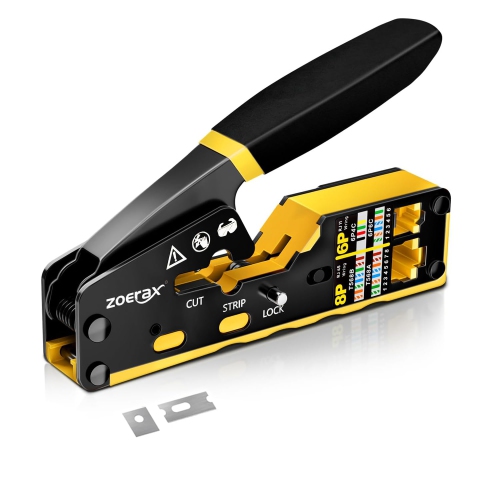
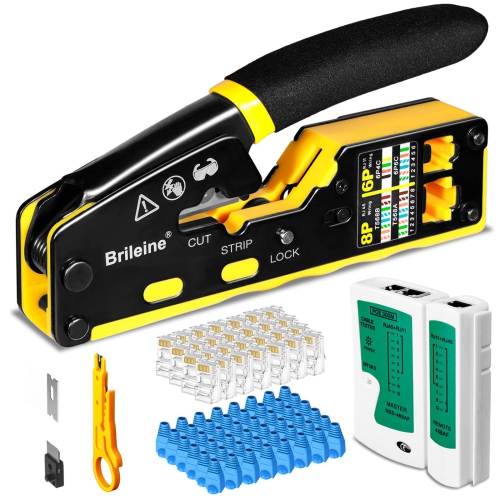
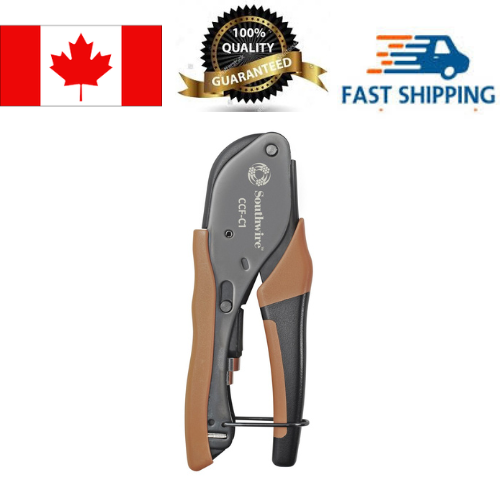
Get ready to tackle your DIY projects and professional tasks with ease during our Boxing Day sale on crimps and pliers. Discover unbeatable deals on a wide selection of high-quality tools designed to meet the needs of both hobbyists and seasoned professionals. Whether you're looking to upgrade your toolkit or find the perfect gift for the handyman in your life, this sale offers incredible value on essential items. Explore options that promise durability and precision, ensuring every task is executed with confidence. Don't miss out on these limited-time savings to enhance your tool collection at an exceptional price. Remember, our Low Price Guarantee means you can shop confidently knowing that you'll find the best price at Best Buy, all year round. We encourage you to check our website frequently for the most up-to-date information on our latest offers and savings opportunities.


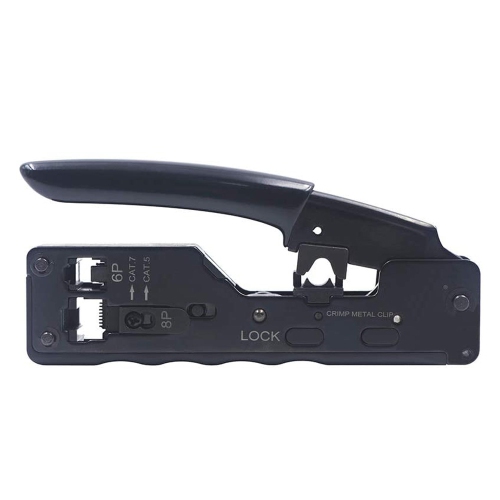
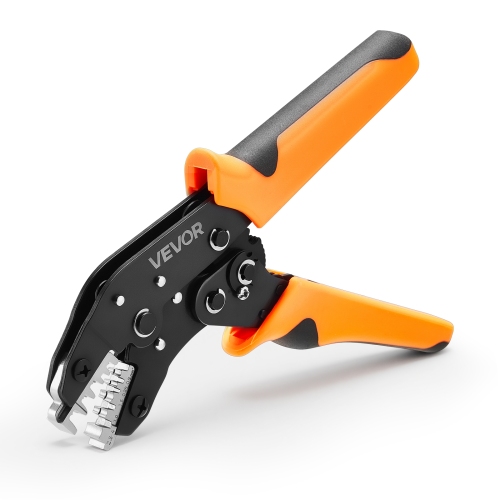
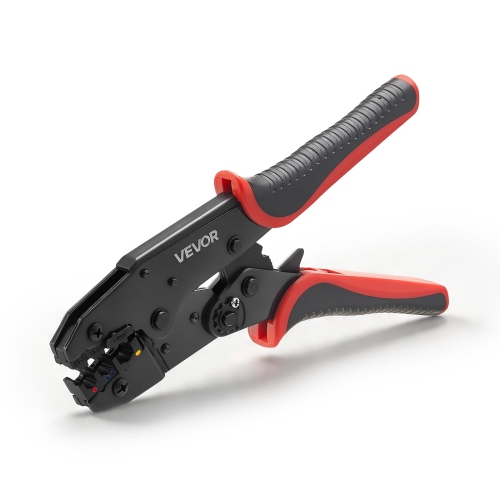
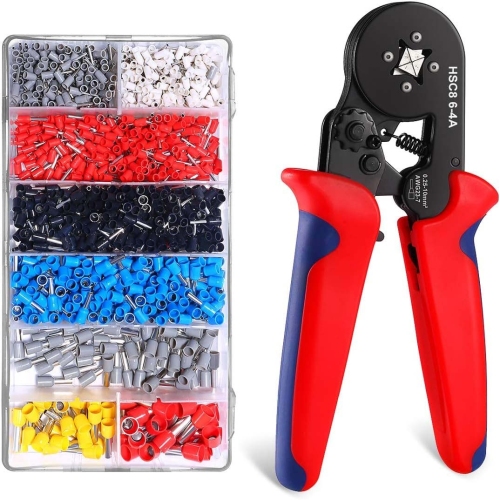
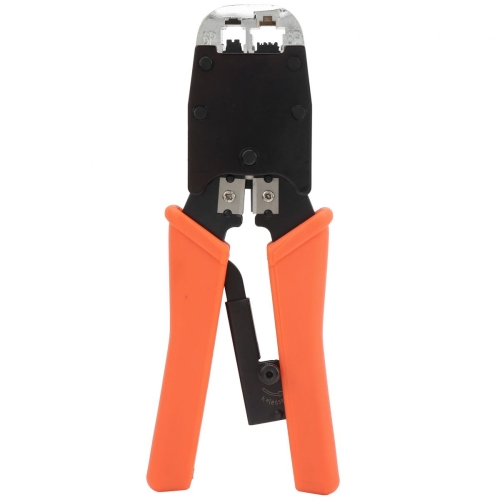


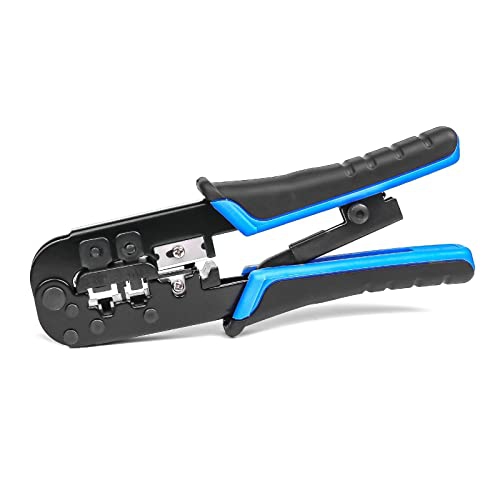
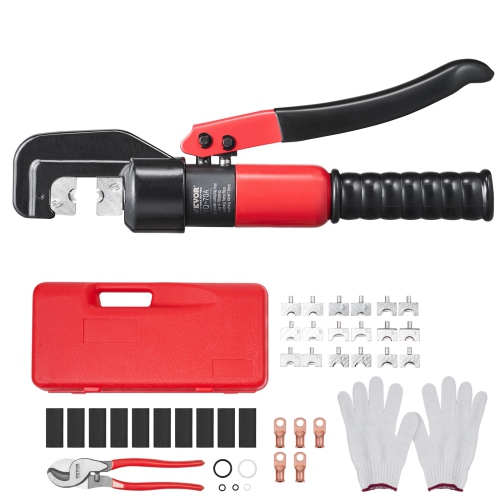
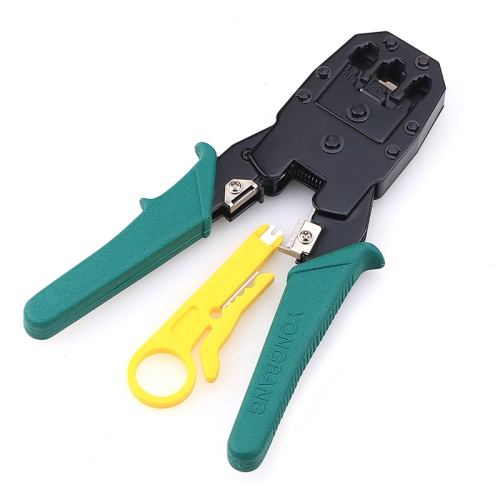































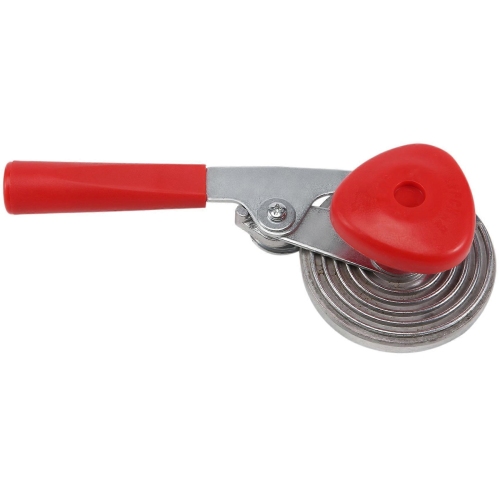


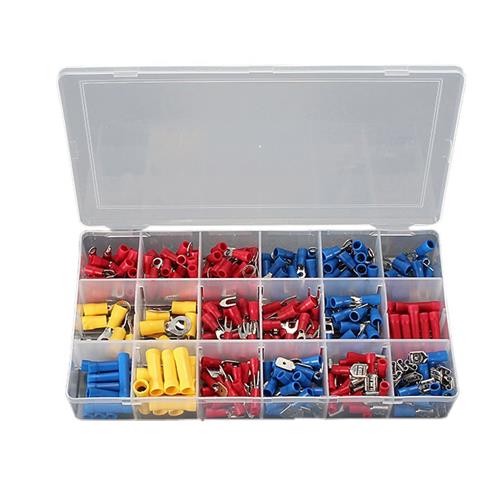
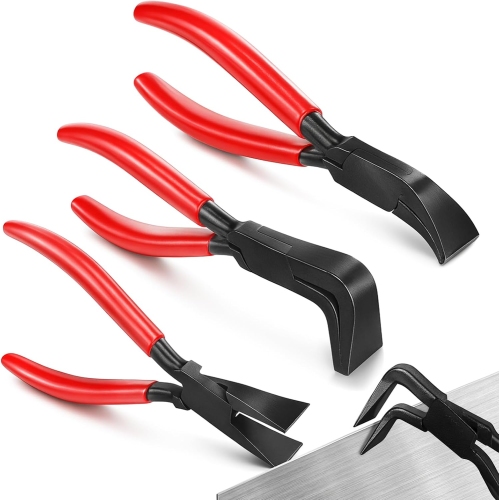
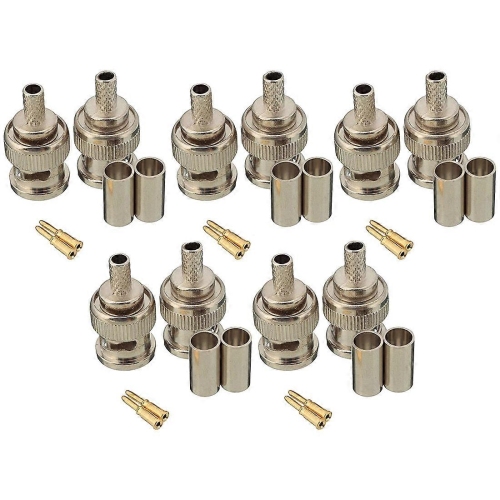
Why crimpers and pliers handle different jobs
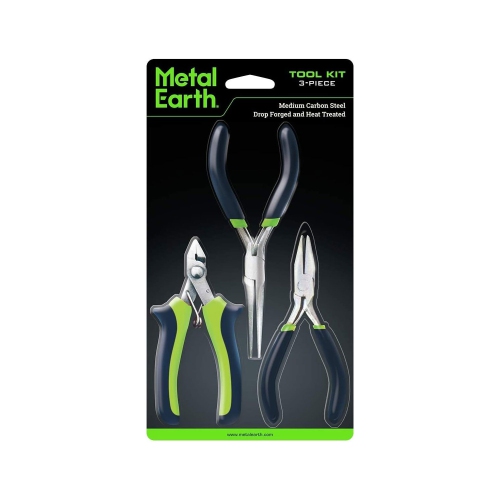
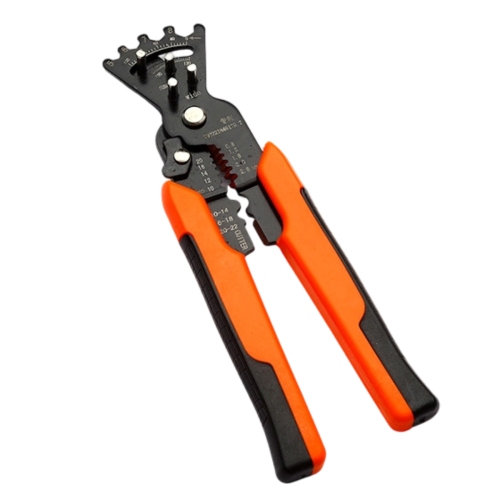
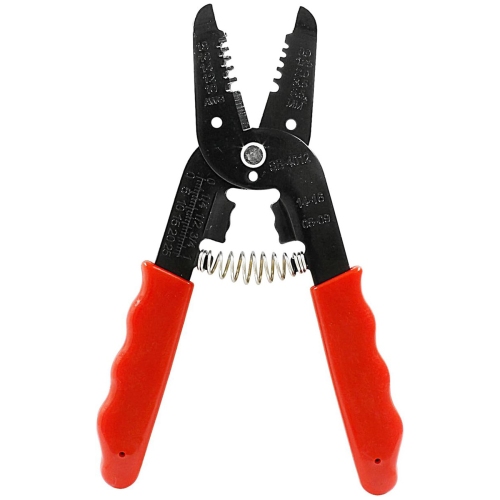
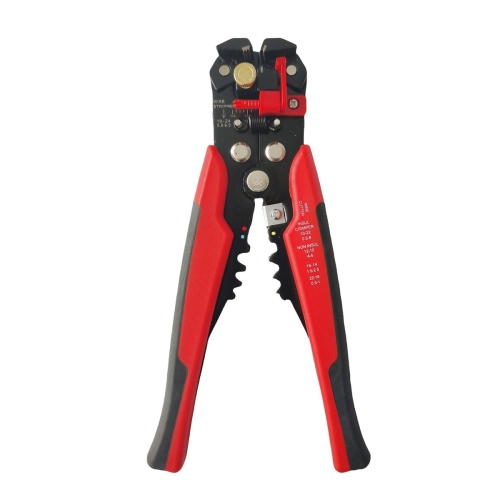
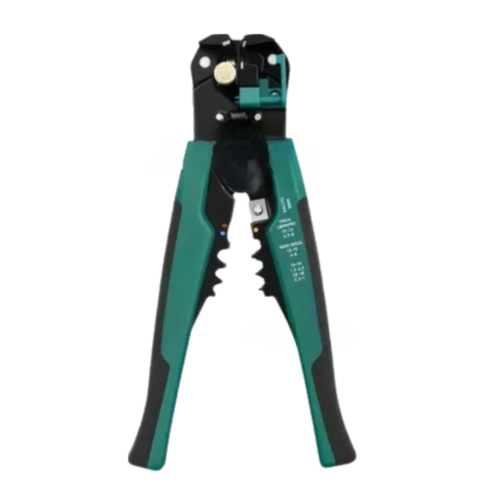
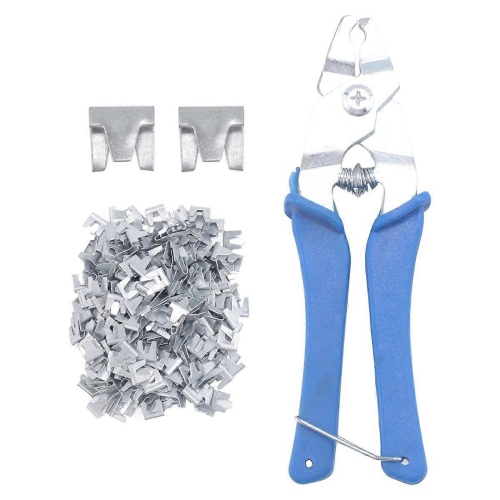
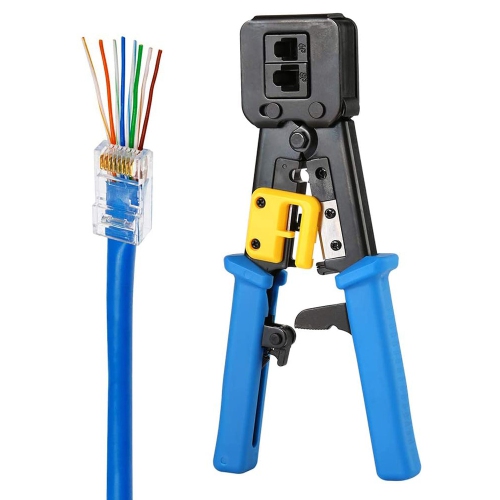
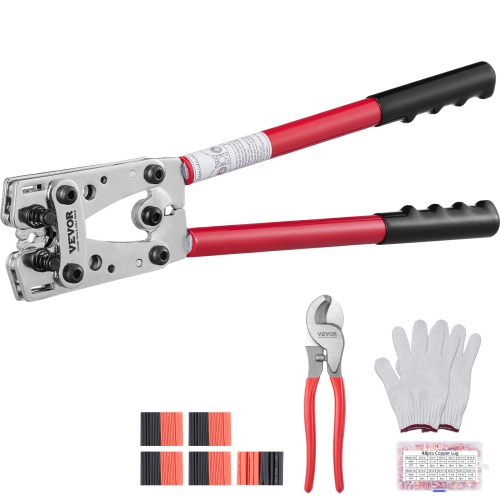
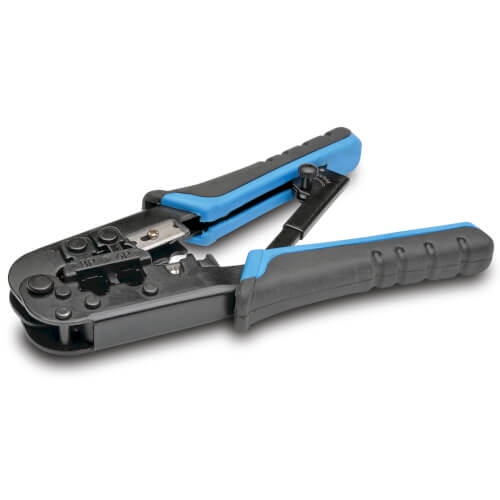
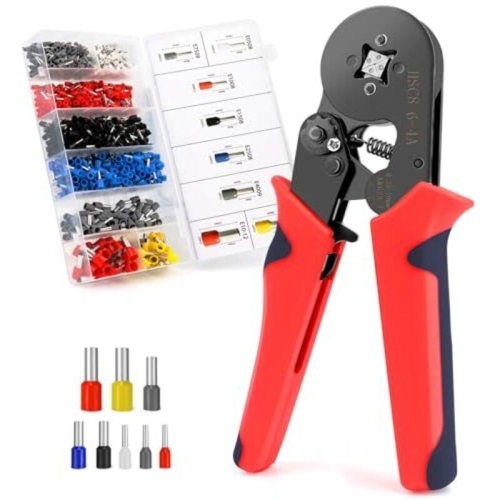
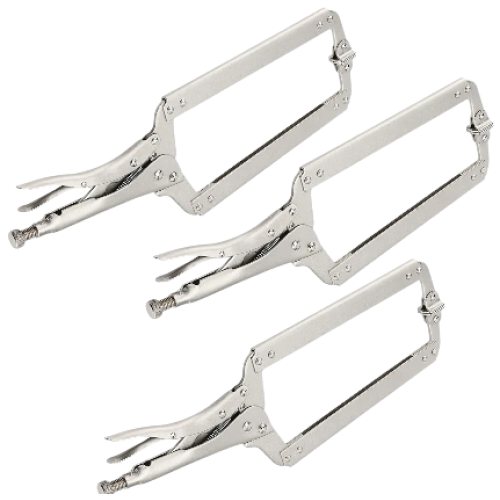
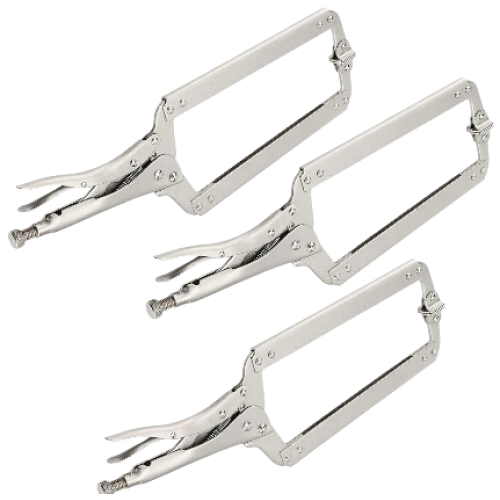
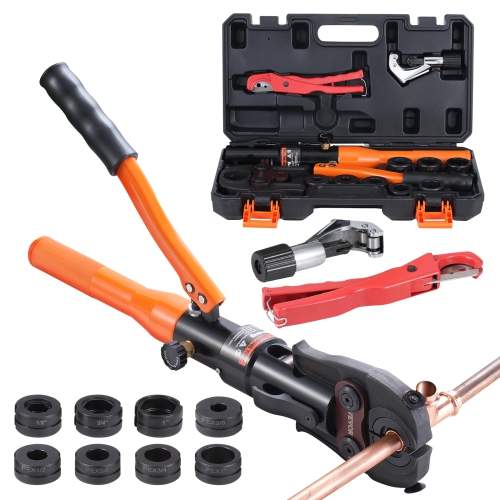
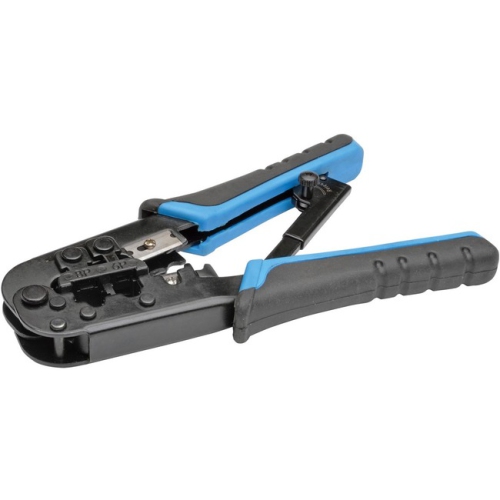
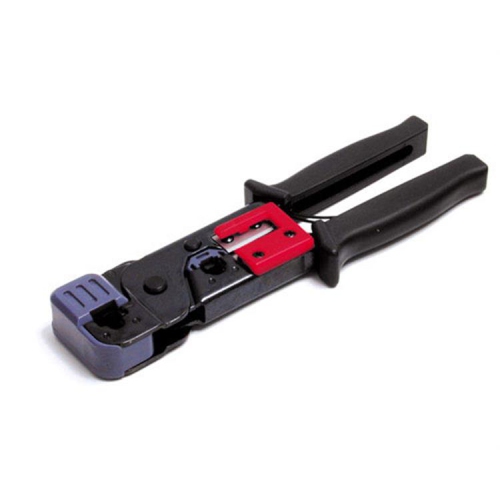
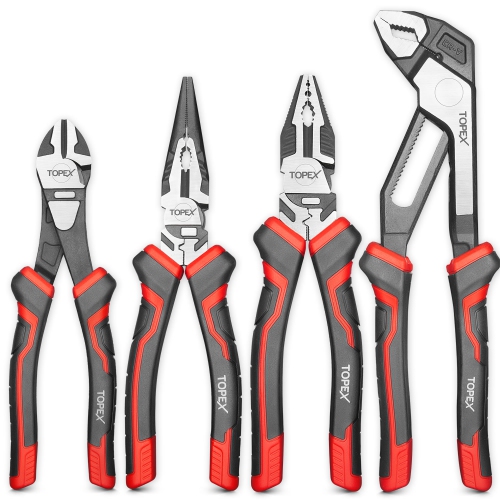
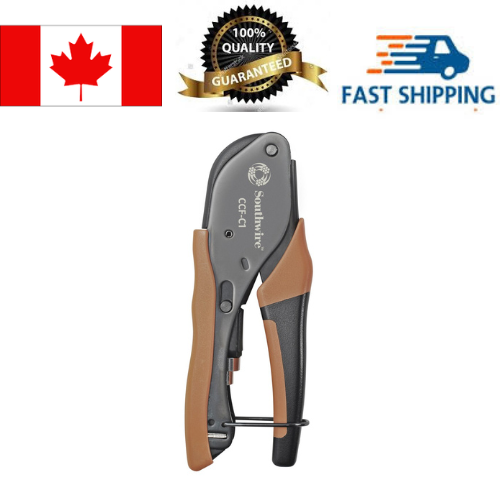
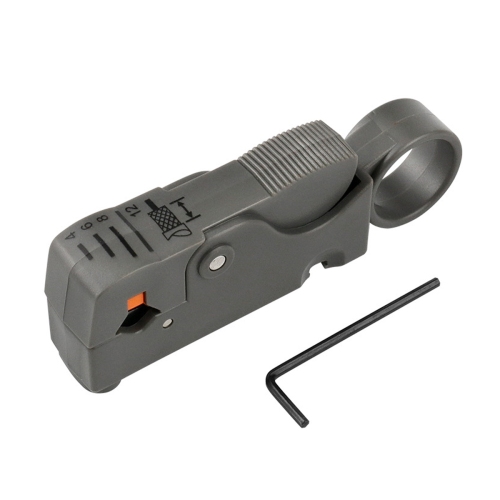
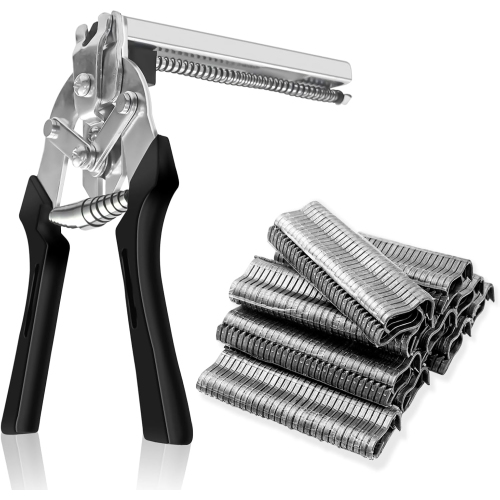
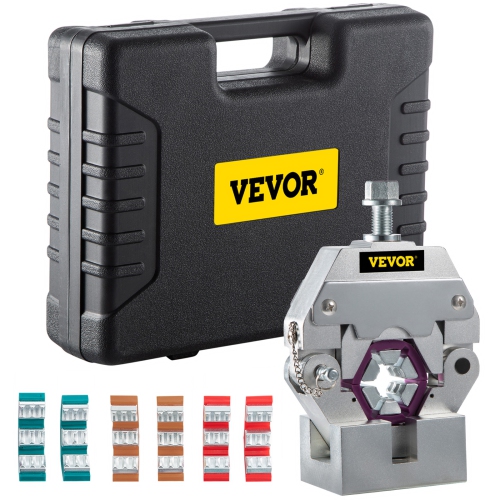
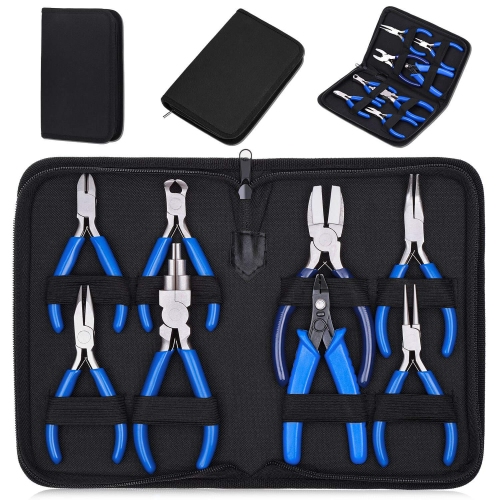
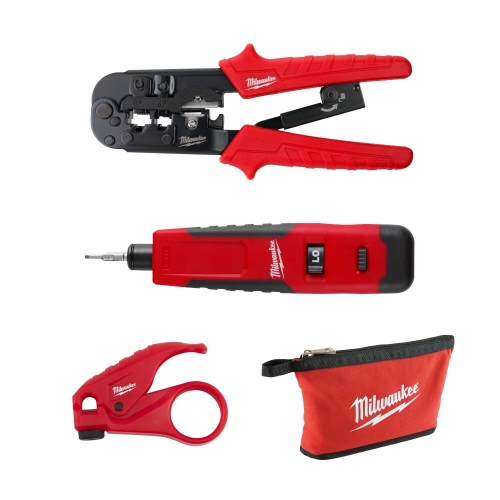
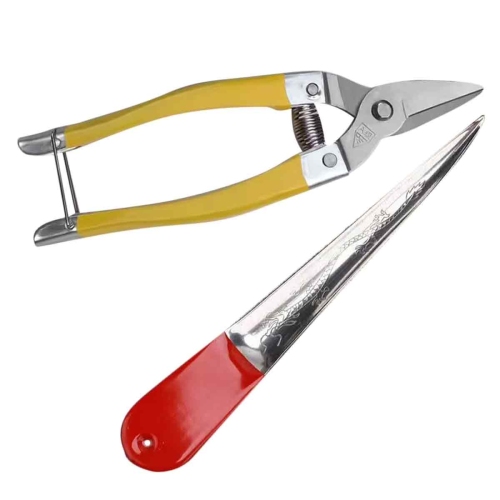
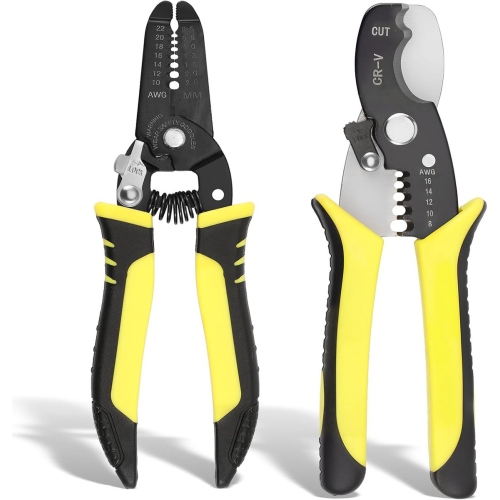
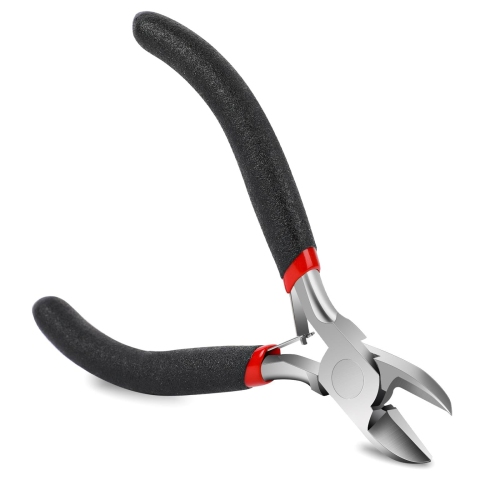
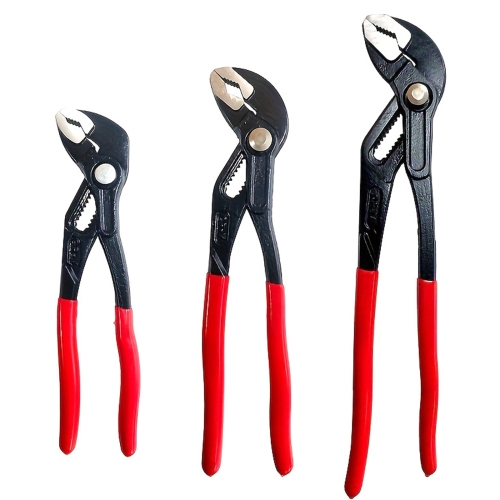
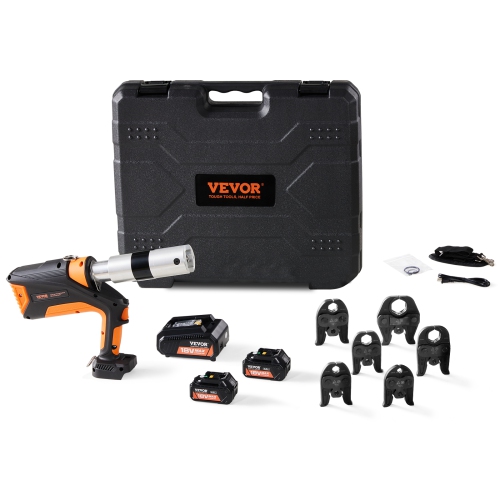
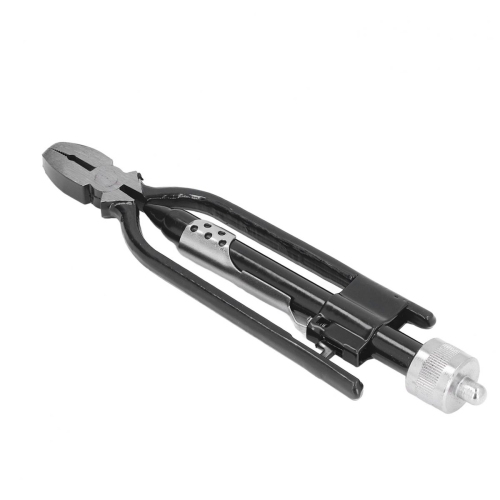
Pliers cover a wider range of gripping and shaping tasks, and their usefulness depends heavily on jaw geometry. Long-nose pliers can reach a small component tucked behind a bracket, guide a wire through a confined opening, or form a controlled bend where fingers cannot comfortably reach. Combination and lineman’s pliers provide a broader gripping surface for suitable wire and general workshop tasks, while diagonal cutters are shaped primarily for cutting rather than holding. Tongue-and-groove pliers offer an adjustable opening for gripping larger fittings, although their serrated jaws can mark finished surfaces. Smooth or protected jaws may be more appropriate when the appearance of a delicate workpiece matters. Jaw length, opening capacity, and head thickness all affect access: a substantial head can provide strength but may be awkward inside a compact enclosure. Handle length changes the balance between leverage and manoeuvrability, too. Longer handles can reduce the hand force needed for certain operations, yet they need enough clearance to open properly. A comfortable span is especially important during repetitive assembly, when an oversized grip can become tiring even if the tool feels reassuringly solid. Textured handles can improve control, and spring-assisted opening can reduce repeated finger movement, but comfort is best judged alongside the actual task. Forged carbon steel and chrome vanadium steel are common construction materials, with durability also depending on heat treatment, pivot quality, and the way the jaws meet. Hardened cutting edges can retain their shape through repeated use on suitable materials, but a wire cutter rated for copper should not be assumed capable of cutting hardened steel wire. A smooth pivot, aligned jaws, and minimal unwanted sideways movement help with precise work. For electronics hobbyists, a compact profile may matter most; for maintenance work, a more substantial gripping tool may be useful. No single pair replaces every specialist tool, particularly where a connector requires a defined crimp shape or a surface needs protection from tooth marks.
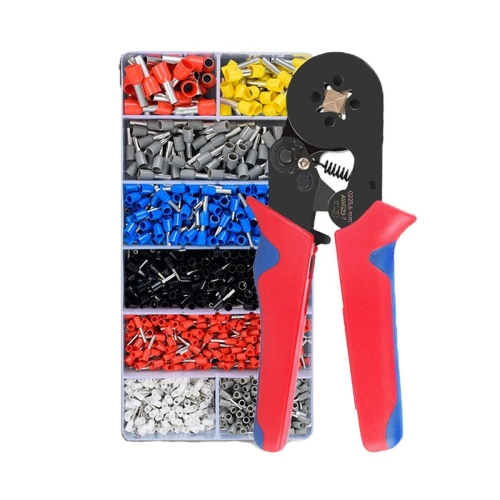
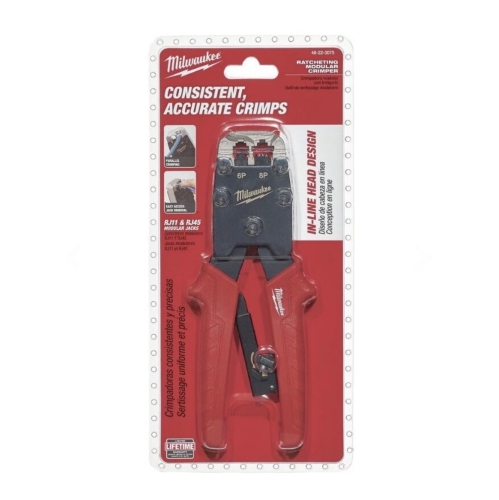
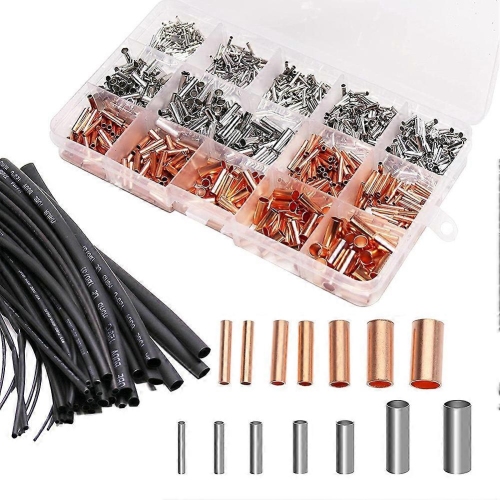
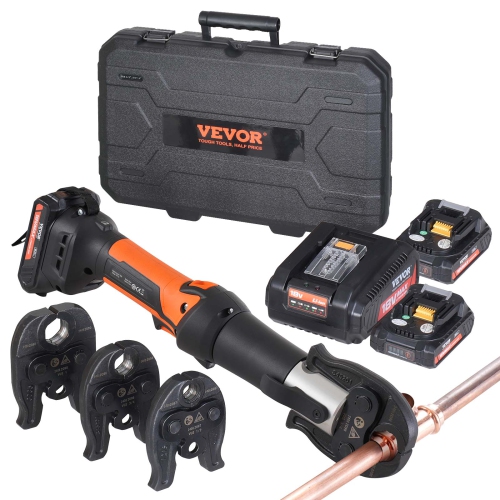
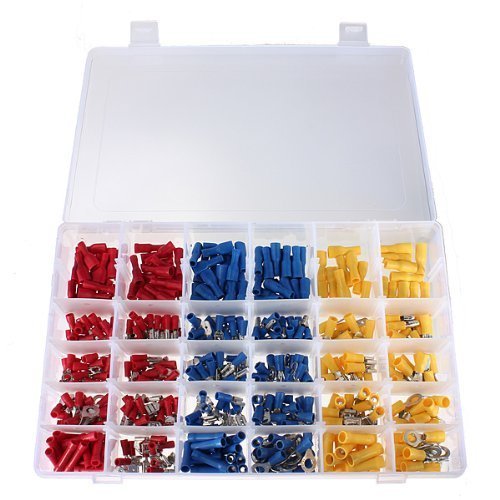
Good tool care starts with using each pair within its stated limits. Pliers are not substitutes for a hammer, pry bar, or wrench, and adding a pipe over the handles can overload the pivot or jaws. After use, remove loose debris and wipe away moisture before placing tools in a dry drawer, pouch, or case. Where the manufacturer permits it, a small amount of suitable lubricant at the pivot helps maintain smooth movement; excess should be wiped off so it does not collect grit or make the handles slippery. Protective finishes can help resist corrosion, but worn edges and exposed steel still benefit from careful storage. Cutting jaws should be checked for chips, and crimping dies should be kept clean enough that trapped fragments cannot interfere with connector seating. A tool that binds, has loose joints, or leaves visibly uneven crimps deserves inspection before further use. Safety is equally important during preparation and testing. Disconnect electrical power and verify that the circuit is de-energized before beginning work; ordinary cushioned handles do not make a tool electrically insulated. Even marked insulated tools do not replace safe isolation procedures or the skills required for electrical work. Eye protection is sensible when cutting wire, as short offcuts can spring away unexpectedly. For a Boxing Day gift, crimps and pliers are most useful when chosen around the recipient’s actual projects rather than the number of pieces in a set. Someone assembling low-voltage electronics may appreciate precise gripping and connector compatibility, while a household repair enthusiast may place greater value on comfortable handles and a practical mix of jaw shapes. Keeping frequently used tools separated and easy to identify also makes small repairs less frustrating. For projects involving suitable paper, fabric, or backing materials, Boxing Day Sale On Staplers & Staples is a related category for a different kind of fastening task. Matching each tool to its intended material and purpose helps keep the workspace practical, whether the job is a careful cable repair, a hobby build, or routine maintenance.
Top selling and popular products
-
 Your price for this item is $209.99
-
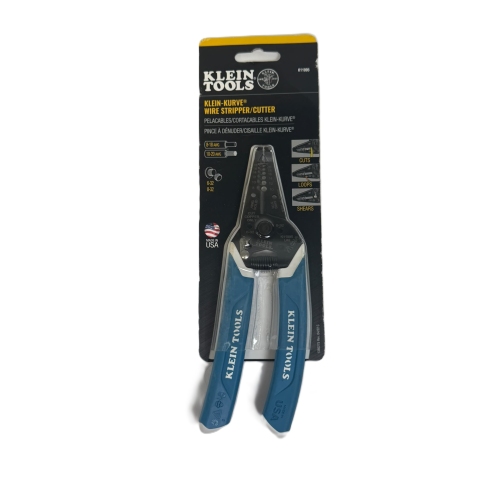 Your price for this item is $35
-
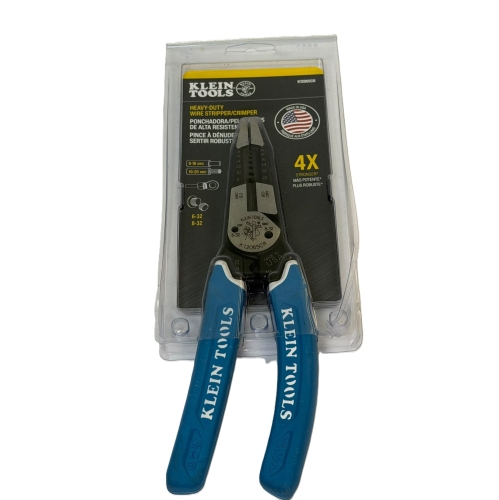 Your price for this item is $50
-
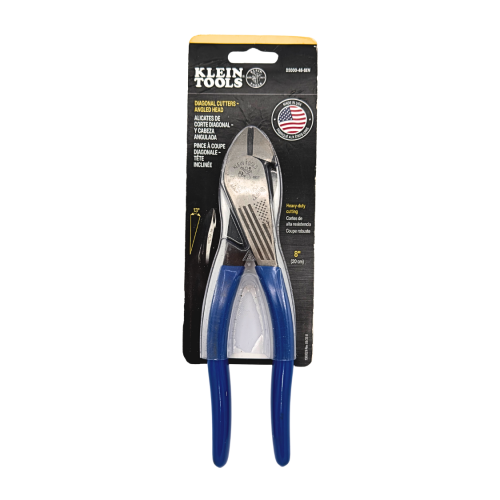 Your price for this item is $41.9
-
 Your price for this item is $299
-
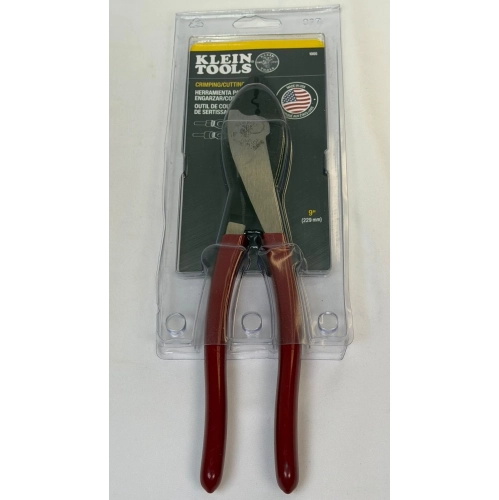 Your price for this item is $46.9
-
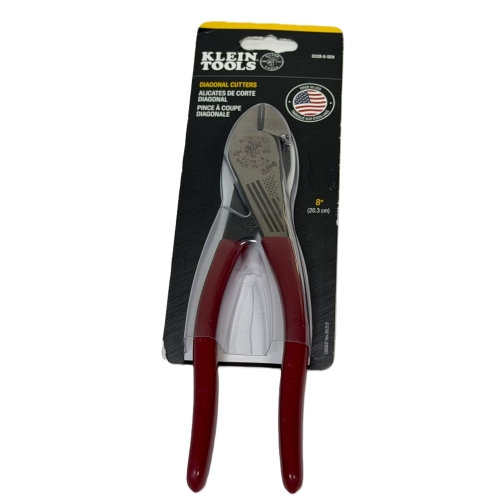 Your price for this item is $35.78
-
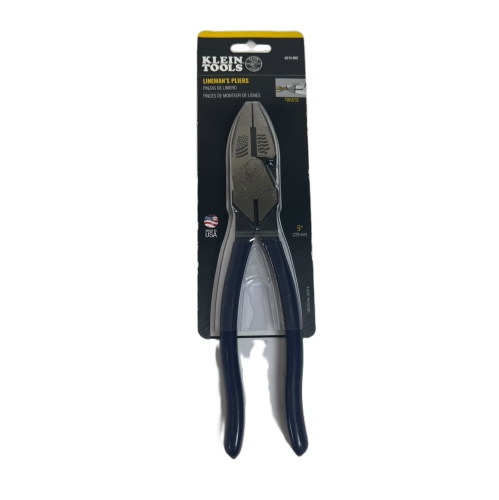 Your price for this item is $44.99