Boxing Day Deals Coming Soon
Our Boxing Day Sale returns in December 2026. In the meantime, shop our current top deals below.

Boxing Day Sale On Helmets & Safety Gear
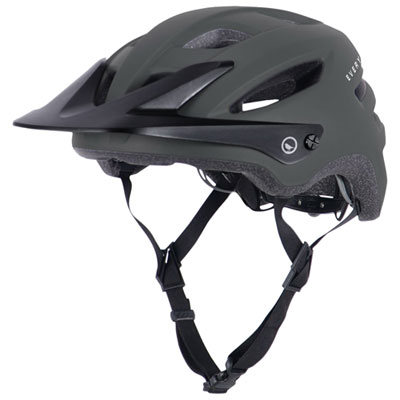
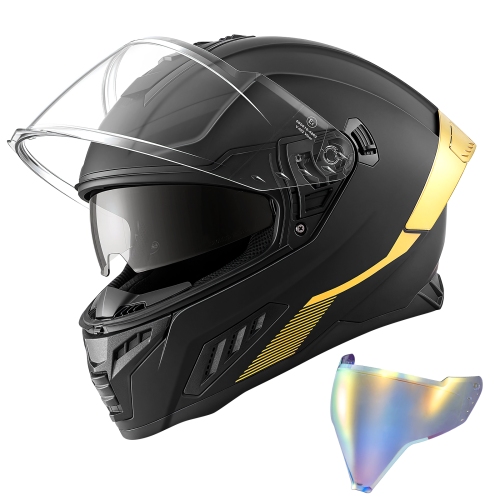
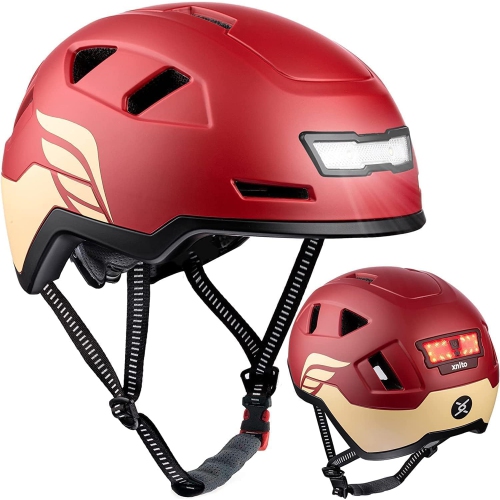
Get ready to score unbeatable deals this Boxing Day with our incredible sale on helmets and safety gear. Whether you're hitting the slopes, cycling through city streets, or embarking on thrilling outdoor adventures, ensuring your safety is paramount. Discover a wide range of top-quality helmets and protective gear designed to keep you secure while you enjoy your favorite activities. With prices that won't break the bank, now is the perfect time to upgrade your safety essentials. Explore our collection and find the perfect fit for your needs, all while enjoying fantastic savings during this limited-time event. Remember, our Low Price Guarantee means you can shop confidently knowing that you'll find the best price at Best Buy, all year round. We encourage you to check our website frequently for the most up-to-date information on our latest offers and savings opportunities.

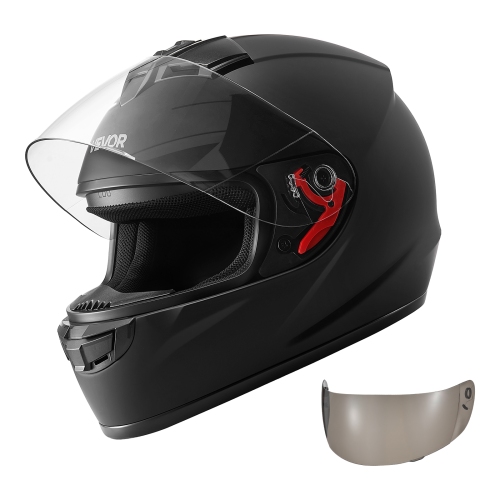
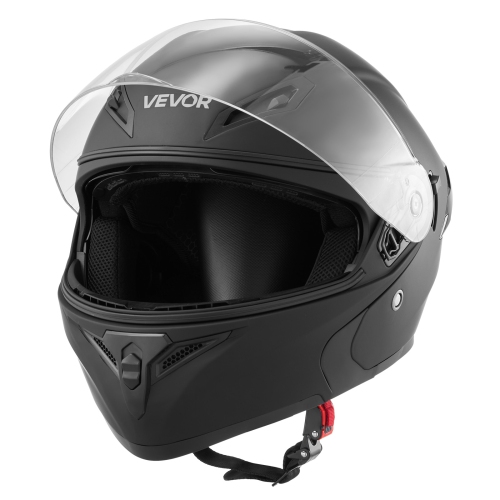
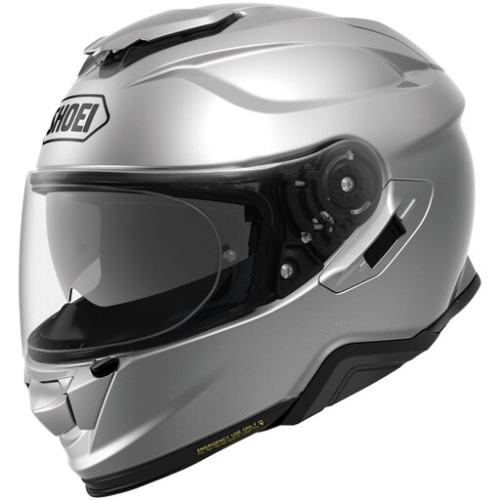
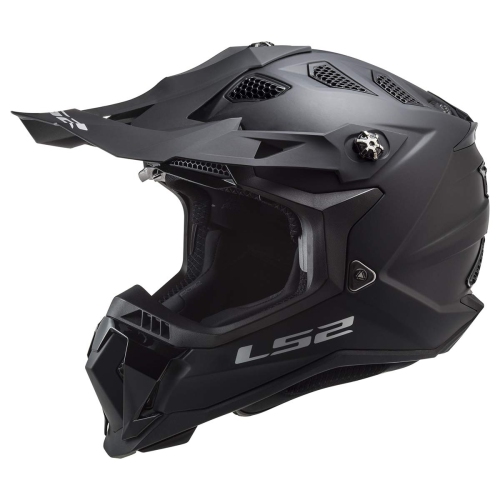
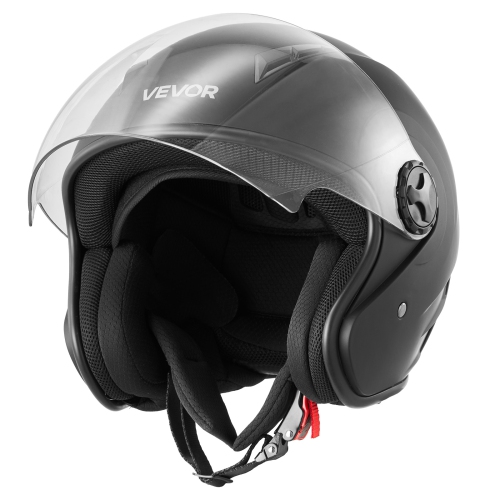
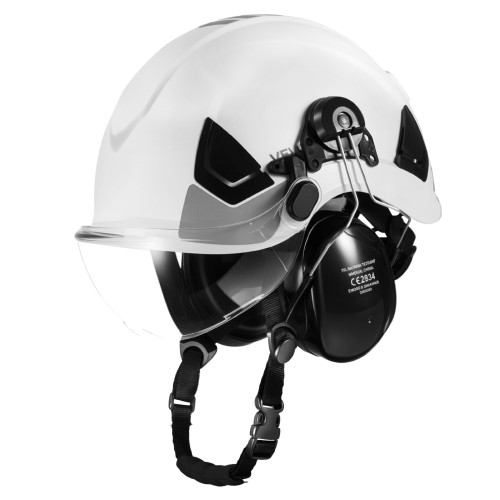
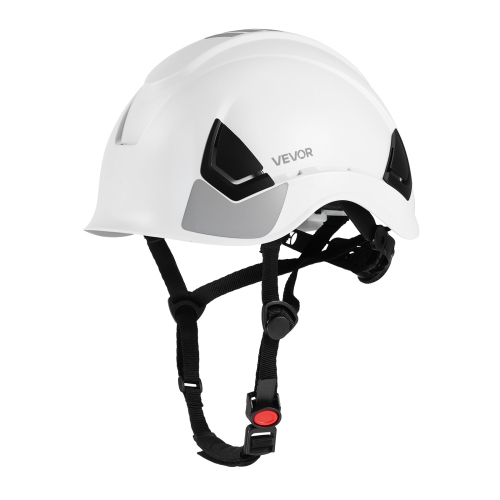
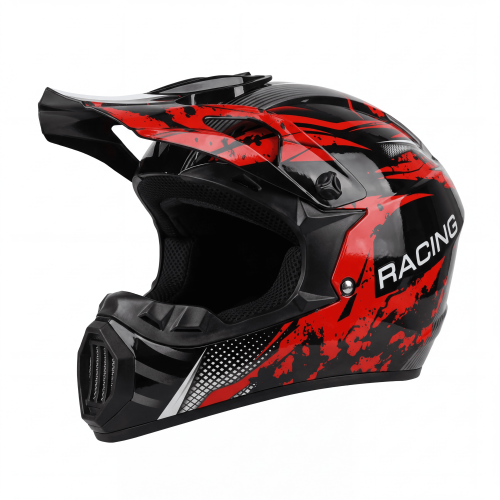
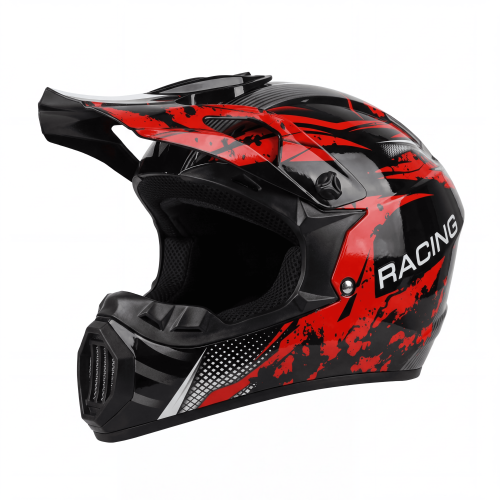
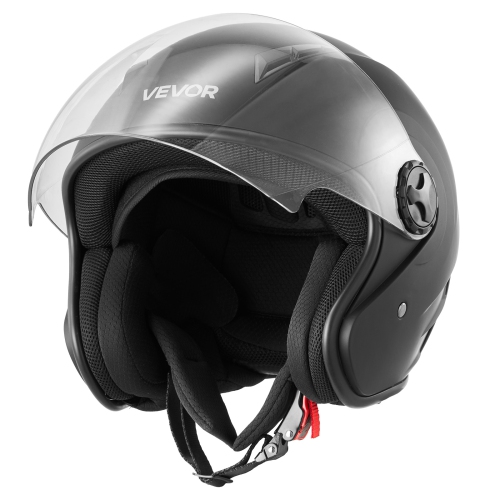
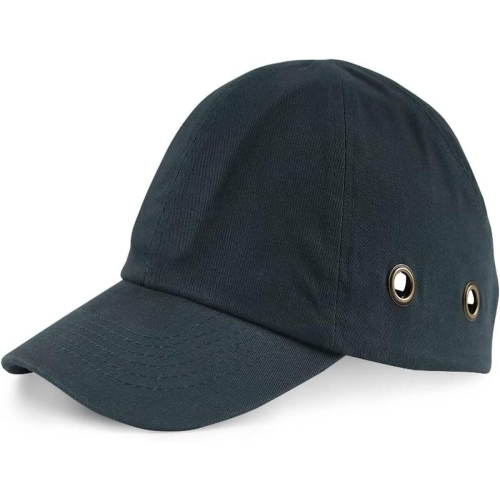
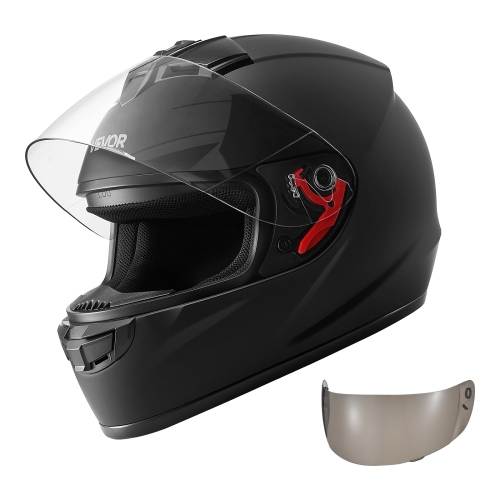

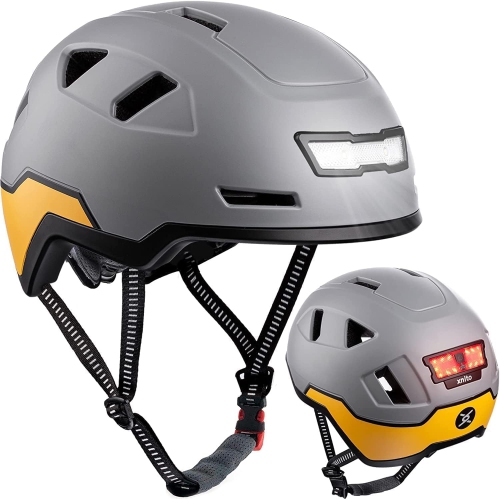
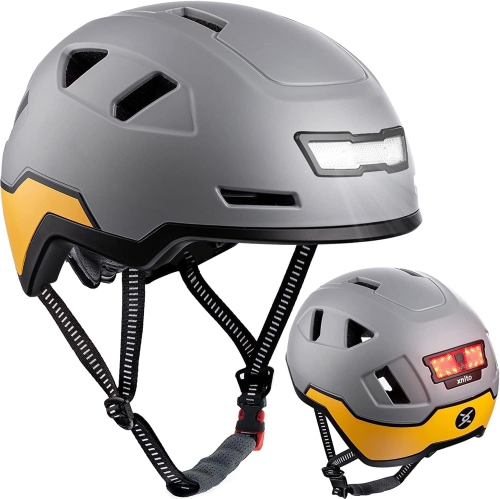
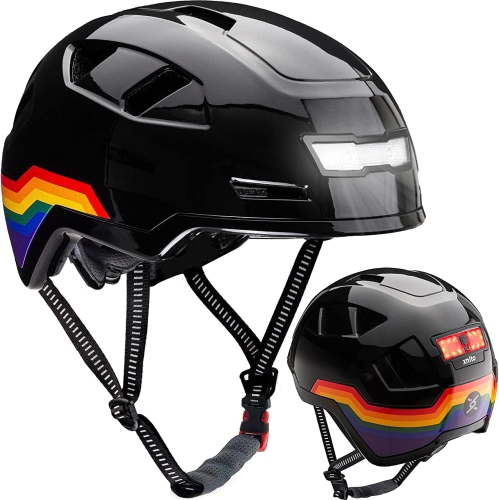
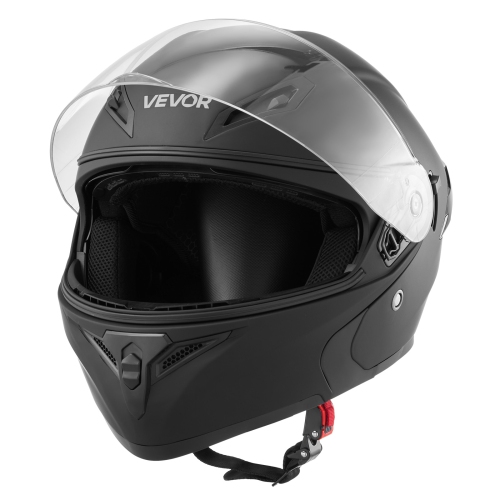
Why helmet fit and activity matter more than appearance
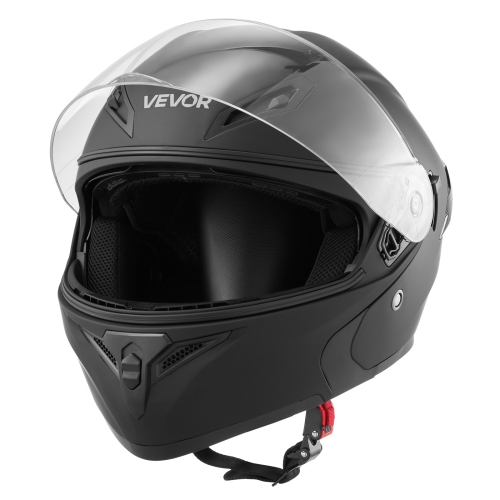
Fit is where the details of helmets and safety gear become especially noticeable. Helmet sizing generally begins with head circumference, measured according to the manufacturer’s directions, but the shape of the helmet also affects comfort. Two helmets with the same stated size range may feel different at the forehead, temples, or back of the head. A suitable fit feels secure without painful pressure points, and the helmet should not slide around with ordinary head movement once its adjustment system and straps are correctly set. Positioning varies by helmet type, so the fitting instructions remain important; a bicycle helmet, for example, should sit level rather than tipped back to expose the forehead. An adjustment dial can refine the fit within a stated size range, but it cannot make an oversized helmet appropriate. Children’s helmets and pads should fit at the time of use rather than leave extra room for growth. The same principle applies to protective padding: a knee pad that slips down during a crouch may leave the intended area uncovered, while an overly tight elbow pad can pinch and restrict movement. Closures need enough adjustment to hold the gear securely without loose ends that interfere with the activity. Materials influence how that fit feels over time. Rigid outer shells can provide abrasion resistance and help distribute impact forces, while energy-absorbing liners are designed to manage impact energy. Different liner materials behave differently, so appearance alone does not establish whether a helmet can be reused after an impact. Soft contact padding adds comfort but does not replace the protective liner. In body protection, shaped caps, foam padding, flexible panels, and breathable fabrics balance coverage with mobility. Washable liners and removable pads can make routine care easier when the manufacturer permits their removal. Compatibility matters, too: goggles should sit comfortably with a snow-sport helmet, eyewear should not create pressure beneath a helmet, and wrist protection should allow the grip needed for the intended activity. Trying the full combination together can reveal a rubbing strap, awkward gap, or restricted movement that is not apparent when each piece is worn separately.
Durability depends on construction, use, storage, and the condition of the equipment, not simply how substantial it feels in the hand. Scraped outer surfaces, compressed padding, stretched straps, cracked buckles, and worn stitching can all deserve attention, though the significance of each depends on the product and its instructions. Helmet damage is not always visible. After an impact, the manufacturer’s replacement guidance takes priority over a quick visual check, and many helmets must be replaced after a single significant impact even if the shell looks intact. A known usage history is particularly important for head protection, which makes previously used equipment harder to assess with confidence. Routine care is usually straightforward but should follow the supplied directions: gentle cleaning, thorough drying, and storage away from excessive heat, direct sunlight, and chemicals help protect materials and fastenings. Solvents, paint, adhesives, and unapproved modifications can affect helmet materials or interfere with their function. Removable fabric components may have different washing requirements from rigid shells and protective liners. Keeping straps untangled and allowing damp pads to dry before packing them away helps equipment stay comfortable for the next session. For hockey players, protection also needs to work as a coordinated set, with appropriate coverage and enough freedom to skate, handle a stick, and bend comfortably. Related equipment for the rink is covered on the Boxing Day sale on hockey equipment page. Across activities, the most useful features are often practical ones: a buckle that is manageable with the intended gloves, padding that stays centred during movement, or a liner that can be cleaned without a complicated process. Beginners, regular commuters, recreational skaters, and experienced players may have different preferences, but each benefits from equipment matched to the activity and maintained according to its instructions. Comfort, correct coverage, and dependable fit make protective gear easier to wear consistently, whether the occasion is a first lesson, a familiar route, or a regular practice.
Top selling and popular products
-
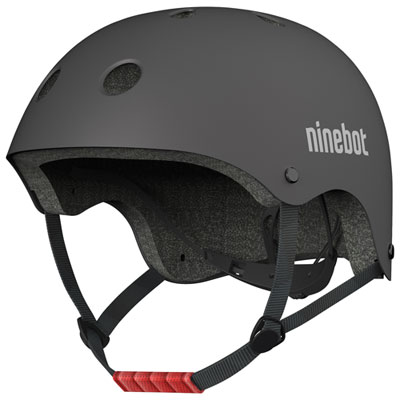 Your price for this item is $69.99
 -
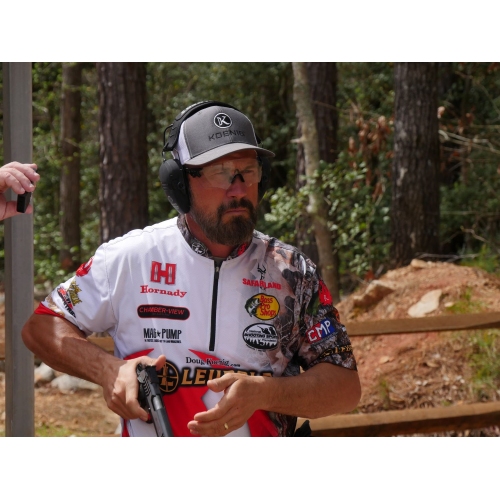 Your price for this item is $150.99
 -
![UNIVERSAL STUDIOS Pokémon Journeys: Season 23 - Destination: Coronation [DVD] In Multicolor](https://multimedia.bbycastatic.ca/multimedia/products/500x500/181/18197/18197813.jpeg) Your price for this item is $19.99
Your price for this item is $19.99 -
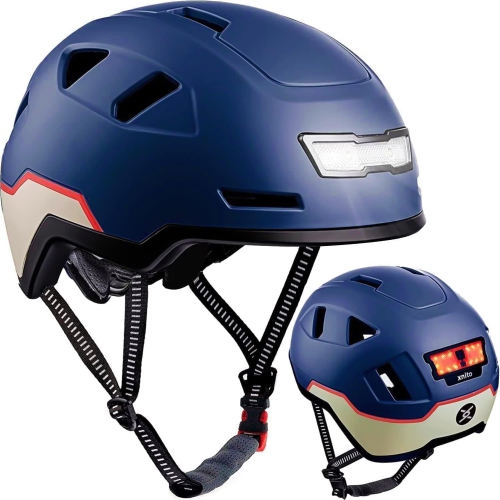 Your price for this item is $169
 -
 Your price for this item is $39.99
 -
 Your price for this item is $101.99
 -
 Your price for this item is $169
 -
 Your price for this item is $169