Cyber Monday Deals Coming Soon
Our Cyber Monday Sale returns in December 2026. In the meantime, shop our current top deals below.

Cyber Monday Deals On Helmets Safety Gears
Gear up for the best Cyber Monday deals on helmets and safety gear at Best Buy Canada! Whether you're an adventure enthusiast, a sports lover, or simply prioritize safety in your everyday activities, this is the perfect opportunity to score incredible discounts on a wide range of protective gear. Don't miss out on these unbeatable deals to ensure your safety without breaking the bank. Remember, our Low Price Guarantee means you can shop confidently knowing that you'll find the best price at Best Buy, all year round. We encourage you to check our website frequently for the most up-to-date information on our latest offers and savings opportunities.


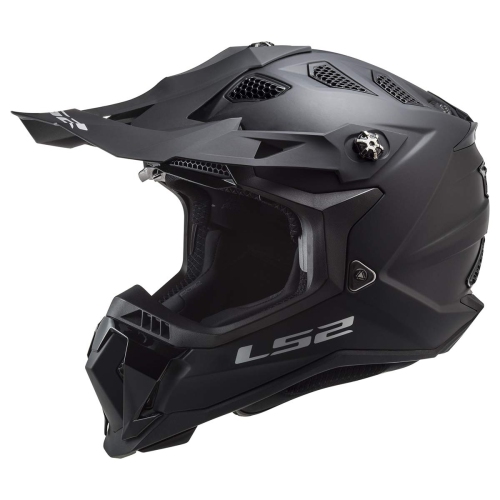

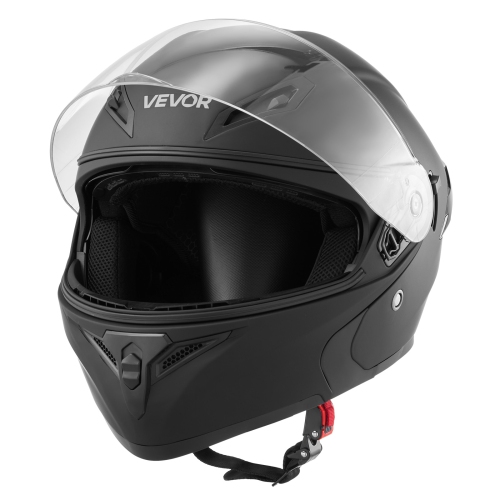
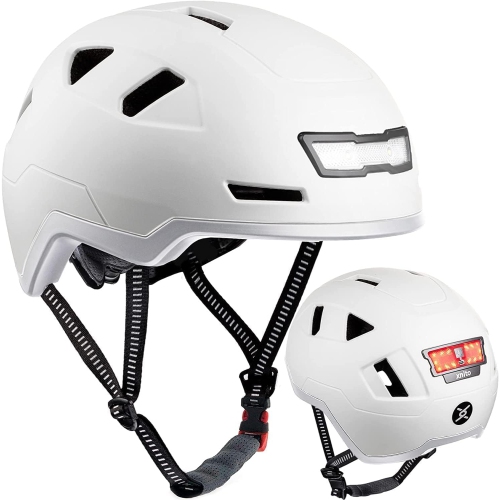
Why helmet fit and certification matter more than looks
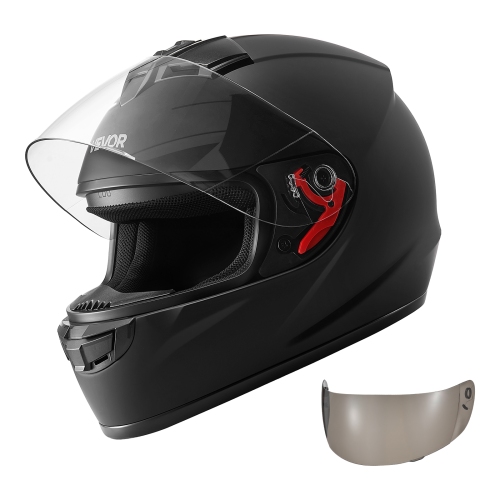
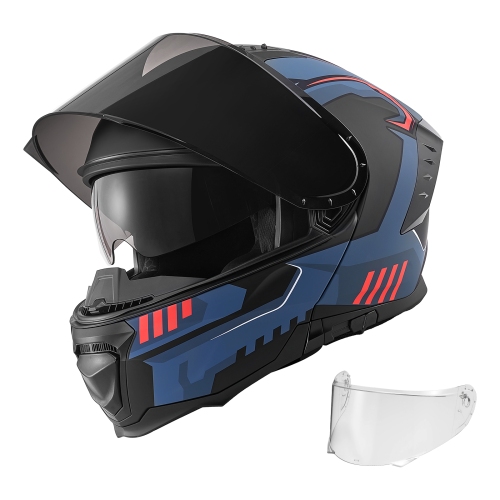
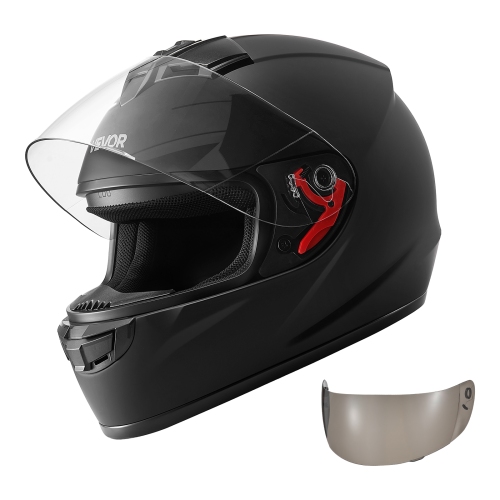
Fit determines whether those protective features stay where they belong. Helmet sizing generally begins with head circumference, measured around the widest part of the head as directed by the manufacturer, but the number on a size chart is only a starting point. Two helmets marked with the same size can have different interior shapes, and an adjustment dial cannot correct every mismatch. A properly fitted helmet should sit in the intended position, feel evenly snug and remain stable without painful pressure points. For cycling and similar activities, a helmet tipped far back exposes more of the forehead; a loose chin strap can also allow unwanted movement. Strap routing, buckle placement and compatibility with eyewear all influence whether the fit remains comfortable during an actual ride. Children need helmets that fit their present measurements rather than oversized shells chosen for future growth. Adult and youth sizing can overlap, so age labels alone are not enough. The same attention applies to pads and guards: coverage should stay centred over the intended area while the wearer bends, reaches or holds a handlebar. Sleeves that slide down and straps that pinch can make equipment distracting or uncomfortable. Soft, flexible padding may suit some activities, while hard outer caps can provide a different contact surface; the appropriate choice depends on the intended use and the manufacturer’s specifications. Breathable liners, smooth seams and adjustable closures can make a noticeable difference over a longer session. Certification markings and instructions provide more meaningful information than colour or styling alone, especially when equipment is described for several activities. A standard for one sport does not automatically establish suitability for another. Any added light, visor or camera mount also needs to be compatible with the helmet and installed according to its instructions. Unapproved attachments, drilling or other alterations can affect performance, even when the change seems minor. Keeping the equipment as designed helps preserve the fit and function that its testing was based on.
Durability depends on construction, use and care, not simply on how new a helmet or set of pads looks. Scratches on an outer surface and damage to an impact liner are not the same thing, and a helmet can have damage that is difficult to see after a collision. Many helmets are intended to be replaced after a significant impact, even when the shell appears intact; the manufacturer’s replacement guidance takes priority over appearance. Equipment described for multiple impacts still has inspection and replacement limits. Frayed straps, cracked shells, compressed padding, loose fasteners and closures that no longer hold securely are reasons to stop and assess the equipment before further use. Cleaning methods matter because strong solvents, adhesives and some cleaning agents can affect materials. Mild cleaning methods approved by the manufacturer, thorough drying and storage away from heat sources help keep equipment in serviceable condition. Removable liners and washable pad sleeves can make routine care easier, provided their care instructions are followed. A helmet should not be drilled, painted or decorated with adhesives unless the manufacturer explicitly allows it. Keeping instructions and purchase details also makes it easier to check care requirements, replacement parts and any applicable safety notices. For households with several riders, clearly identifying each person’s equipment helps prevent accidental swapping between sizes. Helmets and protective gear can be thoughtful gifts for someone taking up an activity or returning to a favourite pastime, but fit-sensitive equipment benefits from the recipient’s measurements and participation. A child learning to balance, an adult commuting by bicycle and a rider spending time at a skatepark have different needs, even if their preferred colours are identical. Matching the equipment to those real routines makes it more likely to feel comfortable and be worn consistently. Familiarity matters too: buckles and straps should be manageable for the person using them, with adult help where appropriate. Continue exploring the category with Boxing Day Sale On Helmets & Safety Gear.
Top selling and popular products
-
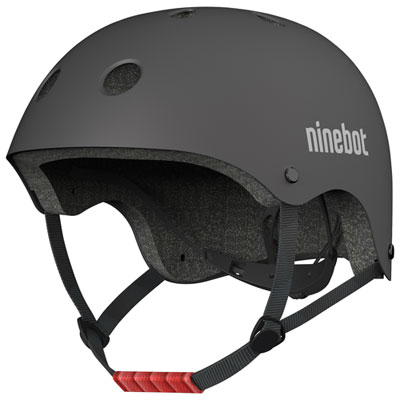 Your price for this item is $69.99
-
 Your price for this item is $19.99
-
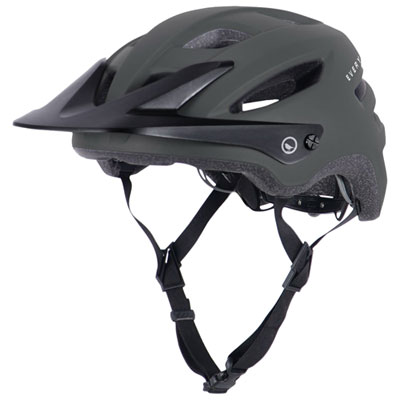 Your price for this item is $39.99
-
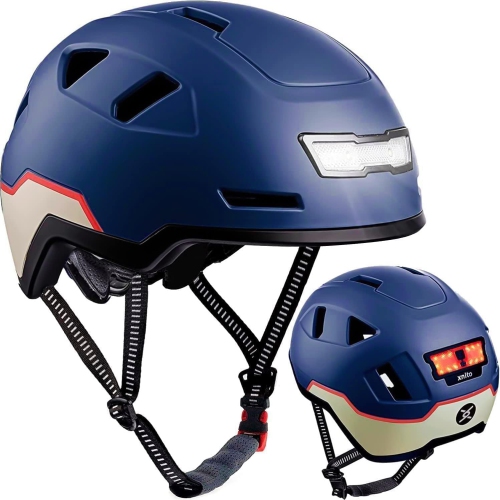 Your price for this item is $169
-
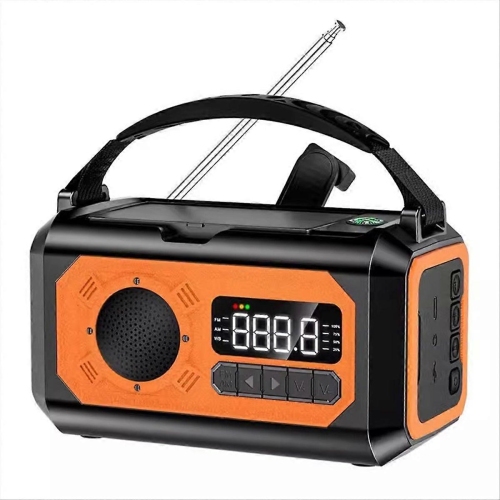 Your price for this item is $125.99
-
 Your price for this item is $199.99
-
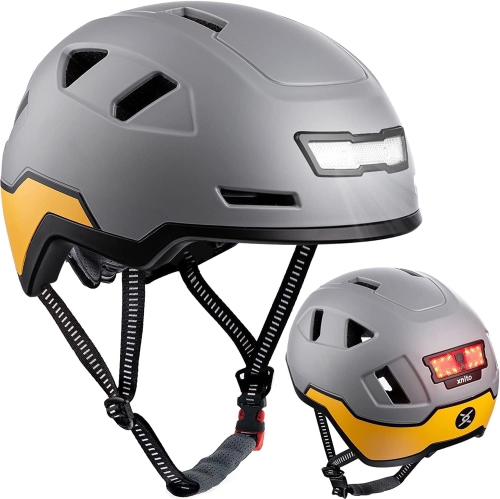 Your price for this item is $169
-
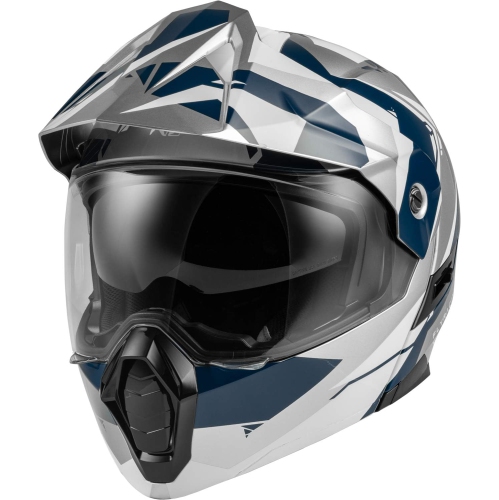 Your price for this item is $407.55