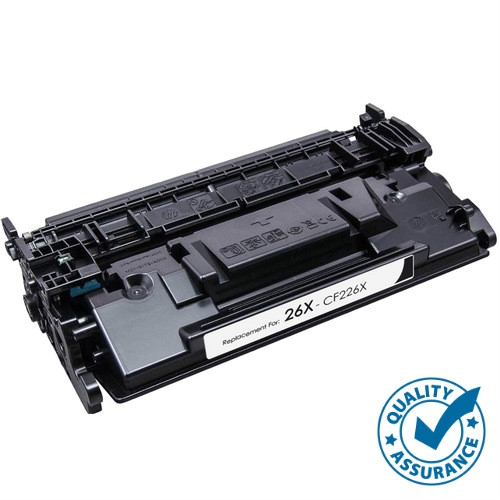
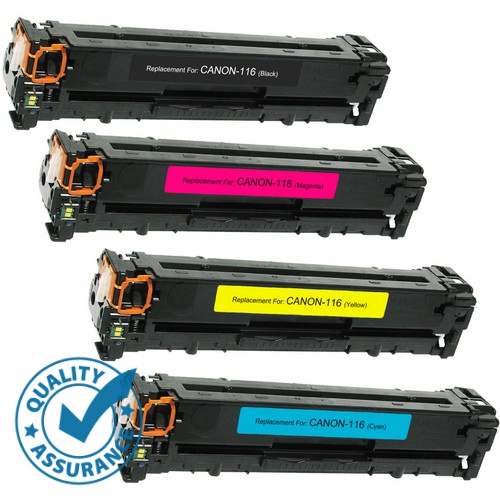
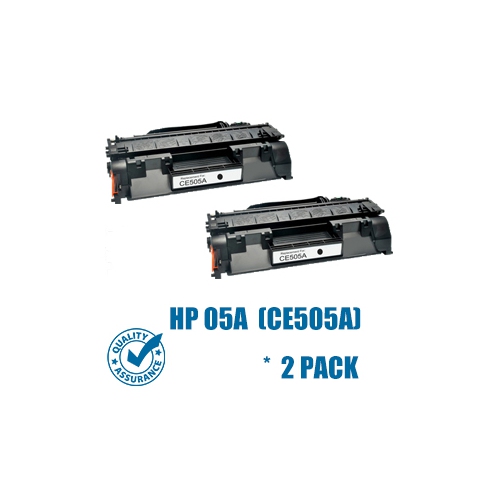
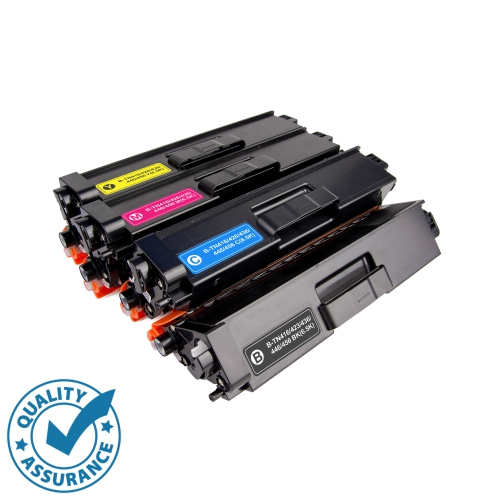
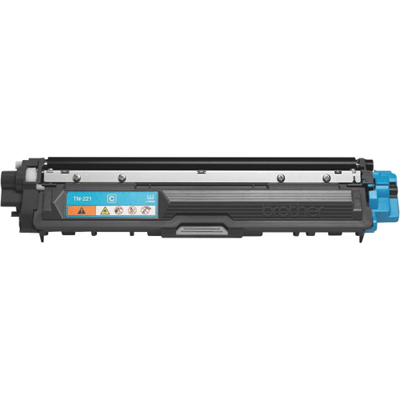
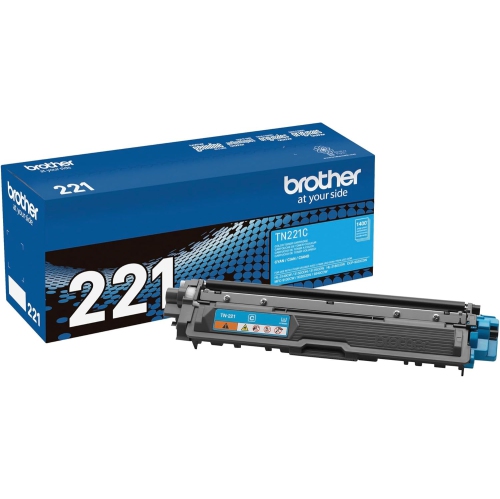
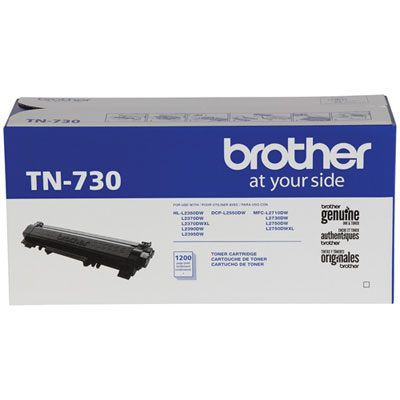
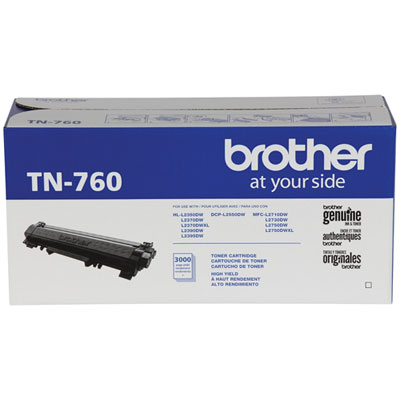
Boxing Day Sale On Printer Toners
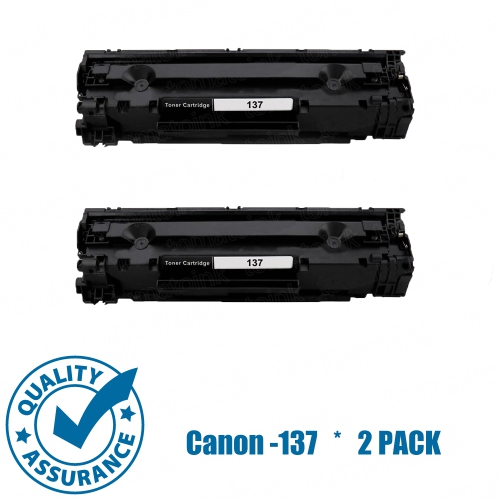
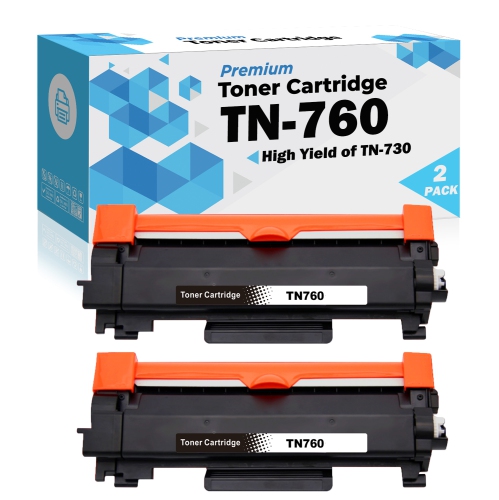
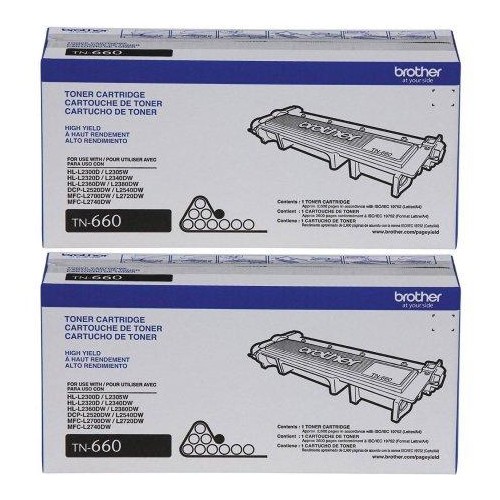
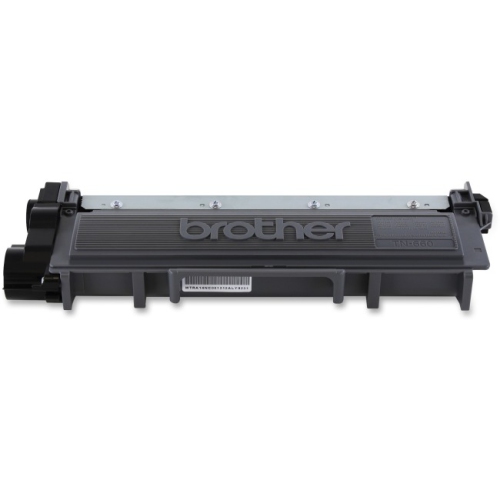
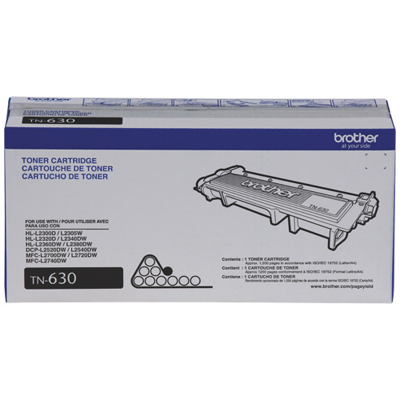
Unleash incredible savings this Boxing Day with our spectacular sale on printer toner! Whether you're printing important documents for work, school projects, or cherished family photos, having the right toner is essential for achieving crisp, vibrant results. Dive into our extensive selection to find the perfect match for your printer needs and enjoy unbeatable discounts that make stocking up more affordable than ever. Remember, our Low Price Guarantee means you can shop confidently knowing that you'll find the best price at Best Buy, all year round. We encourage you to check our website frequently for the most up-to-date information on our latest offers and savings opportunities.
Sort
Why toner compatibility matters for clear everyday printing
Printer toner supports the everyday work of a laser printer, from crisp shipping labels and school assignments to detailed reports, invoices, and presentation handouts. Unlike liquid ink, toner is a fine powder that a printer transfers onto the page and bonds to the paper using heat and pressure. It is designed for laser printers and certain LED printers, not inkjet models, so the most important consideration is compatibility with the exact machine. A printer’s full model number and the cartridge reference listed in its documentation are more reliable than the cartridge’s appearance or a similar-looking product name. Printers within the same series can use different supplies, and a cartridge that fits one machine may not work in another. The right match includes the cartridge format, supported capacity, and colour designation, as well as any requirements for recognition by the printer. Black toner suits text-heavy printing such as contracts, recipes, worksheets, and packing slips. Colour laser printers typically use separate black, cyan, magenta, and yellow cartridges to produce charts, illustrations, and other colour documents. A page with a small coloured logo places different demands on those cartridges than a full-page graphic, even when both documents contain the same number of pages. Toner is particularly useful for households, students, teachers, and office teams that need clear lettering and consistent document output. It can also support a small business handling appointment forms, client records, or instruction sheets throughout the day. Paper choice matters alongside the cartridge: a suitable laser-rated sheet helps the printer produce the finish intended for the document. Plain office paper is appropriate for many routine tasks, while heavier paper, labels, and coated media need to meet the printer’s specifications. Materials intended only for inkjet printing are not automatically suitable for a laser printer’s heated printing process. Together, compatible toner and appropriate paper help keep everything from a single signed form to a multi-page meeting package readable and neatly presented.
Toner cartridges differ in capacity, construction, and how they work with the printer’s imaging components. Standard-yield cartridges can suit occasional household printing, while high-yield versions are often a practical fit for frequent document production, provided the printer explicitly supports them. Page yield is an estimate based on standardized testing, not a promise that every cartridge will produce that number of pages in everyday use. Dense text, large graphics, extensive colour coverage, and printing patterns can all affect the amount of toner consumed. Someone printing short appointment reminders will have different needs from someone producing illustrated training manuals, even if both use the same printer. Comparing stated yields is most useful when the figures use the same testing basis. Original cartridges are made by the printer manufacturer, while compatible cartridges are produced by other manufacturers for specified printer models. Remanufactured cartridges generally use previously used cartridge housings that have been processed and refilled. For any of these types, the stated model compatibility, installation requirements, and cartridge specifications deserve close attention. Some printers use electronic identification features, so physical fit alone does not establish that a cartridge will be recognized. The cartridge body is commonly a rigid plastic housing containing toner and the components needed to feed it through the printing process, with seals protecting the contents before installation. Depending on the printer design, the imaging drum may be part of the toner cartridge or a separate replaceable unit. That distinction is important when identifying which supply needs attention. Faded printing can indicate depleted toner, but streaks, repeating marks, or other defects can also relate to the drum, paper, or another component. A printer’s status messages and documentation help distinguish these situations. For a shared office printer, knowing whether toner and drum units are separate also makes routine maintenance easier to coordinate without replacing a component that still has useful service life.
Care and handling help toner cartridges remain dependable between installation and daily use. An unopened cartridge is best kept in its protective packaging until it is needed, with storage conditions and orientation following the manufacturer’s directions. A clean, dry location away from direct sunlight, excessive heat, and moisture protects the packaging and cartridge components. Toner does not dry out in the same way as liquid ink, but that does not make a cartridge immune to poor storage or careless handling. Packaging also helps protect delicate parts during transport, especially when supplies move between a home office and another workplace. Before installation, any shipping seals, clips, or protective covers need to be removed as directed for that cartridge. Some designs call for gentle movement to distribute the toner; others have different preparation steps, so the supplied instructions are the appropriate reference. Exposed drum surfaces should not be touched, and any light-sensitive components need the protection described by the manufacturer. Keeping the work area clear makes a replacement easier, particularly beside a busy printer shared by several people. After installation, a short document containing ordinary text can provide a useful view of print clarity before a larger job begins. For colour printing, a familiar chart or document can help show whether the output meets the intended use, although screen colours and printed colours will not always look identical. Printer settings also influence results: draft modes may suit internal notes, while a presentation or client-facing document may benefit from the appropriate higher-quality setting. Toner makes a practical replacement supply for a household or workplace rather than a one-size-fits-all gift; anyone choosing it for another person needs the recipient’s exact printer details. For someone putting together a new printing setup, the Boxing Day sale on laser printers page features the equipment these supplies support. Whether the task is printing a few forms at home or preparing documents for a busy team, a compatible cartridge with suitable capacity helps keep the printer ready for its intended workload.
Top selling and popular products
Top Collections:
Pokemon Centers, Kindle Devices, Best Black Friday Deals This Year, Pokémon 30th Celebration Cards, Best Black Friday Deals On Electronics, Best Cameras for Sports Photography, Best Black Friday Deals On Apple Products, Canon G7X Cameras, iPhone 15 Apple, Candle Warmer Lights
Some products may be subject to Environmental Handling Fees
(EHF) depending on your province.
Learn more about EHFs.