Boxing Day Deals Coming Soon
Our Boxing Day Sale returns in December 2026. In the meantime, shop our current top deals below.

Boxing Day Sale On Printer Ink
Boxing Day is the perfect time to stock up on printer ink with incredible deals that ensure your printing needs are met without breaking the bank. Whether you're preparing for a new year of projects, assignments, or creative endeavors, our Boxing Day sale offers a wide selection of high-quality printer ink at unbeatable prices. Discover an array of options that cater to various printers and budgets, ensuring you find the perfect match for your home or office setup. Remember, our Low Price Guarantee means you can shop confidently knowing that you'll find the best price at Best Buy, all year round. We encourage you to check our website frequently for the most up-to-date information on our latest offers and savings opportunities.
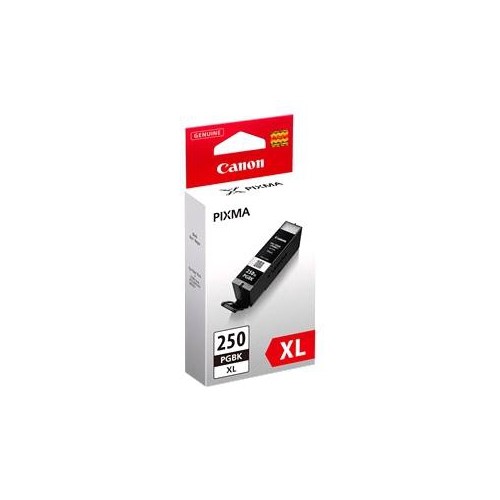
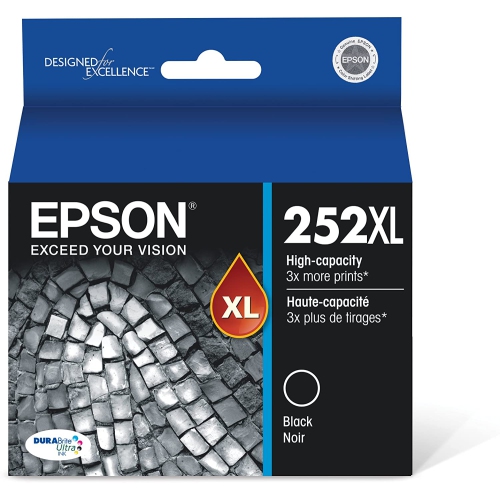
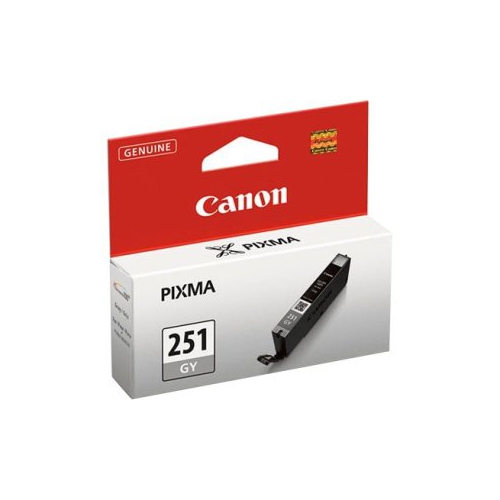
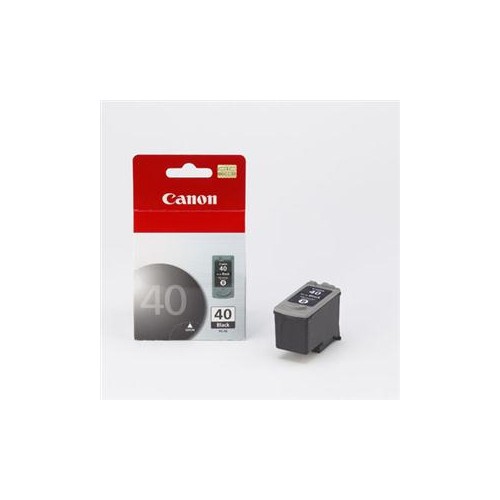
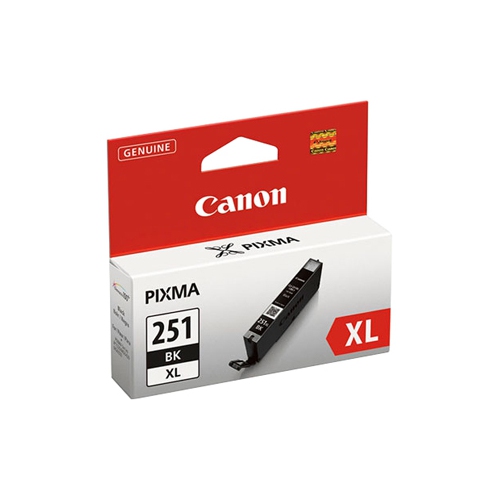
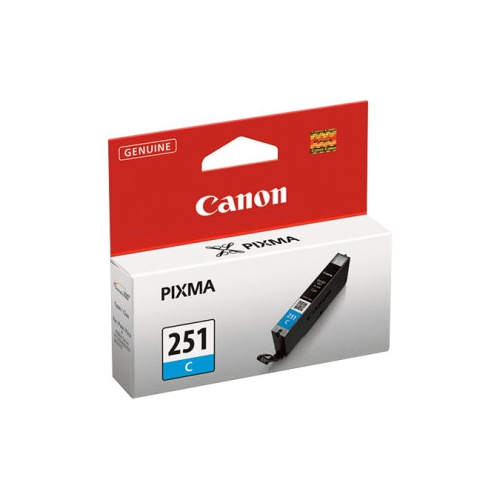
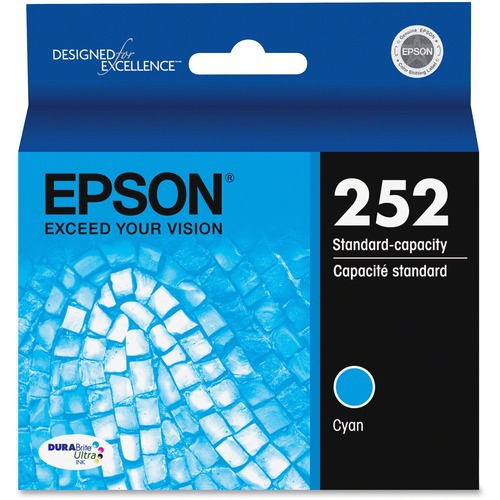
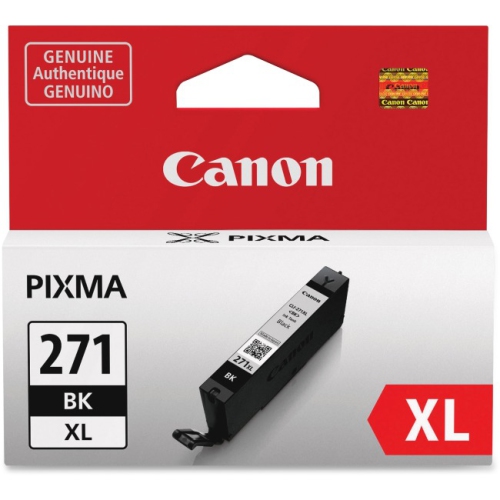
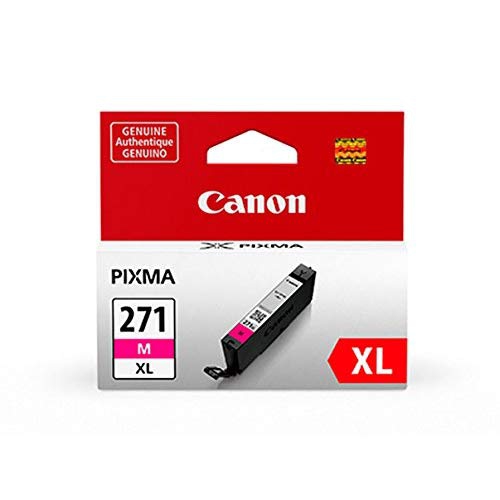

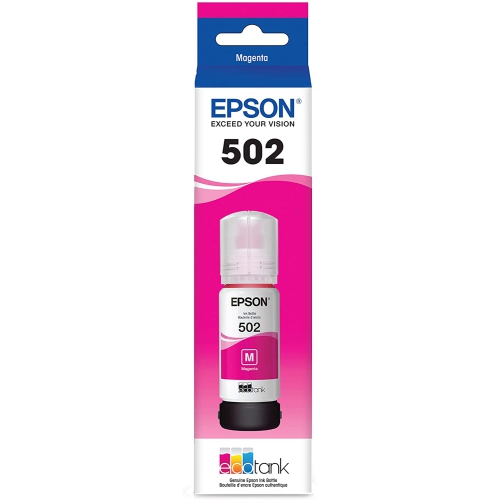
Why printer ink compatibility goes beyond the brand
Ink formulation plays a large part in how a finished page looks and how well it holds up during handling. Dye-based inks contain colourants dissolved in liquid and are often associated with vivid colour and smooth tonal transitions on suitable photo paper. Pigment-based inks contain fine colour particles suspended in liquid and can provide crisp text and strong resistance to water or fading in supported printing systems. Those qualities depend on the complete combination of ink, printer, paper, and print settings; no broad ink category guarantees that every print will be waterproof or fade-proof. Some printers combine pigment black for documents with dye-based colours for images, which is another reason to follow the machine’s specified ink type rather than substitute a different formulation. For someone printing a résumé, legible small text and clean lines may matter most. For a parent creating a photo collage or a student assembling a visual presentation, smooth skin tones, clear diagrams, and balanced colour can be just as important. Paper influences those results considerably. Plain office paper absorbs ink differently from coated photo paper, and selecting the appropriate paper type in the print settings helps the printer apply ink as intended. Heavy colour coverage on thin paper can show through or leave the sheet rippled, while paper made for inkjet photographs is designed to receive ink differently. Prints should have time to dry according to the paper and ink instructions before being stacked, framed, or placed in an album. Highlighters, moisture, friction, and direct light can all affect the finished page, with resistance varying by formulation and media. Original manufacturer cartridges and third-party replacements also differ in their construction, electronic components, and stated compatibility. Remanufactured cartridges have been previously used and prepared for use again, with inspection and testing practices varying by supplier. Clear compatibility information is especially valuable for these options because printer software, cartridge chips, and any subscription-linked requirements may affect whether a cartridge is accepted. The cartridge housing and internal seals matter too: they help contain the liquid and support dependable ink delivery when the cartridge is installed correctly.
Capacity and everyday printing habits help shape which ink format makes sense for a home, classroom workspace, or small business. Standard and high-yield cartridges may fit the same supported printer but hold different quantities of ink; the high-yield designation does not mean that a cartridge fits more printer models. Stated page yields are based on defined testing conditions and are best understood as comparison figures rather than a promise of an exact number of pages. A page of short paragraphs uses ink differently from a full-page photograph, a densely shaded worksheet, or a presentation with large blocks of colour. Cleaning cycles and maintenance can use ink as well. Some printers also require usable colour cartridges to remain installed even when the intended output is black text. For frequent document printing, dependable black output and a capacity suited to the workload are practical priorities. For occasional family printing, proper storage and regular printer use can be more important than choosing the largest cartridge size. Unopened cartridges should remain sealed in their original packaging until needed and be stored within the manufacturer’s recommended conditions, away from direct sunlight and excessive heat. Any use-by guidance on the package should be followed. Installed cartridges are generally best left in place unless replacement or a manufacturer-directed procedure requires removal, since unnecessary handling can expose ink to air or interfere with contacts and seals. On many inkjet printers, using the normal power button allows the printhead to return to its protected position before shutdown. If output develops gaps or streaks, the printer’s nozzle check can help identify the issue before a cleaning cycle is run; repeated cleaning without checking the result can consume ink without resolving the underlying problem. Refillable systems need their specified bottles and careful handling to prevent spills or mixing colours. Whether the next job is a set of address labels, a child’s illustrated story, or a polished report, suitable ink supports clear, consistent results. For shared printers, keeping the model and cartridge details beside the machine makes replacement less confusing and helps everyone involved maintain the same dependable printing routine.
Top selling and popular products
-
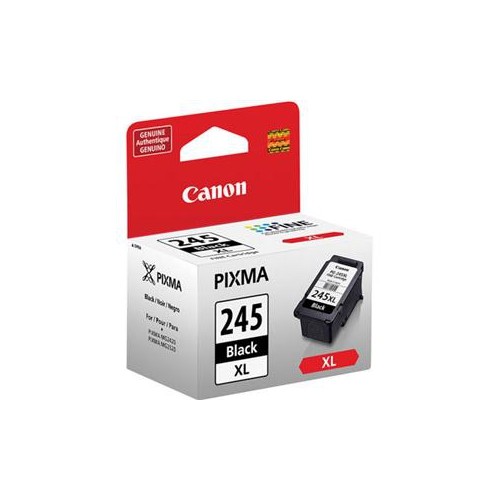 Your price for this item is $53.37
 -
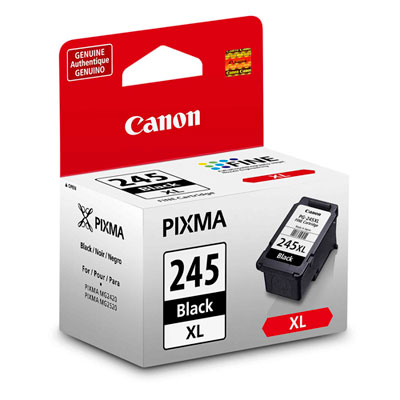 Your price for this item is $82.99
 -
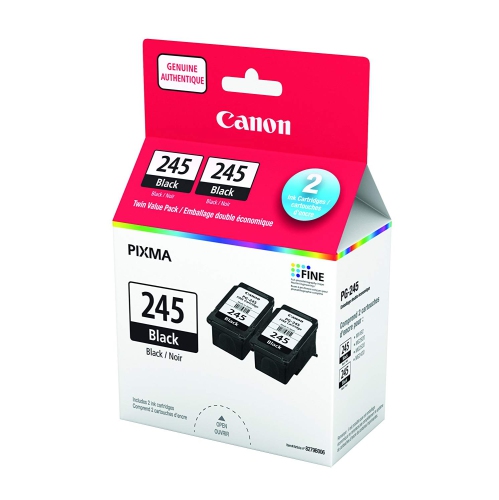 Your price for this item is $74.89
 -
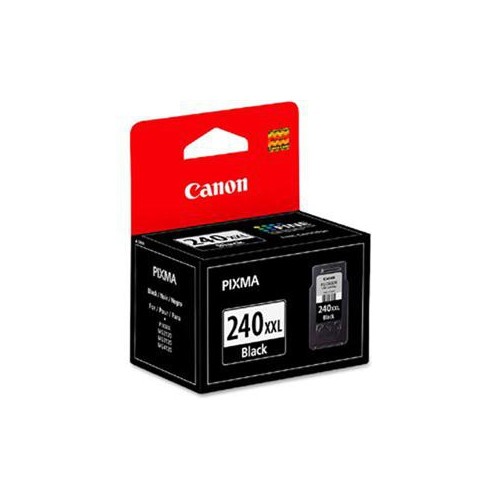 Your price for this item is $56.68
 -
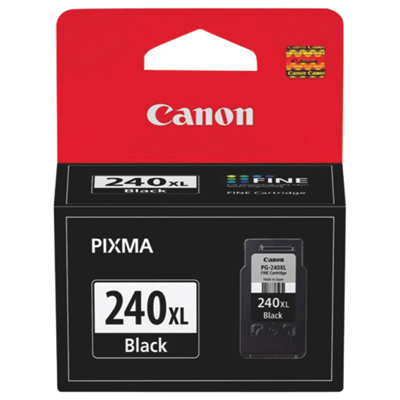 Your price for this item is $44.99
 -
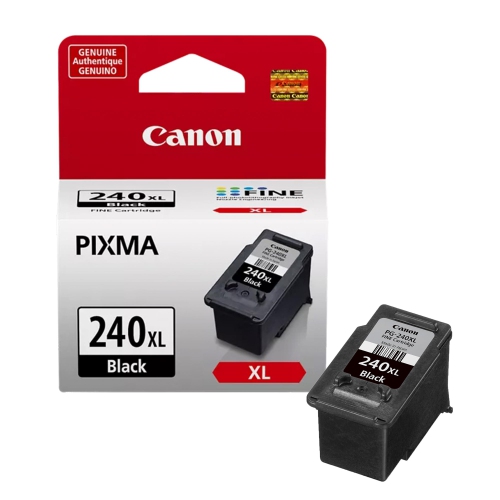 Your price for this item is $53.68
 -
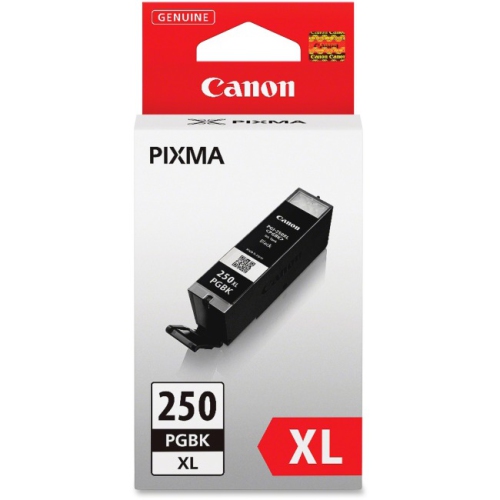 Your price for this item is $36.68
 -
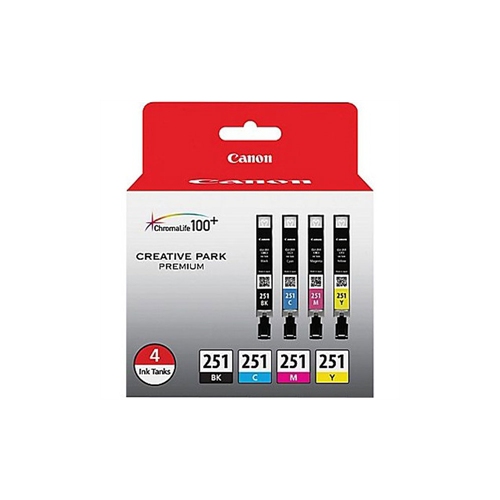 Your price for this item is $81.99