Cable Management Bag

Keep cords, chargers, and small tech accessories together with a cable management bag for home, work, or travel. Browse cable organizer bags with your storage needs in mind, considering overall size and interior layout to find an option that suits your essentials and fits in your drawer, backpack, or luggage.
Sort

Charging essentials stay organized from desk to carry-on

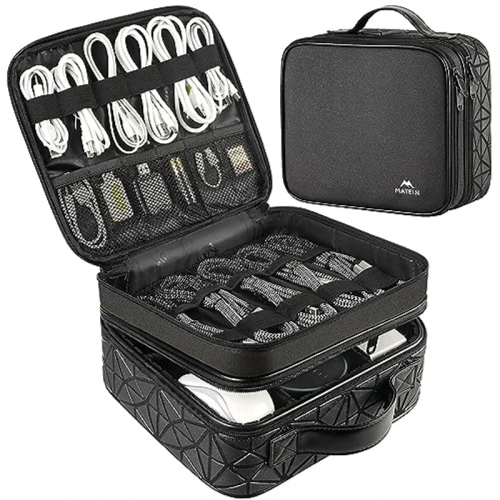
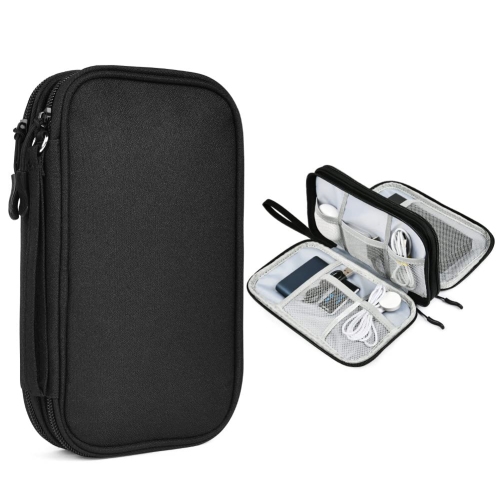
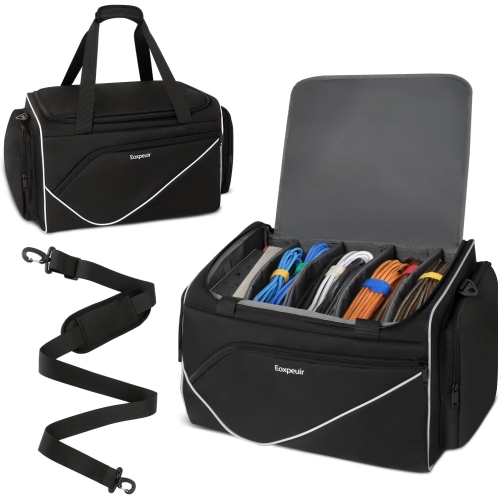
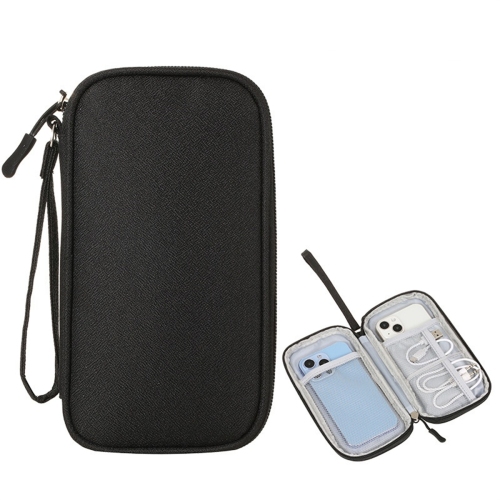
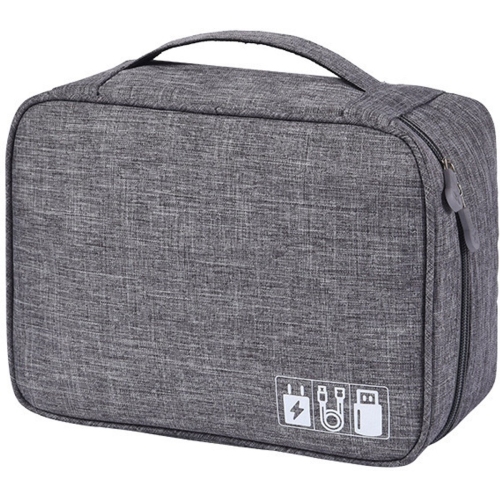
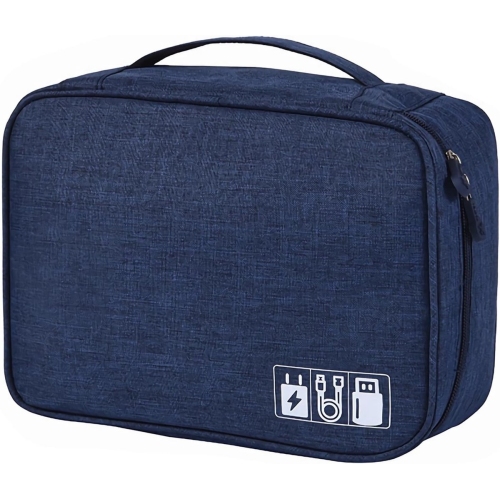
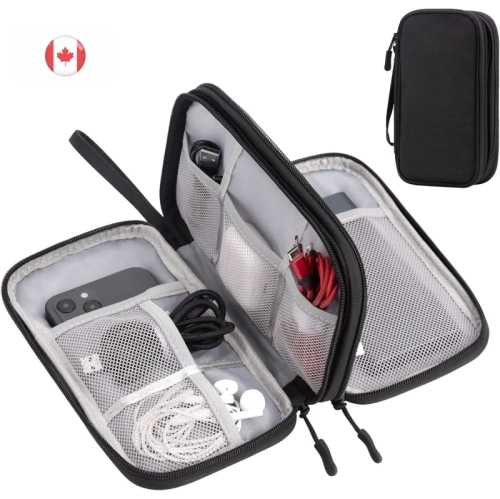
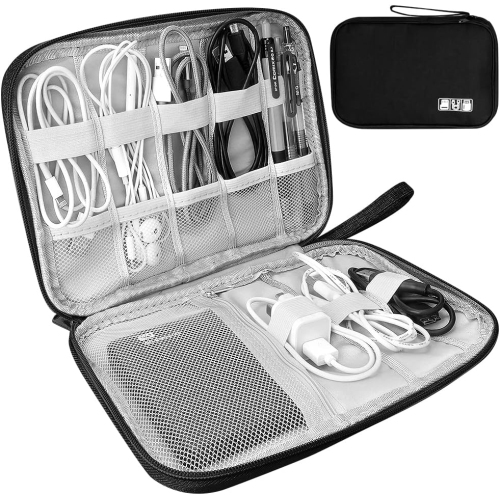
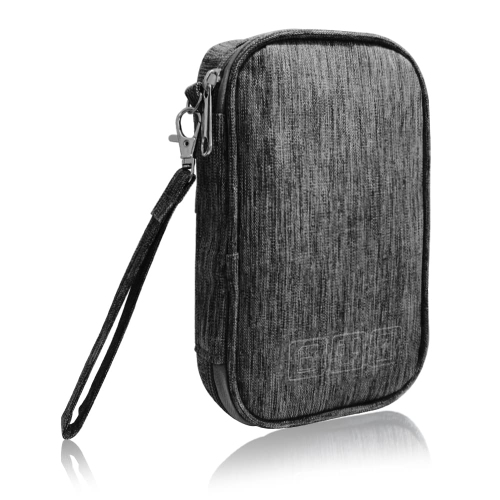
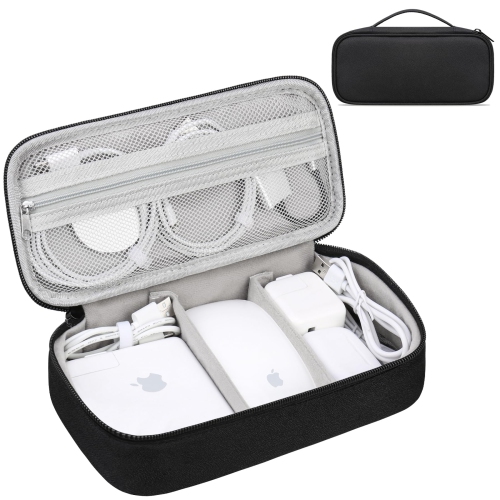
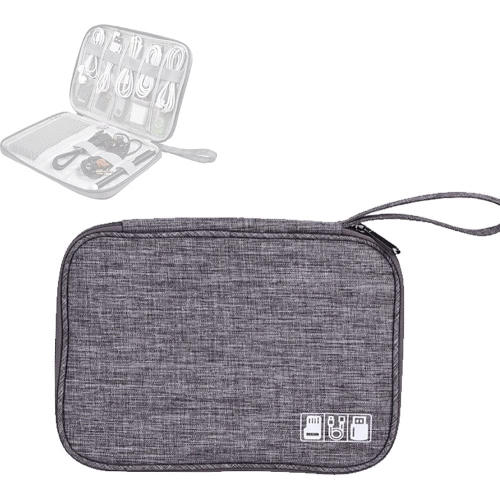
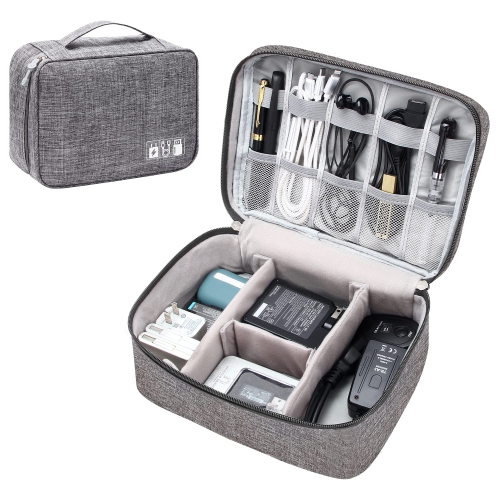
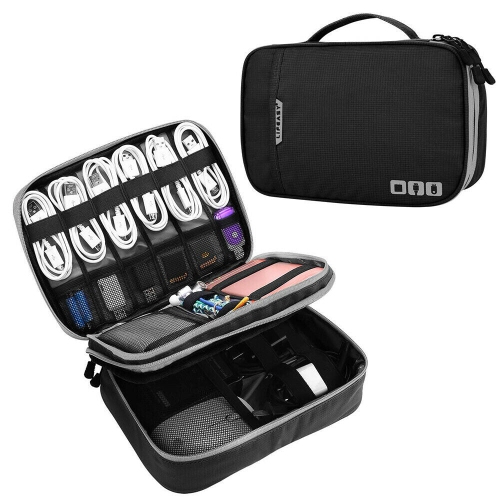
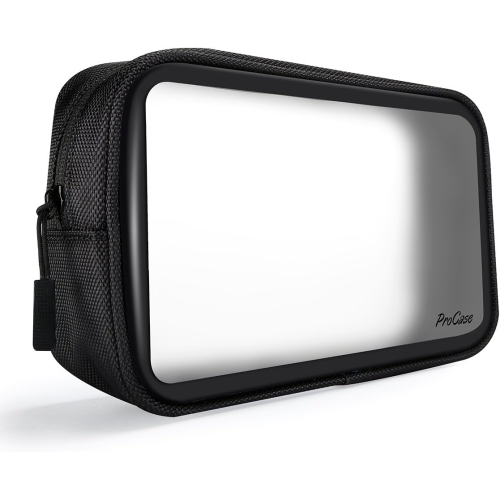
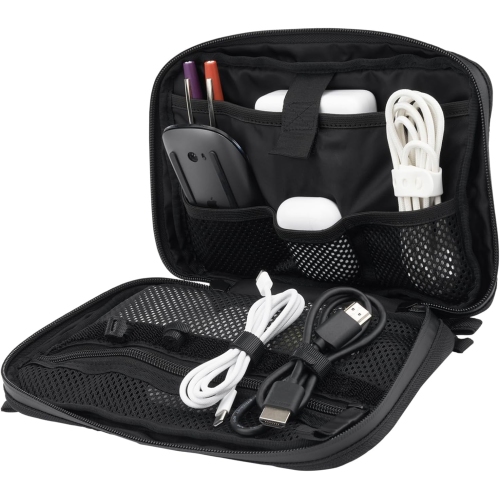
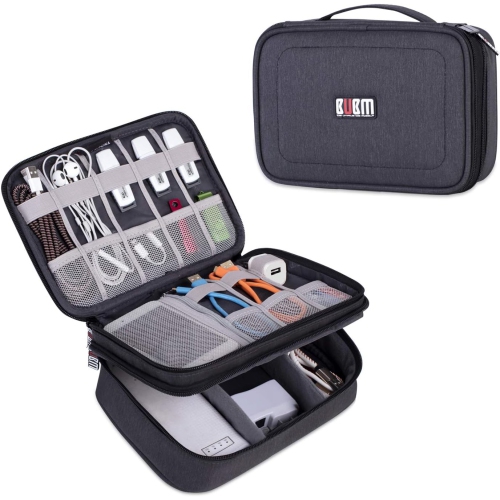
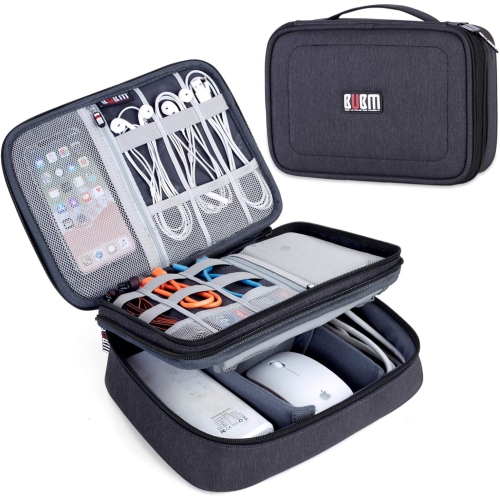
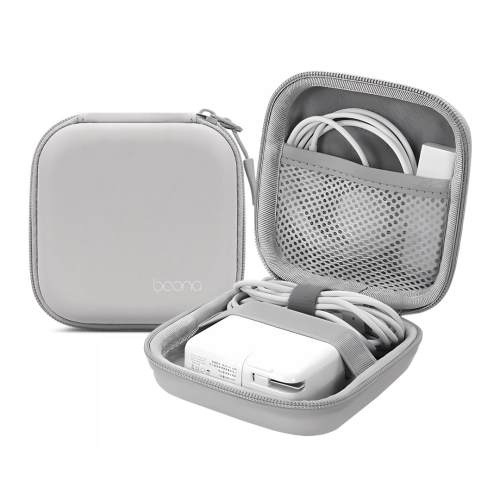
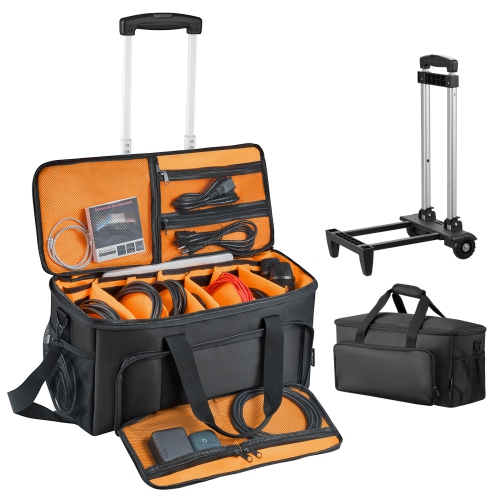
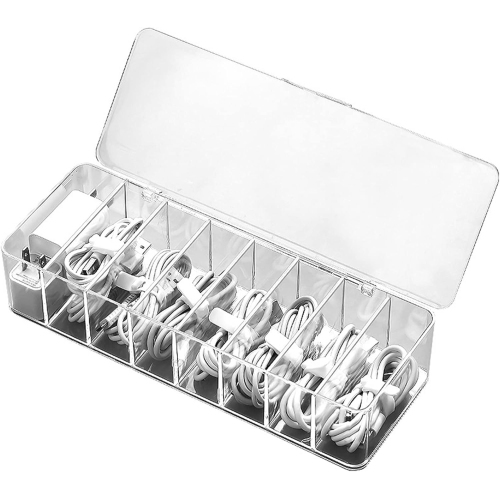
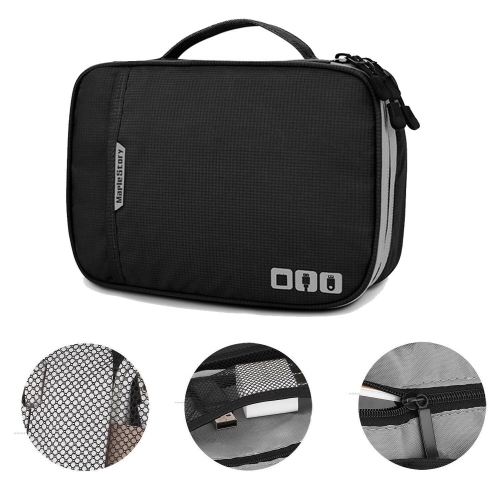
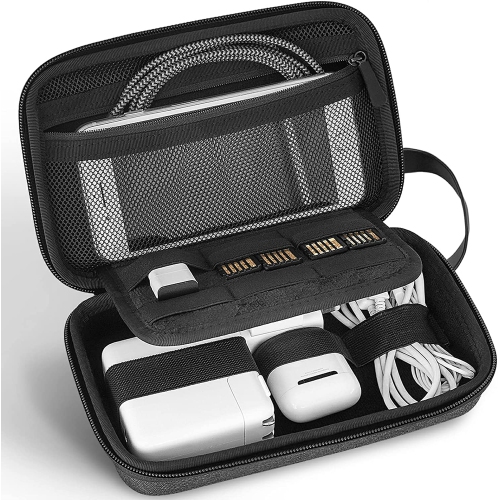
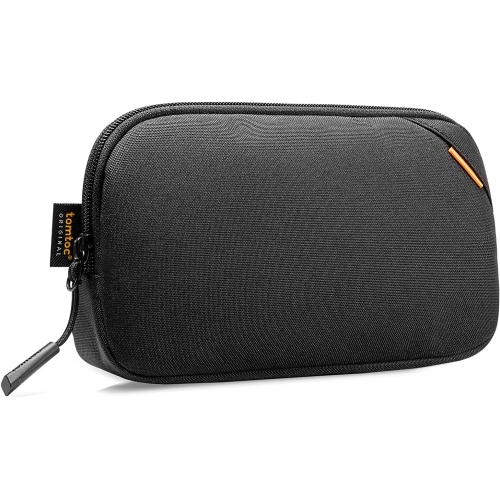
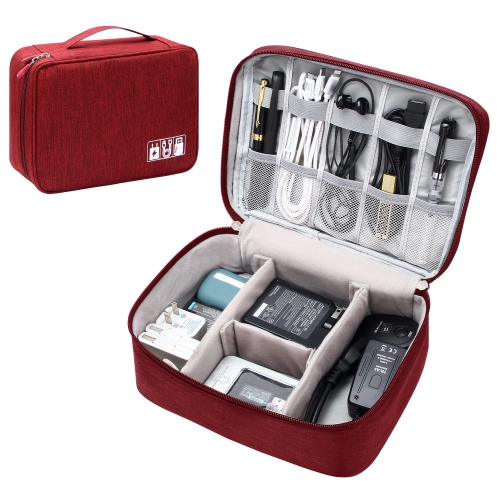
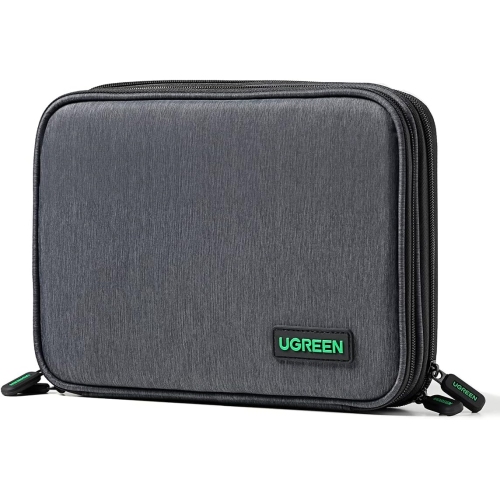
A cable management bag is a portable organizer that keeps charging cables, adapters, power banks and small electronic accessories together, with separate spaces that help prevent tangles and make essentials easier to find. Also called a tech pouch or cable organizer bag, it can turn a handful of loose cords into a compact kit that moves between a backpack, briefcase, carry-on and desk drawer. The appeal is practical: a phone charger stays beside its cable, earbuds have a dedicated pocket, and a small adapter no longer disappears beneath everything else in a bag. For commuters, students and people who work in more than one location, that means less unpacking to reach the connection they need. Travellers may use a pouch to keep personal charging accessories separate from shared luggage, while photographers and other creative users may need room for card readers, spare cables and small accessories. Different shapes suit different routines. A slim, flat pouch can fit into a laptop sleeve compartment, while a deeper case offers space for bulky charging bricks and loosely coiled cords. A fold-out design opens several sections at once, and a clamshell case can make the contents visible without emptying the whole bag. Fit depends on more than the number of pockets. The length and thickness of cables, the shape of plugs and the size of a power adapter all affect how comfortably a kit packs. Internal measurements are particularly useful when a large charger or power bank needs its own space. A pouch that closes without pressure leaves room around connectors and is easier to handle than one stretched tightly around its contents. For everyday use, a little spare capacity can accommodate an extra cable without turning a small organizer into another crowded compartment. External dimensions matter too, especially when the pouch needs to slide beside a laptop rather than occupy the main section of a backpack.

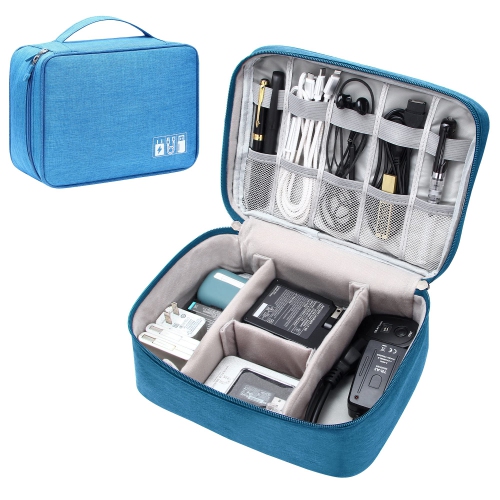
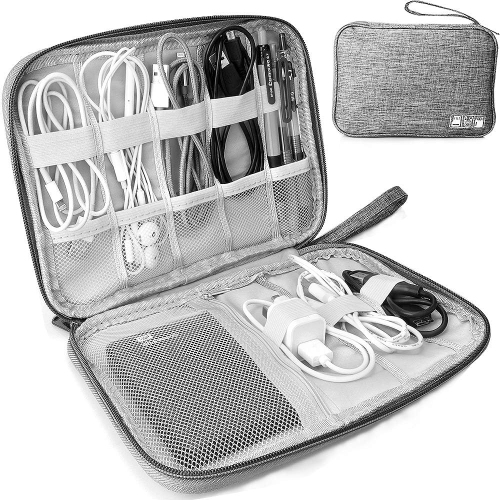
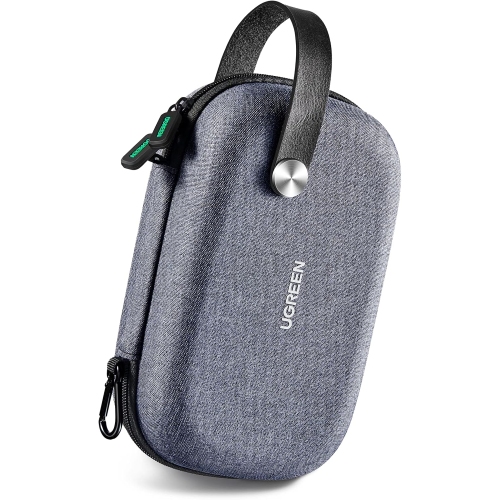
Materials and construction influence how a cable management bag feels, how well it holds its shape and how it stands up to repeated packing. Nylon and polyester fabrics are common choices for lightweight pouches, with differences in weave, lining and padding affecting their structure. Soft-sided designs can settle into small spaces, while semi-rigid cases offer more structure around delicate accessories. Padding may cushion light bumps, but it should not be treated as a guarantee against drops or crushing. A water-resistant outer fabric can help with minor splashes, although seams and zippers may still allow moisture through unless the bag is specifically designed and rated otherwise. Inside, mesh pockets make stored cables easier to identify, elastic loops hold individual cords in place, and divided sections can keep metal connectors away from other accessories. Wider loops may suit thicker charging cables, while small pockets can prevent compact adapters from sliding into the bottom of a larger compartment. Adjustable dividers offer flexibility when the contents change, though fixed pockets can feel simpler when the same kit travels every day. The most useful layout is one that matches the actual contents rather than offering more sections than needed. Zipper openings, pull tabs and stitching also deserve attention because these areas receive frequent handling. A broad opening makes a bulky adapter easier to remove, and a lining that lies flat is less likely to catch while the case closes. Care depends on the materials and the manufacturer's instructions. Many fabric organizers can be freshened with gentle surface cleaning, but soaking, machine washing or strong cleaners may damage coatings, padding or internal supports. Empty pockets before cleaning and allow the bag to dry fully before returning electronic accessories. Loose grit and crumbs are worth removing from seams and mesh pockets, particularly when a pouch regularly shares space with lunch containers, stationery or travel essentials. Avoiding overfilled compartments also reduces strain on zippers and helps the bag retain its shape.
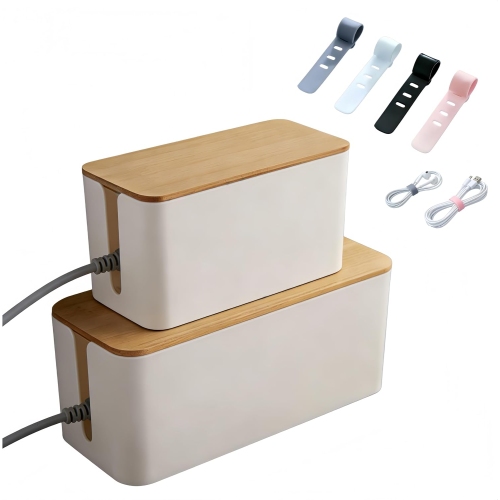
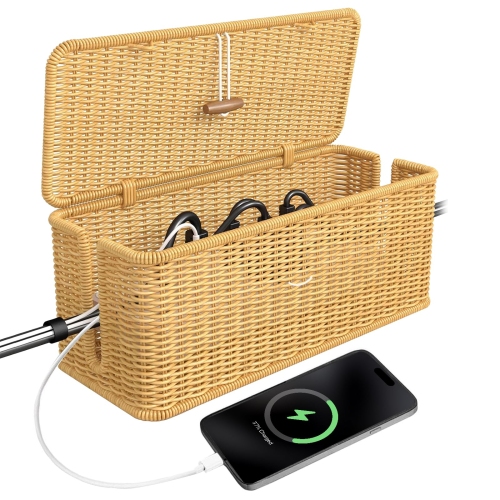
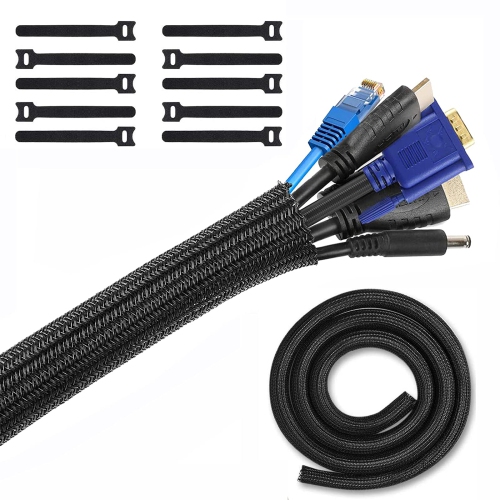
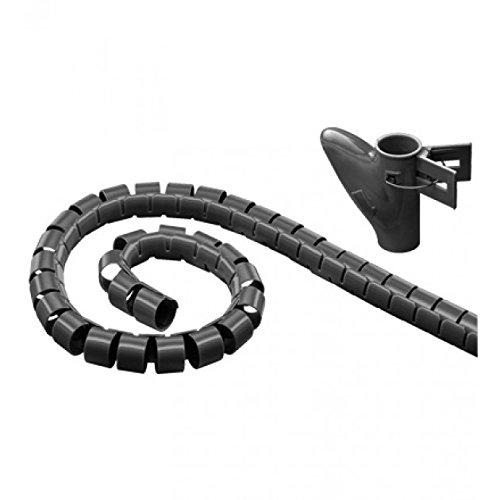
A useful cable storage bag supports the way accessories are handled throughout the day, not just the moment they are packed. At a shared work surface, opening one pouch can put a laptop charger, phone cable and adapter within reach without spreading the rest of a backpack across the desk. At home, a dedicated charging kit can keep frequently used cords separate from the spare cables stored in a drawer. In a household with similar-looking accessories, a distinctive colour or a writable label area can make the right pouch easier to recognize. Separate compartments are also helpful when different cable lengths serve different purposes, such as a short cord for a power bank and a longer one for reaching an outlet beside a desk. Cables generally sit more comfortably in relaxed loops than in tight folds, and enough space around the ends helps avoid sharp bends near connectors. A storage pouch is intended to organize accessories between uses; charging equipment should have the clearance and ventilation specified by its manufacturer rather than operate inside a closed bag. Likewise, a padded compartment does not replace any handling or transport requirements for batteries. For setups that also need order along a desk or behind furniture, Cable Management Organizers can complement a portable pouch by keeping the cables that stay connected in place. The distinction is useful: a bag gathers the accessories that travel, while desktop organizers help manage those that remain at a workstation. As a gift, a tech pouch suits students, frequent travellers, remote workers and anyone who carries a small collection of charging accessories. A straightforward interior with room for familiar essentials can be more useful than a complicated layout built around unfamiliar equipment. Whether it holds a minimal phone-charging kit or a broader assortment of small tech accessories, a well-fitting cable management bag gives each piece a recognizable place and makes the whole kit easier to carry, find and put away.

FAQ

Some products may be subject to Environmental Handling Fees (EHF) depending on your province. Learn more about EHFs.