25mm Lenses
Capture every detail with precision and clarity using 25mm lenses. Whether you're a professional photographer or an avid hobbyist, these versatile lenses are designed to deliver stunning image quality and exceptional performance. With their wide-angle perspective and fast aperture, 25mm lenses allow you to capture breathtaking landscapes, architectural marvels, and captivating street scenes. Explore the world of photography like never before as you unleash your creativity and capture moments with incredible sharpness and depth. Discover the power of 25mm lenses and take your photography skills to new heights.
Sort

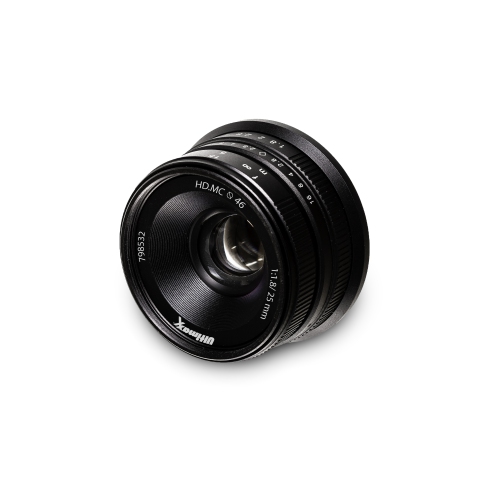
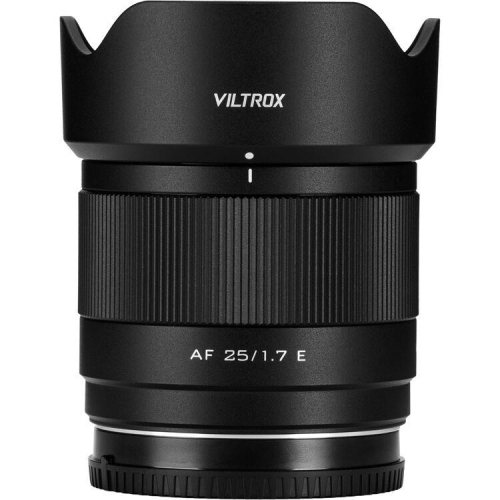

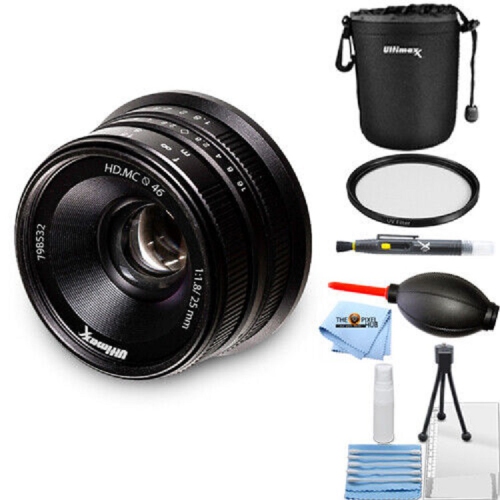
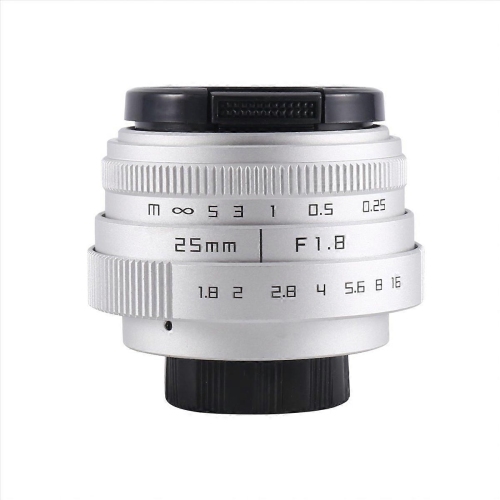
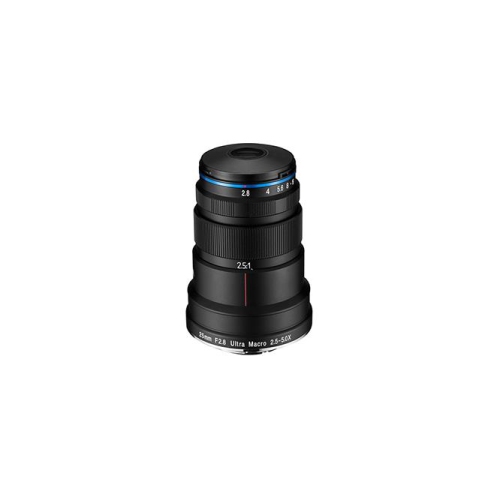
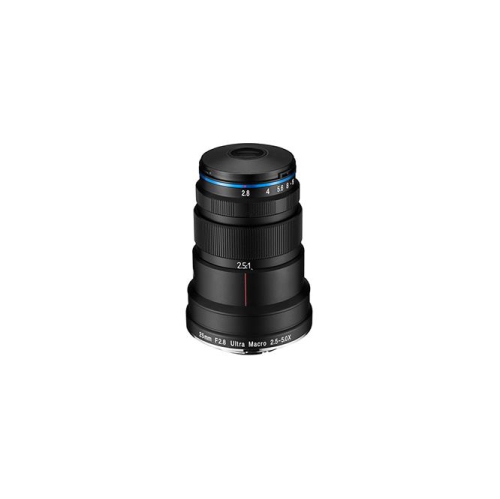
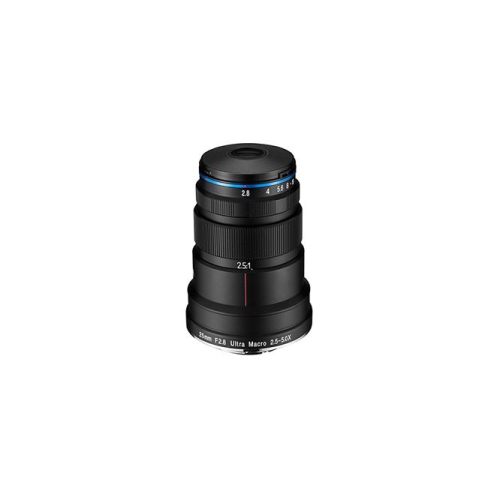
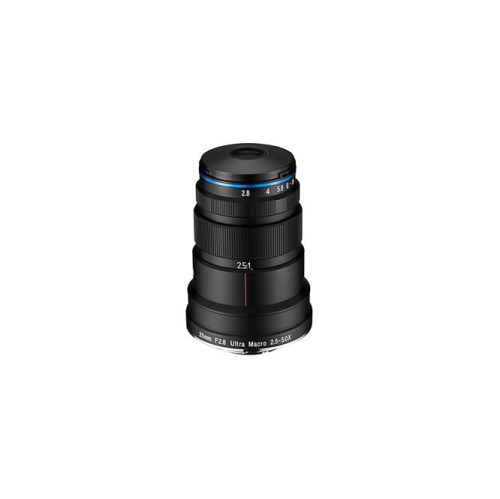
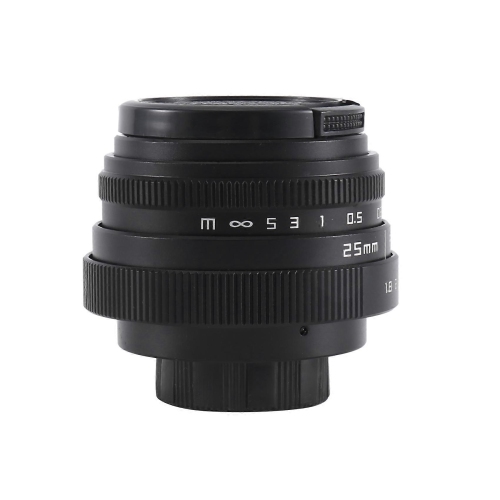
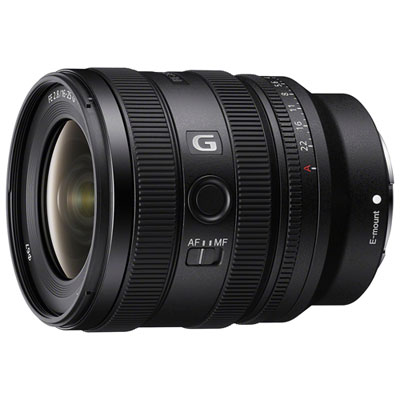



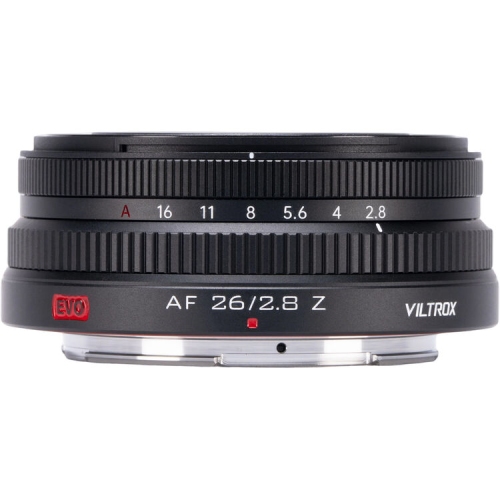
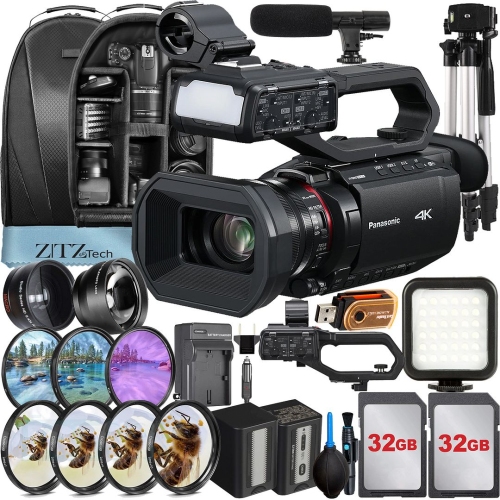
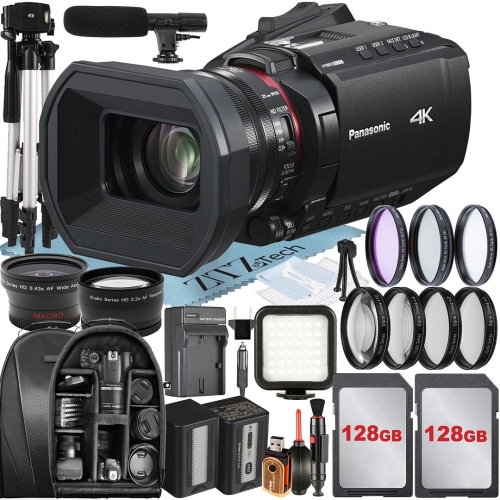
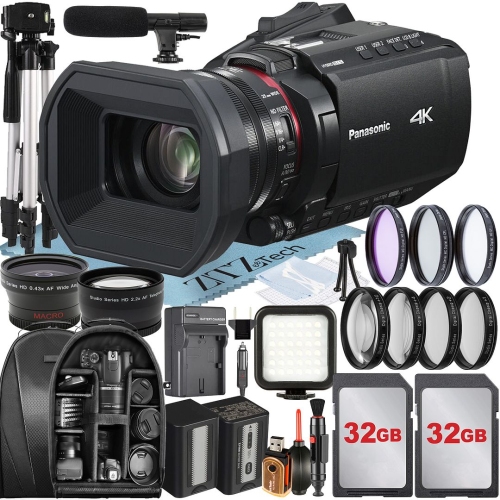




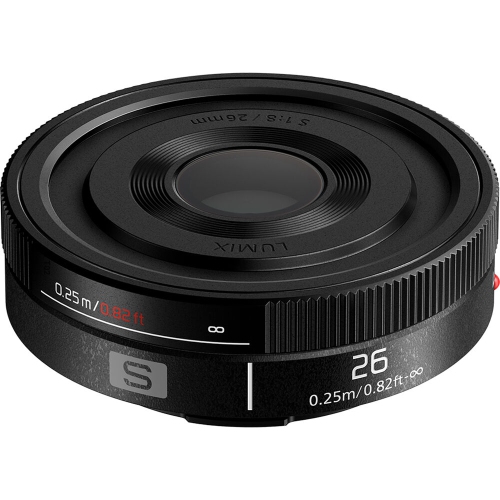
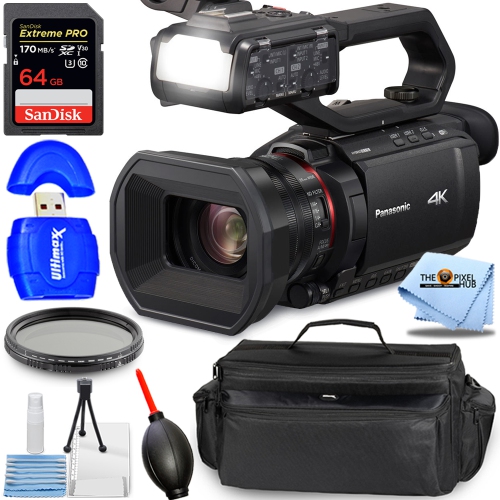

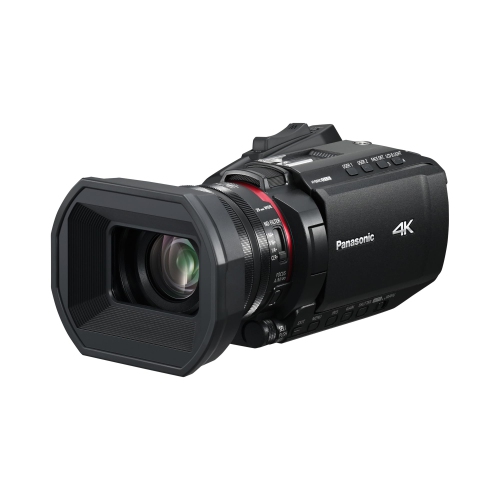
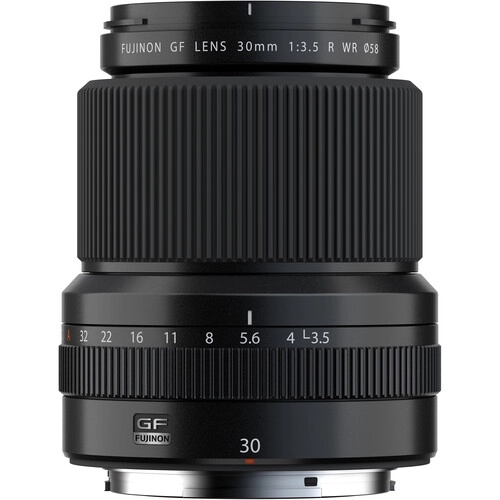

How sensor size changes your field of view
25mm lenses are fixed-focal-length camera lenses that offer a wide-angle or standard field of view, depending on the camera’s sensor size. On a Micro Four Thirds camera, a 25mm lens provides a field of view equivalent to a 50mm lens on a full-frame camera, making it a natural choice for everyday photography, casual portraits, and details from daily life. On APS-C cameras, the equivalent field of view is typically about 37.5mm to 40mm, depending on the crop factor. This moderately wide view suits street scenes, travel photography, and portraits that include some of the subject’s surroundings. A 25mm lens designed to cover a full-frame sensor gives a wider view, useful for interiors, architecture, and scenes where the setting matters as much as the subject. The focal length itself does not change between camera formats; the sensor captures a different portion of the lens’s image. That distinction helps explain why two photographers can use 25mm lenses for quite different purposes. On Micro Four Thirds, the frame might hold a friend seated across a café table, with enough separation to draw attention to their expression. On full frame, it could include the table, nearby chairs, and much of the room. Because a prime lens has no optical zoom, framing involves changing position or choosing a different composition. This can encourage a more deliberate approach to photography, though moving closer also changes perspective and the relationship between foreground and background. For people who enjoy a small camera kit, a compact 25mm prime can be comfortable to carry through a museum, at a family gathering, or on a walk through the city. Size and weight vary considerably, however, especially between modest-aperture designs and lenses with very large maximum apertures. Photographers seeking an even wider view on the same camera format can also explore 15mm Lenses, with mount compatibility and sensor coverage remaining essential considerations.
Aperture, focusing, and close-focus capability shape how a 25mm lens performs in everyday use. A wide maximum aperture, expressed by a smaller f-number, lets more light reach the sensor and can help maintain a faster shutter speed in dim interiors. This is useful when photographing a person speaking across a dinner table or a child who rarely stays still. A large aperture can also soften the background, although the amount of blur depends on sensor size, subject distance, and the distance between the subject and the background. Placing a subject away from a busy bookshelf, for example, often creates more separation than photographing them directly against it. The widest aperture is not always the best choice for every scene: stopping down can bring more of a group into focus and may improve detail towards the edges of the frame. Autofocus is convenient for spontaneous photographs, particularly when paired with compatible face or eye detection on the camera body. Its speed, accuracy, and operating sound depend on both the lens and camera, so autofocus support should not be assumed from focal length alone. Manual-focus lenses offer a hands-on alternative for still life, carefully composed portraits, and video work where focus can be set before the action begins. A smooth focus ring with a useful amount of travel makes small adjustments easier, while camera features such as focus peaking and magnified live view can help confirm sharpness. For video, quiet focusing, controlled focus breathing, and comfortable balance on a stabilizer may matter as much as maximum aperture. Focus breathing describes a change in framing as focus shifts, which can be noticeable when attention moves from an object in the foreground to someone behind it. Minimum focusing distance is another practical detail for anyone photographing meals, crafts, or small objects. It is generally measured from the camera’s sensor plane rather than the front of the lens, and a short minimum distance does not automatically mean true macro capability. Maximum magnification gives a clearer indication of how large a small subject can appear in the frame.
Physical fit begins with the lens mount, not the 25mm designation. A lens needs to match the camera’s mount and provide suitable sensor coverage; two lenses with the same focal length can have different mounts, image circles, and electronic features. A lens intended for a smaller sensor may produce dark corners on a larger sensor or require a cropped capture mode, where supported. Adapters can make some combinations possible, but autofocus, aperture control, stabilization, and other functions may be limited. Stabilization is particularly worth checking for handheld work: some lenses include it, while others rely on the camera body or have no stabilization support. It can reduce blur from camera movement, but it will not freeze a moving subject. Construction also affects day-to-day handling. Metal barrels can feel solid and offer a reassuringly precise grip, while well-made composite barrels can keep weight down without necessarily sacrificing durability. Ring placement, surface texture, and overall balance become noticeable during a long portrait session or when operating the camera one-handed. Optical coatings help manage reflections, flare, and contrast, but no coating makes a lens immune to fingerprints or careless cleaning. A compatible lens hood can reduce stray light and provide some protection against incidental contact. Front and rear caps, a padded compartment, and a clean storage space help protect the glass and mount between outings. For routine care, remove loose particles with a hand-operated blower before gently cleaning the glass with suitable lens-cleaning materials; wiping grit across the surface can cause scratches. Filter size is separate from focal length, so a 25mm lens does not necessarily accept a 25mm filter. Matching the stated filter-thread diameter is important for protective, polarizing, or neutral-density filters. These lenses can be thoughtful gifts for photography students, family photographers, and video creators who want a consistent perspective for personal projects. Confirming the recipient’s camera model, mount, and preference for autofocus or manual focus helps ensure the lens suits both their equipment and the way they like to shoot.
Top selling and popular products
-
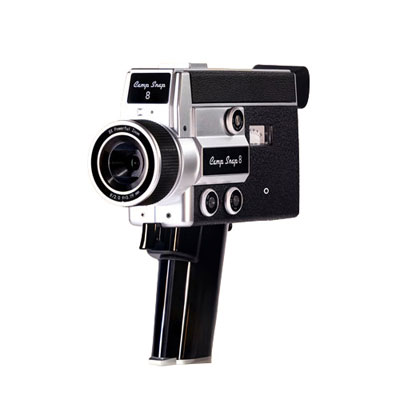 Your price for this item is $199.99
-
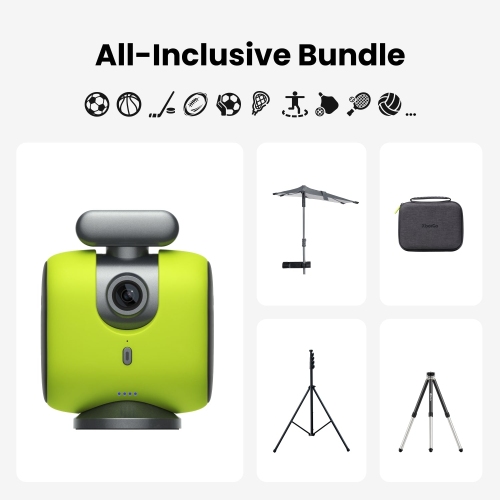 Your price for this item is $859.99
-
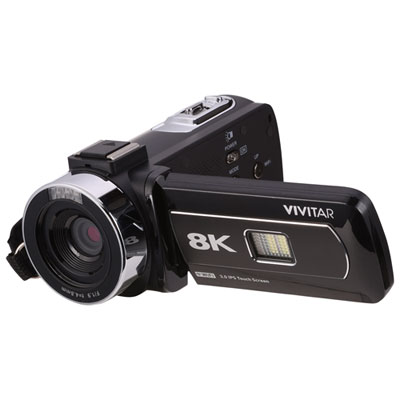 Your price for this item is $249.99
-
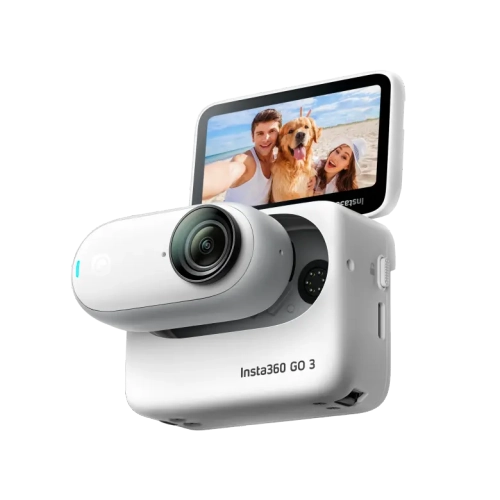 Your price for this item is $522.37
-
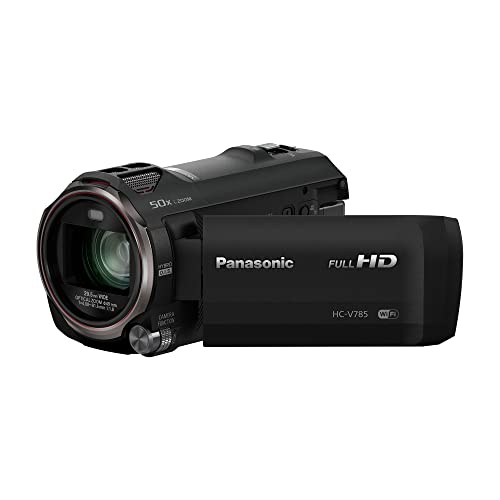 Your price for this item is $839.98
-
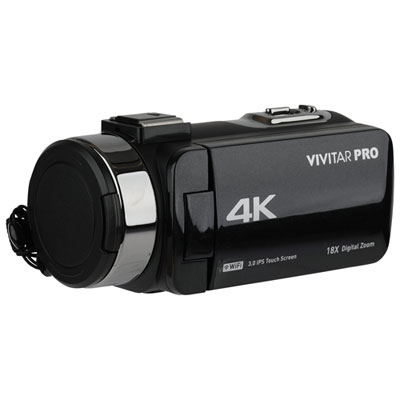 Your price for this item is $199.99
-
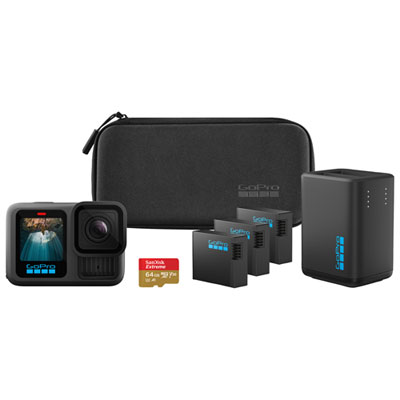 Your price for this item is $679.97
-
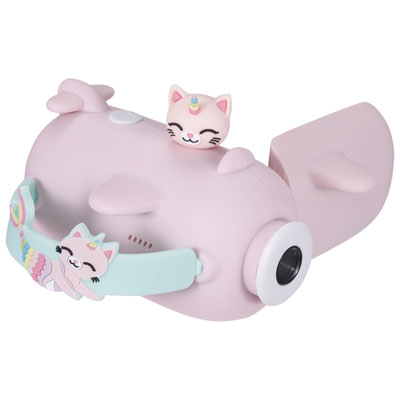 Your price for this item is $69.99
Discover more categories related to 25mm Lenses

Top Collections:
Pokemon Centers, Best Cameras for Sports Photography, Kindle Devices, Samsung Galaxy Phones, Canon G7X Cameras, Pokémon 30th Celebration Cards, Refurbished Apple Laptops, iPhone 15 Apple, Laptops for Students, Budget Smartphones
Some products may be subject to Environmental Handling Fees
(EHF) depending on your province.
Learn more about EHFs.