20mm Lenses
Capture stunning details and expand your creative possibilities with this wide range of 20mm lenses. Whether you're an avid photographer or a budding filmmaker, these versatile lenses offer exceptional image quality and a unique perspective. With their wide-angle view, you can capture breathtaking landscapes, architectural marvels, and group shots with ease. Perfect for both professionals and enthusiasts alike, these 20mm lenses will elevate your photography and videography to new heights.
Sort
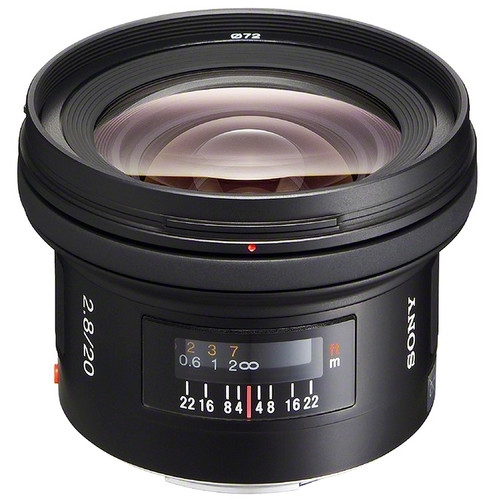
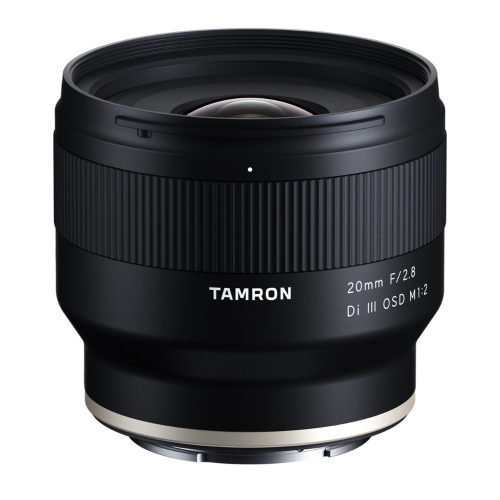
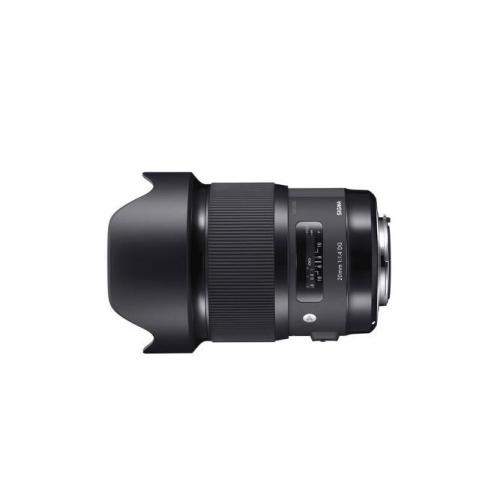
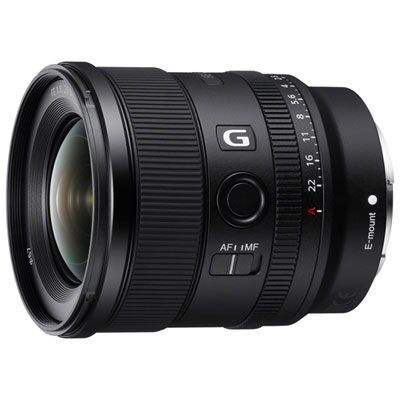
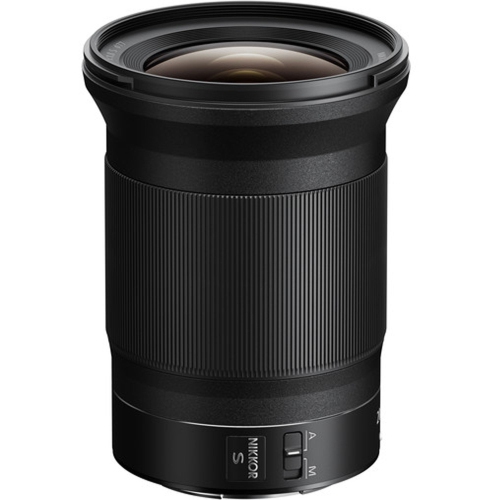
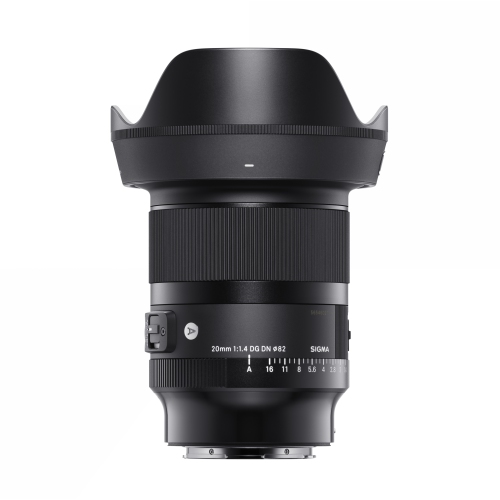
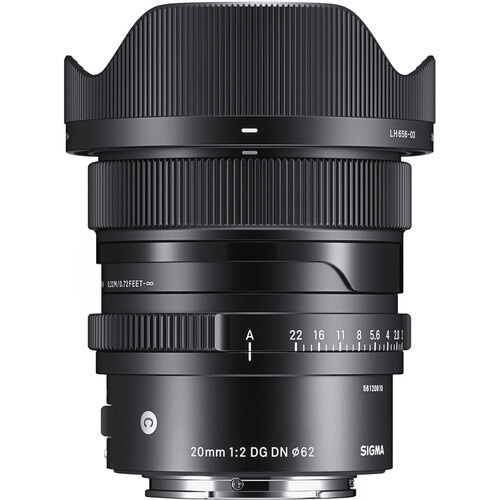
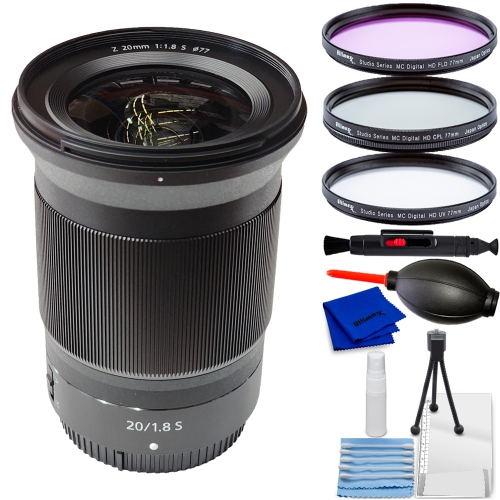
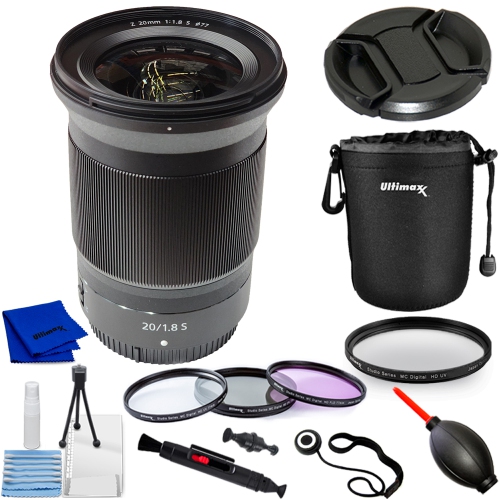
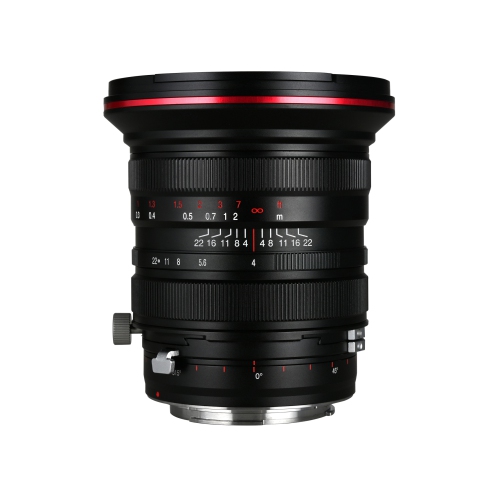
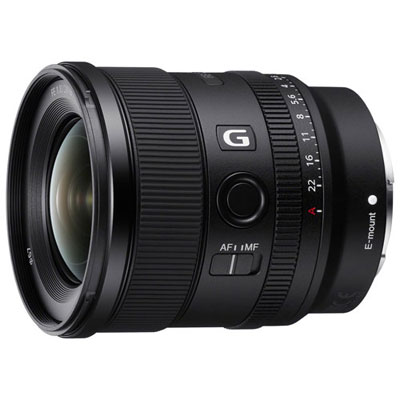
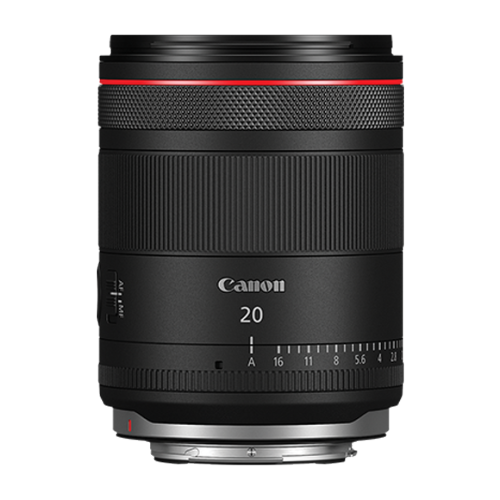
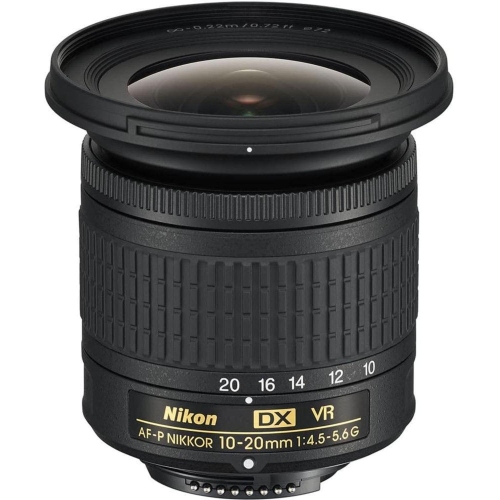
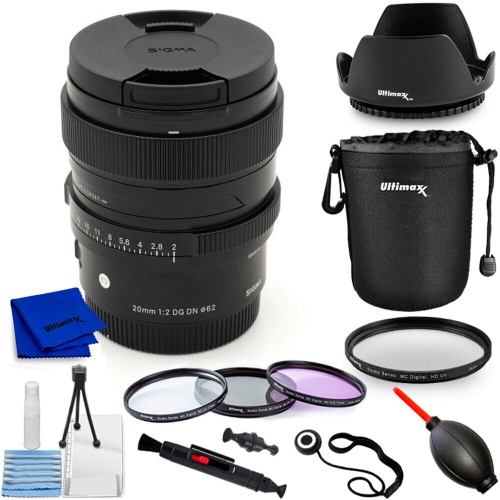

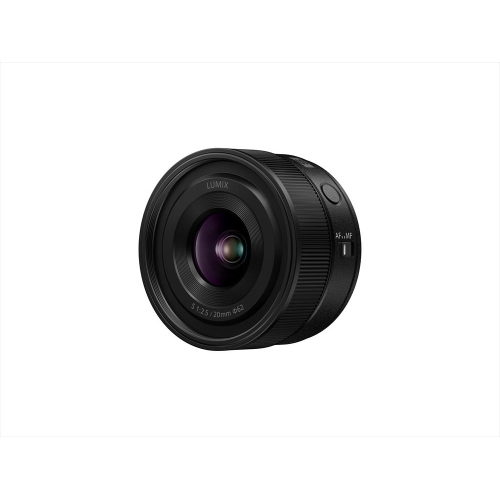

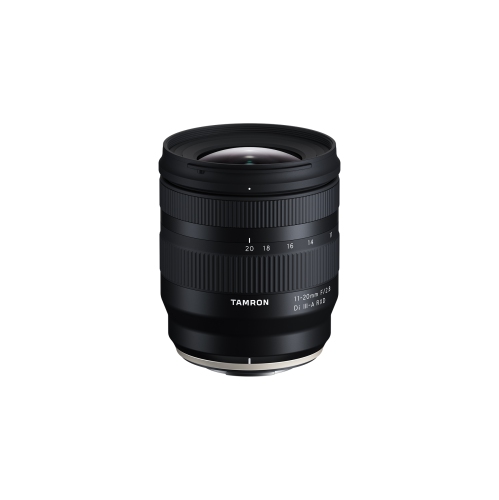
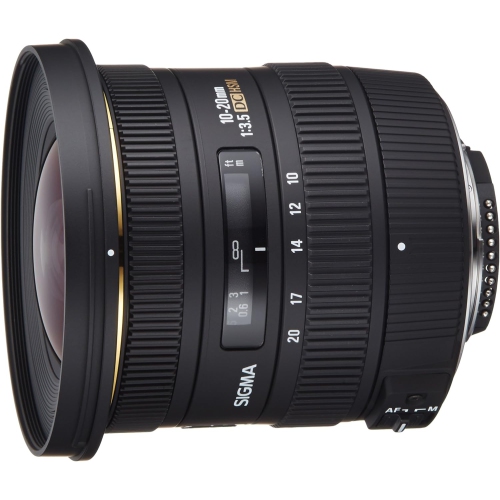
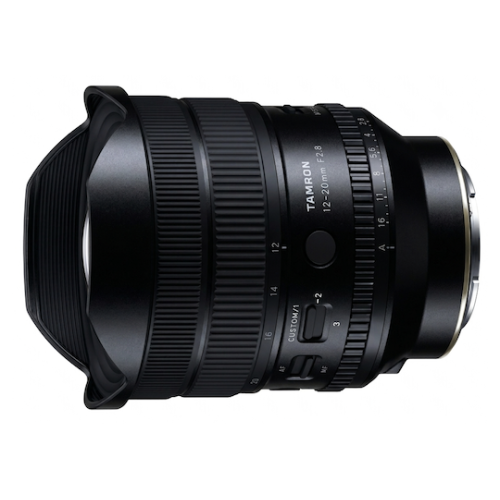
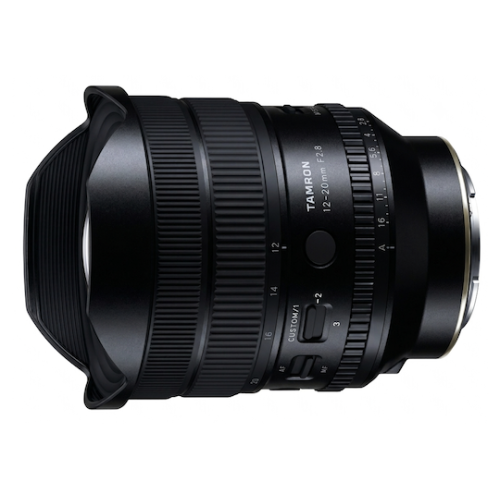
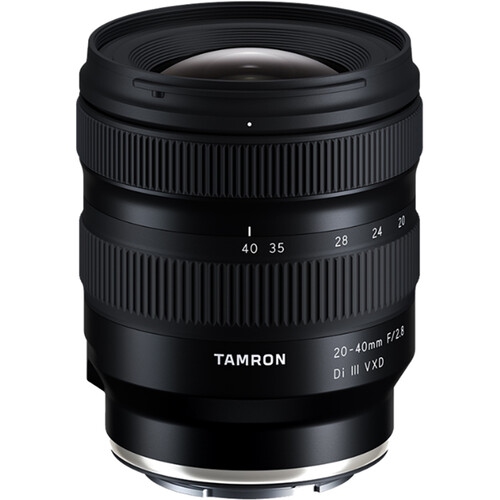
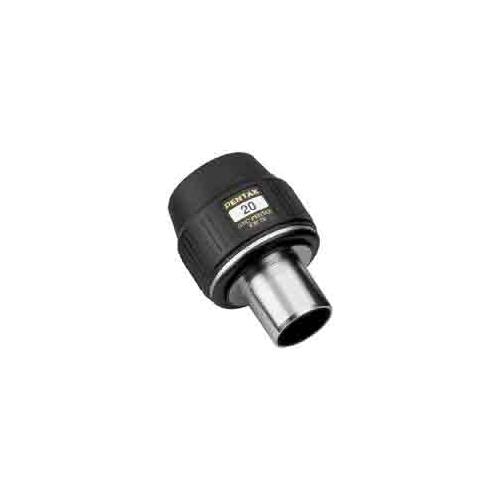
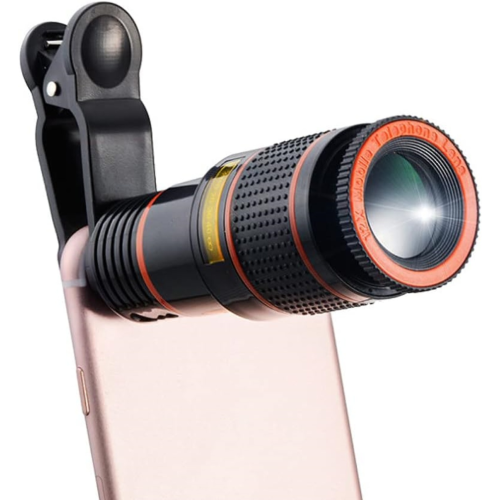
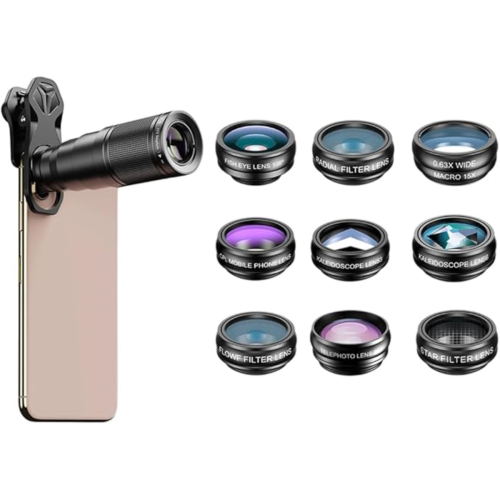
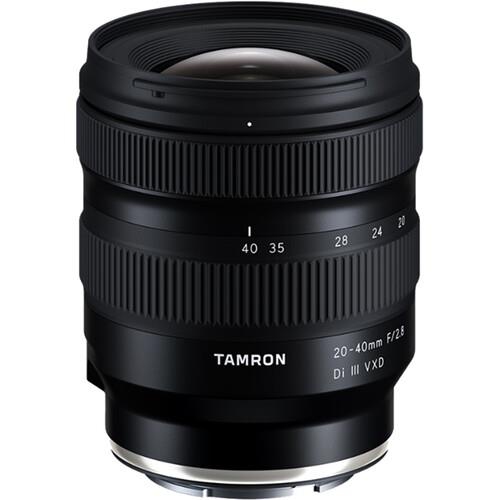
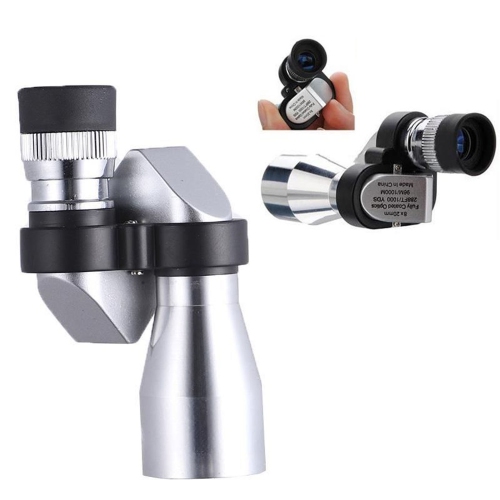
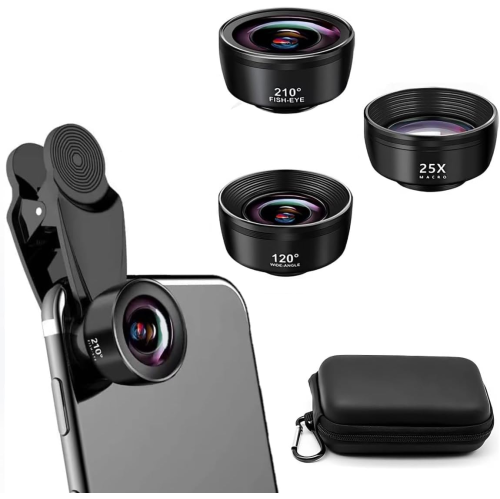

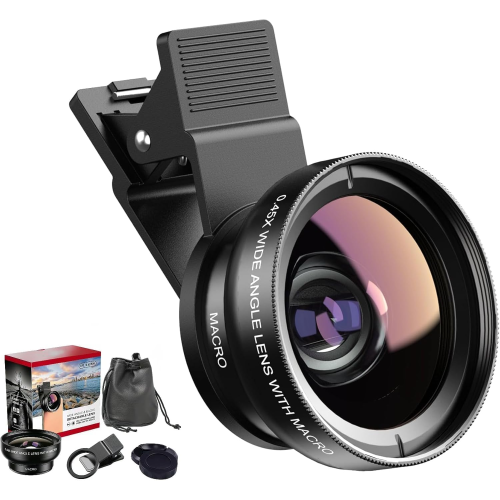
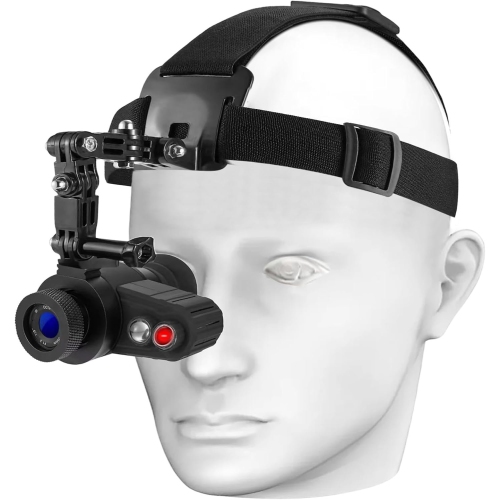
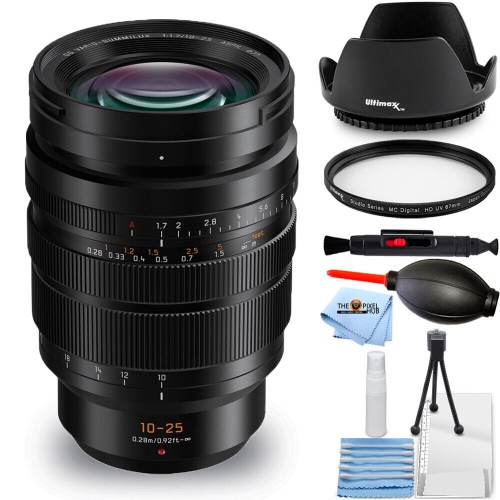
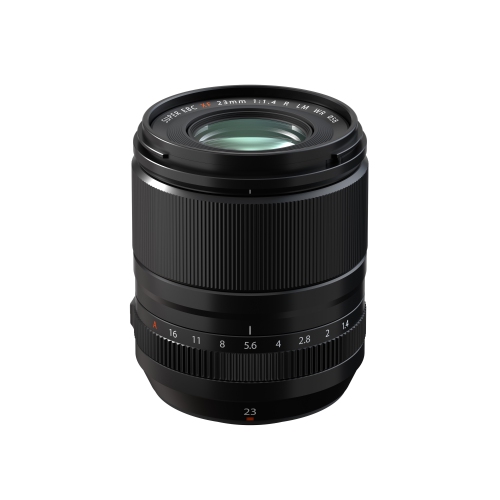
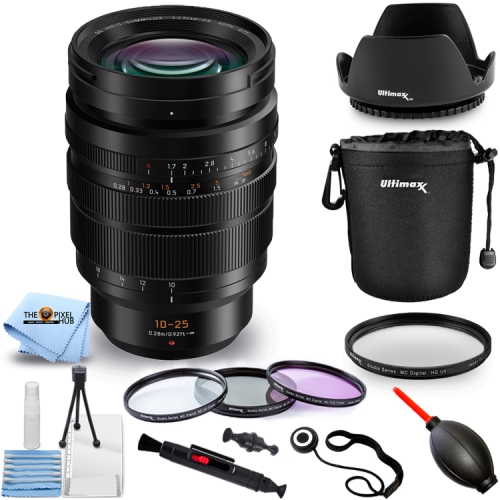
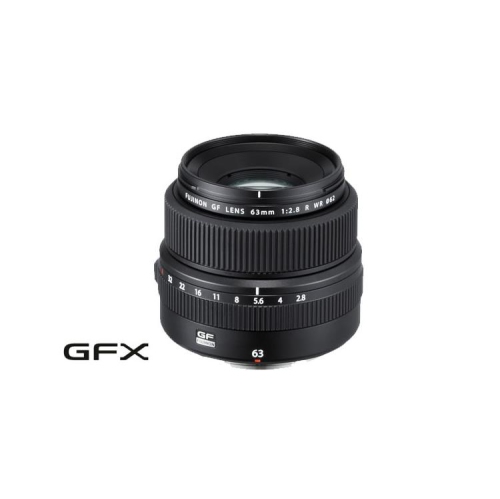
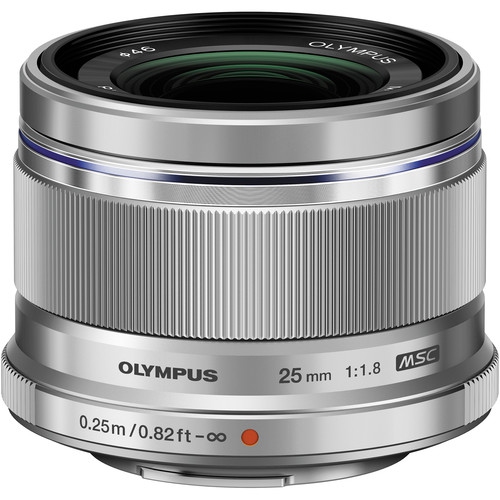
A broad perspective for landscapes, interiors, and storytelling
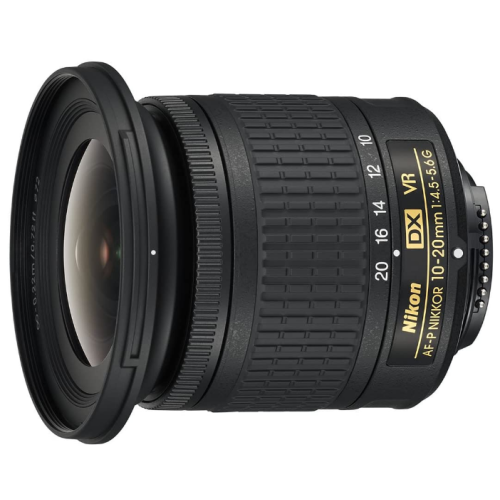
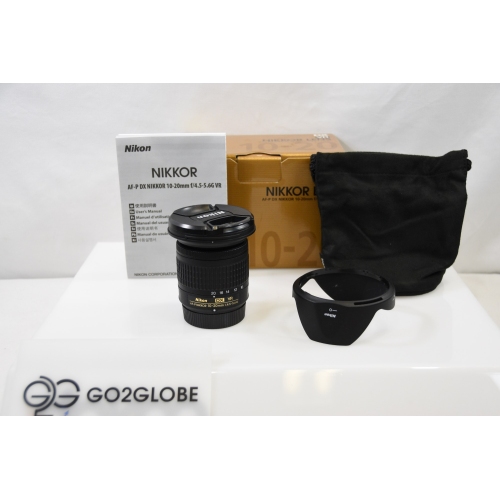
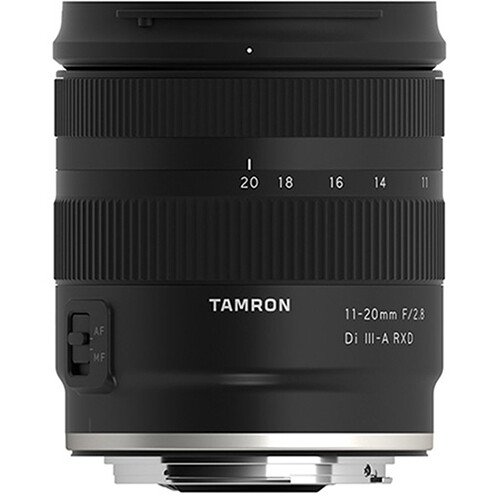
20mm lenses are a popular choice for photographers and videographers who want a broad field of view without the exaggerated stretching often associated with extremely wide focal lengths. On a full-frame camera, 20mm captures an expansive scene while still giving nearby subjects a strong sense of presence, making it useful for landscapes, architecture, interiors, travel, events, and environmental portraits. A person standing close to the camera can remain prominent while the surrounding room, street, shoreline, or mountain range helps tell the larger story. This focal length is also well suited to photographing buildings and rooms when space is limited, although careful positioning is important to keep walls, door frames, and vertical lines looking natural. Photographers who enjoy hiking, city walks, or documenting family gatherings often appreciate the way a 20mm lens can take in more of the setting without requiring them to step too far away. For a broader perspective, shoppers may also wish to compare the selection of 15mm Lenses, while keeping in mind that even a small change in focal length can noticeably affect framing and perspective. A 20mm lens may be available as a prime lens with a fixed focal length or as part of a zoom range that includes 20mm. Prime lenses are often compact and bright, which can make them appealing for low-light work, indoor photography, and creative compositions with a pleasing separation between a nearby subject and its surroundings. Zoom lenses offer more framing flexibility, particularly for travel, real estate, documentary work, and video, where changing lenses may be inconvenient or may interrupt a scene.
Choosing among 20mm lenses begins with confirming compatibility with the camera body. Lens mounts are not interchangeable across every camera system, and a lens designed for a full-frame camera may behave differently on a camera with a smaller sensor. On an APS-C camera, for example, a 20mm lens generally provides a field of view closer to 30mm, depending on the system’s crop factor. That can make it less dramatic for sweeping landscapes but very practical for street photography, everyday snapshots, interiors, and handheld video. Sensor coverage, autofocus support, image stabilization, and electronic communication with the camera are all worth checking before purchase. Aperture is another key consideration. A wider maximum aperture allows more light to reach the sensor, which can help when photographing evening streets, indoor celebrations, dim rooms, or stars. It can also provide more control over background blur, although wide-angle lenses naturally keep a considerable amount of a scene in focus. A smaller maximum aperture can still be a good fit for daylight landscapes, architectural photography, and situations where a photographer typically works from a tripod. People who plan to photograph the night sky should look for a lens with strong corner performance, controlled coma, and a bright aperture, since stars near the edges can reveal optical weaknesses. For video, a quiet focusing system, smooth manual focus, low focus breathing, and a convenient way to adjust aperture can make a meaningful difference. Lightweight construction can also help when carrying a camera on a gimbal, handheld rig, or compact travel setup, while weather-resistant construction may be useful for outdoor shooting during changing conditions. Filters, lens hoods, caps, and the required filter size should also be considered, especially for landscape photographers who use polarizing or neutral-density filters.
A 20mm lens can become a dependable everyday creative tool because it encourages the photographer to think about foreground, background, and the relationship between them. A row of trees can lead the eye towards a distant ridge, a kitchen table can anchor a story about a home, and a nearby architectural detail can add depth to an otherwise flat façade. Getting physically closer to a subject often creates more energy in an image, while stepping back allows the surrounding environment to carry more of the narrative. This perspective is particularly useful for real estate photography, where showing the proportions of a room matters, and for travel photography, where a single frame may need to include both a landmark and the activity around it. It can also suit content creators filming in small rooms, as long as the camera is positioned carefully to avoid stretching faces near the edges of the frame. Photographers who are new to wide-angle lenses may want to keep important subjects near the centre at first, then experiment with edge placement and low viewpoints as they become more comfortable. A 20mm lens can be a thoughtful gift for someone who enjoys photographing scenery, architecture, road trips, outdoor adventures, or family life, particularly when they already own a compatible camera body and want to expand their creative options. During the cooler months, it can be useful for capturing indoor gatherings, warmly lit rooms, winter landscapes, and evening city scenes, while its wide perspective remains equally practical for travel and outdoor photography as the weather changes. Reviewing the mount, sensor format, aperture, focusing features, size, and intended use will help match the lens to the photographer’s camera and style, whether the goal is sharp landscape detail, immersive video, expressive close-ups, or memorable images that place people within the world around them.
Choosing among 20mm lenses begins with confirming compatibility with the camera body. Lens mounts are not interchangeable across every camera system, and a lens designed for a full-frame camera may behave differently on a camera with a smaller sensor. On an APS-C camera, for example, a 20mm lens generally provides a field of view closer to 30mm, depending on the system’s crop factor. That can make it less dramatic for sweeping landscapes but very practical for street photography, everyday snapshots, interiors, and handheld video. Sensor coverage, autofocus support, image stabilization, and electronic communication with the camera are all worth checking before purchase. Aperture is another key consideration. A wider maximum aperture allows more light to reach the sensor, which can help when photographing evening streets, indoor celebrations, dim rooms, or stars. It can also provide more control over background blur, although wide-angle lenses naturally keep a considerable amount of a scene in focus. A smaller maximum aperture can still be a good fit for daylight landscapes, architectural photography, and situations where a photographer typically works from a tripod. People who plan to photograph the night sky should look for a lens with strong corner performance, controlled coma, and a bright aperture, since stars near the edges can reveal optical weaknesses. For video, a quiet focusing system, smooth manual focus, low focus breathing, and a convenient way to adjust aperture can make a meaningful difference. Lightweight construction can also help when carrying a camera on a gimbal, handheld rig, or compact travel setup, while weather-resistant construction may be useful for outdoor shooting during changing conditions. Filters, lens hoods, caps, and the required filter size should also be considered, especially for landscape photographers who use polarizing or neutral-density filters.
A 20mm lens can become a dependable everyday creative tool because it encourages the photographer to think about foreground, background, and the relationship between them. A row of trees can lead the eye towards a distant ridge, a kitchen table can anchor a story about a home, and a nearby architectural detail can add depth to an otherwise flat façade. Getting physically closer to a subject often creates more energy in an image, while stepping back allows the surrounding environment to carry more of the narrative. This perspective is particularly useful for real estate photography, where showing the proportions of a room matters, and for travel photography, where a single frame may need to include both a landmark and the activity around it. It can also suit content creators filming in small rooms, as long as the camera is positioned carefully to avoid stretching faces near the edges of the frame. Photographers who are new to wide-angle lenses may want to keep important subjects near the centre at first, then experiment with edge placement and low viewpoints as they become more comfortable. A 20mm lens can be a thoughtful gift for someone who enjoys photographing scenery, architecture, road trips, outdoor adventures, or family life, particularly when they already own a compatible camera body and want to expand their creative options. During the cooler months, it can be useful for capturing indoor gatherings, warmly lit rooms, winter landscapes, and evening city scenes, while its wide perspective remains equally practical for travel and outdoor photography as the weather changes. Reviewing the mount, sensor format, aperture, focusing features, size, and intended use will help match the lens to the photographer’s camera and style, whether the goal is sharp landscape detail, immersive video, expressive close-ups, or memorable images that place people within the world around them.
Top selling and popular products
-
 Your price for this item is $169.99
 -
 Your price for this item is $329.99
 -
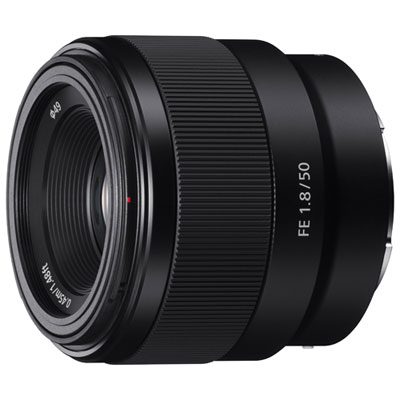 Your price for this item is $349.99
 -
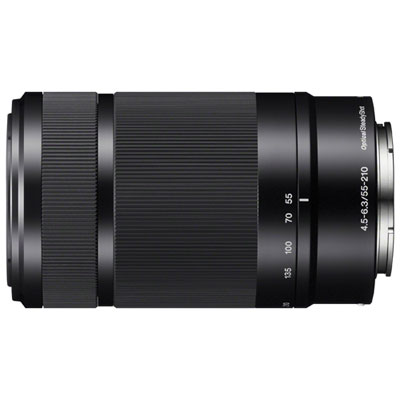 Your price for this item is $399.99
 -
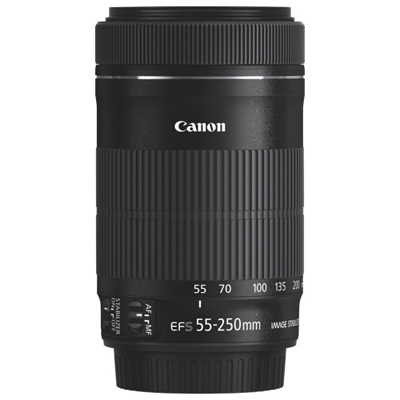 Your price for this item is $399.99
 -
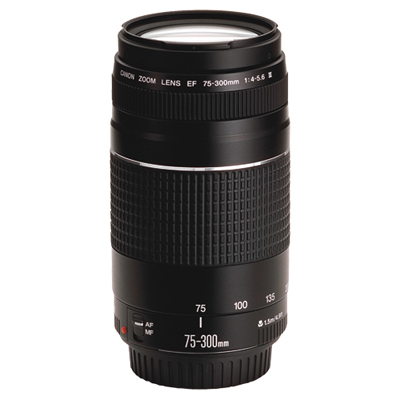 Your price for this item is $199.99
 -
 Your price for this item is $174.99
 -
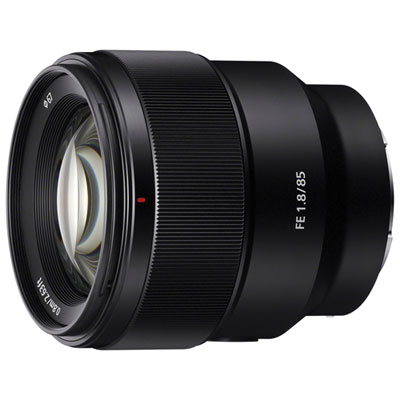 Your price for this item is $799.99
Discover more categories related to 20mm Lenses

Top Collections:
Pokemon Centers, Best Cameras for Sports Photography, Kindle Devices, Samsung Galaxy Phones, Canon G7X Cameras, Pokémon 30th Celebration Cards, Refurbished Apple Laptops, iPhone 15 Apple, Laptops for Students, Budget Smartphones
Some products may be subject to Environmental Handling Fees
(EHF) depending on your province.
Learn more about EHFs.