4k Cameras for Filmmaking
Capture your creative vision in stunning detail with the power of these 4K cameras for filmmaking. Whether you're a professional filmmaker or an aspiring enthusiast, these cutting-edge cameras deliver unparalleled clarity and precision to bring your cinematic dreams to life. With their advanced technology and high-resolution capabilities, 4K cameras provide the ultimate tool for capturing almost every intricate detail, vibrant color, and dynamic range. Elevate your storytelling to new heights and immerse your audience in the captivating world of cinema with the unrivaled quality of these 4K cameras.
Sort
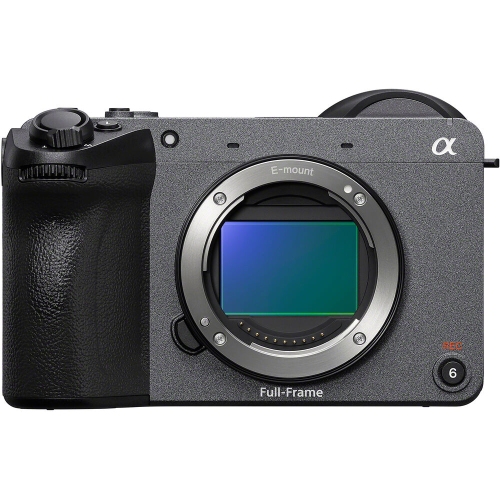
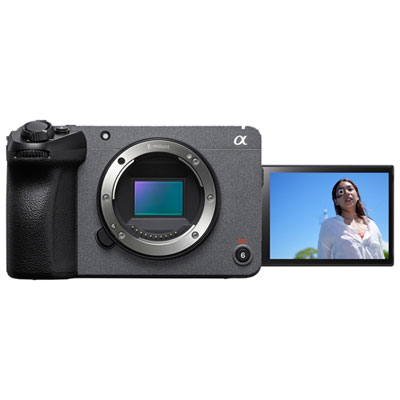
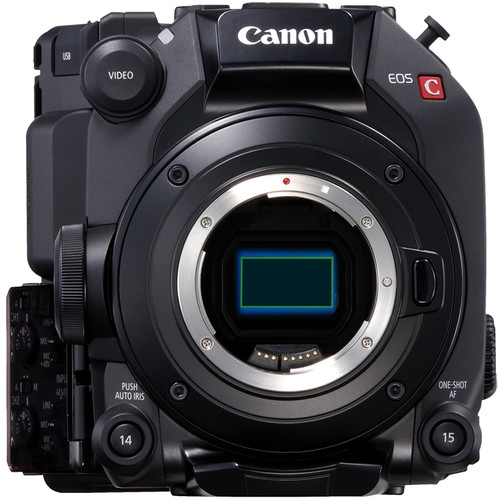
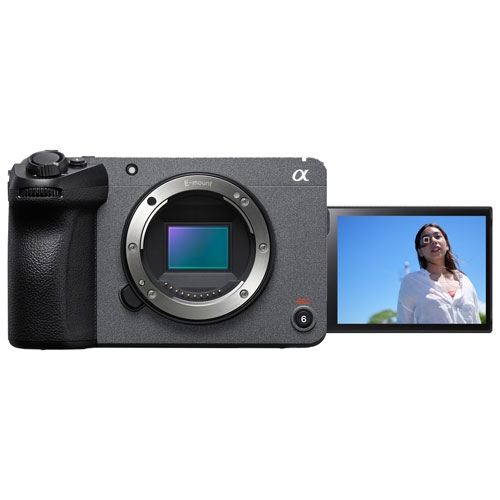
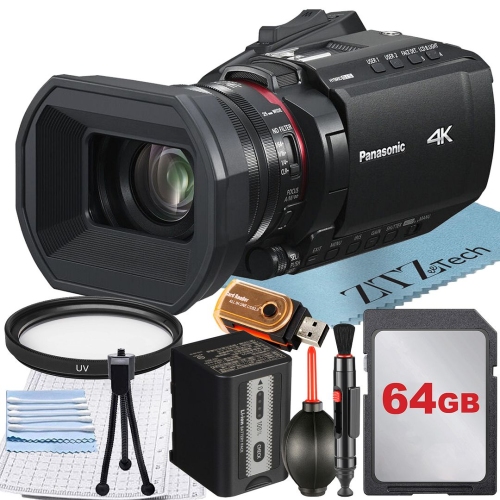
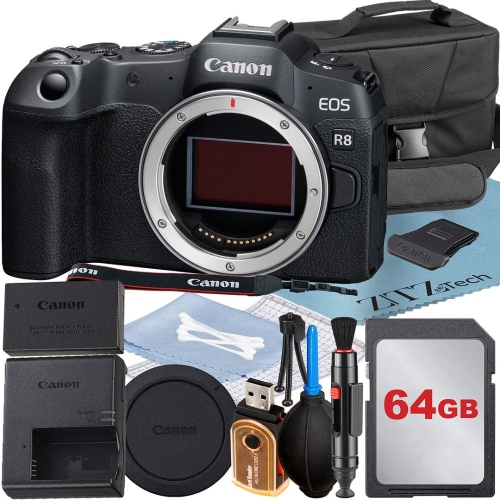
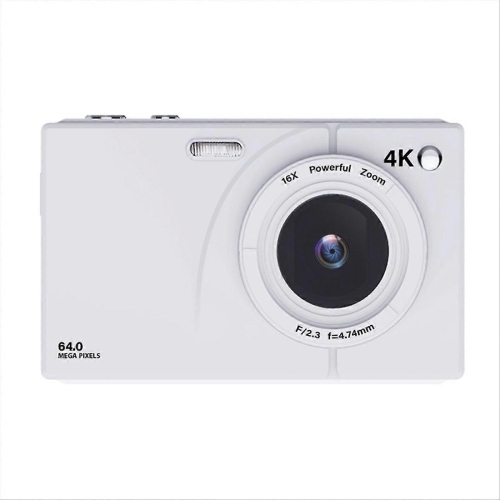
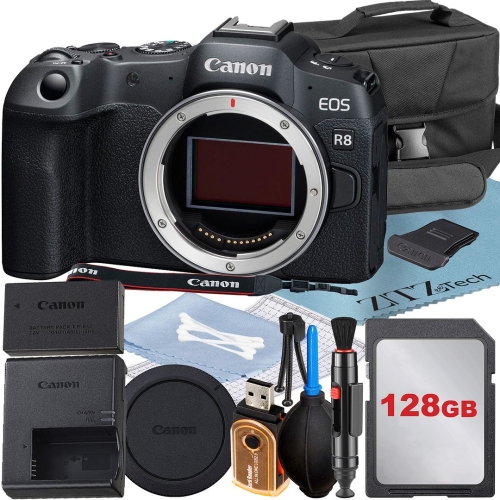
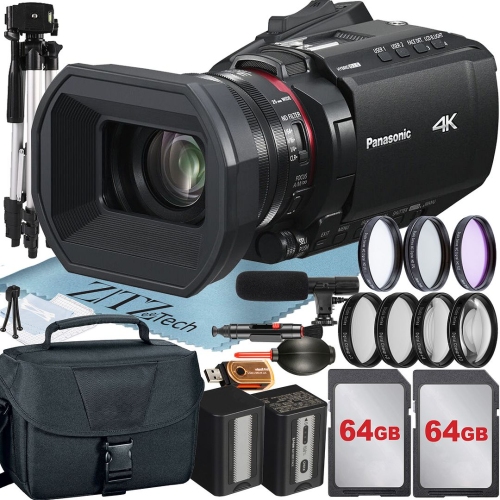
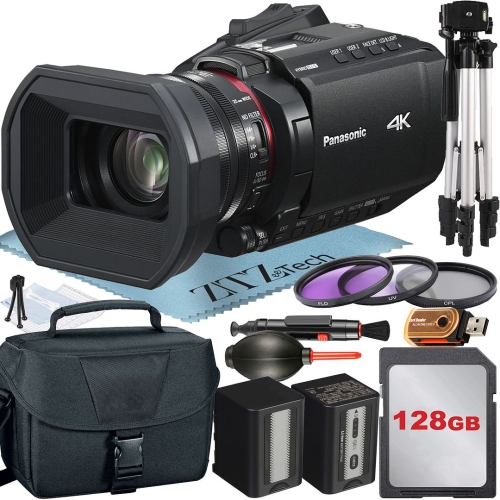
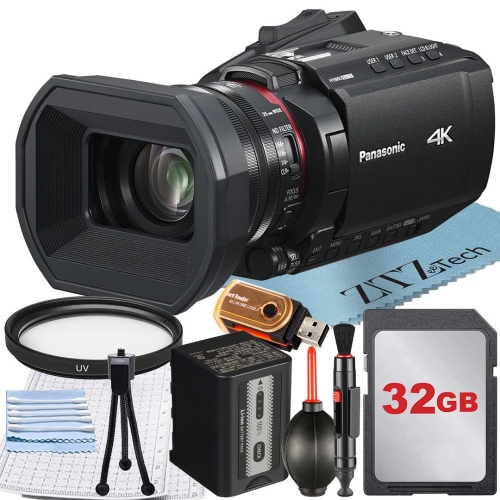
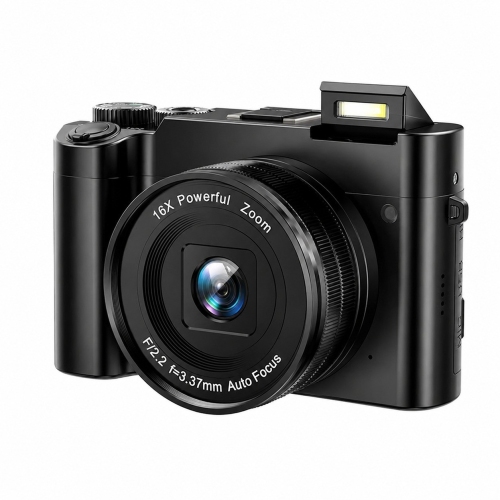
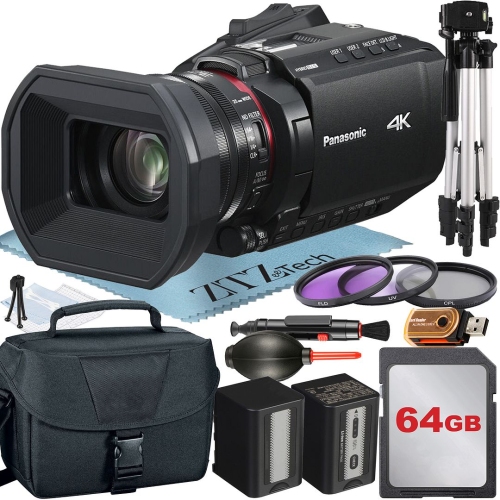
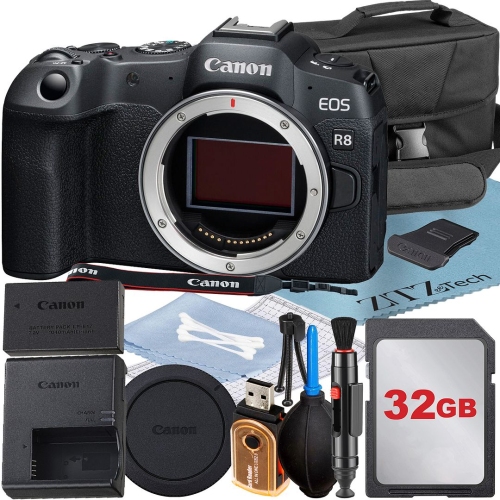
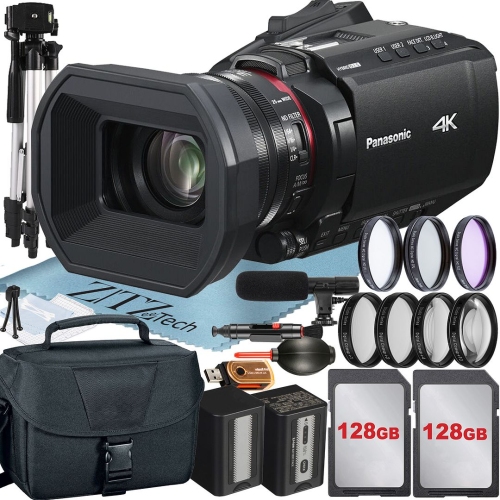
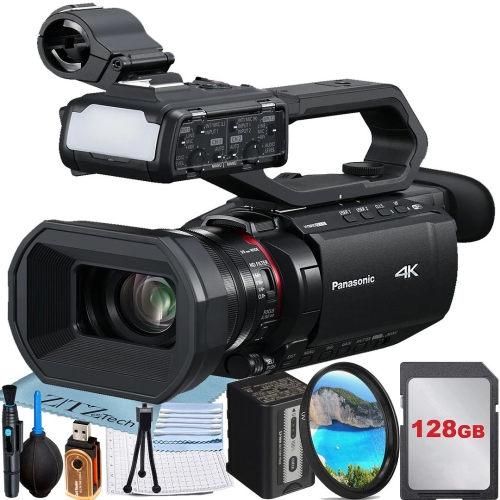
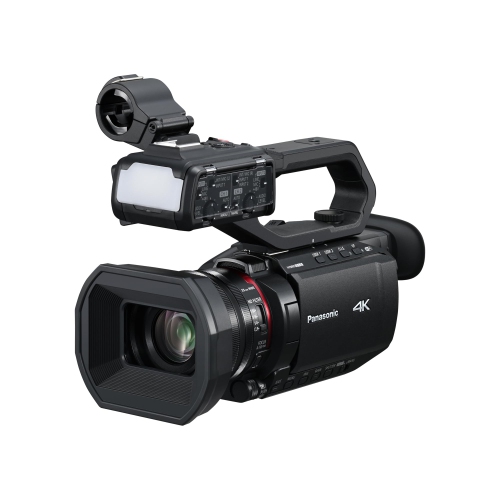
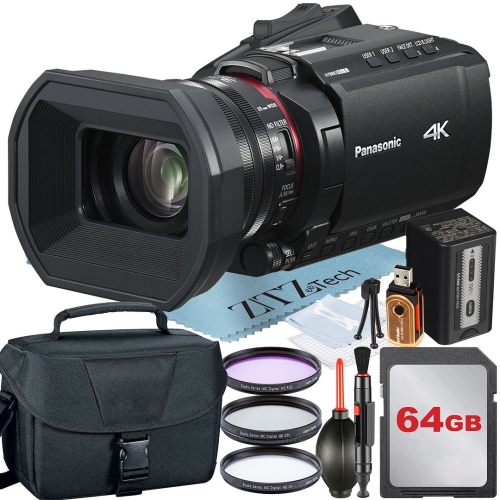
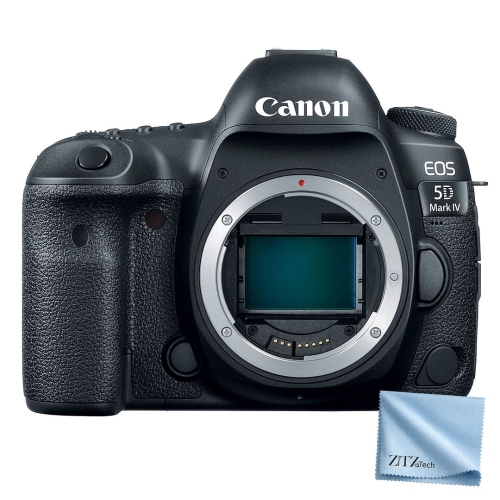
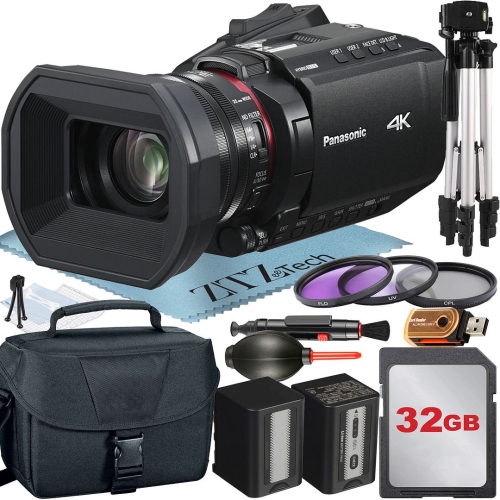
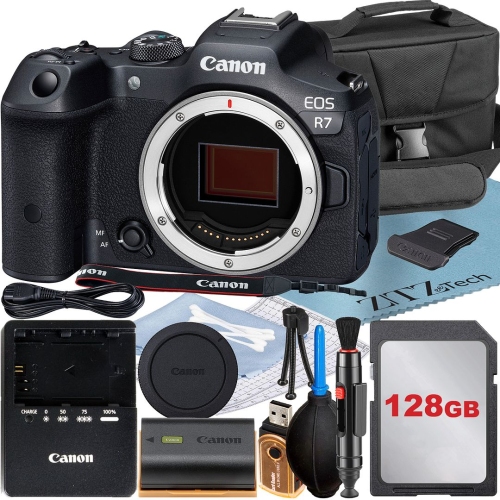
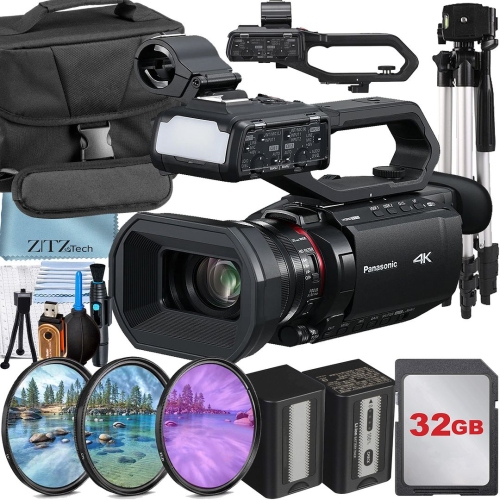
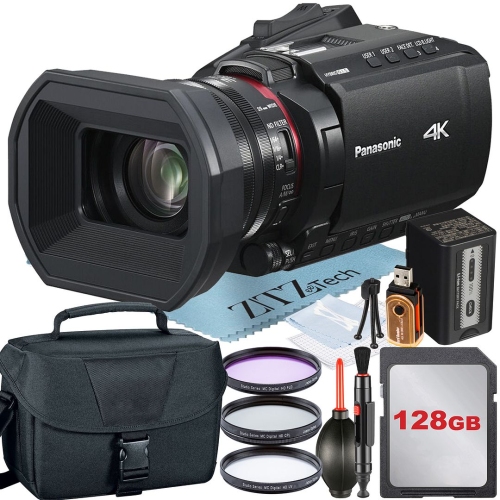
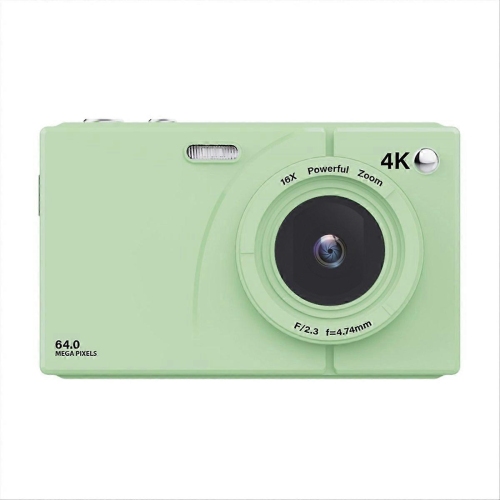
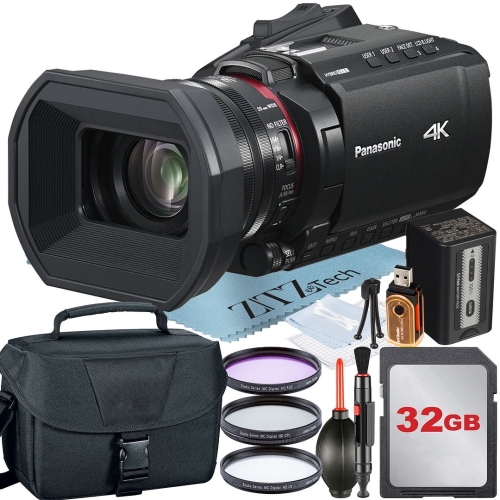
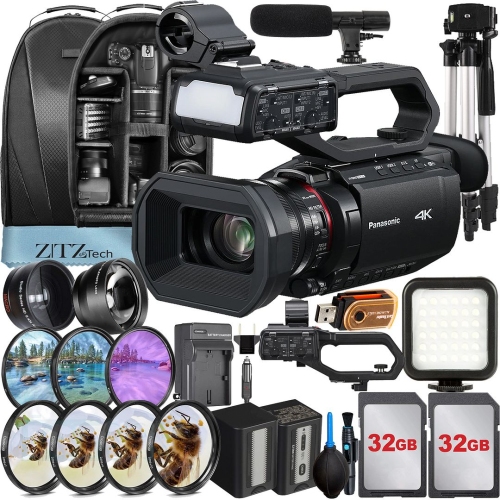
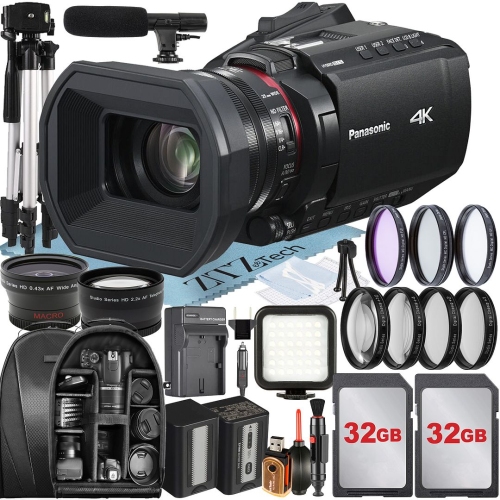
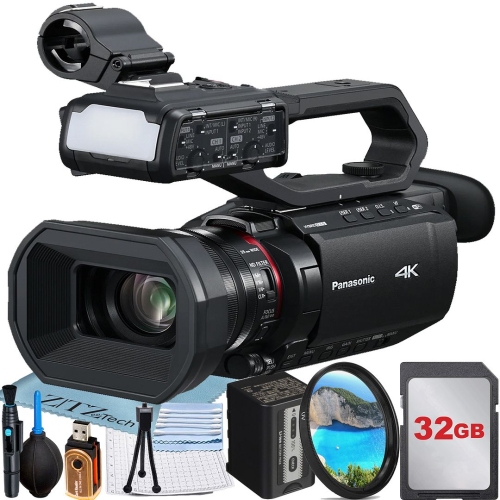
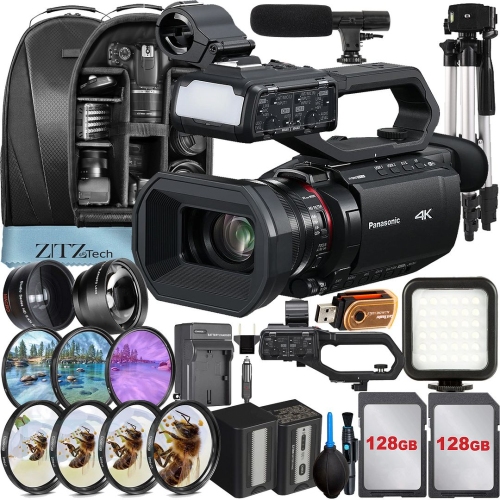
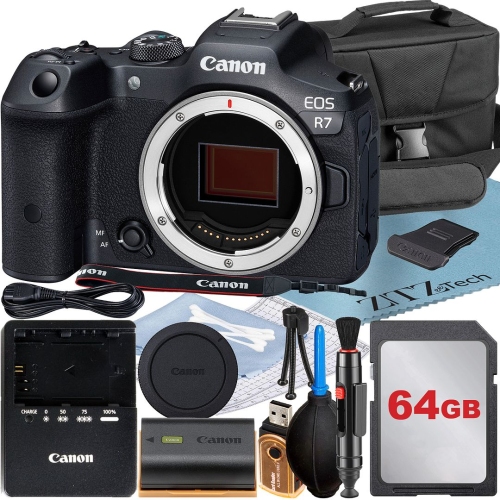
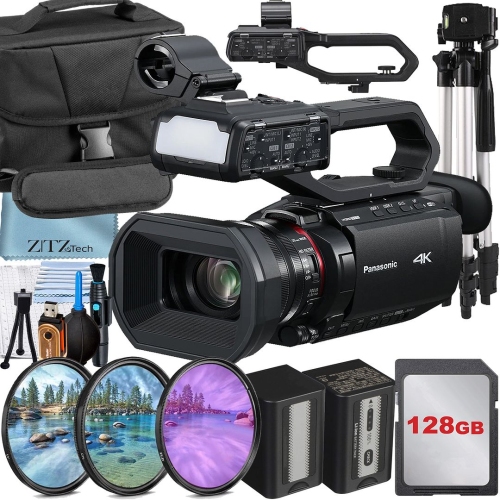
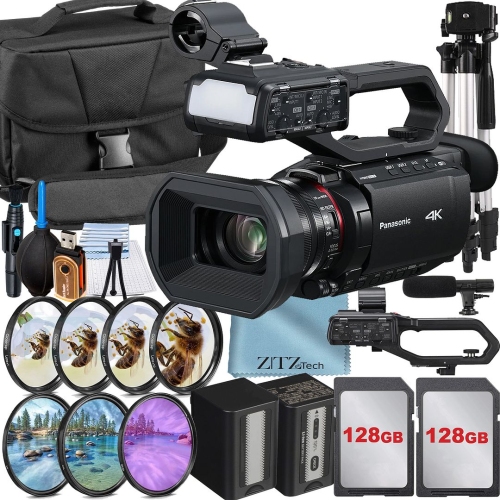
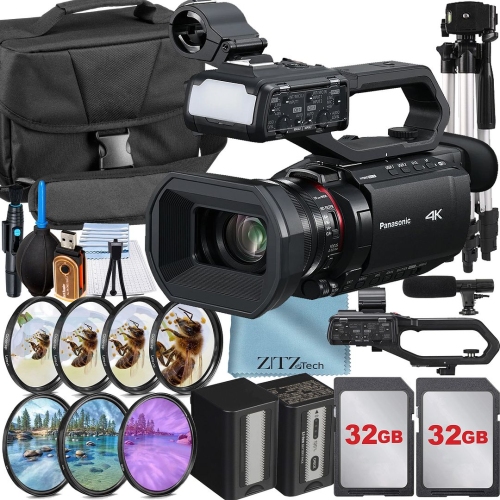
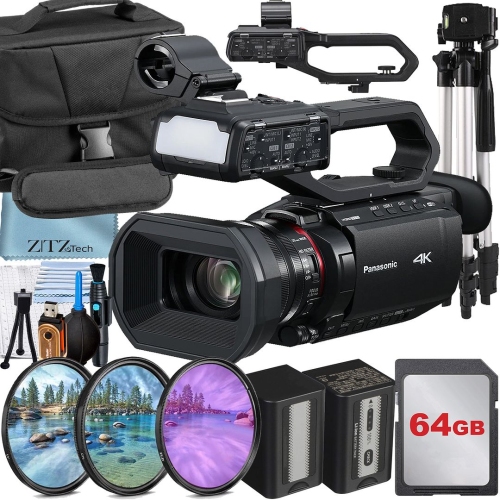
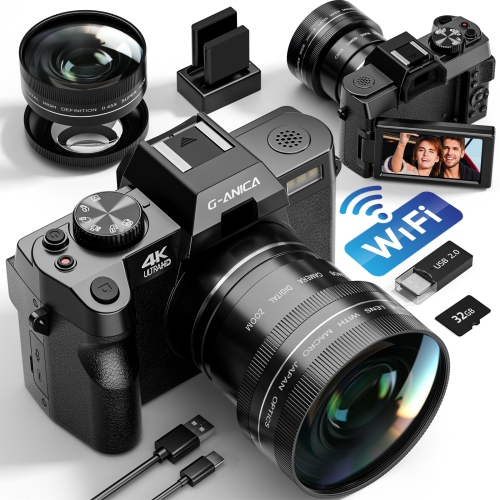
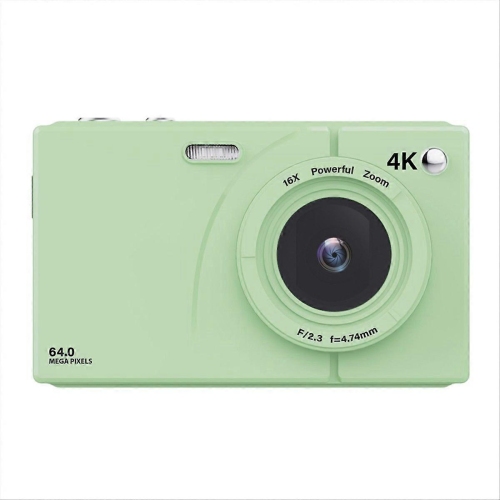
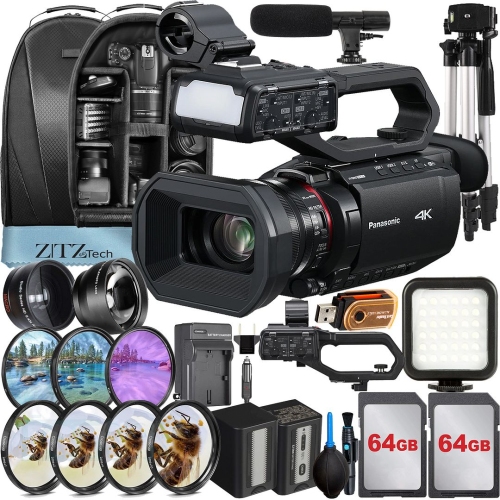
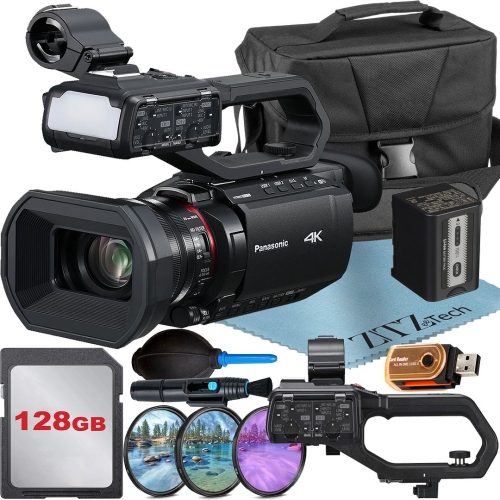
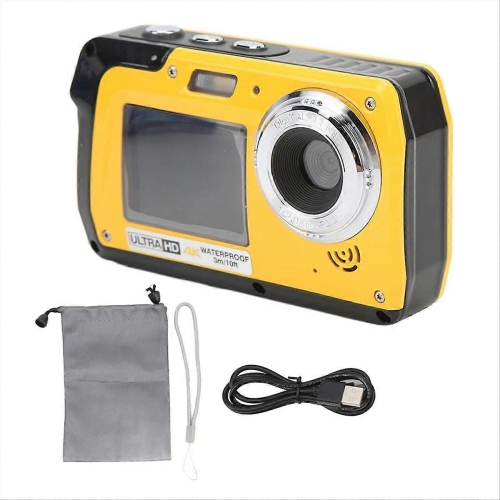
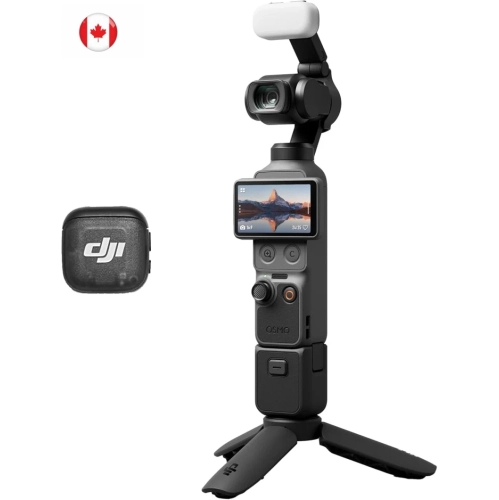
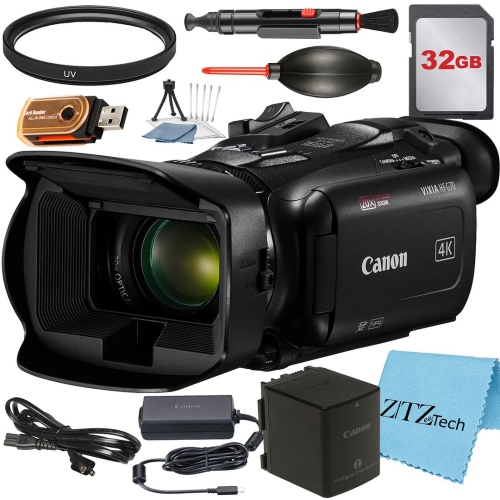
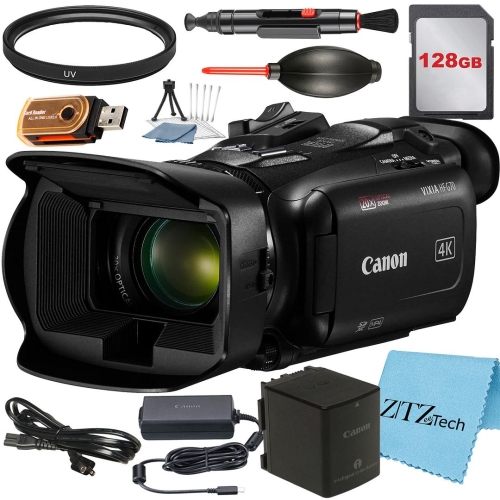

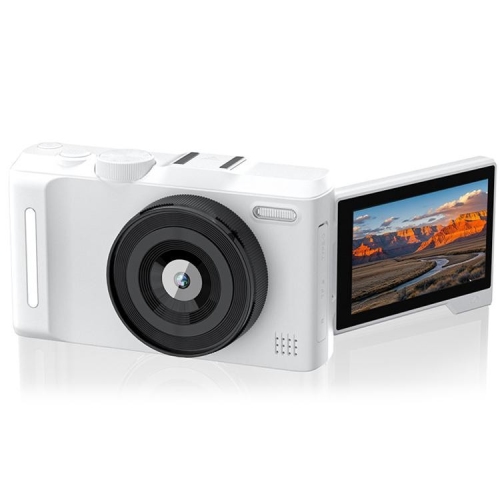
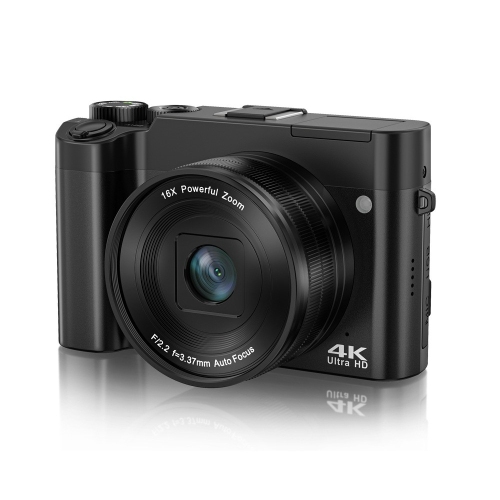
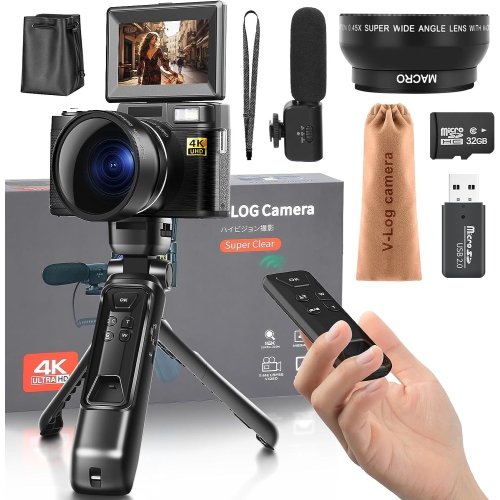
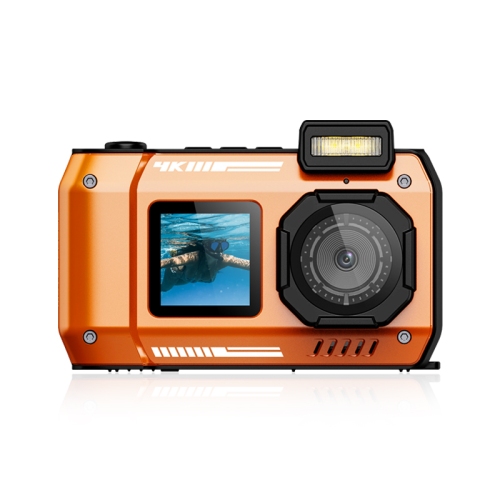
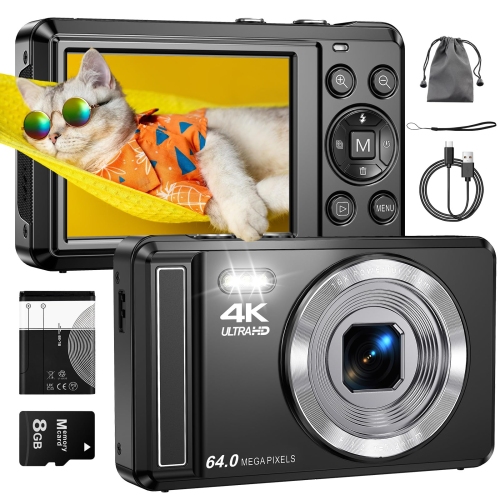
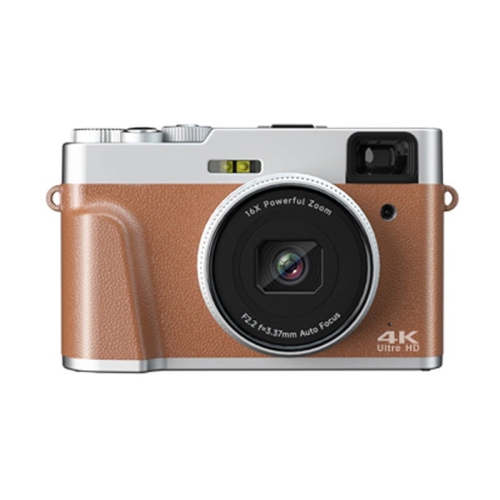
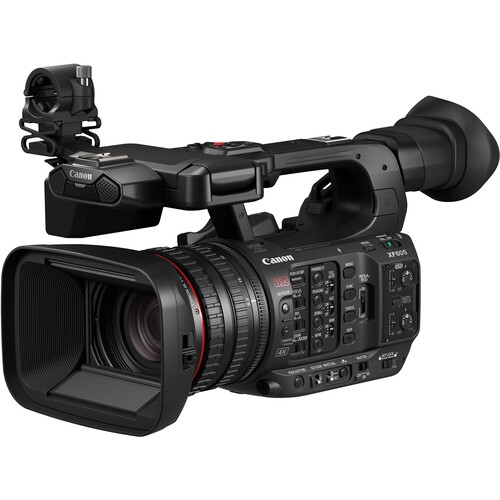
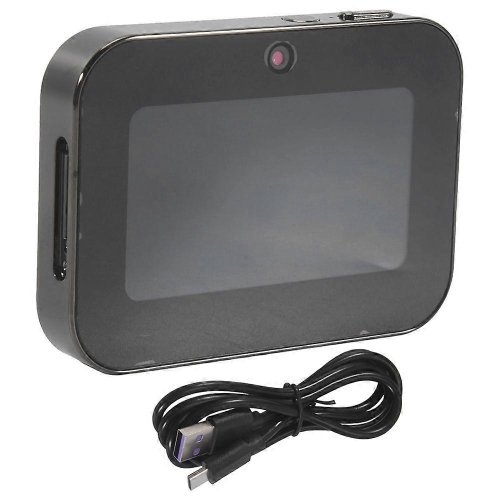
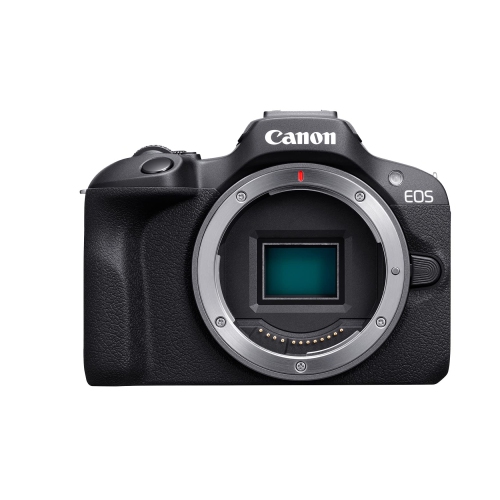
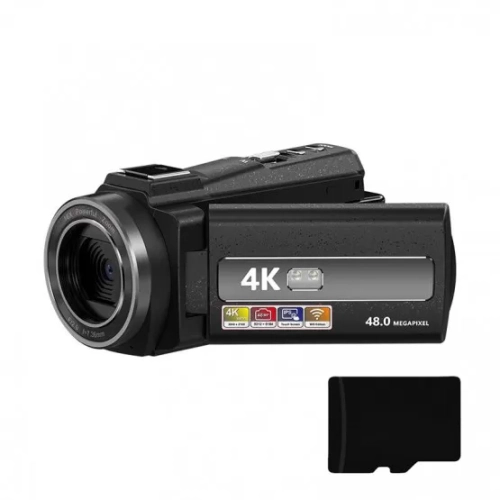

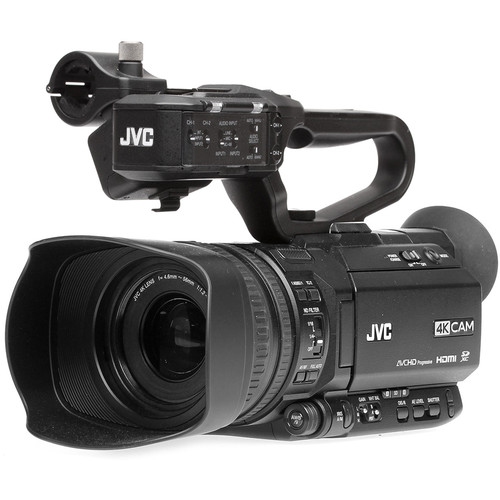
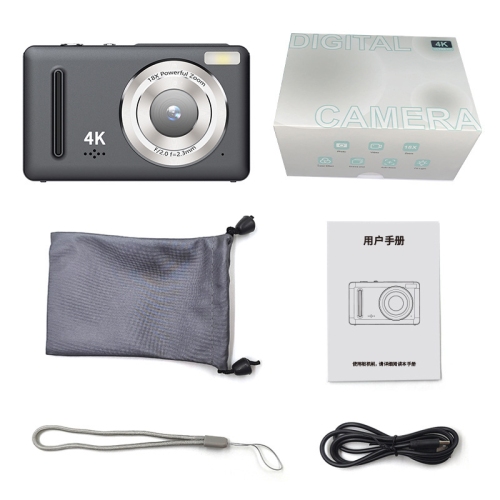
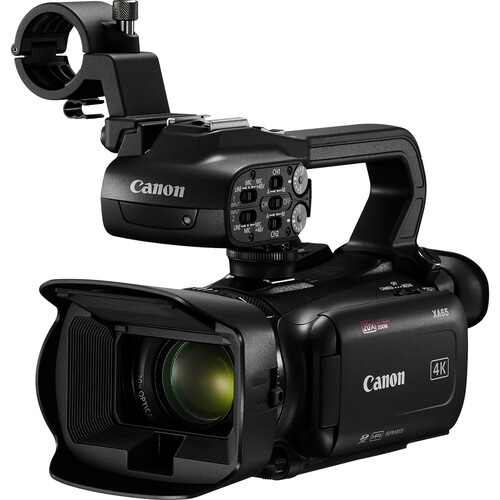
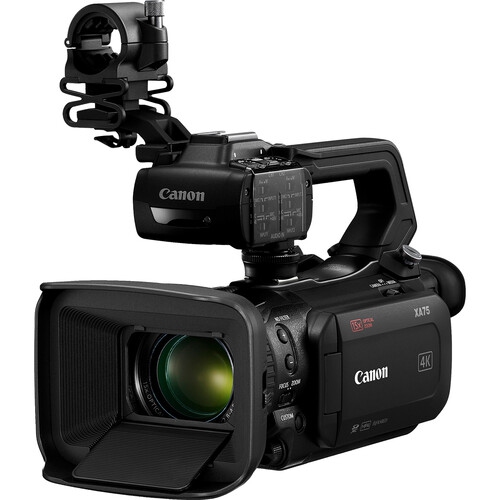
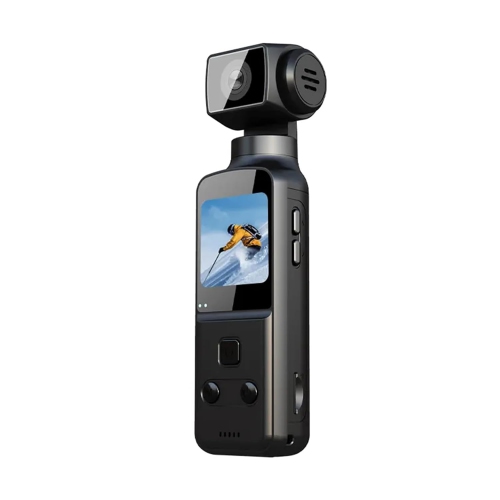
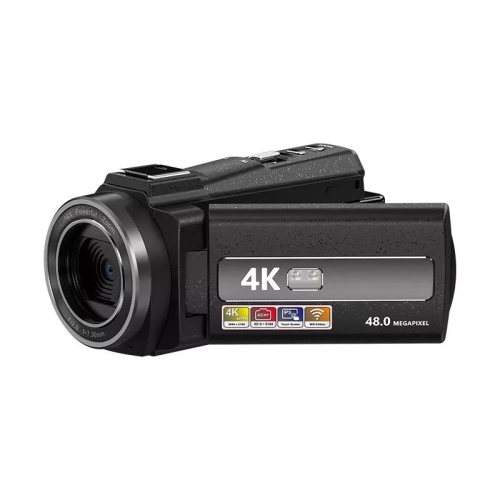
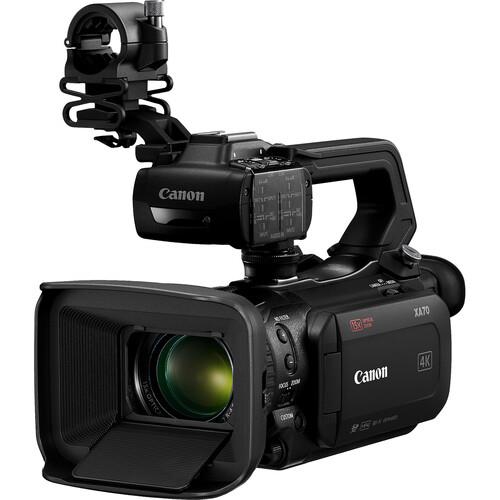
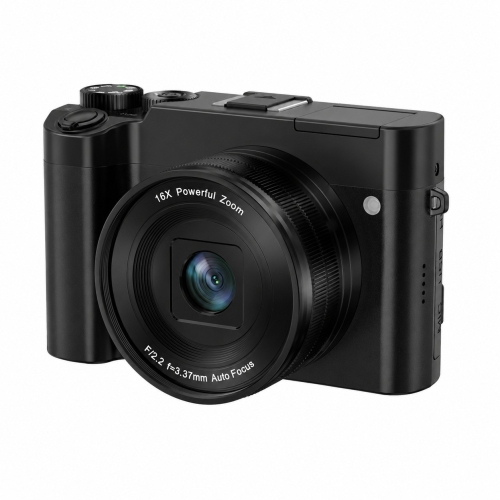
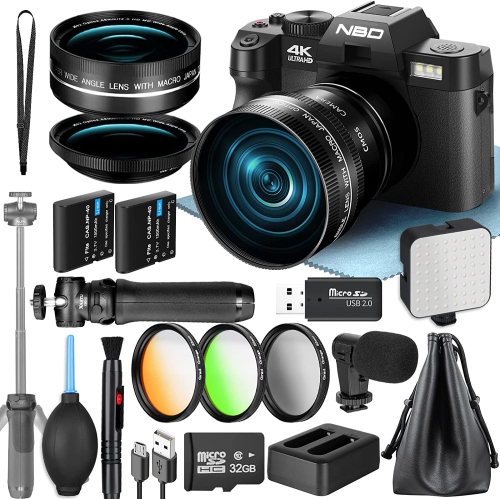
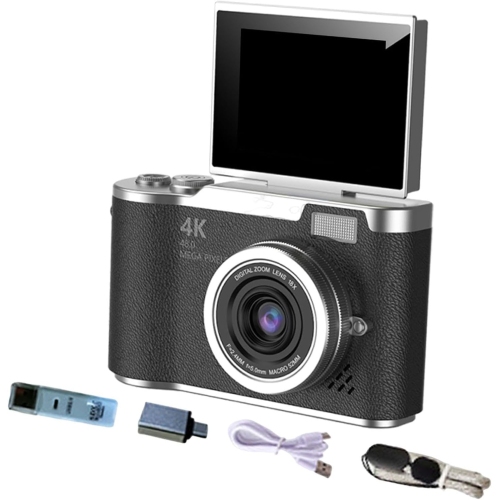
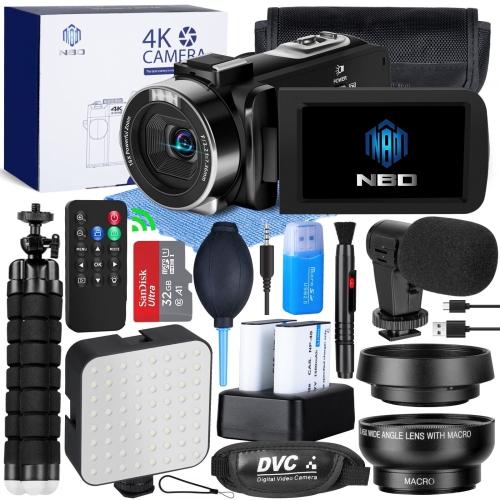
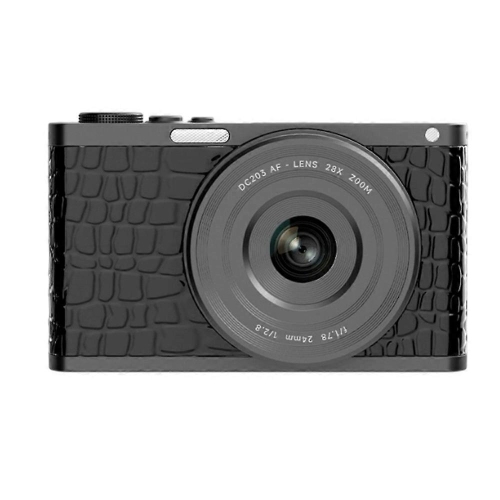
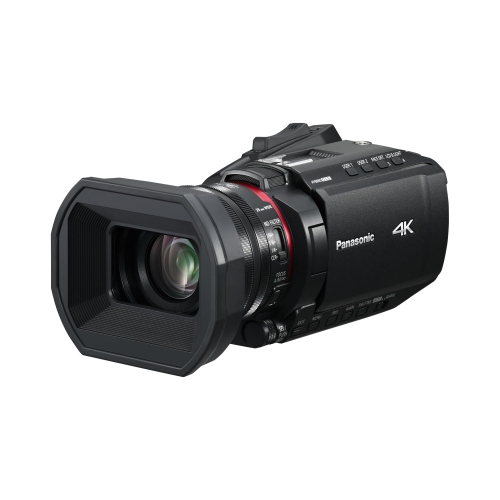
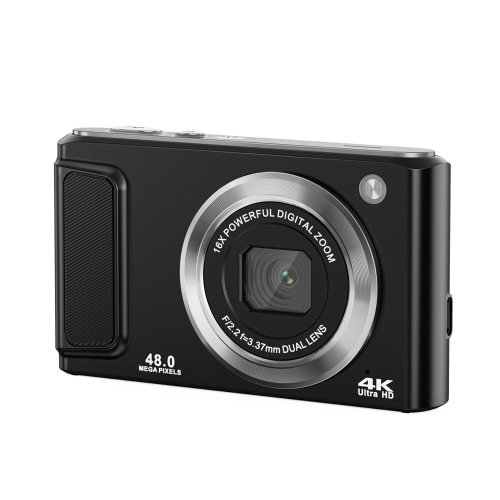
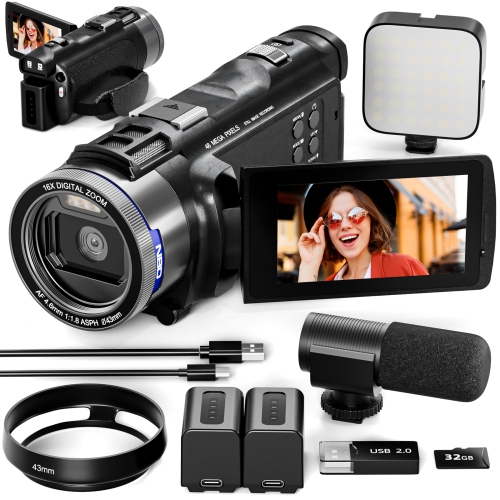
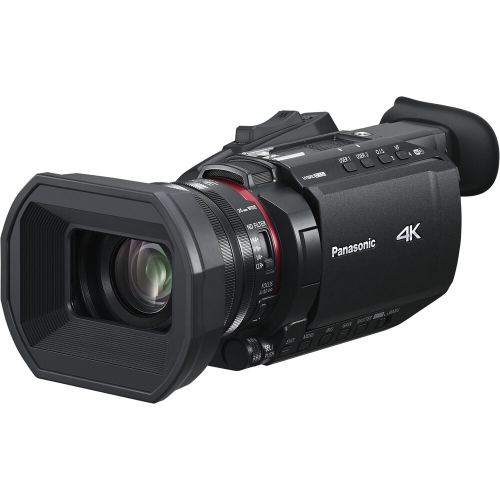
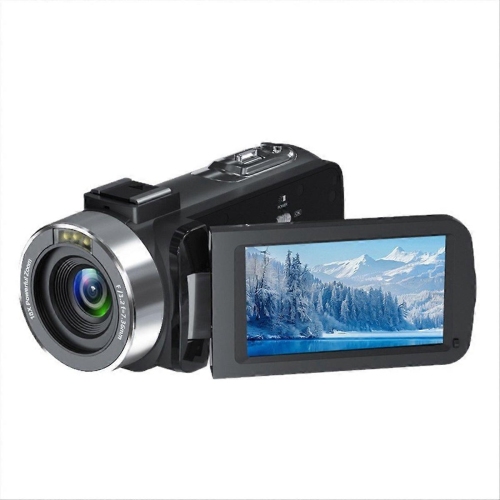
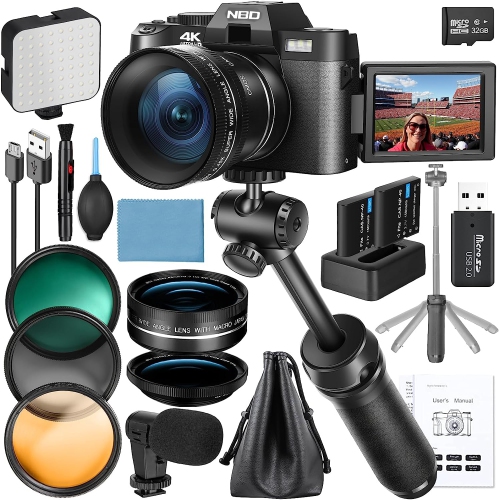
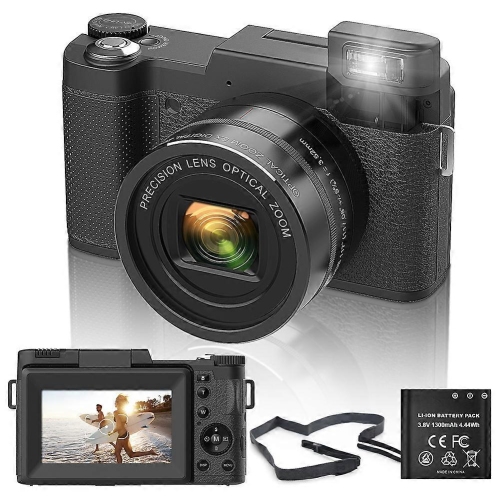
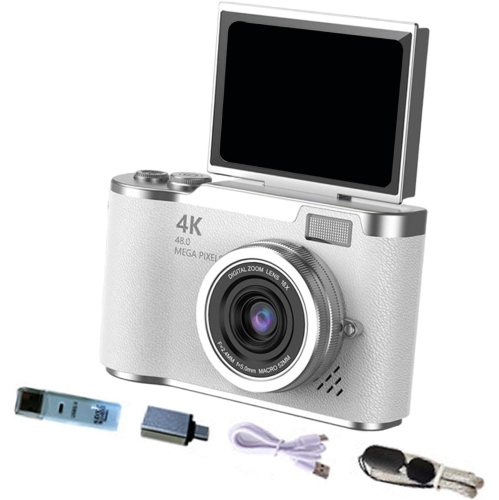
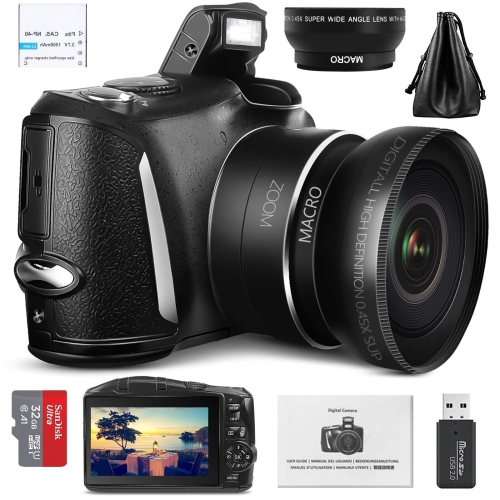
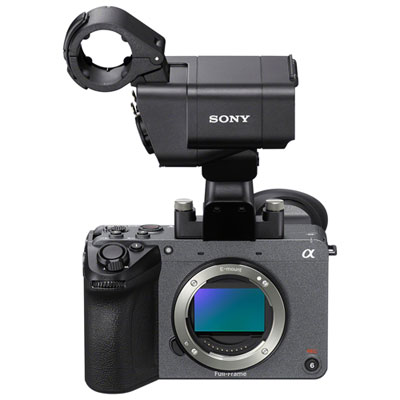
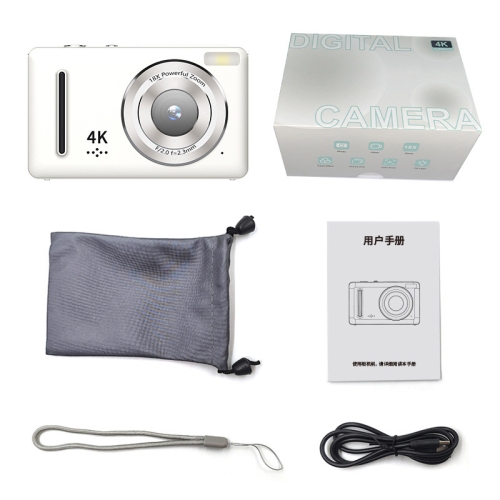

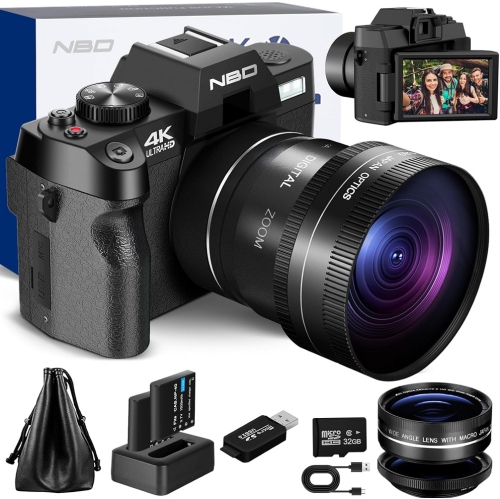
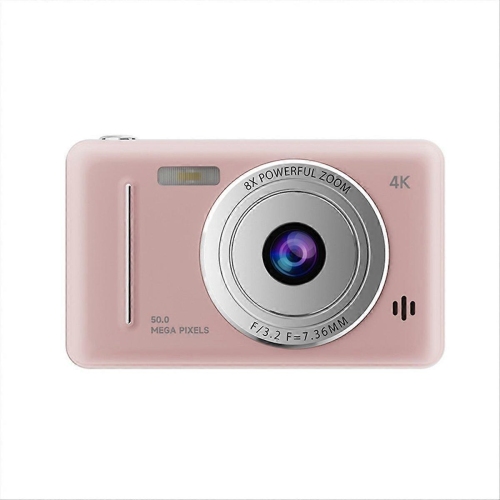
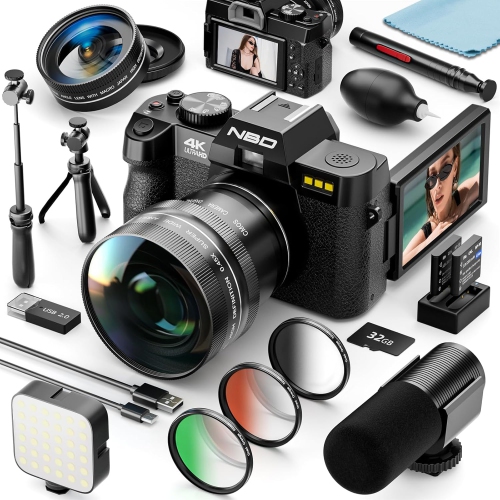
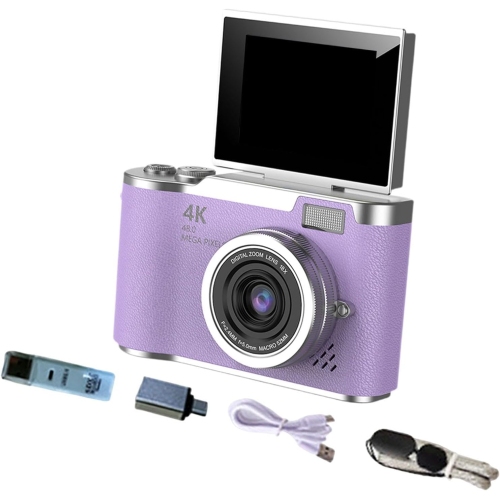
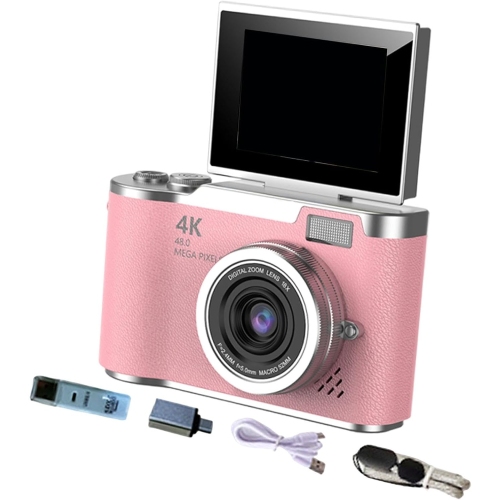
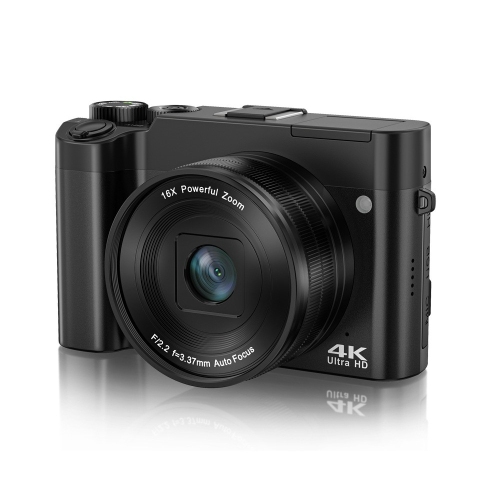
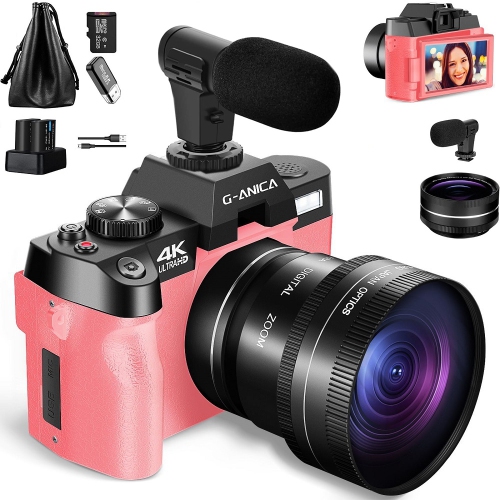
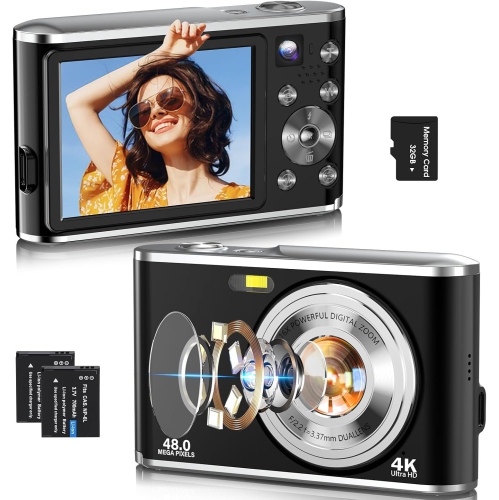
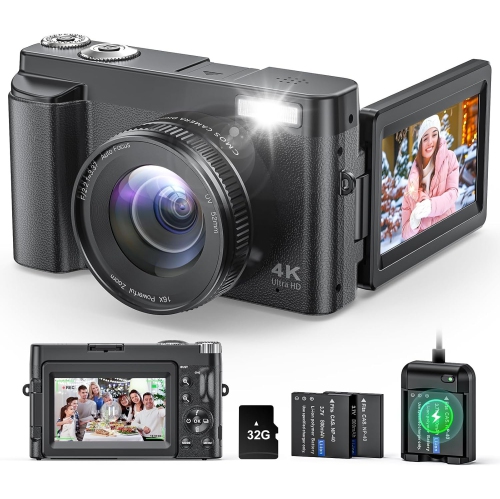
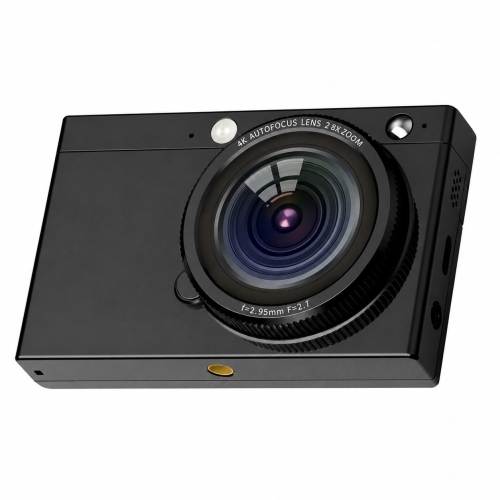
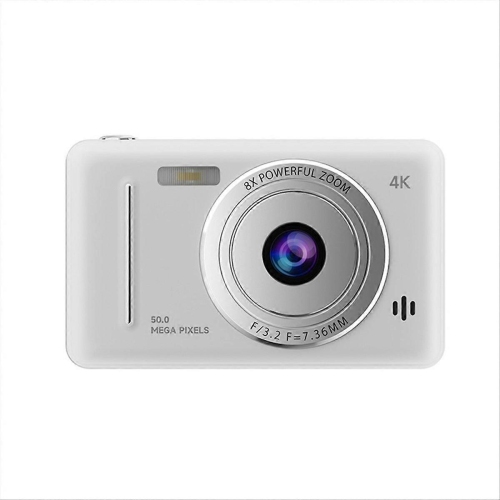
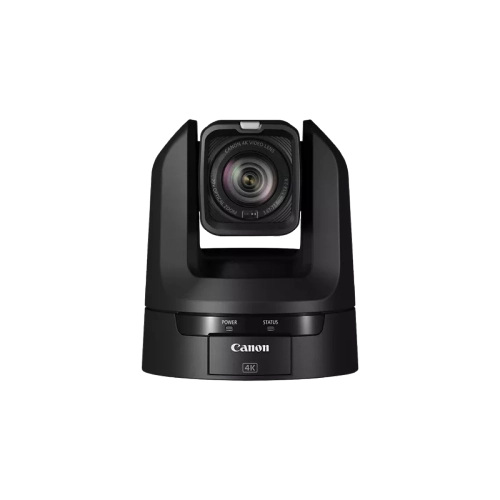
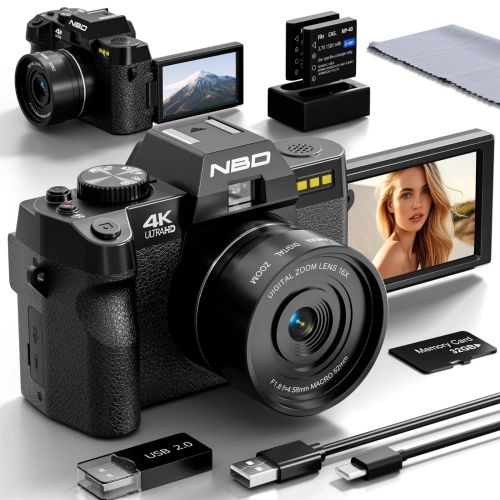
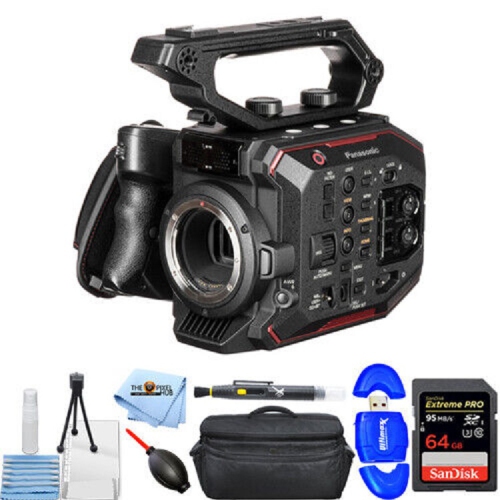
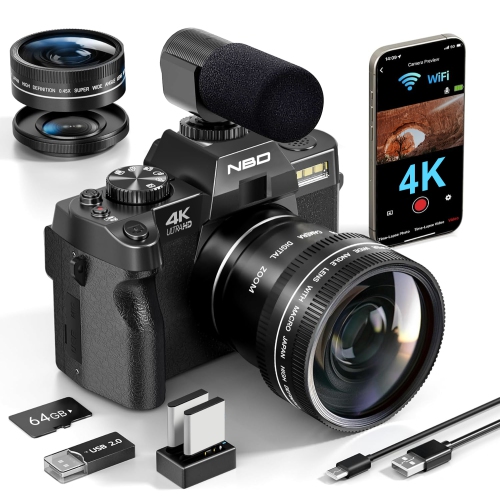
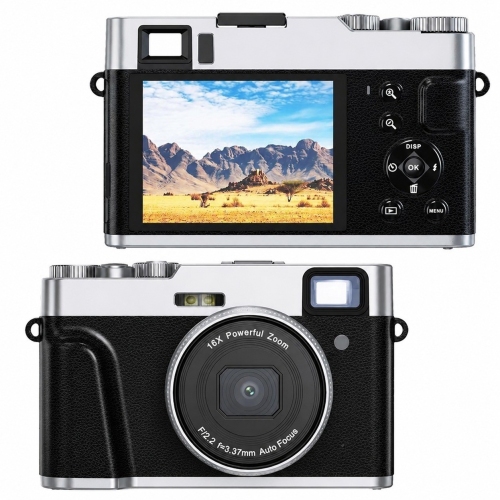
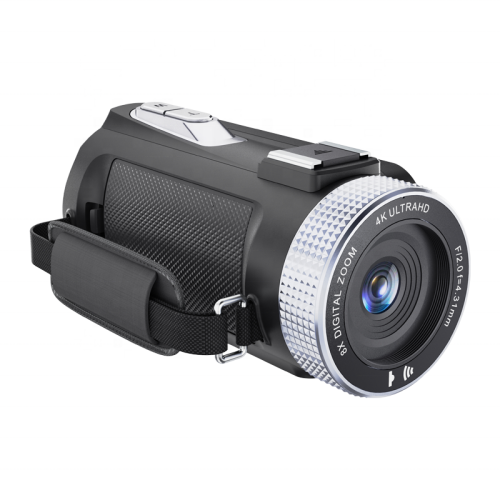
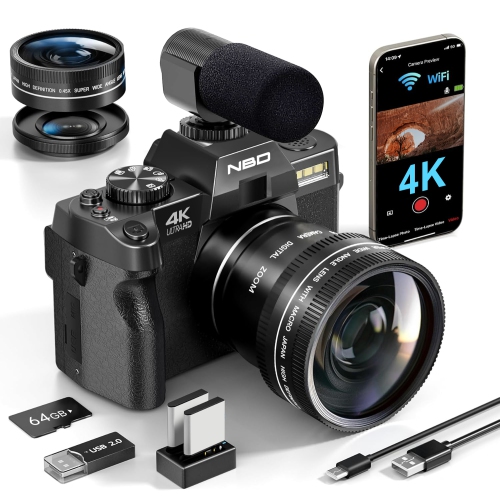
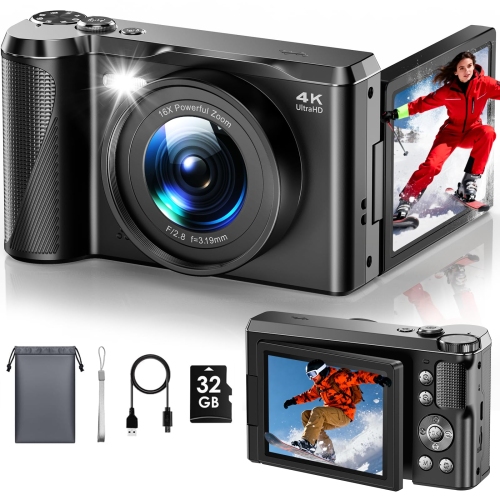
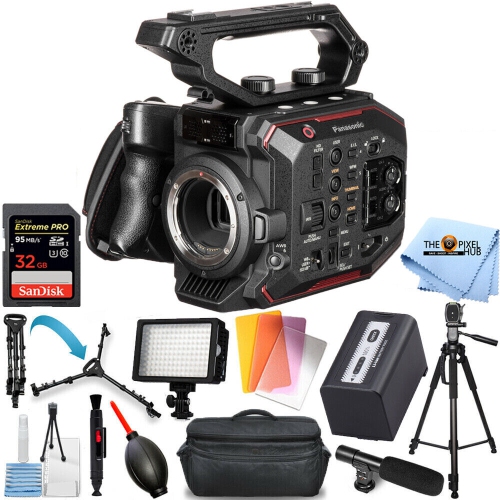
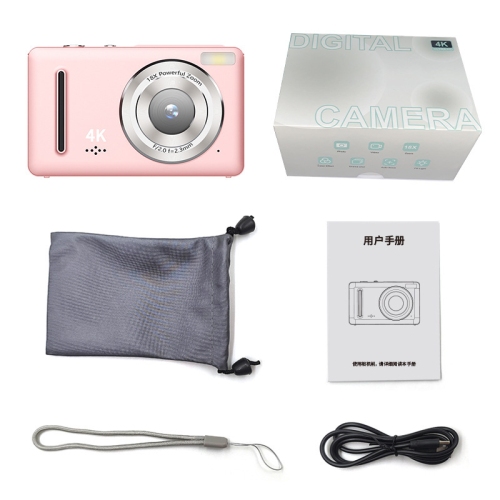
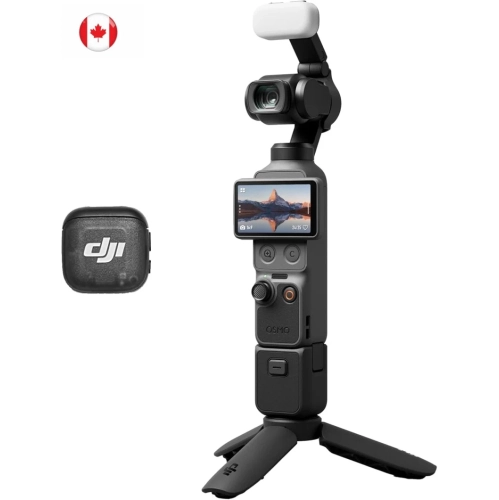
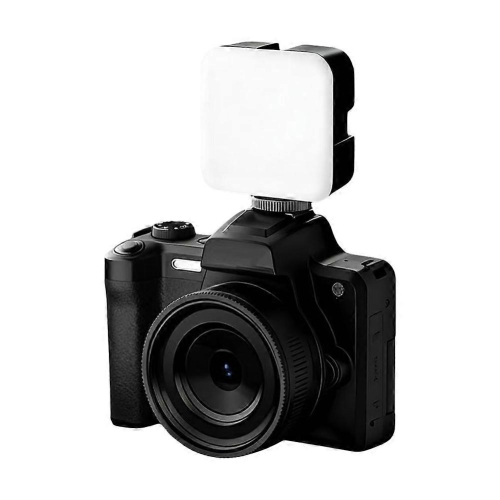
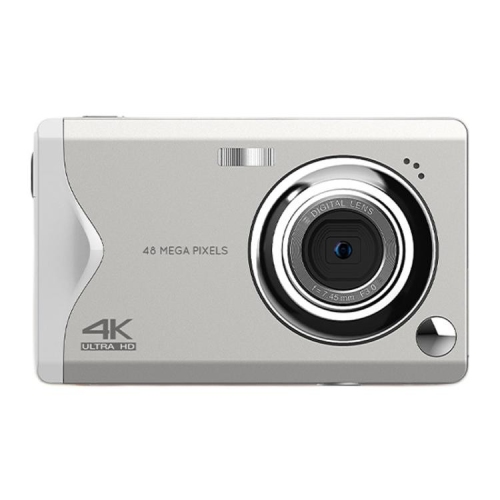
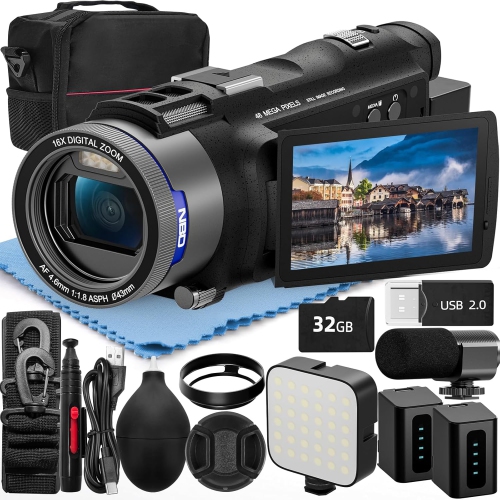
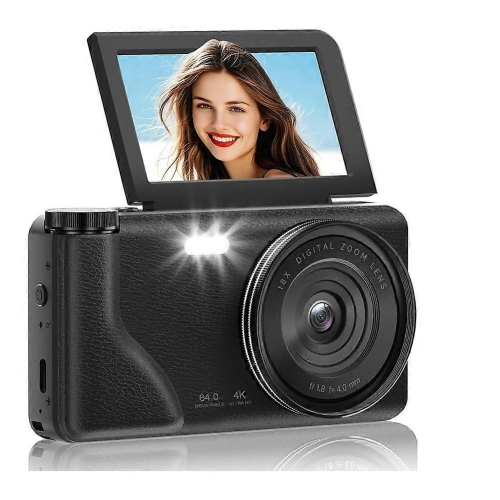
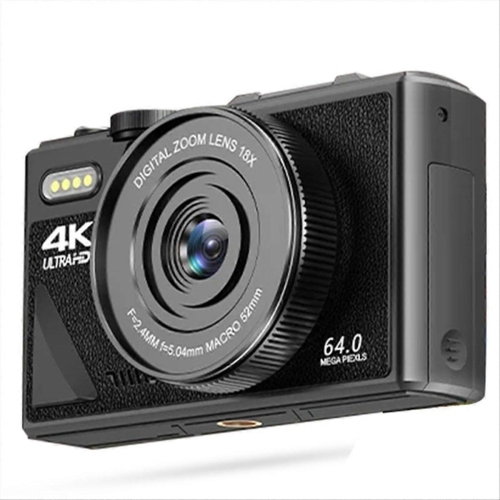
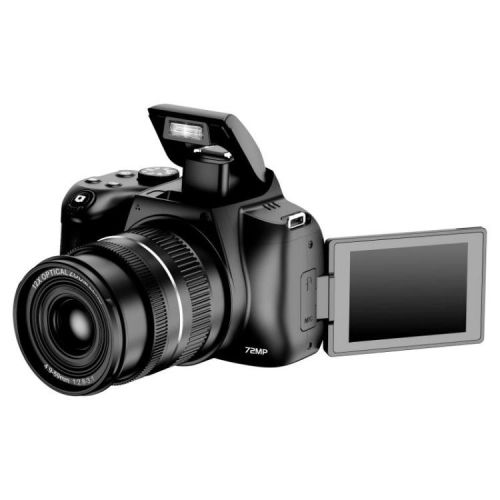
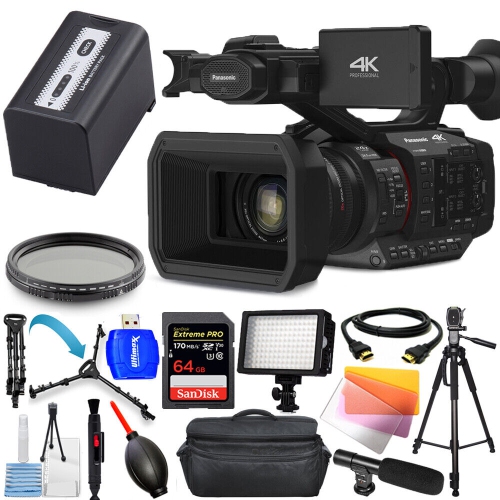
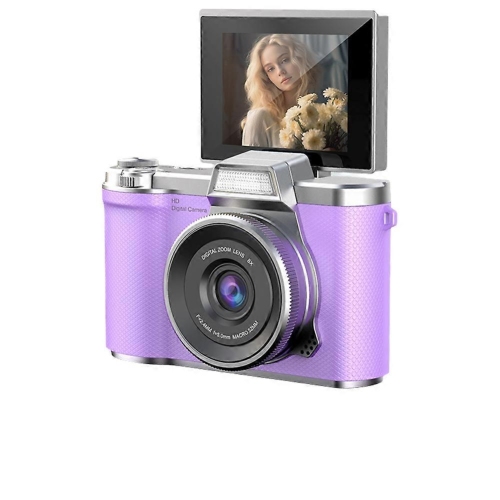
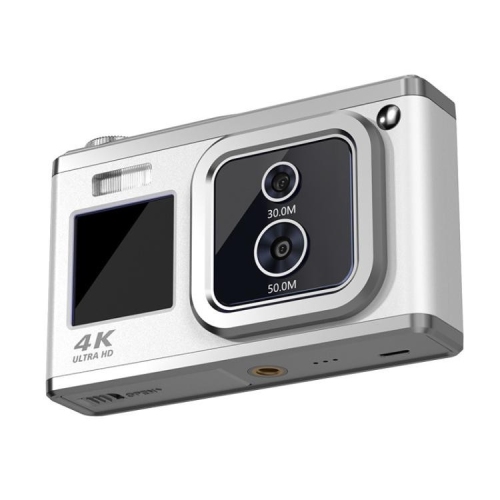
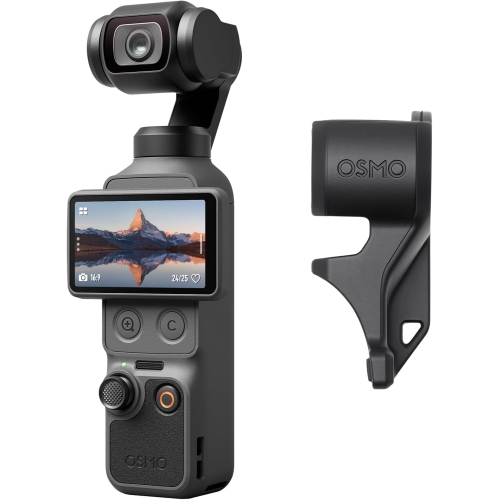
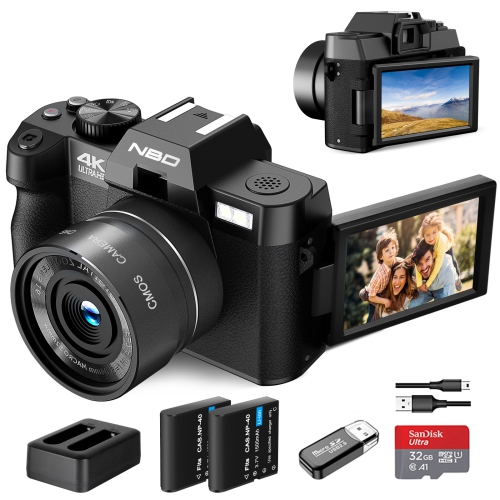
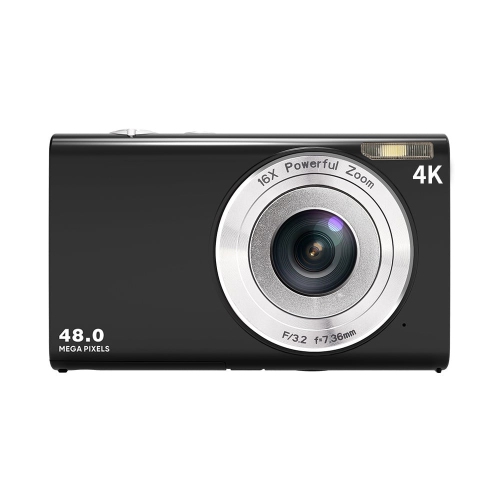
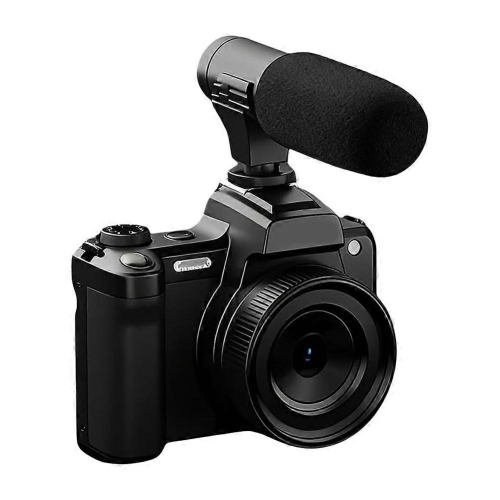
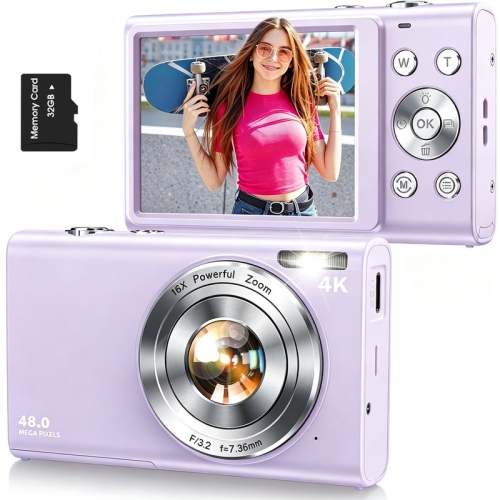
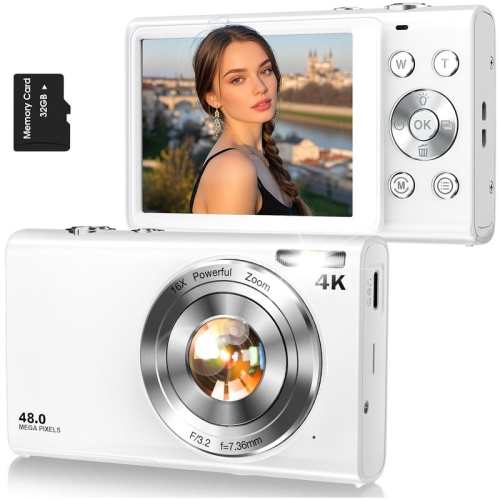
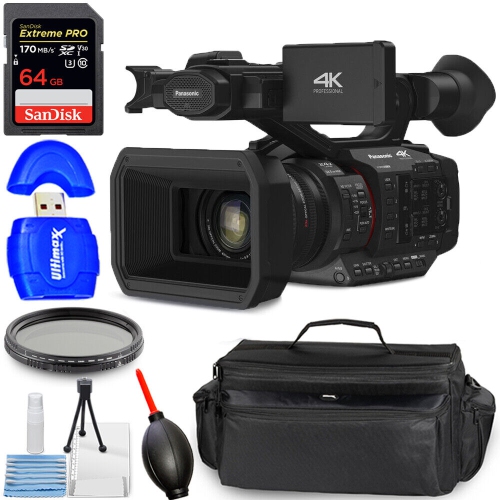
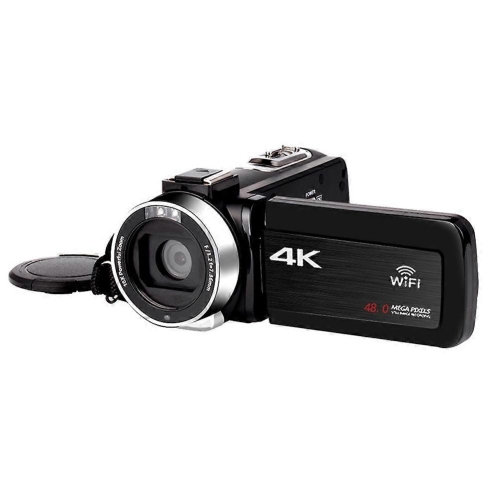
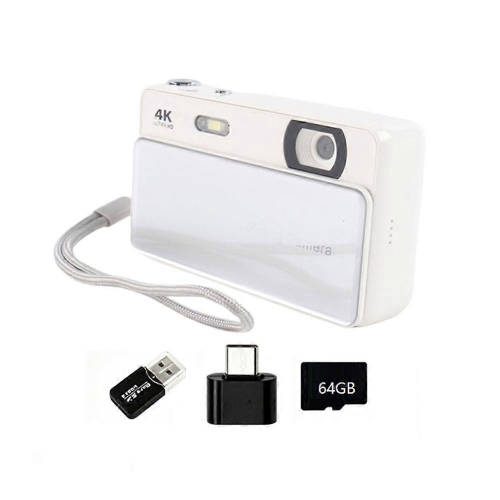
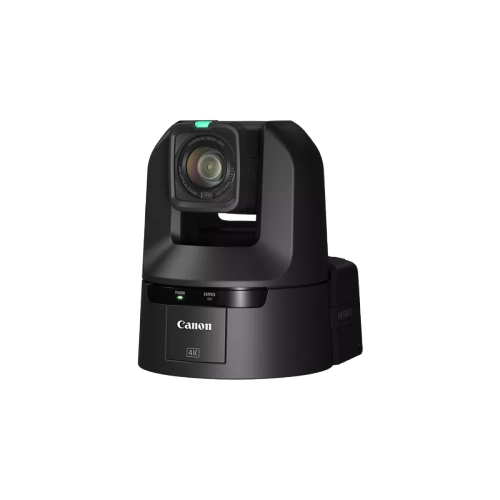
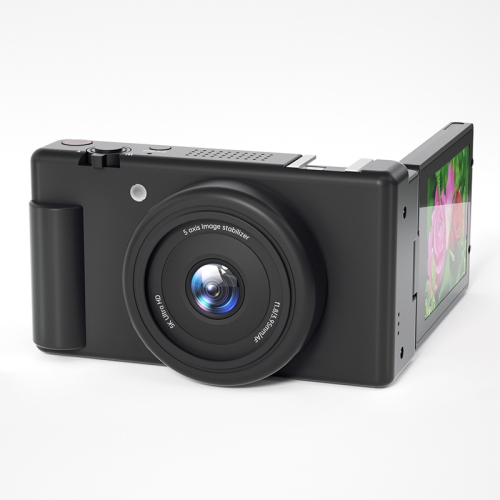
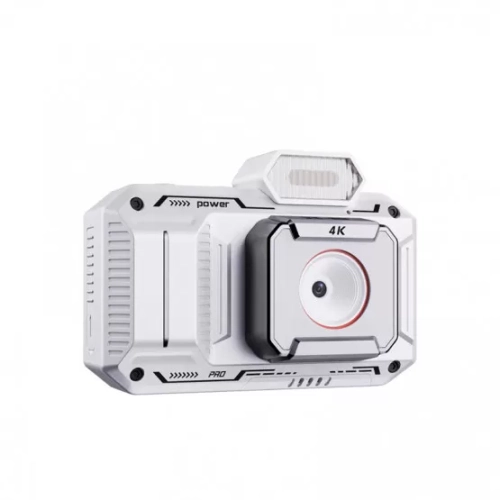
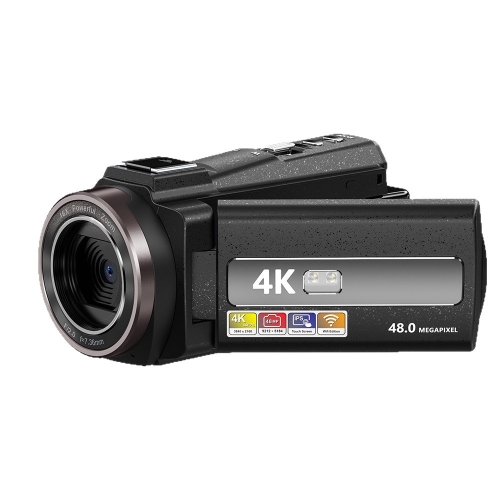
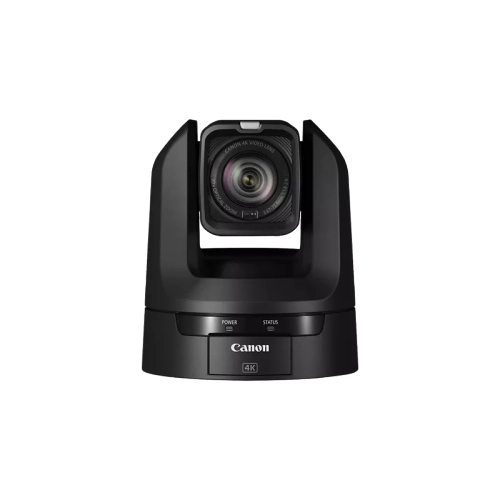
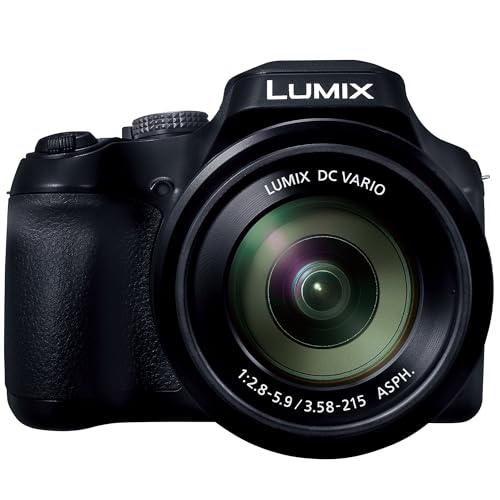
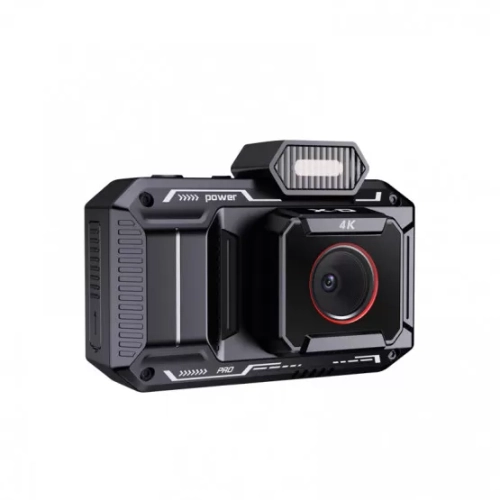
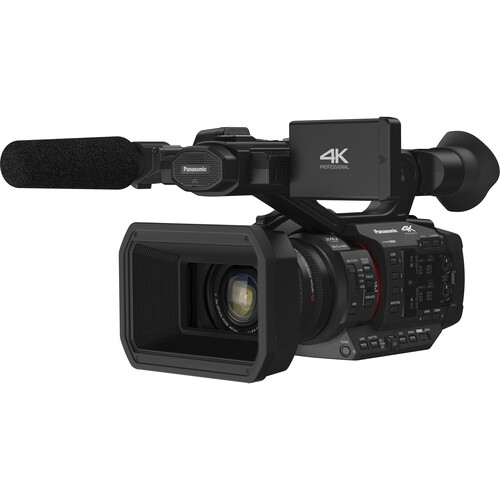
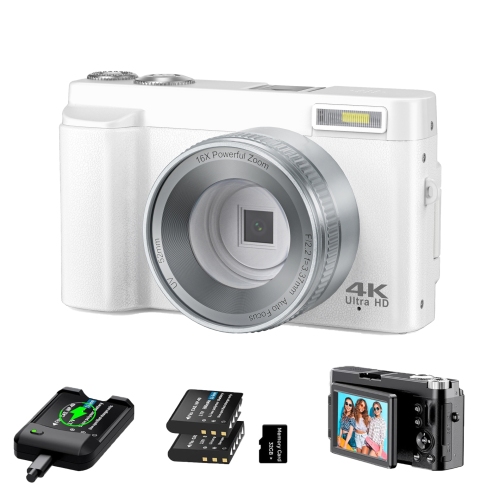
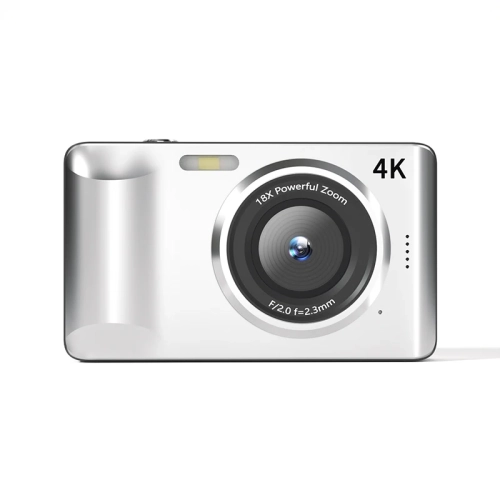
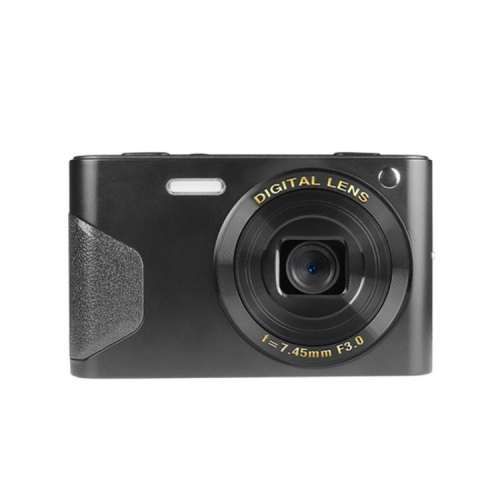
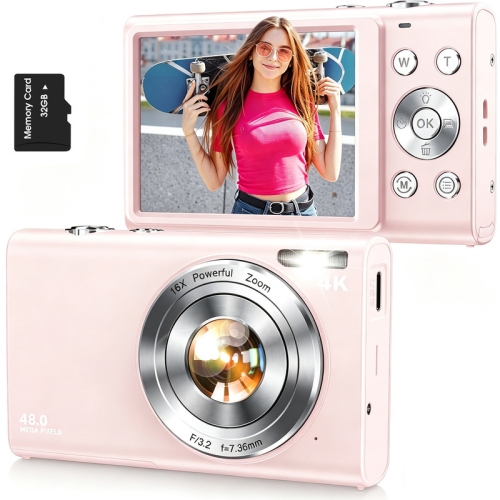
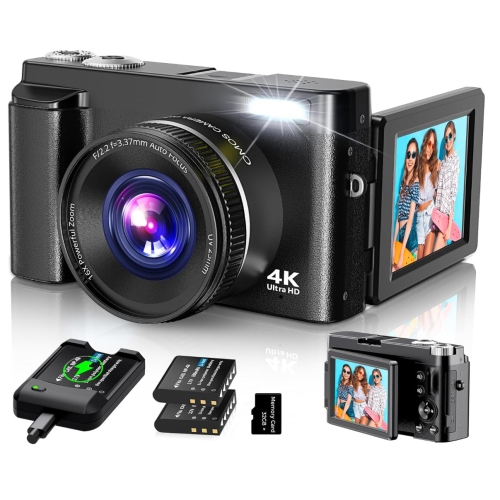
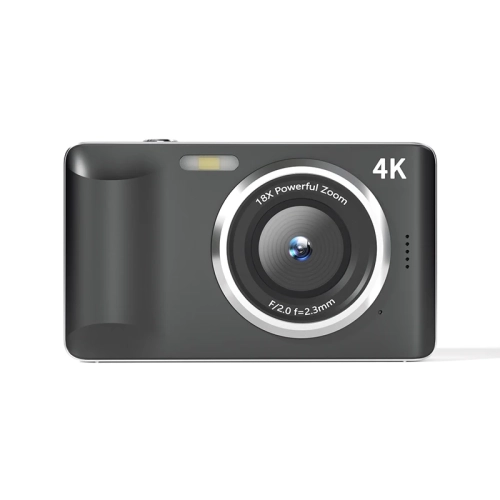
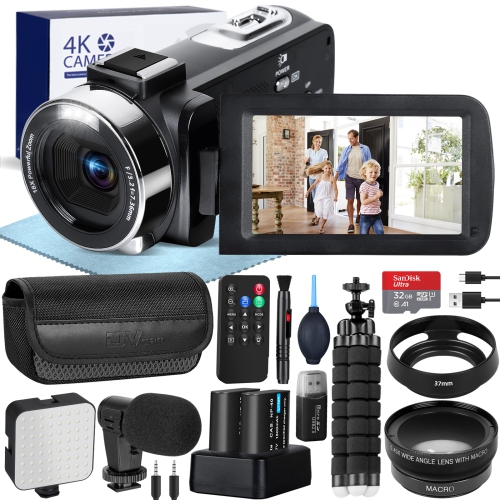
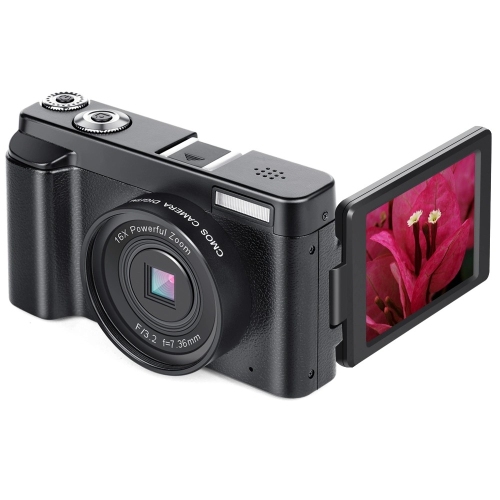
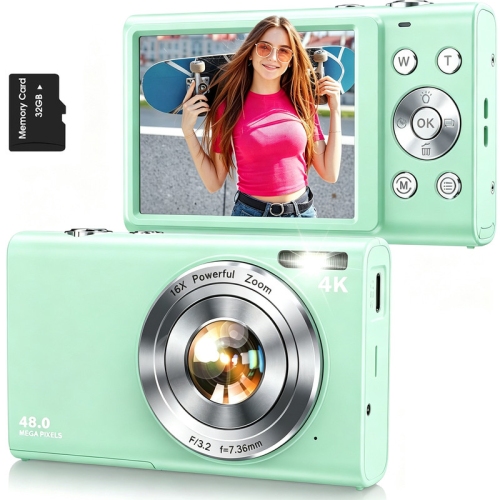
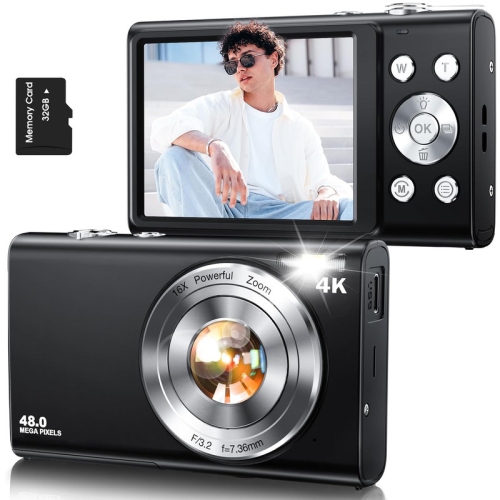
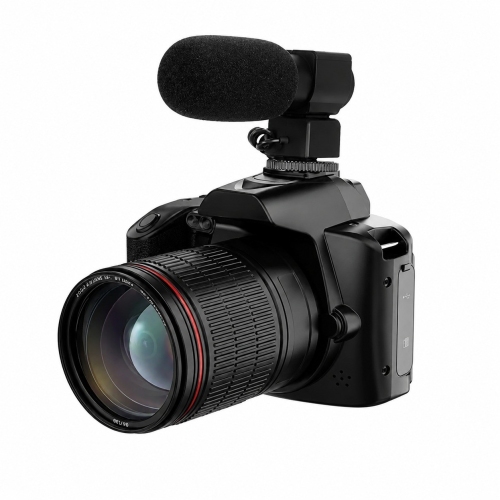
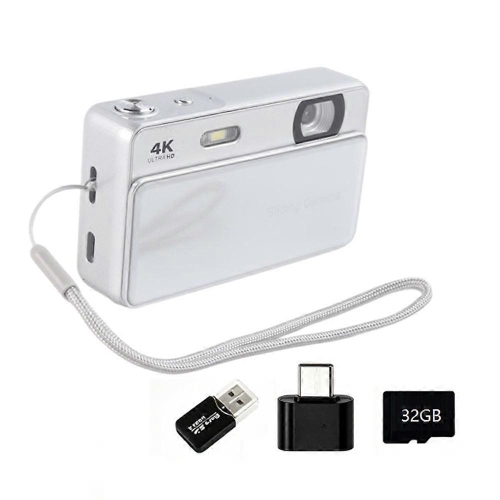
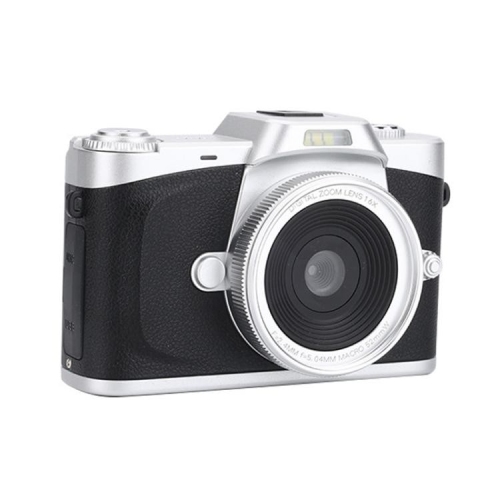
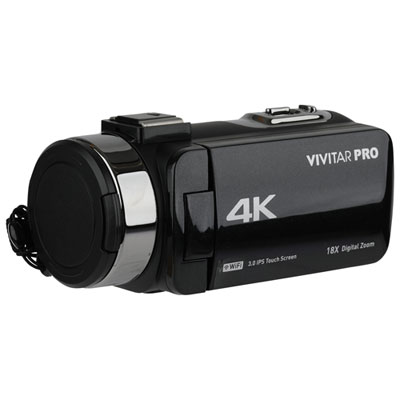
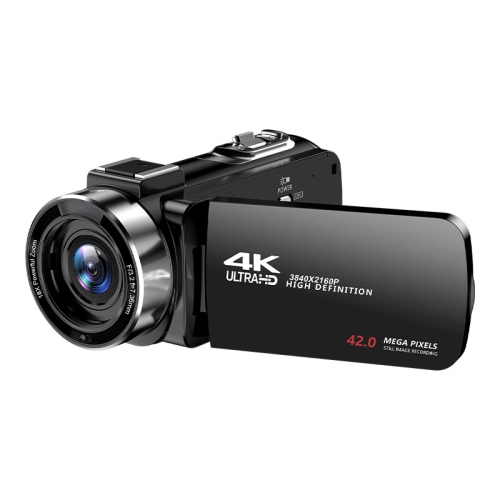
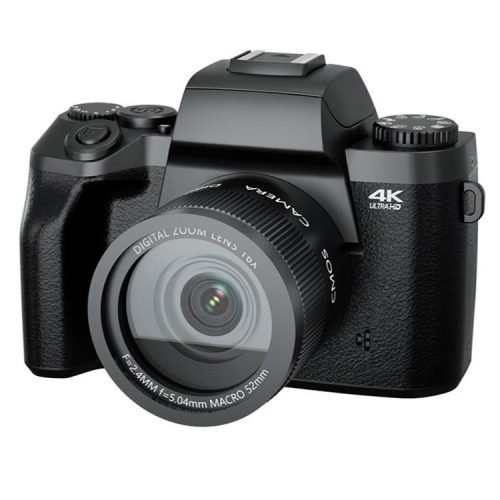
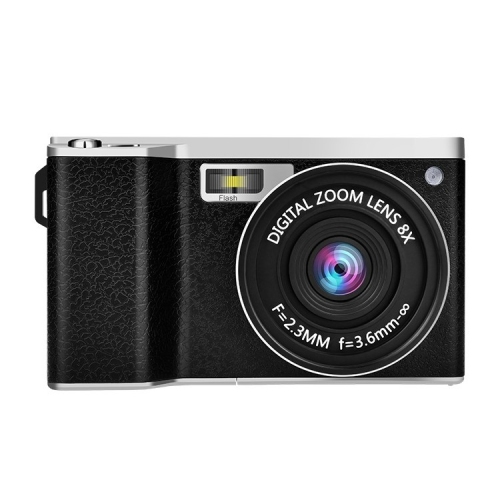
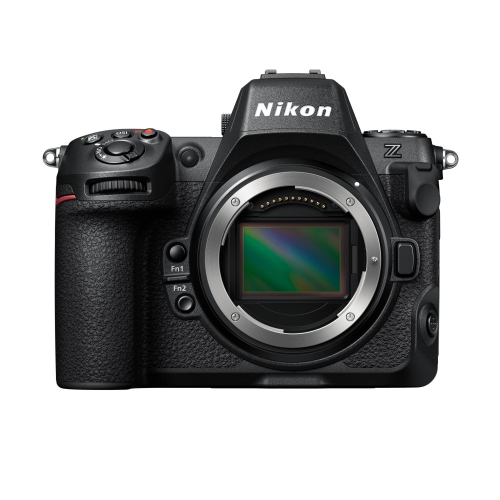
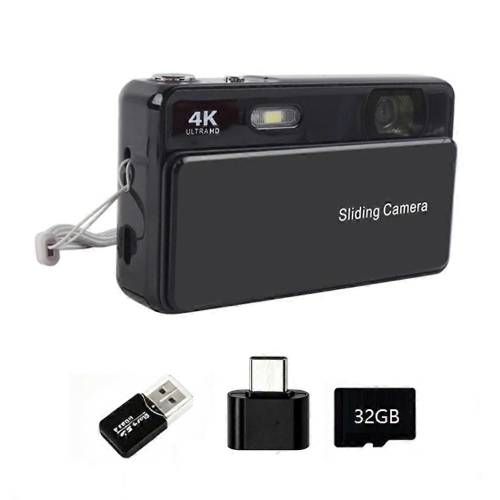
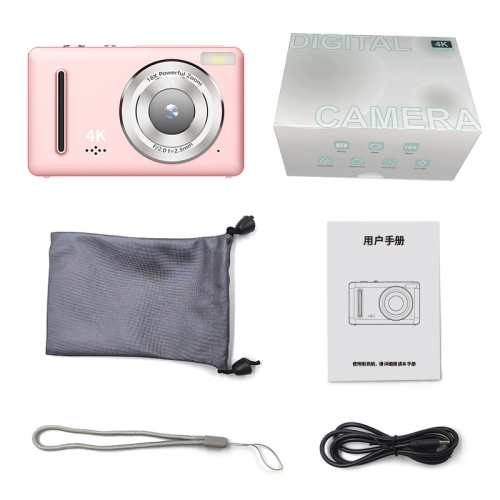
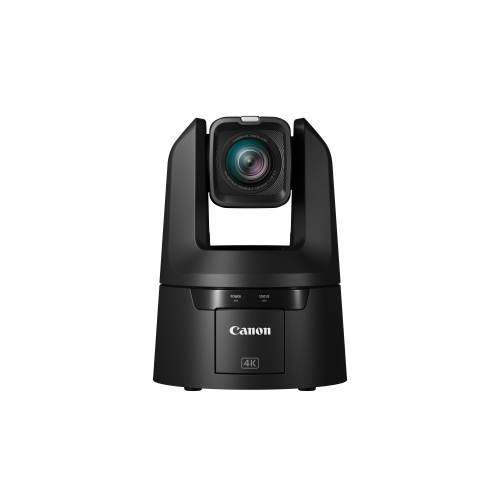
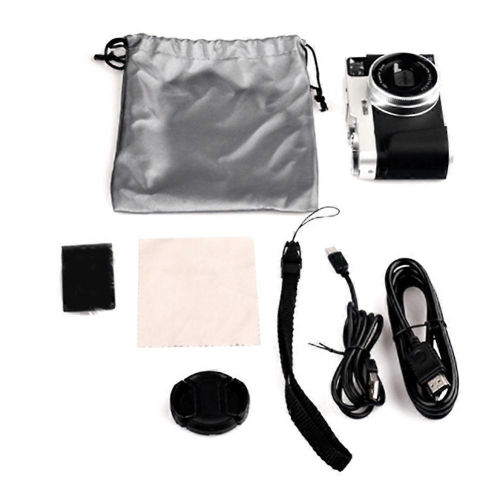
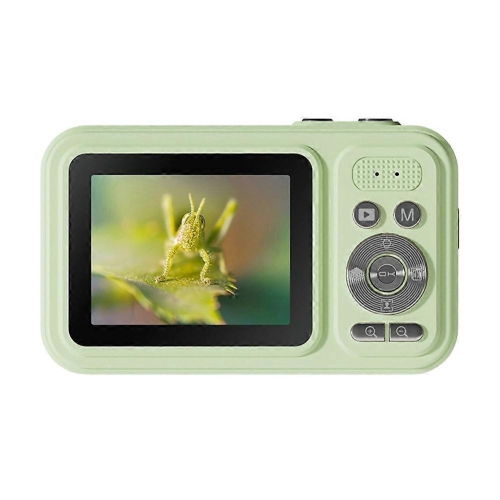
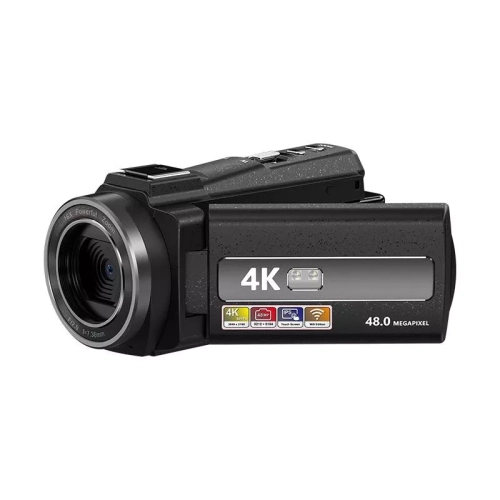
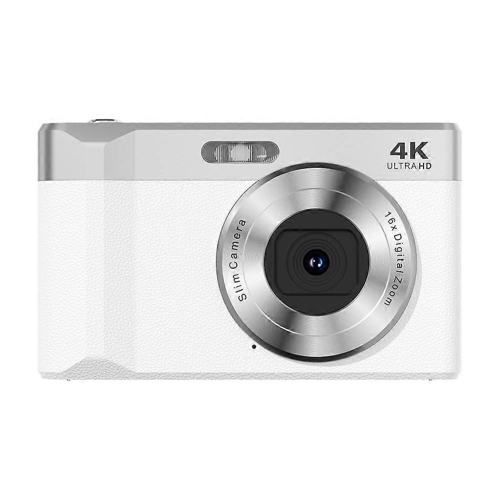
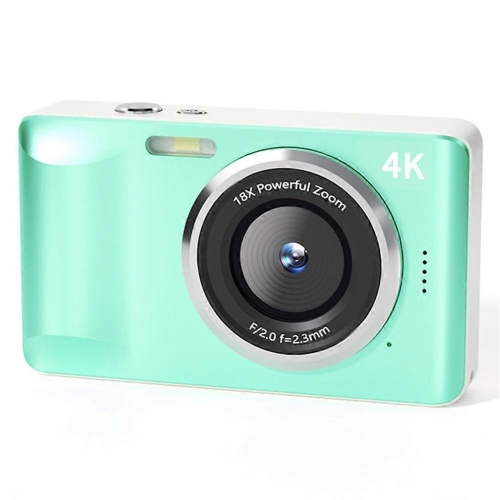
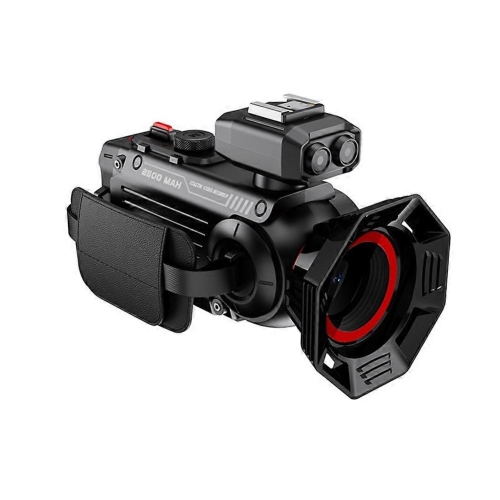
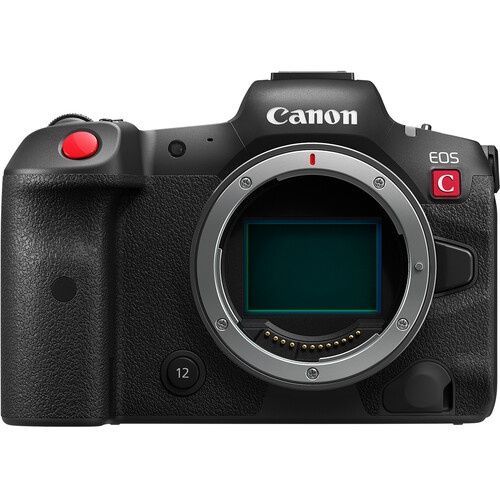
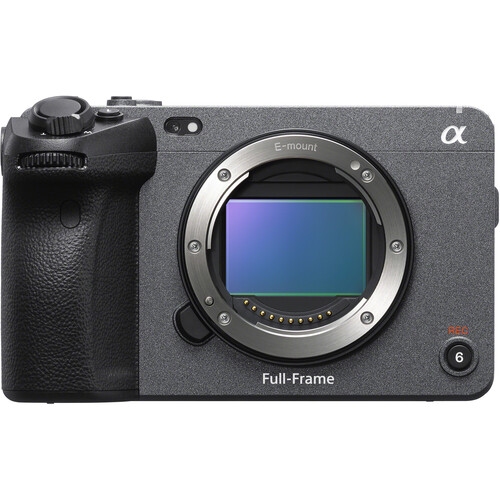
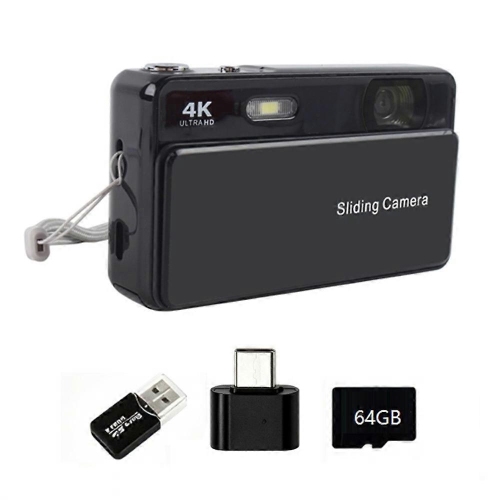
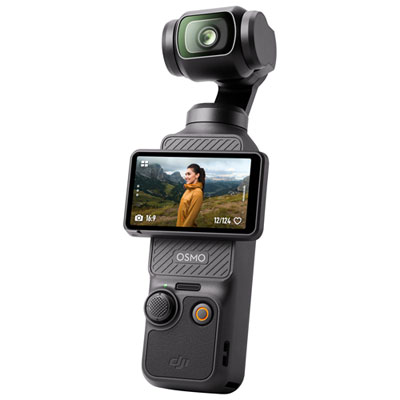
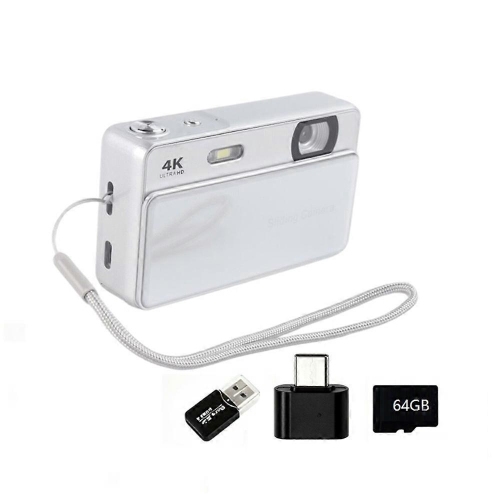
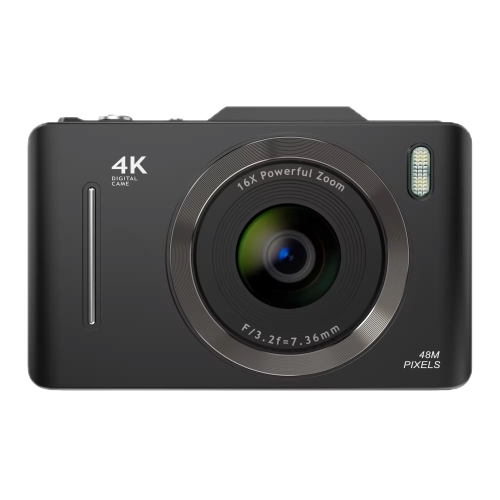
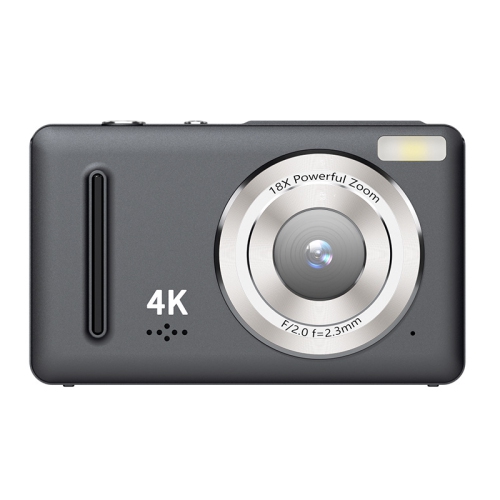
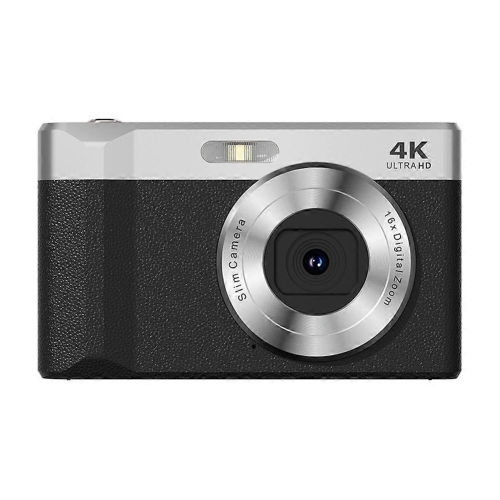
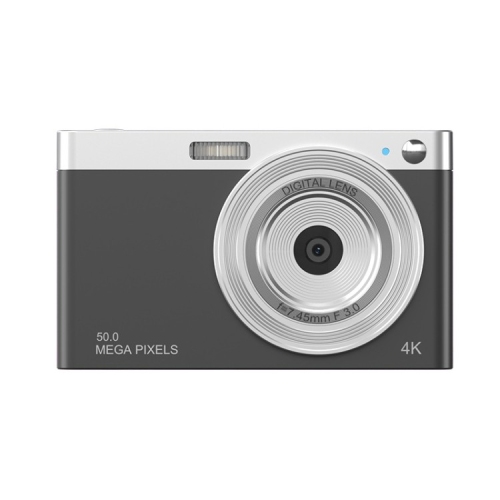
How 4K detail supports creative control from capture to edit
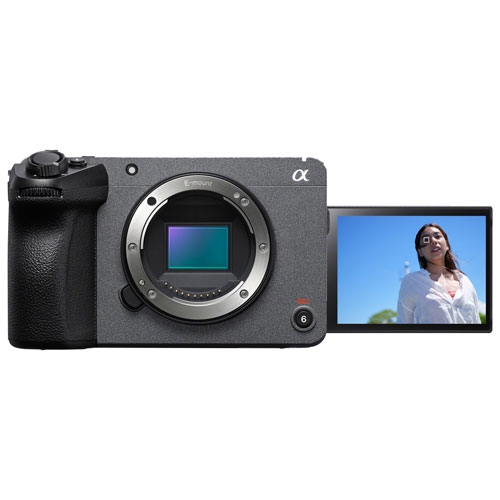
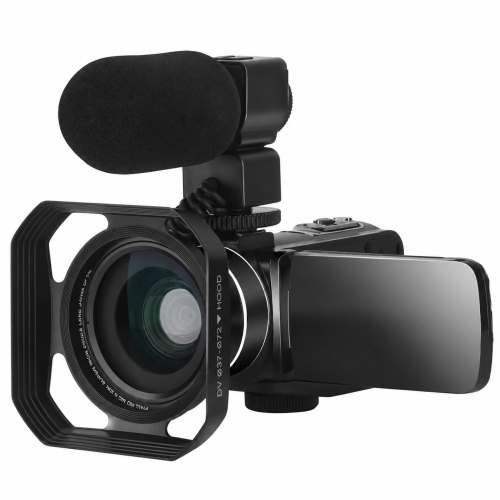
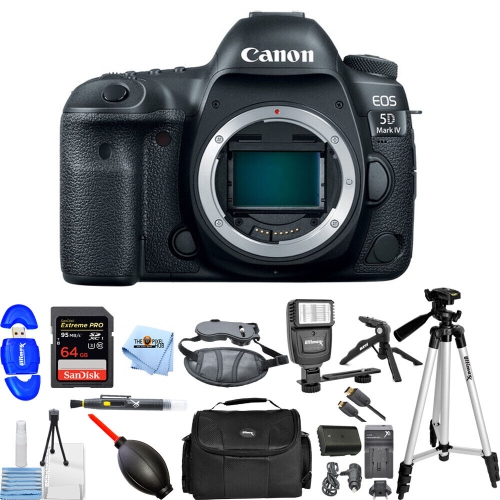
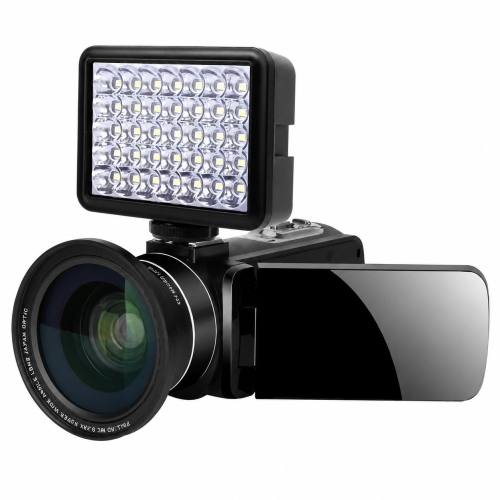
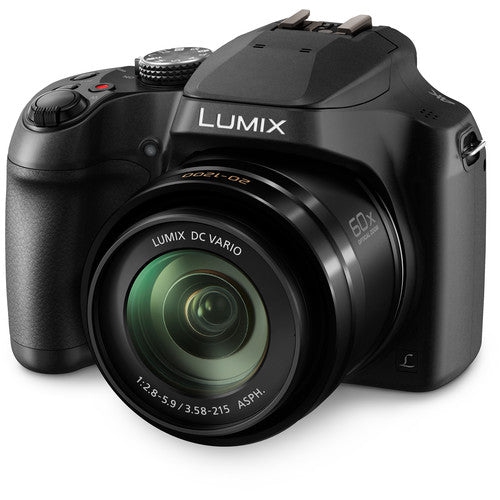
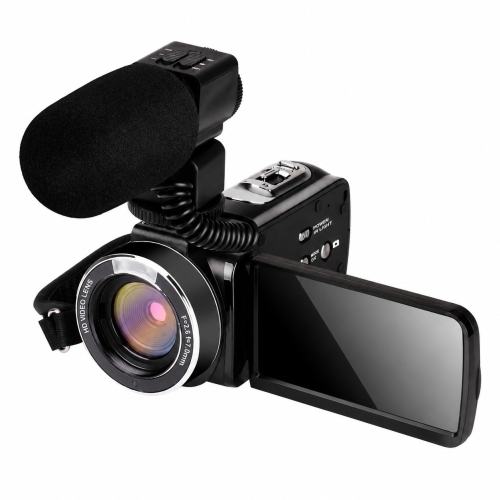
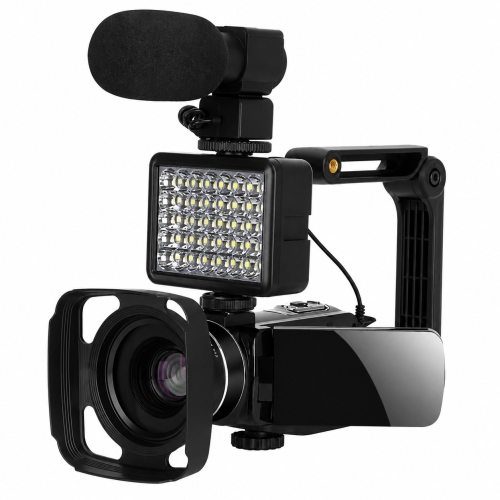
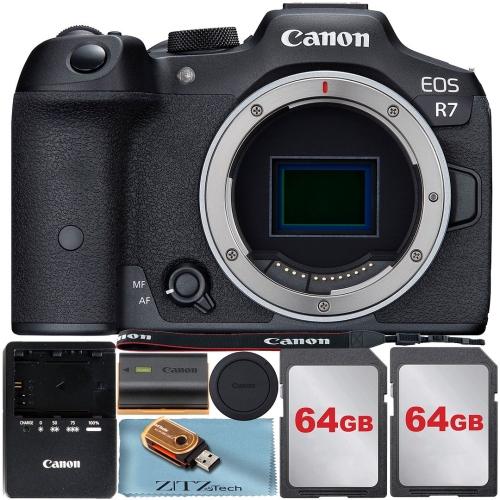
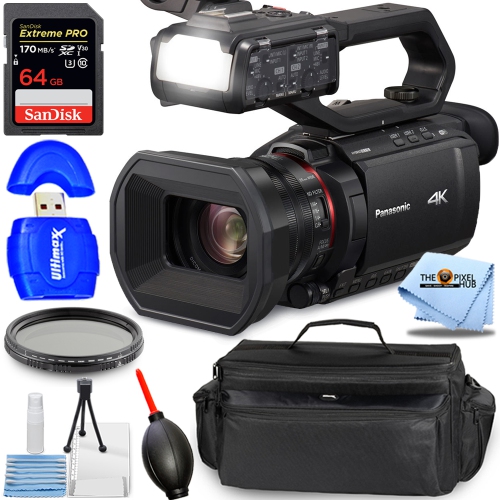
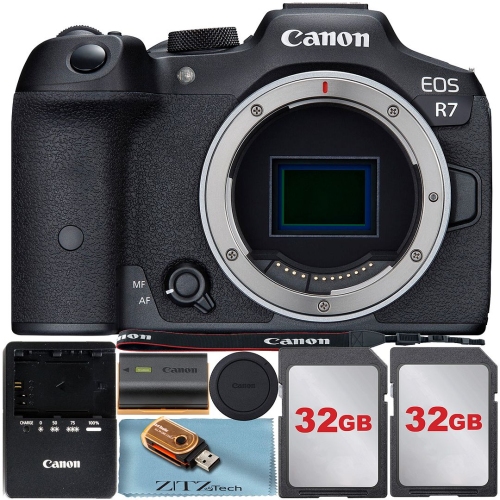
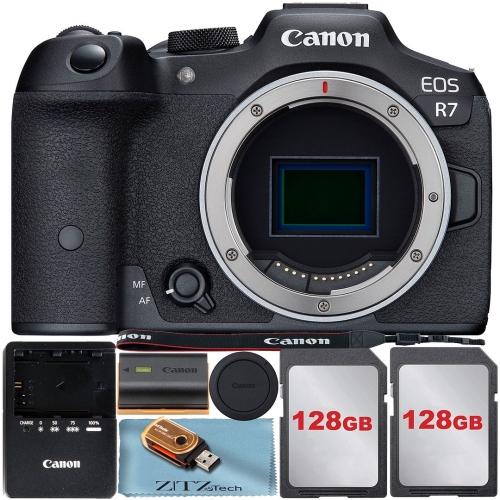
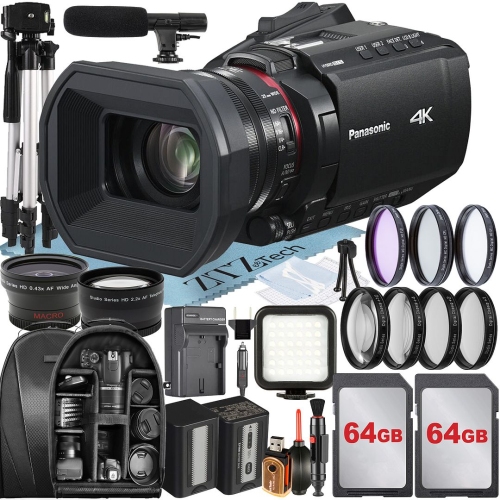
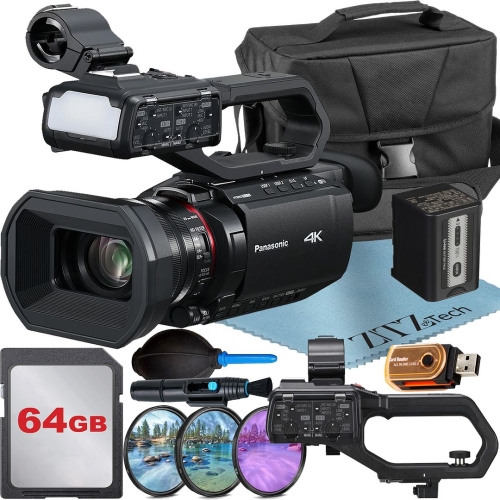
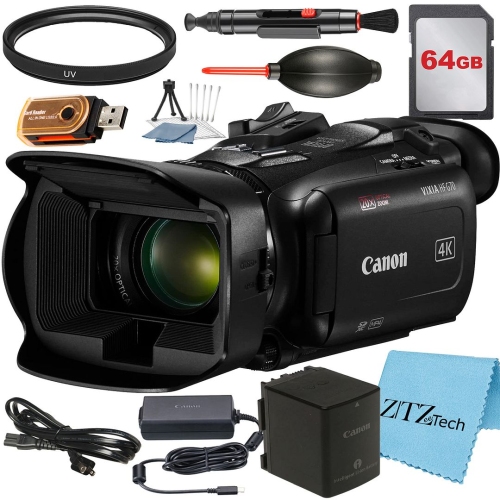
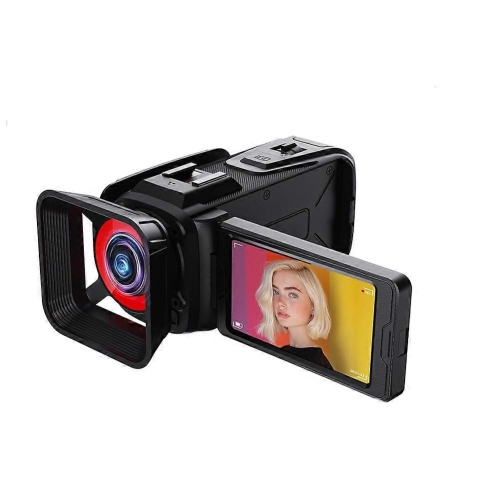
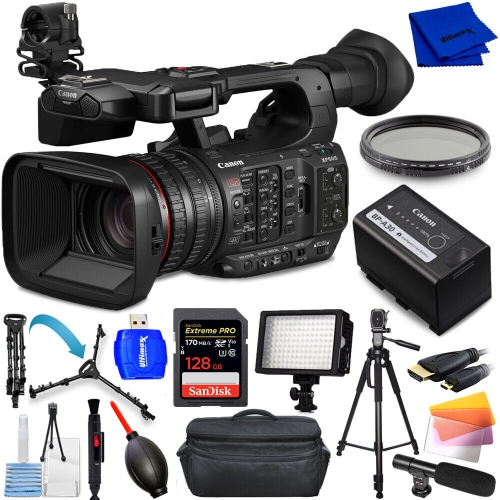
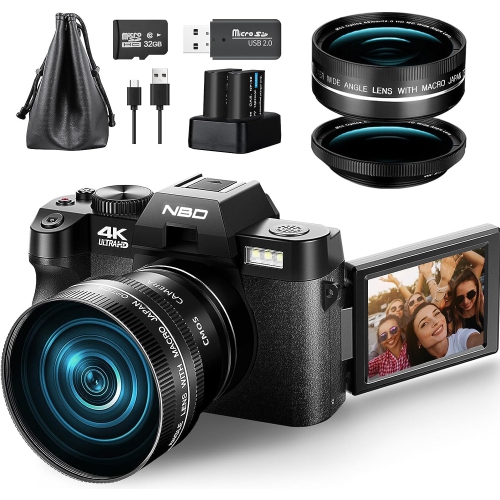
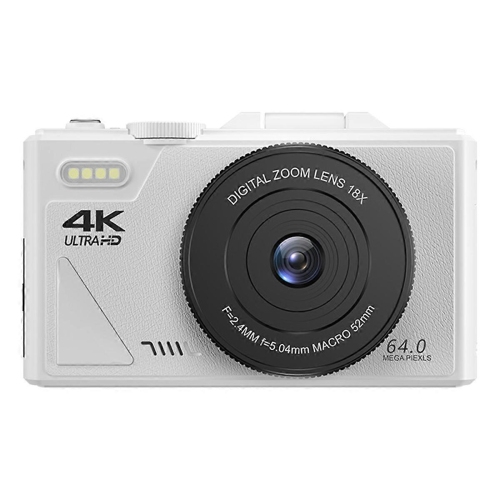
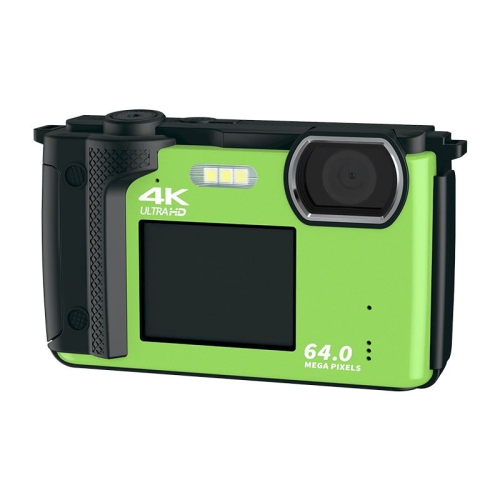
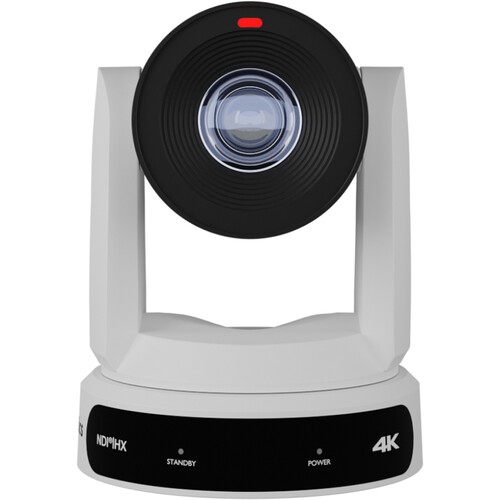
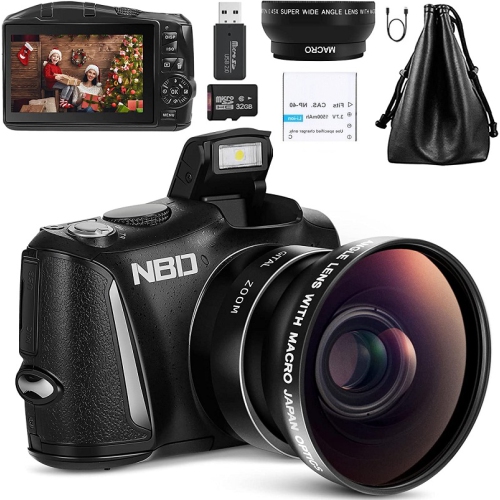
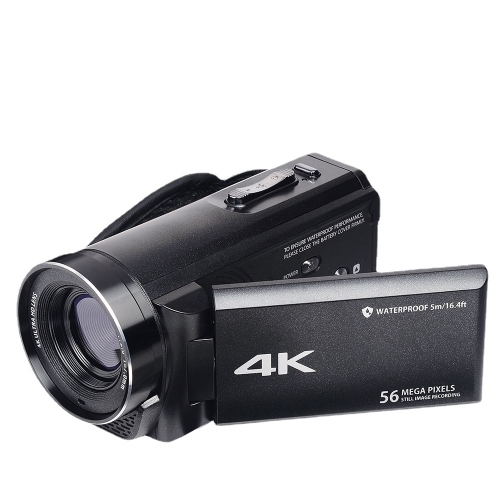
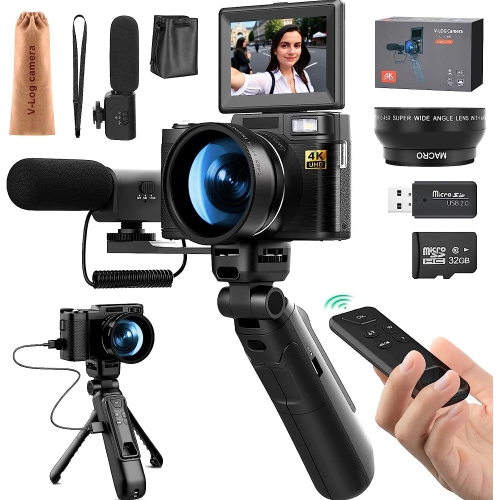
4K cameras for filmmaking give creators the detail and flexibility needed to produce polished films, documentaries, short-form videos, music projects, interviews and online content. A 4K recording captures four times the resolution of Full HD, leaving more room for fine texture, clean cropping and detailed playback on larger screens. That extra resolution can also be useful during editing: a filmmaker may reframe a wide shot, create a closer composition or stabilize a clip while retaining a sharp final image in a lower-resolution format. The best choice depends on the kind of stories being told, the shooting environment and the amount of control desired during post-production. Compact mirrorless cameras can suit a solo creator who moves between handheld scenes, travel footage and carefully composed interviews, while dedicated cinema cameras may appeal to filmmakers who prioritize professional connections, longer recording sessions and a more production-focused design. Action-oriented creators may value a lightweight body that can be mounted to a rig, gimbal or tripod, whereas narrative filmmakers may prefer a camera with broad dynamic range for preserving detail in bright skies, window light and deep shadows. Browse the wider selection of 4K Video Cameras to compare formats and features before building a filmmaking setup around your preferred style.
When comparing a 4K filmmaking camera, start with the sensor and the way it handles light. Larger sensors can make it easier to create a softly blurred background and maintain a clean image in dim interiors, while smaller sensors may offer a compact design, generous depth of field and a more approachable setup for fast-moving subjects. Dynamic range is another important consideration because it affects how much highlight and shadow detail can be retained in a scene with strong contrast, such as a person standing near a bright window or a landscape filmed beneath a brilliant afternoon sky. Colour depth and recording formats also matter. Cameras that record 10-bit video can provide smoother colour gradations and more flexibility when adjusting exposure, white balance and creative colour in editing. Some models support high-bitrate files, log profiles, RAW recording or professional codecs, but these options require faster storage, more editing power and a clear plan for managing large files. Autofocus performance is valuable for solo filmmakers, event shooters and creators who need to stay focused on directing, while manual focus tools such as focus peaking and magnification can help with controlled scenes. In-body image stabilization can make handheld footage look steadier when walking through a location, although a tripod, monopod, shoulder rig or gimbal may still be preferable for deliberate cinematic movement. Check the camera’s microphone input, headphone output, HDMI features, battery life, memory-card compatibility and heat management as well; these practical details can have as much impact on a day of filming as resolution alone.
A capable 4K camera can be a meaningful gift for a student exploring filmmaking, a photographer expanding into video, a performer creating audition material or a family member documenting travel, celebrations and personal milestones. It can also suit a small business owner producing product demonstrations, property tours, training videos or social content without hiring a full production crew for every project. For new filmmakers, an interchangeable-lens camera can provide room to grow as they learn how focal length, aperture and perspective shape a scene. A versatile standard lens may be a useful starting point for interviews and everyday coverage, while a wide-angle lens can help capture interiors, architecture and expansive outdoor settings. A telephoto option can bring distant subjects closer and create a more compressed look for portraits, performances or sporting events. Before choosing a camera as a gift, consider whether the recipient already owns compatible lenses, batteries, memory cards or editing equipment. A smaller camera may be easier to carry during cooler months or while travelling between locations, while a body with a comfortable grip and straightforward controls can encourage more frequent use. Filmmaking accessories can also make the experience smoother: a dependable tripod supports locked-off shots, a cage adds mounting points for a monitor or microphone, and a variable neutral-density filter helps manage bright conditions while maintaining a cinematic shutter speed. Audio deserves equal attention, since clear dialogue often matters more to viewers than a perfectly sharp image. An external microphone, wind protection and headphones can help capture voices with greater presence and reduce distracting background noise. With the right combination of camera features, lenses, sound equipment and storage, 4K cameras for filmmaking can support everything from a carefully lit indoor scene to an impromptu outdoor sequence as the weather warms and through the cooler months.
When comparing a 4K filmmaking camera, start with the sensor and the way it handles light. Larger sensors can make it easier to create a softly blurred background and maintain a clean image in dim interiors, while smaller sensors may offer a compact design, generous depth of field and a more approachable setup for fast-moving subjects. Dynamic range is another important consideration because it affects how much highlight and shadow detail can be retained in a scene with strong contrast, such as a person standing near a bright window or a landscape filmed beneath a brilliant afternoon sky. Colour depth and recording formats also matter. Cameras that record 10-bit video can provide smoother colour gradations and more flexibility when adjusting exposure, white balance and creative colour in editing. Some models support high-bitrate files, log profiles, RAW recording or professional codecs, but these options require faster storage, more editing power and a clear plan for managing large files. Autofocus performance is valuable for solo filmmakers, event shooters and creators who need to stay focused on directing, while manual focus tools such as focus peaking and magnification can help with controlled scenes. In-body image stabilization can make handheld footage look steadier when walking through a location, although a tripod, monopod, shoulder rig or gimbal may still be preferable for deliberate cinematic movement. Check the camera’s microphone input, headphone output, HDMI features, battery life, memory-card compatibility and heat management as well; these practical details can have as much impact on a day of filming as resolution alone.
A capable 4K camera can be a meaningful gift for a student exploring filmmaking, a photographer expanding into video, a performer creating audition material or a family member documenting travel, celebrations and personal milestones. It can also suit a small business owner producing product demonstrations, property tours, training videos or social content without hiring a full production crew for every project. For new filmmakers, an interchangeable-lens camera can provide room to grow as they learn how focal length, aperture and perspective shape a scene. A versatile standard lens may be a useful starting point for interviews and everyday coverage, while a wide-angle lens can help capture interiors, architecture and expansive outdoor settings. A telephoto option can bring distant subjects closer and create a more compressed look for portraits, performances or sporting events. Before choosing a camera as a gift, consider whether the recipient already owns compatible lenses, batteries, memory cards or editing equipment. A smaller camera may be easier to carry during cooler months or while travelling between locations, while a body with a comfortable grip and straightforward controls can encourage more frequent use. Filmmaking accessories can also make the experience smoother: a dependable tripod supports locked-off shots, a cage adds mounting points for a monitor or microphone, and a variable neutral-density filter helps manage bright conditions while maintaining a cinematic shutter speed. Audio deserves equal attention, since clear dialogue often matters more to viewers than a perfectly sharp image. An external microphone, wind protection and headphones can help capture voices with greater presence and reduce distracting background noise. With the right combination of camera features, lenses, sound equipment and storage, 4K cameras for filmmaking can support everything from a carefully lit indoor scene to an impromptu outdoor sequence as the weather warms and through the cooler months.
Top selling and popular products
-
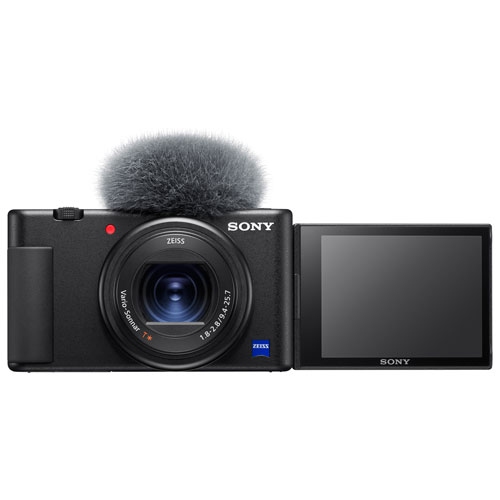 Your price for this item is $804.97
 -
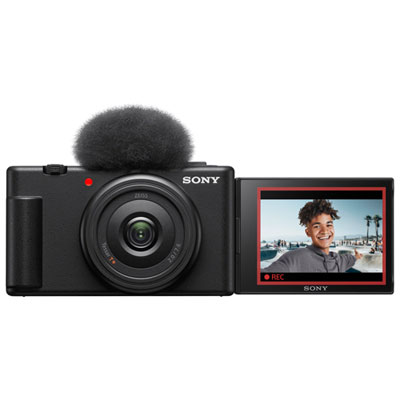 Your price for this item is $649.99
 -
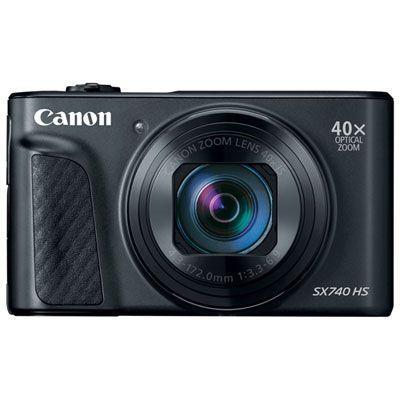 Your price for this item is $749.99
 -
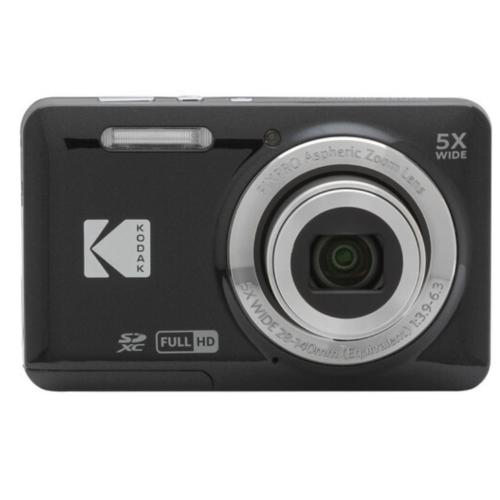 Your price for this item is $253
 -
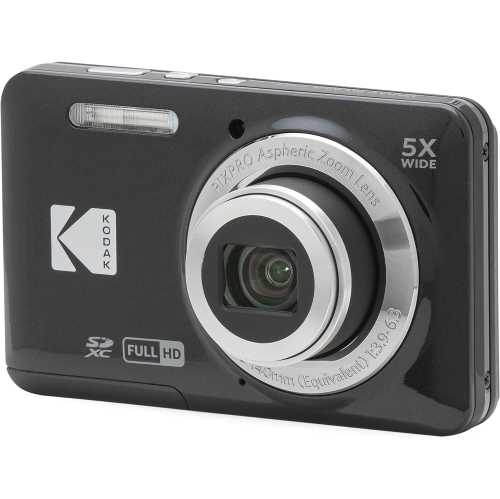 Your price for this item is $255
 -
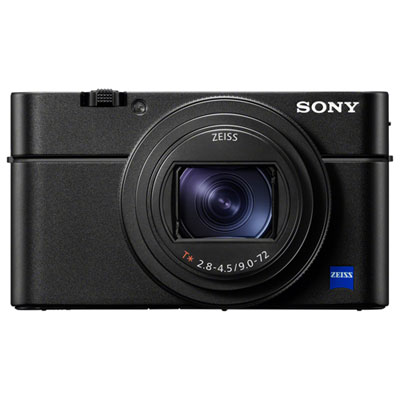 Your price for this item is $1999.99
 -
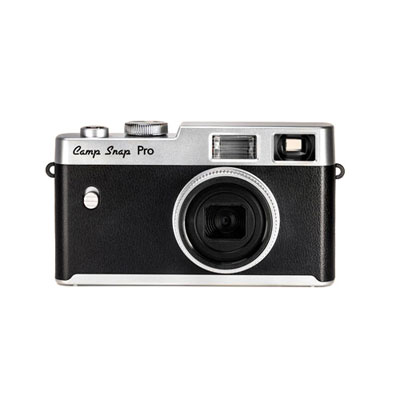 Your price for this item is $99.99
 -
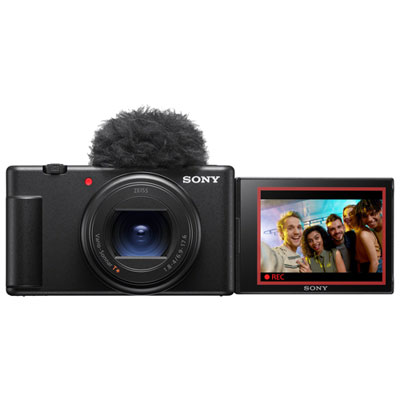 Your price for this item is $1199.99
Discover more categories related to 4k Cameras for Filmmaking
Top Collections:
Pokemon Centers, Best Cameras for Sports Photography, Kindle Devices, Samsung Galaxy Phones, Canon G7X Cameras, Pokémon 30th Celebration Cards, Refurbished Apple Laptops, iPhone 15 Apple, Laptops for Students, Budget Smartphones
Some products may be subject to Environmental Handling Fees
(EHF) depending on your province.
Learn more about EHFs.