Affordable Cameras for Videography
Looking to dive into the world of videography without breaking the bank? Look no further! Our selection of affordable cameras for videography is here to help you capture stunning visuals without compromising on quality. Whether you're a beginner or a seasoned pro, we have options that suit every budget and skill level. From compact models perfect for vlogging to versatile DSLRs that deliver exceptional image quality, our range of affordable cameras will empower you to unleash your creativity and bring your videos to life. Get ready to embark on your videography journey with confidence, knowing that you can find the perfect camera at an affordable price.
Sort
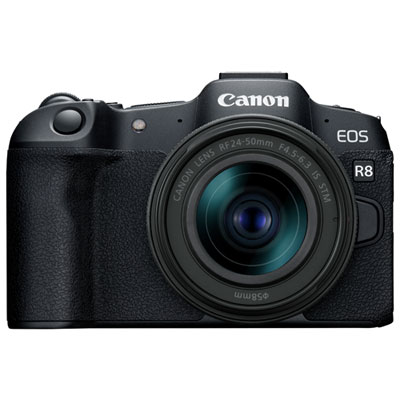
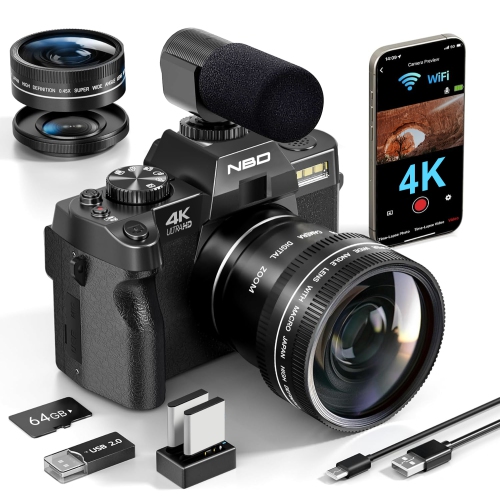
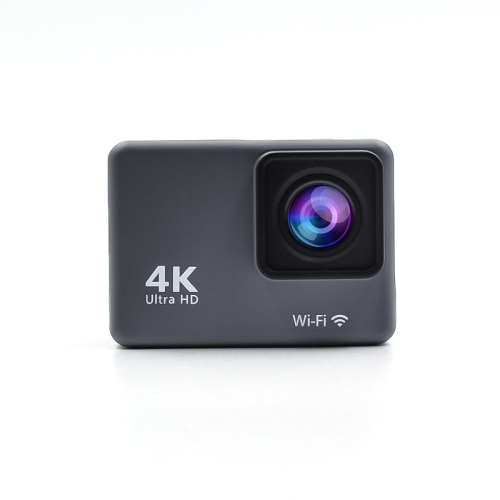
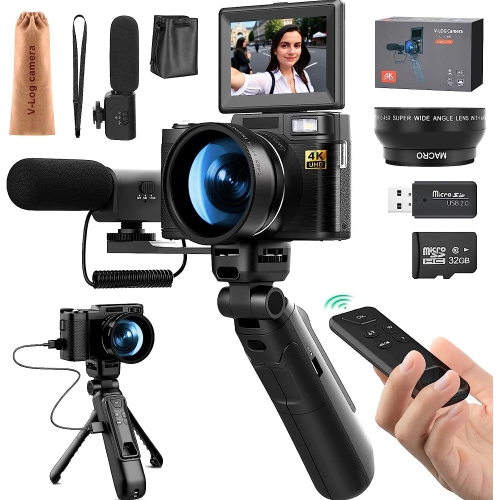
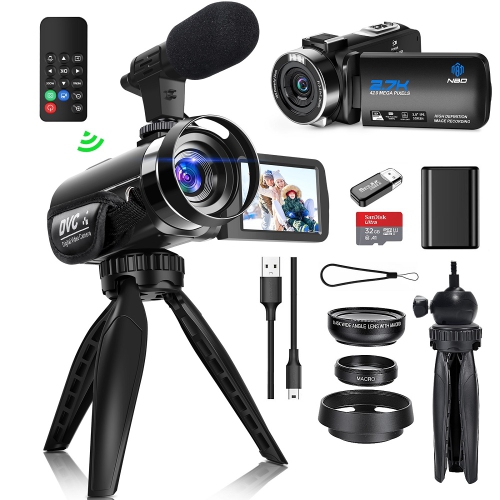
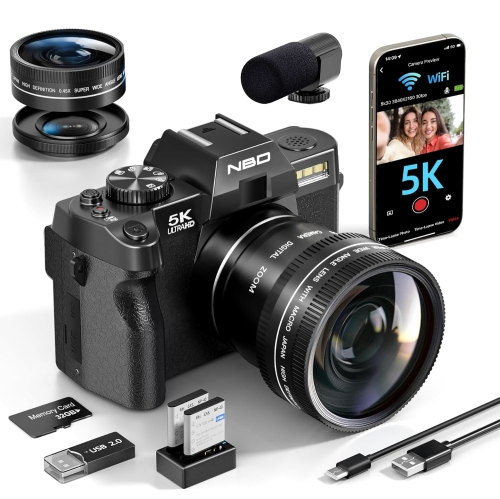
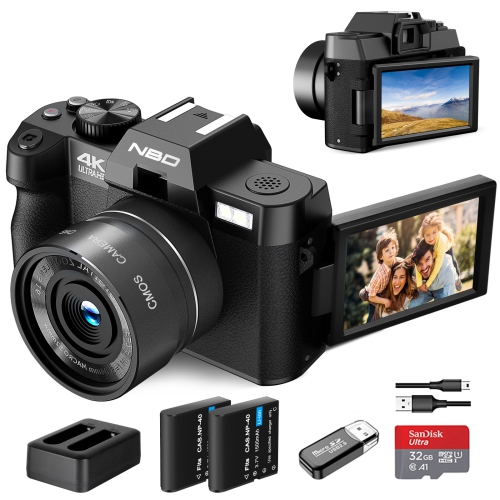
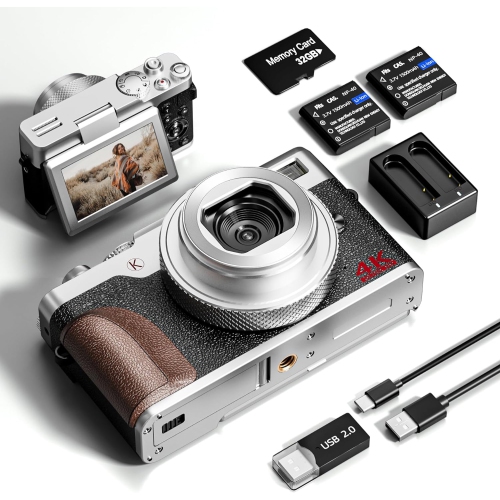
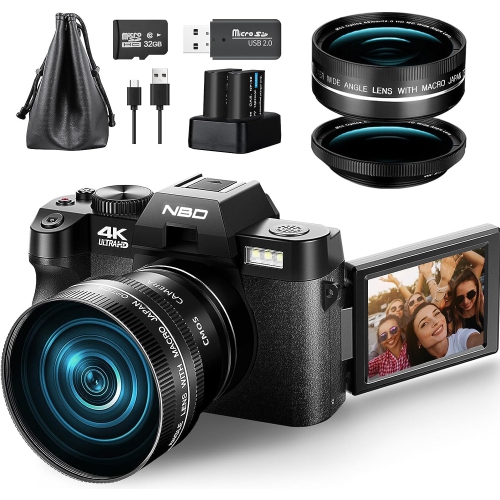
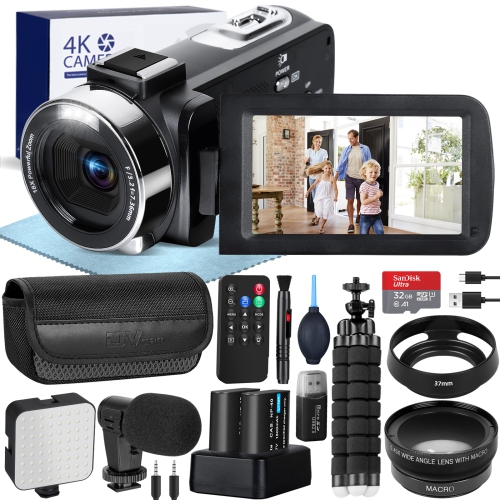
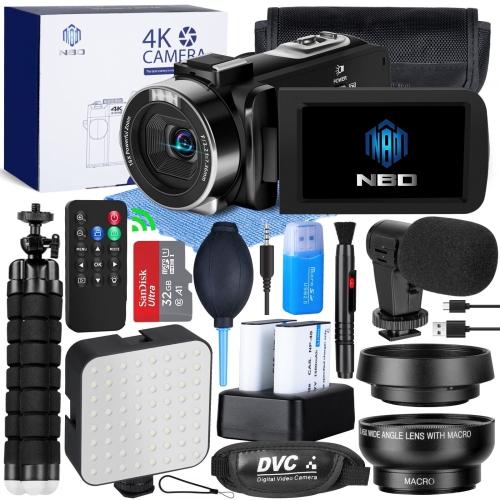
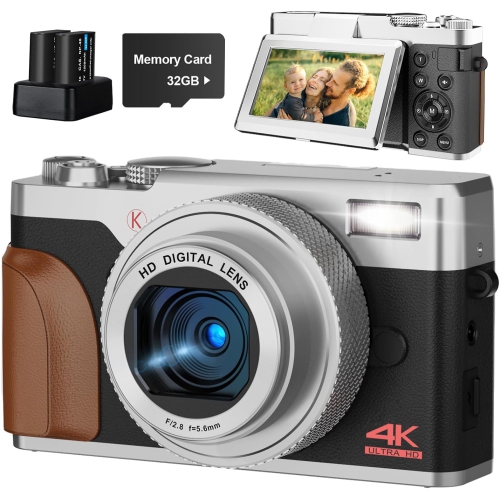
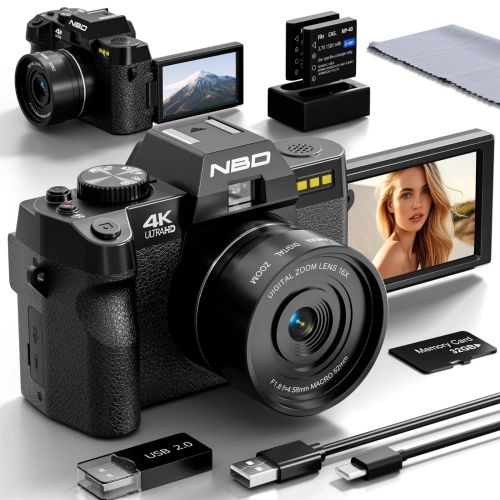
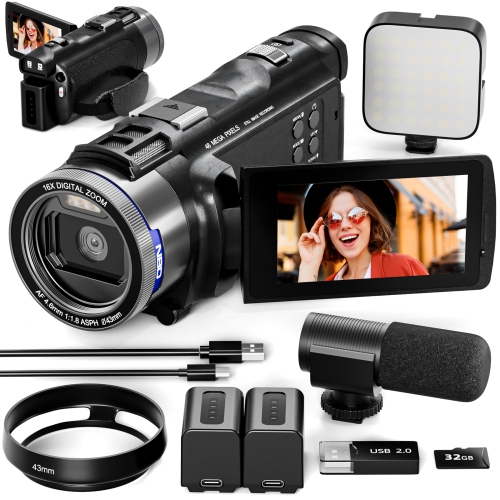

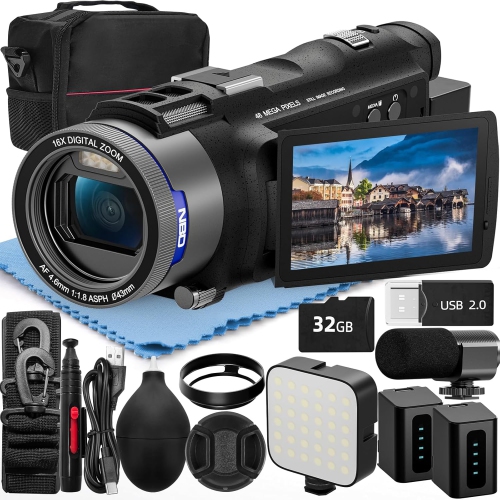
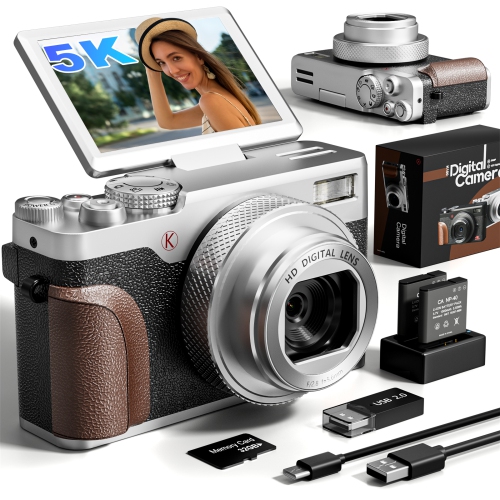
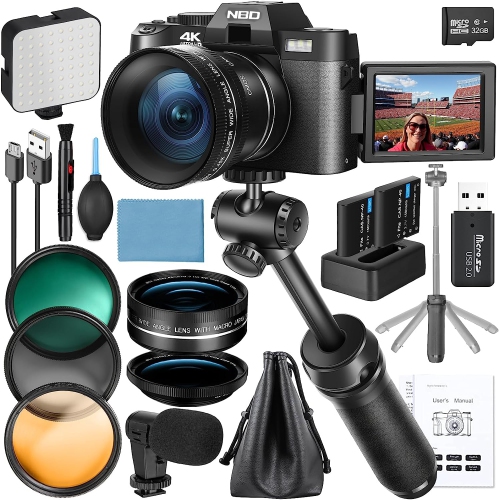
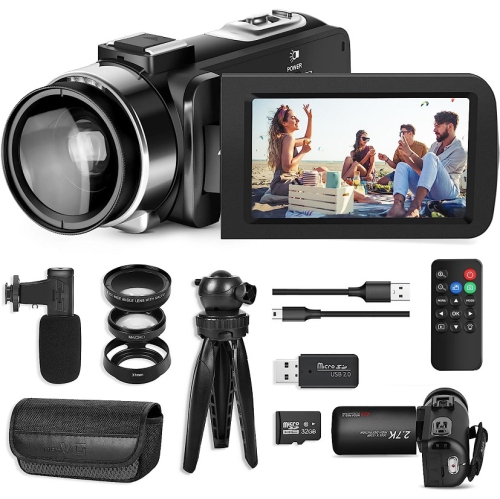
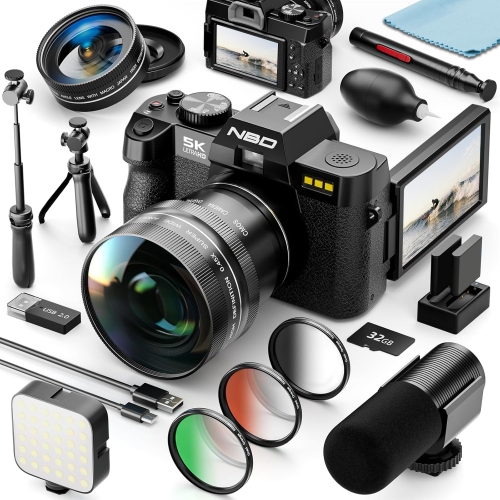
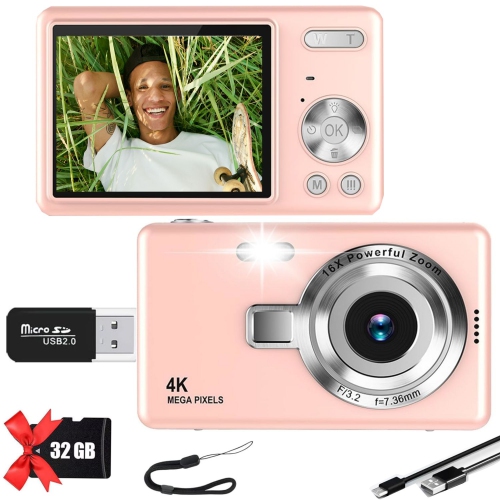
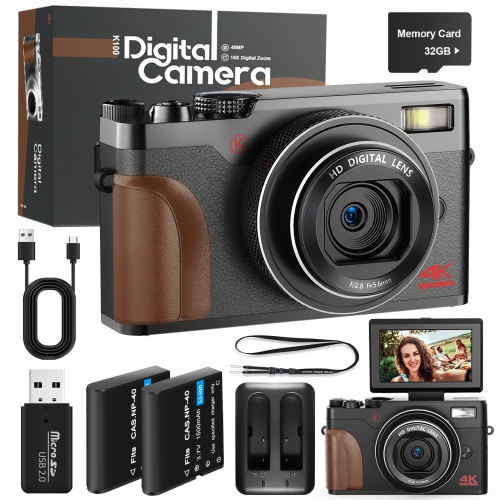
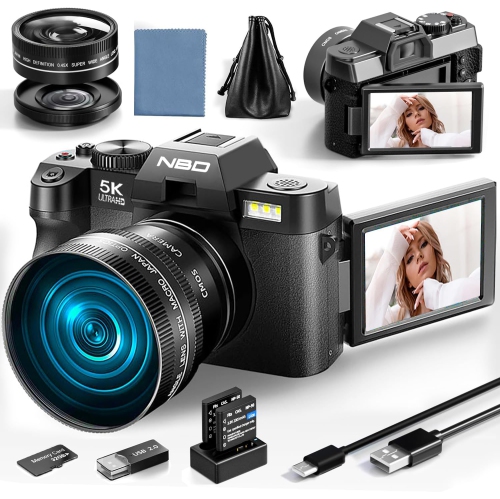

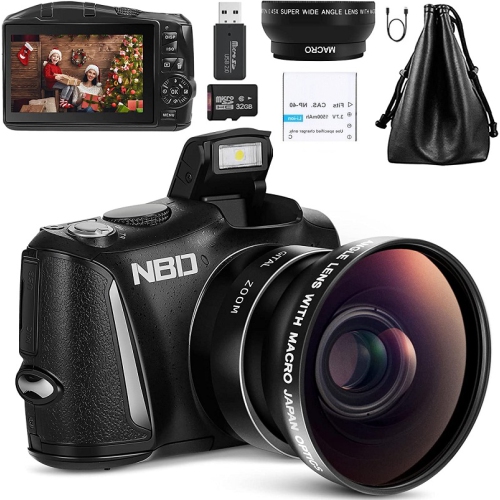
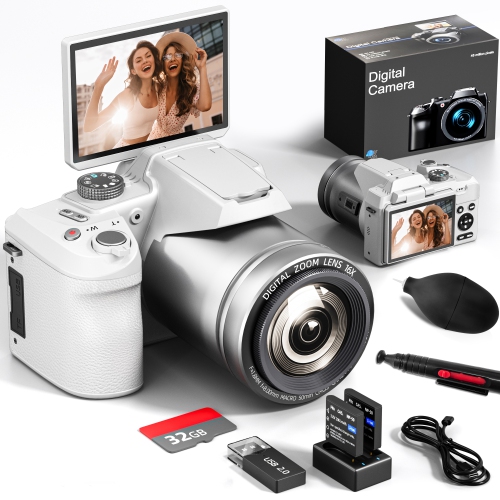
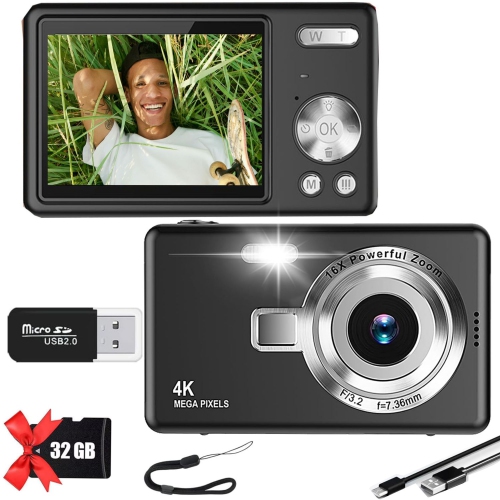
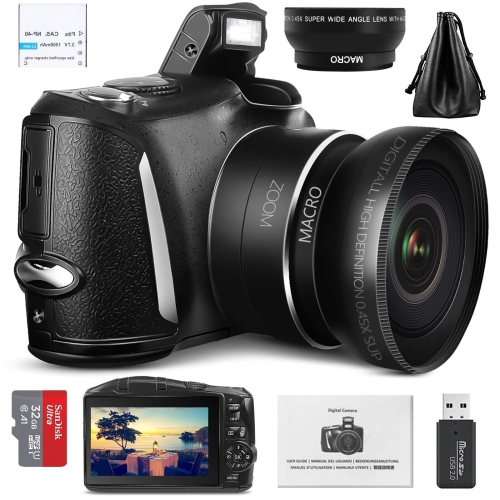
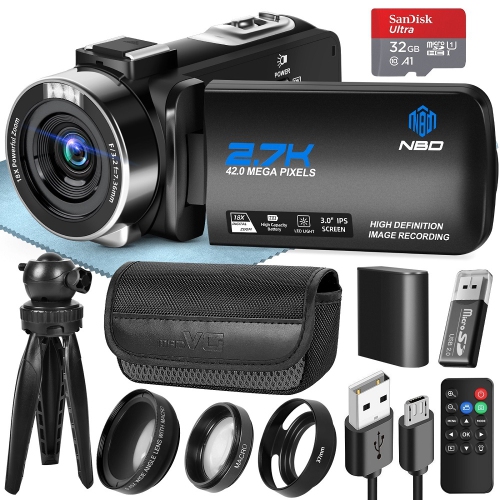
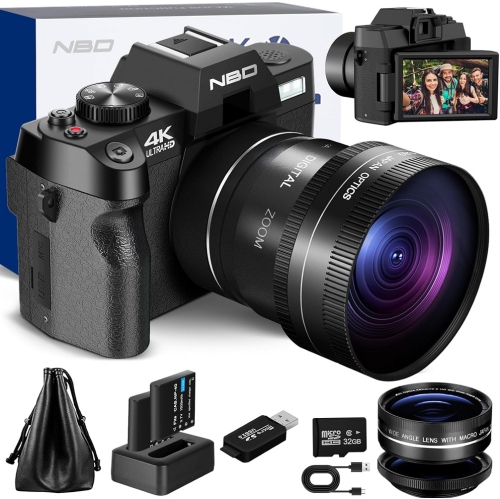
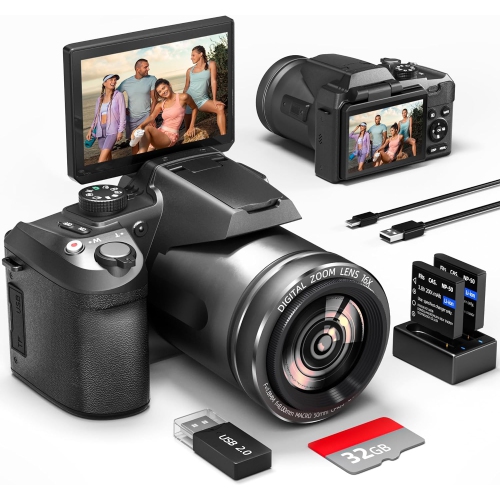
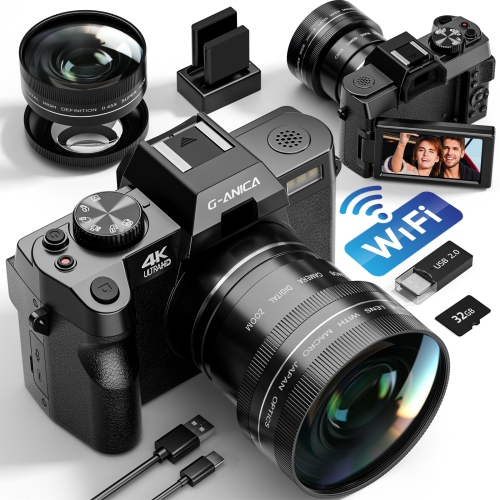
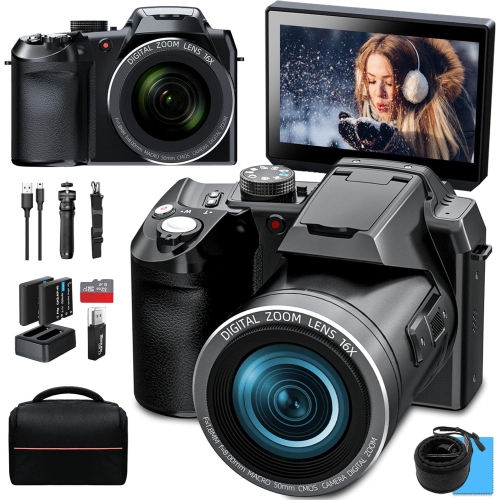
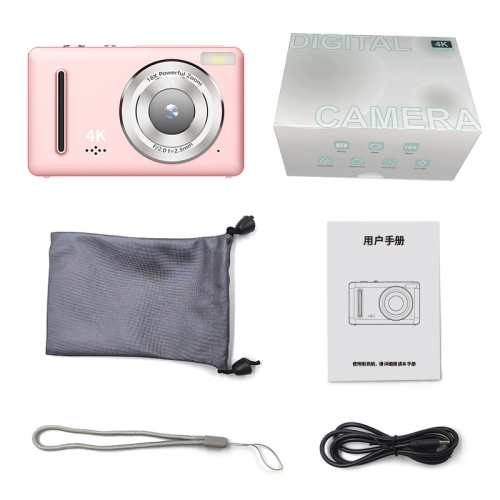
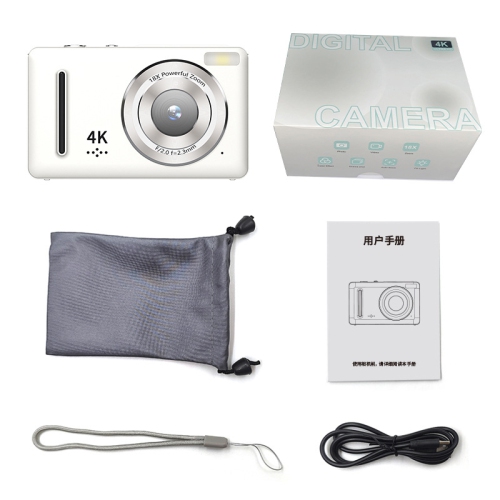
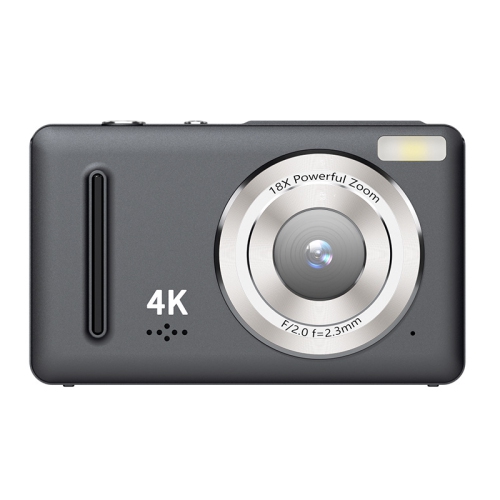
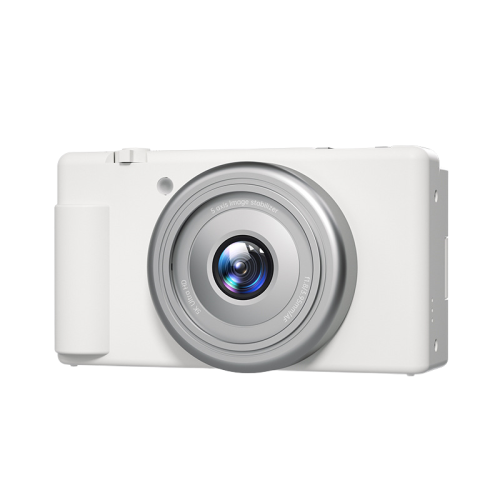
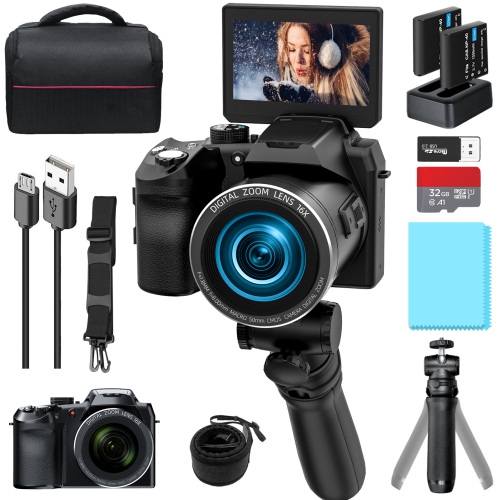
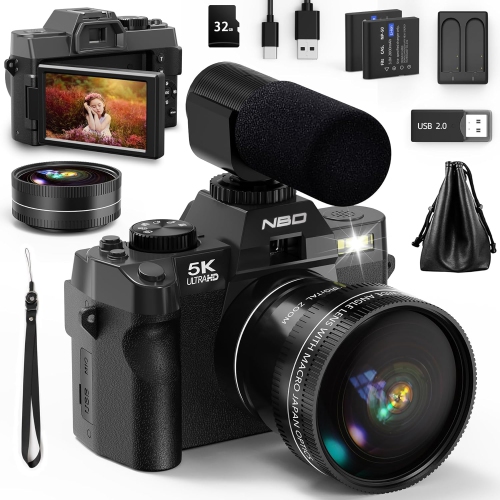
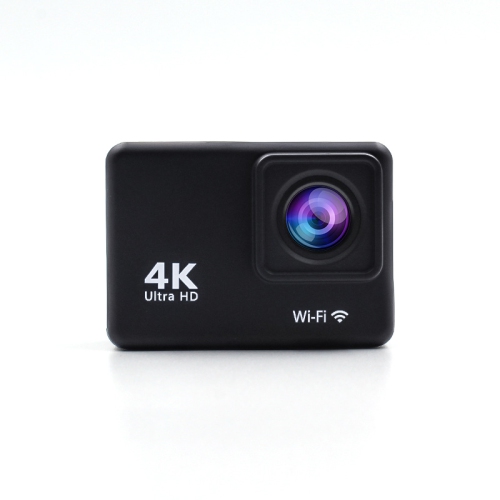
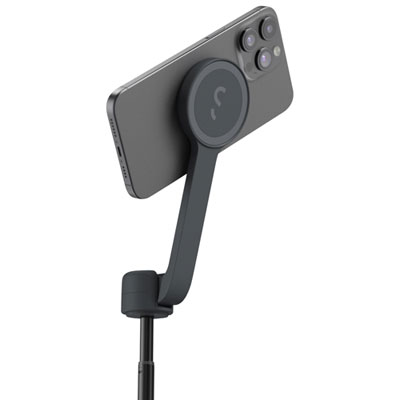
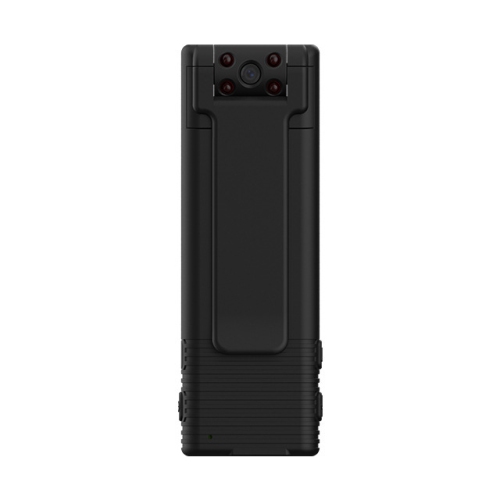
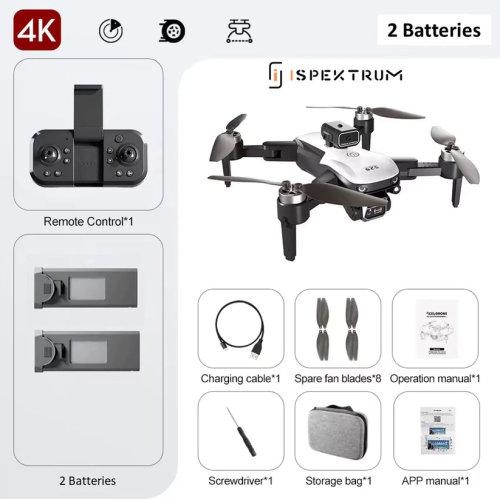
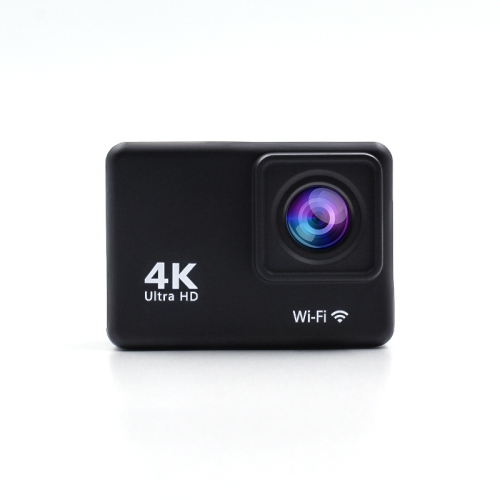
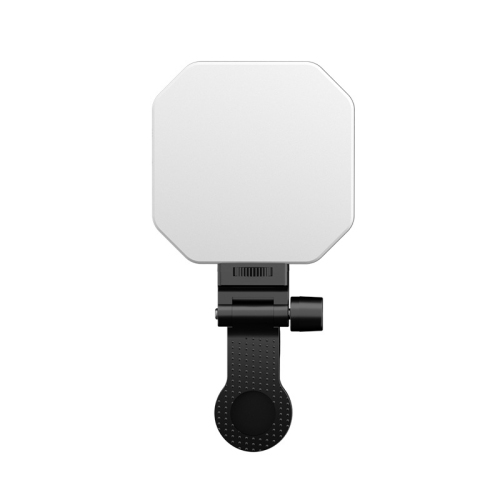
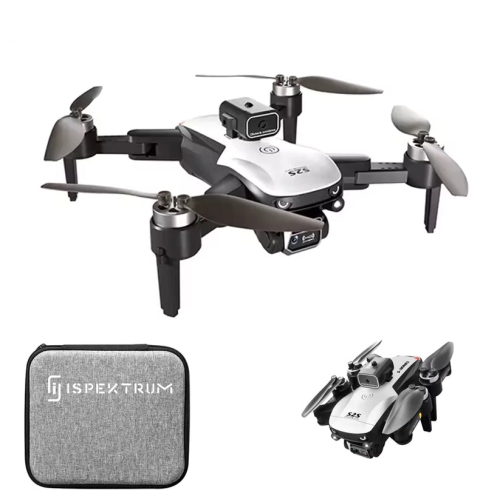
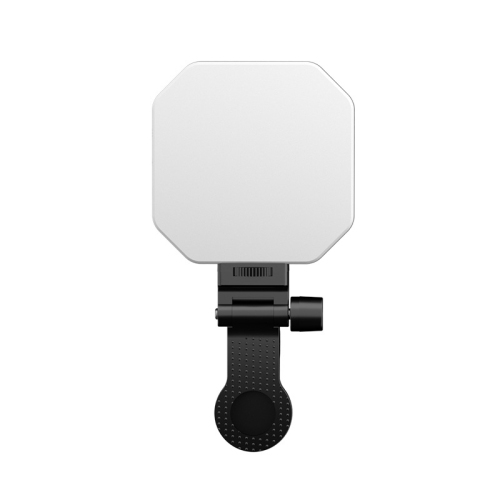
Key features for smoother, clearer everyday video
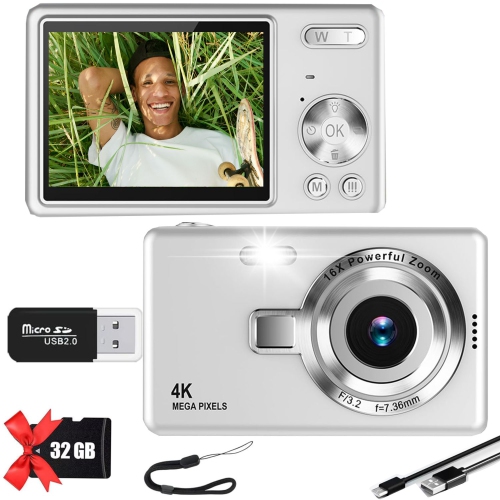
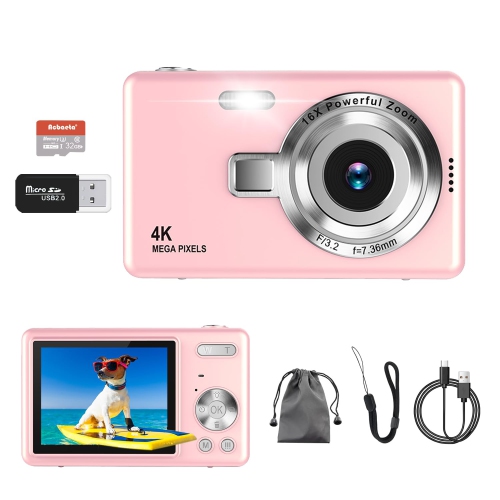
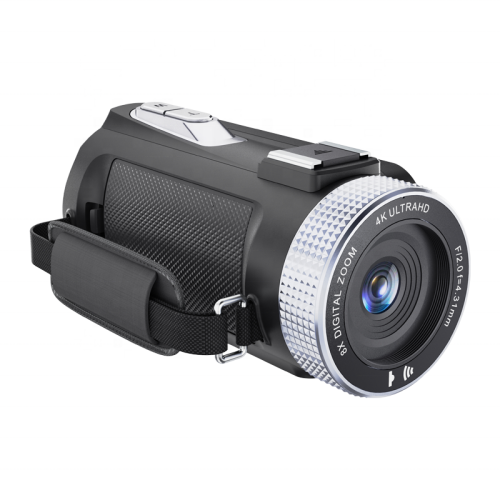
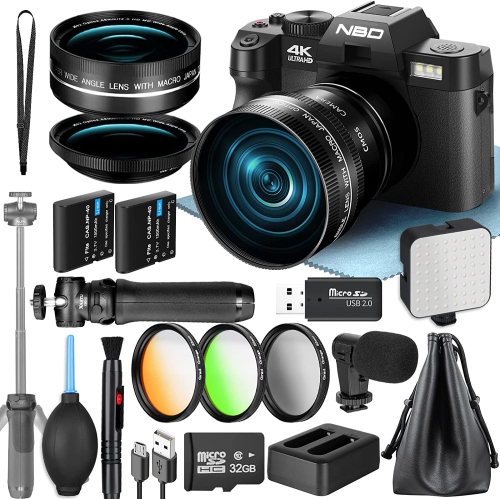
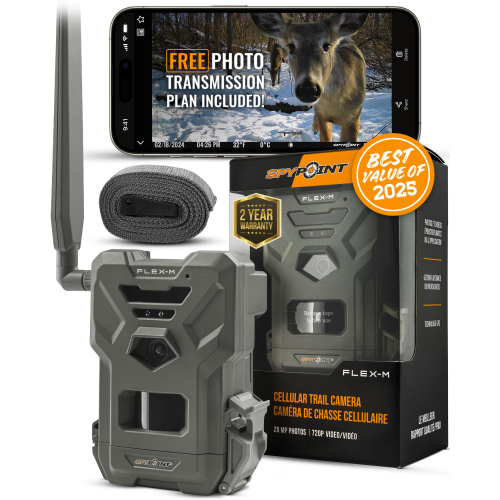
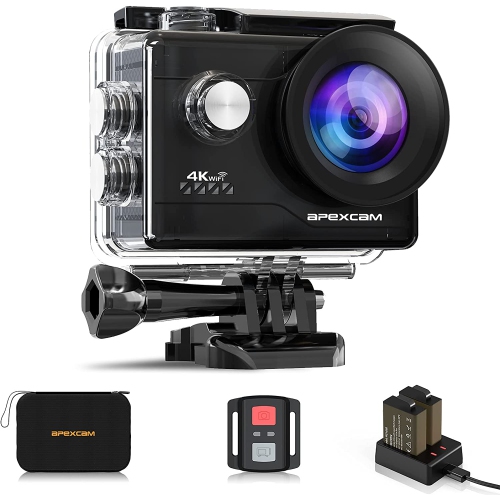
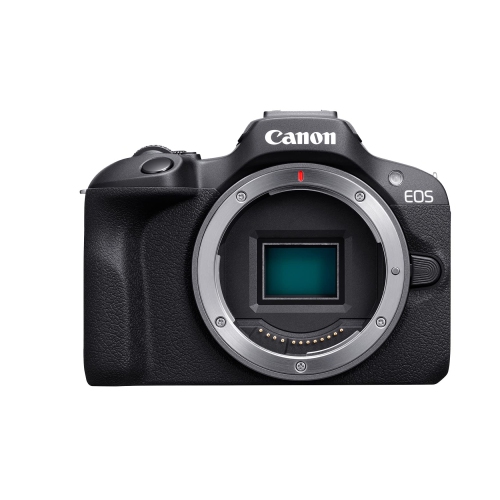
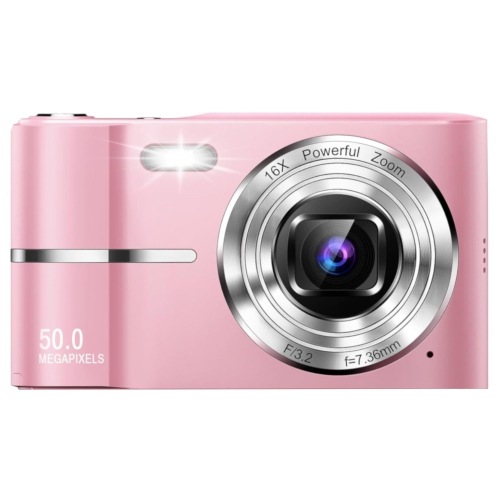
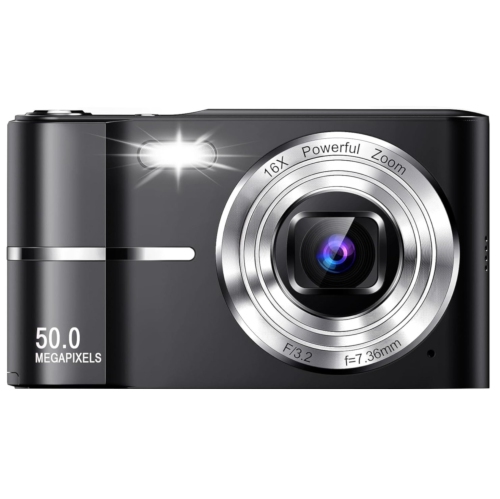
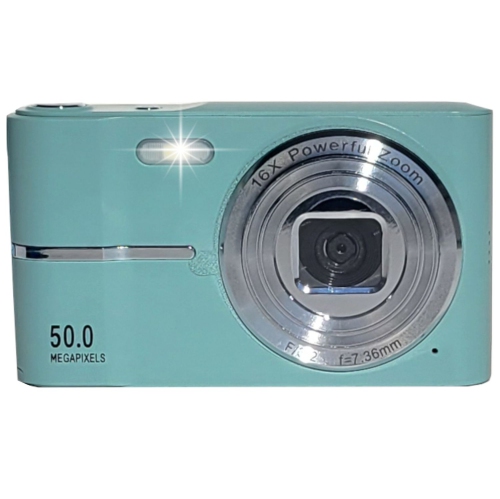
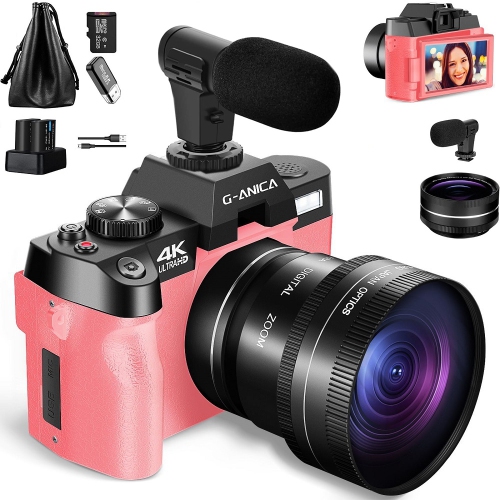
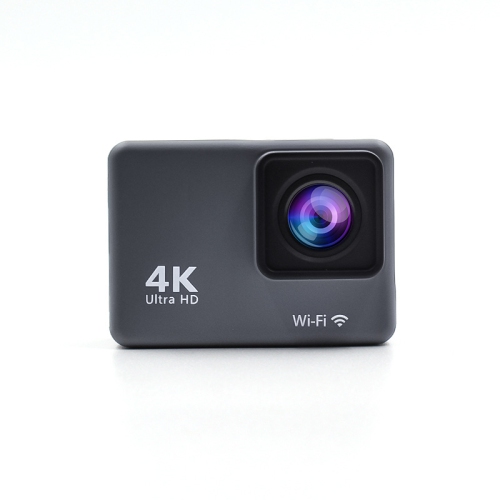
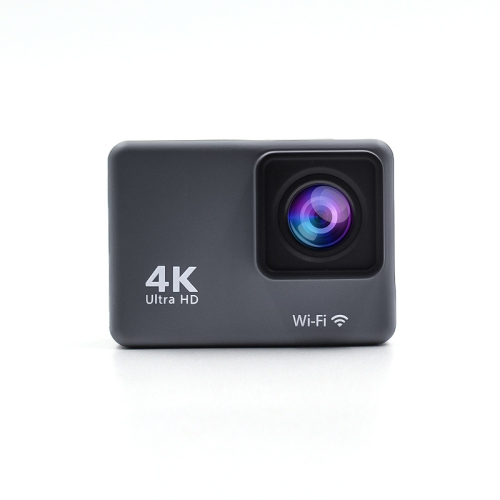
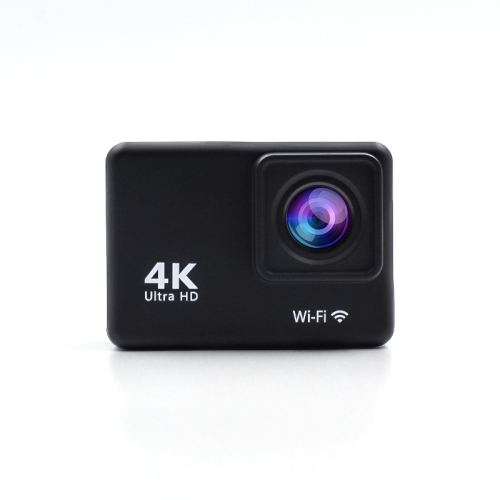
Affordable cameras for videography make it easier to capture polished footage without building a professional studio from the ground up. They can suit beginners learning the fundamentals, creators producing social media videos, students working on film projects, families documenting milestones, and experienced photographers who want a practical second camera for video. The right choice depends on how and where you plan to record. A compact camera can be convenient for travel, quick behind-the-scenes clips, and everyday family moments, while an entry-level mirrorless camera offers greater flexibility through interchangeable lenses and manual controls. Camcorders remain useful for long recordings, school performances, interviews, and events where a comfortable grip and extended zoom are important. Action cameras are designed for movement and outdoor activities, while pocket-sized gimbal cameras can produce remarkably smooth footage when walking through a market, following a cyclist, or filming a short travel sequence. If you are buying a camera as a gift, consider the recipient’s experience level and usual subjects. A simple point-and-shoot design may be the best fit for someone who values convenience, whereas a camera with lens compatibility and room to grow may appeal to a student, aspiring filmmaker, or content creator. Browse Budget Cameras for Videography to compare options designed to make video creation more approachable.
Video resolution is one of the first specifications shoppers notice, but it should be considered alongside frame rates, sensor size, sound, and storage. Many affordable cameras can record in 4K, which provides detailed footage that can be cropped, stabilized, or reframed during editing while still producing a sharp final video. Full HD recording can also be a sensible choice when smaller file sizes, longer recording times, or easier editing matter more than maximum detail. Frame rates affect how motion appears: standard frame rates are well suited to interviews, presentations, and everyday filming, while higher frame rates can create smooth slow-motion clips when supported by the camera and editing software. A larger sensor may help create a softer background and cleaner results in dim interiors, although it can also increase the size and cost of the camera and lenses. Autofocus deserves close attention for solo videographers. Face and eye detection can help keep a presenter sharp while they move naturally through a frame, which is especially helpful for tutorials, product demonstrations, and video diaries. A microphone input allows an external microphone to be connected for clearer speech, and a headphone output can help monitor sound while recording when available. Built-in microphones are convenient for casual clips, but they may pick up handling noise, wind, room echo, or the sound of the camera being operated. A small directional microphone, wireless microphone system, or simple lavalier microphone can make dialogue sound more focused and professional.
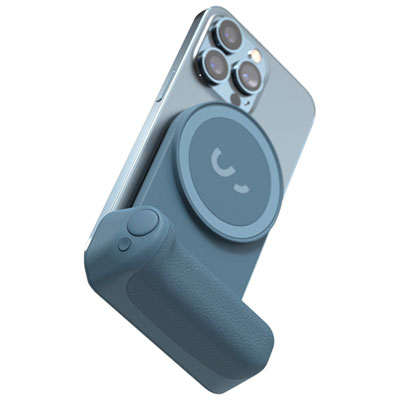
Stabilization is another important consideration, particularly for handheld videography. Optical stabilization in a lens, in-body image stabilization in the camera, electronic stabilization, or a mechanical gimbal can each help reduce distracting shake, though they work in different ways. A stabilized camera body can be useful for walking shots and low-light handheld filming, while stabilized lenses may be a practical choice for cameras without built-in stabilization. A three-axis gimbal can create fluid movement as you walk, pan, or track a subject, but it adds another device to carry and may require balancing or charging. Cameras without interchangeable lenses can be appealing when you want a ready-to-use setup, while interchangeable-lens cameras let you choose a wide lens for rooms and landscapes, a standard lens for interviews and family videos, or a telephoto lens for distant subjects and performances. Check the camera’s screen design before buying, especially if you plan to record yourself. A fully articulating screen can face forward for vlogging, overhead recording, or low-angle shots, while a bright viewfinder can be useful outdoors during the cooler months or in strong daylight. Battery life, charging options, memory-card compatibility, file formats, and connection features also affect the day-to-day experience. A camera that can charge over USB, transfer clips wirelessly, or connect easily to a computer can simplify a busy workflow. For many casual creators, a recent smartphone paired with a small tripod or gimbal may already cover quick social videos, but a dedicated camera can provide a more comfortable grip, longer optical zoom, better control over exposure, and access to specialized lenses. Before choosing, think about whether your videos will feature people, products, scenery, fast action, or quiet indoor scenes, then match the camera’s strengths to those situations. With the right balance of image quality, sound, stabilization, portability, and ease of use, an affordable videography camera can help turn ordinary moments into footage that feels steady, clear, and personal.
Video resolution is one of the first specifications shoppers notice, but it should be considered alongside frame rates, sensor size, sound, and storage. Many affordable cameras can record in 4K, which provides detailed footage that can be cropped, stabilized, or reframed during editing while still producing a sharp final video. Full HD recording can also be a sensible choice when smaller file sizes, longer recording times, or easier editing matter more than maximum detail. Frame rates affect how motion appears: standard frame rates are well suited to interviews, presentations, and everyday filming, while higher frame rates can create smooth slow-motion clips when supported by the camera and editing software. A larger sensor may help create a softer background and cleaner results in dim interiors, although it can also increase the size and cost of the camera and lenses. Autofocus deserves close attention for solo videographers. Face and eye detection can help keep a presenter sharp while they move naturally through a frame, which is especially helpful for tutorials, product demonstrations, and video diaries. A microphone input allows an external microphone to be connected for clearer speech, and a headphone output can help monitor sound while recording when available. Built-in microphones are convenient for casual clips, but they may pick up handling noise, wind, room echo, or the sound of the camera being operated. A small directional microphone, wireless microphone system, or simple lavalier microphone can make dialogue sound more focused and professional.
Stabilization is another important consideration, particularly for handheld videography. Optical stabilization in a lens, in-body image stabilization in the camera, electronic stabilization, or a mechanical gimbal can each help reduce distracting shake, though they work in different ways. A stabilized camera body can be useful for walking shots and low-light handheld filming, while stabilized lenses may be a practical choice for cameras without built-in stabilization. A three-axis gimbal can create fluid movement as you walk, pan, or track a subject, but it adds another device to carry and may require balancing or charging. Cameras without interchangeable lenses can be appealing when you want a ready-to-use setup, while interchangeable-lens cameras let you choose a wide lens for rooms and landscapes, a standard lens for interviews and family videos, or a telephoto lens for distant subjects and performances. Check the camera’s screen design before buying, especially if you plan to record yourself. A fully articulating screen can face forward for vlogging, overhead recording, or low-angle shots, while a bright viewfinder can be useful outdoors during the cooler months or in strong daylight. Battery life, charging options, memory-card compatibility, file formats, and connection features also affect the day-to-day experience. A camera that can charge over USB, transfer clips wirelessly, or connect easily to a computer can simplify a busy workflow. For many casual creators, a recent smartphone paired with a small tripod or gimbal may already cover quick social videos, but a dedicated camera can provide a more comfortable grip, longer optical zoom, better control over exposure, and access to specialized lenses. Before choosing, think about whether your videos will feature people, products, scenery, fast action, or quiet indoor scenes, then match the camera’s strengths to those situations. With the right balance of image quality, sound, stabilization, portability, and ease of use, an affordable videography camera can help turn ordinary moments into footage that feels steady, clear, and personal.
Top selling and popular products
-
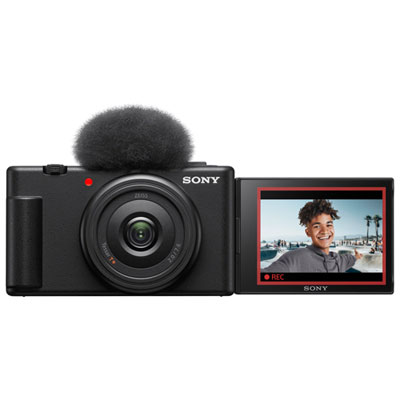 Your price for this item is $649.99
 -
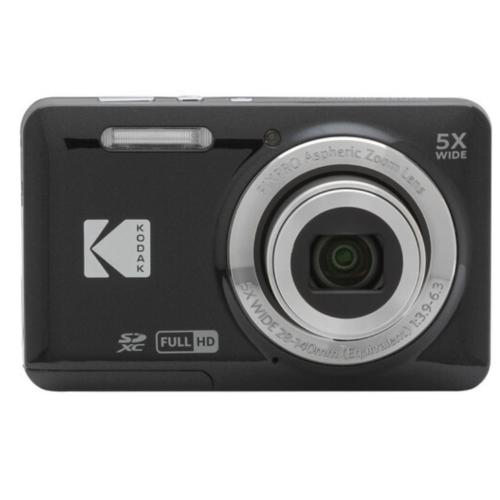 Your price for this item is $253
 -
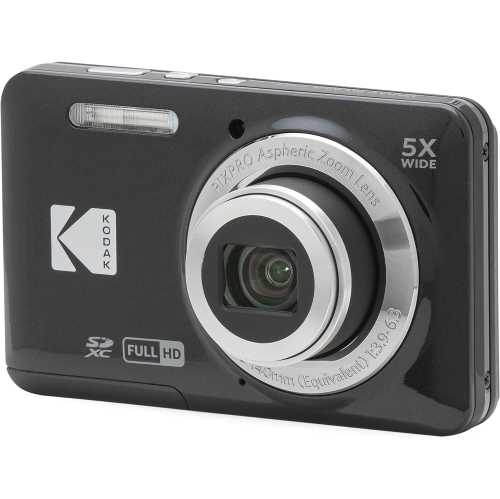 Your price for this item is $255
 -
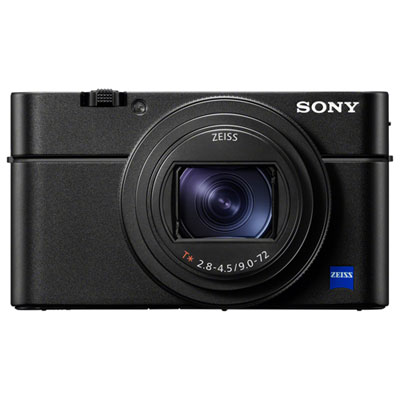 Your price for this item is $1999.99
 -
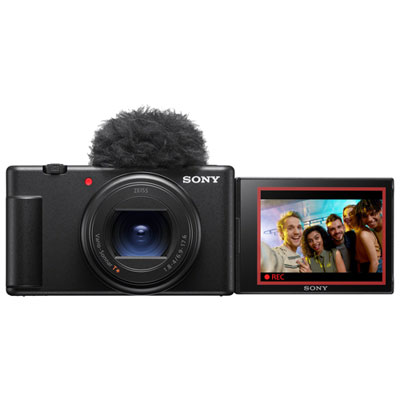 Your price for this item is $1199.99
 -
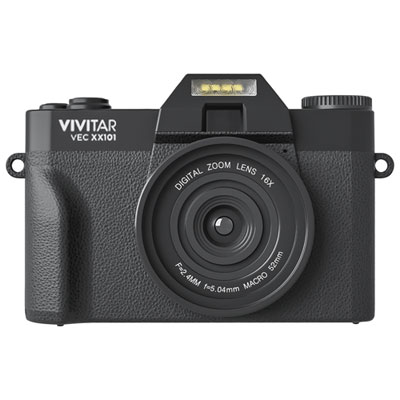 Your price for this item is $199.99
 -
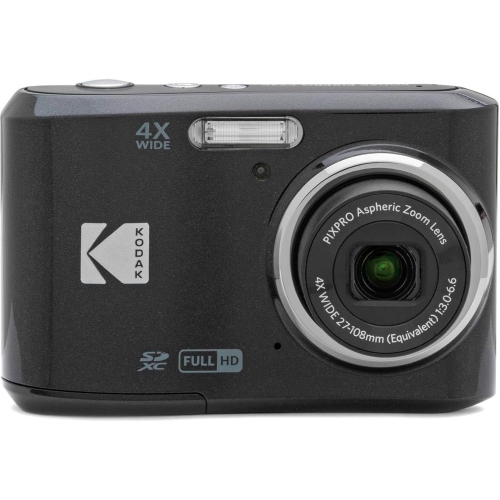 Your price for this item is $185
 -
 Your price for this item is $278
Discover more categories related to Affordable Cameras for Videography
Top Collections:
Pokemon Centers, Kindle Devices, Best Budget Office Chairs, Apple iPhones 16, Best Laptops for Writers, iPhone 15 Apple, Canon G7X Cameras, Refurbished Apple Laptops, Alarm Clock, Motorola Razr Phones
Some products may be subject to Environmental Handling Fees
(EHF) depending on your province.
Learn more about EHFs.