Affordable Cameras for Vlogging
Affordable cameras for vlogging make it easier than ever to capture and share your experiences without stretching your budget. Whether you’re just starting out or looking to upgrade your setup, there are plenty of options designed to deliver quality video and user-friendly operation. Explore a range of affordable cameras for vlogging that help you create engaging content, record memorable moments, and connect with your audience wherever your creativity takes you.
Sort
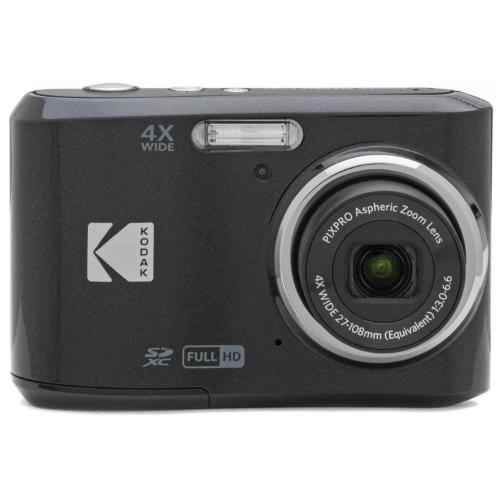
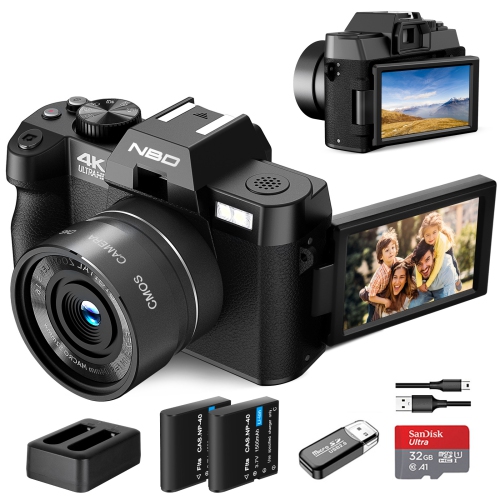
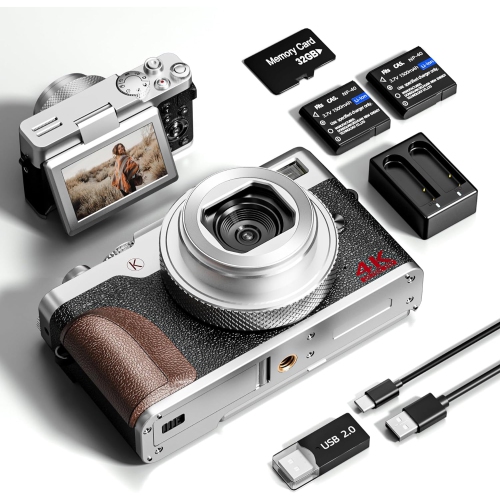
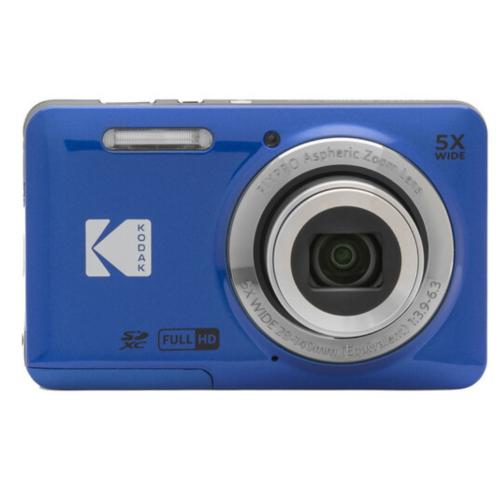
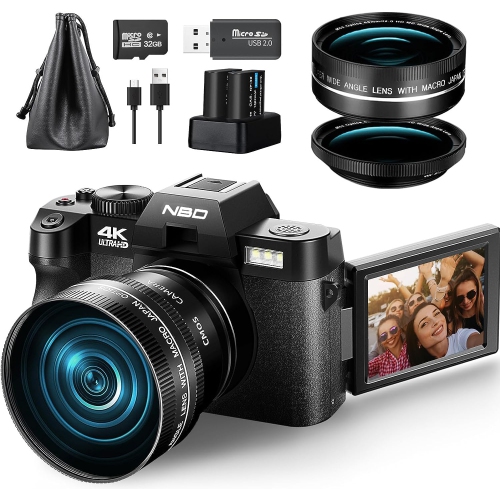
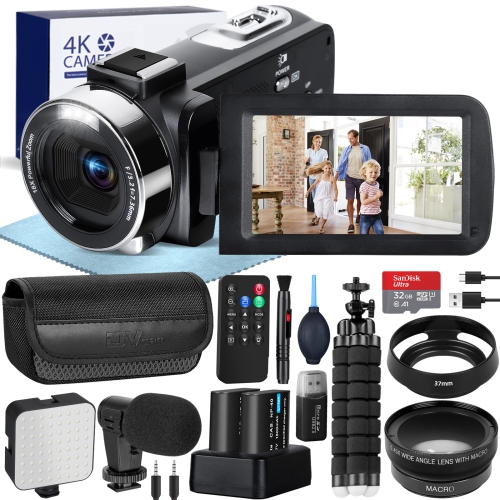

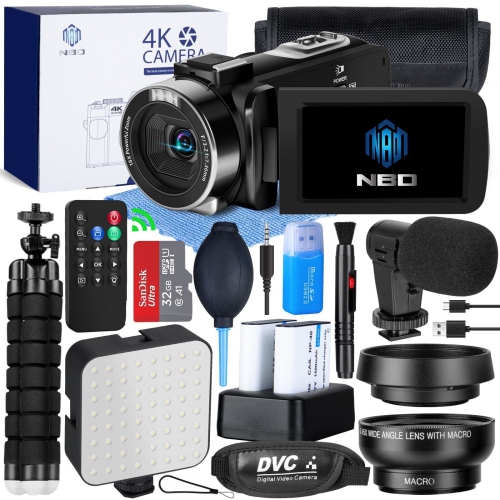
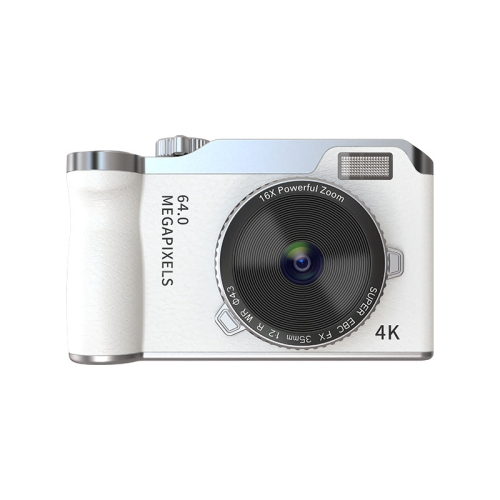
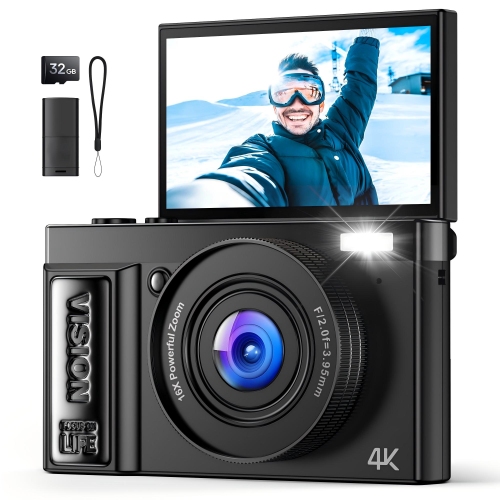
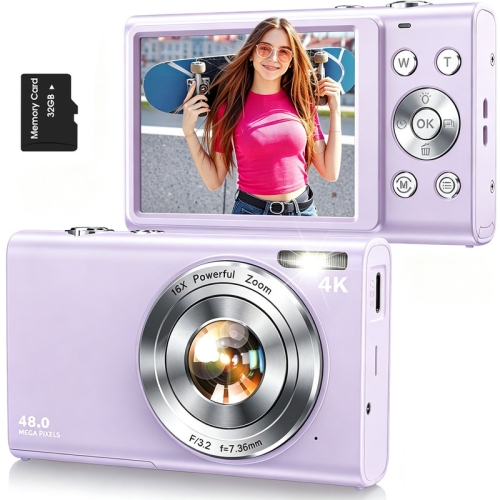
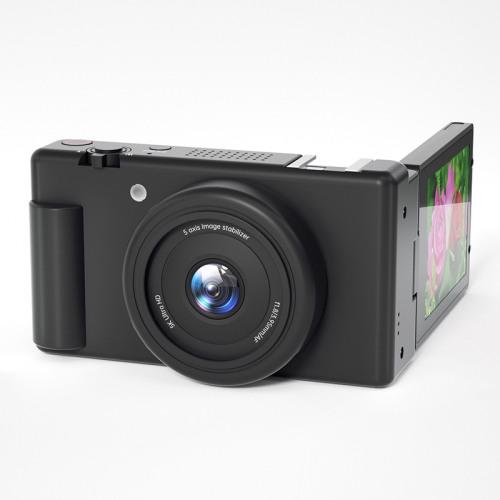
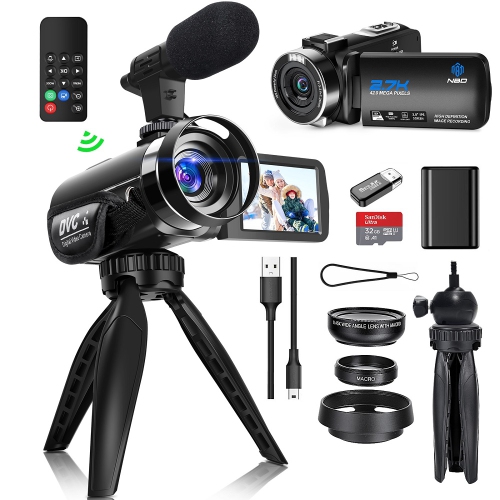

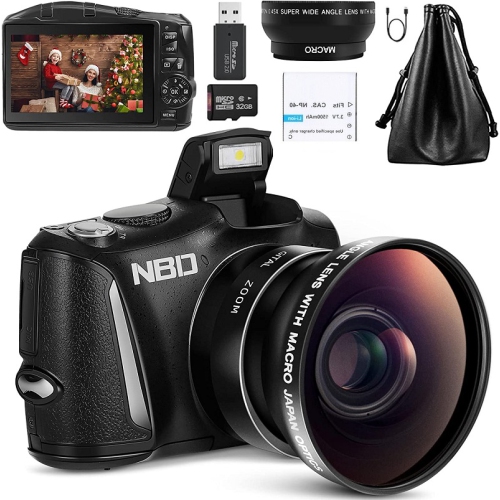
What matters more than resolution when filming yourself
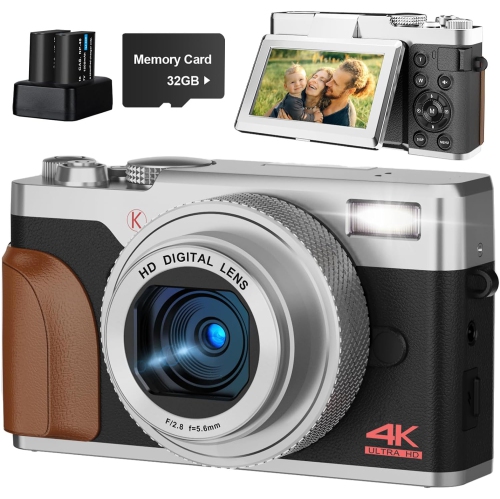
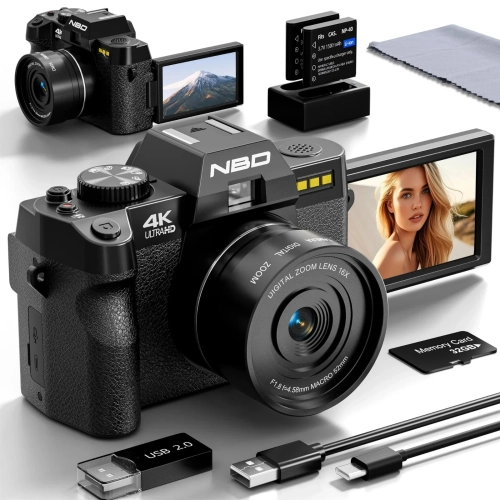
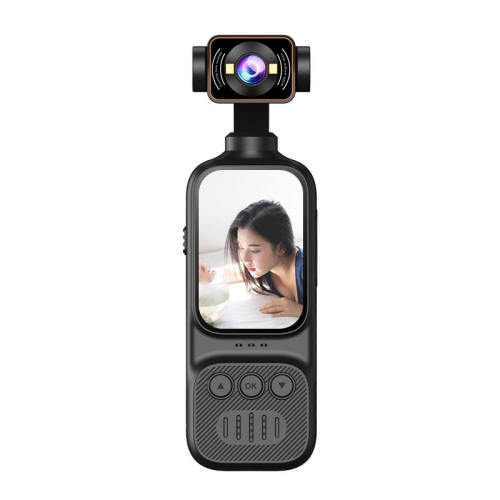
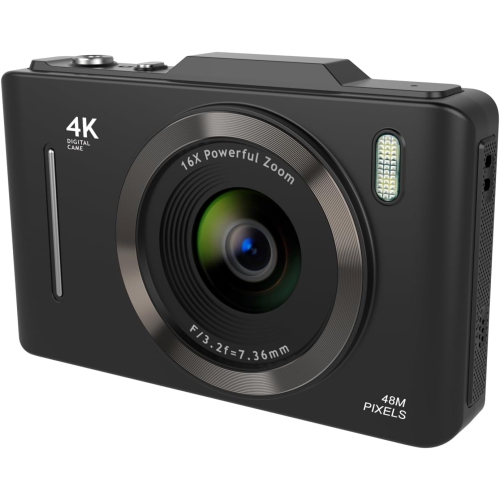
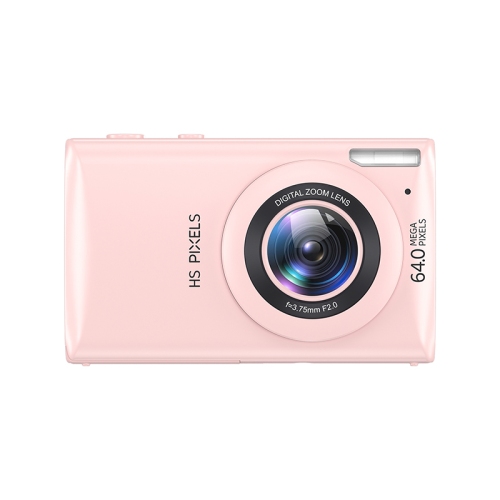
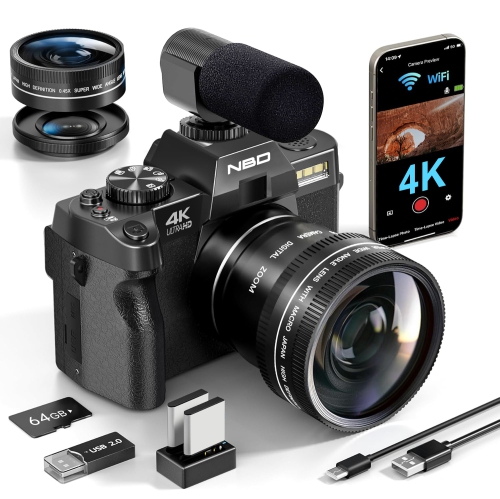
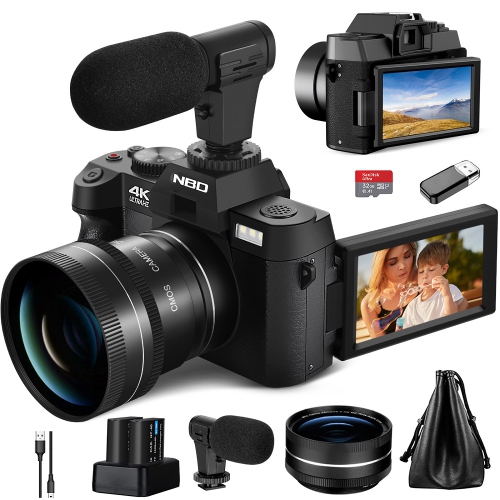
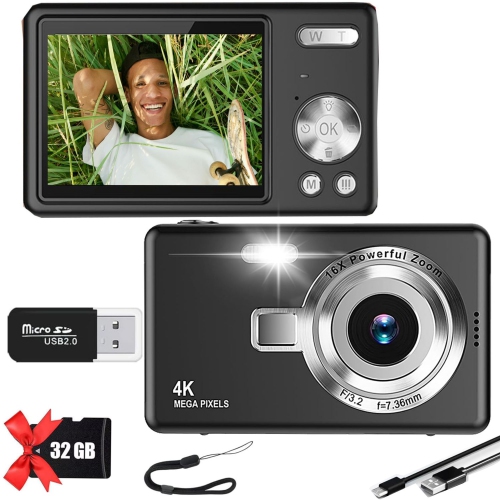
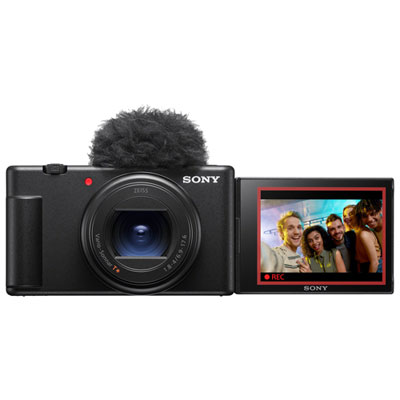
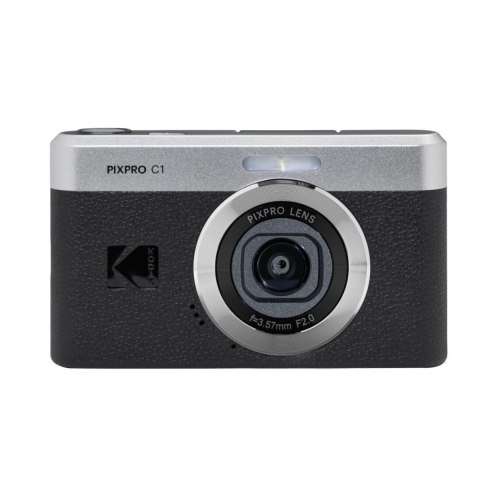
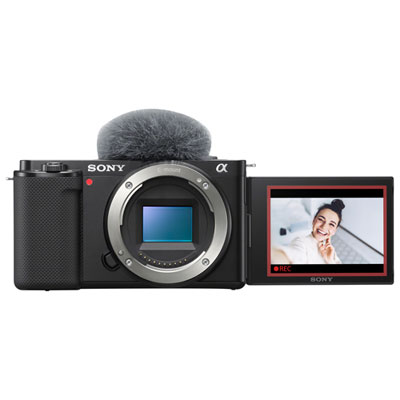
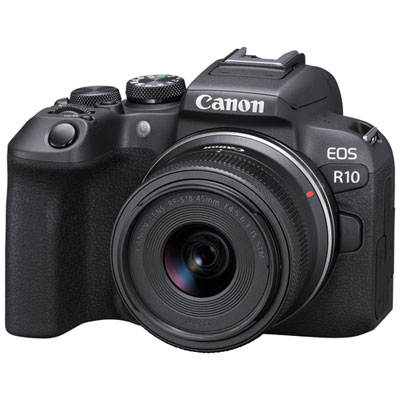
Affordable cameras for vlogging come in several forms, from pocket-sized models with built-in lenses to mirrorless cameras and action cameras. When the person filming is also the person on screen, a flip screen, dependable face-detection autofocus and clear audio can make more difference to everyday footage than the resolution alone. A screen that flips up or swings out to the side shows whether the shot is framed properly before the first line, and whether there’s still room in the frame to hold up a book or show what’s on a work surface. Face detection helps keep the speaker sharp as they lean in or sit back, while a responsive autofocus system is useful when the shot shifts from a face to a small object held near the lens. The lens matters just as much when there isn’t much room to move. At arm’s length, a wide-angle lens can fit a face and some of the surroundings into the shot without cutting off the top of the frame. Some electronic stabilization modes crop the edges of the image, so the view with stabilization turned on matters more than the lens specification alone for a walking vlog. A compact camera with a fixed lens keeps the setup simple for café visits, travel diaries and everyday clips. A mirrorless body with interchangeable lenses makes more sense when the same setup needs to capture a wide shot of a kitchen and then a tight shot of hands decorating a cake, though the lens adds to the size and weight of the kit. An action camera is a smaller option for handlebar or chest-mounted footage, where a wide view shows movement and surroundings together. That same wide view can make a face near the edge of the frame look stretched, which is less noticeable in a trail video than in a seated interview.
Sound is often what separates an easy-to-watch vlog from one that’s hard to follow. A built-in microphone can be enough for a seated update in a quiet room, with the camera close to the speaker. In a busy space or a room with bare walls, a compatible external microphone placed closer to the speaker can help keep dialogue distinct from nearby conversations or room echo. A microphone input offers more flexibility for interviews and demonstrations, but the placement of the port matters: a cable can get in the way of a side-opening screen, and a microphone mounted on top can block a screen that flips upward. For the picture itself, 1080p is often enough for a straightforward vlog, especially when the framing is set before filming. Recording in 4K leaves more room to crop a wide shot into a closer one or pull a vertical clip from a horizontal video, but it generally means larger files and more storage. Good lighting still matters at either resolution. In a dim room, a camera with a larger sensor and a lens that lets in more light can help retain detail, while a lamp placed in front of the speaker can do more for the shot than recording at a higher resolution. The length of a typical take matters, too. A string of short clips from a day trip places different demands on a camera than a full craft demonstration filmed without a break. Battery life, any continuous recording limit and support for filming while connected to USB power are useful distinctions for longer sessions. For creators who move between full-length uploads and short clips, Affordable Vlogging Cameras for YouTube is a related selection for that mix of formats.
How a camera feels in the hand is easier to judge with the intended setup in mind. A shallow grip may be comfortable for taking a clip across a table, while a textured grip or a small handgrip can make a camera easier to hold at arm’s length. For a desktop setup, the position of the tripod socket can matter more than the grip: on some bodies, a mounting plate blocks the battery or memory card door. A lightweight plastic body can be practical for a camera that goes into a day bag, while some bodies use metal for added rigidity. Neither material alone tells the whole story about durability, particularly around moving parts such as a screen hinge or the barrel of a retracting lens. A padded pouch keeps the camera from rubbing against keys or chargers, and a lens cap, where the design uses one, helps protect the front glass between clips. A hand blower can clear loose dust before a clean lens cloth is used on smudges. With an interchangeable-lens camera, switching lenses over a clean surface and replacing the caps promptly helps keep dust away from the sensor and rear lens elements. For a student filming campus life or a family member putting together a video diary, a compact camera with a built-in lens and straightforward controls can be a thoughtful gift. Someone who already records sewing projects, tabletop demonstrations or music sessions may get more use from a camera that works comfortably on a tripod and accepts an external microphone. Even small details can influence which camera gets picked up most often. A record button that’s easy to reach with the screen open is handy when filming alone, while a clear battery indicator can prevent a recording from cutting off halfway through a demonstration. A camera that fits the way someone holds, mounts and carries it is more likely to be ready when there’s something worth filming.
Top selling and popular products
-
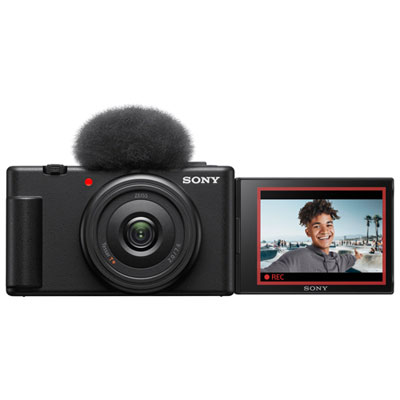 Your price for this item is $599.99
-
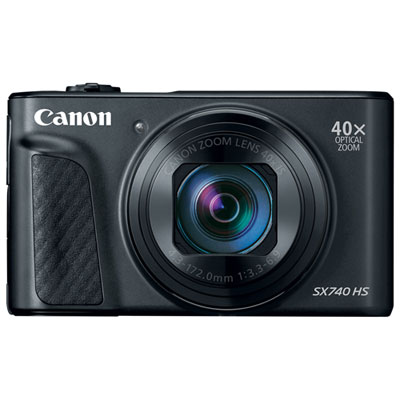 Your price for this item is $799.99
-
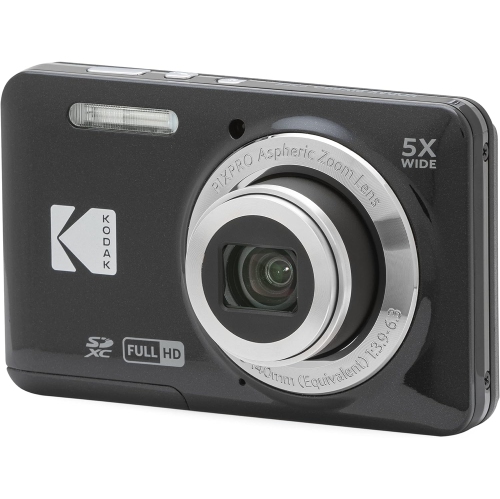 Your price for this item is $255
-
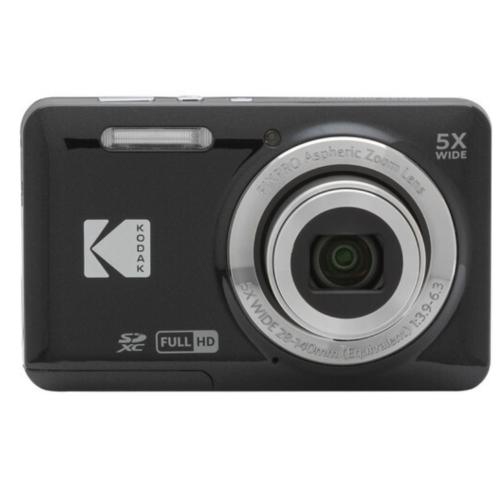 Your price for this item is $253
-
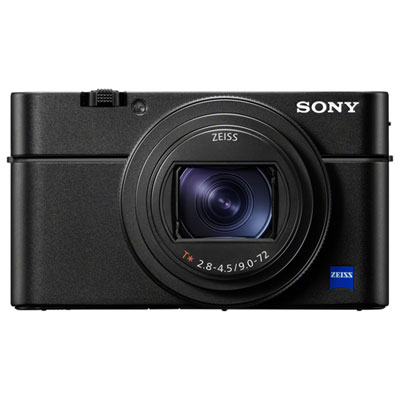 Your price for this item is $1799.99
-
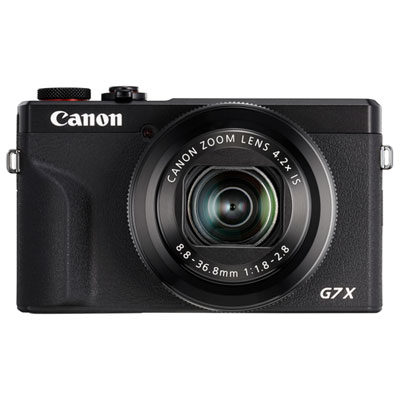 Your price for this item is $1999.99
-
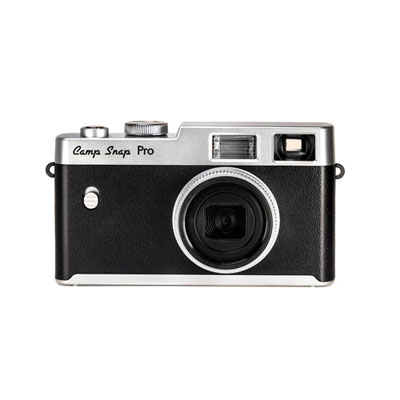 Your price for this item is $149.99
-
 Your price for this item is $1099.99
Discover more categories related to Affordable Cameras for Vlogging
Top Collections:
Best Black Friday Deals This Year, Best Black Friday Deals On Electronics, Kindle Devices, Pokemon Centers, Best Black Friday Deals On Apple Products, Best Cameras for Sports Photography, Dyson Airwrap, Pokémon 30th Celebration Cards, Apple iPhone 17 Pro, Canon G7X Cameras
Some products may be subject to Environmental Handling Fees
(EHF) depending on your province.
Learn more about EHFs.