Affordable Tripods
Affordable Tripods offer a reliable solution for capturing steady photos and videos without stretching your budget. Perfect for photography enthusiasts, content creators, or anyone looking to enhance their shooting experience, these tripods provide essential support for cameras and smartphones alike. Explore a wide range of options designed to help you achieve clear, professional-looking results whether you’re at home, on the go, or in the studio. Find the ideal Affordable Tripod to suit your needs and elevate your creative projects with ease.
Sort
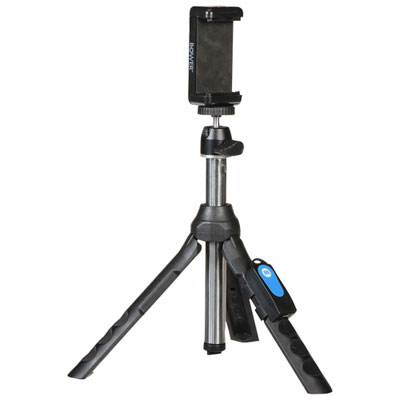


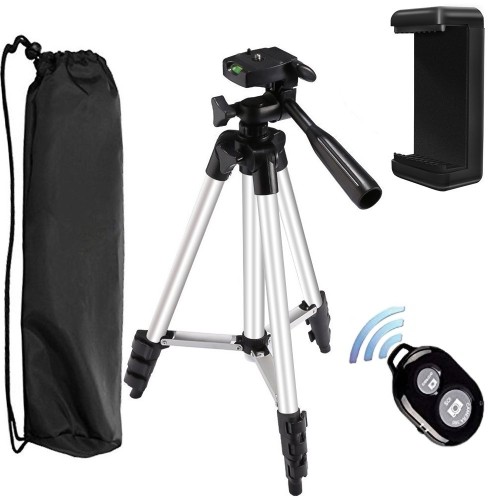
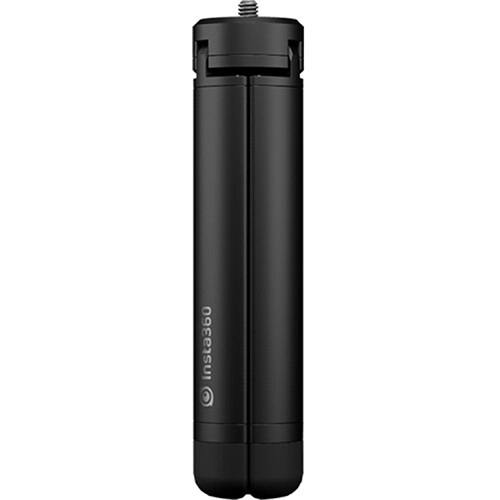
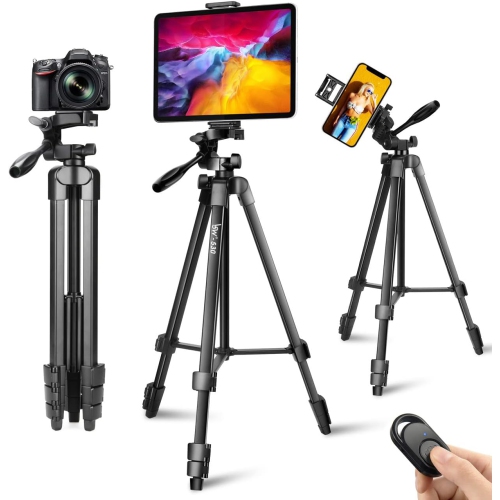





Steadier shots start with support that fits your setup
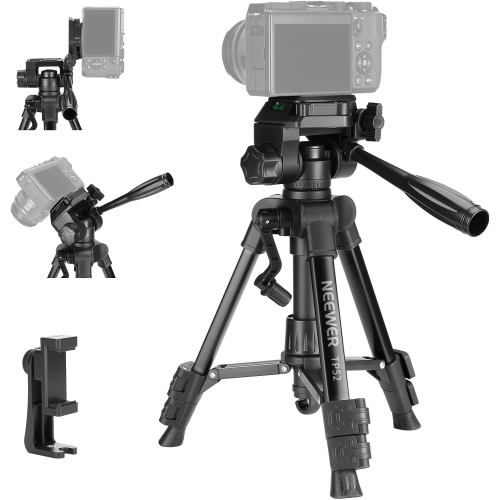
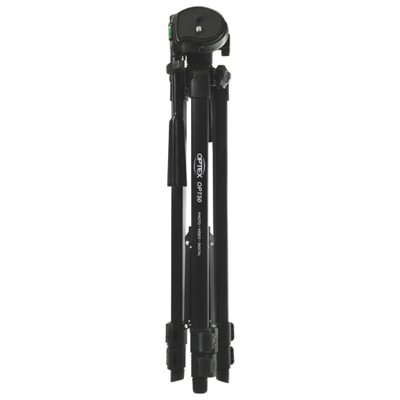
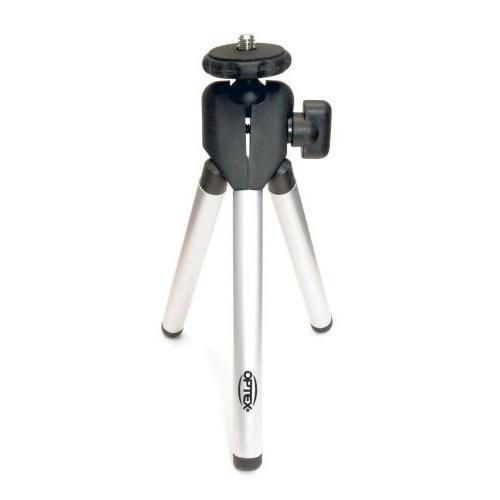
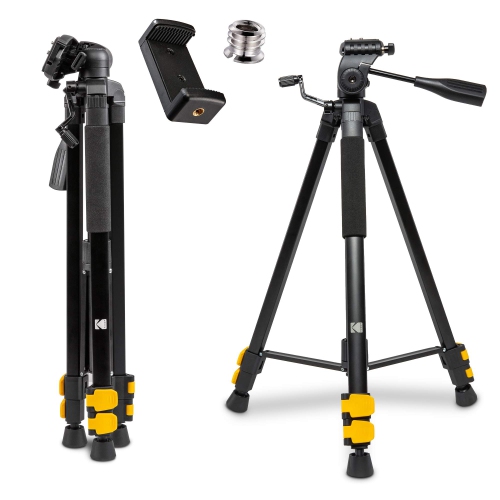
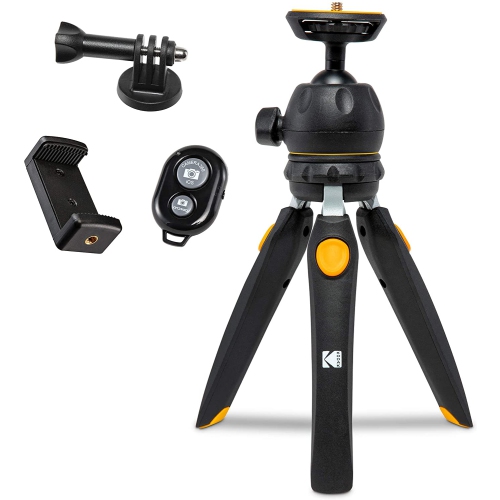
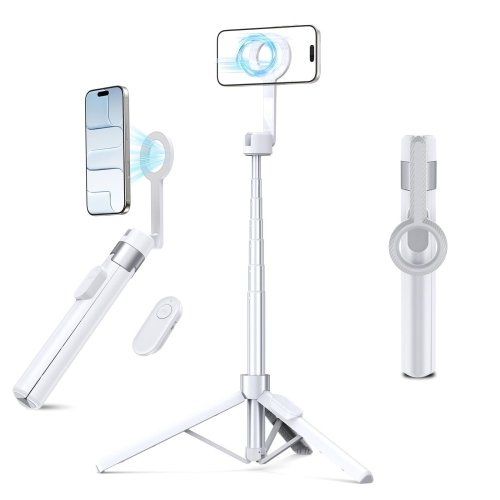
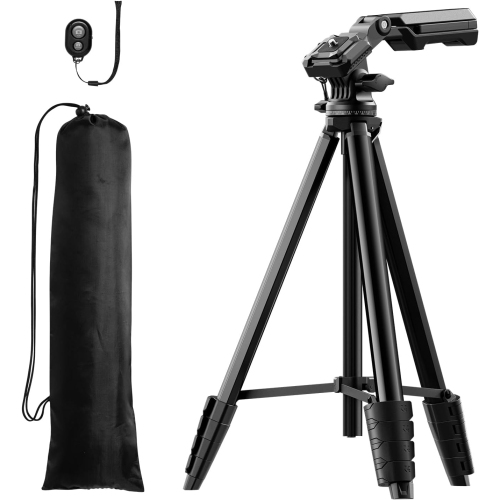
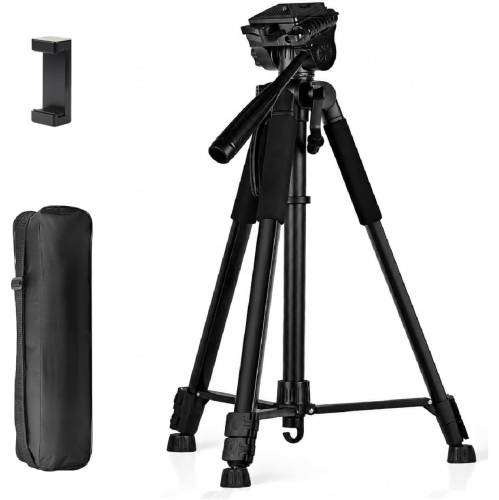
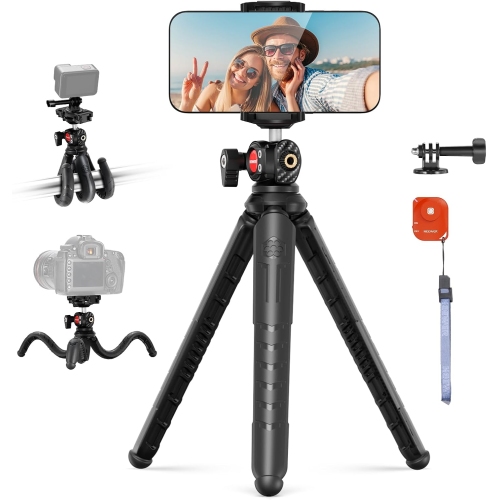
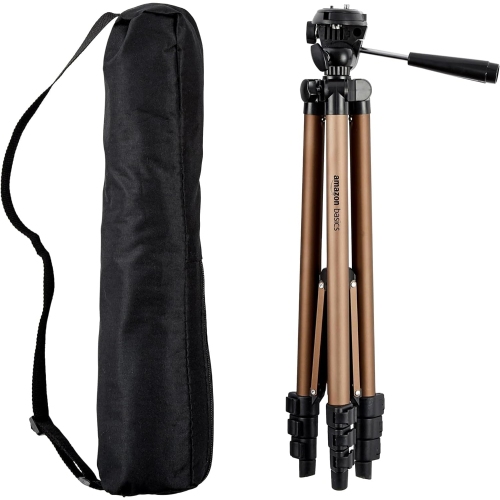
Affordable tripods provide steady support for smartphones, compact cameras, action cameras, and compatible interchangeable-lens cameras, making them useful for everything from family portraits to tabletop photography. The most important points of comparison are device compatibility, supported weight, working height, folded size, and the type of head used to position the camera. A tripod needs to support the complete setup, including the camera body, lens, mounting accessories, and anything else attached to it. A small camera with a long lens can place different demands on a tripod than a phone in a simple clamp, even when both fit the mounting hardware. Many cameras use a standard 1/4-inch mounting connection, while smartphones generally need a suitable holder and action cameras may require an adapter. These attachments are not automatically included, so the mounting details matter as much as the legs. For phone photography, a clamp should accommodate the device’s width and thickness, including its case where applicable, without pressing side buttons or obstructing the lenses. Portrait and landscape positioning are useful for switching between vertical videos, group photos, and video calls. Full-height tripods can bring the camera closer to a comfortable standing position, while compact tabletop designs work well on a sturdy desktop or countertop. Flexible-leg designs offer additional positioning options for lightweight devices, although their attachment points and weight limits deserve particular attention. For a group photo, enough height helps keep the camera near eye level rather than looking up from a low surface. For photographing a handmade mug or a plate of food, a shorter support can keep framing consistent while the subject is adjusted. A folded tripod also needs to suit the way it will be carried: one that fits comfortably alongside a camera bag is easier to bring on a walk, while a longer design may be better suited to a dedicated carrying case.
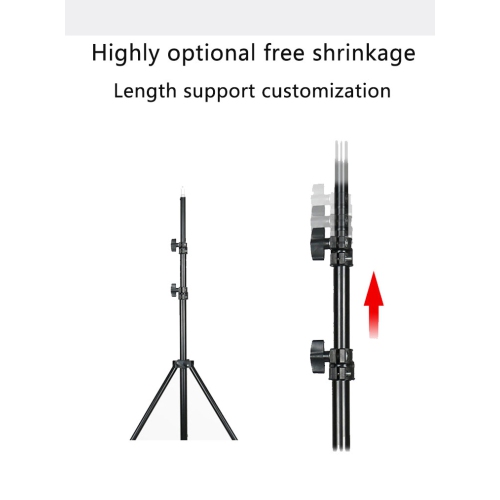
Materials and construction influence how a tripod feels in everyday use. Aluminum legs are common in lightweight designs, while plastic components can help keep handles, braces, and adjustment controls manageable to carry. The material alone does not establish how steady a tripod will be; leg thickness, joint fit, head construction, and the amount of extension all play a role. More leg sections can allow a shorter folded length, but they also add adjustment points, and the narrowest sections may flex more readily. Flip locks are easy to see when opening and closing the legs, while twist locks offer a different grip and adjustment style. Either type needs to hold securely without forcing the mechanism. Maximum height is worth considering alongside the height reached with the centre column lowered, because raising that column can make movement more noticeable. Extending the thicker leg sections first and keeping the centre column lower when practical can improve stability. Head design affects the shooting experience just as directly. A ball head allows quick changes in direction and angle, which can be convenient for still photography. A three-way head separates adjustments for more deliberate framing, while a video-oriented head is designed around controlled movement when following a subject. Smooth panning depends on the head’s construction and adjustment range rather than the presence of a handle alone. A quick-release plate can make it easier to move between handheld and tripod-mounted shooting, provided the plate is tightened correctly and fully secured in its receiver. Built-in bubble levels can help with initial positioning, but the camera’s own level or on-screen grid remains useful for checking the final composition. Small details become noticeable during longer sessions: readable markings, controls that are easy to grip, and enough clearance to reach the camera’s battery door can all make setup less awkward. A generous stated load capacity is helpful, but it should not be treated as a guarantee of vibration-free results at every height or with every lens.
A tripod is especially useful when consistency matters more than moving quickly. Photographing several objects against the same backdrop, recording a demonstration at a work surface, or keeping a video-call frame steady all become easier when the camera stays in one position. For longer exposures, a tripod can reduce movement from handholding, although people, pets, and other moving subjects may still appear blurred. A camera’s self-timer, a compatible remote, or an appropriate app can reduce the movement caused by touching the shutter control; wireless remotes require their own compatibility check rather than being assumed to work with every device. Positioning also matters. Each foot should rest securely on a firm surface, with the legs spread as intended and any braces properly engaged. A tabletop model needs a stable surface away from an edge, especially when the device is tilted forward. Cables should have enough slack that they cannot pull on the camera, and a mounted device should be removed before the tripod is carried to another location. Routine care is straightforward: wipe away dust and grit with a soft cloth, keep locking joints clean, and follow the manufacturer’s instructions for any further maintenance. Tighten controls only as much as needed, since forcing a knob can damage threads or other components. Periodically checking the mounting plate, phone holder, feet, and leg locks can reveal looseness before it interrupts a shoot. For students, hobby photographers, home video creators, or relatives who enjoy taking group pictures, a tripod can also be a thoughtful gift when its size and attachments match the recipient’s device. A compact support may suit someone who films at a desk, while a taller design may be more useful for portraits and standing demonstrations. The related Tripods Under $100 page offers another way to explore the category, with device fit, practical working height, and secure support remaining central to a useful match.
Top selling and popular products
-
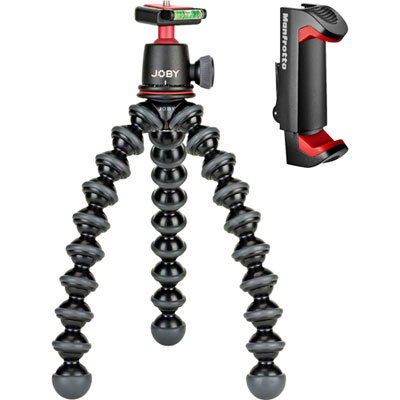 Your price for this item is $144.99
-
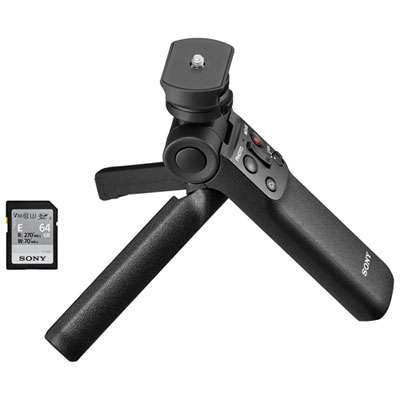 Your price for this item is $199.97
-
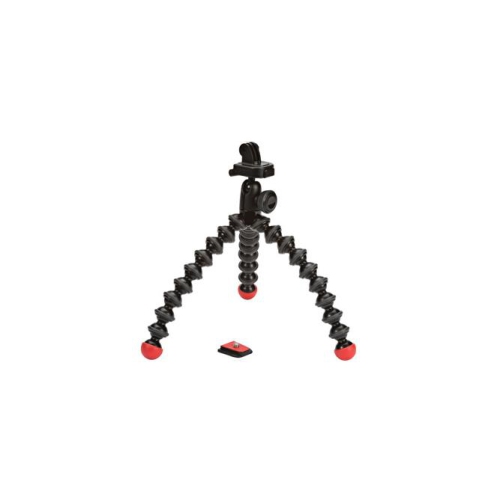 Your price for this item is $126.91
-
 Your price for this item is $139.99
-
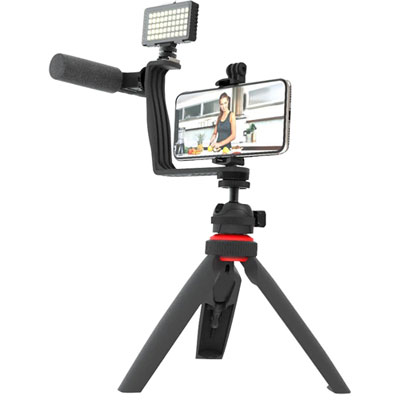 Your price for this item is $69.99
-
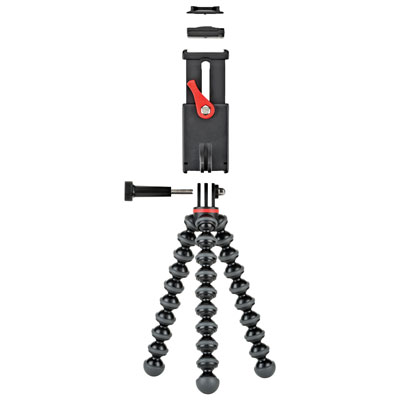 Your price for this item is $78.97
-
 Your price for this item is $259.99
-
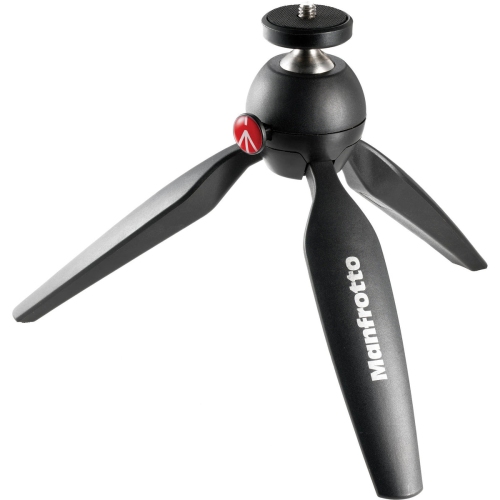 Your price for this item is $83.53
Discover more categories related to Affordable Tripods
Top Collections:
Best Black Friday Deals This Year, Best Black Friday Deals On Electronics, Kindle Devices, Pokemon Centers, Best Black Friday Deals On Apple Products, Best Cameras for Sports Photography, Dyson Airwrap, Pokémon 30th Celebration Cards, Apple iPhone 17 Pro, Canon G7X Cameras
Some products may be subject to Environmental Handling Fees
(EHF) depending on your province.
Learn more about EHFs.