Tripods Under $100
Tripods under $100 offer an affordable way to achieve steady, professional-looking photos and videos without stretching your budget. Whether you're a beginner capturing family moments or an enthusiast looking to enhance your creative projects, these options provide reliable support for cameras, smartphones, and other devices. Explore a wide selection of tripods under $100 to find the perfect fit for your photography or videography needs.
Sort


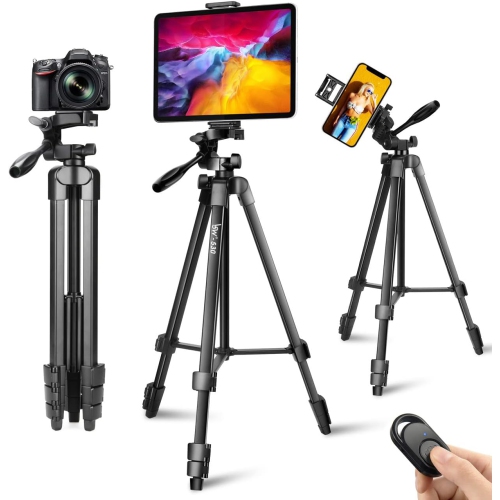
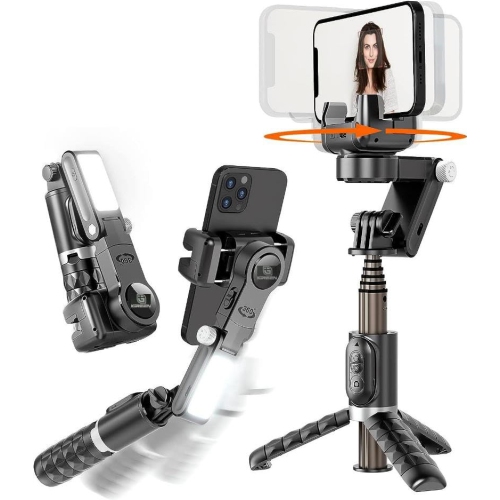
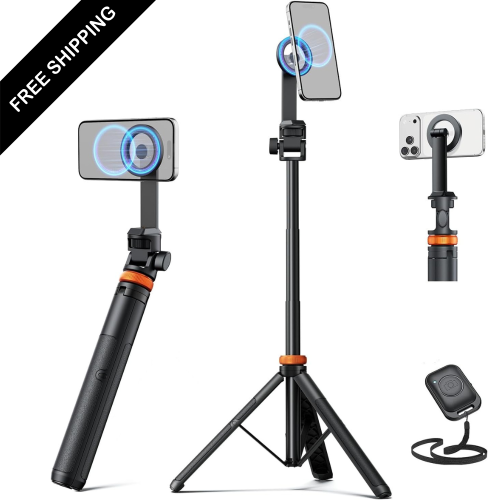
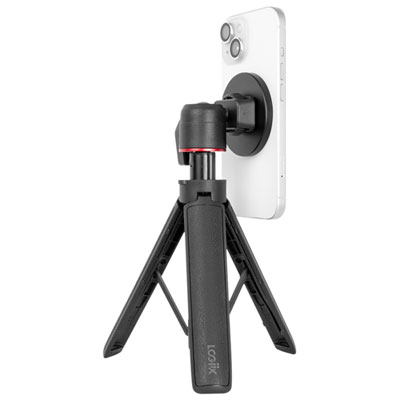
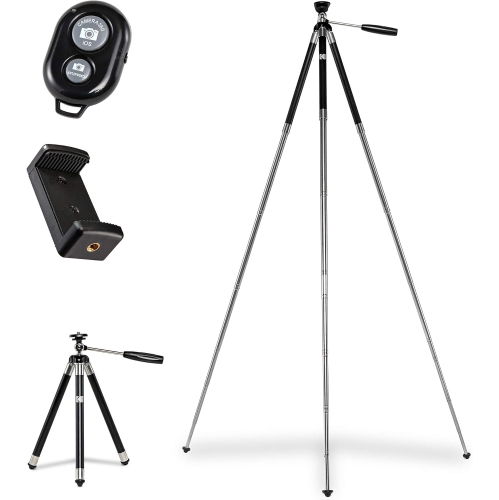

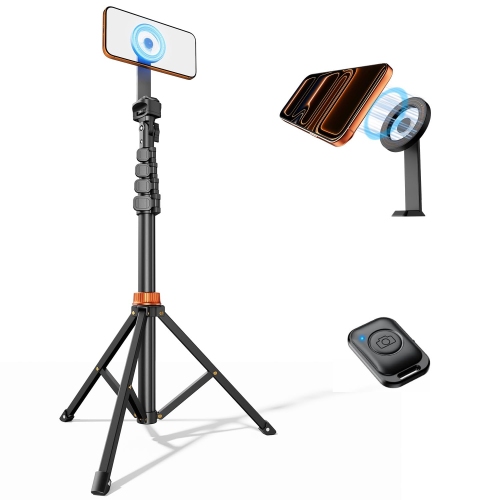
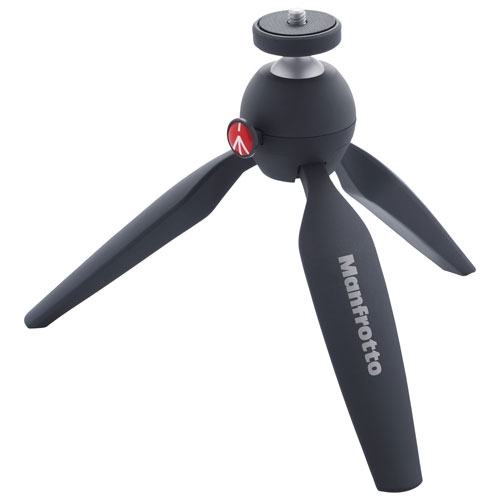

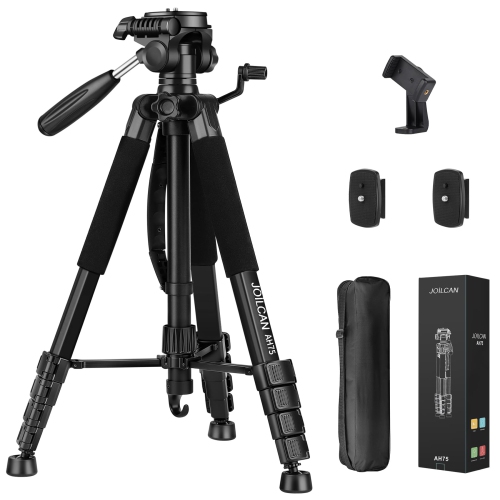
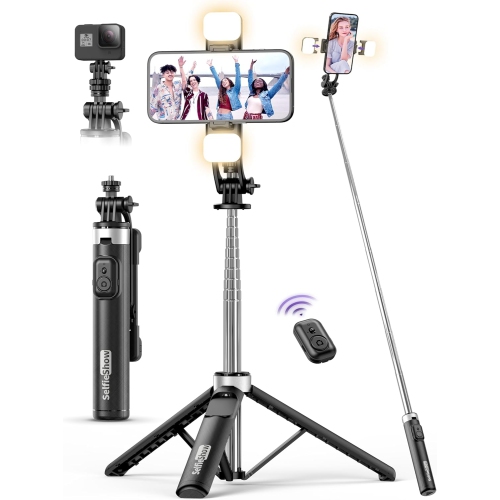
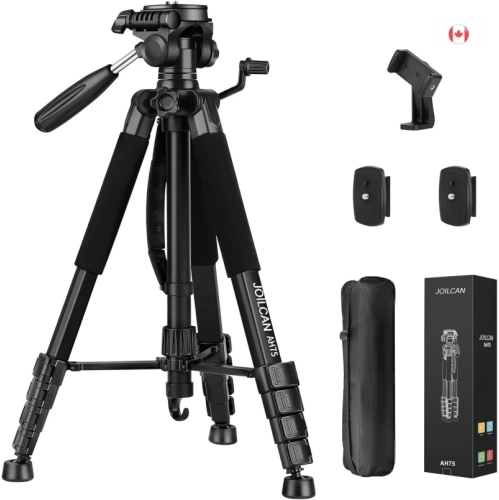
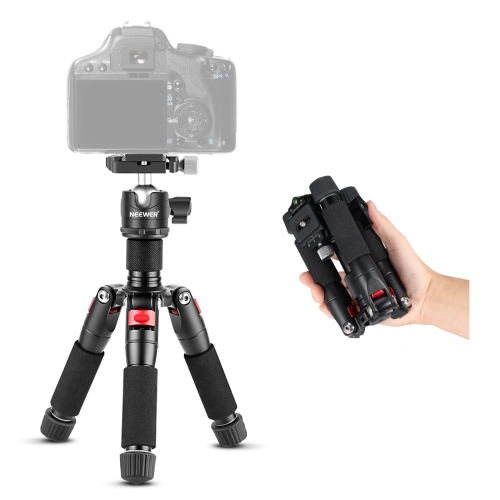
Steadier shots start with a tripod that fits
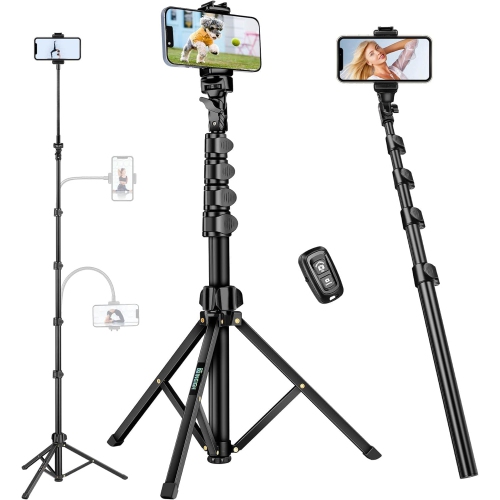
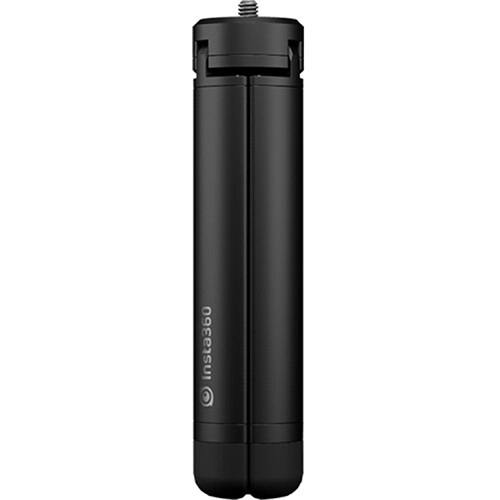
Tripods give cameras and smartphones a steady base for sharper photographs, consistent framing and hands-free video. They are useful for everything from a family portrait in the living room to a cooking demonstration filmed across a countertop. Keeping the device in one position makes it easier to adjust lighting, arrange a subject or step into the frame without rebuilding the shot each time. A tripod can also reduce blur caused by camera movement during longer exposures, although it cannot stop a moving subject from appearing blurred. For students, casual photographers and people creating their first videos, the most useful features are often straightforward: secure mounting, manageable weight, dependable leg locks and a head that holds its position after adjustment. Compatibility starts with the device and everything attached to it. A camera body, lens, microphone and mounting accessories all contribute to the load, so the tripod’s rated capacity needs to accommodate the complete setup rather than the camera alone. A long lens can also shift the balance forward, making secure positioning especially important. Many cameras connect through a standard 1/4-inch mounting socket, while smartphones generally need a separate clamp or a compatible phone mount. Clamp width, case thickness and access to charging ports can all affect the fit. A phone held horizontally for a video call may need a different mounting position from one used vertically for a full-length recording. The ability to change orientation without loosening the device itself makes those transitions more convenient. Working height matters just as much as compatibility: a seated video call, a standing portrait and a close-up of a small object each call for a different camera position. Full-height tripods suit a wider range of standing and seated setups, while tabletop designs keep the camera closer to the supporting surface. Neither format replaces the other in every situation; the right proportions depend on where the camera needs to sit and how much space surrounds it.
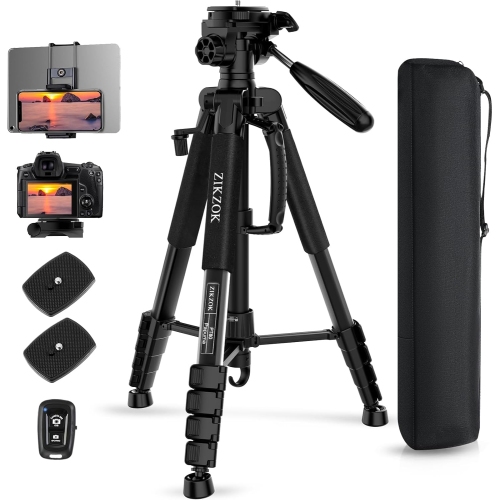
Materials and construction influence how a tripod feels to carry, adjust and use over time. Aluminium legs are common in lightweight designs, combining practical portability with a rigid structure. Plastic components can help reduce weight, but the fit of hinges, clamps and adjustment controls also matters to long-term durability. A tripod that feels secure at its usual working height is more useful than one chosen only for its maximum extension. Leg sections, centre-column movement and the width of the stance all affect steadiness. More leg sections can allow a shorter folded length for a backpack or suitcase, while fewer sections generally mean fewer adjustments during setup. Extending the legs before raising the centre column usually provides a steadier base, particularly when the camera is positioned well above a desktop. The footprint deserves attention in smaller rooms, too: fully spread legs need enough clear floor space to avoid chair wheels, passing feet and cables. Flip locks offer a visible indication of whether each section is secured, while twist locks provide a different adjustment style that some photographers find convenient when packing down. Both depend on proper engagement and clean contact surfaces. Head design shapes the experience as well. A ball head allows quick changes in several directions, making it useful when moving between horizontal and vertical compositions. A pan-and-tilt head separates adjustments and can make small framing changes more deliberate. For video, smooth movement and a handle that is comfortable to operate matter more than the ability to reposition quickly. Not every head intended for still photography will produce an even moving shot. A quick-release plate can simplify switching between handheld and tripod use, provided it is firmly attached to the camera and fully seated in the head. Keeping the plate with the tripod when it is stored also helps prevent a small missing component from interrupting the next recording session.
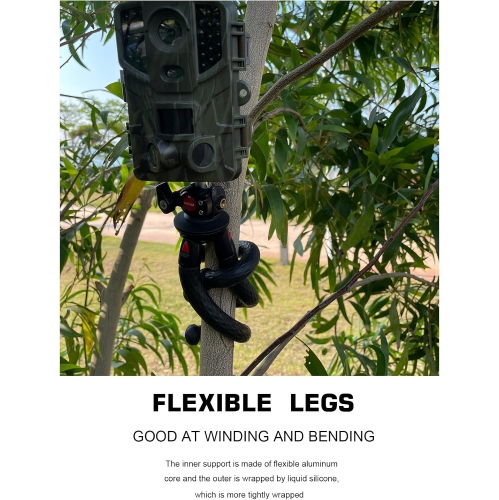
Everyday use often reveals which details deserve the most attention. Someone photographing handmade jewellery may value a compact tripod that leaves room for lights and a backdrop, while a person recording exercise demonstrations may need enough height to keep their whole body in view. A desktop tripod can hold a phone at a more flattering angle for calls without relying on a stack of books, but its shorter legs still need a solid, level surface. Flexible-leg designs can offer additional positioning options around suitable supports; their usefulness depends on the device weight, the support’s shape and a secure grip. For photographs at slower shutter speeds, a self-timer or compatible remote release helps avoid the small movement caused by pressing the shutter button. For sound recording, keeping the tripod away from a frequently bumped table can reduce vibrations transmitted to an attached microphone. These practical details often matter more than a long feature list. Portability includes more than total weight: folded dimensions, protruding handles and a carrying bag can determine whether a tripod fits comfortably alongside the rest of a camera kit. Care is generally simple but worthwhile. Wiping away dust and grit before collapsing the legs helps keep debris out of sliding sections and locks. Any moisture should be dried before storage, and cleaning should follow the manufacturer’s directions rather than relying on harsh cleaners or unapproved lubricants. Periodic checks of the mounting screw, release mechanism, feet and leg locks can reveal looseness or wear before the next use. A tripod can also make a thoughtful gift for someone learning photography, filming tutorials or documenting creative projects, especially when its mounting system matches the device they already own. For another category to compare, explore Tripods Under $200. Across different styles, the most useful tripod is one that supports the intended setup securely, adjusts without unnecessary fuss and fits naturally into the way its owner takes photographs or records video.
Top selling and popular products
-
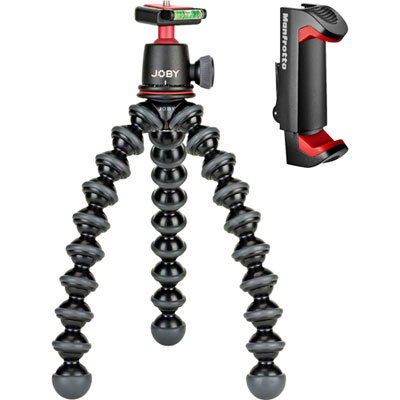 Your price for this item is $144.99
-
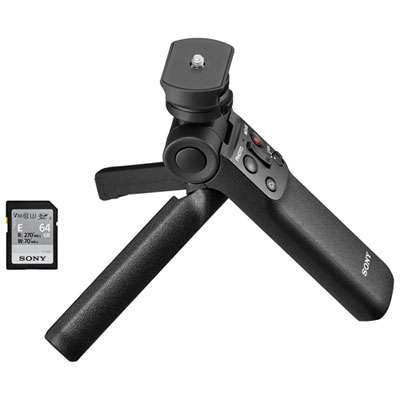 Your price for this item is $199.97
-
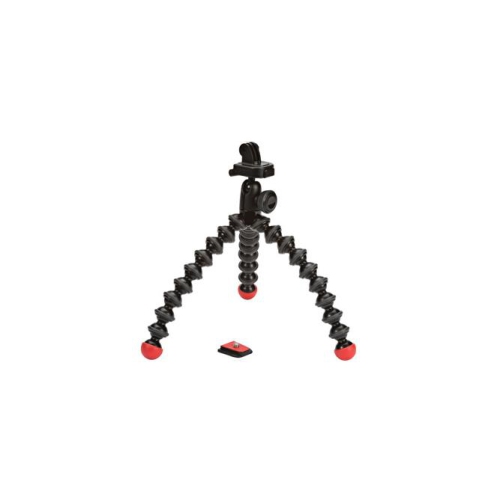 Your price for this item is $126.91
-
 Your price for this item is $139.99
-
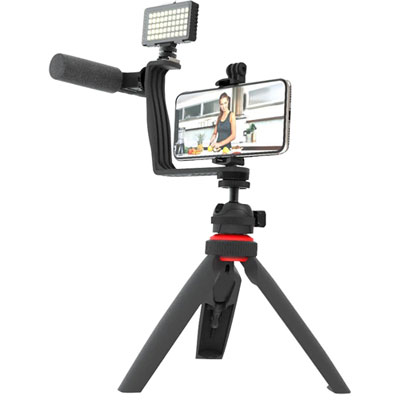 Your price for this item is $69.99
-
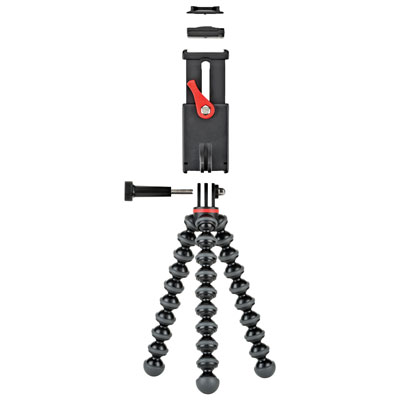 Your price for this item is $78.97
-
 Your price for this item is $259.99
-
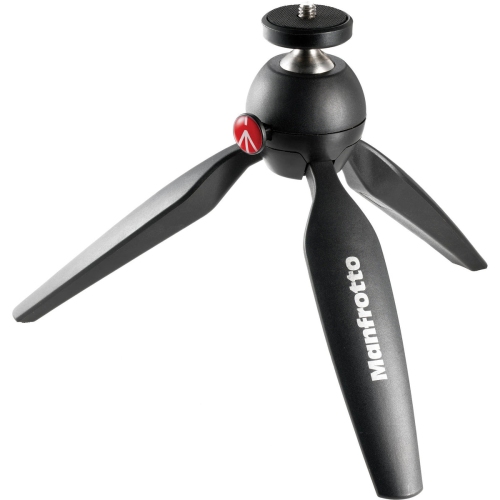 Your price for this item is $83.53
Discover more categories related to Tripods Under $100

Top Collections:
Best Black Friday Deals This Year, Best Black Friday Deals On Electronics, Kindle Devices, Pokemon Centers, Best Black Friday Deals On Apple Products, Best Cameras for Sports Photography, Dyson Airwrap, Pokémon 30th Celebration Cards, Apple iPhone 17 Pro, Canon G7X Cameras
Some products may be subject to Environmental Handling Fees
(EHF) depending on your province.
Learn more about EHFs.