Back To School Mirrorless Cameras for Photography Students

Find back-to-school mirrorless cameras for photography students learning exposure, composition and interchangeable-lens photography. Compare camera bodies and lens kits with your course requirements in mind, considering manual controls, lens compatibility, size and budget to choose a setup for classroom assignments and everyday practice.
Read More

Sort

Back To School Mirrorless Cameras for Photography Students
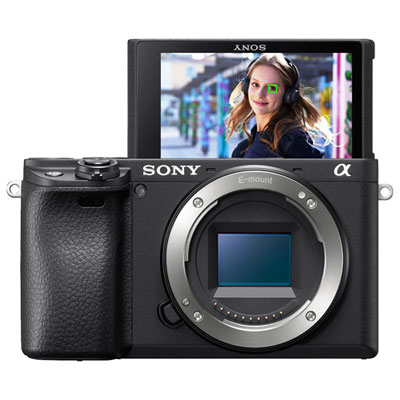
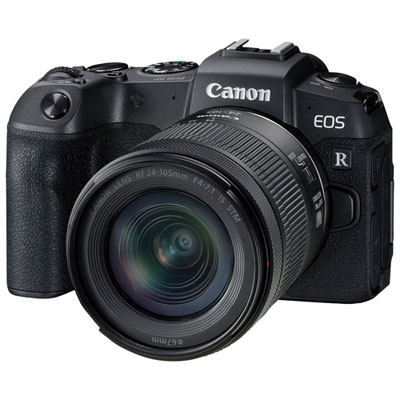
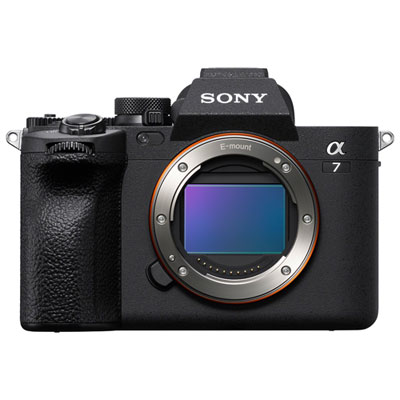
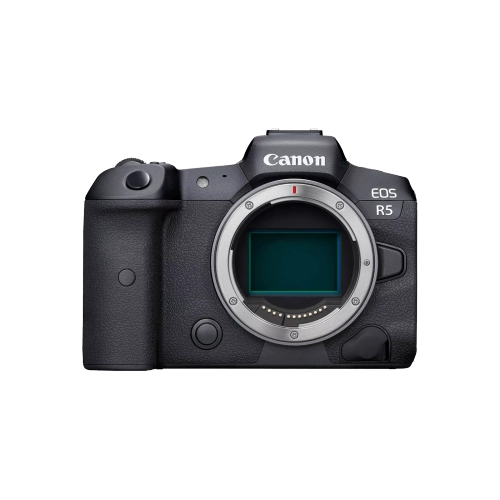
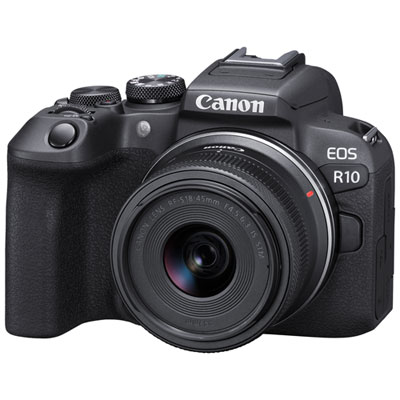
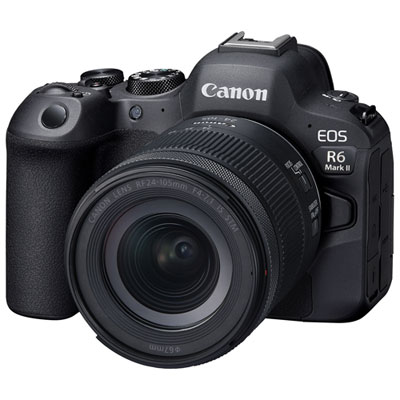
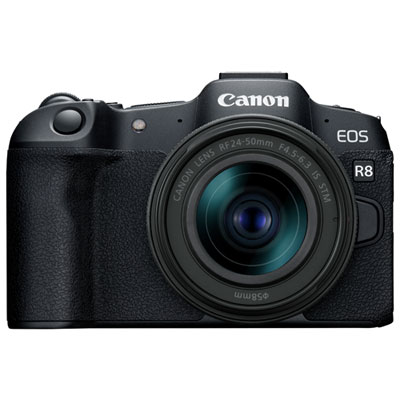
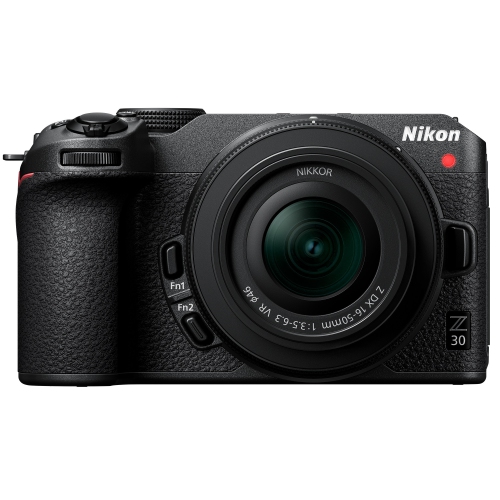
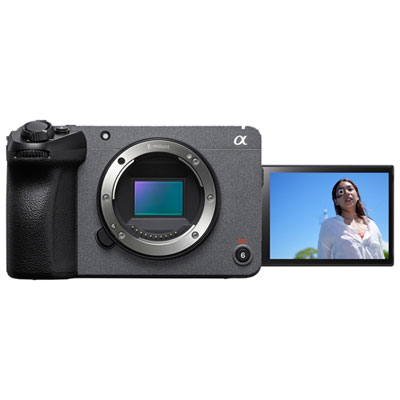
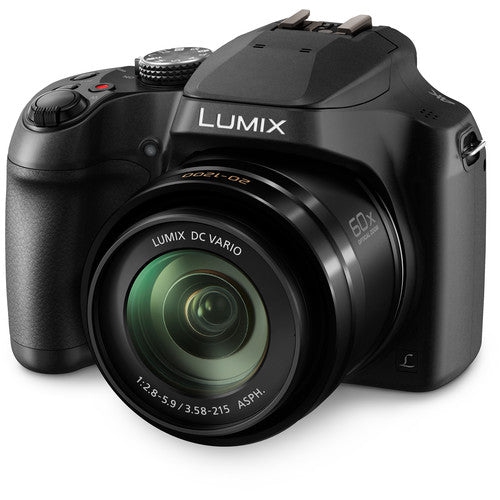
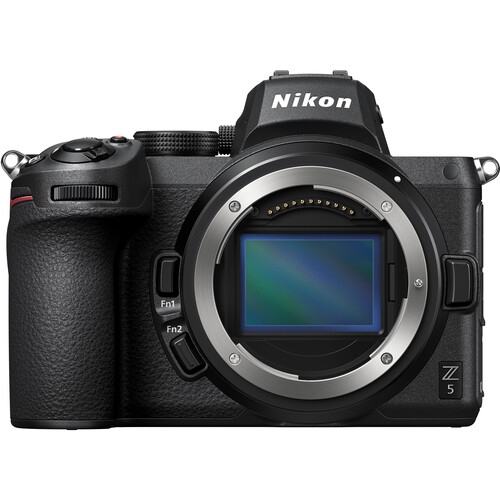
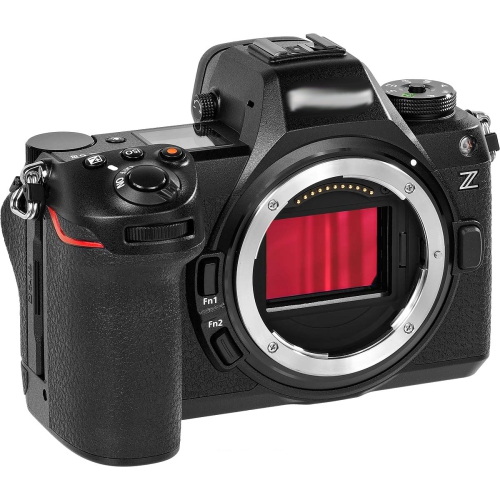
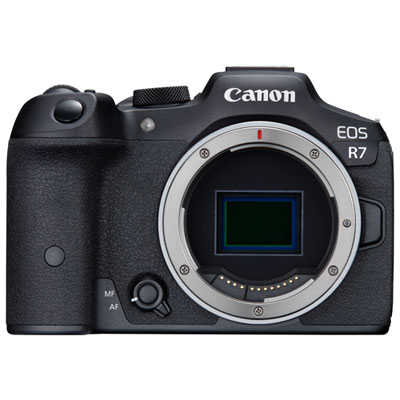
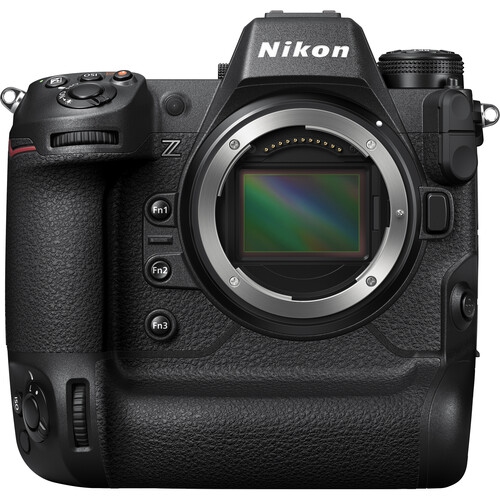
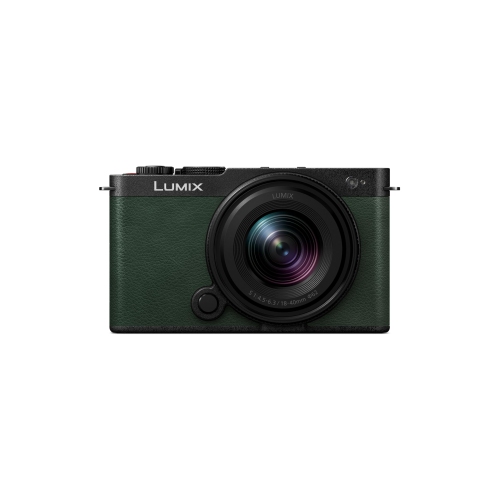
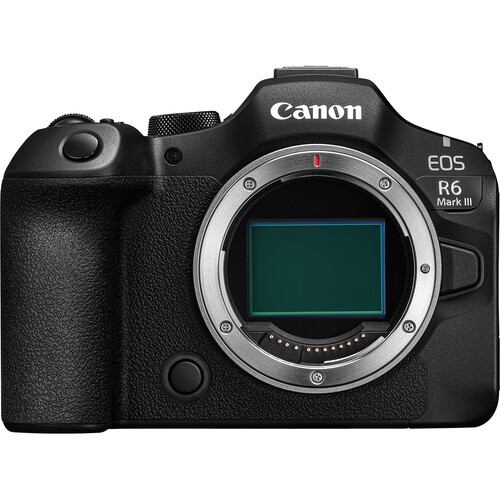
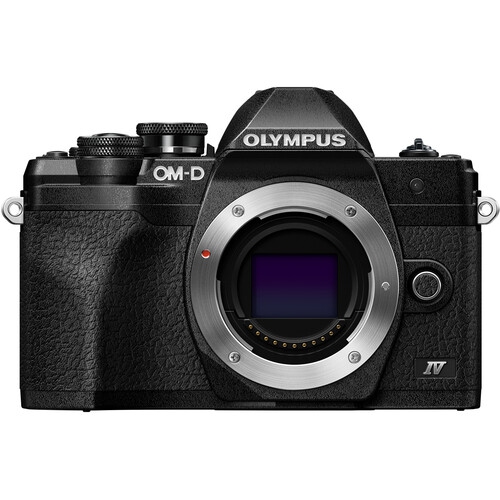
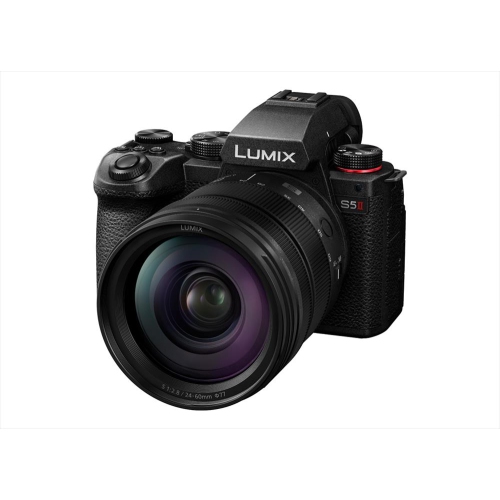
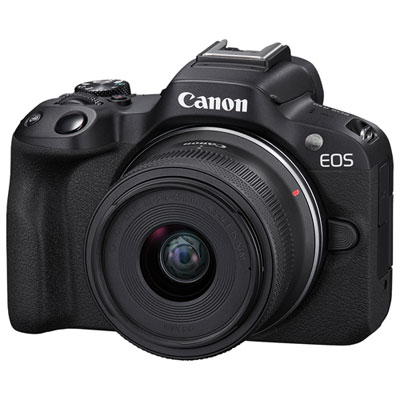
Back to School Mirrorless Cameras for Photography Students brings together options for learning the fundamentals, taking on course assignments, and building a portfolio with a point of view. For students moving beyond a phone camera, a mirrorless camera offers hands-on control over aperture, shutter speed, and ISO, along with the flexibility to change lenses as their interests develop. That might mean photographing a roommate beside a dorm window, capturing the blur of bicycles passing through campus, or finding sharp architectural details on a walk between classes. Many models offer an electronic viewfinder or live-view display that can preview exposure changes, making it easier to connect a setting with its effect on the photograph. A camera that feels comfortable to carry and straightforward to operate can make a real difference during a busy term: it is more likely to come along for the everyday moments that turn into useful practice. For a first photography course, accessible manual controls, dependable autofocus, and a comfortable grip often matter more than the longest specification list.
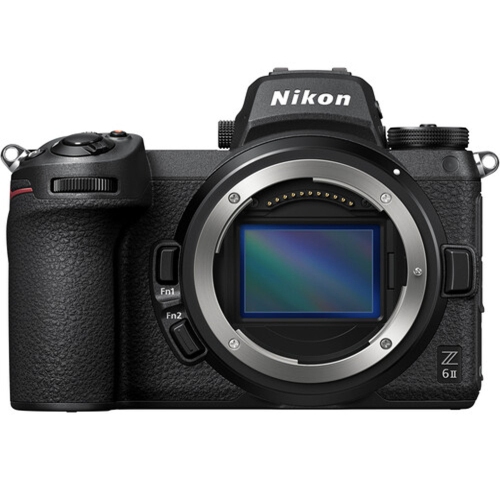
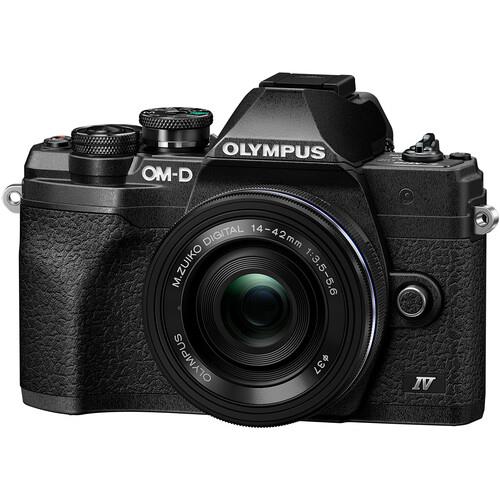
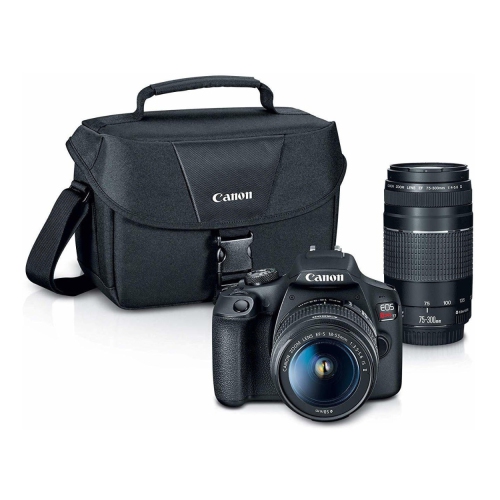
Choosing among mirrorless cameras for photography students starts with the course requirements and the kind of work a student expects to produce. RAW capture allows more flexibility when adjusting exposure, white balance, and colour during editing, while easy access to manual settings supports lessons in depth of field and motion. Sensor size is worth considering alongside the size and cost of compatible lenses, rather than treating it as a measure of quality on its own. Larger sensors can offer advantages for low-light work and shallow depth of field, while smaller-sensor systems may offer more compact camera-and-lens combinations for daily use. A kit zoom can be a practical starting point when assignments move from group portraits to street scenes and still life. As a student’s interests become clearer, a compatible wide-aperture prime lens may be useful for available-light portraits, while a macro lens can suit close-up studies of texture and small objects. Check whether a listing includes a lens or is body-only, and consider the wider lens system before committing. For students borrowing equipment from a school photography department, compatibility with available lenses and accessories can be particularly valuable.

The details that help during a full day of shooting deserve attention, too. A tilting or fully articulating screen can make low-angle compositions and tripod work more comfortable, and subject-tracking autofocus can help when photographing campus sports, performances, or moving subjects for documentary assignments. In-body or lens-based stabilization can reduce blur from camera movement, though a suitable shutter speed is still needed to keep a moving subject sharp. Students whose programmes combine photography with video may also want to compare recording formats, microphone connections, headphone monitoring, and recording limits. It is easy to focus on the camera body and overlook what needs to go into the bag: a compatible memory card with the required speed, a spare battery, a protective bag, and access to editing software all belong in the overall budget. File sizes and computer storage needs matter as well, especially when a week of assignments produces hundreds of RAW images. A manageable setup leaves more room to focus on making photographs rather than juggling equipment.

A mirrorless camera can also be a thoughtful back-to-school gift for a student beginning a photography programme, joining a campus publication, or developing a portfolio for future study. The best fit depends on where they are starting: a beginner may appreciate a camera-and-lens kit, while someone with existing equipment may need a body that works with the lenses they already own. Checking their course equipment list and lens mount before buying helps keep the gift useful from the first assignment onward. Beyond coursework, these cameras can document student life with intention, from a quiet study session lit by a desk lamp to the crowded sidelines of a campus game. With a well-matched camera, students have room to practise, make mistakes, revisit a composition, and gradually develop a style that feels like their own.

Read More

FAQ

Some products may be subject to Environmental Handling Fees (EHF) depending on your province. Learn more about EHFs.