Ball Heads for Tripods
Looking for the perfect ball head to enhance your tripod setup? Look no further! Our collection of ball heads for tripods offers a wide range of options to suit every photographer's needs. Whether you're a professional looking for precise control and stability or an amateur seeking versatility and ease of use, we've got you covered. With their smooth and fluid motion, these ball heads provide the ultimate flexibility in positioning your camera, allowing you to capture stunning shots from any angle. Explore our selection today and take your photography to new heights!
Sort
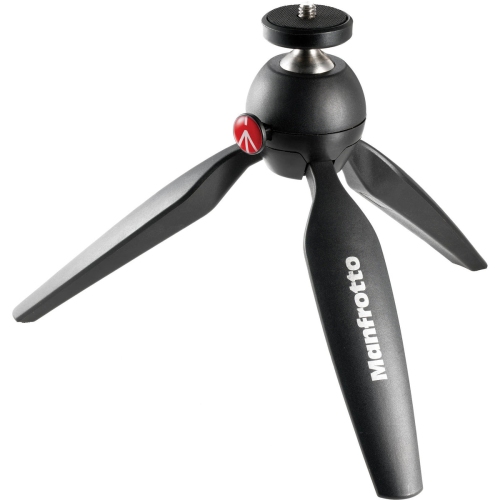
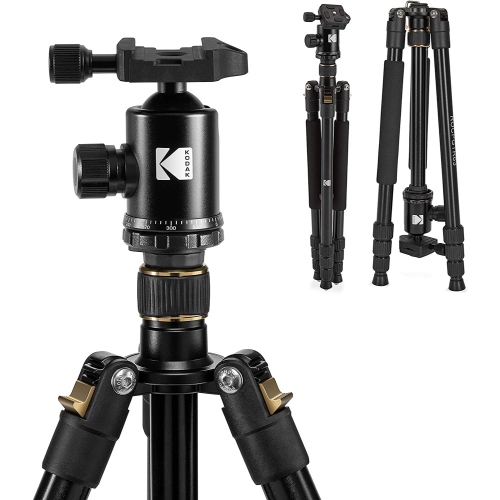
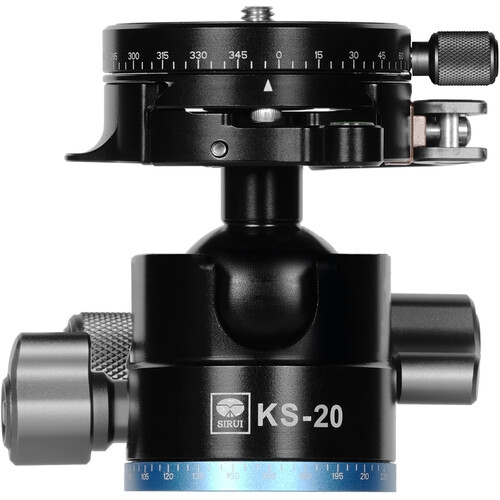
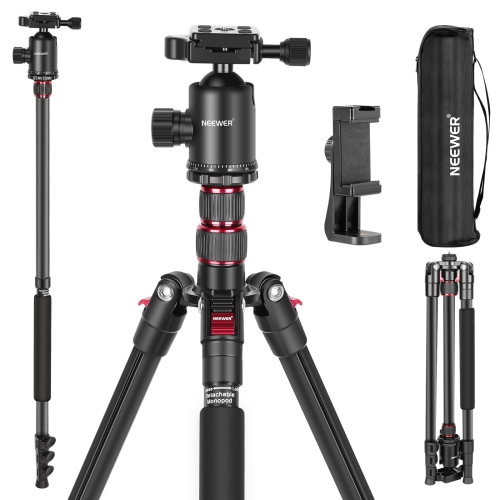
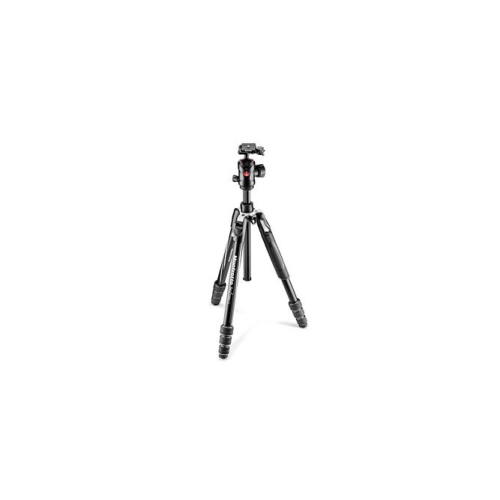
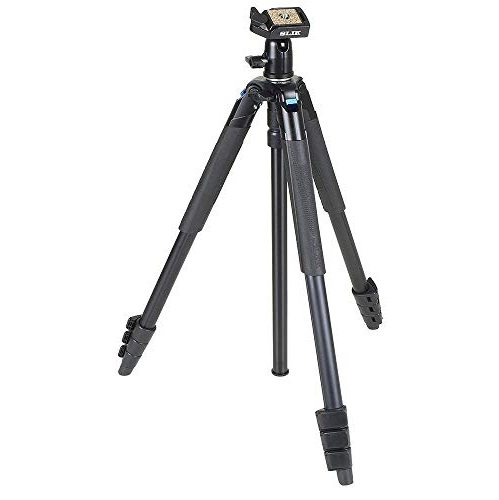
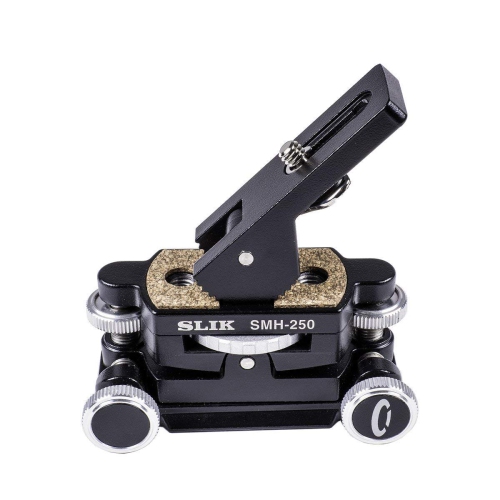
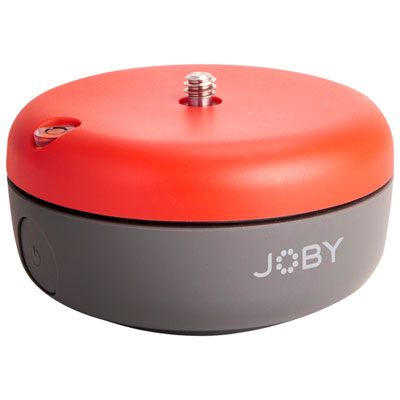
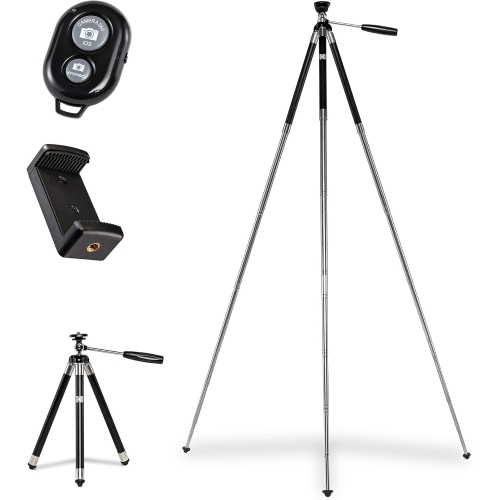


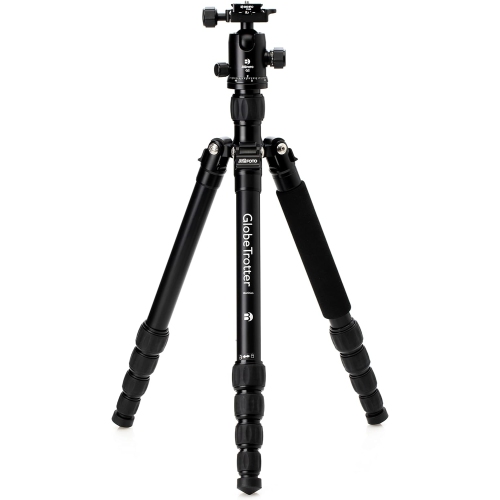
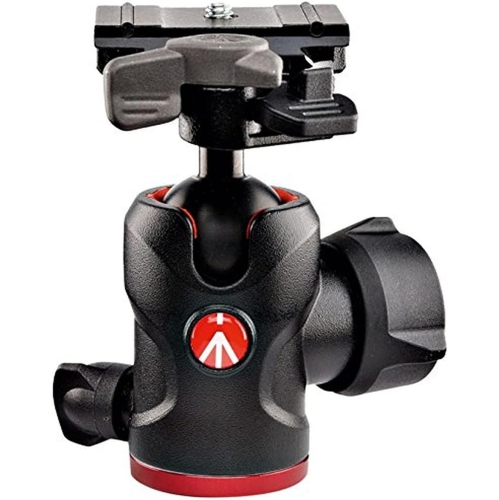
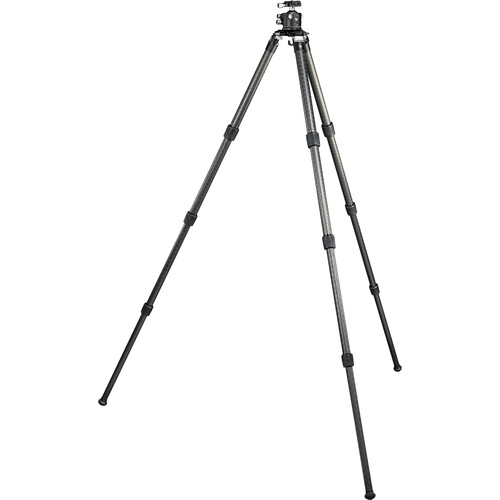
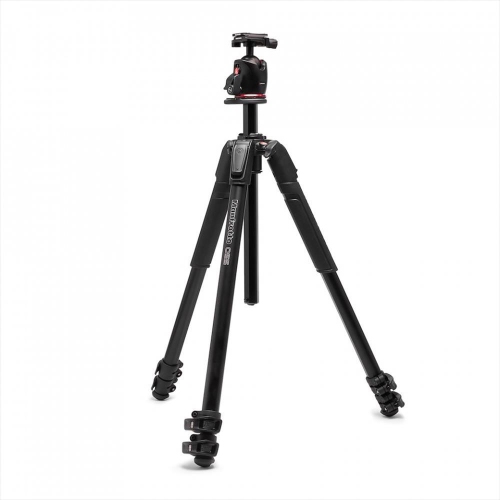
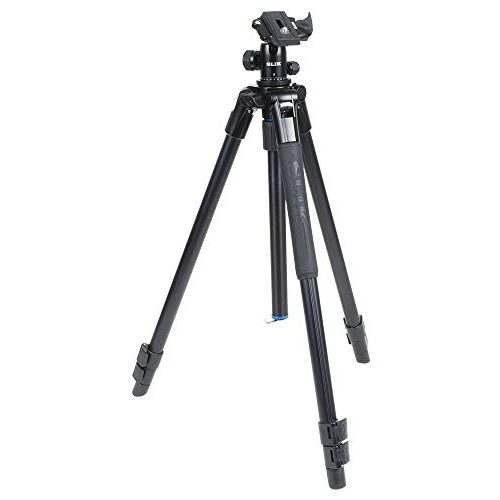
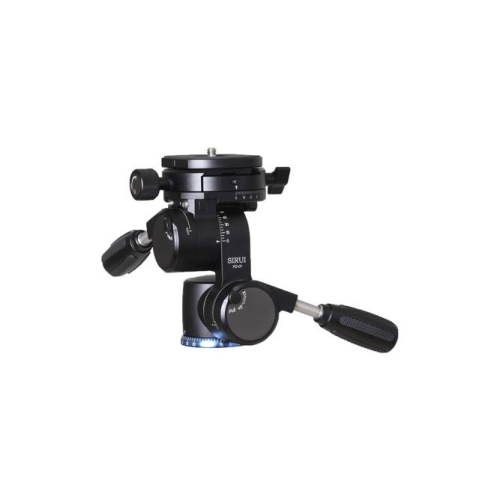
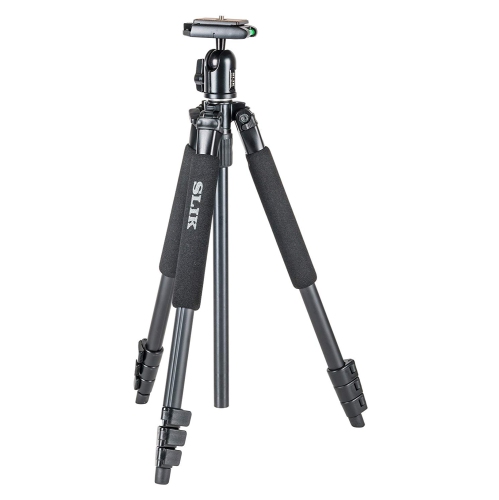
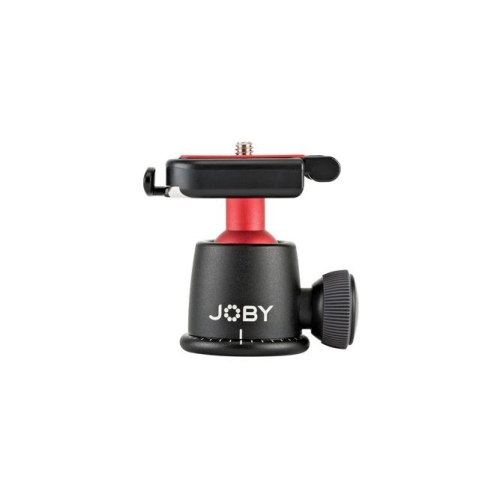
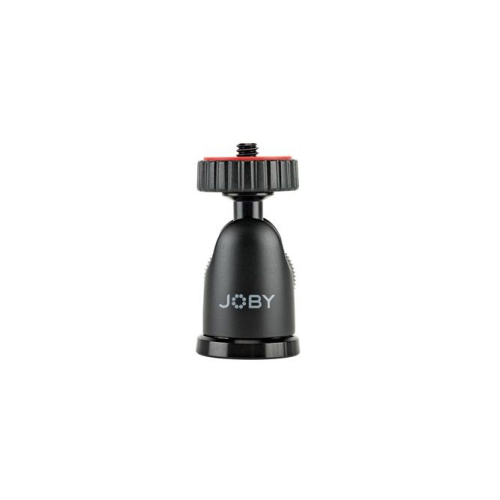
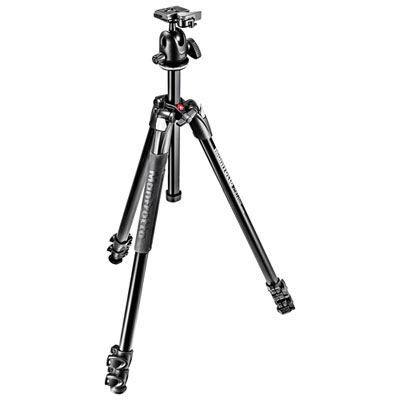
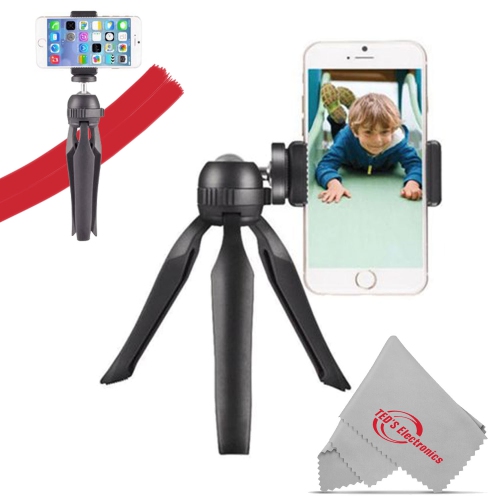
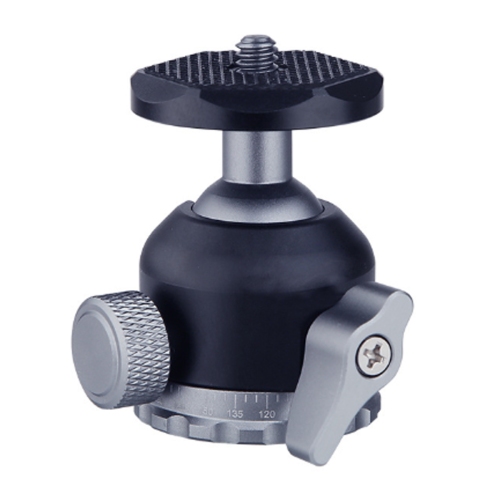
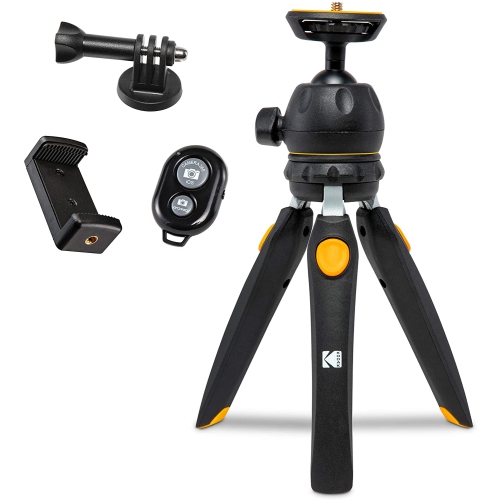
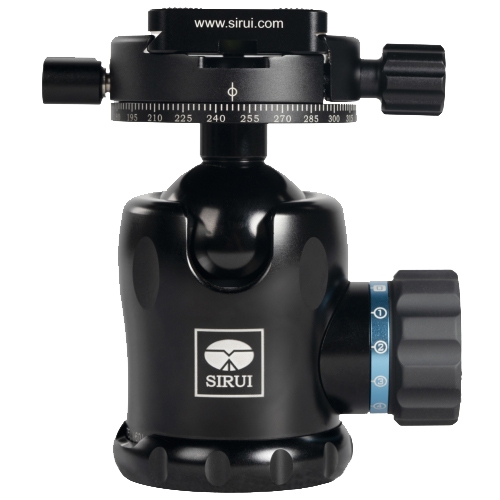
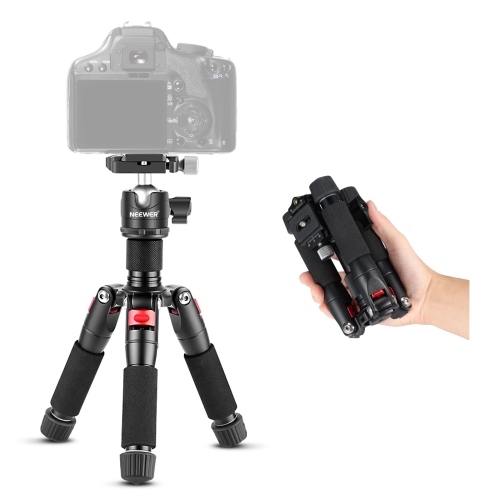
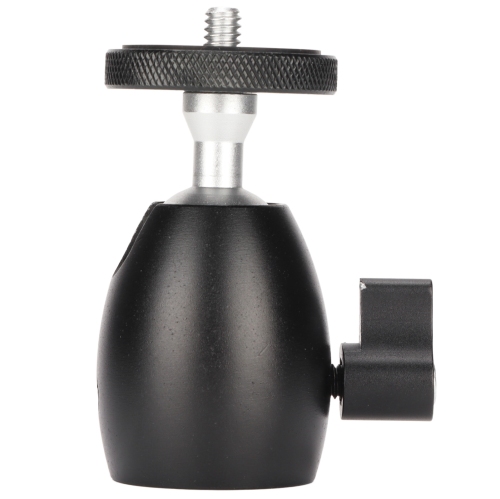
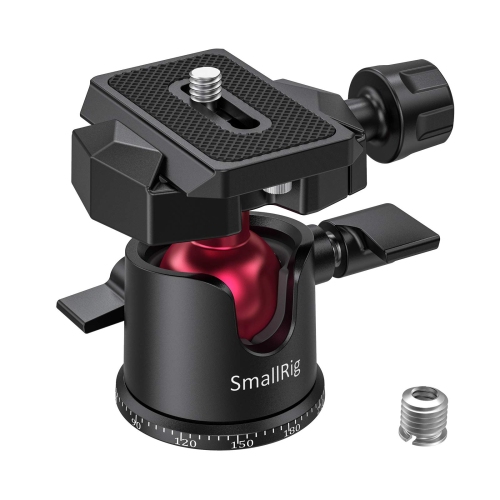
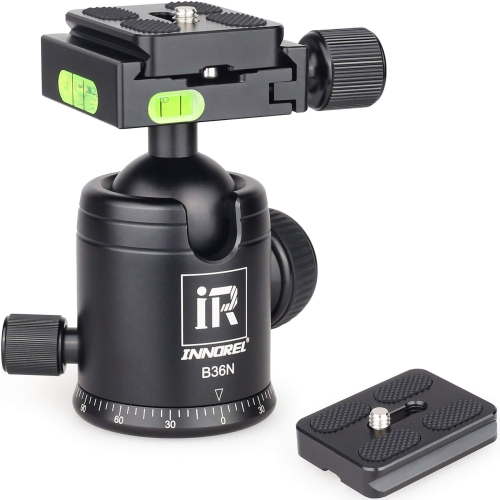
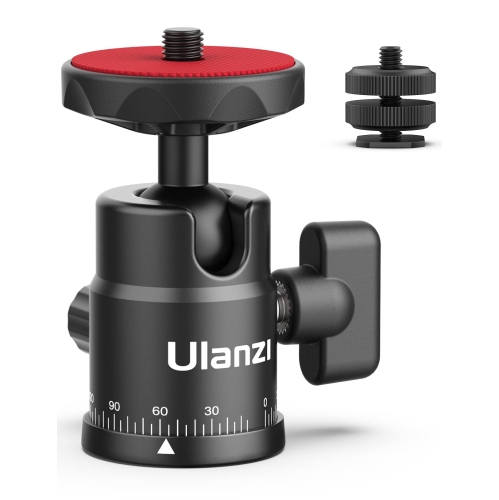
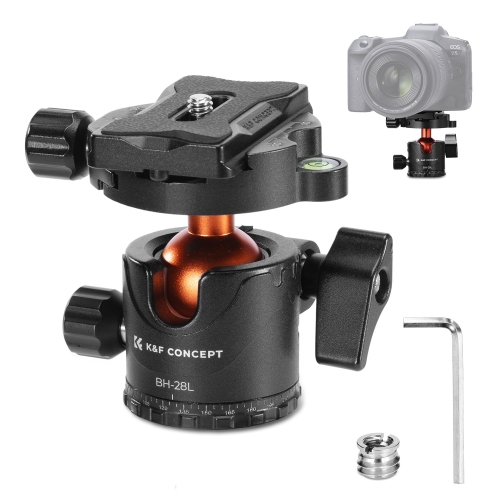
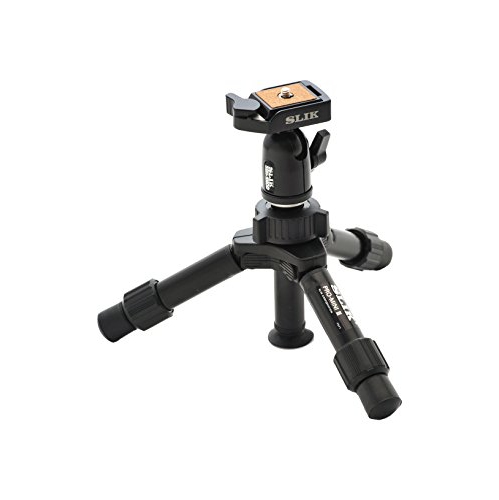
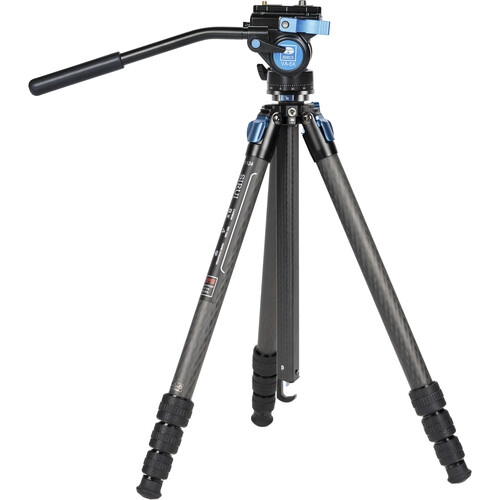

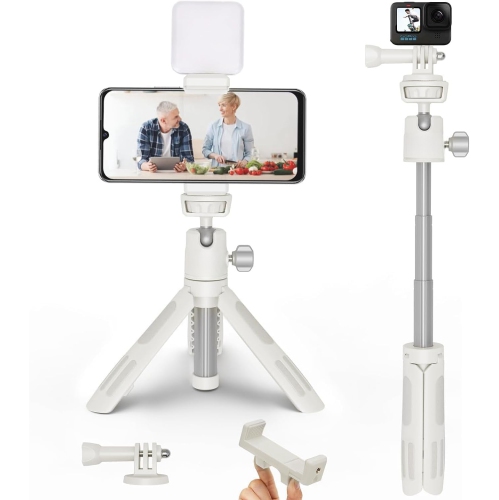
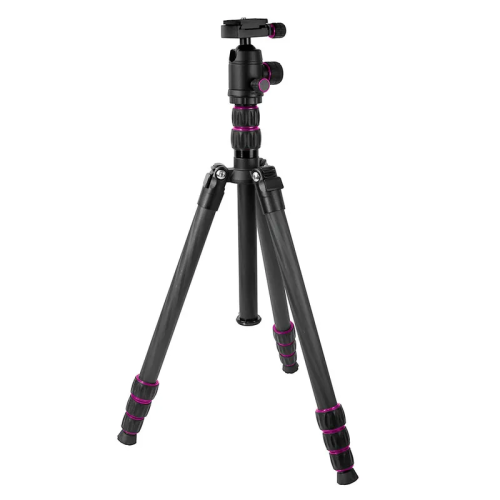
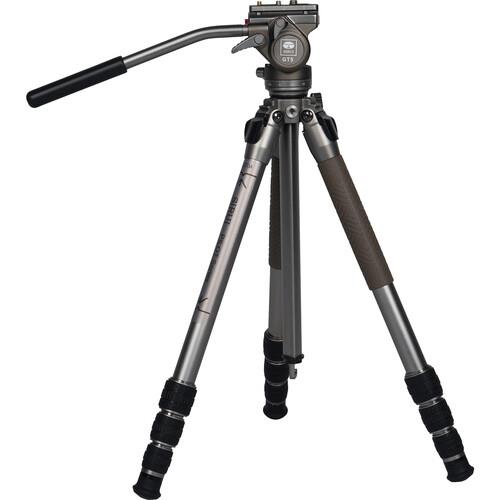
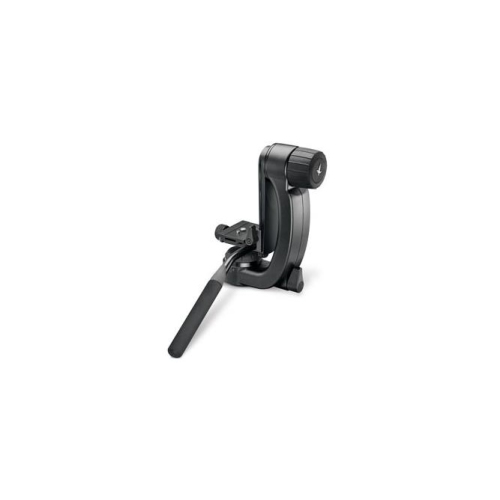
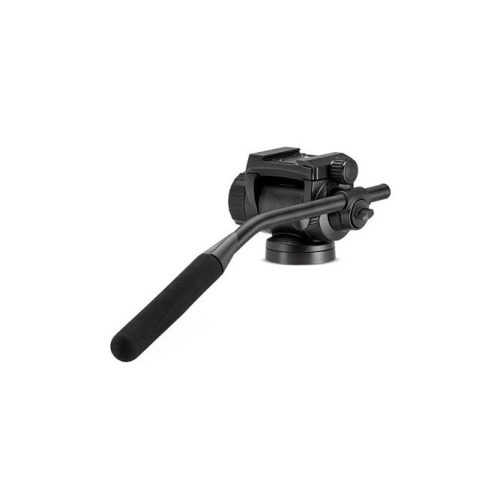
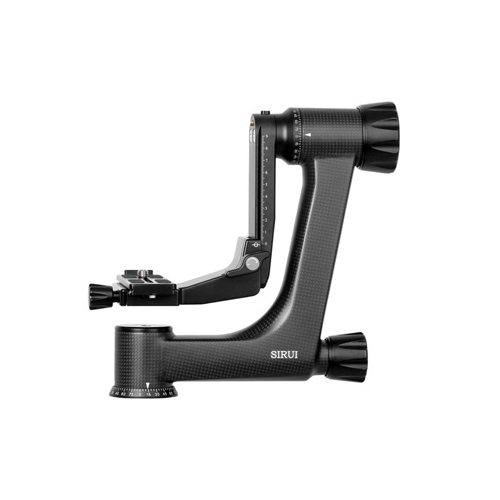
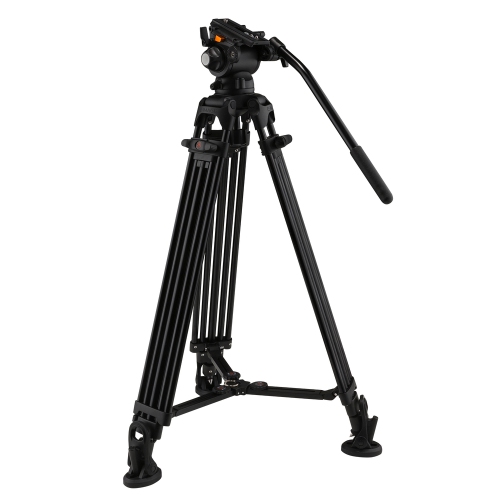
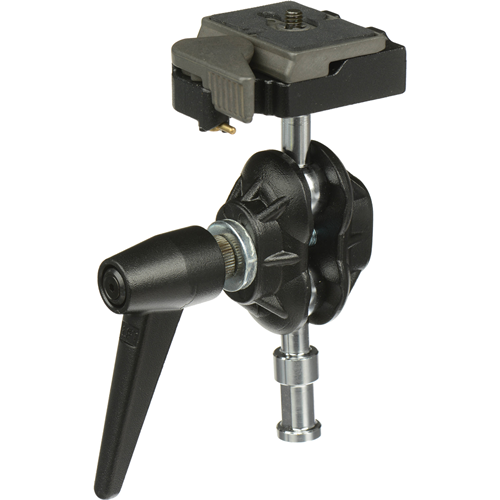
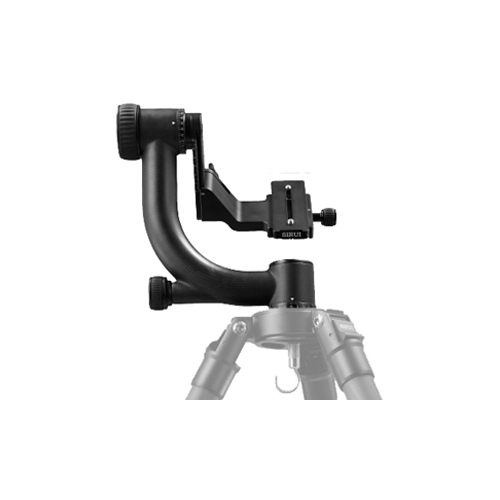
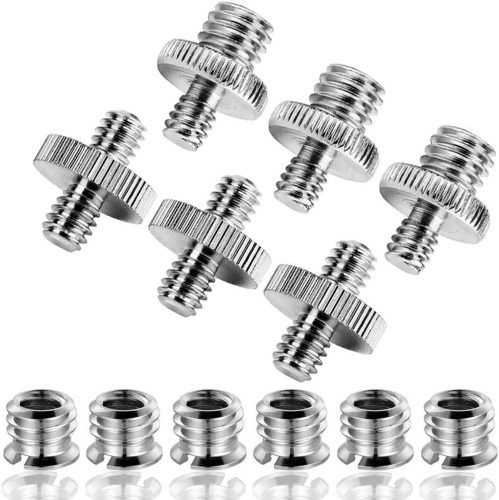
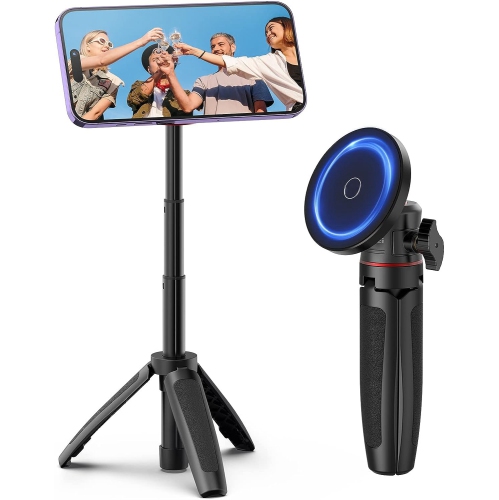
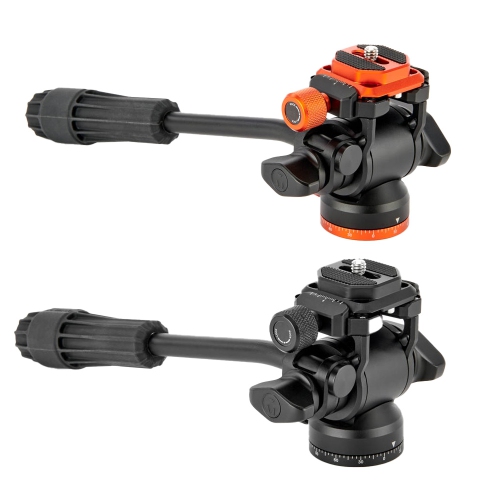
One lock knob supports faster, more flexible camera positioning
Ball heads for tripods provide a quick, flexible way to position a camera without the separate horizontal, vertical, and tilt controls found on traditional three-way tripod heads. A ball-and-socket joint lets you move the camera smoothly through a wide range of angles, then secure it in place by tightening the main lock knob. This makes a ball head useful for landscape photography, portraits, travel photography, architecture, sports, wildlife, and everyday shooting with a DSLR or mirrorless camera. Instead of adjusting several levers one at a time, you can loosen the lock, compose your scene, and lock the camera again with a single motion. Many ball heads also include a panning base that rotates independently through 360 degrees, which is helpful for aligning a horizon, creating a series of images for a panorama, or making small horizontal adjustments while keeping the camera level. A drop-notch is another practical feature to look for. This recessed slot allows the camera to tilt 90 degrees into portrait orientation while keeping the tripod legs planted, making it easier to frame vertical images for portraits, buildings, social media content, and other subjects that benefit from a taller composition. Since ball heads have a compact shape and fewer protruding handles than pan-and-tilt heads, they can also fit neatly into a camera bag when travelling, heading out for a scenic walk, or packing gear for photography during the cooler months.
The most important purchase consideration is load capacity. The ball head should comfortably support the combined weight of the camera body, lens, battery grip, flash, microphone, or other accessories attached to the setup—not just the weight of the camera alone. A longer telephoto lens can shift the centre of gravity forward, so a head with a generous capacity and a firm locking mechanism can provide better stability than one chosen only by its maximum advertised rating. A separate friction or tension control is valuable when working with heavier equipment because it can moderate how freely the ball moves when the main lock is loosened. This helps prevent a camera and lens from dropping abruptly to one side during composition. A quick-release plate makes mounting and removing a camera faster, particularly when moving between handheld shooting and tripod work. Arca-Swiss-compatible plates are widely used and can make it easier to move a camera between compatible supports, while some heads use a proprietary plate system that may be better suited to a particular tripod or accessory setup. Check the plate dimensions, safety lock, and attachment screw before buying, and confirm that the head’s base thread matches the tripod. Common connections include a 1/4-20 camera screw and a 3/8-16 tripod connection, sometimes with an adapter or removable insert. Also consider the control layout: a large main lock knob is easy to operate in gloves, a separate panning lock helps with precise horizontal movement, and clearly differentiated controls reduce fumbling when the light is fading. A compact head may be ideal for a lightweight travel kit, while a larger model can feel more reassuring with professional camera bodies and substantial lenses.
Ball heads can be a thoughtful gift for someone who enjoys photographing autumn colour, winter landscapes, family gatherings, wildlife, or weekend trips, as well as for students building a first camera kit. They are also useful beyond still photography. Content creators can use them to position a camera for overhead demonstrations, tabletop scenes, interviews, and product shots, while birdwatchers and outdoor photographers may appreciate the ability to make quick framing changes as a subject moves through the scene. For close-up work, a controlled ball movement can help set a precise angle over flowers, crafts, food, or small objects, although a geared or specialised head may be preferable when extremely fine adjustments are required. Video users should check whether a ball head suits their intended movement, since smooth continuous pans often call for a dedicated fluid head. Before choosing, think about where the setup will be used most often: a compact option may be easier to carry along a trail or store in a small bag, while a heavier model may deliver a steadier feel in a studio or when supporting a large lens. Photographers who mostly work from a tabletop or with a compact camera may also want to compare ball heads with Mini Tripods for DSLR for smaller support arrangements. Whichever style fits the kit, a well-matched ball head can make tripod work feel faster and more intuitive, helping photographers move from a carefully levelled horizon to a vertical portrait or low-angle composition with less interruption to the moment.
The most important purchase consideration is load capacity. The ball head should comfortably support the combined weight of the camera body, lens, battery grip, flash, microphone, or other accessories attached to the setup—not just the weight of the camera alone. A longer telephoto lens can shift the centre of gravity forward, so a head with a generous capacity and a firm locking mechanism can provide better stability than one chosen only by its maximum advertised rating. A separate friction or tension control is valuable when working with heavier equipment because it can moderate how freely the ball moves when the main lock is loosened. This helps prevent a camera and lens from dropping abruptly to one side during composition. A quick-release plate makes mounting and removing a camera faster, particularly when moving between handheld shooting and tripod work. Arca-Swiss-compatible plates are widely used and can make it easier to move a camera between compatible supports, while some heads use a proprietary plate system that may be better suited to a particular tripod or accessory setup. Check the plate dimensions, safety lock, and attachment screw before buying, and confirm that the head’s base thread matches the tripod. Common connections include a 1/4-20 camera screw and a 3/8-16 tripod connection, sometimes with an adapter or removable insert. Also consider the control layout: a large main lock knob is easy to operate in gloves, a separate panning lock helps with precise horizontal movement, and clearly differentiated controls reduce fumbling when the light is fading. A compact head may be ideal for a lightweight travel kit, while a larger model can feel more reassuring with professional camera bodies and substantial lenses.
Ball heads can be a thoughtful gift for someone who enjoys photographing autumn colour, winter landscapes, family gatherings, wildlife, or weekend trips, as well as for students building a first camera kit. They are also useful beyond still photography. Content creators can use them to position a camera for overhead demonstrations, tabletop scenes, interviews, and product shots, while birdwatchers and outdoor photographers may appreciate the ability to make quick framing changes as a subject moves through the scene. For close-up work, a controlled ball movement can help set a precise angle over flowers, crafts, food, or small objects, although a geared or specialised head may be preferable when extremely fine adjustments are required. Video users should check whether a ball head suits their intended movement, since smooth continuous pans often call for a dedicated fluid head. Before choosing, think about where the setup will be used most often: a compact option may be easier to carry along a trail or store in a small bag, while a heavier model may deliver a steadier feel in a studio or when supporting a large lens. Photographers who mostly work from a tabletop or with a compact camera may also want to compare ball heads with Mini Tripods for DSLR for smaller support arrangements. Whichever style fits the kit, a well-matched ball head can make tripod work feel faster and more intuitive, helping photographers move from a carefully levelled horizon to a vertical portrait or low-angle composition with less interruption to the moment.
Top selling and popular products
-
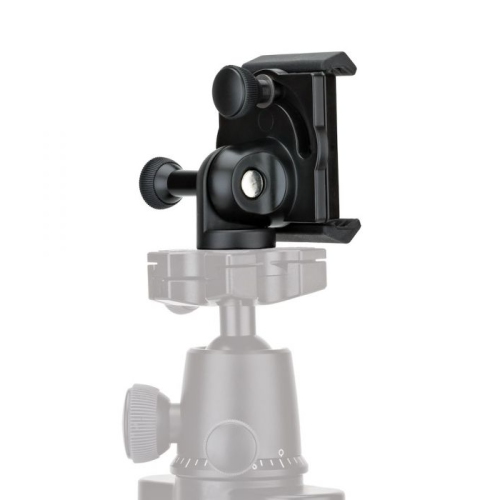 Your price for this item is $97.99
 -
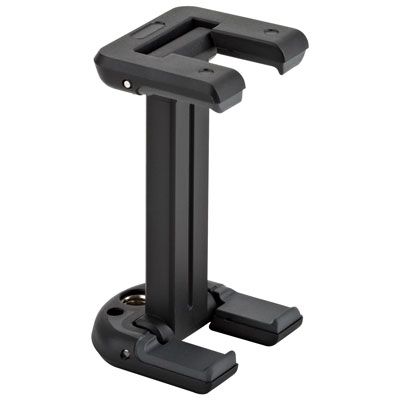 Your price for this item is $29.97
 -
 Your price for this item is $369
 -
 Your price for this item is $41.95
 -
 Your price for this item is $142.45
 -
 Your price for this item is $119
 -
 Your price for this item is $699
 -
 Your price for this item is $139.99
Discover more categories related to Ball Heads for Tripods


Top Collections:
Pokemon Centers, Kindle Devices, Best Budget Office Chairs, Apple iPhones 16, Best Laptops for Writers, iPhone 15 Apple, Canon G7X Cameras, Refurbished Apple Laptops, Alarm Clock, Motorola Razr Phones
Some products may be subject to Environmental Handling Fees
(EHF) depending on your province.
Learn more about EHFs.